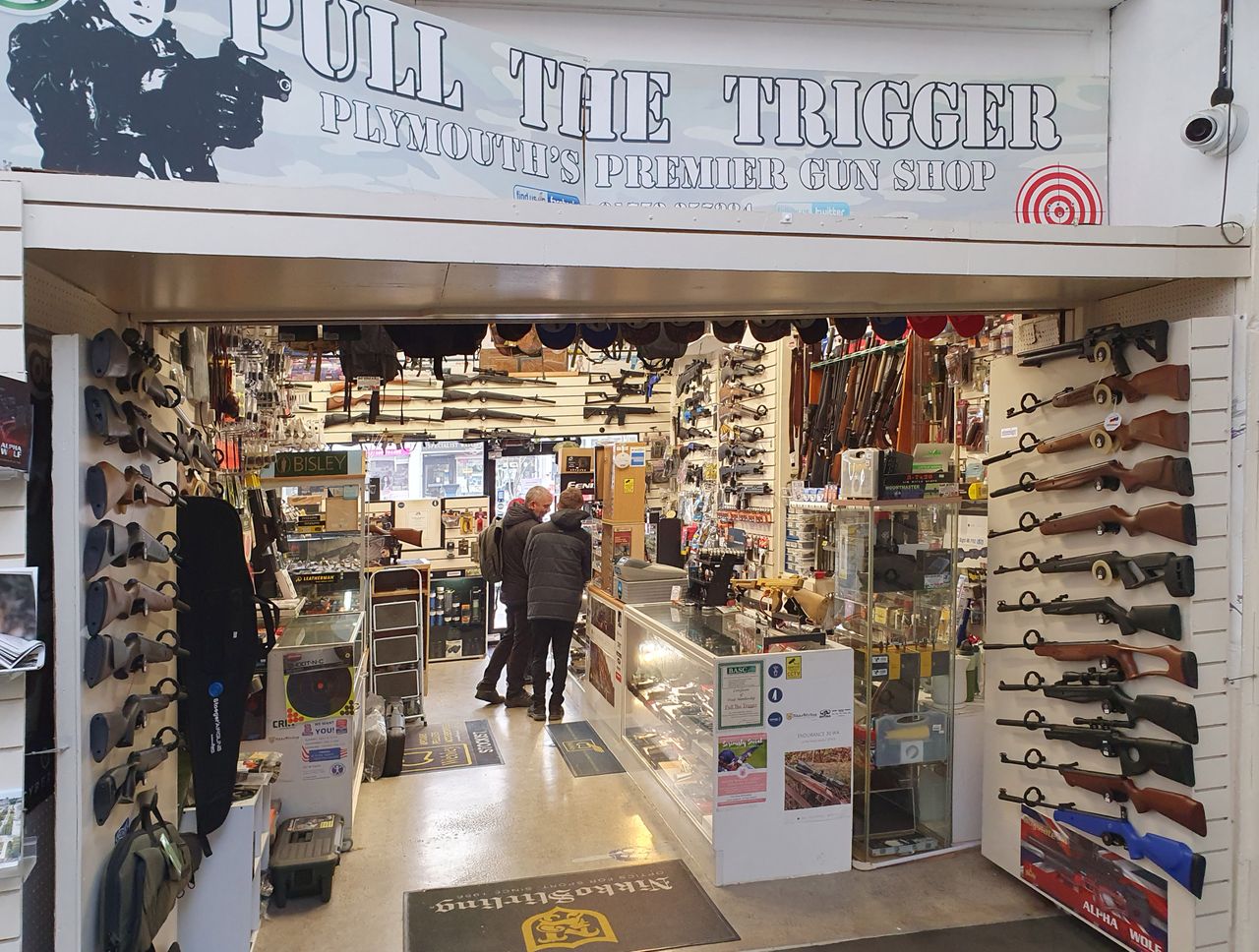
Walk into enough gun shops and you start noticing the gaps. Some rifles that were once familiar sights behind the counter now appear only occasionally, pushed into scarcity by discontinued production, import limits, collector demand, or simple shifts in what buyers want. This gallery looks at a dozen rifles that have become increasingly rare at retail, and why spotting one in person feels a little more notable today.
Winchester Model 70 Pre-64 Style Variants
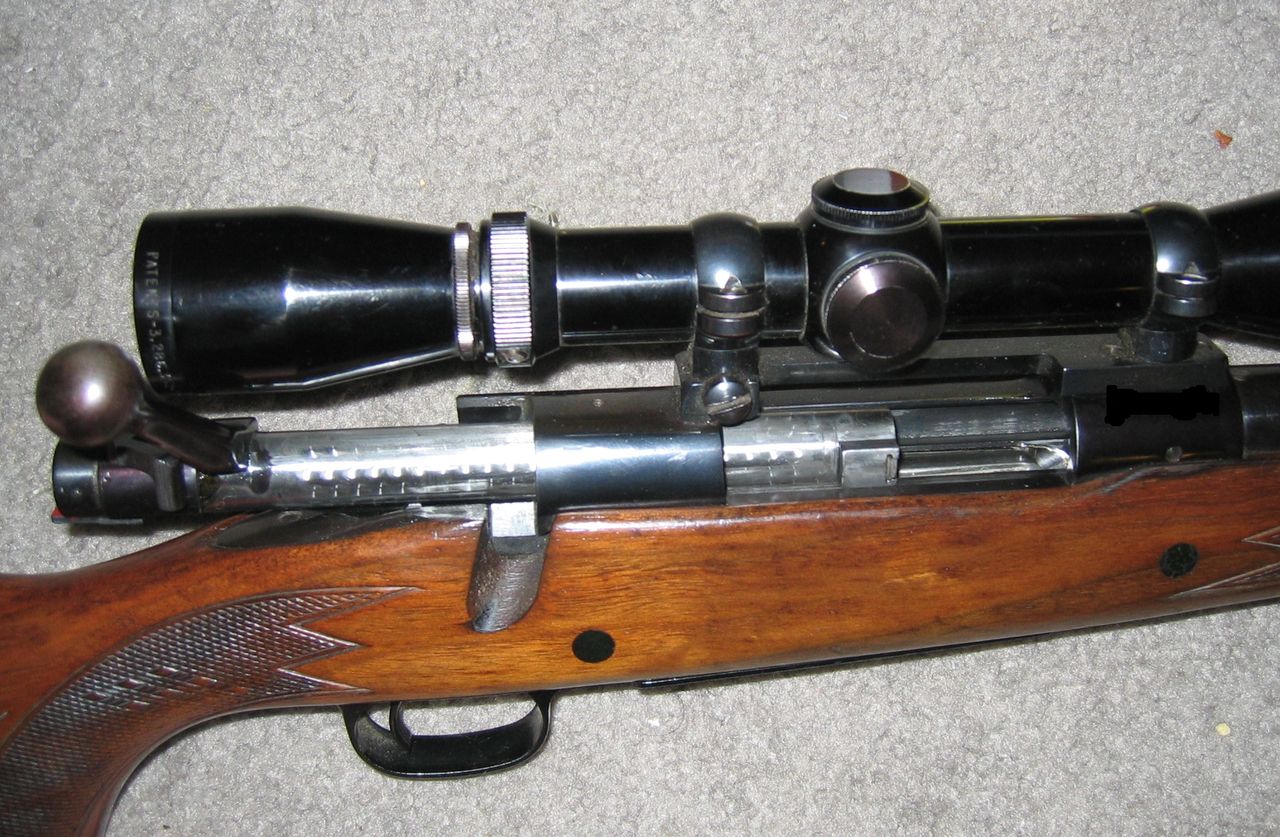
Few rifle names carry as much built-in nostalgia as the Model 70, and that nostalgia has made certain versions much tougher to find at ordinary gun shops. Shoppers may still see newer production guns, but configurations that closely echo the pre-64 look and feel tend to disappear quickly when they arrive.
Part of the scarcity is simple demand. Buyers who want classic walnut, controlled-round feed, and old-school Winchester appeal are often competing with collectors, hunters, and enthusiasts all at once. That means these rifles are less likely to linger on a rack and more likely to be spoken for before casual shoppers even spot them.
Remington 700 BDL Wood Stock Models
The Remington 700 is not rare in a broad sense, but the classic BDL trim with polished blue steel and glossy walnut has become much less common in stores than many buyers remember. In many shops, synthetic-stock versions and budget trims now crowd out the more traditional presentation.
That shift reflects both manufacturing economics and changing consumer preferences. A lot of buyers want weatherproof finishes, detachable magazines, and lower prices, while older-style BDL rifles appeal to a narrower crowd that values looks as much as utility. The result is a rifle that still exists, but is increasingly absent from everyday browsing.
Ruger No. 1
The Ruger No. 1 has always occupied a special corner of the rifle world. Its falling-block action, elegant lines, and unmistakably classic profile make it feel more like a connoisseur’s piece than a standard store-stocked hunting rifle.
That distinction is part of why it has become harder to encounter in person. The market today leans heavily toward repeaters, modular platforms, and practical hunting rifles, leaving a single-shot like the No. 1 with a smaller but deeply loyal audience. When one does show up at a shop, it often attracts immediate attention from buyers who know they may not see another soon.
Browning BAR Safari

Browning’s BAR Safari blends semi-automatic function with the polished look of a traditional hunting rifle, and that combination has become less common on dealer shelves. It is still admired, but it now feels like a holdover from a time when upscale sporting rifles had a larger retail footprint.
Modern demand often favors lighter materials, tactical styling, or lower-cost hunting guns, which pushes something like the BAR Safari into a more specialized lane. Add in price sensitivity and limited shop inventory space, and many stores simply do not keep one around. If a buyer wants one, it is increasingly something they have to seek out rather than stumble upon.
Marlin 336 JM-Stamped Rifles
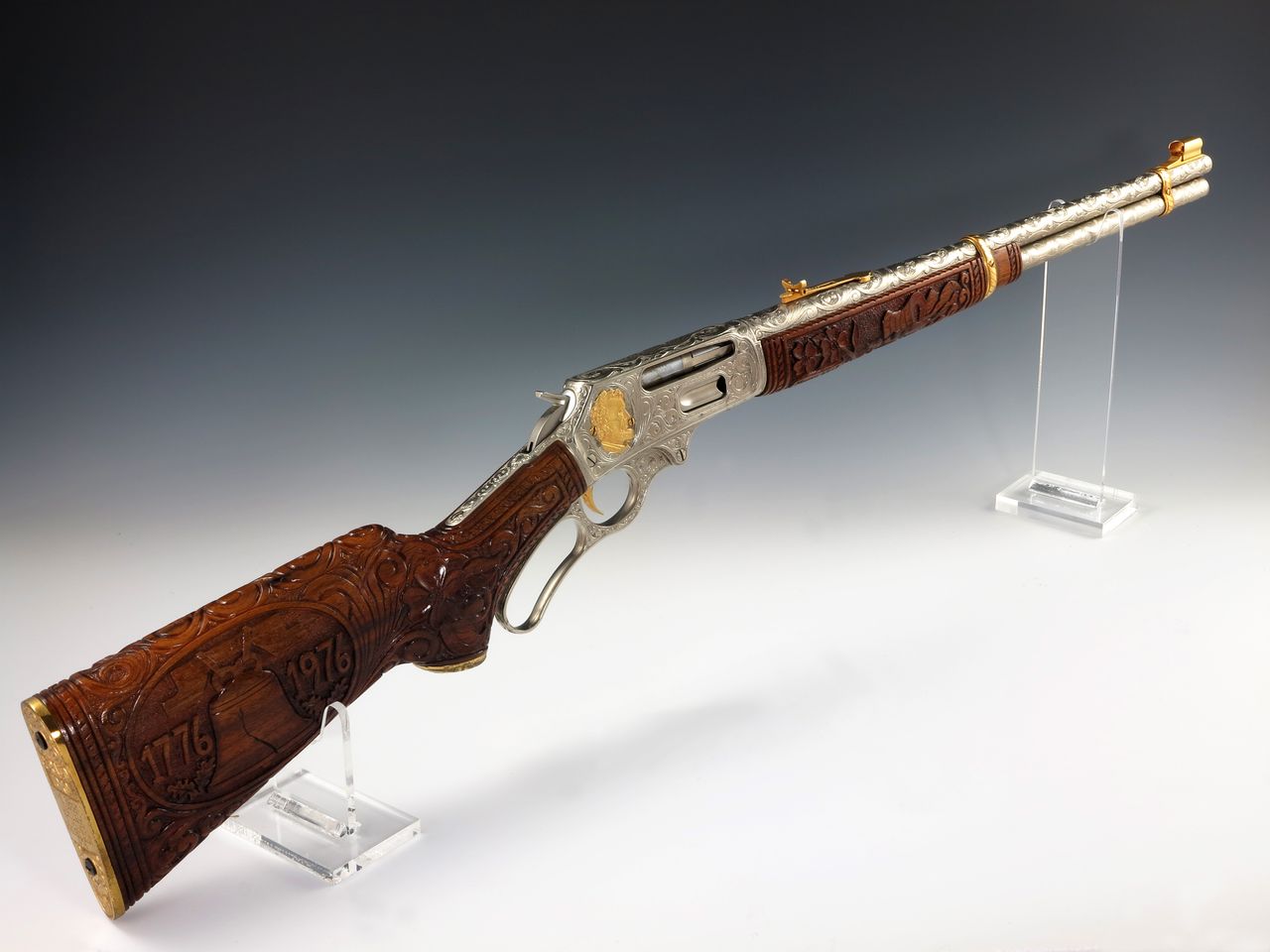
Lever-action rifles have enjoyed a real resurgence, but that has not made older Marlin 336 rifles any easier to find. In fact, rifles bearing the older JM stamp have become especially scarce at gun shops because many buyers specifically want those earlier examples.
Some of that demand is driven by perceptions of fit, finish, and old Marlin craftsmanship. Some of it is simply the appeal of a proven deer rifle with a strong reputation and a traditional American feel. Whatever the reason, once a clean JM-stamped 336 hits a shelf, it often disappears fast, leaving casual shoppers wondering why they never seem to catch one in stock.
Savage 99

The Savage 99 is one of those rifles that makes knowledgeable shoppers pause the moment they see it. With its distinctive lever action design and unmistakable rotary-magazine heritage, it stands apart from the more familiar Winchester and Marlin silhouettes that dominate most conversations.
Its growing rarity at gun shops has a lot to do with age and finite supply. Since the rifle is long out of mainstream production, every example on the retail market is part of a shrinking pool, and many owners prefer to hold onto them. That has transformed the Savage 99 from a once-common sporting rifle into a more sporadic, almost surprising store sighting.
Browning BLR Older Steel Receiver Models
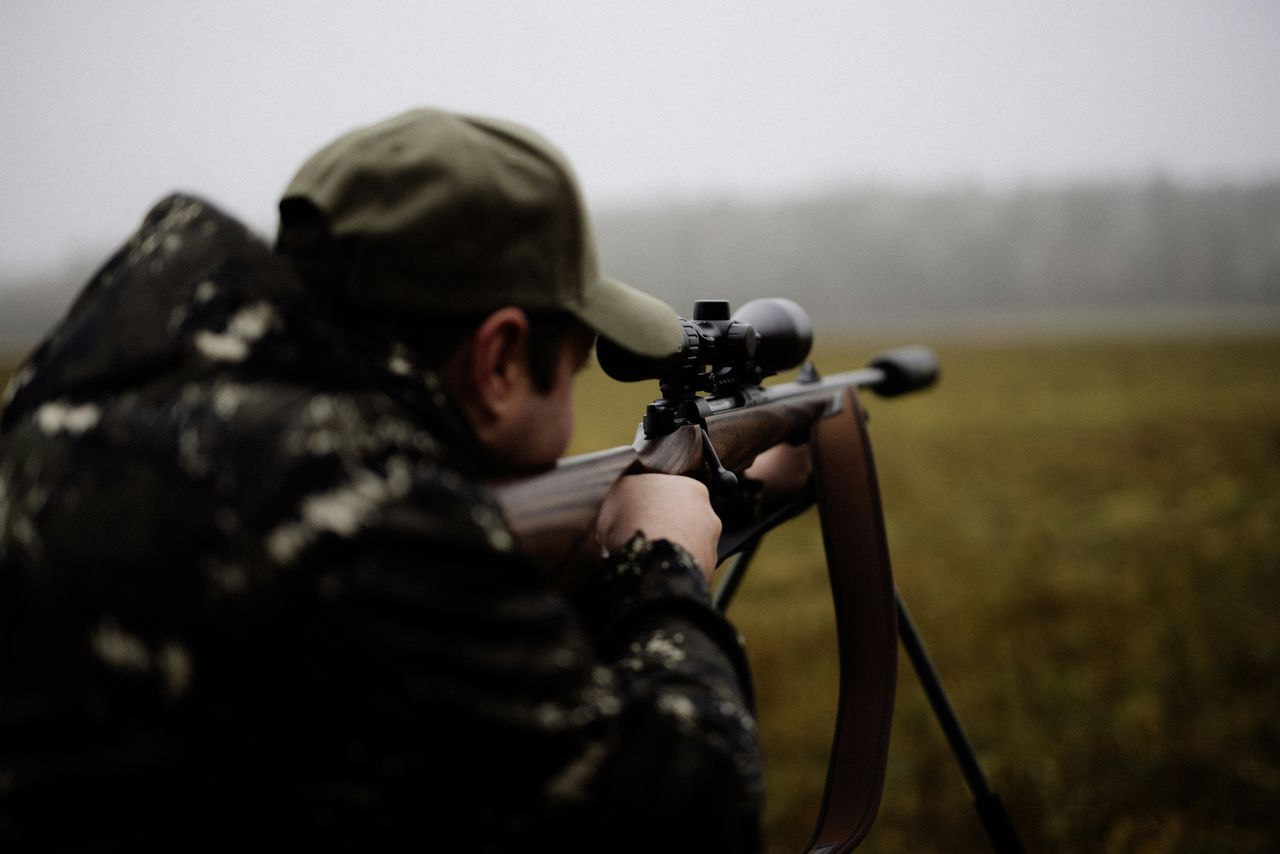
The Browning BLR has long appealed to hunters who want lever-action handling with the flexibility to use modern cartridges. Older steel receiver models, in particular, have built a following that makes them harder to find than newer shoppers might expect.
Part of the appeal is aesthetic, since many buyers prefer the look and heft of the earlier rifles. Part of it is also generational, with longtime owners keeping them in the family or passing them down rather than trading them in. That means gun shop appearances can be infrequent, and when one surfaces, it often feels like a meaningful find instead of routine inventory.
Springfield M1A Standard Walnut Models
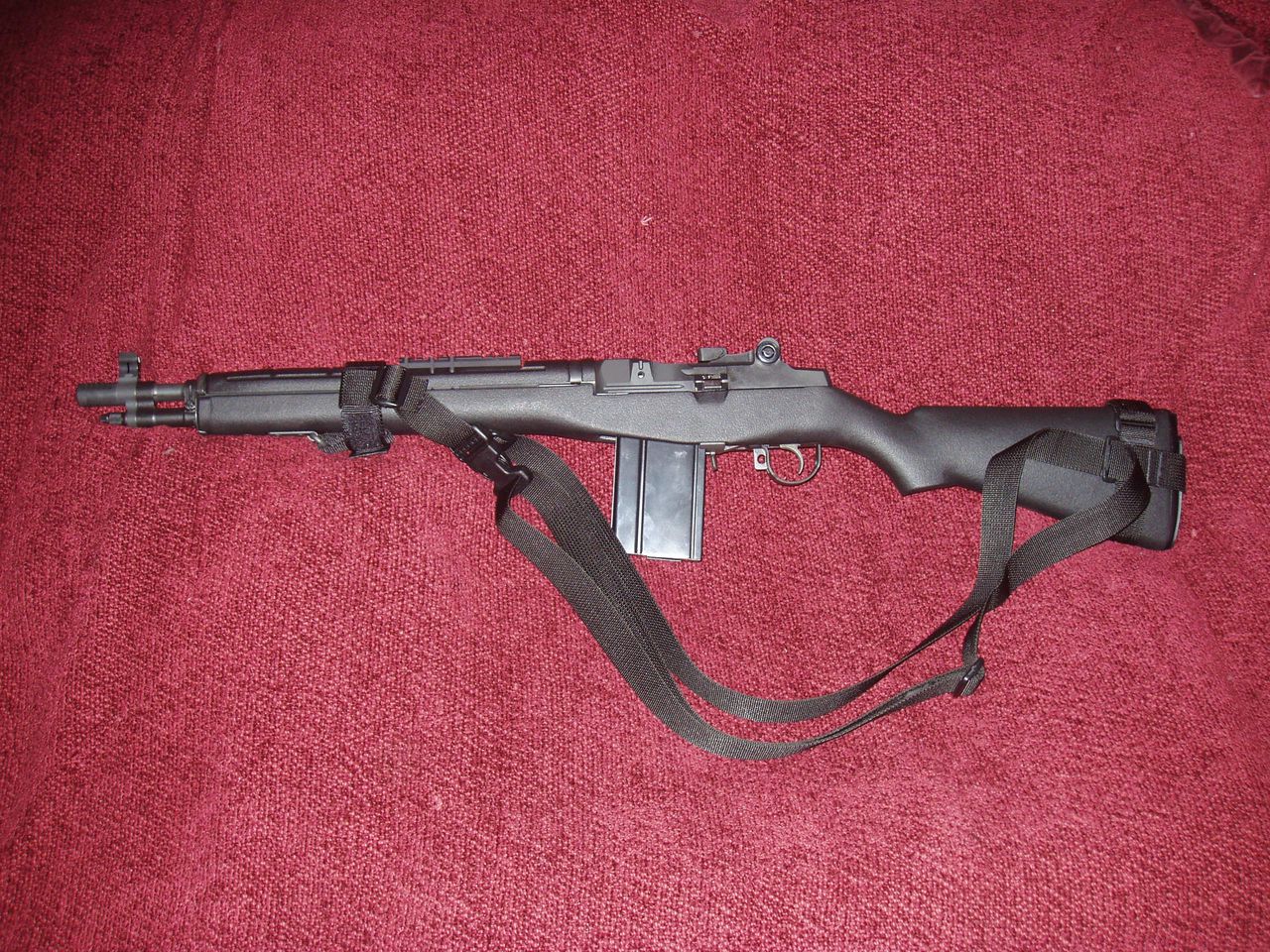
The M1A remains recognizable, but the standard walnut-stocked version feels less common at retail than it once did. In many stores, black synthetic furniture and more tactical variants dominate the category, leaving the classic profile to appear only in smaller numbers.
That scarcity reflects broader market tastes as much as anything else. Buyers interested in practical semi-automatic rifles often prioritize rails, optics compatibility, and lighter stocks, while walnut models draw enthusiasts who appreciate the old service-rifle look. The result is a rifle that still commands attention, yet increasingly feels like a specialty item when seen on a shop wall.
Colt Sauer Sporting Rifles

Colt Sauer rifles occupy an unusual niche in the used-rifle world because they combine a familiar American brand name with German manufacturing and a reputation for quality. That blend gives them an upscale mystique, but it also means many general gun shoppers have never actually handled one in person.
They have become rare at shops largely because they were never the kind of rifle every store had in volume to begin with. Over time, attrition and collector interest have only thinned the supply further. When a Colt Sauer appears on a rack today, it tends to draw curious looks from newcomers and immediate recognition from buyers who know what they are seeing.
Sako Finnbear
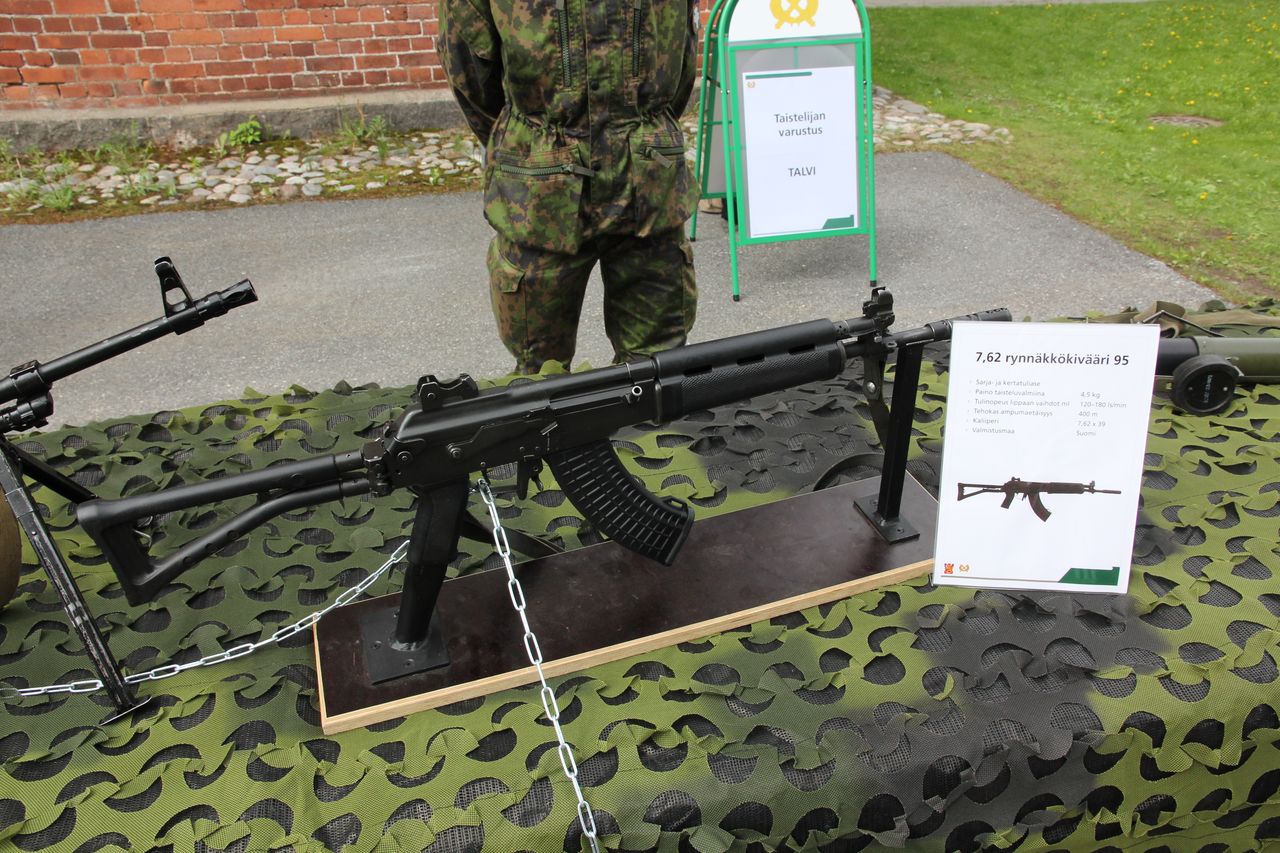
The Sako Finnbear represents a style of imported bolt-action hunting rifle that many shooters still admire for its refinement and smooth operation. It carries a reputation for quality that has aged well, which is exactly why examples have become harder to spot in everyday gun shop traffic.
These rifles tend to be held by owners who appreciate the craftsmanship and see little reason to part with them. At the same time, shoppers hunting for vintage Sakos often move quickly when one surfaces, especially if the rifle remains in strong original condition. That combination keeps the Finnbear from lingering long, even in stores with active used-gun sections.
Steyr Mannlicher Full-Stock Rifles
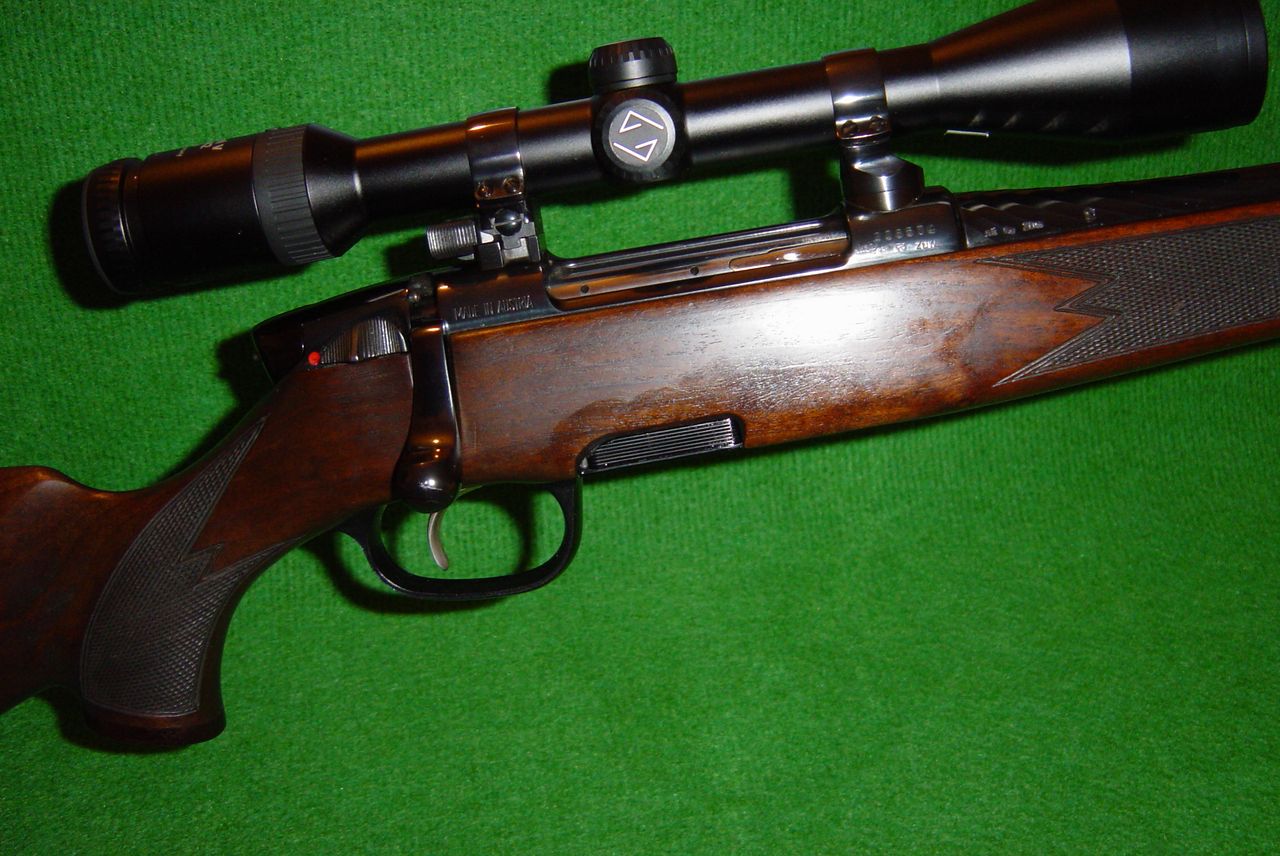
There is something instantly recognizable about a full-stock Steyr Mannlicher. The sleek profile and European styling make it stand out in a room full of more conventional sporters, and that same distinct identity has helped turn it into a relatively rare sight at many American gun shops.
The market for these rifles has always been enthusiastic but selective. They appeal strongly to buyers who love traditional continental hunting aesthetics, yet they sit outside the mainstream tastes that drive most retail inventory decisions. Because of that, many shops simply do not have one on hand very often, and when they do, it tends to feel more like a curated piece than ordinary stock.
Winchester 88
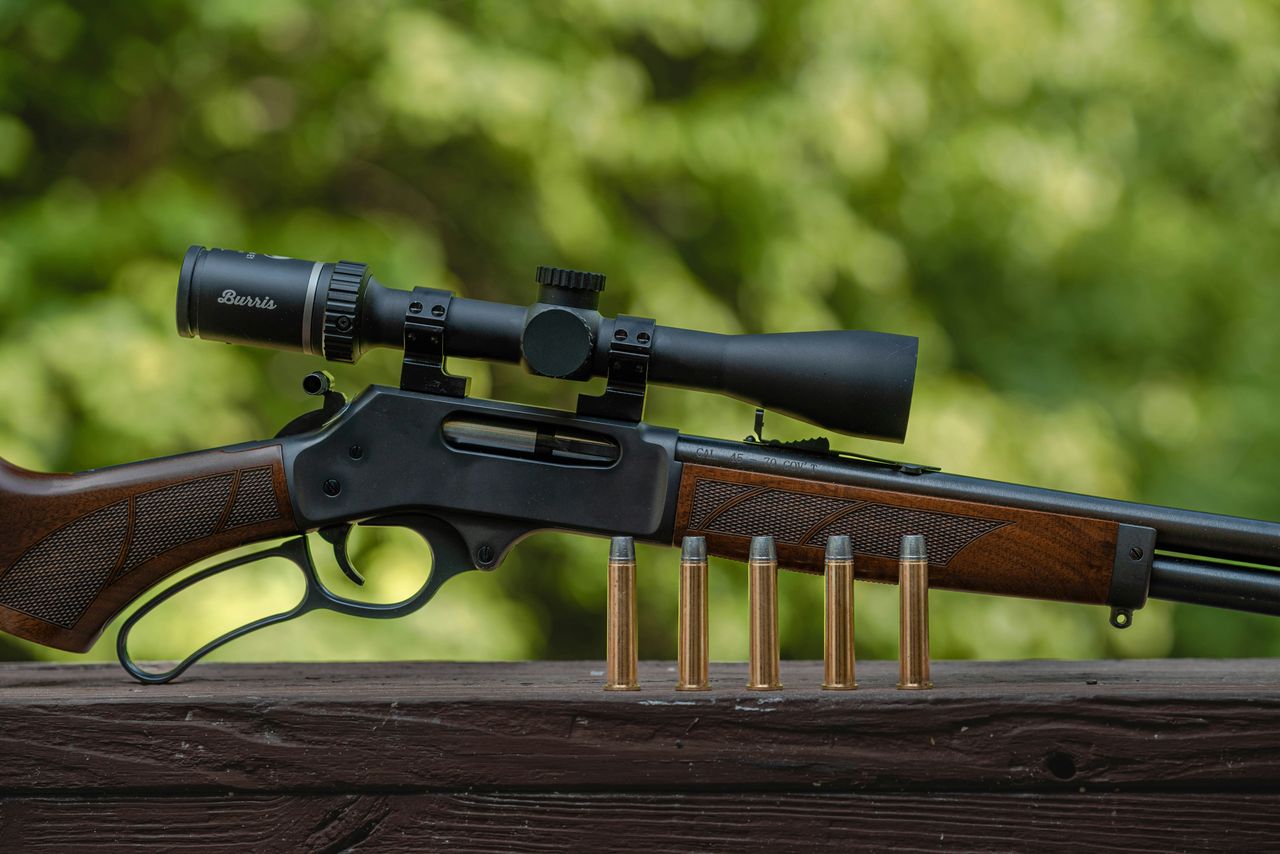
The Winchester 88 has developed a second life as a rifle people talk about with a mix of admiration and surprise. It offered lever-action familiarity with a detachable box magazine and a more modern feel, which makes it seem notably ahead of its era when viewed from today’s perspective.
Its rarity in gun shops now comes down to the same forces that shape many sought-after older rifles: discontinued production, shrinking supply, and a growing audience of buyers who have learned its story. It is not the kind of rifle most people expect to see leaning on a used rack anymore. That rarity only adds to the excitement when one appears in good condition.