America’s hunting tradition has been shaped by firearms that were practical, adaptable, and built for the conditions hunters actually faced. From classic lever actions carried through thick deer woods to bolt-action rifles designed for open-country big game, each of these firearms represents a different stage in that history. Their importance comes not only from sales or longevity, but from the way they influenced hunting habits, cartridge choices, field equipment, and generations of hunters.
1. Winchester Model 1894
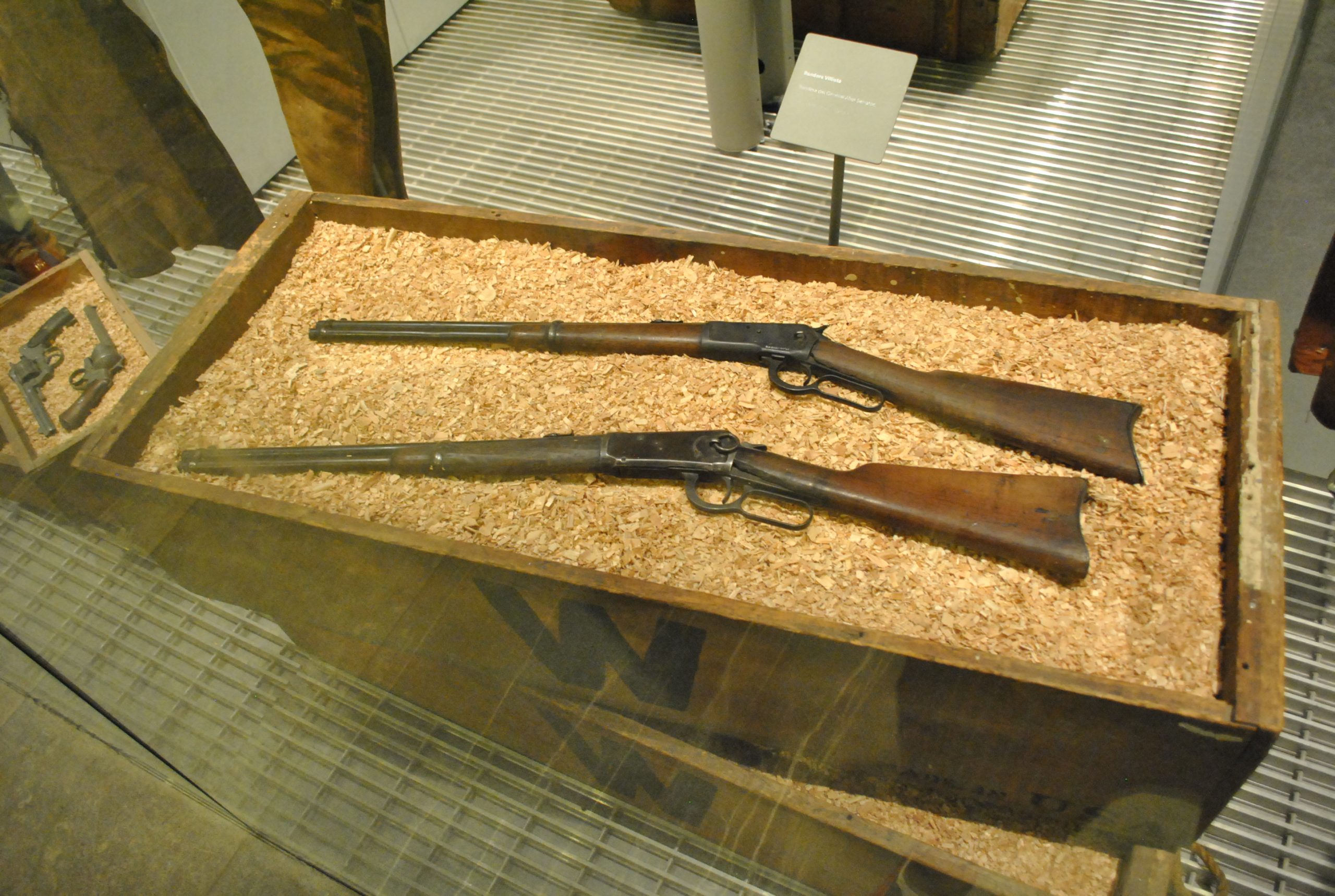
Introduced in 1894, the Winchester Model 1894 became one of the defining hunting rifles in the United States. Its lever action gave hunters a compact package that could be cycled quickly, while the later .30-30 Winchester chambering made it especially familiar in deer country. More than 7 million Model 94 rifles were produced, a scale that carried the design across generations. Its handy profile suited thick woods and brush, where hunters valued portability as much as reach. The rifle remains closely tied to America’s deer-hunting tradition for generations.
2. Savage Model 99
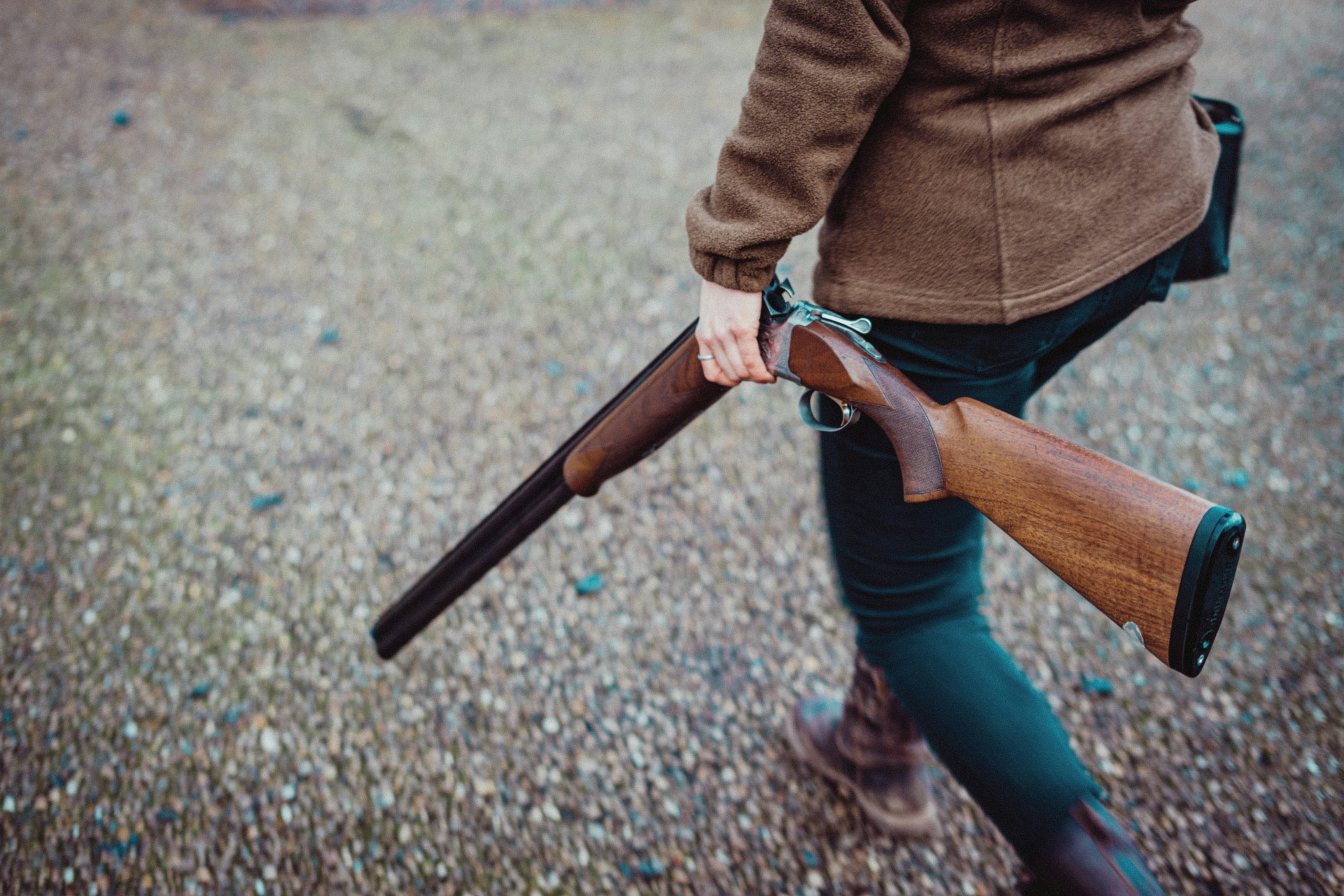
Savage’s Model 99 brought unusual ideas to the American hunting rifle. Introduced in 1899, it used a rotary magazine rather than the tubular magazine associated with many lever guns, allowing hunters to use pointed bullets safely. The design also offered smooth lever operation and distinctive balance. Its long production life and chamberings, including .300 Savage, helped it serve deer hunters across varied terrain. The Model 99 matters because it helped bridge classic lever guns and the more modern sporting rifles that followed. Its design earned it a lasting place in hunting history.
3. Remington Model 700
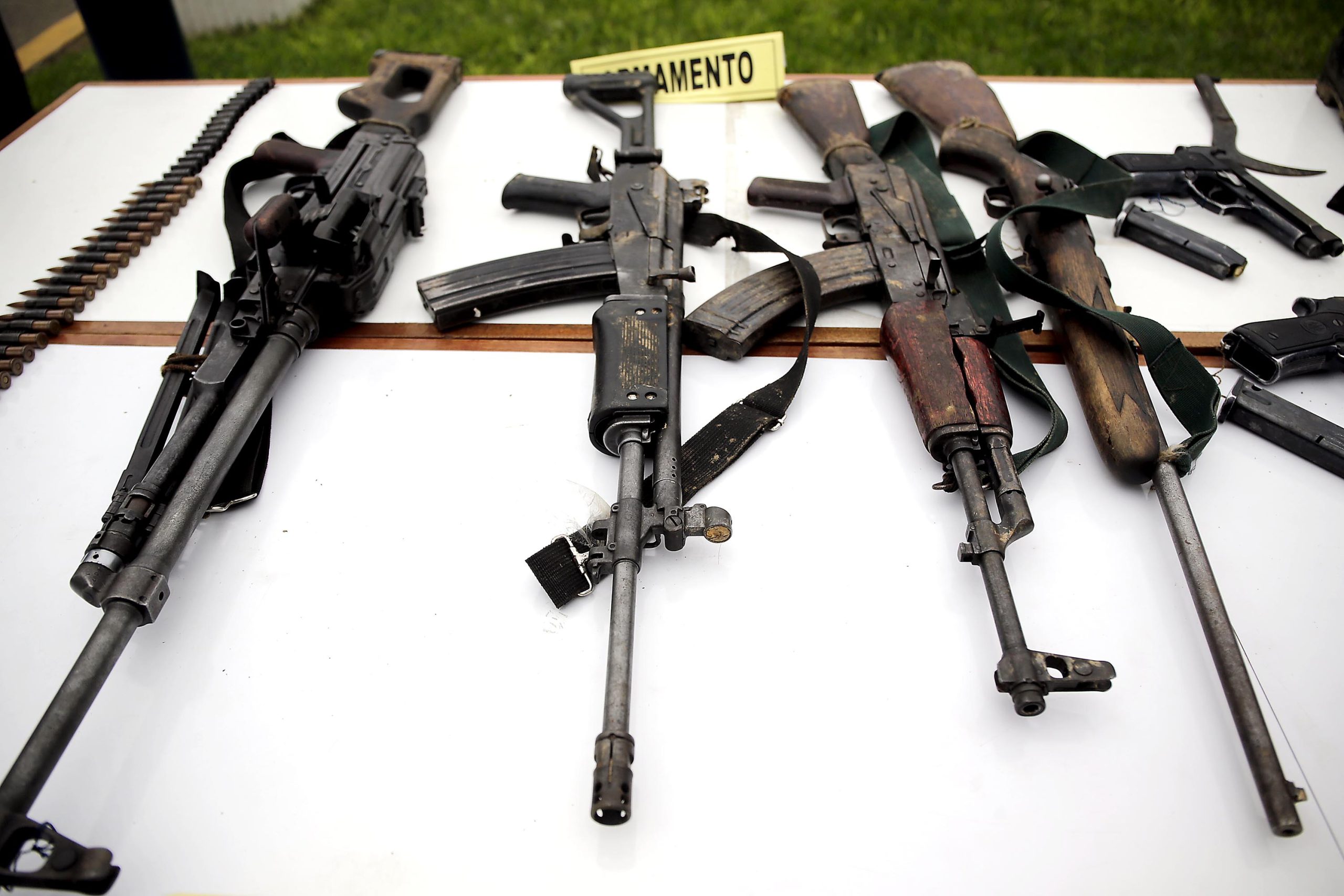
The Remington Model 700, introduced in 1962, became a major reference point for American bolt-action hunting rifles. Its receiver and push-feed action were designed for efficient production while maintaining the accuracy hunters expected. It appeared in short- and long-action versions and in chamberings ranging from standard deer cartridges to magnums. Its influence reached beyond hunting because related versions later served military and law-enforcement roles. For civilian hunters, the Model 700 became a versatile platform for whitetails and larger North American game.
4. Winchester Model 70
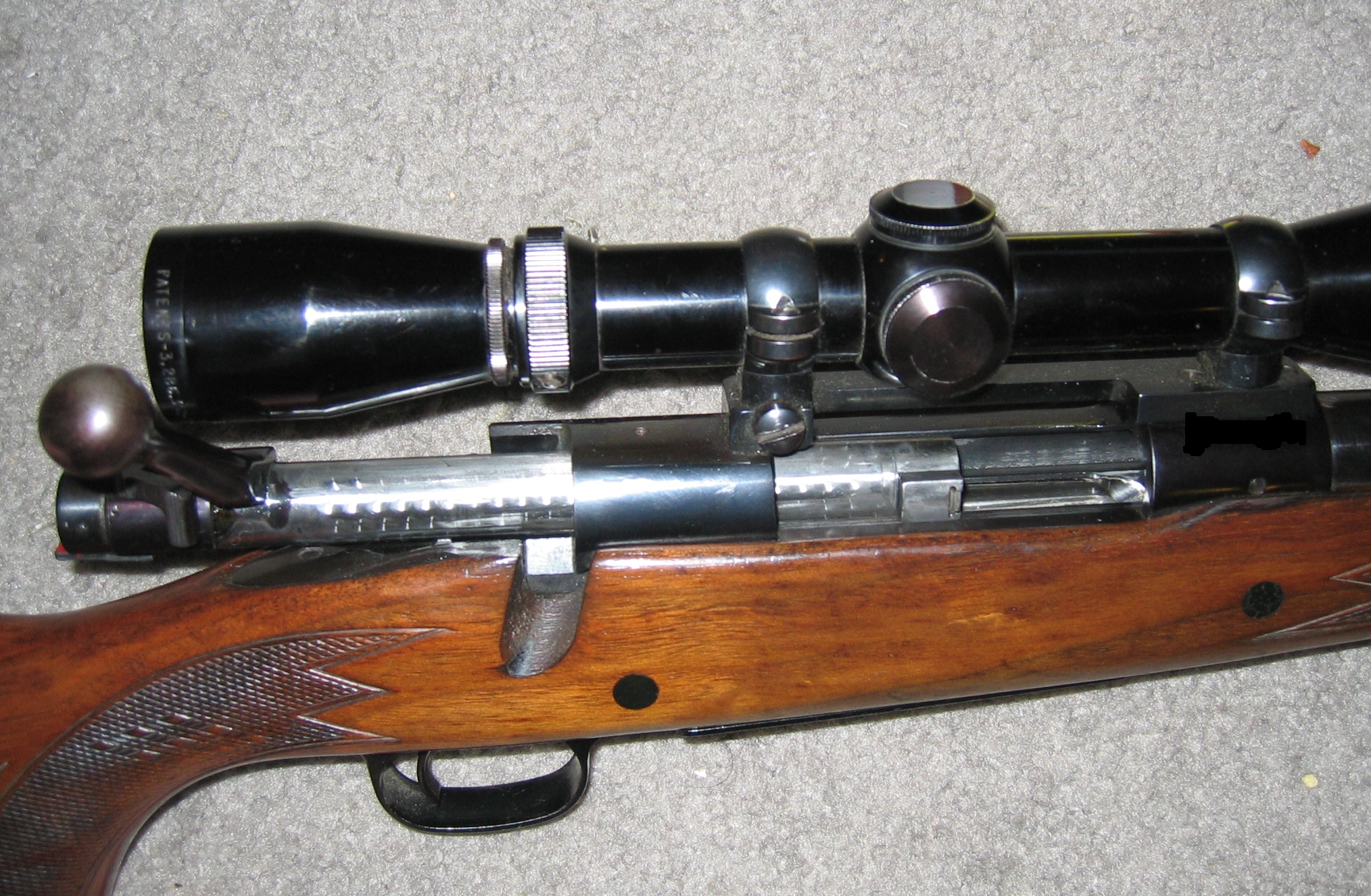
First produced in 1936, the Winchester Model 70 quickly established itself as a major American bolt-action hunting rifle. It grew from the earlier Model 54 but received important changes to its action and trigger system. Hunters could choose numerous chamberings, making it suitable for different game and distances. Its reputation grew through decades of use in deer camps and big-game country, while controlled-round-feed versions became especially prized. Even after major manufacturing changes in 1964, the Model 70 remained important to America’s sporting-rifle history.
5. Marlin Model 336
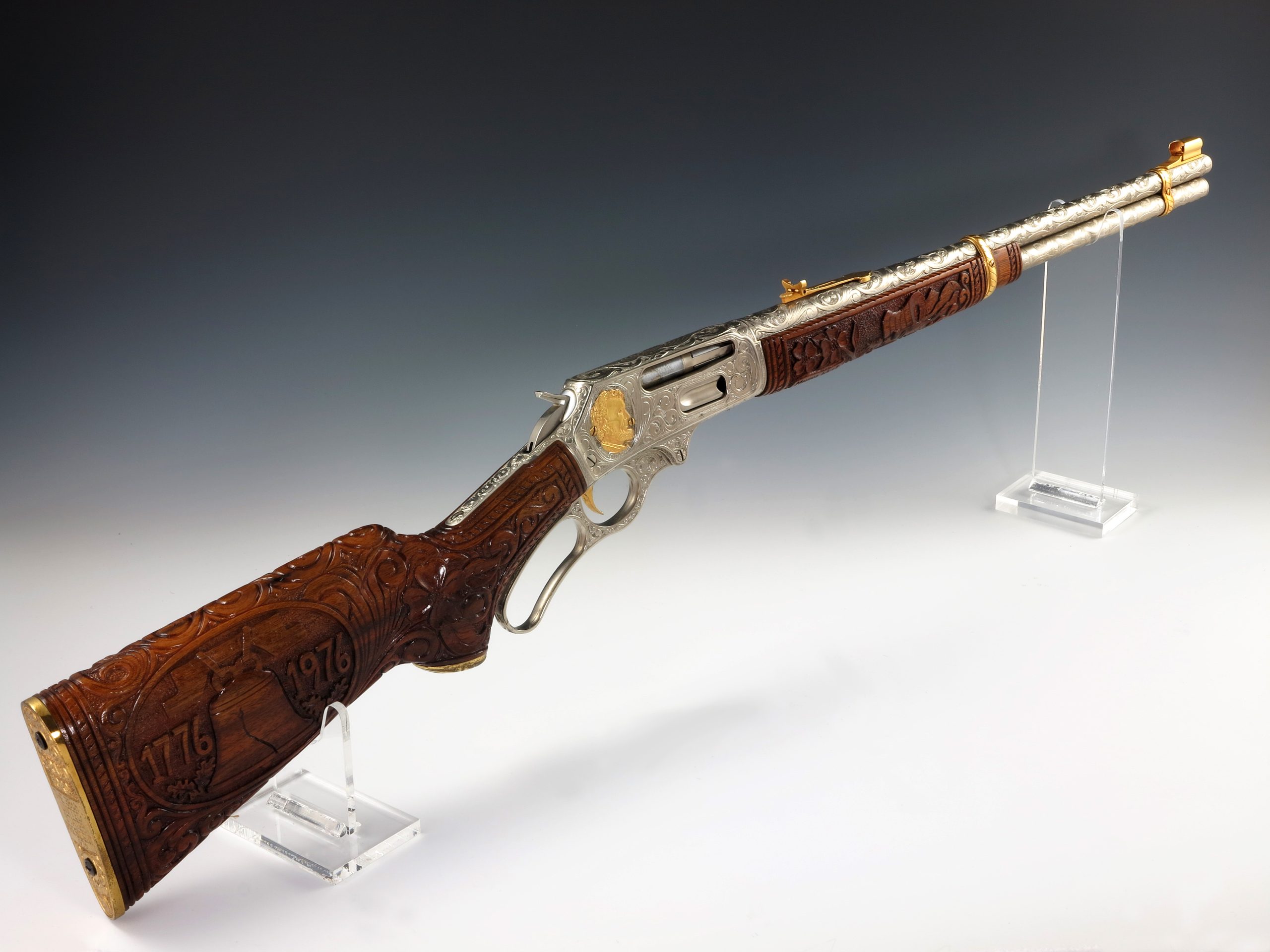
The Marlin Model 336, introduced in 1948, became a cornerstone of American lever-action deer hunting. Its solid-top receiver and side ejection made mounting a scope practical, an important advantage as optics became common among hunters. The rifle was associated with cartridges such as .30-30 Winchester and .35 Remington, giving it a useful role for medium game. More than seven decades after its debut, the Model 336 still represents the practical woods rifle: compact, quick to handle, mechanically simple, and closely connected with generations of American deer hunters.
6. Ruger 10/22
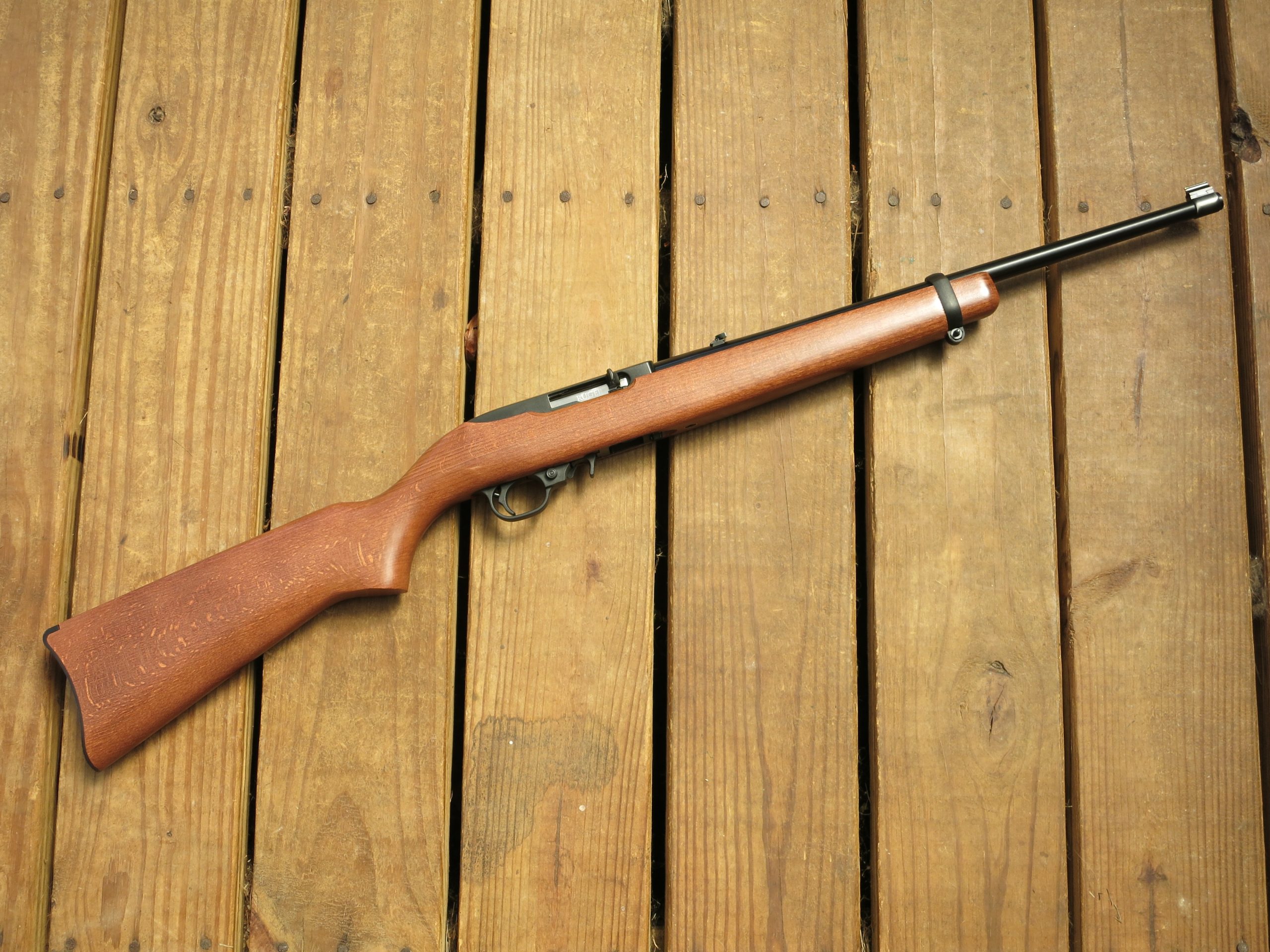
Introduced in 1964, the Ruger 10/22 changed the place of the semiautomatic .22 rifle in American outdoor life. Its 10-round detachable rotary magazine, simple operating system, and manageable size made it useful for small-game hunting and farm use. Ruger designed it as a companion to the company’s .44 Magnum Carbine, but the lighter rimfire quickly developed its own identity. The .22 LR chambering also meant low recoil and light ammunition. For generations of hunters, the 10/22 became a familiar small-game and training rifle, especially where modest range and easy handling mattered.
7. Remington Model 870
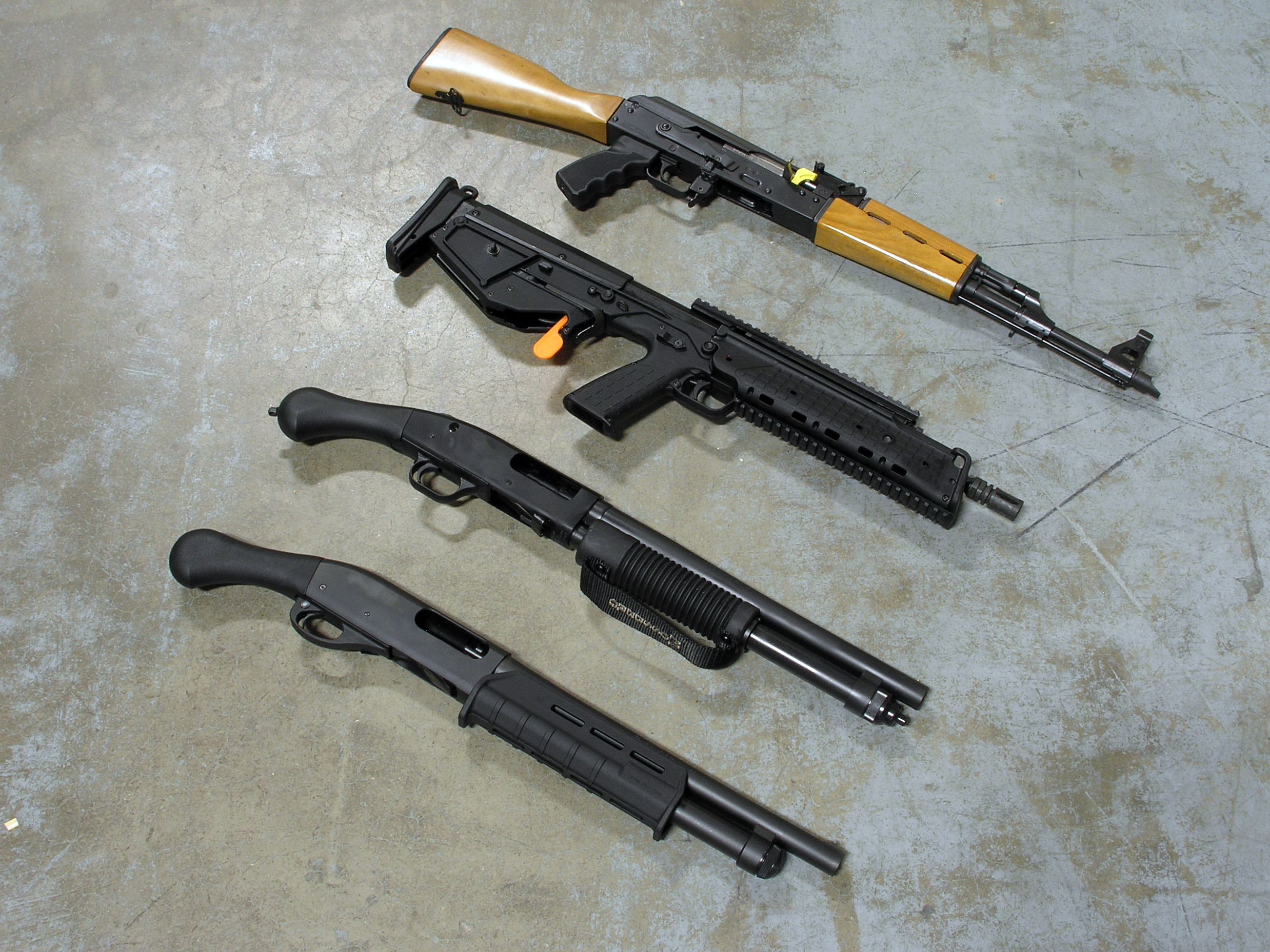
The Remington Model 870, introduced in 1950, became one of America’s best-known pump-action shotguns and a fixture in hunting culture. Its pump mechanism, interchangeable barrel options, and range of configurations allowed one basic design to serve many purposes. Hunters used 12-gauge and 20-gauge versions for birds and small game. More than 11 million Model 870 shotguns have been produced, showing its enormous reach. Its hunting importance comes from adaptability, since the same basic platform could follow a hunter from upland fields to waterfowl blinds.
8. Browning Auto-5
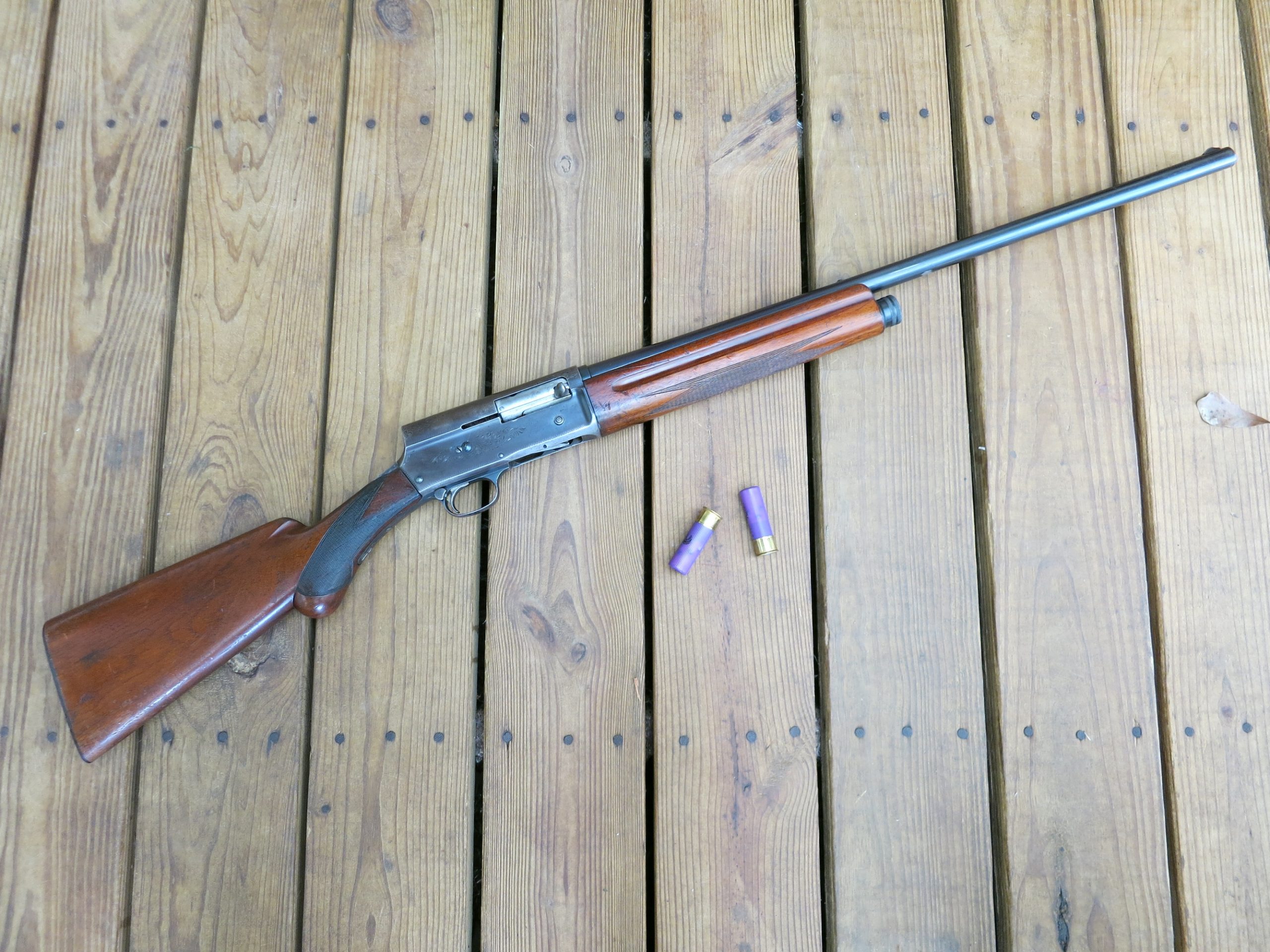
The Browning Auto-5 brought semiautomatic shotgun operation into American hunting in a form that proved remarkably durable. Designed by John Moses Browning and introduced in 1903, it used a long-recoil system and became recognizable by its distinctive humpback receiver. The design appeared in multiple gauges and configurations for upland birds, waterfowl, and other game. Production continued for more than 90 years before the original Belgian-made line ended in 1998. Its long life showed that a semiautomatic hunting shotgun could become part of family tradition.
9. Browning BAR
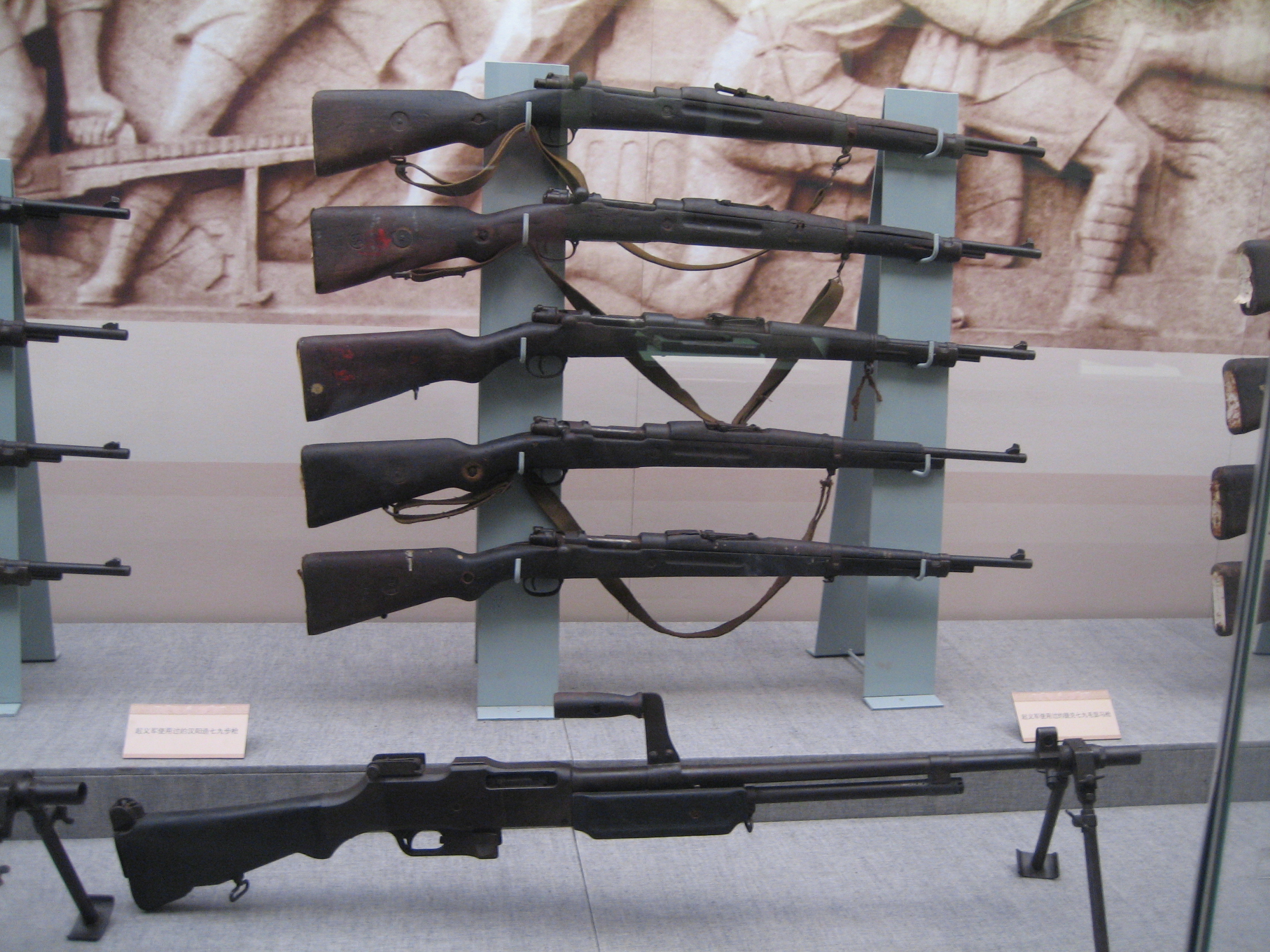
The Browning BAR, introduced in 1967 as a sporting rifle, gave American hunters a semiautomatic option in centerfire cartridges for big game. Unlike the military BAR of World War I, this sporting model was developed for civilian hunting. Its gas-operated action allowed rapid follow-up shots, while different chamberings expanded its usefulness for deer and larger game. The rifle became recognizable in hunting camps because it combined a traditional sporting-rifle appearance with semiautomatic operation. Its history reflects how modern mechanisms entered established hunting practices.
10. Ruger Model 77
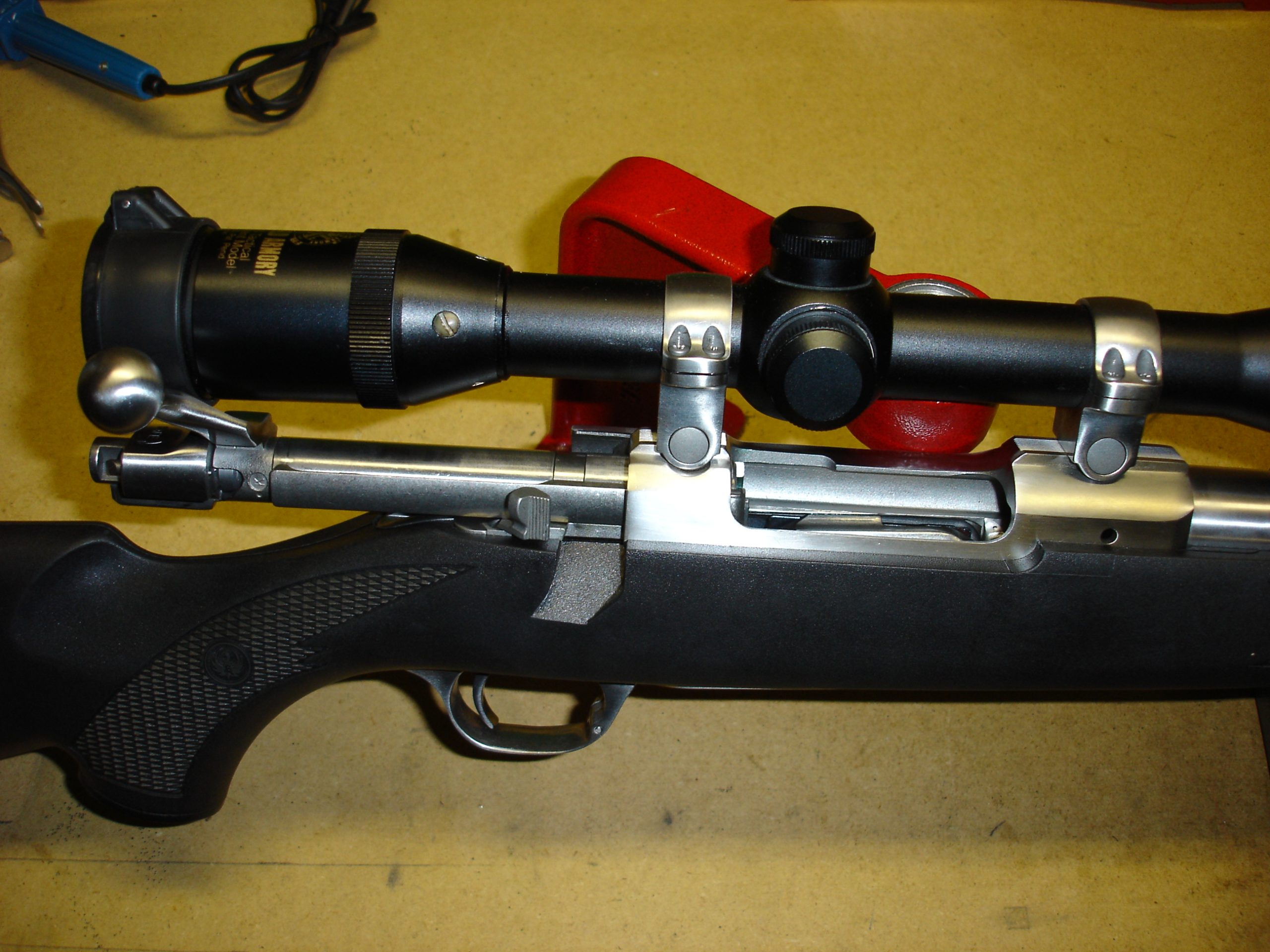
Introduced in 1968, the Ruger Model 77 became an important American bolt-action hunting rifle, combining a Mauser-inspired action with Ruger’s practical production approach. Its controlled-round-feed design, scope-mounting features on many versions, and broad chambering choices made it useful for different hunters. The rifle gained a following in deer camps and big-game country, where reliability and field handling mattered. Its arrival also gave hunters another major domestic alternative to the Winchester Model 70 and Remington Model 700, helping shape America’s bolt-action market.
11. Savage Model 110

The Savage Model 110, announced in 1957, became a long-running example of practical engineering in an accurate hunting rifle. Its distinctive barrel-nut system simplified manufacturing and allowed precise headspace adjustment, while the action used a strong, straightforward layout. The rifle was initially priced at $109.95, reflecting its focus on value. Over time, the Model 110 family expanded into many chamberings and configurations. For American hunters, its significance lies in combining affordability, accuracy potential, and adaptability in a design that has remained relevant for decades.
12. Weatherby Mark V
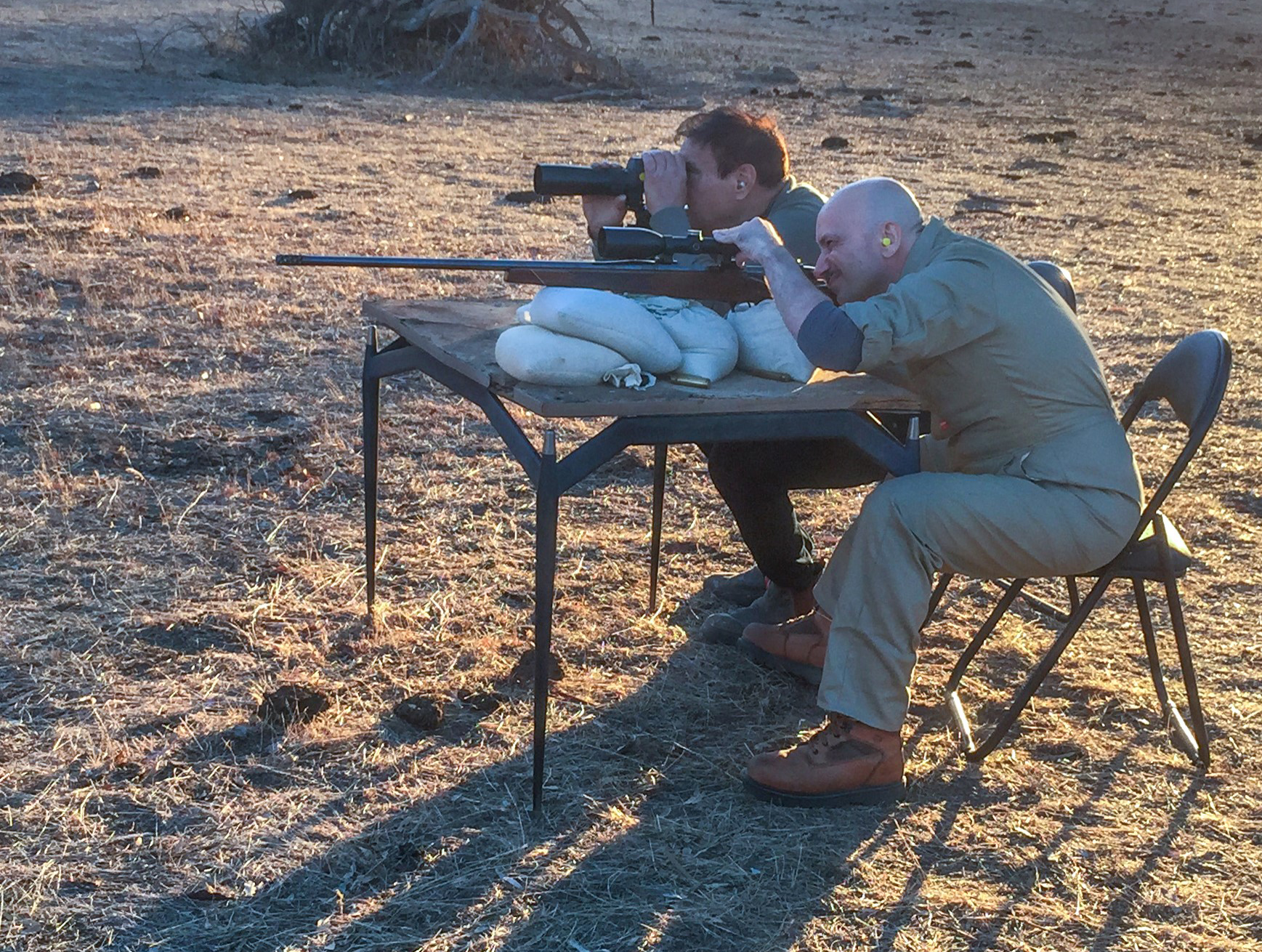
Introduced in 1957, the Weatherby Mark V helped popularize the idea of a high-performance American sporting rifle built around powerful magnum cartridges. Its defining nine-lug action on many standard versions was engineered for strength while keeping bolt rotation short. Roy Weatherby paired the rifle with high-velocity cartridges that appealed to hunters seeking flatter trajectories for big game. The Mark V became associated with western hunting and demanding terrain, while helping establish the premium-magnum rifle as a distinct part of American sporting culture.