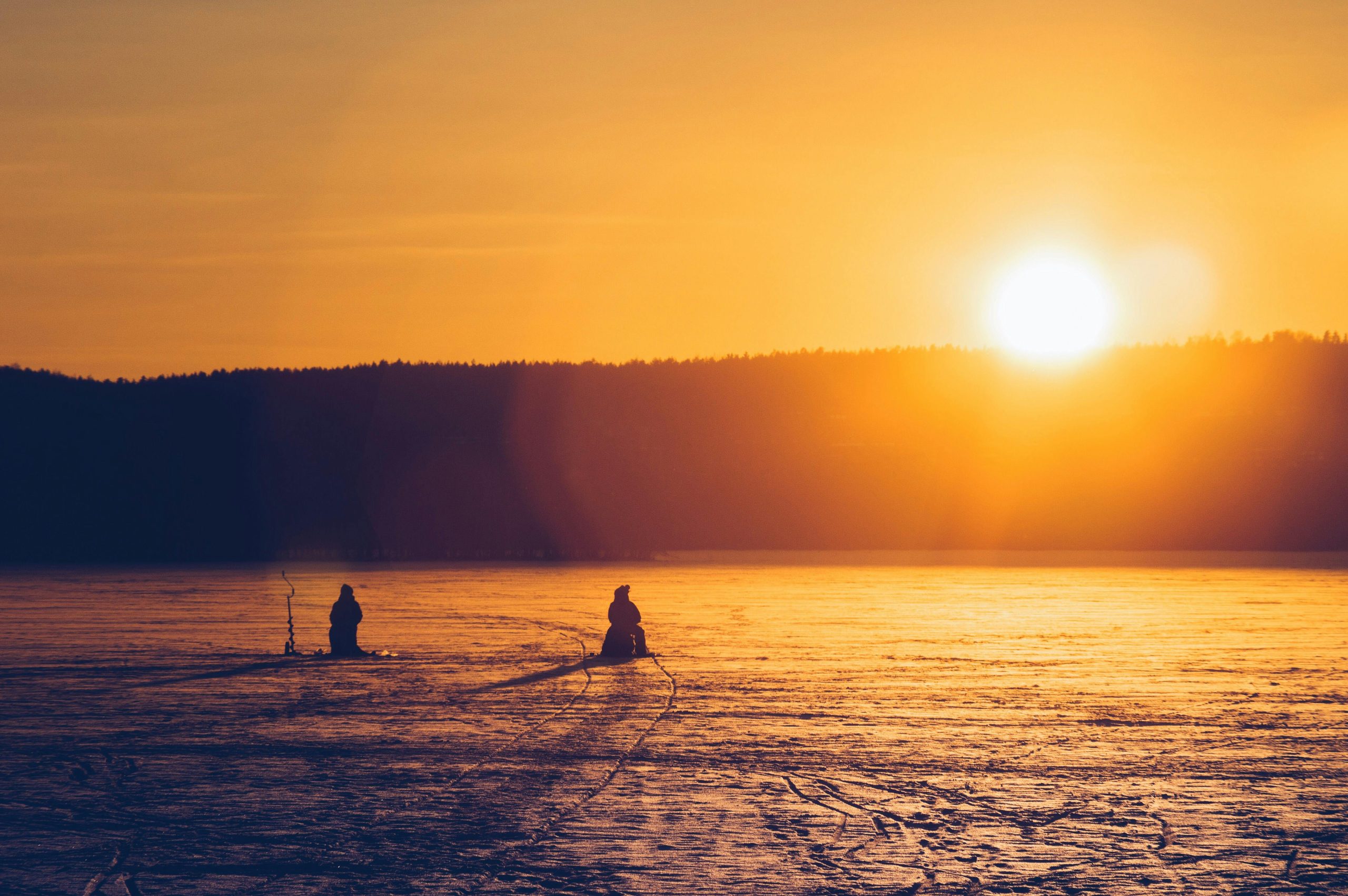
Ice fishing is a unique and rewarding winter sport that combines patience, skill, and a love for the outdoors. For beginners, it may seem intimidating due to cold conditions and specialized gear, but with proper preparation, it becomes an enjoyable and fulfilling activity. Understanding safety, selecting the right location, and mastering basic techniques are essential. These ten beginner-friendly steps cover everything you need to start ice fishing confidently and successfully.
1. Check Ice Thickness and Safety
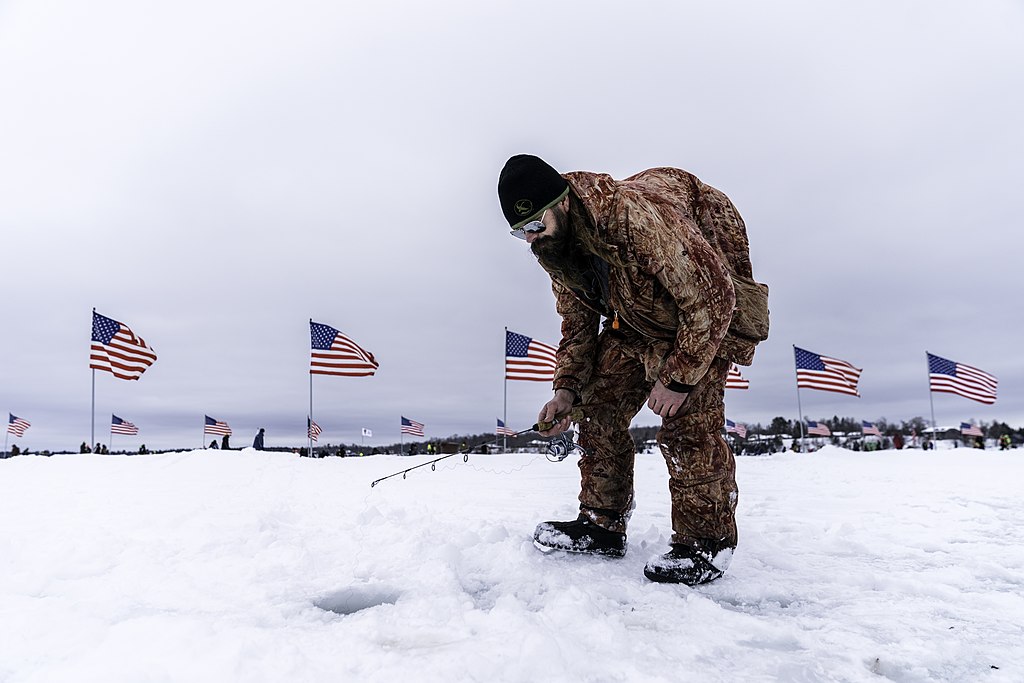
Safety is the first priority when ice fishing. Clear, solid ice should be at least four inches thick to support a person and five to seven inches for snowmobiles or ATVs. Avoid areas near inlets, outlets, or moving water, as ice may be unstable. Always carry ice picks, a rope, and a flotation device. Fishing with a partner increases safety, and checking local ice reports or talking to experienced anglers helps ensure a secure and worry-free experience.
2. Choose the Right Location
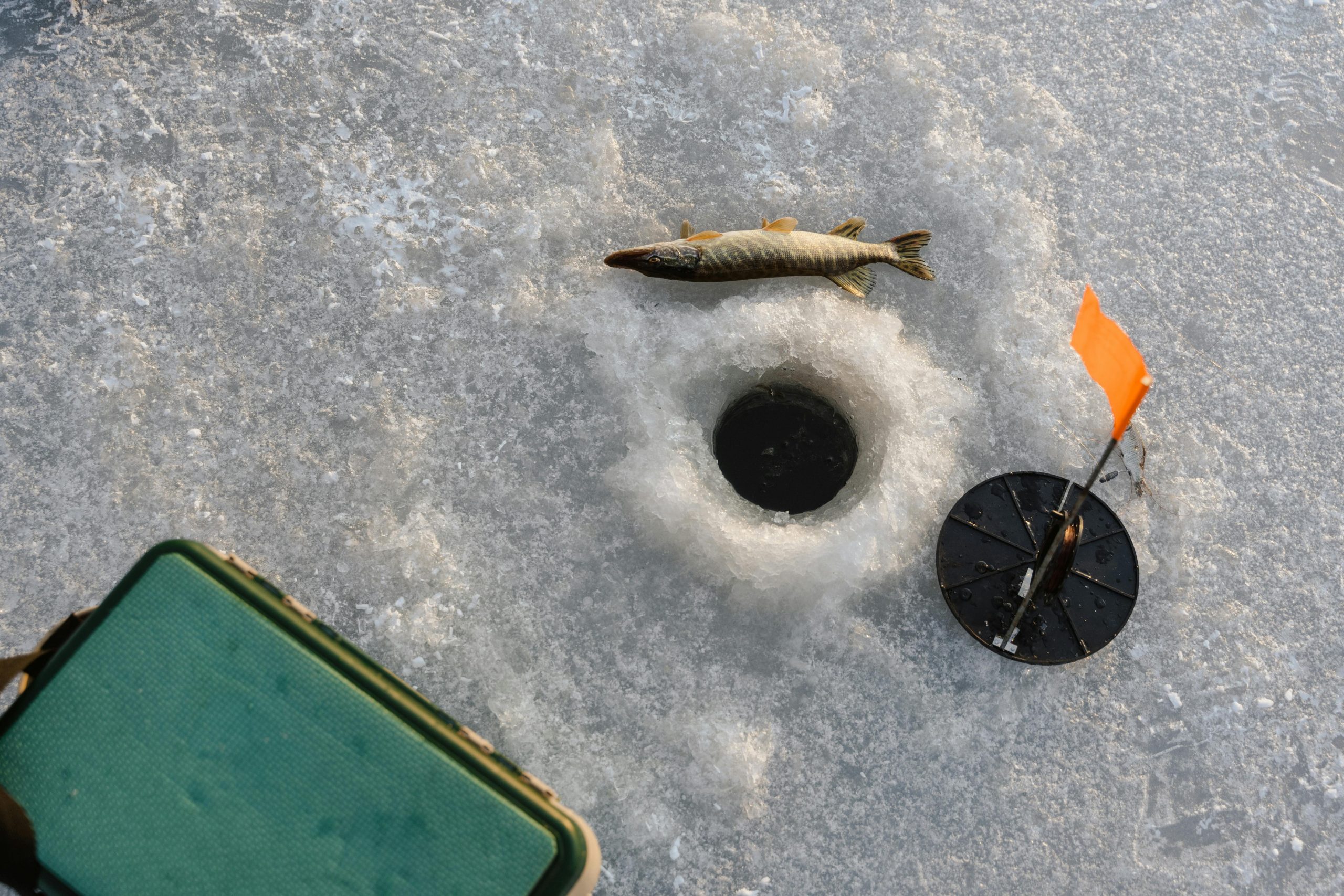
The success of ice fishing depends heavily on location. Lakes with known fish populations, submerged structures, or drop-offs are ideal spots. Observing where local anglers fish and consulting bait shops or online forums provides valuable insight. Starting in popular, well-monitored areas helps beginners avoid unsafe ice. Positioning yourself near feeding zones or sheltered areas increases the likelihood of bites while keeping the experience safe and productive.
3. Gather Proper Ice Fishing Gear
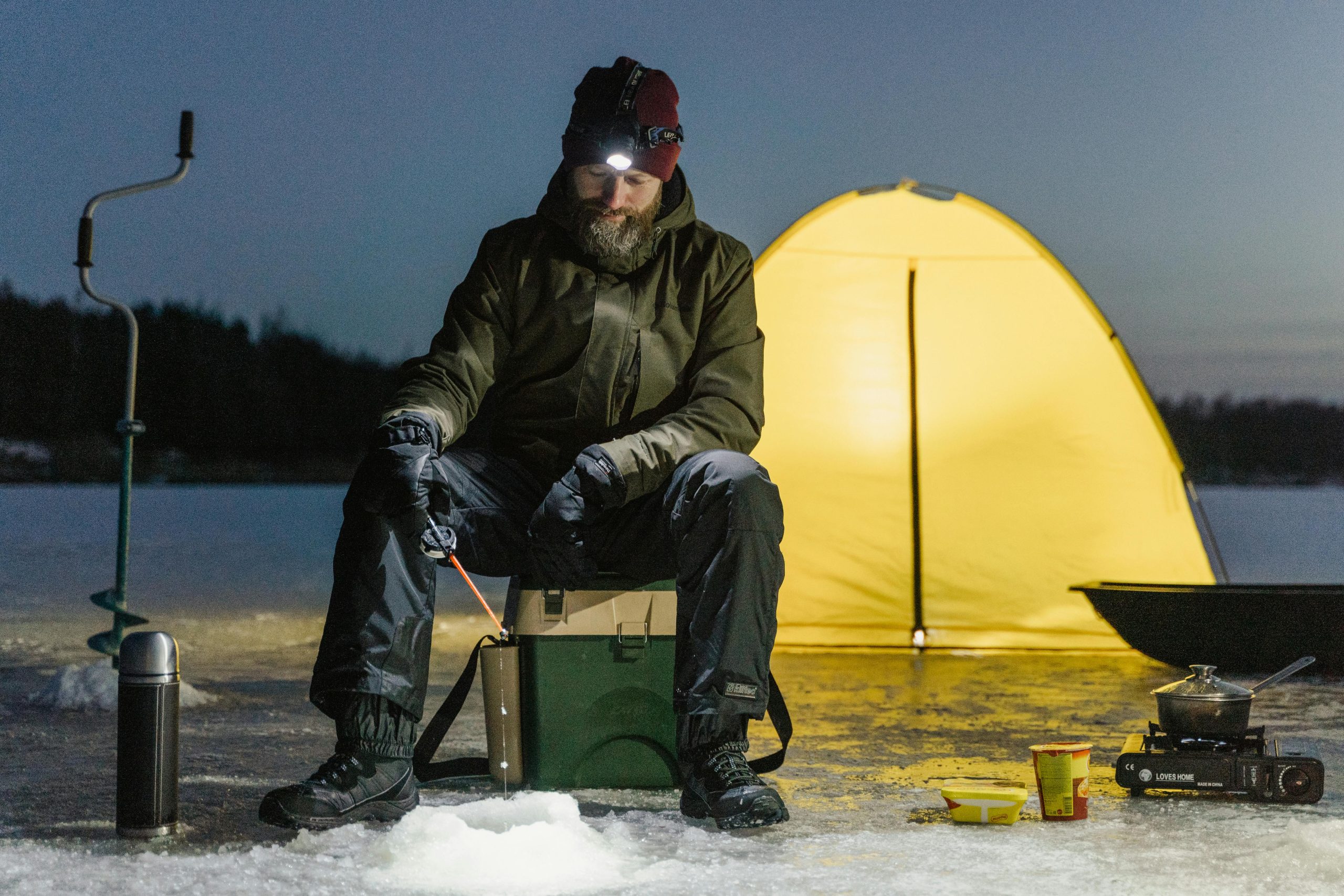
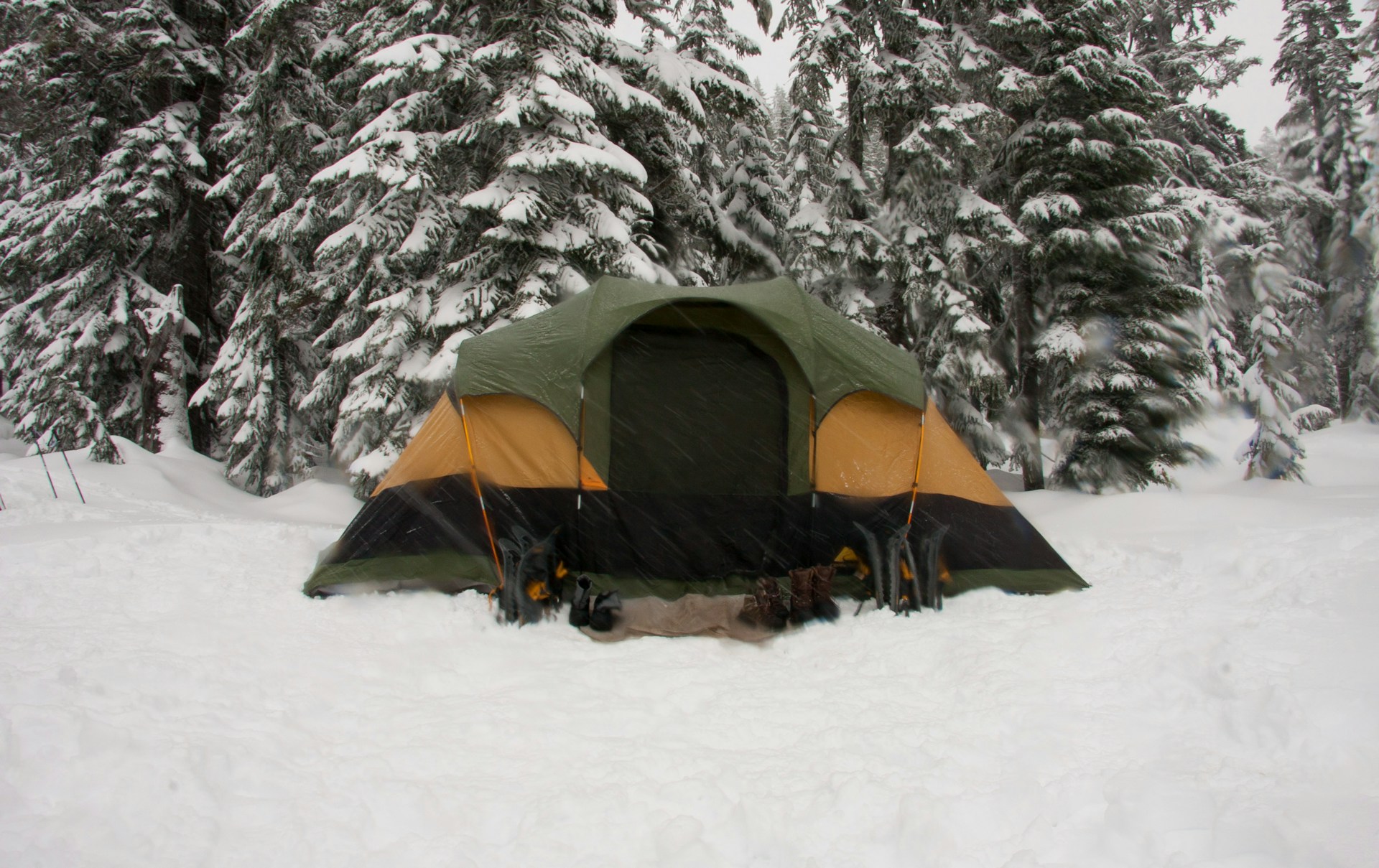
Begin with essential gear such as an ice auger to drill holes, a skimmer to remove slush, and a short, sturdy rod and reel. Wear insulated boots, waterproof gloves, and layered clothing to combat the cold. Portable ice shelters provide wind protection and warmth, while a bucket or foldable chair adds comfort. Carry extra bait, a small tackle box, and safety equipment. Using the right gear ensures efficiency, comfort, and safety during your first ice fishing trips.
4. Select Effective Bait and Lures

Bait choice significantly impacts your catch rate. Live bait like minnows, waxworms, or maggots works best for beginners, while artificial jigs or spoons attract multiple species. Matching bait size and color to local fish habits increases success. Experimenting with presentation depth, motion, and jigging speed helps attract fish under the ice. Learning how different species respond to bait gives beginners an early advantage and improves confidence on the ice.
5. Drill Holes Correctly
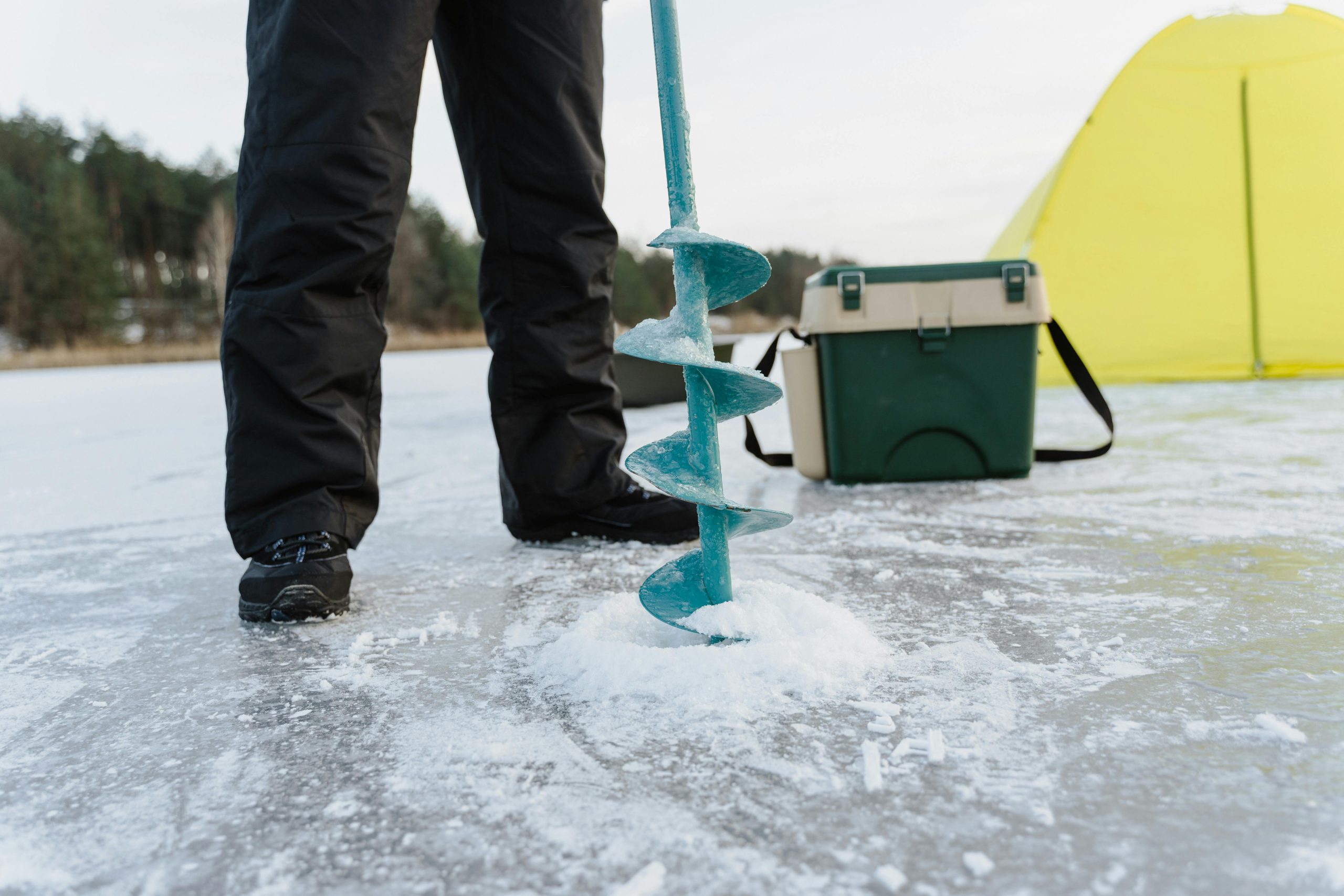
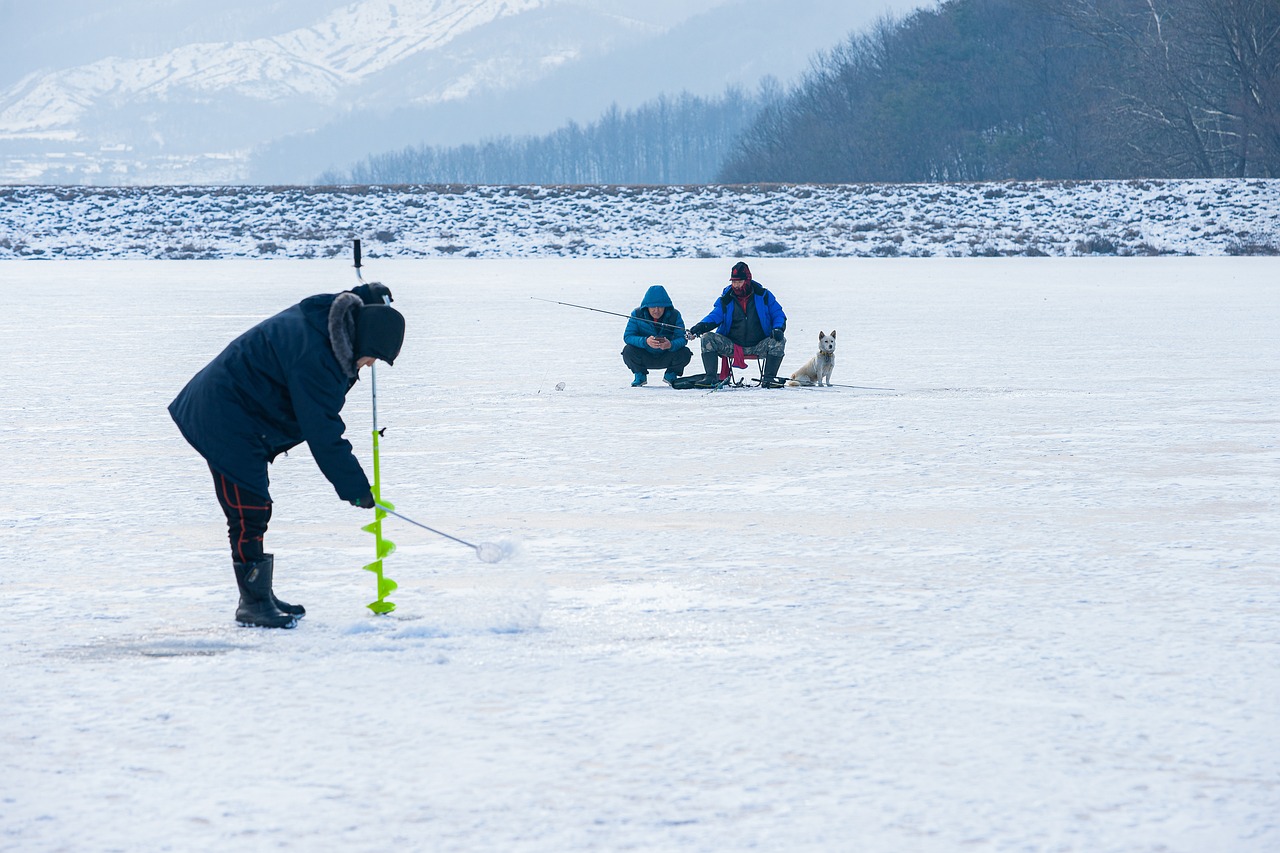
Use a manual or powered auger to drill holes, making each one wide enough to fit your line and bait comfortably. Space holes several feet apart to explore multiple areas efficiently. Avoid drilling too many holes in one spot and mark them to prevent accidents. Proper drilling reduces strain and increases productivity. A smooth drilling technique also helps preserve the ice’s integrity and ensures a safer, more enjoyable fishing experience for beginners learning the craft.
6. Learn Basic Ice Fishing Techniques
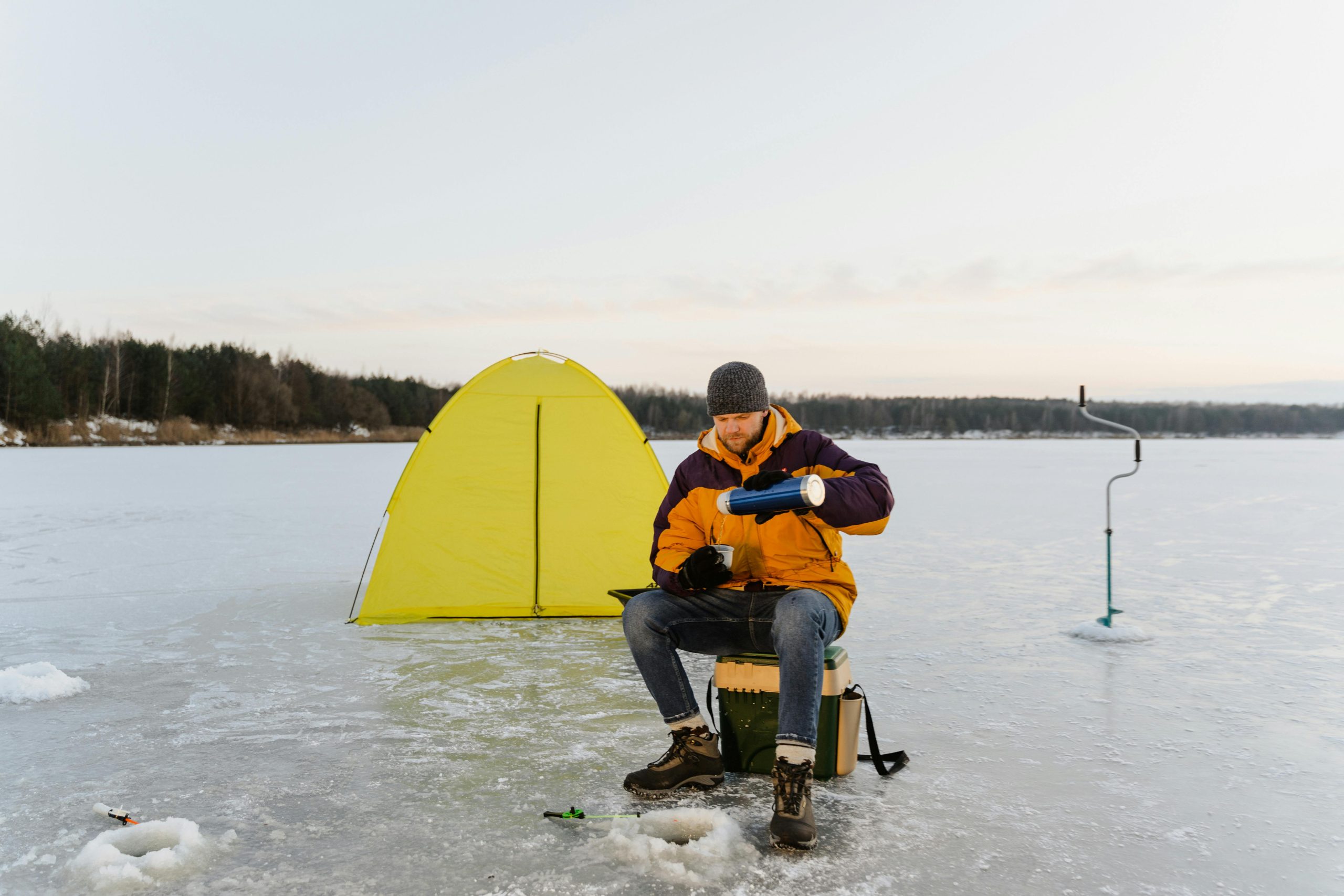
Start with simple methods like vertical jigging, where the bait moves up and down to attract fish. Watch for subtle line movements and adjust your depth gradually. Experiment with different jigging speeds and pauses to see how fish respond. Observing patterns and fish behavior improves catch rates over time. Beginners benefit from patience and consistency while practicing these techniques, as it builds skill and understanding of how fish behave beneath the ice during cold winter months.
7. Stay Warm and Comfortable
Cold exposure can cut a trip short, so dress in layers with thermal underwear, waterproof outerwear, and insulated boots. Bring gloves, hats, and hand warmers, and use a portable heater safely inside a shelter. Hot drinks and snacks help maintain energy and morale. Taking breaks to warm up ensures longer, more productive fishing sessions. Comfort and warmth allow beginners to stay focused, observe the ice conditions, and enjoy the experience rather than rushing due to the cold.
8. Monitor Weather and Ice Conditions

Weather changes affect both ice safety and fish activity. Check temperature, wind, and snow forecasts before heading out, and avoid fishing during storms or thawing periods. Observe ice color and strength, avoiding gray, slushy, or bubbly areas. Paying attention to ice conditions ensures personal safety, while tracking weather patterns helps anticipate fish movement and feeding times. Being prepared for changing conditions allows beginners to maximize safety and increase the likelihood of a successful outing.
9. Practice Patience and Observation
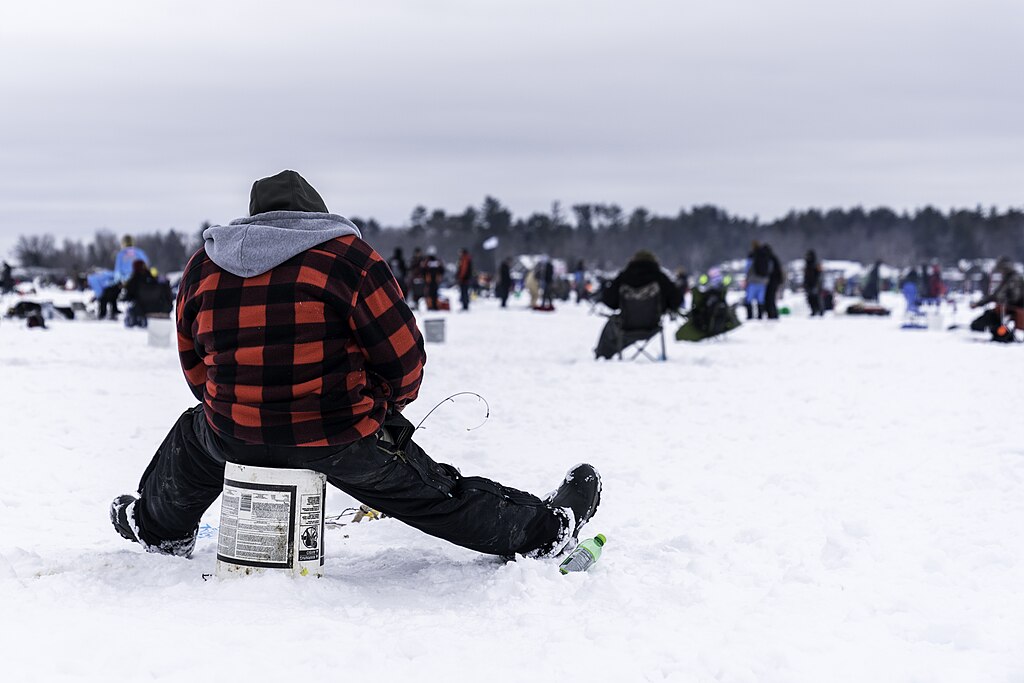
Ice fishing requires calm observation and patience. Fish bites may be subtle, and it can take time to determine the best depth and presentation. Avoid frequent, frantic adjustments and focus on watching the line carefully. Practicing patience helps beginners learn fish behavior patterns and respond appropriately. The quiet environment also enhances the enjoyment of nature. Developing focus and patience improves both success rates and the overall satisfaction of ice fishing as a relaxing winter activity.
10. Respect Nature and Follow Regulations
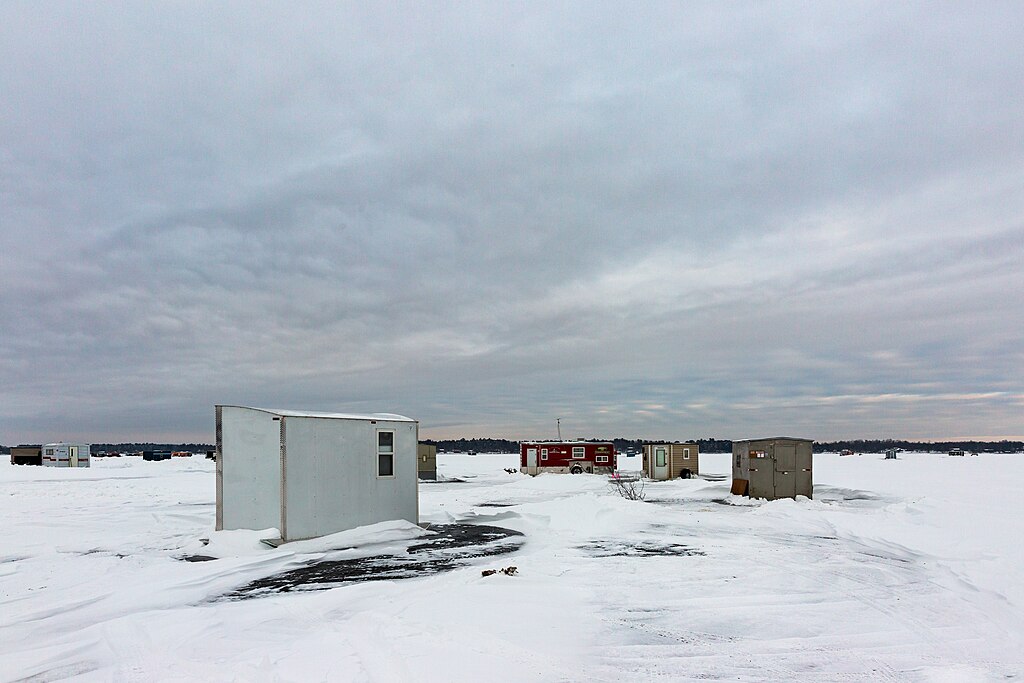
Responsible ice fishing protects the environment and ensures sustainability. Always pick up trash, old lines, and bait containers. Follow local rules for catch limits, species regulations, and fishing licenses. Respect other anglers’ space, and avoid disturbing wildlife. Developing good habits ensures a clean, safe ice fishing environment for everyone. Teaching beginners these practices promotes long-term enjoyment and preserves natural resources, making ice fishing a rewarding sport for generations to come.