
Public hunting access can change quietly, long before many hunters notice a difference in the field. A state agency may add new acreage, revise seasonal rules, close a road, adjust a wildlife management boundary, or introduce a permit requirement that affects how people reach familiar hunting grounds. In some counties, growing development and pressure on landowners create additional challenges, while conservation projects open new opportunities elsewhere. The important details are often found in annual regulations, public-land maps, and access agreements rather than roadside signs. These 12 county-level examples explore the different forces reshaping where hunters can legally go, what they need to check, and why yesterday’s access information may no longer be reliable.
1. Davis County, Utah: New Rules for Wildlife Area Visitors
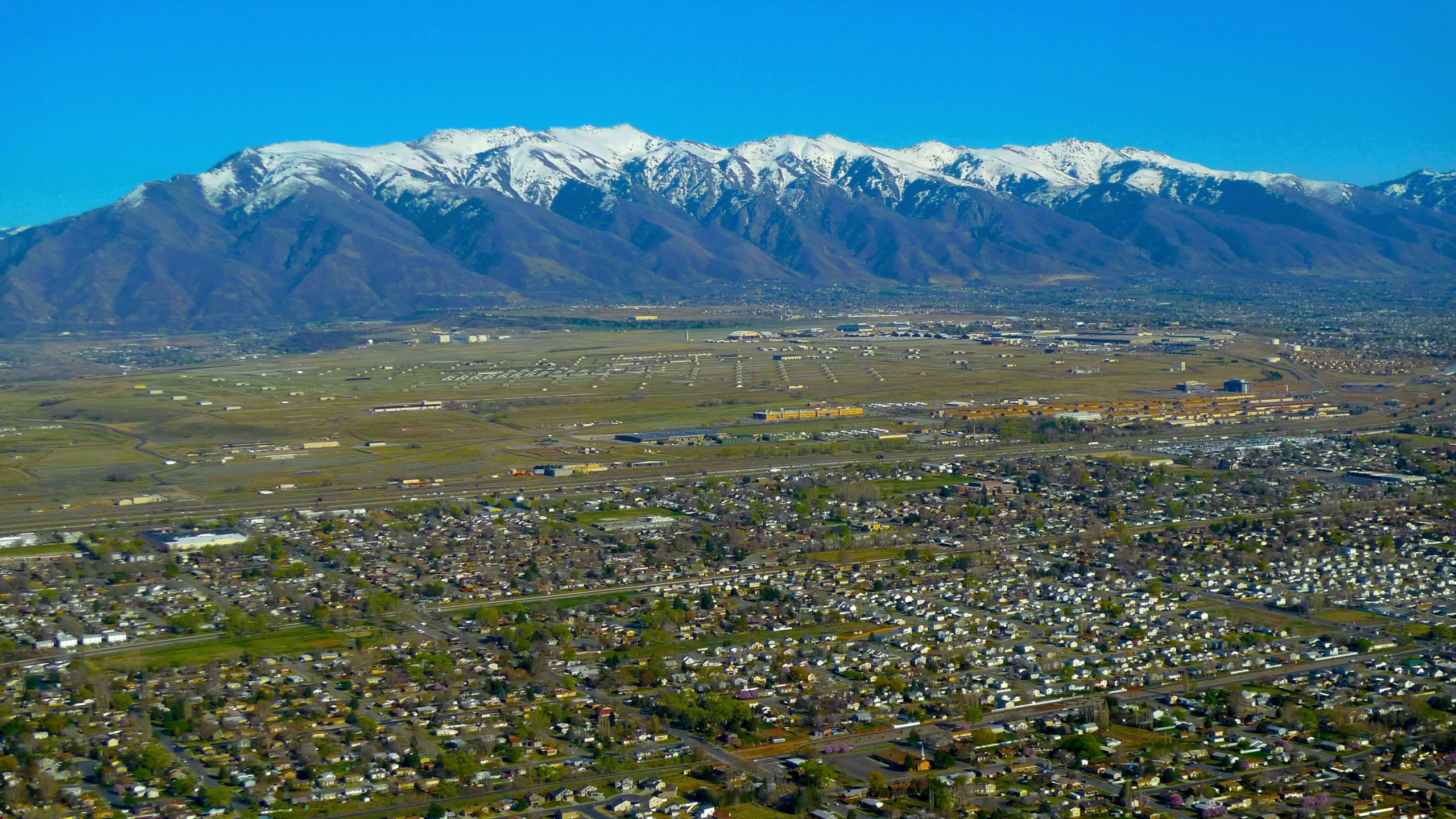
Davis County entered a new phase of wildlife area access on July 1, 2026. Adults aged 18 and older visiting covered wildlife management areas must meet the applicable license or digital permit requirement. Under the revised system, visitors without a hunting or fishing license can watch an educational video and obtain a free digital access permit. This matters to hunters who also visit these properties for scouting or wildlife observation. Before traveling, check the rules for the specific area, since exemptions apply and access requirements are being introduced statewide in stages.
2. Salt Lake County, Utah: Access Depends on the Permit System
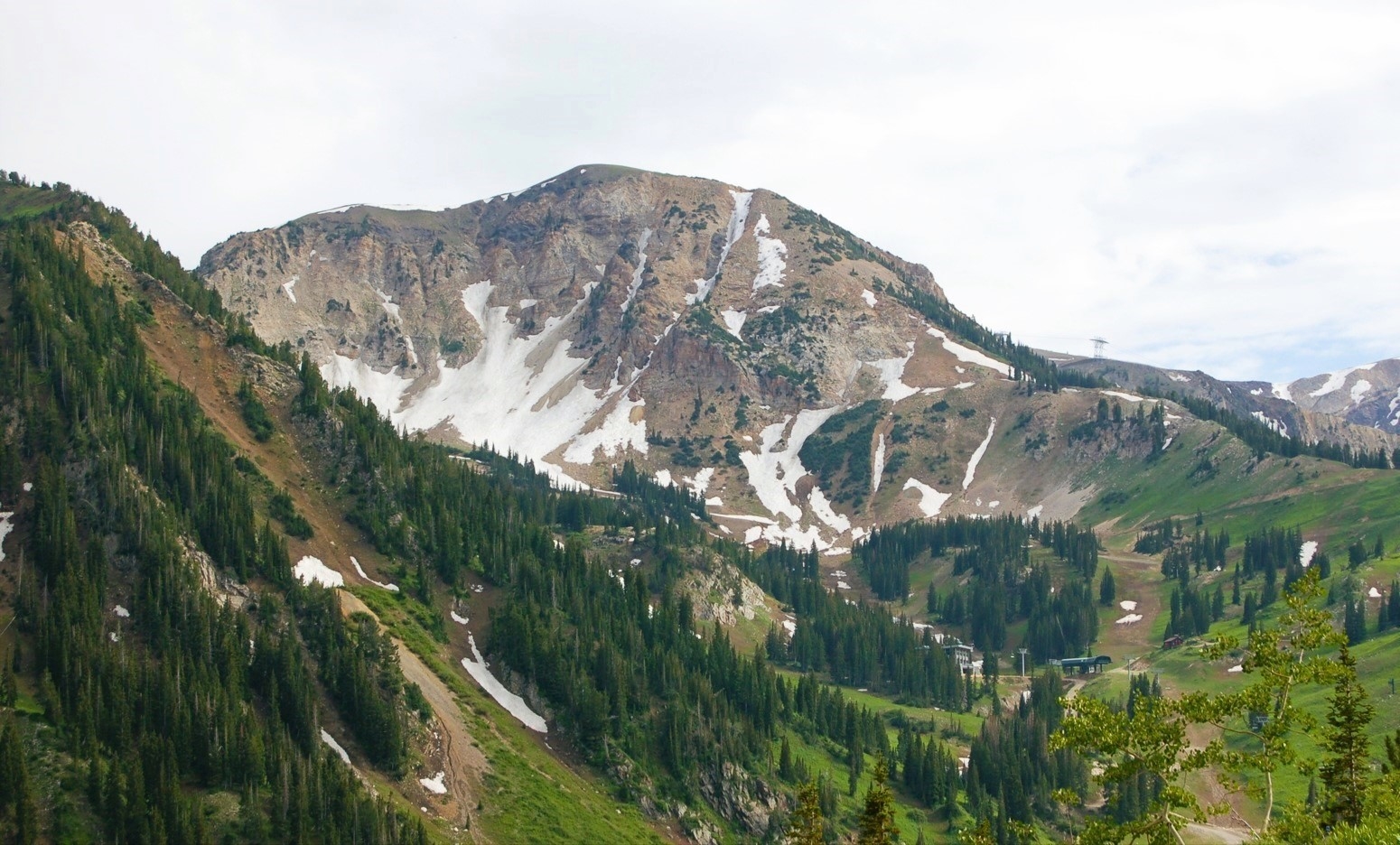
Salt Lake County is part of Utah’s initial group of counties affected by revised wildlife management area access rules. From July 1, 2026, eligible adults need a hunting, fishing, or combination license, or the new free digital access permit, to enter covered properties. The permit route includes watching an educational video explaining wildlife area management and responsible recreation. Hunters should distinguish this entry requirement from their actual hunting license, season, and permit obligations. A free access permit does not automatically authorize hunting, and individual property rules still determine what activities are allowed.
3. Utah County, Utah: A New Waterfowl Area Changes the Picture
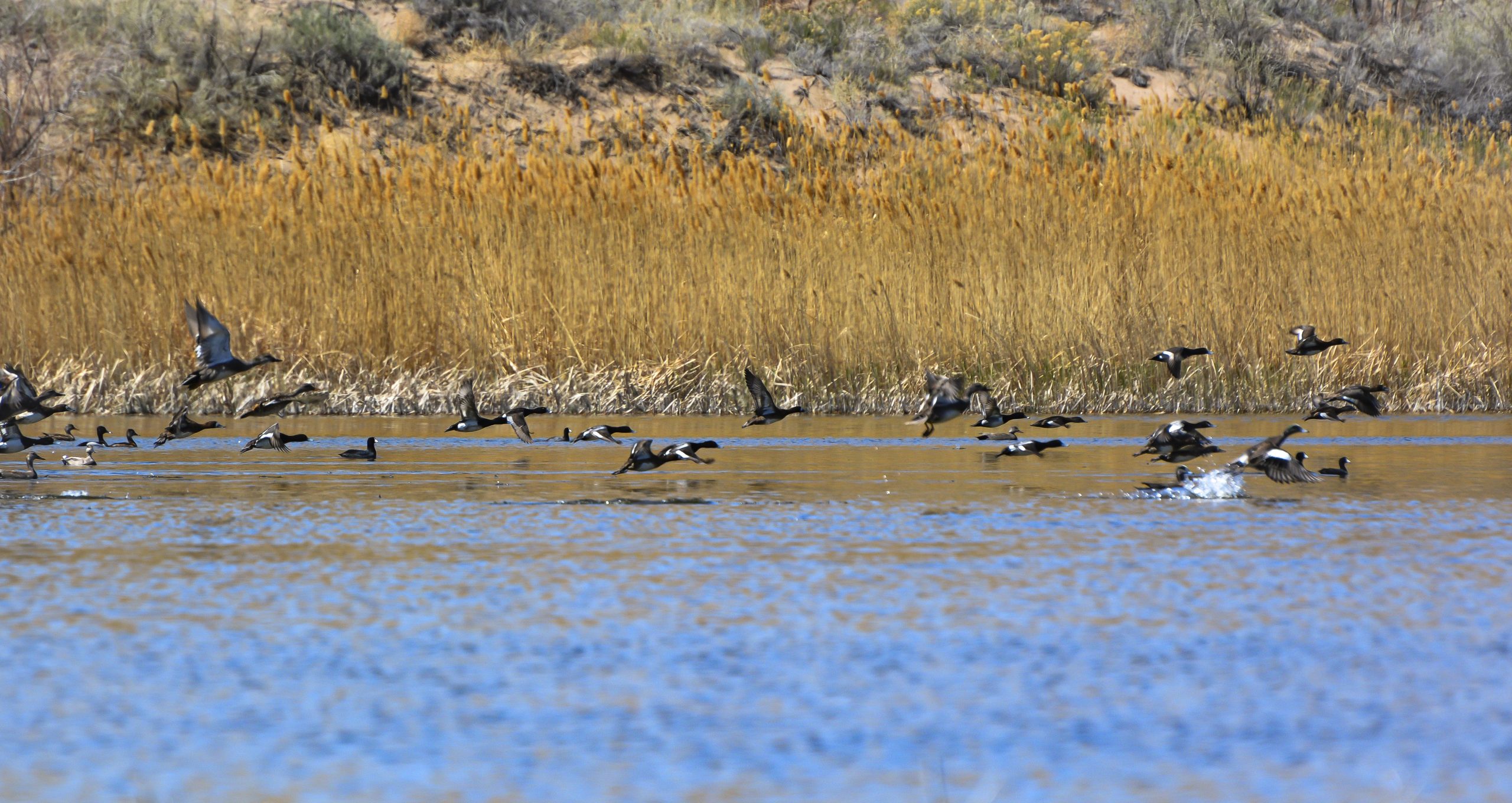
Utah County is seeing both administrative changes and new conservation opportunities. The state’s new Goshen Bay Waterfowl Management Area was created to protect waterfowl and other wildlife while providing additional hunting opportunities near Utah Lake. The law establishing it took effect May 6, 2026. Separately, the revised digital access permit system began in the first group of counties on July 1. Hunters should check the precise boundaries, approved hunting activities, and current entry rules before visiting. A newly designated wildlife area is not necessarily open for every species or every season.
4. Weber County, Utah: Familiar Ground, Updated Entry Rules
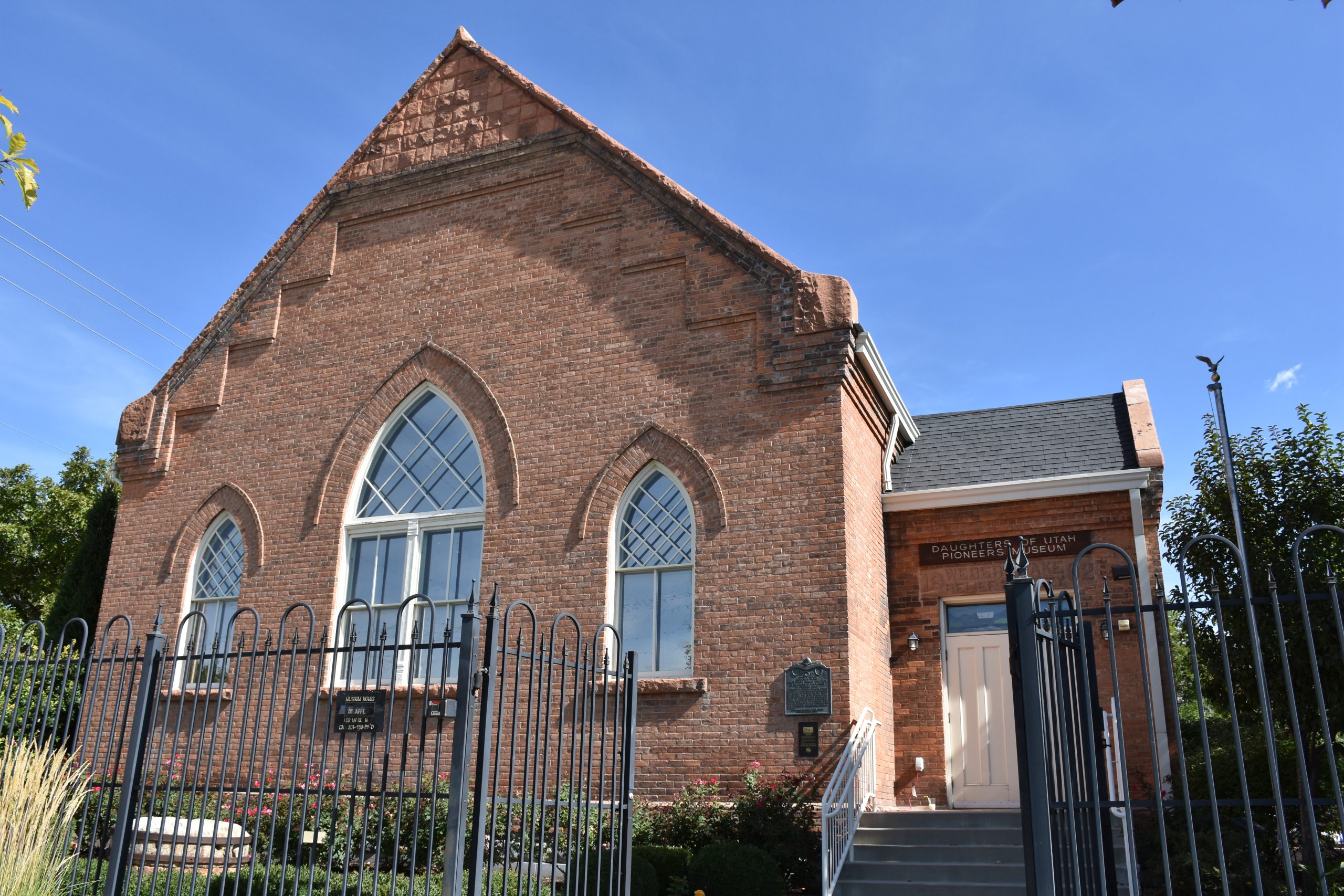
Weber County is another part of Utah’s first-stage rollout of revised wildlife management area access requirements. Since July 1, 2026, covered areas require adults aged 18 or older to hold an eligible hunting or fishing license or obtain the free digital access permit after viewing an educational video. The change affects how visitors enter these properties, even when their preferred location has not physically changed. Hunters should review the current area information before leaving home and confirm that their intended activity is permitted. The statewide rollout is scheduled to extend to all Utah wildlife management areas by 2028.
5. Clay County, Florida: A New 1,563-Acre Opportunity
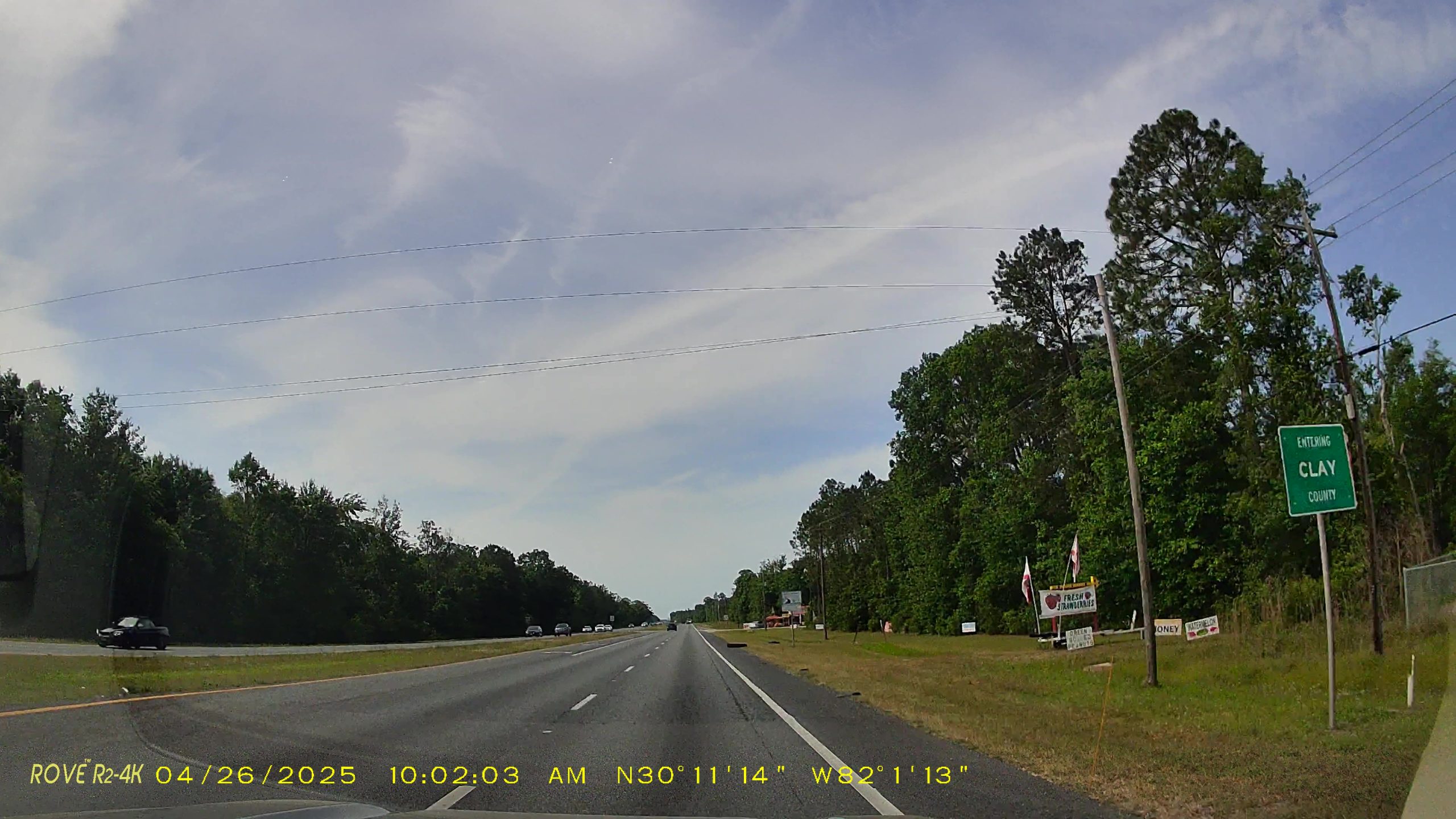
Clay County gained a new wildlife management area under Florida’s 2026-27 rule changes. The Catlett WMA covers 1,563 acres, creating another managed property for outdoor recreation under the state’s wildlife regulations. Its establishment is part of a wider set of four new areas approved by the Florida Fish and Wildlife Conservation Commission in February 2026. Hunters should not assume that a new designation means unrestricted access or identical rules across every season. Before planning a trip, consult the official area brochure for hunting dates, permitted methods, access points, and any quota or permit requirements that apply to the property.
6. Polk County, Florida: Creek Ranch Adds New Access
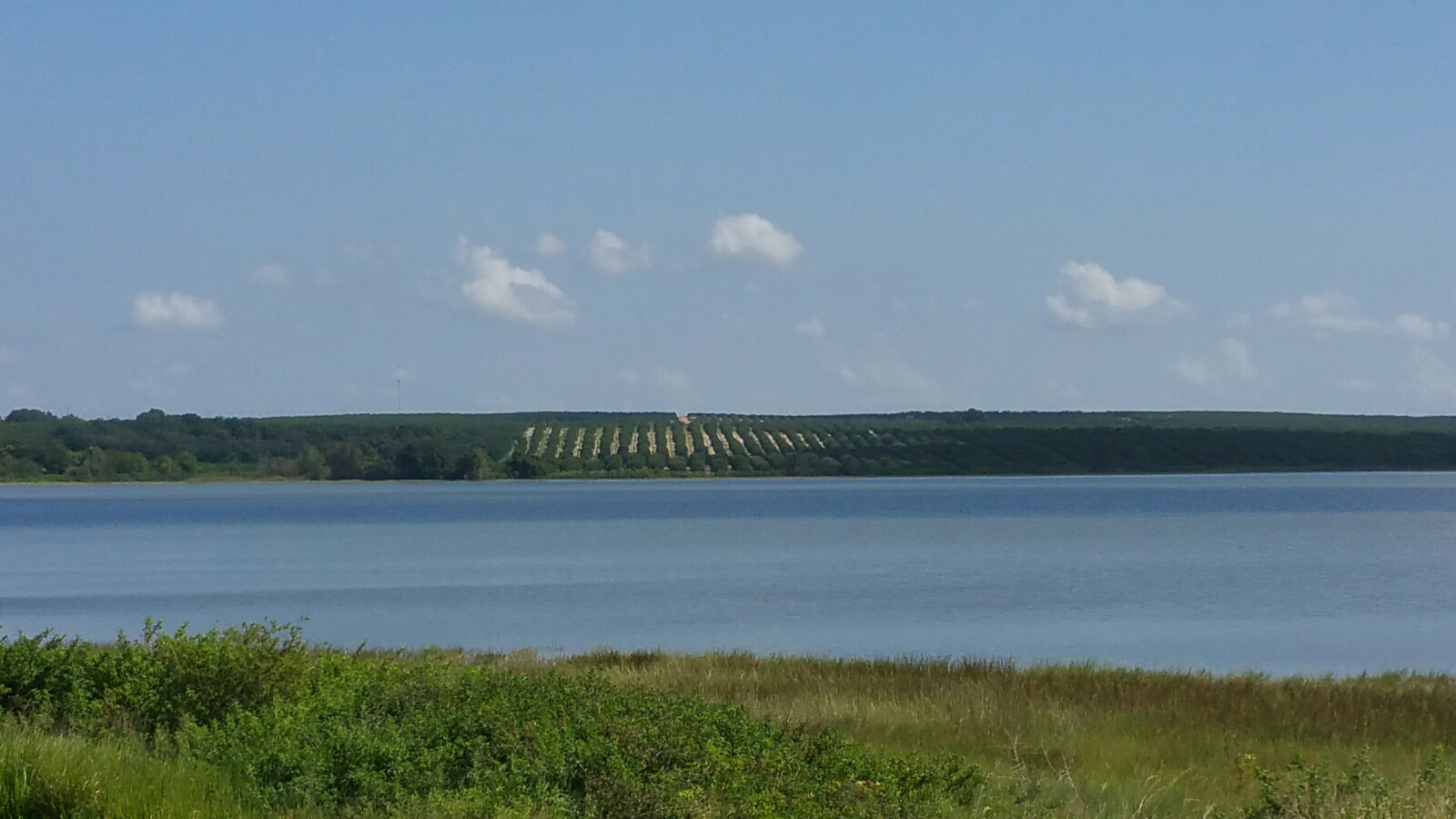
Polk County is among the Florida counties affected by the creation of new wildlife management areas in 2026. Creek Ranch WMA covers 1,342 acres, adding a newly designated property to the state’s managed outdoor recreation network. The change is significant because new public opportunities often come with property-specific rules that differ from nearby hunting grounds. Hunters should verify which species may be hunted, whether a quota permit is needed, and when access is allowed. The Florida Fish and Wildlife Conservation Commission approved the area’s rules in February 2026 as part of its 2026-27 season updates, so older maps may not tell the whole story.
7. Alachua County, Florida: More Than 5,000 Acres Under New Rules
Alachua County is home to the new Lochloosa Slough Wildlife Management Area, covering 5,247 acres. Florida approved rules for the property in February 2026, adding a substantial new area to its managed recreation network. The acreage is worth noting, but size alone does not tell hunters where they may enter, park, or pursue particular game species. Management areas can have different season dates, access arrangements, and permit conditions. Anyone planning a visit should read the current official brochure and map rather than relying on a previous year’s directions. The new designation creates an opportunity, but preparation remains essential.
8. Bay County, Florida: A Smaller Area With Specific Rules

Bay County’s new St. Andrew’s Flatwoods Wildlife Environmental Area covers 115 acres. Although smaller than the other Florida properties approved in February 2026, it illustrates why hunters should pay attention to individual site designations rather than acreage alone. A wildlife environmental area may have different permitted uses from a wildlife management area, and its existence does not automatically mean every form of hunting is allowed. Before visiting, check the official regulations for the property, including seasonal restrictions, access points, and permitted activities. The new area’s rules form part of Florida’s 2026-27 updates, making current documentation more useful than assumptions based on nearby land.
9. McCracken County, Kentucky: Hundreds of Acres Closed

McCracken County’s West Kentucky Wildlife Management Area demonstrates how quickly access can shrink when a land agreement changes. In December 2025, Kentucky officials announced that 698 acres of Department of Energy land would leave the recreational use agreement, with public access ending after January 31, 2026. Hunters had to remove tree stands, blinds, and other equipment by that deadline. The WMA still retained 4,494.48 acres across its remaining holdings and agreements, but that total does not make the lost tract accessible. Anyone returning to familiar ground should compare current boundary maps with older ones and respect newly closed sections.
10. Jackson County, Oregon: Private Timber Access Is Changing
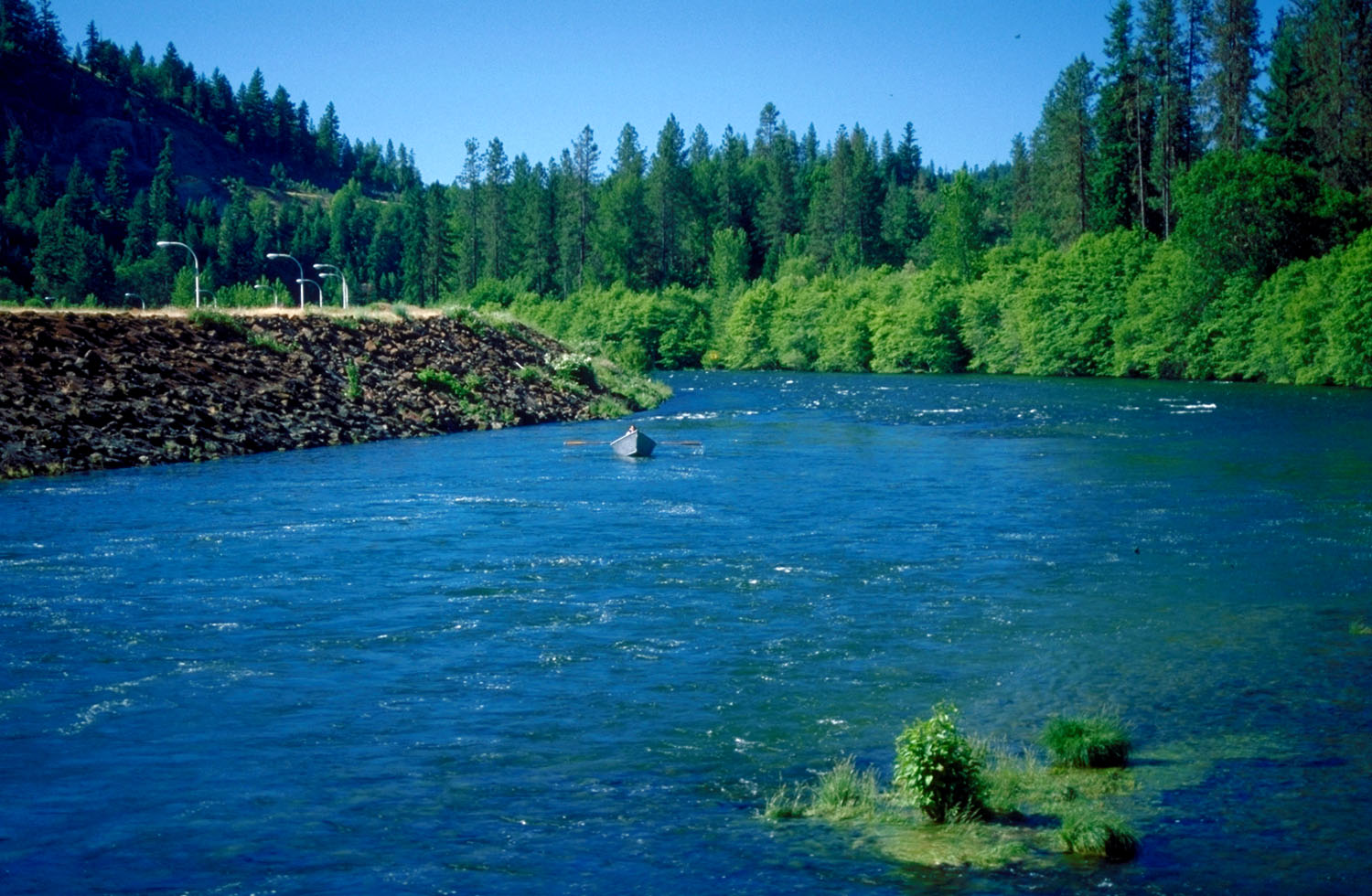
Jackson County hunters face a different challenge: access that previously depended on a cooperative agreement with a private landowner. Oregon’s Department of Fish and Wildlife announced in January 2026 that Manulife would leave the Access and Habitat program after May 31. From June 1, hunters needed separate permission to enter the company’s property, with a fee-based permit system planned. The county also has a cooperative travel management area covering 78,675 acres, including 57,550 acres of public land, where road restrictions and hunt-card requirements apply. These are distinct arrangements, so hunters must check the exact property and current access terms before setting out.
11. Grand County, Utah: A 50,608-Acre Acquisition
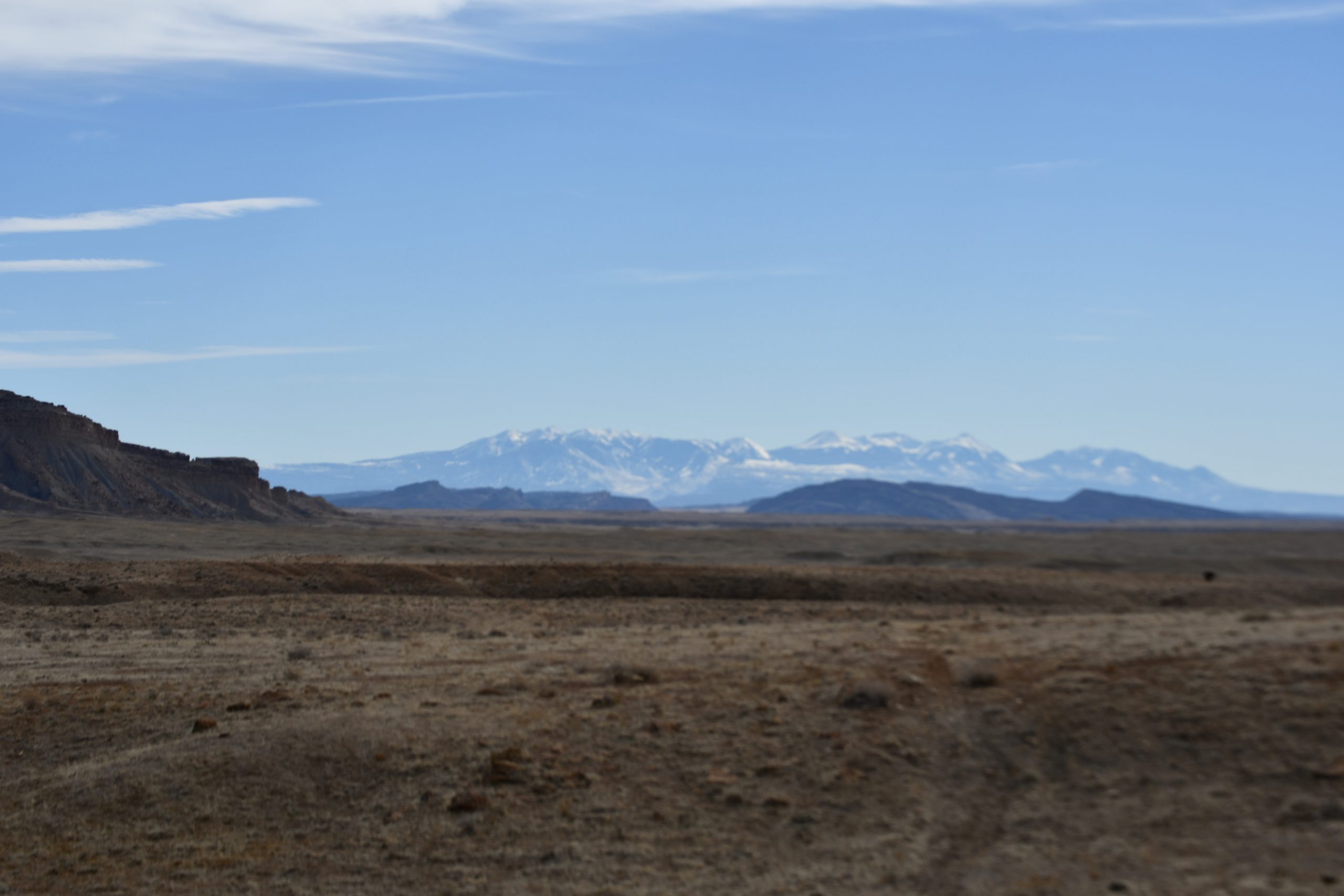
Grand County has a major new development in public-land protection. In June 2026, Utah finalized the purchase of a 50,608-acre parcel in the Book Cliffs roadless area, securing the property for incorporation into an existing wildlife management area. The land had belonged to the Utah School and Institutional Trust Lands Administration, and the purchase was intended to preserve public access for future recreation, including hunting. However, hunters should still check current boundaries, travel restrictions, and seasonal regulations before visiting. Protecting a large tract is important, but it does not mean every road or activity is automatically open.
12. Wallowa County, Oregon: Access Can Close and Reopen
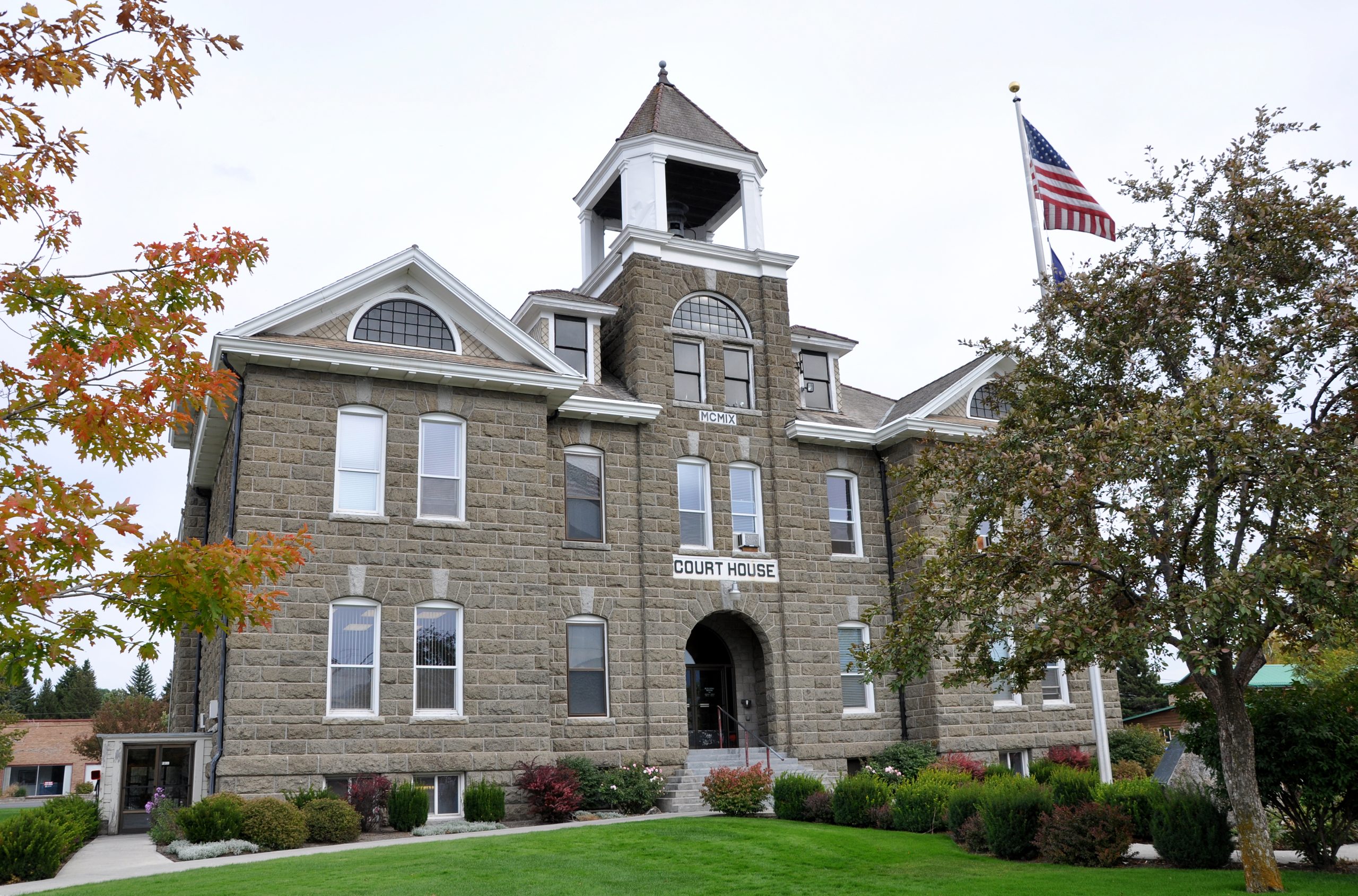
Wallowa County shows how fire conditions and private-land agreements can reshape access within a single season. Oregon temporarily closed several Access and Habitat properties in summer 2026 because extreme fire danger left firefighting resources stretched. The state announced the reopening of its northeast Oregon access areas on August 29, including Bear Creek, which covers 10,092 acres, and Harshfield Ranch, a 740-acre property available under specific permission rules. These arrangements are not interchangeable: some require advance approval, while others impose travel limits. Check the latest notices and property-specific conditions before assuming a familiar hunting area is open.