People often picture lions, sharks, crocodiles, or bears when they think about dangerous animals. But the animals humans encounter most often can be much smaller and far less dramatic. This list is ranked as a practical comparison of how frequently humans are bitten, stung, or attacked, using the best available global or regional statistics. Exact worldwide attack totals do not exist for every species, so some figures measure bites or deaths rather than every encounter.
12. Shark
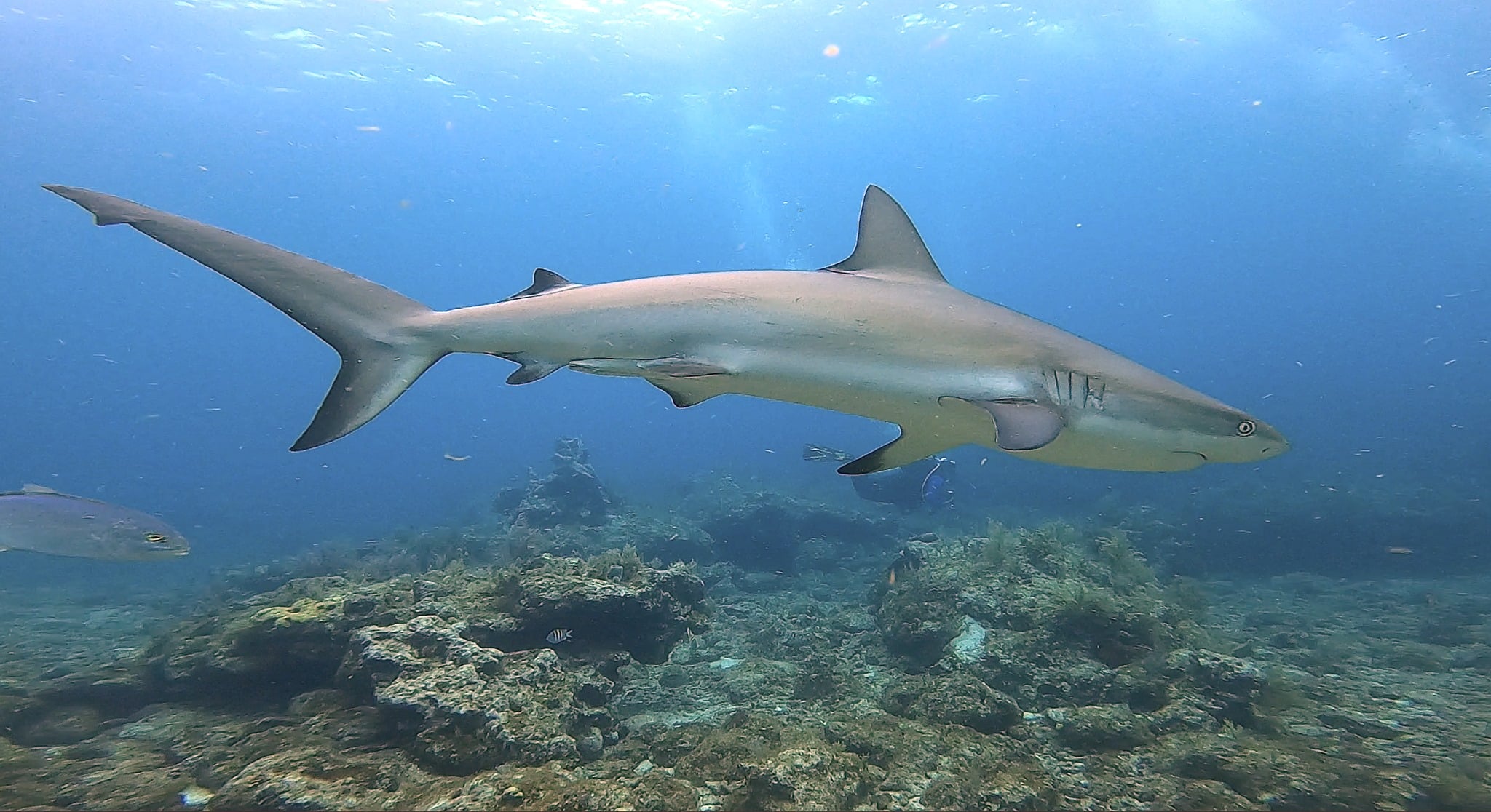
Shark attacks are among the most famous animal encounters, yet they are far less common than movies suggest. The International Shark Attack File recorded 65 confirmed unprovoked shark bites worldwide in 2025, compared with a recent 10-year average of 72. Most incidents involve surfers, swimmers, or divers sharing coastal water with sharks rather than sharks deliberately seeking people. Risk depends heavily on location, season, species, water conditions, and time spent in the water. A bite can cause major injury, but the everyday likelihood of being bitten by a shark remains extremely low compared with dogs, snakes, or stinging insects.
11. Lion
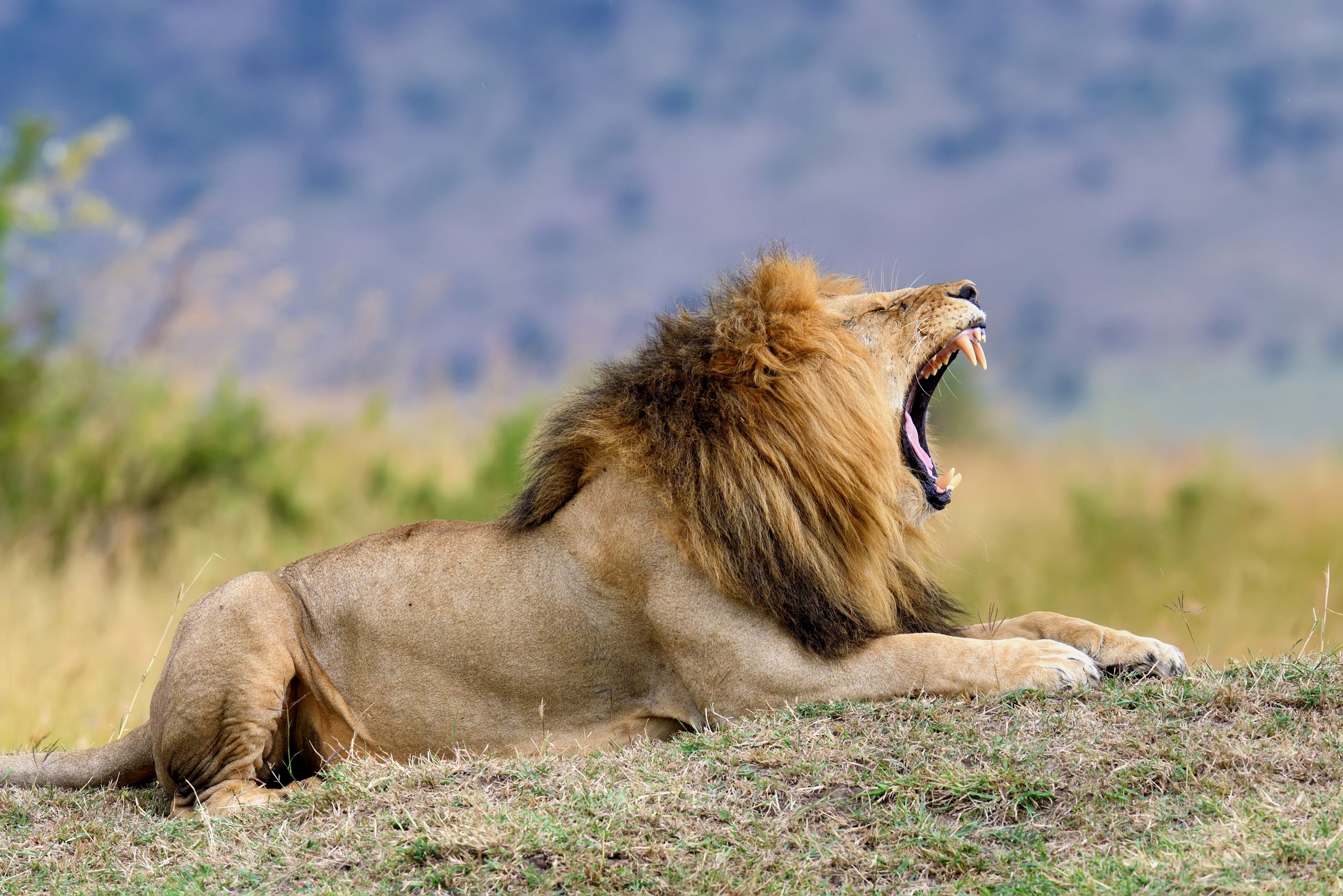
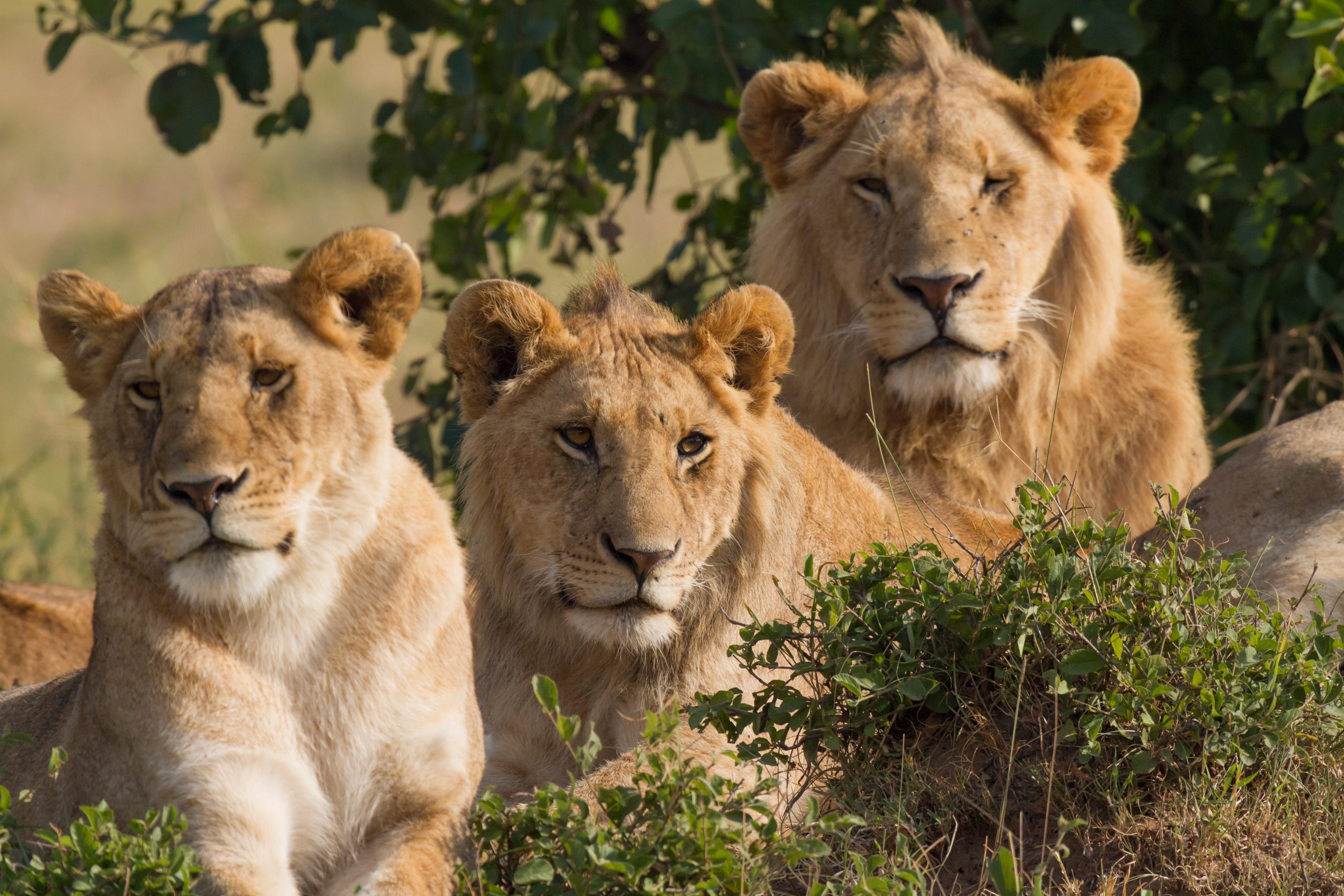
Lion attacks on humans are uncommon worldwide and tend to be concentrated in places where people live, farm, or travel close to lion habitat. A major global study of large-carnivore attacks recorded 282 lion attacks between 1950 and 2019. Encounters can become dangerous around livestock, water sources, settlements, or areas where natural prey is limited. Some individual lions may also learn that people or domestic animals are accessible. The worldwide figure is tiny compared with dog bites, but local risk can be much higher in specific communities. Never approach a lion for photographs, and follow park or wildlife authorities when entering known lion country.
10. Bear
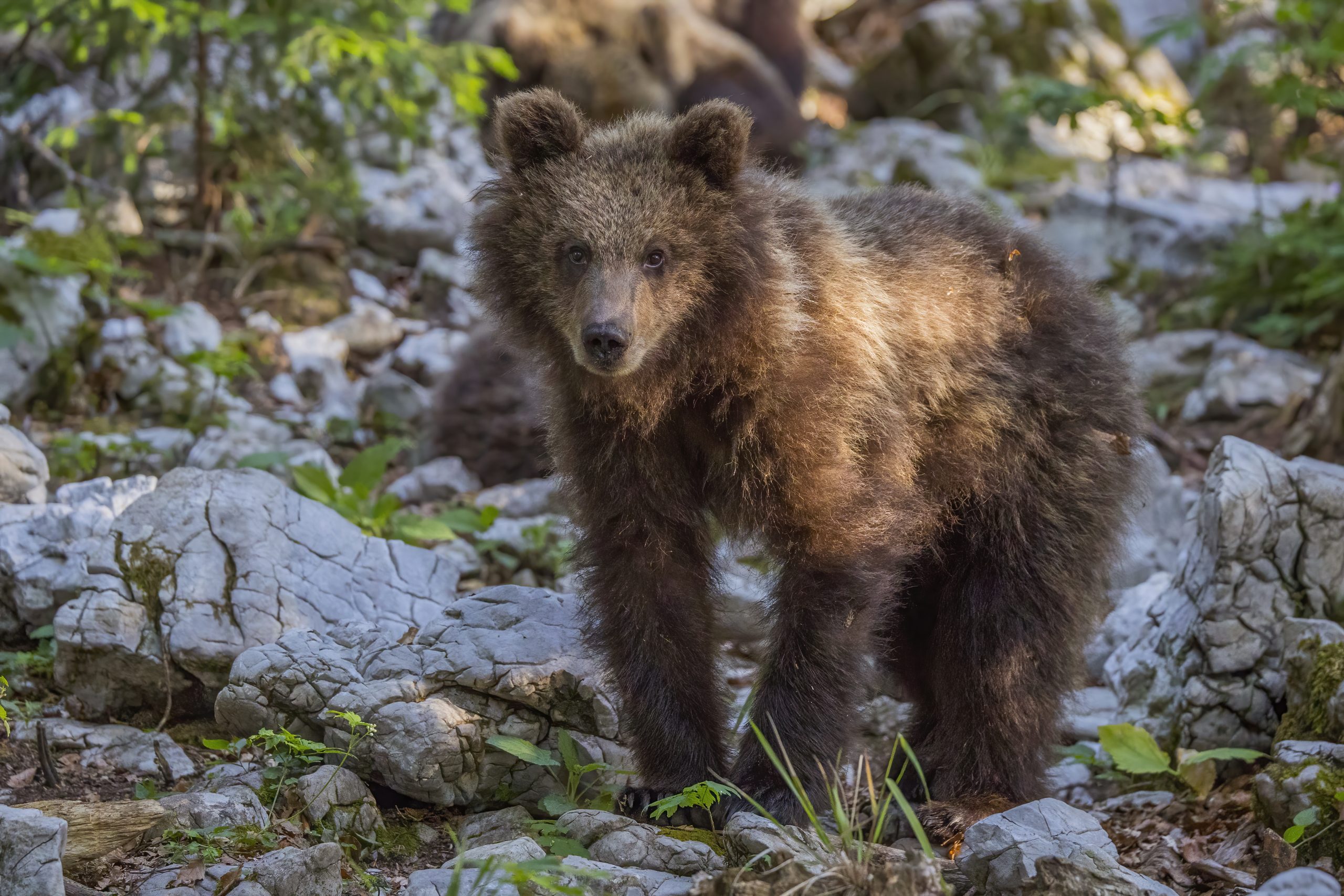
Bear attacks are relatively rare, but they deserve attention because a defensive encounter can cause severe injuries. A global study recorded 2,869 attacks involving several bear species between 1950 and 2019, including sloth bears, Asiatic black bears, brown bears, American black bears, and polar bears. Most bears do not treat humans as normal prey. Trouble commonly begins when a bear is surprised, protecting cubs, guarding food, feeding on a carcass, or attracted to human rubbish. Risk also changes greatly by species and region. Keep your distance, never feed a bear, secure food and waste, and follow local wildlife guidance when hiking. Stay alert around food.
9. Tiger
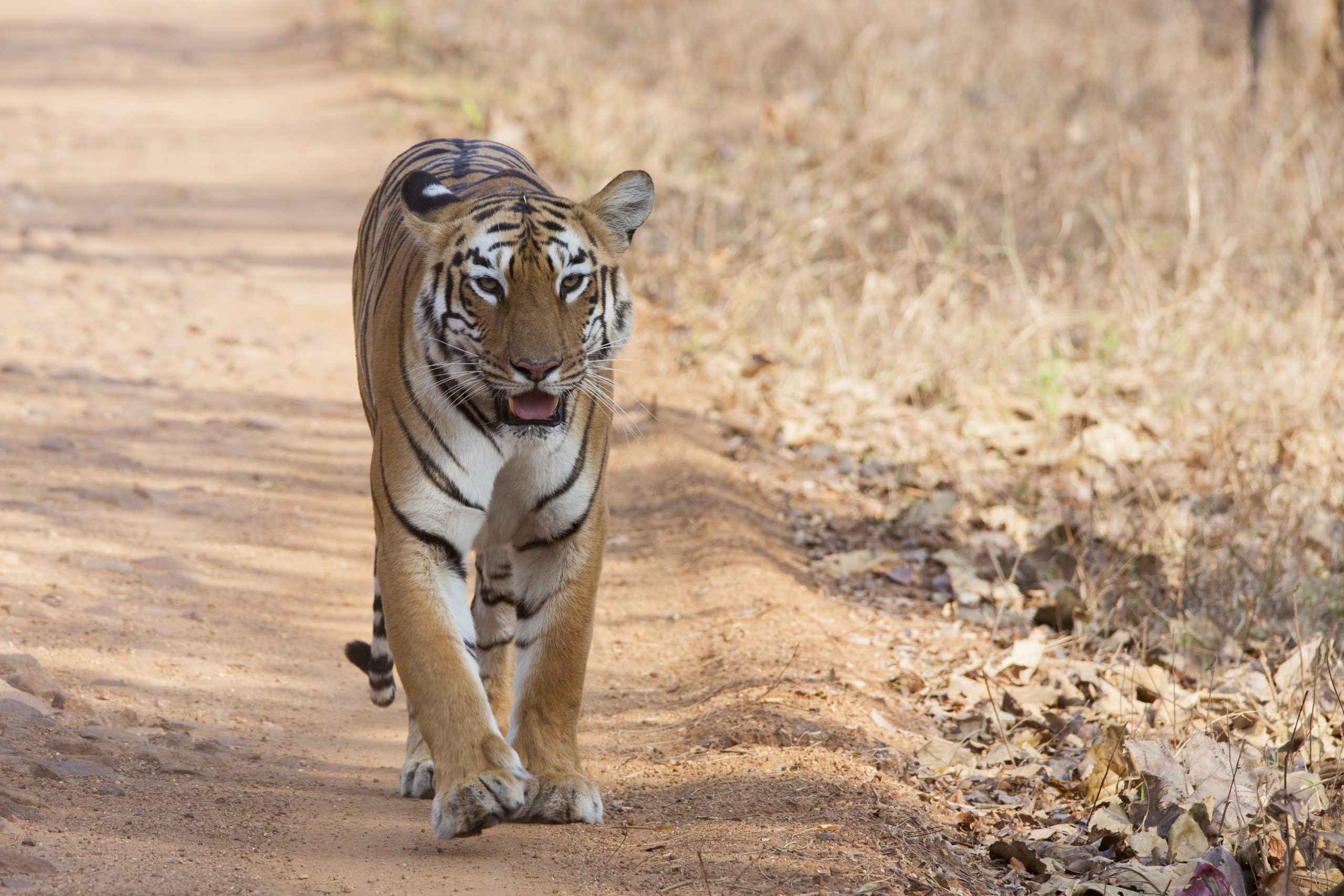
Tiger attacks are unusual on a global scale but can become a serious local danger where people regularly enter tiger habitat. The large-carnivore research database recorded 1,047 tiger attacks between 1950 and 2019. Incidents may happen when people surprise a tiger in dense vegetation, approach a carcass, enter areas used by the animal, or encounter a tiger that has learned to target livestock or people. Most tigers still avoid humans, so risk is highly dependent on geography and behavior. A person working in a forest landscape faces a very different exposure level from someone living hundreds of miles away from tiger range. Local advisories should always take priority over general rules.
8. Crocodile
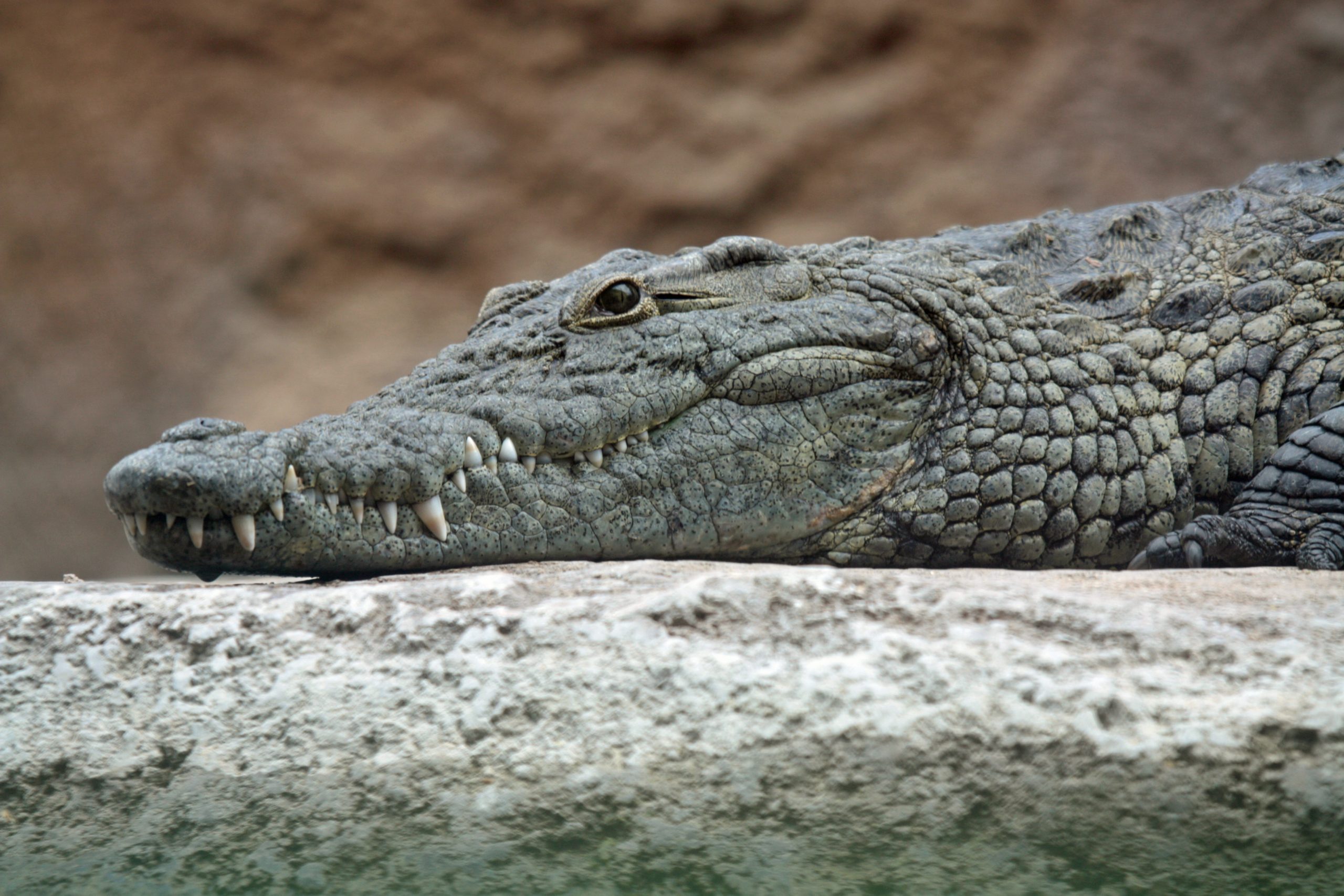
Crocodile attacks are strongly concentrated around particular rivers, lakes, swamps, and coastal waterways, making them a serious local risk rather than a common global encounter. Estimates of annual human deaths vary because many attacks are poorly reported, but one widely used global compilation places crocodile deaths at more than 150 a year. Fishing, swimming, washing clothes, collecting water, and standing near a shoreline can all increase exposure. Crocodiles may remain almost invisible before striking from the water’s edge. The safest approach is to avoid known crocodile habitat, obey warning signs, and never assume a quiet shoreline is safe simply because no crocodile is visible.
7. Hippopotamus
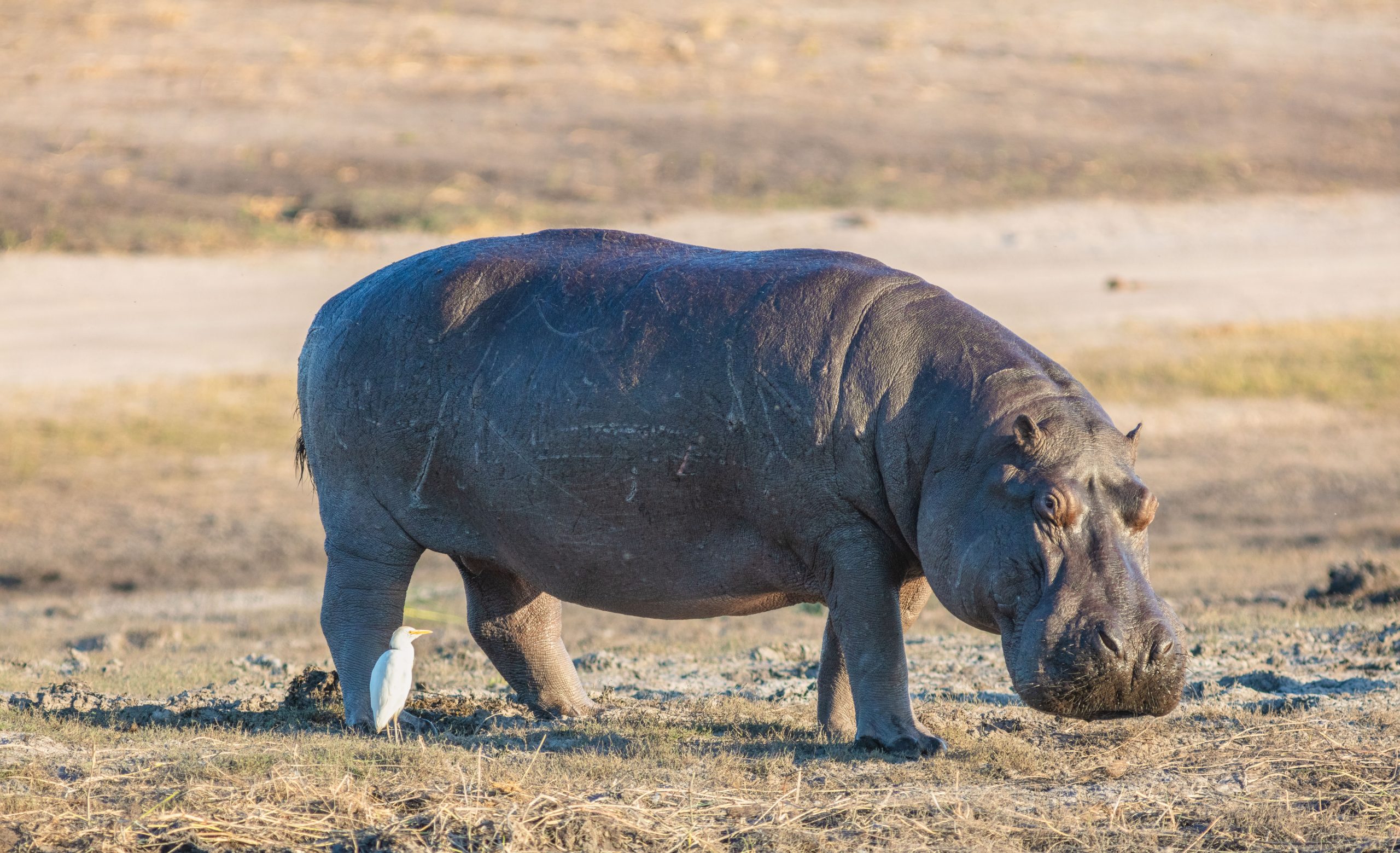
Hippos do not hunt humans for food, yet they can attack when people enter their territory or get between an animal and water. Global estimates vary widely because many incidents occur in remote areas, with some datasets suggesting more than 50 deaths annually and others estimating several hundred. Most risk is concentrated in sub-Saharan Africa around rivers and lakes. Small boats, narrow paths, and riverbanks can create dangerous encounters because a hippo may react quickly at close range. Their reputation for aggression comes from territorial behavior, not predation. Giving hippos a wide berth and following local wildlife warnings is far safer than judging them by their plant-based diet.
6. Elephant
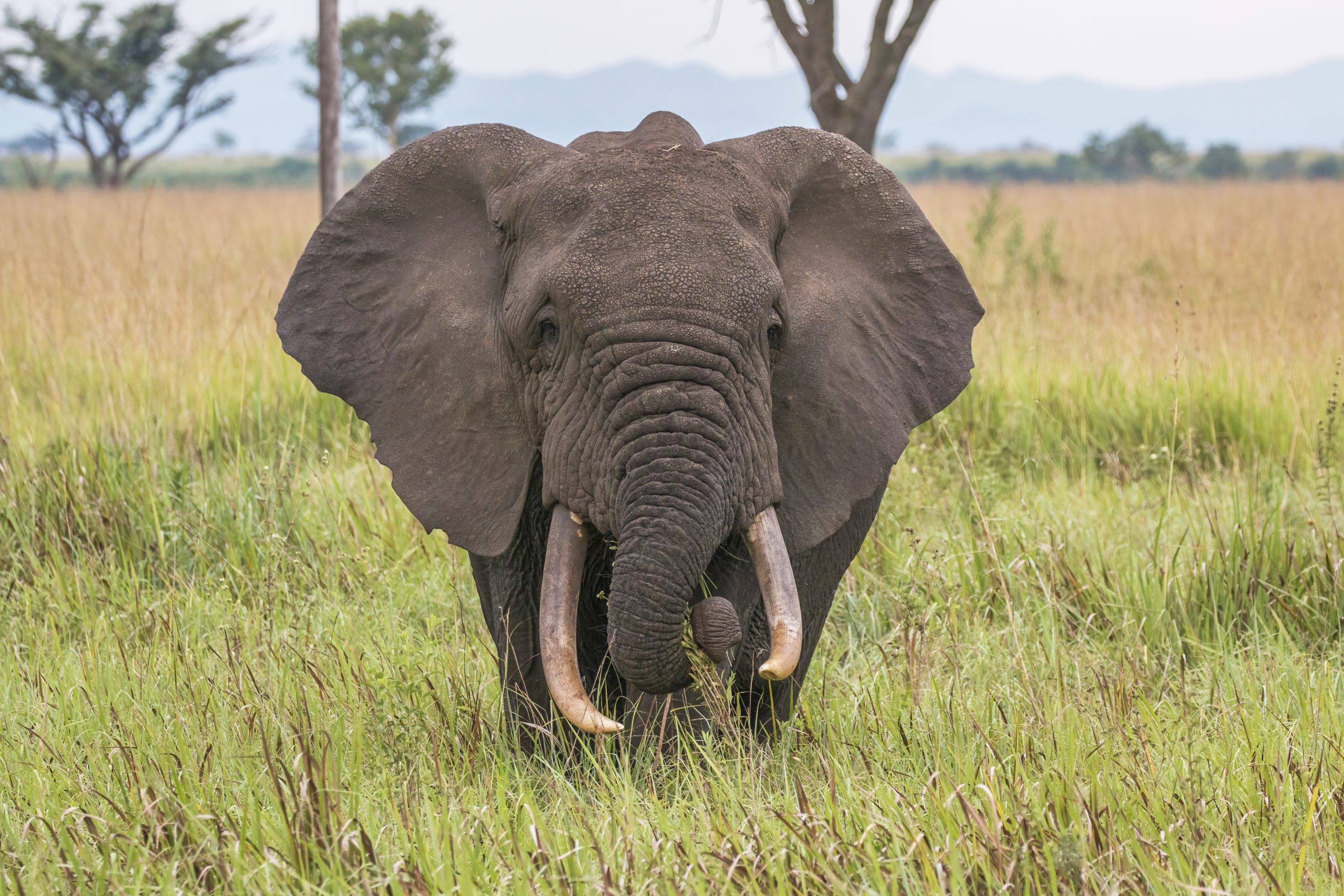
Elephants are not frequent attackers in the global sense, but human-elephant conflict can produce a substantial number of serious injuries and deaths in areas where people and elephants share land. Our World in Data uses an estimate of about 1,000 human deaths per year from elephants. Risk can rise near farms, roads, settlements, and water sources, particularly when elephants are protecting calves or reacting to close human presence. India has experienced significant elephant-related casualties due to habitat overlap. Warning signs include ear spreading, trumpeting, rapid movement, and mock charges. Solid barriers are essential. Never crowd a herd.
5. Scorpion
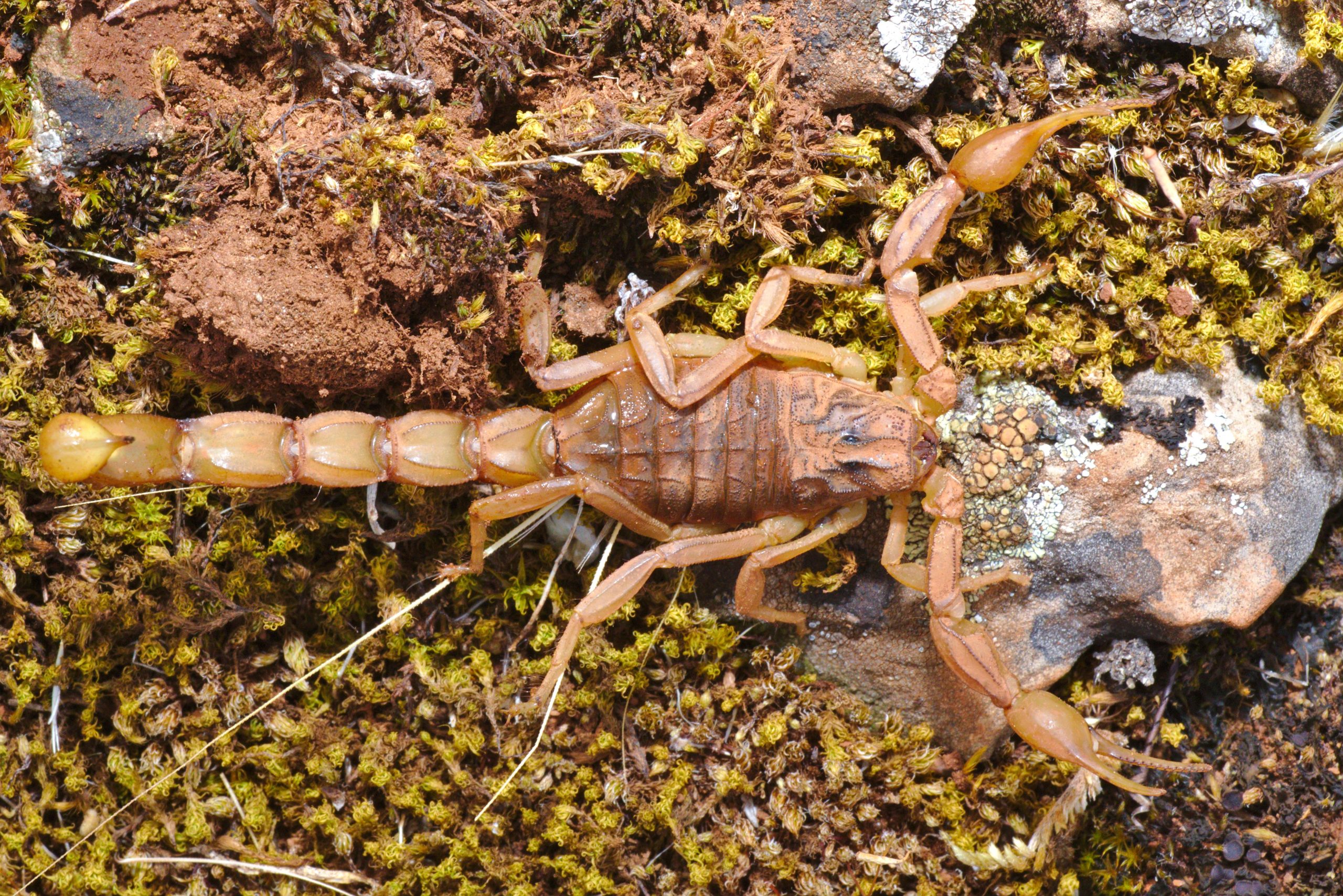
Scorpions can sting people frequently in regions where homes and farms overlap with scorpion habitat. A global estimate compiled by Our World in Data puts annual human deaths from scorpions at roughly 3,000, although reliable reporting varies between countries. Most stings are defensive and happen when a scorpion is disturbed, stepped on, or trapped in clothing, shoes, bedding, or stored items. Children are especially vulnerable to severe effects from medically important species. Checking footwear and reducing clutter can lower exposure. A severe sting requires urgent medical attention. Treatment depends on the species and local medical guidance. Do not try to catch a scorpion after a sting.
4. Bee, Wasp, and Hornet
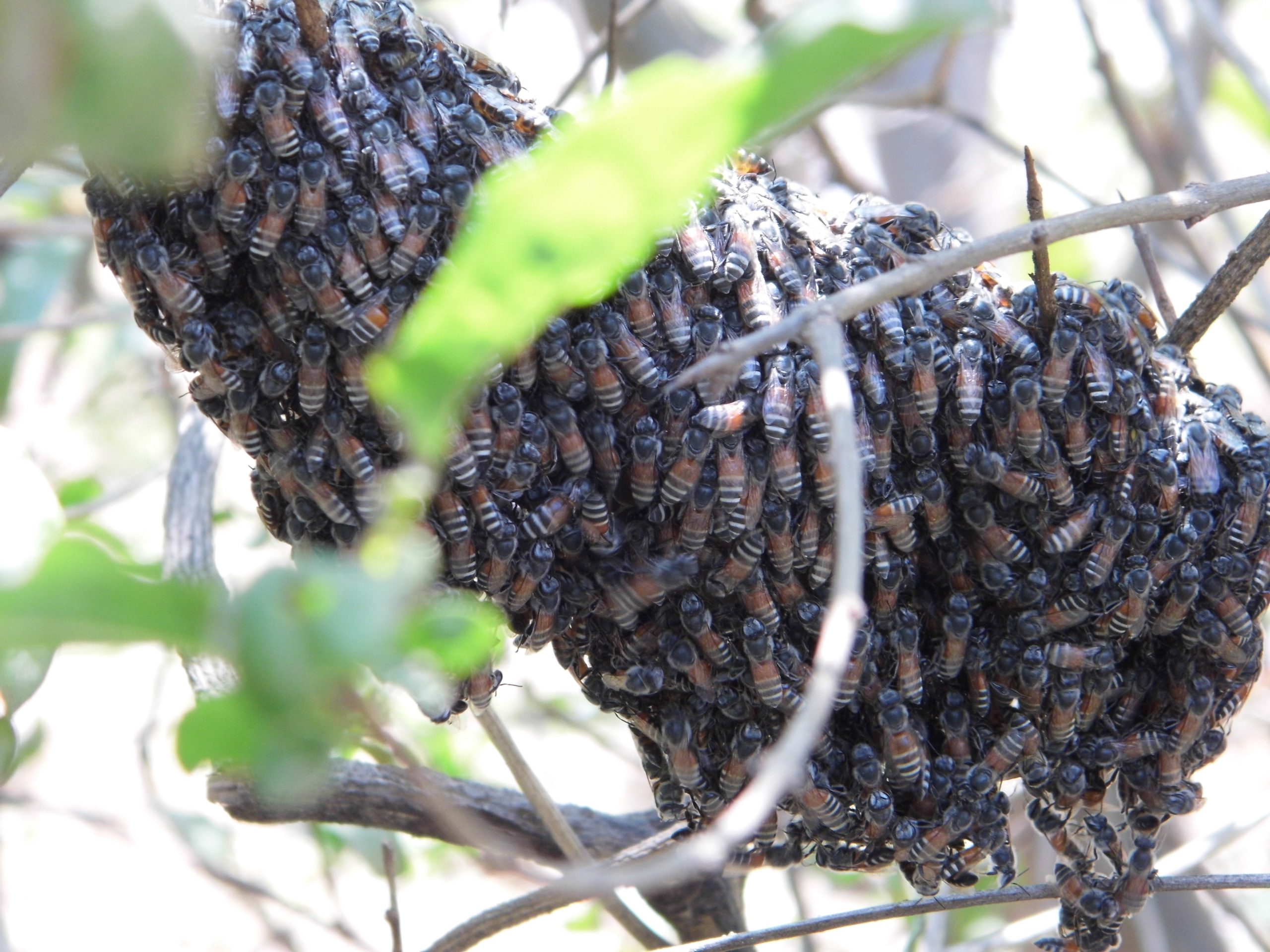
Stinging insects can attack far more readily than large predators because people routinely share their nesting and feeding areas. Bees, wasps, and hornets collectively account for hundreds of human deaths in available national statistics, with danger concentrated among people who experience severe allergic reactions or multiple stings. In the United States, 788 deaths occurred from 2011 through 2021, averaging 72 deaths per year. Most encounters happen when a nest is disturbed, a person swats at an insect, or food attracts insects nearby. Staying calm, moving away from a nest, and avoiding unnecessary disturbance can reduce the chance of repeated stings.
3. Snake
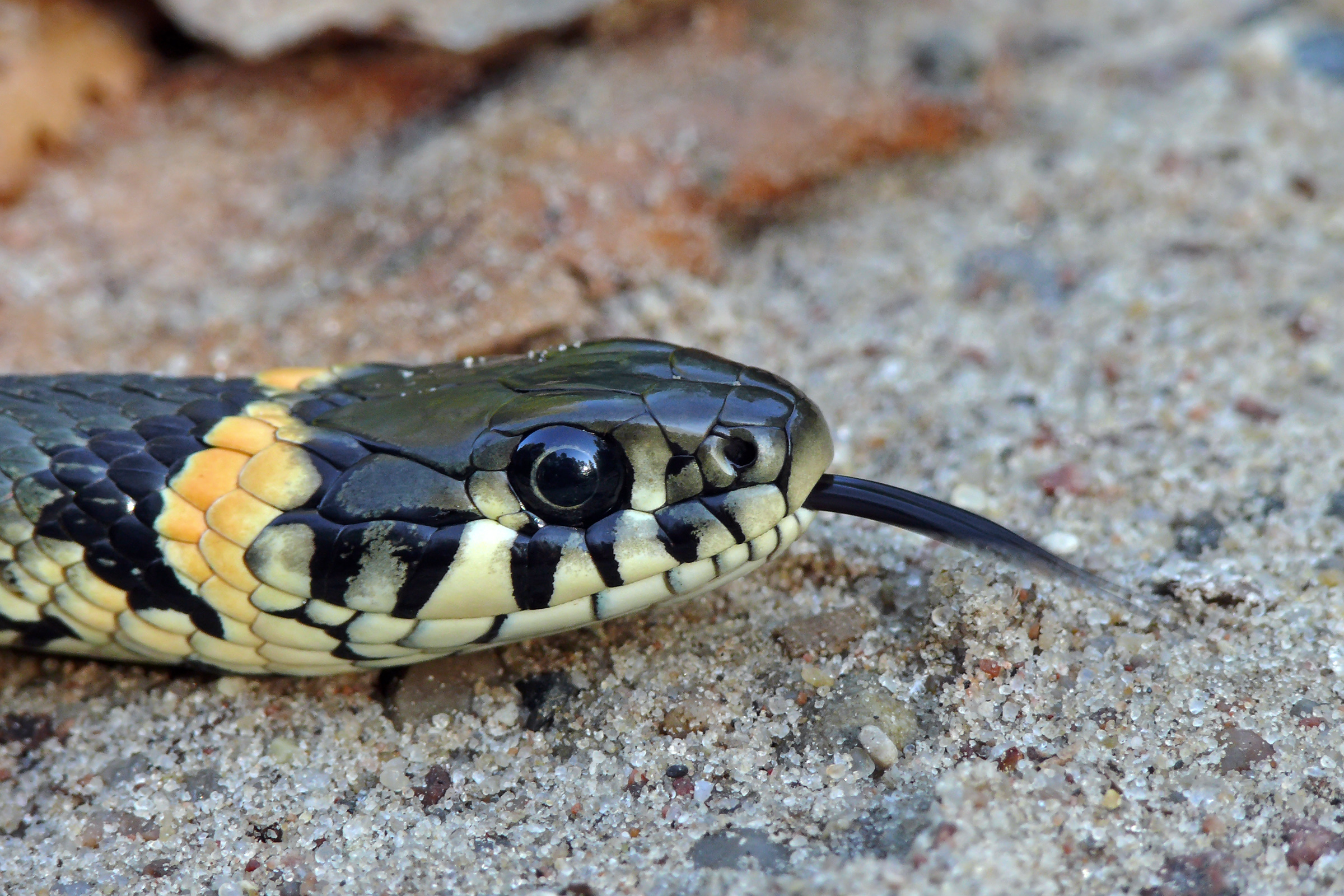
Snakes are involved in millions of human bites each year, making them far more relevant to everyday animal-attack risk than most large predators. The World Health Organization estimates up to 5 million snakebites annually, with roughly 94,000 to 125,000 deaths from envenoming complications. Many bites are defensive, occurring when people step on, corner, handle, or accidentally disturb a snake. Agricultural workers and people living in rural areas often face greater exposure. Protective footwear, clearing clutter, using a light after dark, and leaving snakes alone can reduce risk. A suspected venomous bite needs urgent medical care, not cutting, sucking, or improvised tourniquets.
2. Dog

Dogs are involved in vastly more human bite incidents than most wild animals because they live directly alongside people. The World Health Organization says dog bites account for tens of millions of injuries every year, and estimates about 4.5 million dog bites annually in the United States alone. Children face particularly high risks, especially around unfamiliar or poorly supervised dogs. Bites may happen during feeding, handling, restraint, play, or when a dog feels frightened or threatened. Rabies adds a separate danger in many countries. After a bite, washing the wound thoroughly and getting prompt medical advice is important, especially when the dog’s vaccination status is unknown.
1. Mosquito
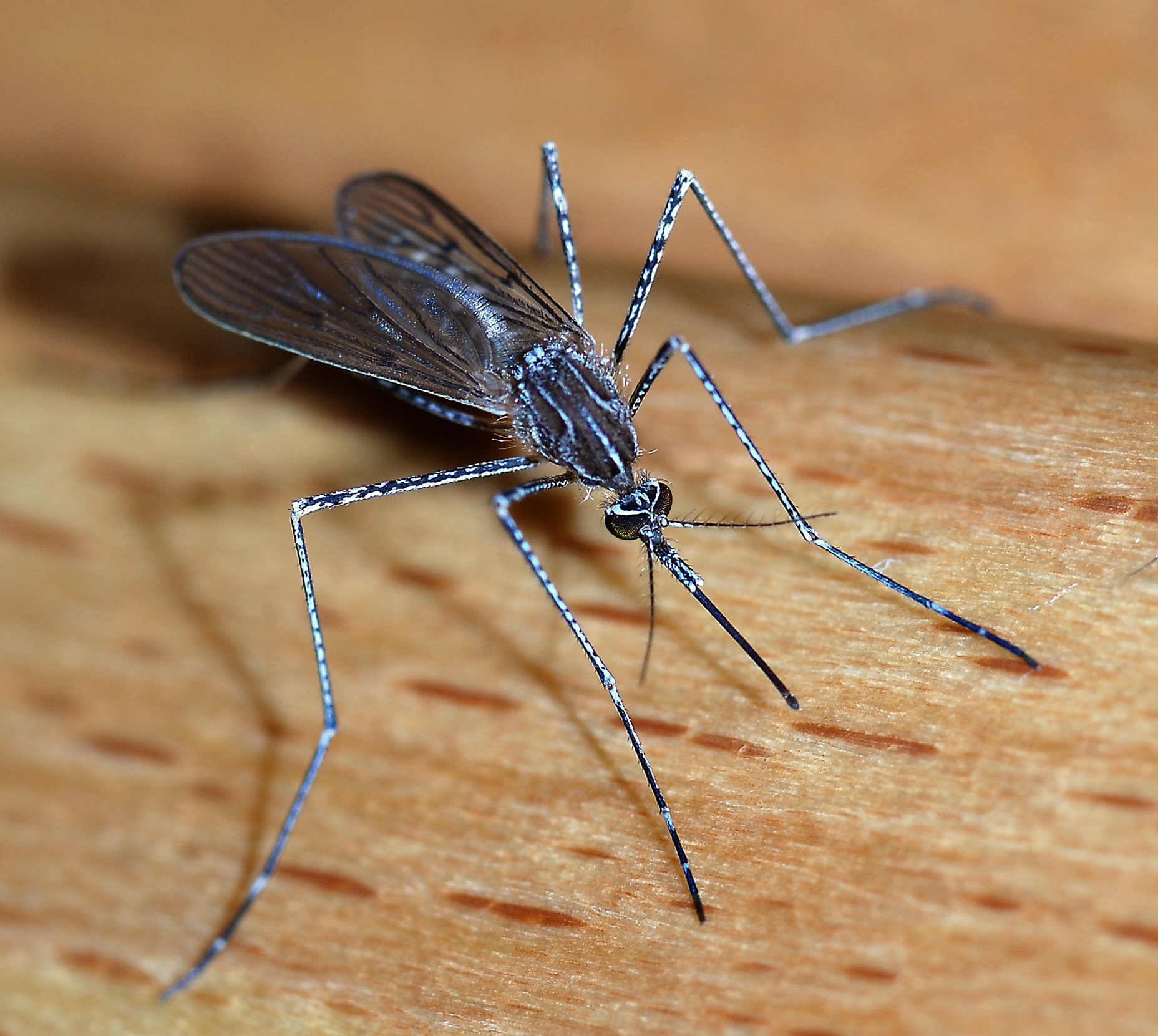
Mosquitoes are not attackers in the dramatic sense, but they are by far the most frequent human-biting animal on this list. The CDC says there are more than 3,700 mosquito species worldwide, although only some spread major diseases. Female mosquitoes take blood meals, and certain species transmit malaria, dengue, Zika, yellow fever, West Nile virus, and other infections. Our World in Data estimates about 760,000 human deaths each year are associated with mosquitoes, largely through disease transmission. That makes exposure important even when the bite seems minor. Repellent, long clothing, window screens, and mosquito nets can reduce bites and disease risk.