The biggest hunting destinations often receive the most attention, but popularity does not always mean better opportunity. Some less-hyped states offer excellent combinations of deer habitat, public access, varied terrain, and multiple game species. From Midwestern farmland to Appalachian mountains, these states can reward hunters who are willing to scout carefully and look beyond the usual names. The following 10 states show why a quieter reputation does not necessarily mean weaker hunting.
1. Kansas
Kansas remains one of the most overlooked states when hunters compare famous whitetail destinations, yet its mix of prairie, cropland, creek bottoms, and timber creates excellent deer habitat. Covering about 82,278 square miles, the state offers more than one style of hunt. Whitetails are the headline species, while wild turkey and upland birds add variety. The key is learning how deer move between food and secure cover, especially around river corridors and agricultural fields. Access can be the hardest part because much of the productive ground is private. Hunters who secure permission early and scout carefully can find Kansas surprisingly rewarding without relying on a famous destination.
2. Oklahoma
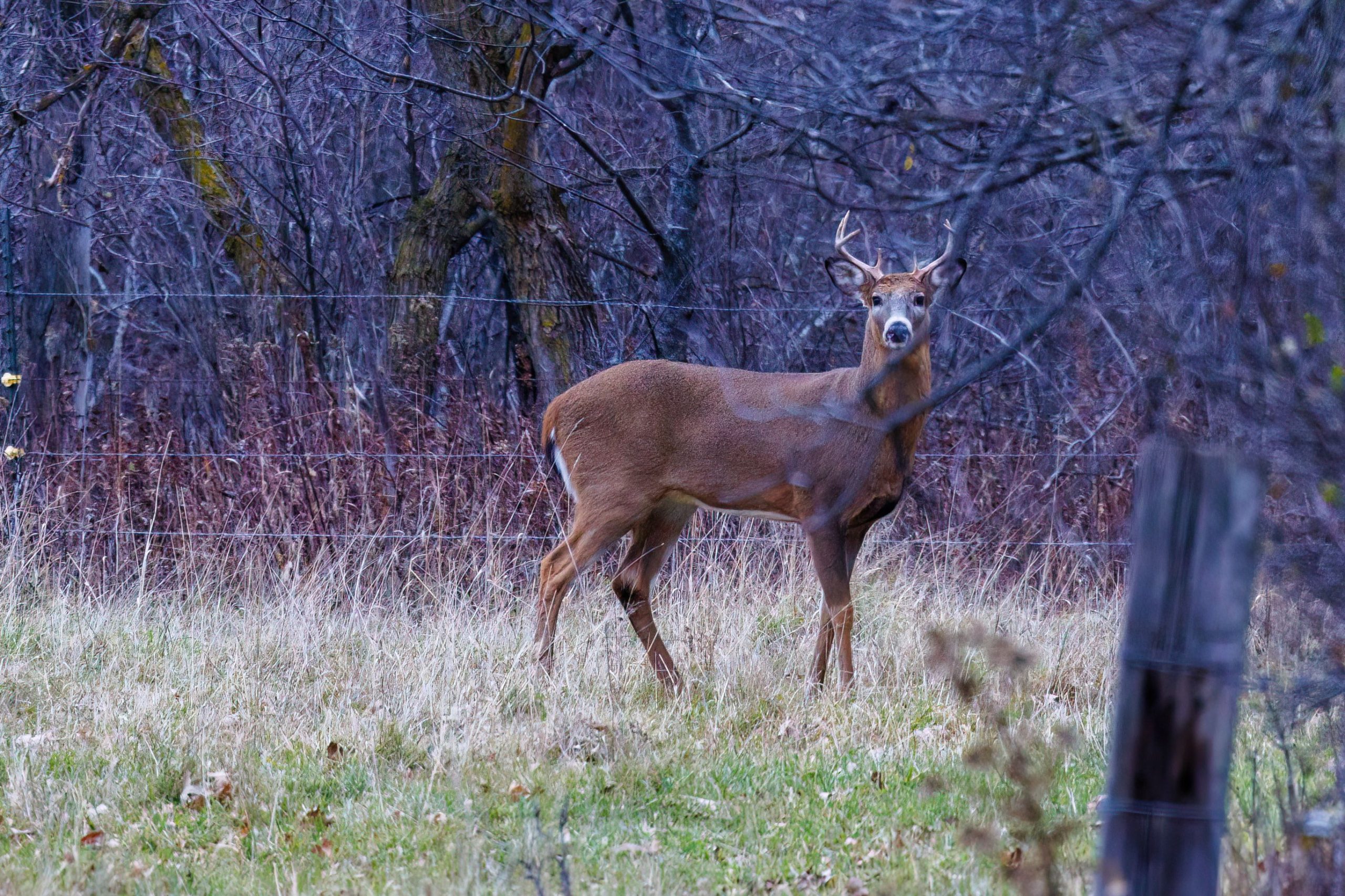
Oklahoma covers about 69,899 square miles and offers a remarkably varied hunting landscape, from prairie and agricultural country to the Cross Timbers and wooded river bottoms. Whitetails are a major attraction, but turkey and other game create additional opportunities across different seasons. Water, food and thick bedding cover are especially useful clues when scouting unfamiliar ground. Access requires research, while private-land hunting often depends on planning well ahead. Oklahoma may receive less national attention than western trophy states, but its habitat diversity can make it a strong choice for patient hunters. This mix also gives hunters room to change tactics when deer patterns shift with weather or crop activity. Its
3. Arkansas
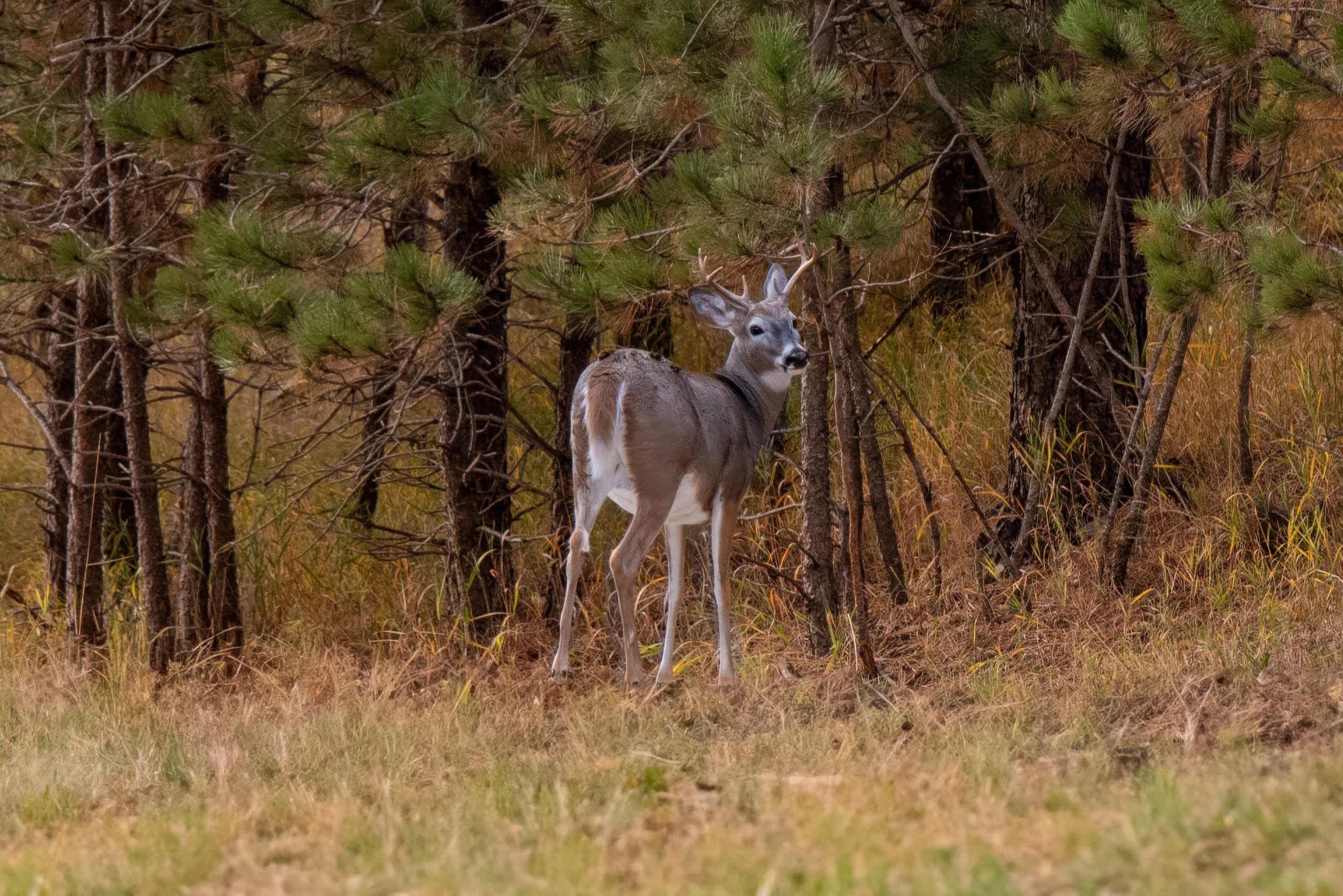
Arkansas offers roughly 53,179 square miles of forests, river valleys, farmland and rugged upland country, giving hunters a wide range of habitat to explore. Whitetails are a major draw, while turkey and waterfowl make the state attractive to hunters who want more than one species. Dense timber can make deer difficult to glass, so understanding funnels, food sources and travel routes is often more useful than simply covering ground. River corridors and secluded timber reward hunters who learn how animals use the terrain. Arkansas does not have the same national spotlight as some western destinations, but its combination of habitat and hunting tradition can make it an appealing alternative for hunters seeking less hype.
4. Missouri
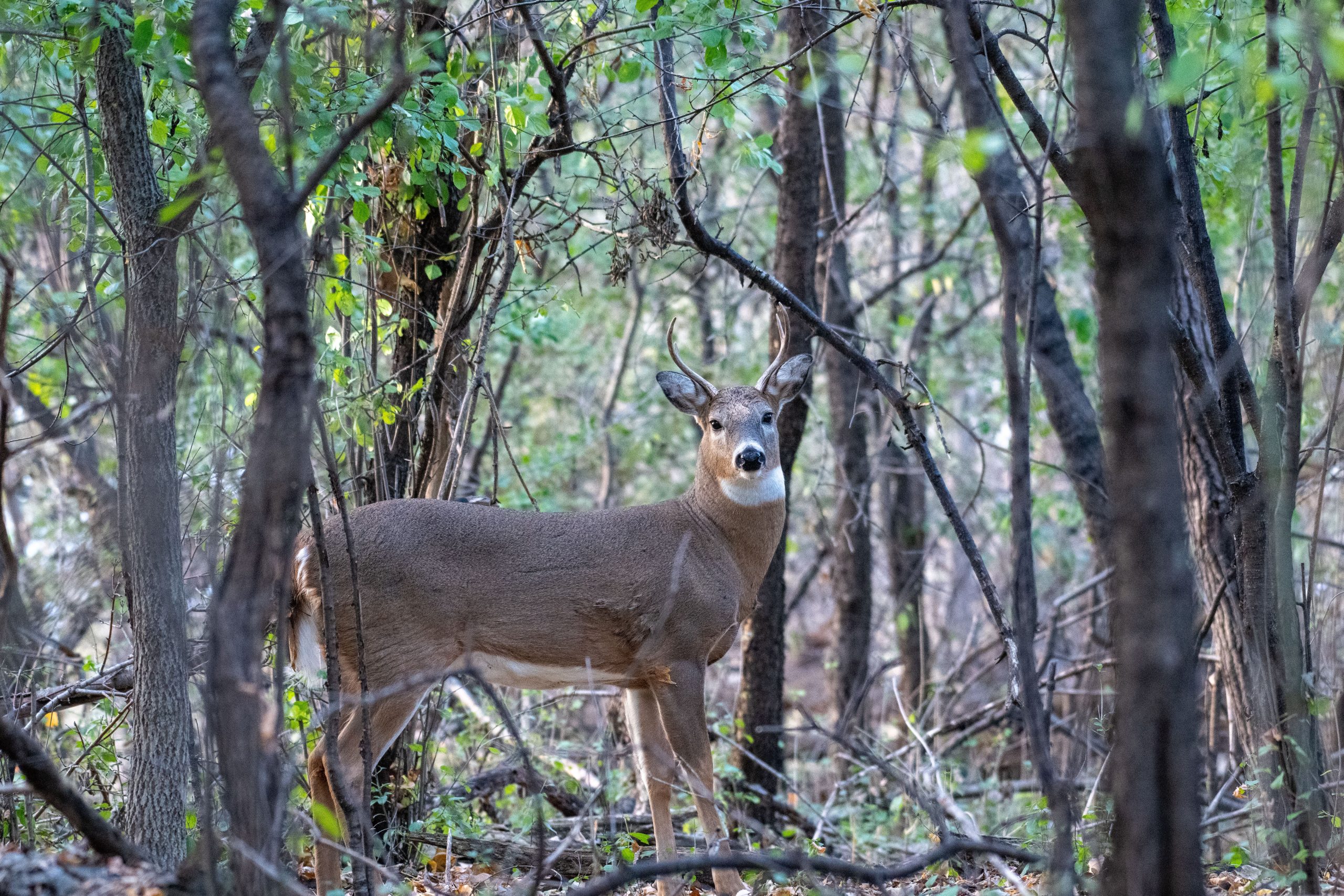
Missouri combines farmland, hardwood forest, river bottoms, and rolling hills across about 69,707 square miles, creating productive deer habitat. Whitetails are the main attraction, while turkey and waterfowl add useful seasonal options. Hunters can look for travel corridors where timber meets crops, especially near dependable food and bedding cover. Access still requires planning because some productive ground is privately owned, but public opportunities are available. Its habitat variety lets hunters change terrain when weather, food, or pressure shifts. Missouri offers a practical balance of game, terrain, and opportunity. For hunters willing to scout beyond famous counties, it can be a smart alternative to destinations that receive far more national attention.
5. Kentucky
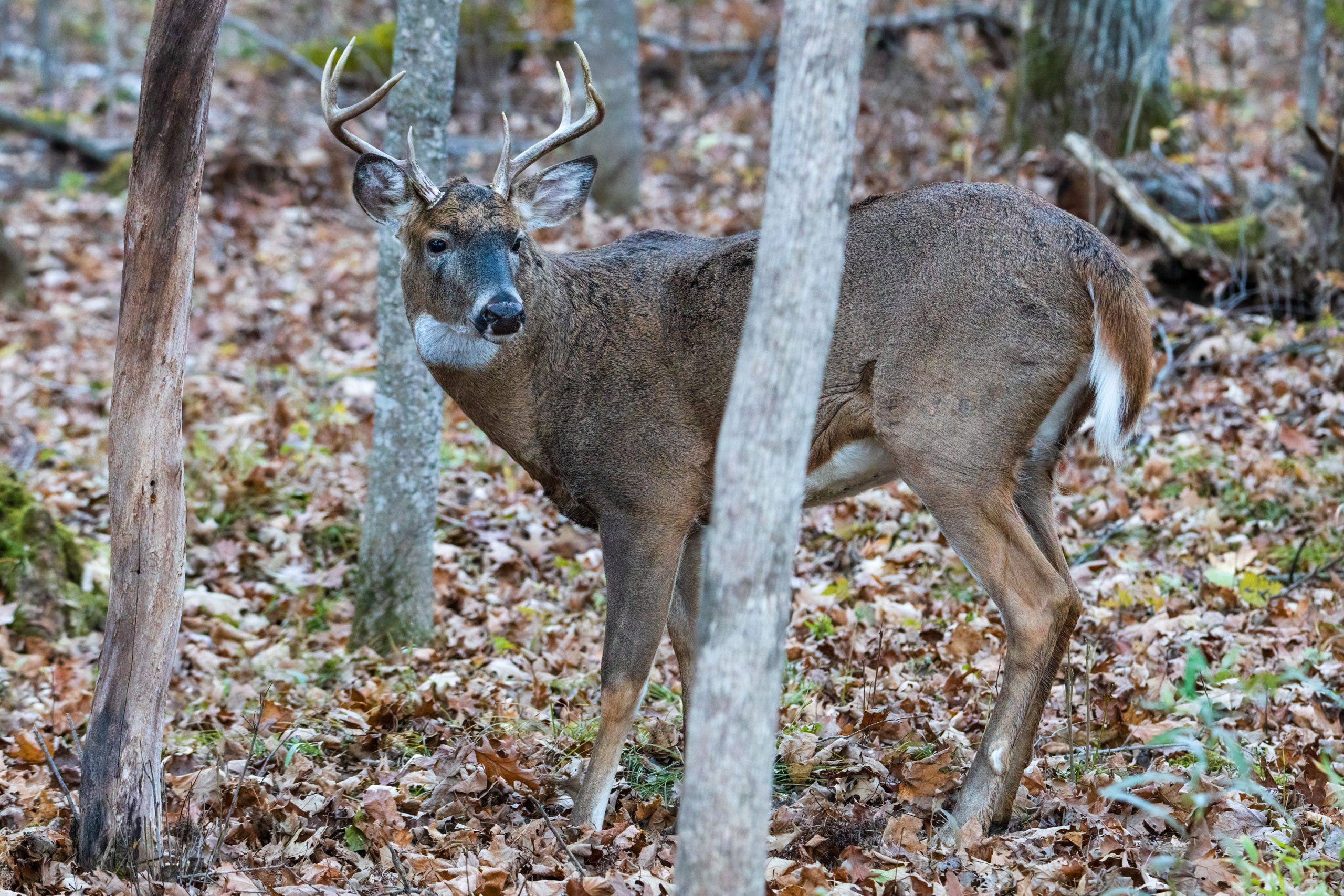
Kentucky covers roughly 39,486 square miles and is filled with hardwood ridges, hollows, creek bottoms, and agricultural pockets that provide varied whitetail habitat. Deer hunting is a major attraction, while wild turkey gives spring hunters another reason to return. The state’s rolling terrain can make physical preparation important when a promising ridge or hollow requires a long climb. Food, water, and bedding areas can create natural movement routes, but hunters still need to account for wind and access. Kentucky’s appeal comes from productive habitat and terrain. Hunters comfortable walking hills can discover secluded pockets that receive less attention than easy-access ground. That combination can make careful scouting especially valuable.
6. Alabama
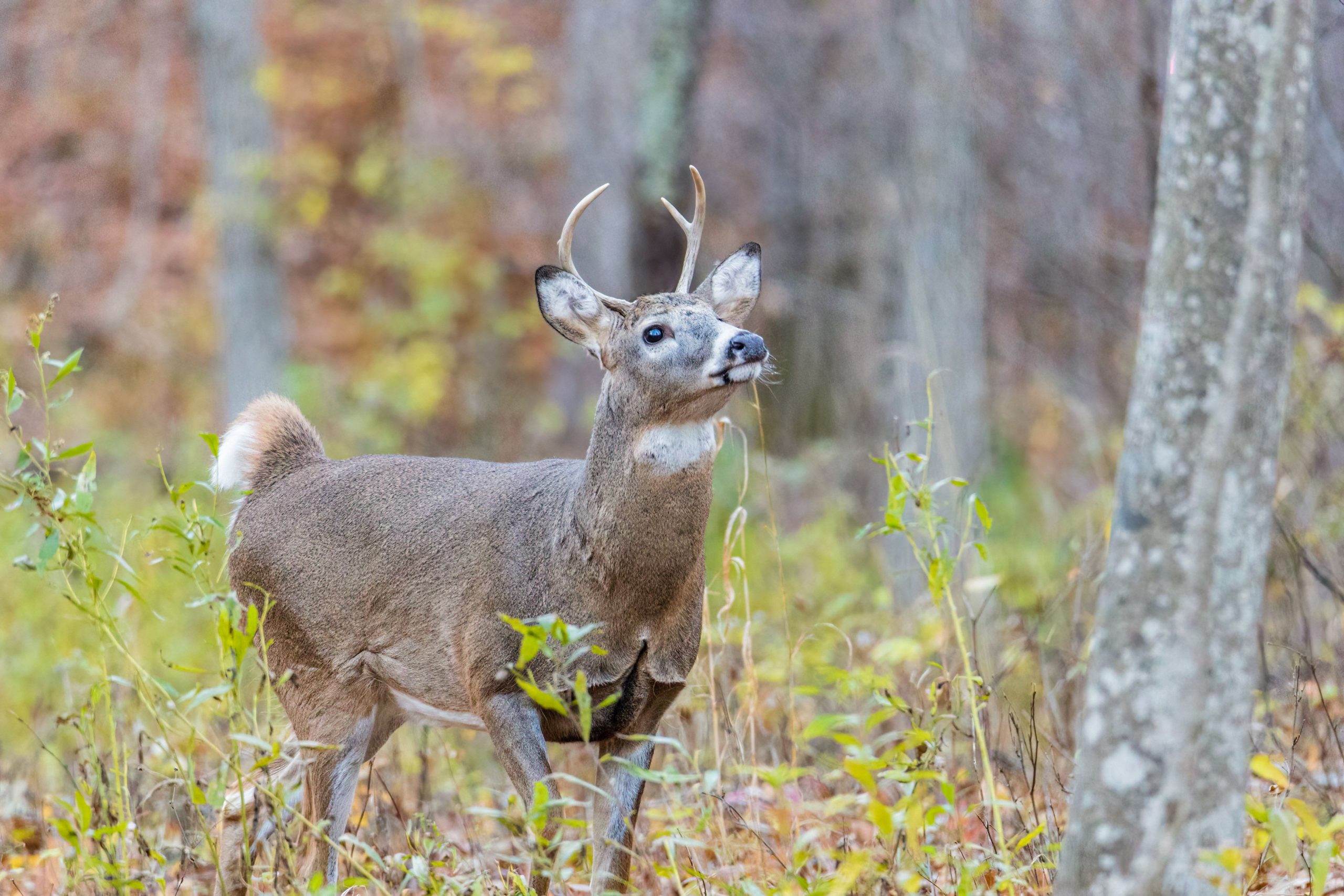
Alabama stretches across about 52,420 square miles and offers a mixture of pine forests, hardwood bottoms, agricultural fields, wetlands and coastal country. Whitetails are a central attraction, while turkey and waterfowl provide additional opportunities through different seasons. Hunters often benefit from identifying food sources, bedding cover and natural funnels before choosing a stand location. Alabama’s strength is its range rather than one famous hunting region. For hunters prepared to adapt to different terrain, it can provide a productive alternative to more heavily promoted destinations. That flexibility can be valuable for hunters who prefer planning around habitat rather than following a single famous trophy area.
7. Mississippi
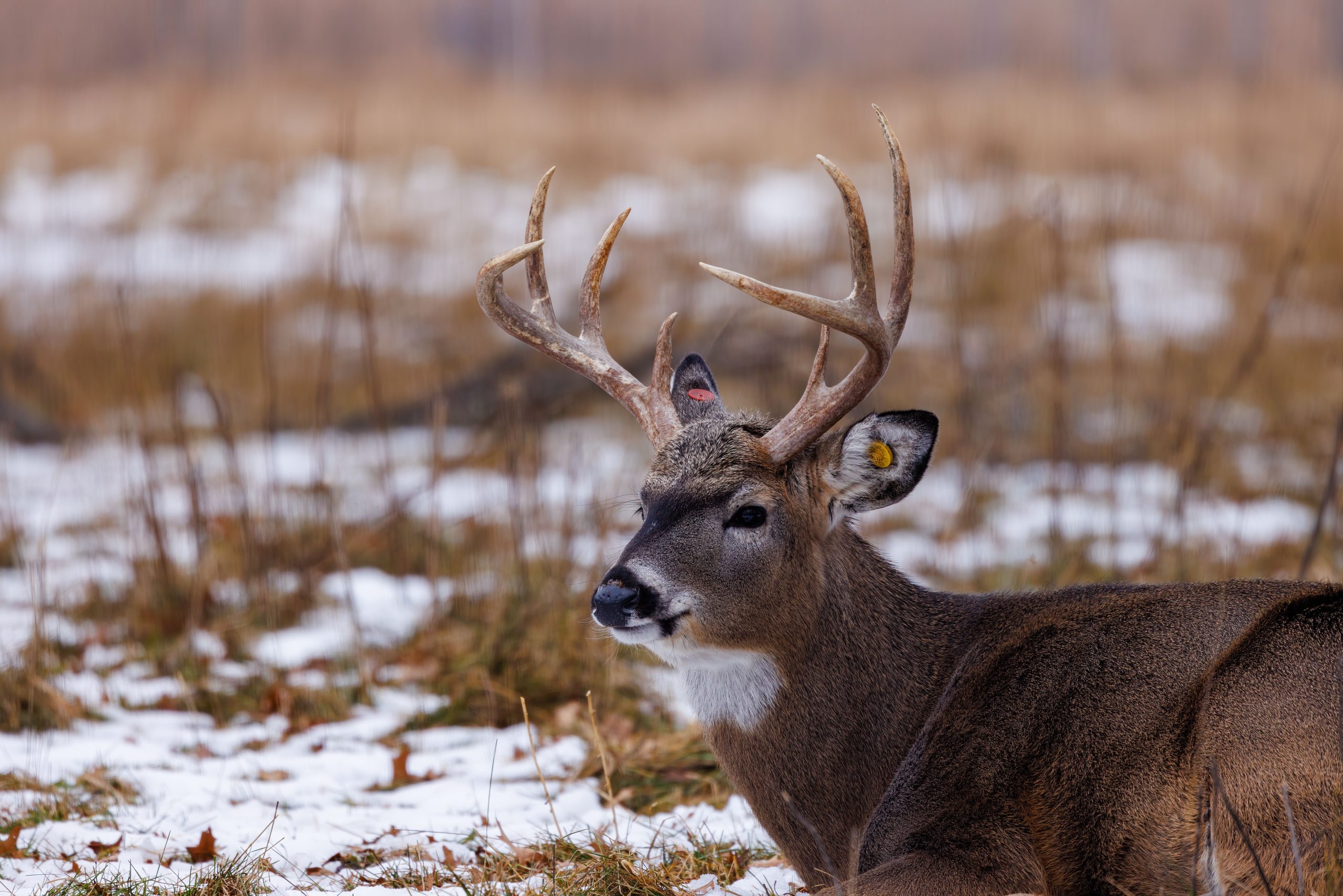
Mississippi may receive less attention than celebrated hunting states, but its roughly 48,432 square miles include fertile farmland, hardwood bottoms, pine forests, and river country. That combination creates useful habitat for whitetails, while turkey and waterfowl broaden the seasonal possibilities. Hunters should pay close attention to weather, seasonal movement and changing food sources instead of assuming one setup will work all season. That balance of food and cover can be particularly attractive during periods when deer movement becomes more predictable. For hunters who enjoy detailed scouting, Mississippi can deliver opportunity without the same level of national hype surrounding more famous destinations.
8. Indiana
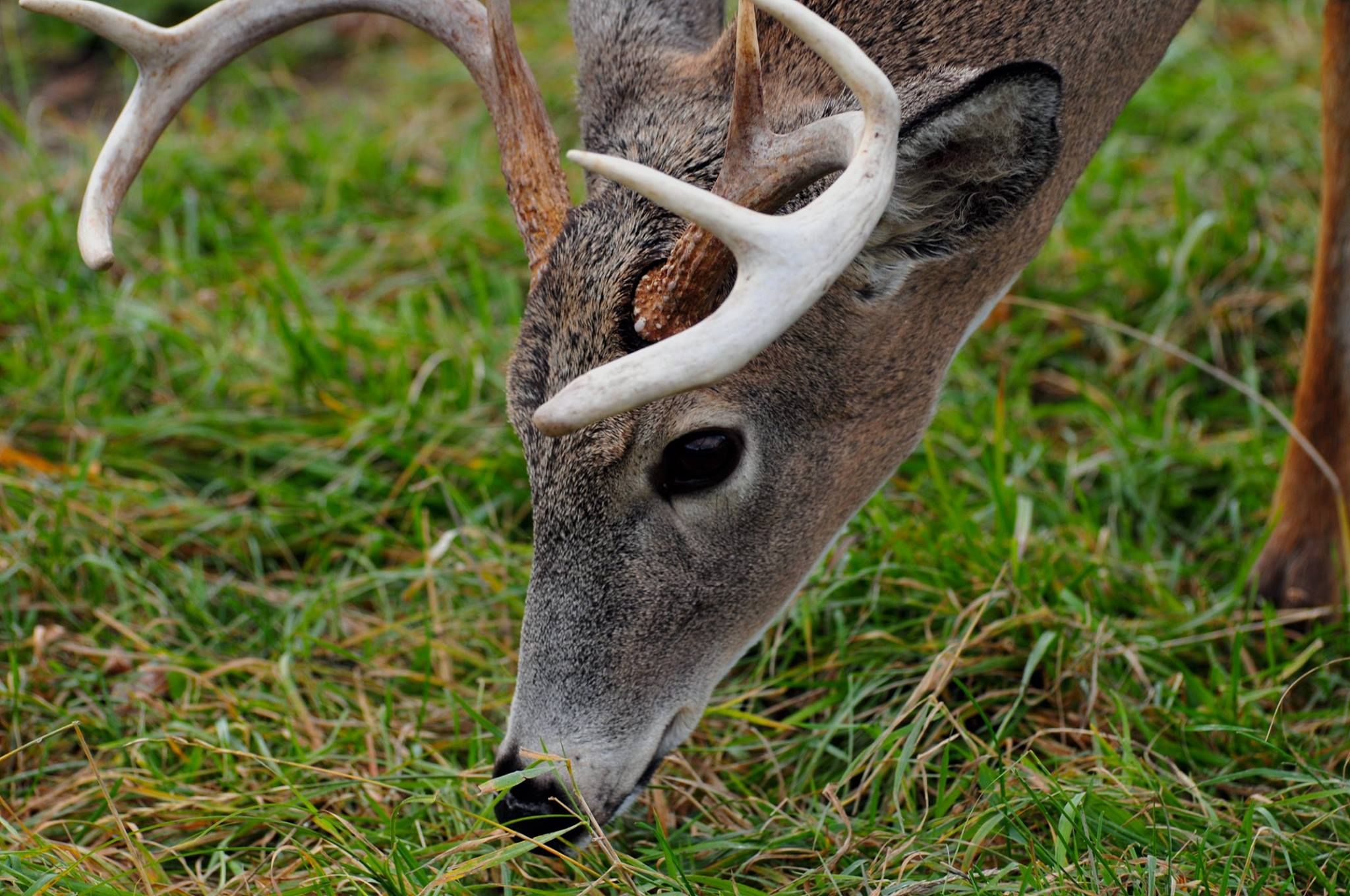
Indiana is an easy state to overlook because it lacks the rugged scenery associated with famous western hunting destinations, but its roughly 36,420 square miles contain productive farmland, hardwood forests, river bottoms and wooded creek corridors. Whitetail deer are the primary attraction, with turkey providing another important opportunity. Hunters can look for productive transitions between agricultural land and timber when studying unfamiliar ground. Indiana’s appeal comes from its practicality: varied deer habitat, manageable terrain, and the potential to find quality opportunities without chasing a headline destination. That combination can make Indiana especially appealing to hunters who prefer productive agricultural country over remote mountain terrain and want several areas worth exploring.
9. Ohio
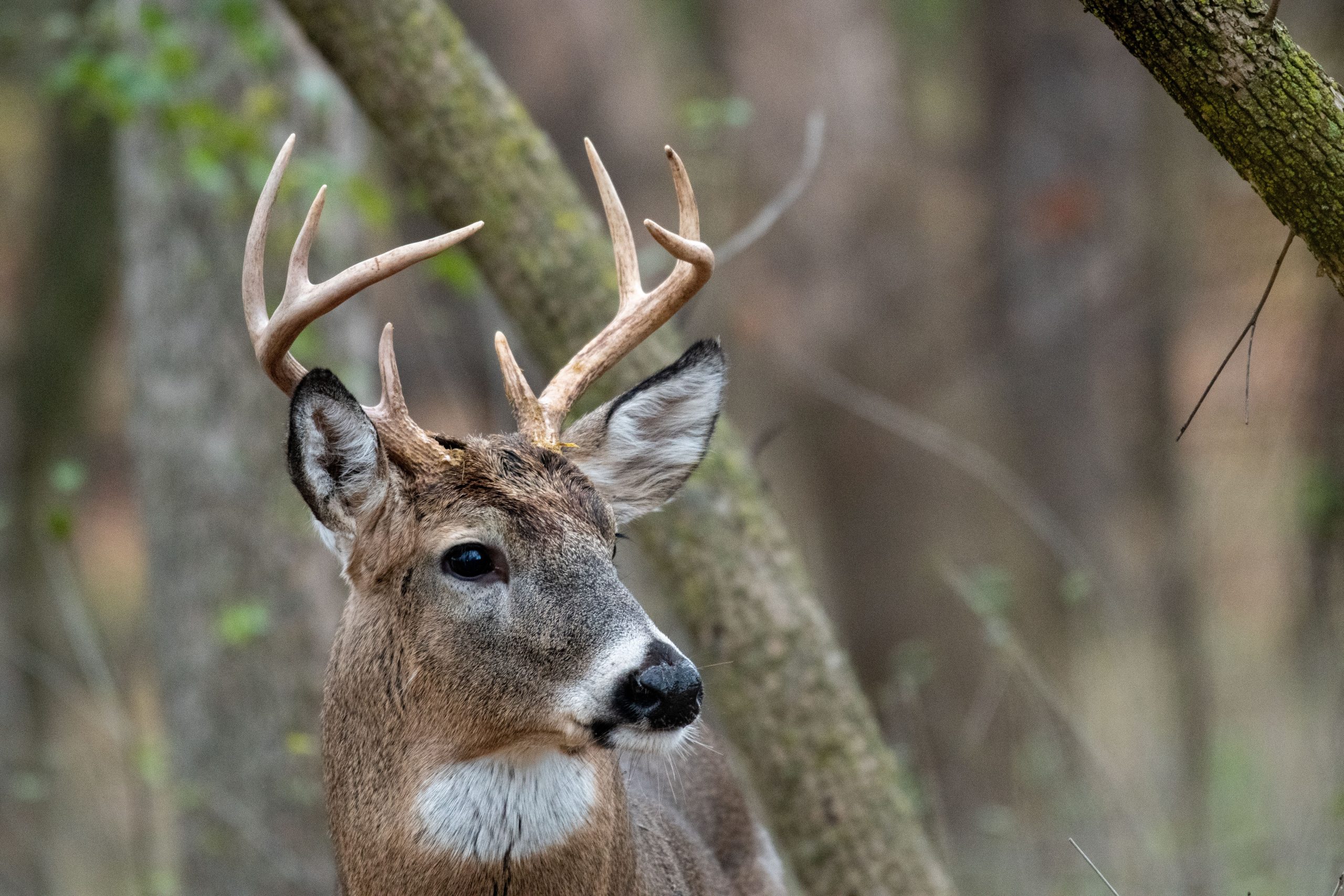
Ohio covers about 44,826 square miles and has become an increasingly respected whitetail state despite lacking the western image many hunters associate with trophy country. Its landscape mixes agricultural fields, hardwood forests, creek bottoms and rolling hills, giving deer abundant food and cover. Turkey hunting adds another seasonal opportunity. Hunters who study field edges, funnels and bedding areas can find productive ground, but permission and public-land research should begin early. Ohio’s reputation has grown because ordinary farm country can produce excellent deer habitat when food, cover and travel routes line up. Careful scouting therefore matters more than chasing famous names. Its varied landscape also allows hunters to adjust when local conditions change.
10. West Virginia
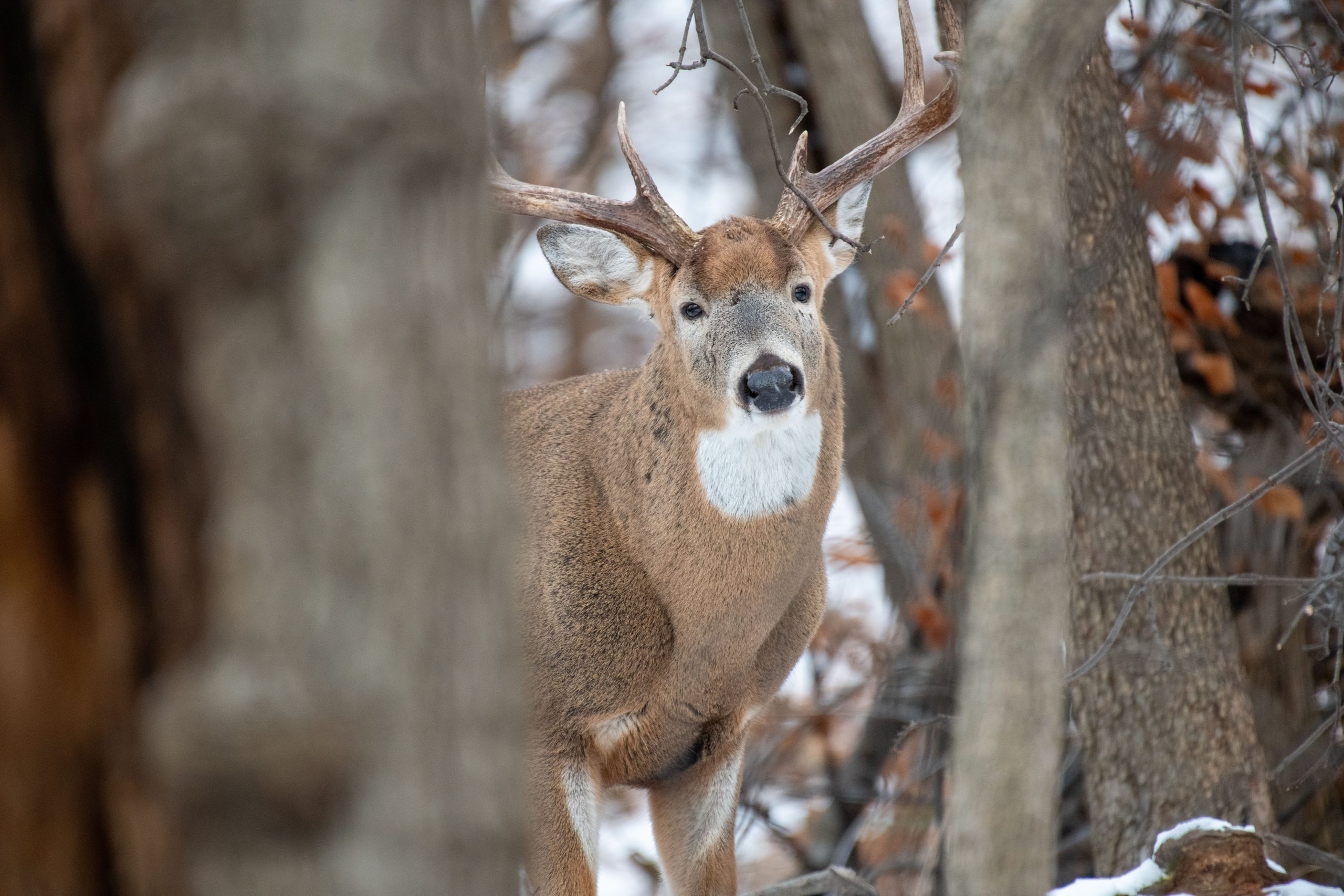
West Virginia offers about 24,038 square miles of heavily forested mountains, steep hollows and narrow valleys, making it one of the most distinctive hunting states in the East. Whitetails and wild turkey are important targets, while the rugged terrain creates a very different experience from flat agricultural states. The state’s steep slopes can be demanding, but they also provide secluded bedding areas and natural travel routes. West Virginia may not attract the publicity of famous trophy destinations, yet its extensive forest and difficult terrain can reward hunters willing to work harder for access and positioning. The state suits hunters who value solitude and challenging terrain as much as the size of the animal they hope to encounter. Preparation and patience matter here.