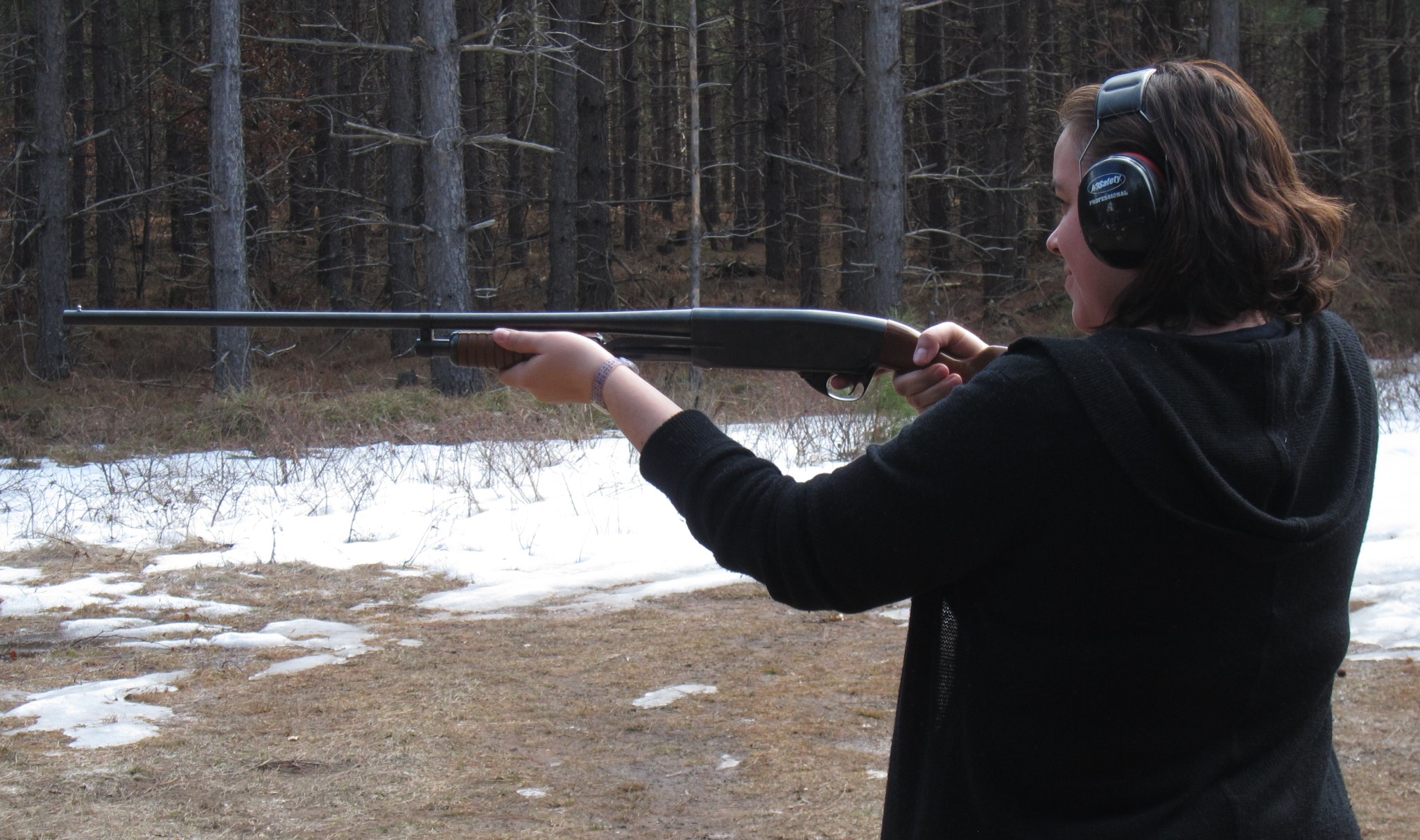
Pump-action shotguns have earned a lasting place in firearms history through their distinctive operating systems, recognizable designs, and long service lives. From sporting fields and hunting camps to military and law-enforcement history, certain models became familiar across generations. Their popularity was shaped by factors such as manufacturing quality, commercial success, institutional adoption, and appearances in popular culture. Some introduced important design ideas, while others built reputations through decades of production. Here are 10 notable pump-action shotguns whose names became widely recognized, along with the historical details, manufacturers, production periods, and specifications that helped establish their identities.
1. Winchester Model 1897
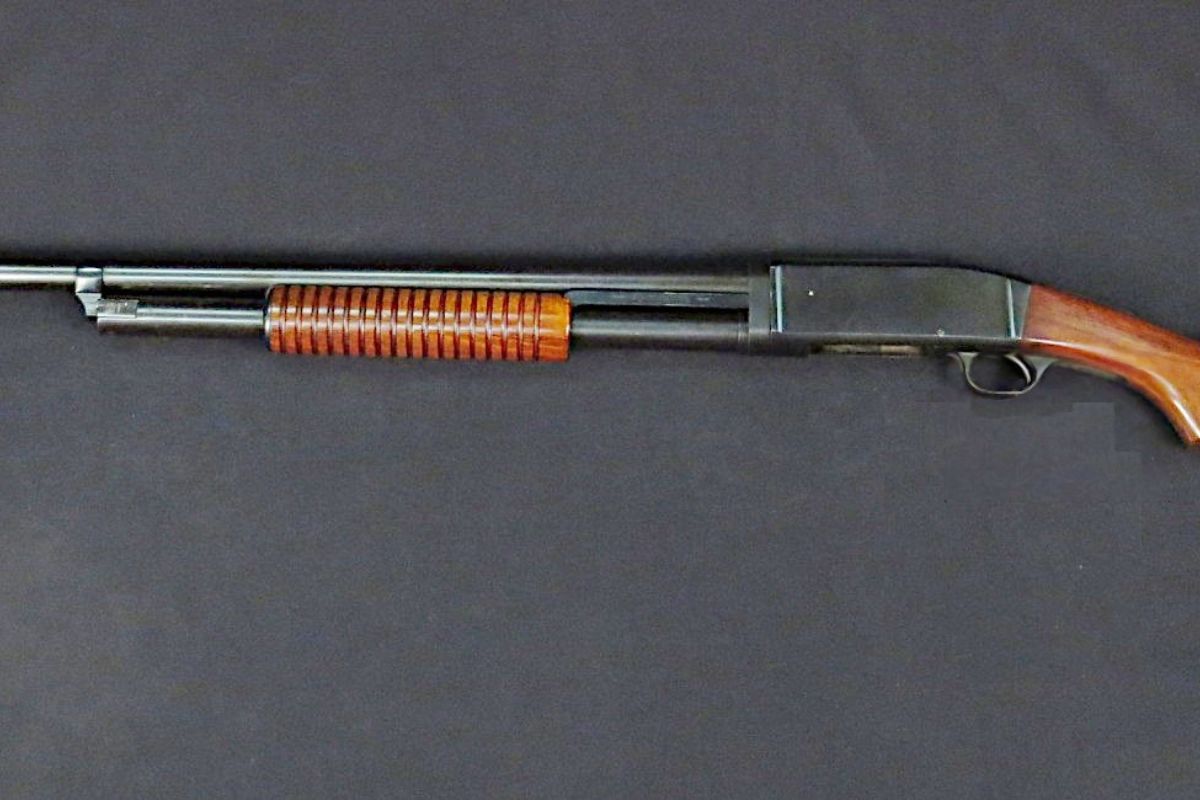
Introduced in 1897, the Winchester Model 1897 was one of the designs that established the pump-action shotgun as a major sporting and military category. John Moses Browning developed it as a stronger successor to the Model 1893, updating the receiver for the higher pressures associated with smokeless-powder ammunition. Its exposed hammer, tubular magazine, and distinctive profile made it instantly recognizable. More than 1.2 million were produced before manufacture ended in 1957, and military trench-gun versions became closely associated with the First World War. Its long service and unmistakable appearance helped make the Model 97 a familiar name well beyond shooting circles.
2. Winchester Model 12

The Winchester Model 12 arrived in 1912 and became one of the defining American pump shotguns of the twentieth century. Designed by T.C. Johnson, it used an internal hammer and a smooth, streamlined receiver that gave it a very different appearance from the exposed-hammer Model 1897. Offered in several gauges, including 12, 16, 20, and 28, it served hunters, clay-target competitors, and military users. More than 2 million were manufactured during its long production history, which ended in 2006 after limited later runs. Its reputation for refined fit and finish made the Model 12 a benchmark against which later pump guns were often compared.
3. Remington Model 870
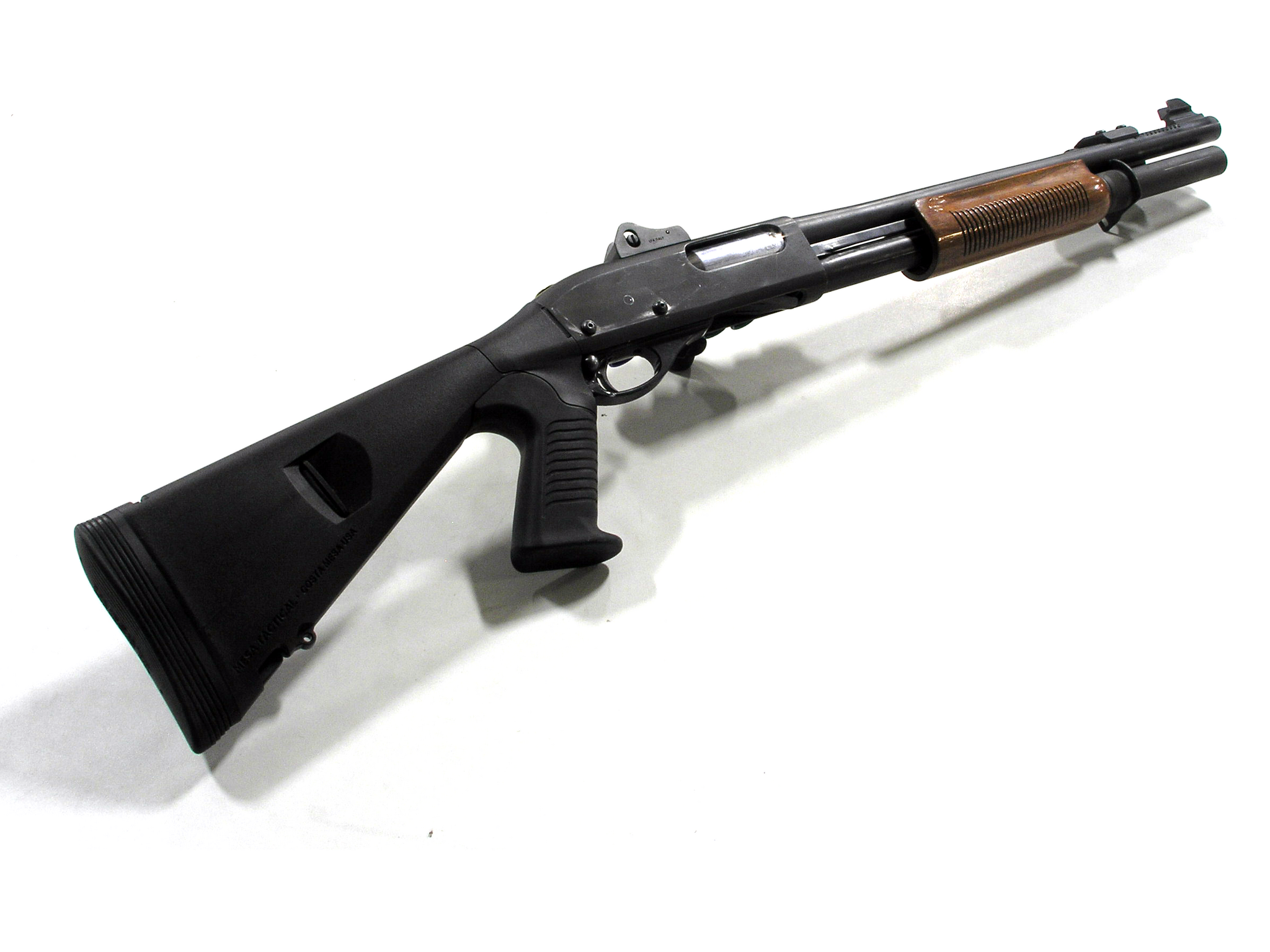
Remington introduced the Model 870 in 1950, creating a pump shotgun that combined a familiar layout with production methods intended to keep costs manageable. Its steel receiver, twin action bars, and broad range of configurations helped it move between sporting, law-enforcement, and military roles. The 870 has been chambered in gauges from 12 down to .410, with numerous field, target and specialty versions appearing over the decades. Remington’s own historical record lists more than 10 million produced, making it one of the best-known pump shotguns ever built. The Wingmaster name, in particular, became closely associated with the model’s sporting heritage.
4. Mossberg 500

The Mossberg 500 entered production in 1961 and grew into one of the most recognizable American pump-shotgun families. Its design uses an aluminium-alloy receiver, dual action bars, and a tang-mounted safety, features that helped distinguish it from competing models. The platform has appeared in numerous sporting and utility configurations, with versions chambered in 12- and 20-gauge and .410 bore. More than 10 million Model 500-family shotguns have been sold, according to industry histories, and its long production run has made the name familiar to generations of owners. The 500’s adaptability, rather than one single configuration, is central to its enduring identity.
5. Ithaca Model 37
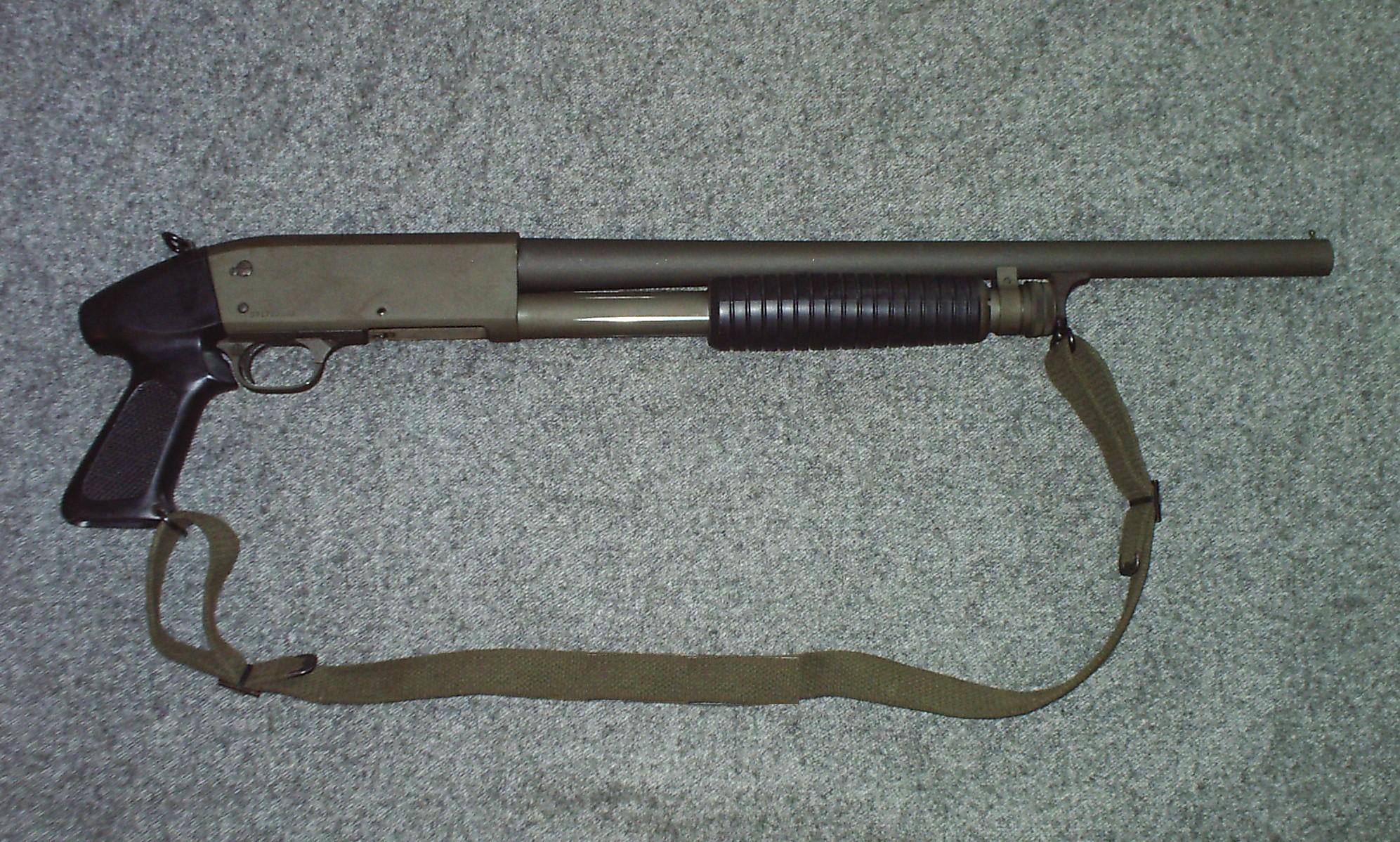
The Ithaca Model 37 dates to 1937 and is notable for its bottom-loading and bottom-ejection arrangement. Its design traces back to the Remington Model 17, with John Browning’s earlier patents influencing the underlying concept. Because spent cases leave through the same opening used for loading, the receiver has no conventional side-ejection port, giving the shotgun a clean profile. It has been offered in several gauges and a wide range of sporting and institutional configurations. Production history has included interruptions and changes in ownership, yet the Model 37 name endured for years. Its distinctive ejection system remains the feature most people associate with this classic pump.
6. Browning BPS
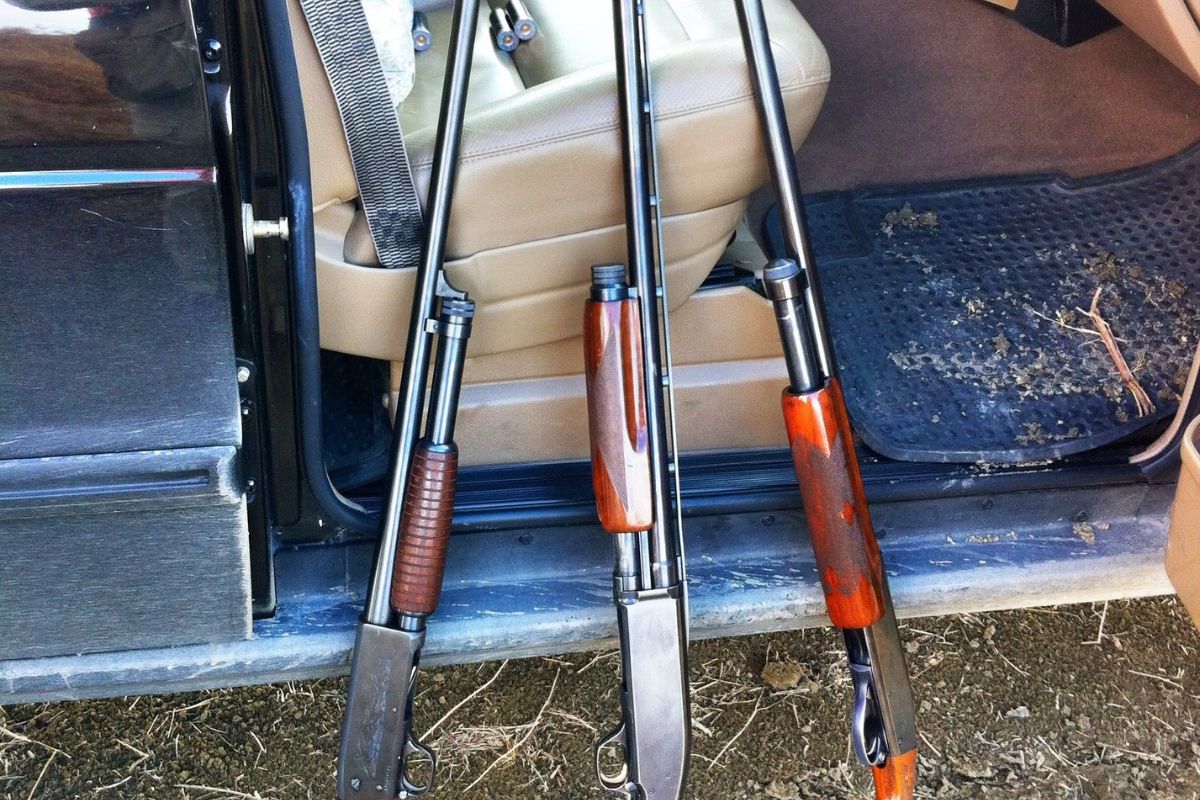
Browning introduced the BPS in 1977 as the company’s own modern pump-action shotgun, drawing on John Browning’s long interest in bottom-eject designs. Its defining feature is the bottom-loading, bottom-ejection system, which gives the receiver a symmetrical appearance and accommodates right- or left-handed shooters. The model has been offered in a notably broad selection of gauges, including 10, 12, 16, 20, 2,8 and .410 bore, depending on version and production period. A solid receiver and dual action bars are part of its traditional construction. The BPS became a familiar sporting name because it paired an unusual ejection layout with a conventional pump-shotgun format.
7. Benelli Nova
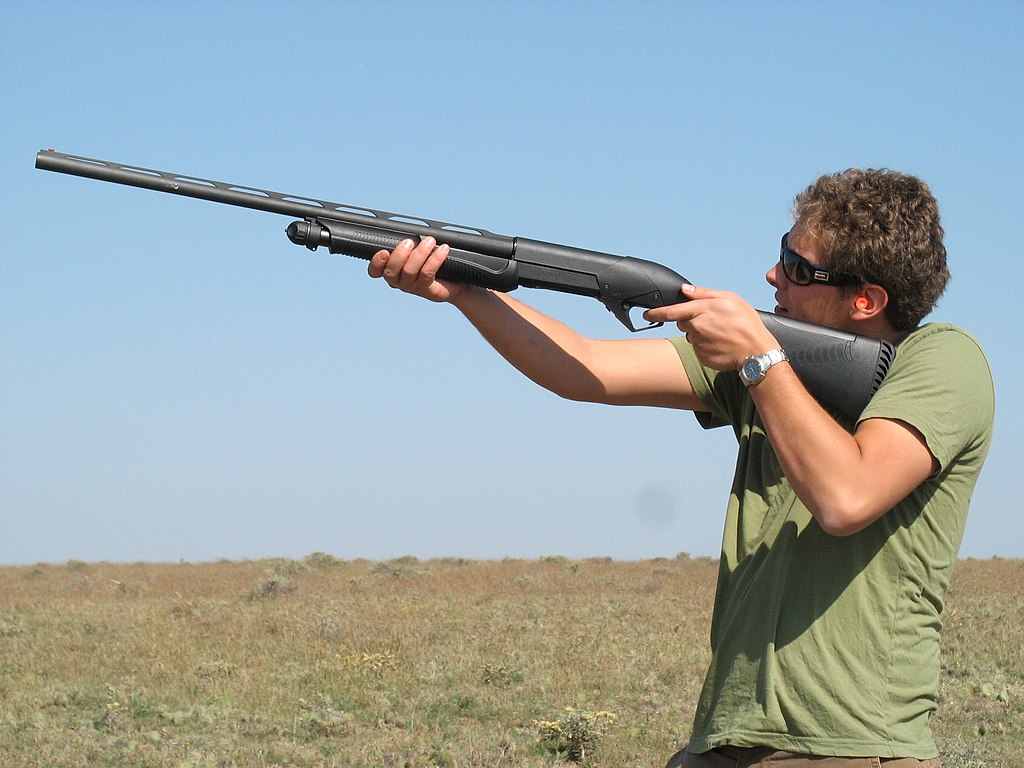
Benelli launched the Nova in the late 1990s, bringing a modern look to the pump-shotgun market. Its one-piece receiver and stock structure, made with a steel frame overmoulded in polymer, set it apart from traditional wood-and-metal designs. The Nova became known for its weather-resistant construction and straightforward exterior, while different versions served hunting and general sporting roles. It has been produced in 12- and 20-gauge configurations, with chamber options varying by model. The SuperNova later expanded the family with an updated stock and receiver arrangement. Together, the Nova models helped make Benelli a familiar name beyond its better-known semi-automatic shotguns.
8. Mossberg 590
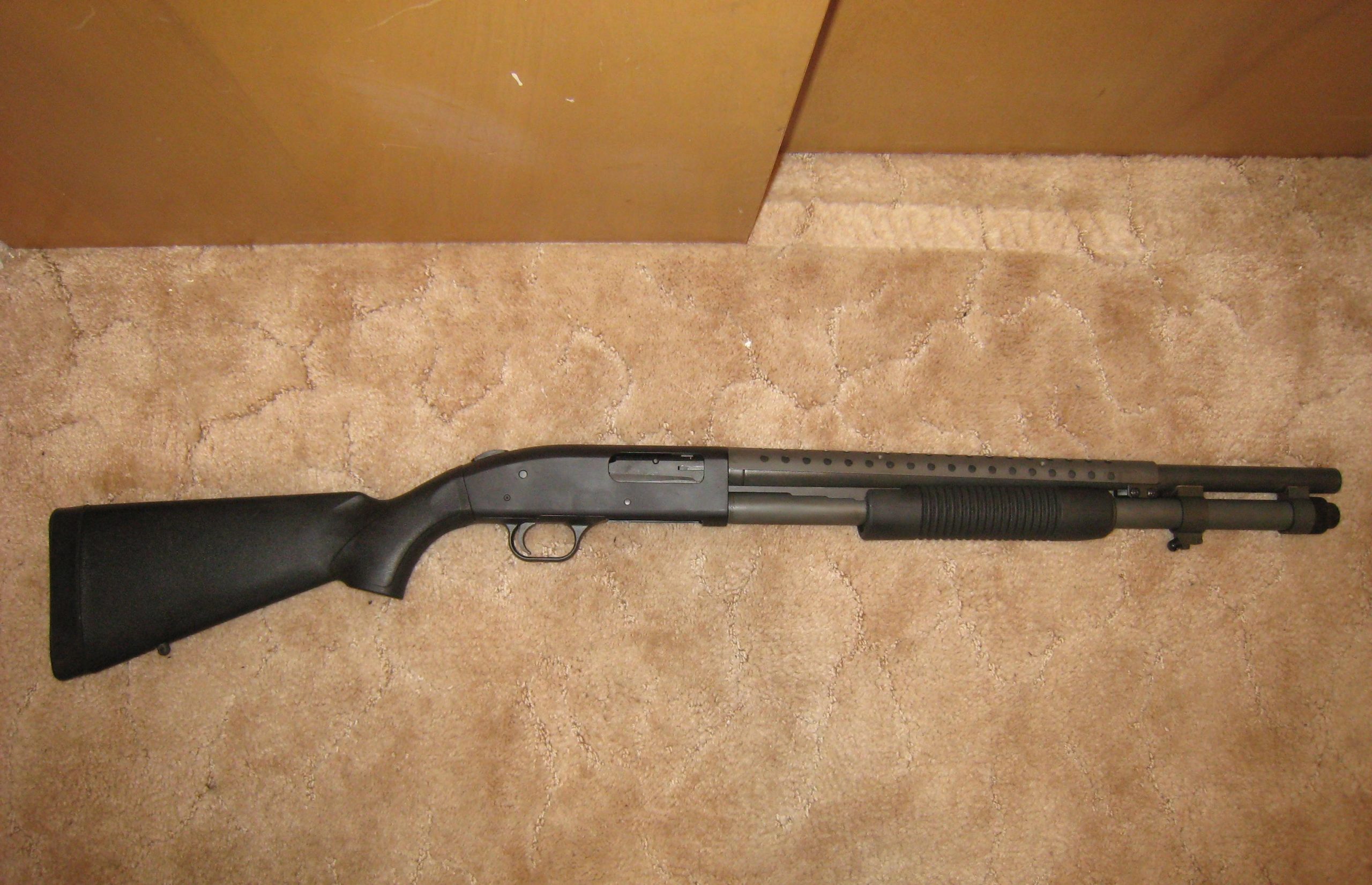
The Mossberg 590 developed from the Model 500 family and became recognizable through military and law-enforcement adoption. Introduced in the 1980s, it retained the broad operating layout of the 500 while using model-specific changes intended for demanding service environments. The 590 name covers several configurations, so barrel lengths, magazine arrangements, and capacities differ across versions. Its association with institutional users gave it a public profile beyond the hunting market, while its shared family resemblance kept it recognizable as a Mossberg pump. The 590A1 variant, in particular, became widely discussed because it was built to meet a U.S. military specification.
9. Stevens Model 520
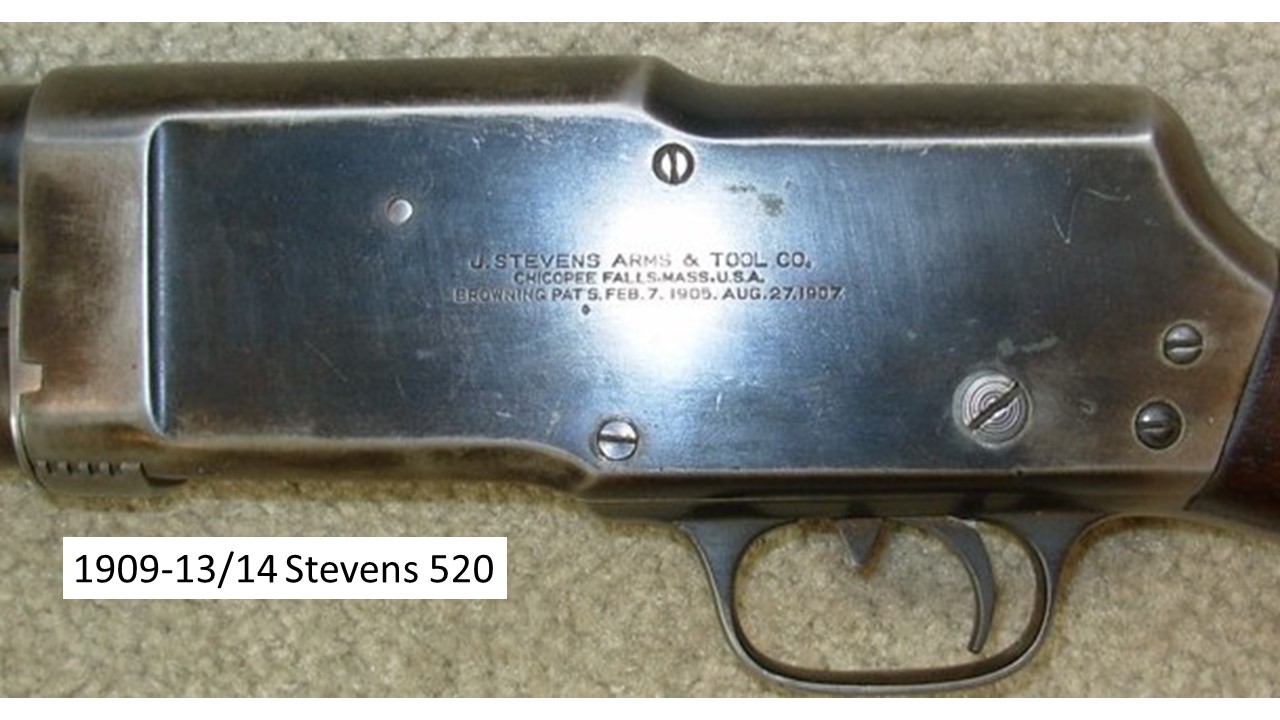
The Stevens Model 520 was one of John Browning’s early pump-shotgun designs, with patents dating to 1903 and commercial introduction in the following years. Its most recognizable visual feature is the receiver’s raised, stepped profile, often described as a humpback shape. Produced in different gauges and configurations over time, the 520 also appeared in military-related forms, including versions used during the Second World War. Savage acquired the Stevens business in 1920 and continued the model’s story under later production arrangements. Although it is less common today than the Remington 870 or Mossberg 500, the Model 520 remains an important name in American pump-shotgun history.
10. Remington Model 31
Remington’s Model 31 appeared in 1931 and represented the company’s effort to compete with the highly regarded Winchester Model 12. It was offered in 12-, 16-, and 20-gauge versions and earned a following for its careful construction and smooth operating feel. The Model 31 was produced until 1949, when Remington shifted its attention to the newer and more economical Model 870, introduced the following year. Although its production total was far smaller than that of the 870, the Model 31 developed a strong reputation among shooters and collectors. Its place in the company’s history makes it an important bridge between Remington’s early pumps and its best-known modern model.