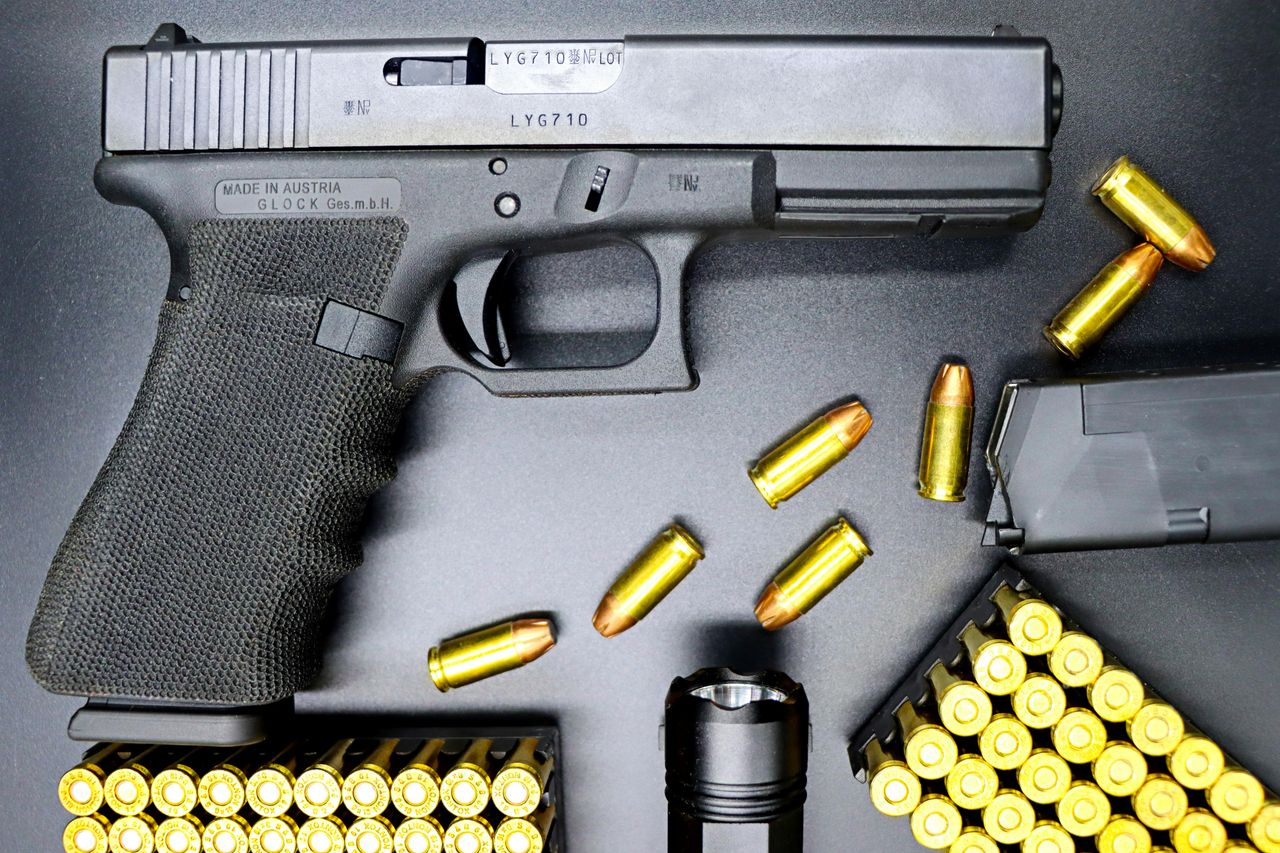
The Glock 19 has a reputation for being simple, reliable, and easy to live with, which is exactly why small mistakes often go unnoticed for a long time. Many owners assume the gun will compensate for inconsistent habits, but performance usually slips in quiet, cumulative ways. This gallery breaks down the common errors that can affect accuracy, control, speed, and confidence without announcing themselves right away.
Using a Grip That Shifts Under Recoil

A surprising number of Glock 19 owners think their grip is good enough because the gun feels secure in the hand before the first shot. Then recoil starts moving the pistol around, the sights return inconsistently, and follow-up shots begin drifting without an obvious explanation.
The issue is usually not strength alone. It is pressure placement, hand position, and whether the support hand is actually doing enough work. A grip that looks fine in the mirror can still let the pistol torque side to side.
When the gun shifts even slightly between shots, performance suffers in ways that feel mysterious. Groups open up, split times slow down, and confidence drops for reasons many shooters mistakenly blame on the trigger or the gun itself.
Breaking the Trigger Instead of Pressing Through It

Many Glock 19 owners still approach the trigger like it has to be snapped at the exact right instant. That habit often creates last-second movement, especially when the shooter is trying to fire precisely or speed up under pressure.
A cleaner approach is a steady press straight to the rear with no extra drama. The Glock trigger may not be match-grade, but it rewards consistency far more than forceful timing. Smooth input usually beats a sudden jab every time.
This mistake quietly hurts both accuracy and pace. Shooters rush the shot, disturb the sights, and then spend the rest of the string correcting errors they created at the moment the gun fired.
Training Too Fast Before Fundamentals Are Stable

Speed is seductive, especially with a Glock 19 that feels controllable and familiar. Many owners start chasing draw times, transitions, and rapid strings before their grip, trigger press, and sight tracking are stable enough to support that kind of pace.
The result is noisy practice that looks energetic but teaches very little. Fast shooting without control tends to hardwire sloppy visual habits and uneven recoil management. Progress feels exciting in the moment, then strangely stalls.
A better path is to earn speed through repeatable mechanics. When fundamentals stay intact as the pace rises, performance becomes dependable instead of theatrical, and the timer finally starts reflecting real skill instead of hopeful motion.
Treating Dry Fire Like It Barely Matters

Because the Glock 19 is often seen as a no-fuss working pistol, some owners give dry fire almost no respect. They may do a few random reps occasionally, but without structure, feedback, or any clear purpose behind the practice.
That is a missed opportunity. Dry fire is where grip pressure, trigger control, sight discipline, and presentation can be built without recoil distracting from the basics. It is one of the cheapest ways to improve, and often the most revealing.
When shooters neglect it, they end up trying to solve foundational problems with live ammunition alone. That usually means slower progress, higher costs, and repeated range sessions that feel productive but somehow never produce the consistency they want.
Adding Accessories Before Fixing Technique

A new trigger shoe, taller sights, a magwell, or a weapon light can all have legitimate uses. The problem starts when Glock 19 owners treat accessories like shortcuts for issues that actually begin with grip, visual discipline, or inconsistent trigger work.
Gear changes can create the feeling of progress because the gun suddenly feels different. But different is not the same as better, and added parts do not automatically clean up poor recoil control or hesitant presentation.
This is where owners can quietly lose time and money. Instead of building a stable shooting process, they bounce between upgrades hoping one purchase will unlock performance that only deliberate practice can really deliver.
Running Magazines and Ammo Without Testing Them

The Glock 19 has earned a reputation for reliability, and that reputation sometimes makes owners a little too relaxed. They assume every magazine, every load, and every combination of parts will work perfectly because the platform itself is generally forgiving.
That confidence can mask avoidable problems. A weak magazine spring, inconsistent aftermarket magazine, or a defensive load that behaves differently than training ammo can all change how the gun performs when it matters.
Testing does not need to be dramatic, but it does need to be real. If the first meaningful evaluation happens during a stressful moment, owners are relying on assumptions instead of evidence, and that is never a strong performance strategy.
Neglecting Basic Maintenance Until Problems Show Up

Some Glock 19 owners lean so hard on the pistol’s reputation for durability that maintenance becomes almost theoretical. They shoot it, carry it, wipe it down occasionally, and assume the gun will let them know if something actually needs attention.
Usually, small issues appear before obvious failures do. Dirt buildup, dry contact points, worn recoil springs, or damaged magazine components can subtly affect cycling, feel, and shooter confidence long before the pistol stops outright.
Maintenance is not about turning a practical handgun into a museum piece. It is about preserving predictable function. When owners ignore that, little irregularities creep into training sessions and make it harder to tell whether the problem is mechanical, procedural, or both.
Using the Wrong Holster and Then Fighting the Draw

A lot of people blame themselves for a clumsy draw when the holster is doing them no favors. Poor retention tuning, awkward ride height, a bad cant angle, or a flimsy setup can turn a simple Glock 19 presentation into a repetitive fight.
The shooter then starts making compensations. They grip late, fish for the gun, or flare the elbow in ways that become baked into muscle memory. Over time, the draw gets slower and less consistent even though the owner is practicing regularly.
Good technique still matters, but gear fit matters too. If the holster setup forces unnecessary motion, it quietly drags down performance before the sights ever enter the shooter’s line of vision.
Assuming One Range Session a Month Is Enough

The Glock 19 is friendly enough that many owners can maintain basic familiarity with very little effort. That often creates a false sense of proficiency, where the shooter feels competent because nothing seems difficult during a casual monthly trip to the range.
Skill, though, fades quietly when it is not refreshed. Grip timing, visual patience, recoil recovery, and efficient presentation all soften faster than most people expect. The drop-off is subtle until someone tries to shoot on demand.
Consistency matters more than marathon sessions. Short, focused work done regularly tends to preserve and improve performance far better than infrequent bursts of enthusiasm followed by long stretches of inactivity.
Skipping Low-Light Practice but Carrying Anyway

Many Glock 19 owners spend nearly all of their training in bright, controlled conditions. Then they add a weapon light or carry after dark and assume that familiar daytime skill will transfer cleanly when visibility, contrast, and identification become more complicated.
Low-light work changes the whole experience. Sights look different, target confirmation takes longer, and grip or draw issues become easier to miss until the timer or target exposes them. Even simple tasks can suddenly feel less automatic.
This gap affects confidence as much as mechanics. Shooters who never practice in reduced light are often surprised by how much slower and less certain they feel, despite believing they already knew the gun very well.
Believing Reliability Replaces Skill
The Glock 19’s strongest selling point may also be the thing that misleads owners most. Because the pistol is widely trusted, some shooters unconsciously assume its reliability will cover for weak fundamentals, thin practice habits, or vague performance standards.
A dependable handgun is a huge advantage, but it is not a substitute for skill. It cannot call your shots, manage your recoil, or make decisions for you under pressure. Mechanical trust and shooter competence are related, but they are not interchangeable.
That distinction matters. Owners who understand it tend to train with more honesty and purpose. Those who do not often plateau early, wondering why a famously capable pistol is not producing famously capable results in their hands.