Decorative String Lights That Drain Batteries

While string lights add ambiance, they are poor performers in the field. Most battery-powered models drain quickly, and solar options struggle in cloudy or wooded areas. Since they offer no functional illumination compared to LED lanterns or headlamps, their value is minimal. Campers consistently rate them low in utility, making them more of a decorative luxury than practical gear.
Portable TVs and Satellite Dishes: Heavy and Unnecessary
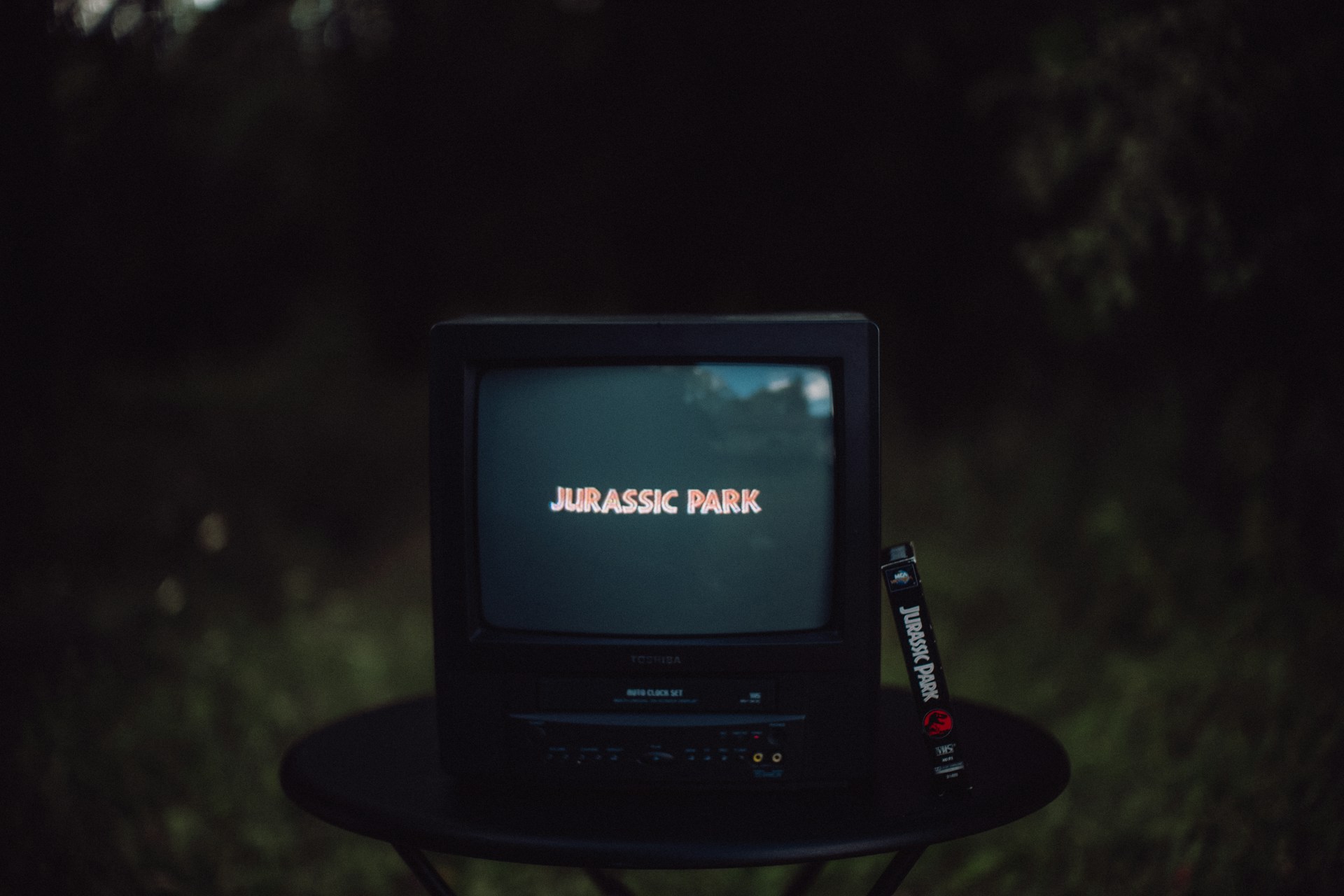
Portable TVs and satellite dishes are expensive, bulky, and power-hungry. They also go against the principle of camping—disconnecting from screens. A KOA report found that less than 3% of campers bring TV-related devices, citing weight and energy needs. With smartphones and compact tablets providing offline entertainment options, these items simply aren’t worth the hassle.
Single-Use Kitchen Tools That Waste Space

Specialized single-use gadgets, like popcorn poppers or hot dog rollers, are marketed as camping novelties but offer little practical benefit. Consumer gear reviews show that most end up used once and stored away. Instead, a multipurpose skillet or Dutch oven can cover multiple cooking needs, saving both space and money while delivering better utility at the campsite.
Oversized Cooking Kits You’ll Never Use Fully
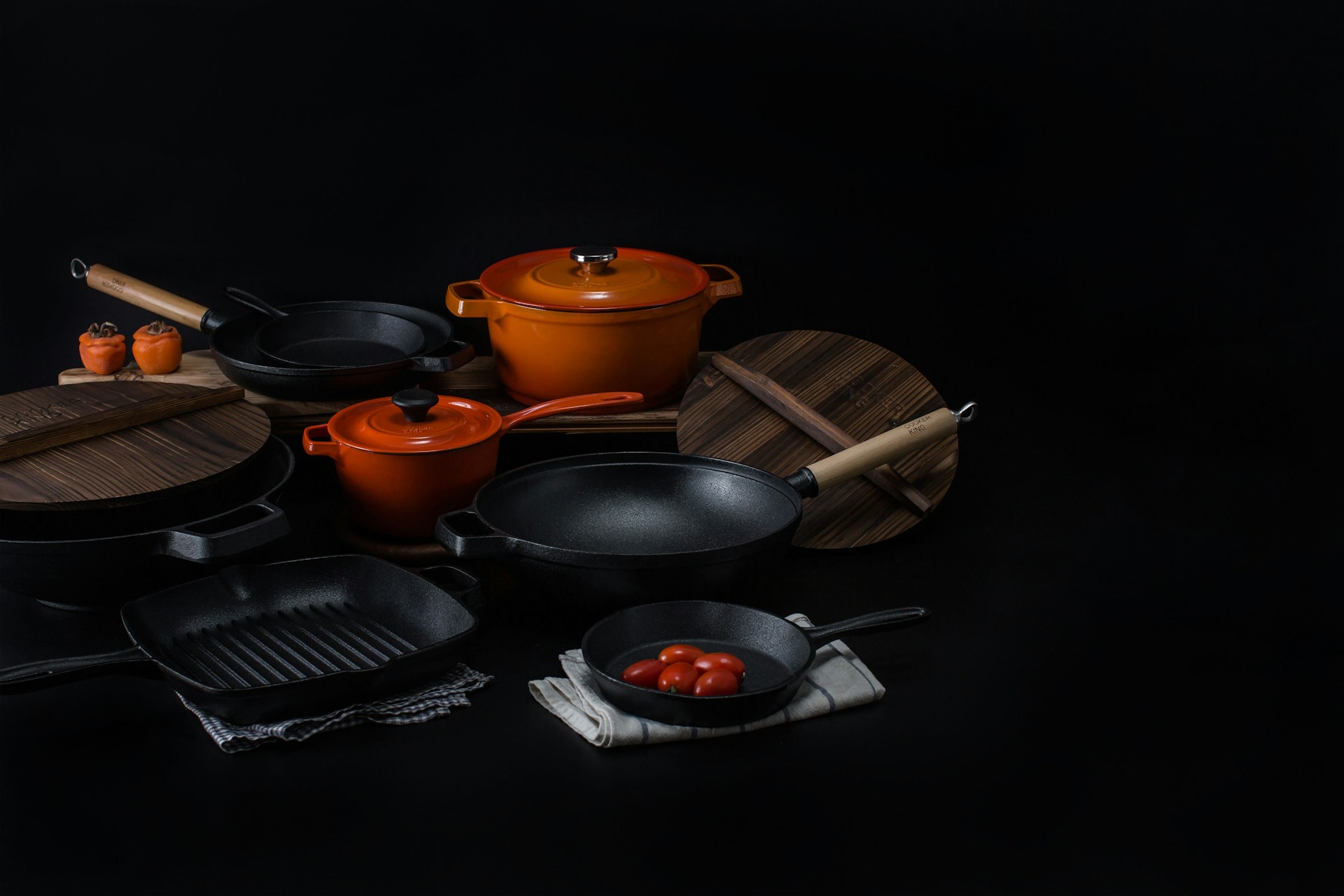
Large camp cooking sets with 10–15 pieces often look appealing, but most campers use only two or three pots and pans. REI and Backcountry customer reviews show that bulkier sets are heavy and take up valuable packing room. Unless you’re catering for large groups regularly, investing in a compact, high-quality set makes far more sense than lugging around unused pieces.
Heavy or Premium Grills That Add Dead Weight
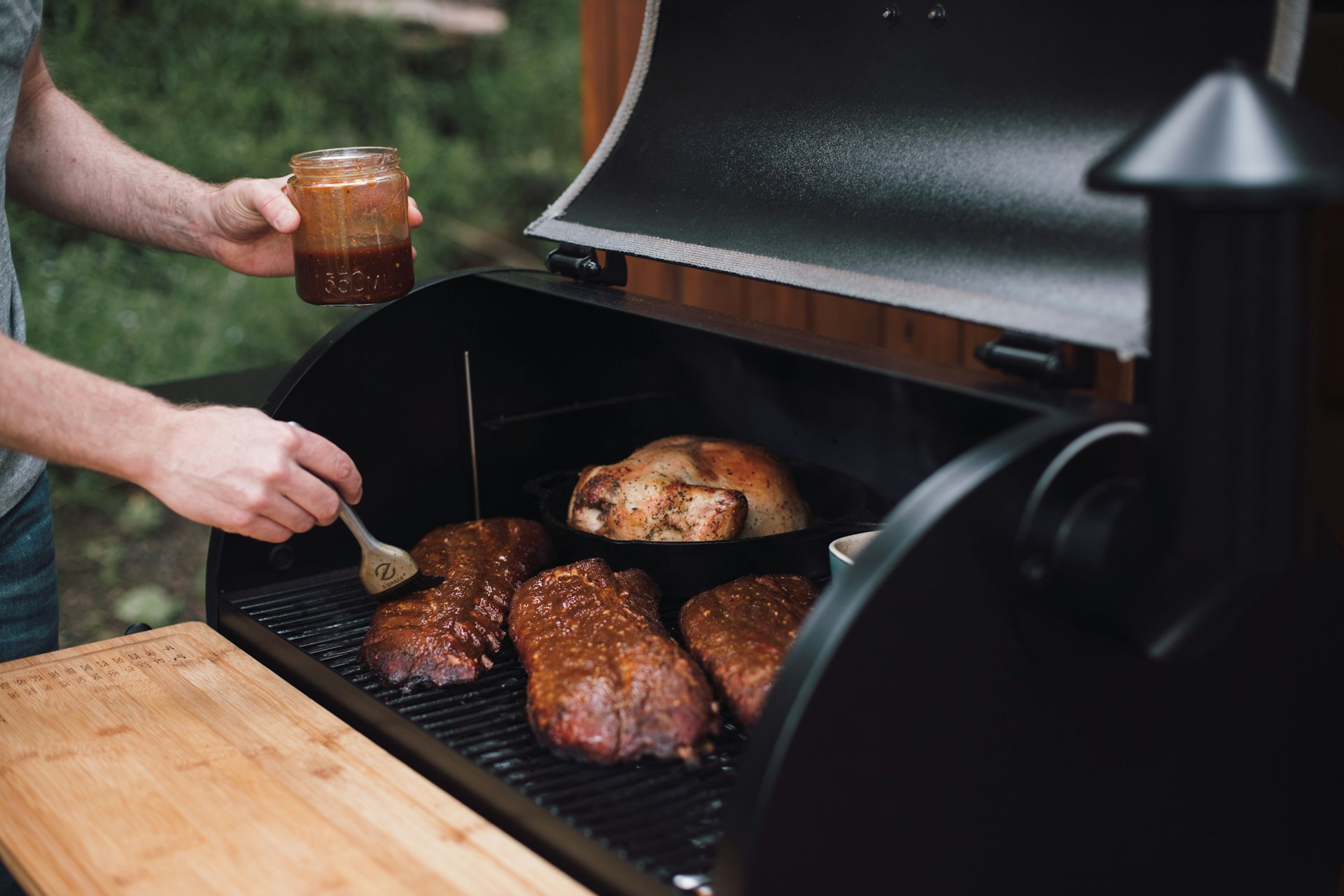
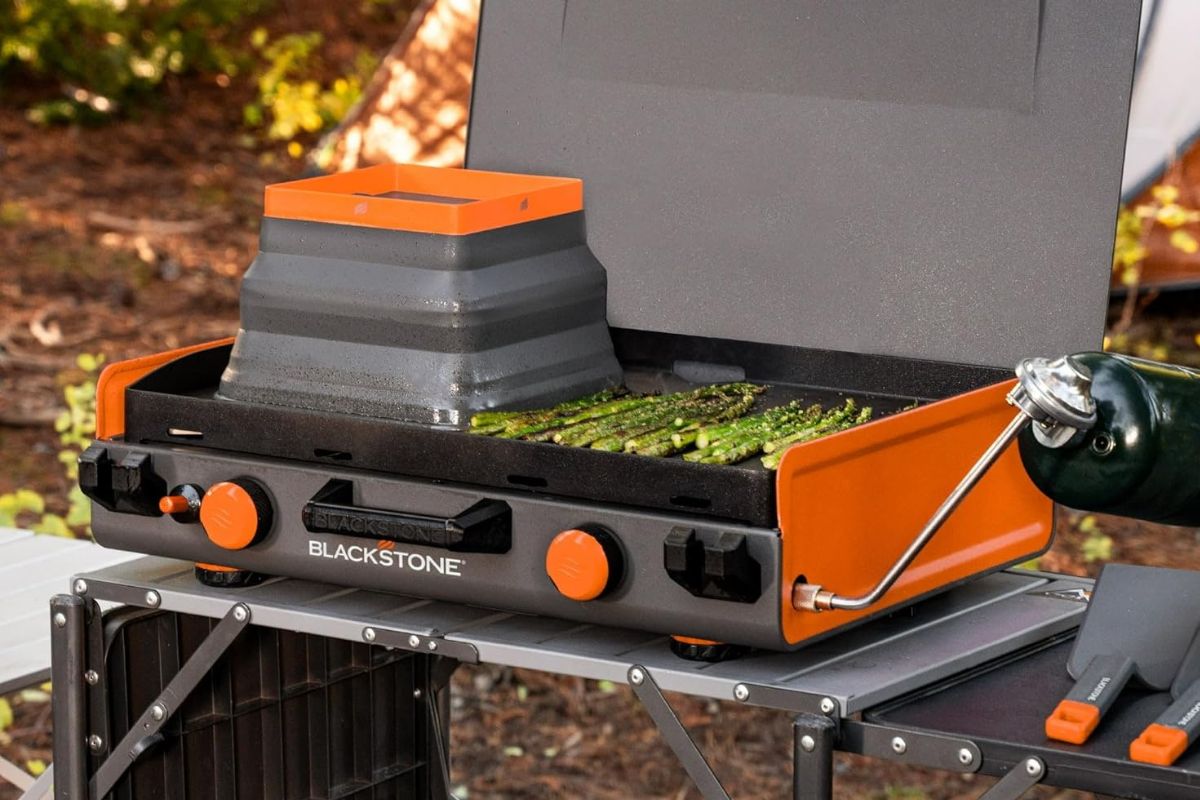
Expensive grills, including cast-iron or gas models weighing 20 pounds or more, are impractical for most camping scenarios. According to outdoor gear comparisons, portable stoves or lightweight folding grills achieve the same cooking results at a fraction of the cost and size. Unless you’re doing extended base-camp style trips with a vehicle, heavy grills offer little advantage.
Luxury Tents That Oversell Comfort
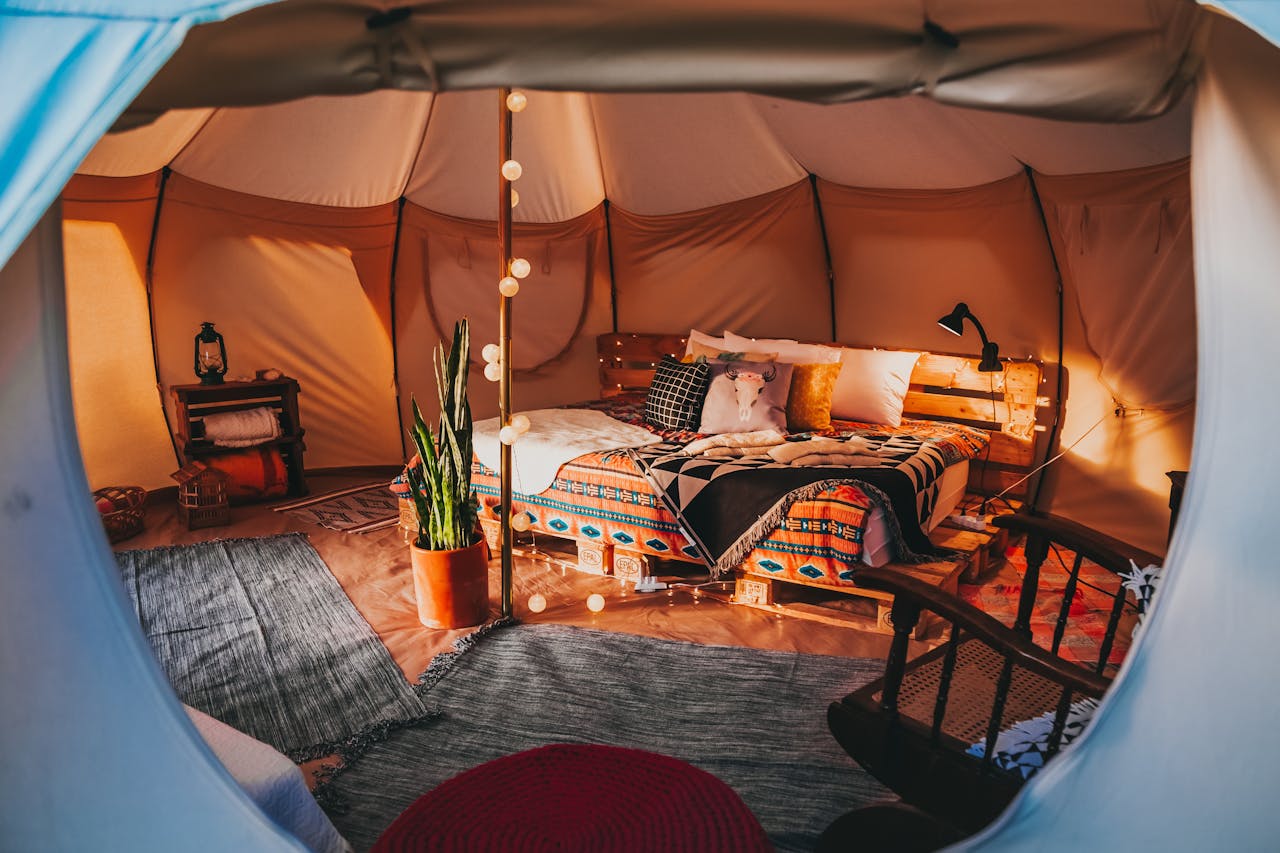
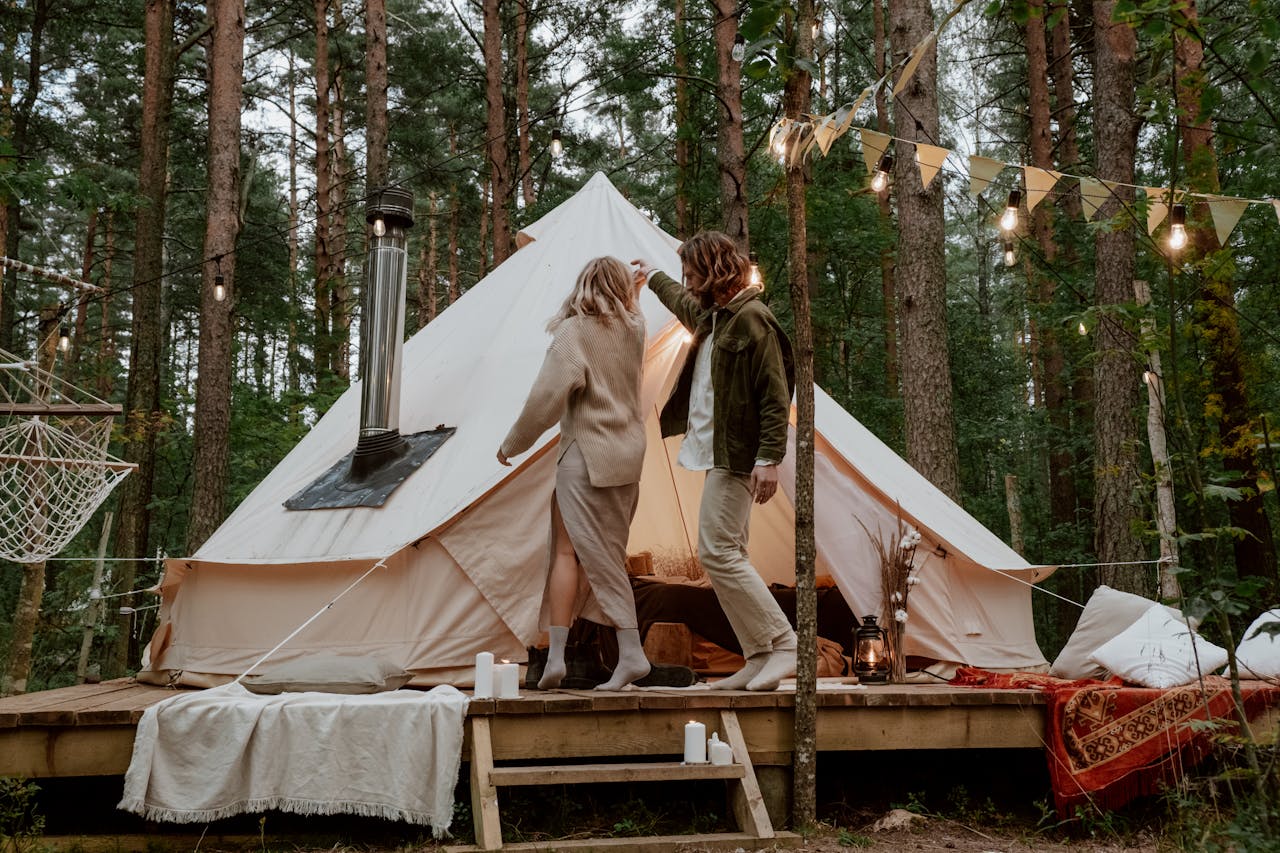
High-end “glamping tents” with premium fabrics, chandeliers, or oversized frames can cost over $1,000. While they promise hotel-like comfort, reviews from outdoor gear forums highlight poor portability and long setup times. Unless you’re running a semi-permanent camp setup, a durable mid-range tent with good weather resistance delivers far more value for recreational camping.
Oversized Power Stations You’ll Rarely Need
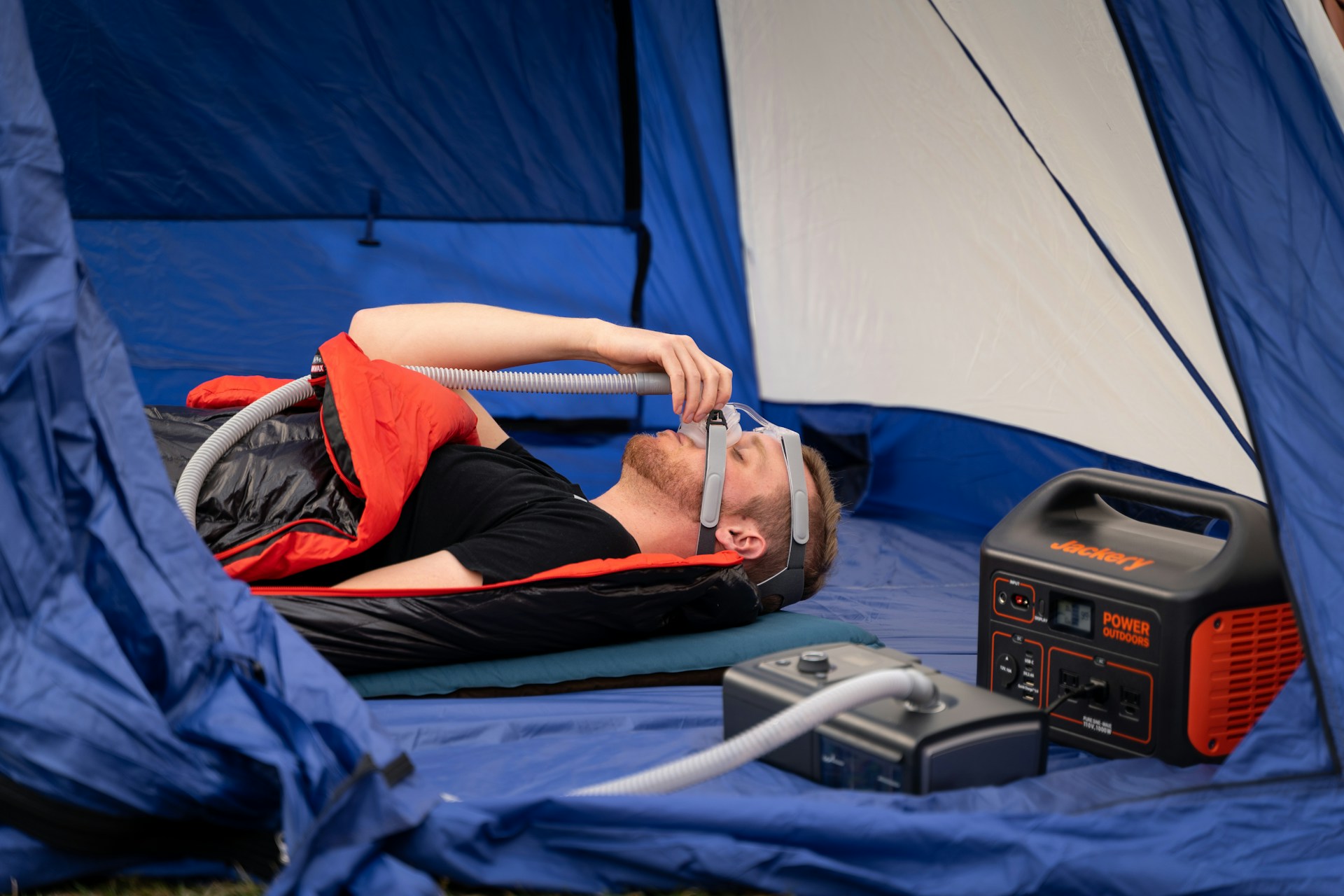
Large lithium power stations, often marketed with capacities of 1,000Wh or more, are costly—frequently over $800—and heavy, sometimes exceeding 30 pounds. Data from Statista shows that over 70% of campers stay in areas where vehicle charging or campsite hookups are available. For basic needs like phones or lights, compact power banks are far more cost-efficient and portable.
Electric Heaters That Strain Campsite Power

Electric heaters may seem convenient, but most require 1,500 watts or more, making them impractical at non-powered campsites. Even at RV sites, they can trip breakers or drain portable power supplies quickly. REI customer forums consistently warn that insulated sleeping bags and proper layering are safer and more effective for warmth than bringing along a heater.
Bluetooth Speakers That Disturb Campsites

Although portable speakers are popular, Leave No Trace guidelines discourage them, as noise pollution disrupts both wildlife and fellow campers. Many national and state parks have specific quiet-hour rules that prohibit amplified sound. Since surveys show most campers value peace and quiet, investing in speakers is not only unnecessary but often inconsiderate to the camping environment.
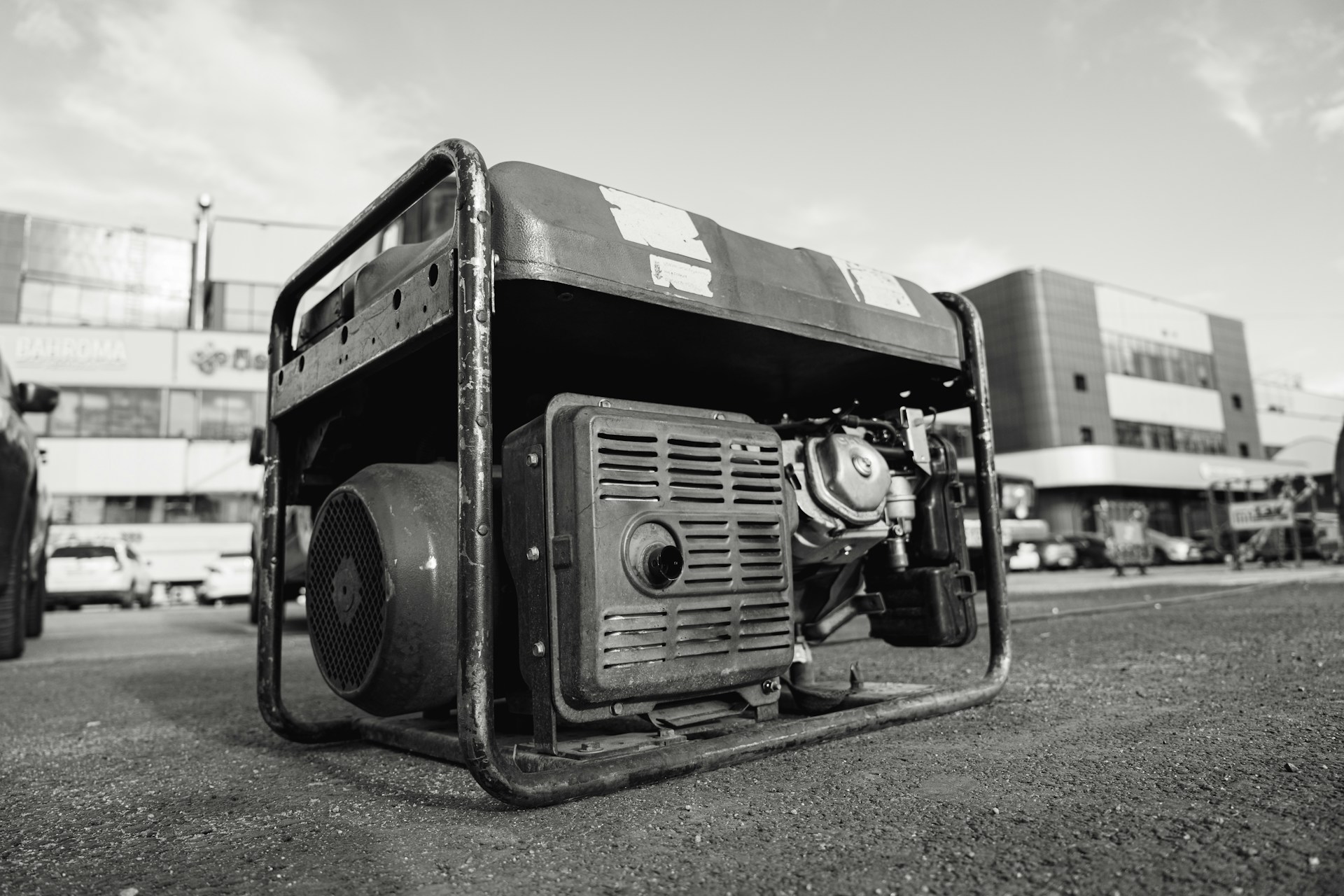
Generators That Overcomplicate Camping