A hunting boot can look ready for the backcountry and still quit on you long before the season ends. Shiny marketing, aggressive tread, and heavy-duty styling do not always translate to real-world durability. This gallery looks at the kinds of boots hunters often regret buying after seams split, soles peel, and waterproof promises fade fast.
Budget insulated boots with glued soles

These are the boots that win shoppers over with thick insulation, a beefy silhouette, and a price tag that feels like a smart compromise. On the shelf, they look every bit as serious as premium pairs, especially when the lug pattern is deep and the upper has that stiff, structured shape people associate with toughness.
The trouble usually starts after repeated flexing in cold, wet conditions. The glued sole begins to separate near the toe or heel, and once moisture gets in, the boot loses its appeal in a hurry. Hunters who spend long days crossing uneven ground often find that what looked rugged in October looks tired, split, and spongy by late season.
Fashion-forward leather boots with soft stitching

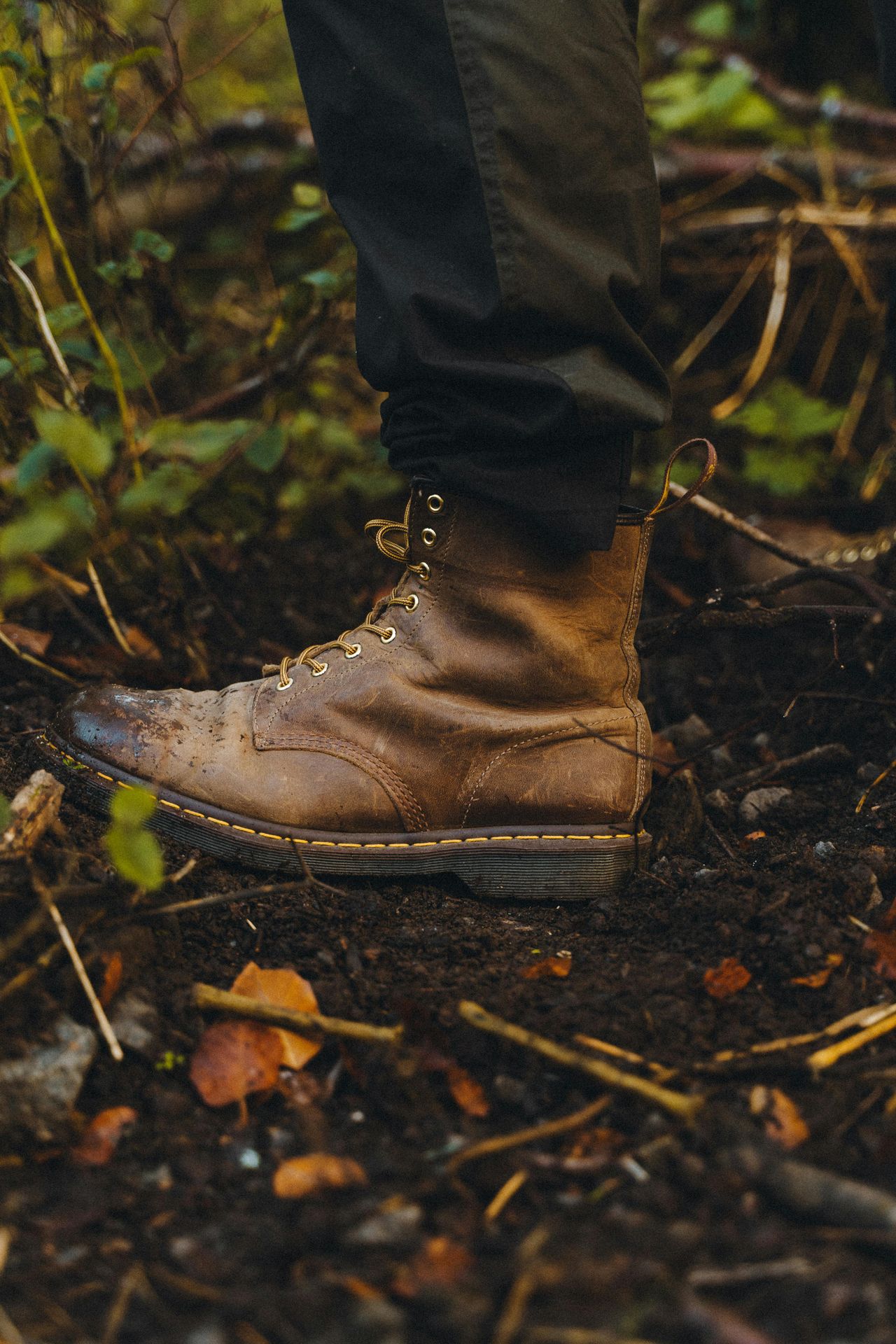
Some hunting boots lean heavily on handsome leather, contrast stitching, and old-school outdoorsman charm. They photograph beautifully and can feel impressive right out of the box, especially when the leather is smooth, the hardware shines, and the boot has that classic heritage look buyers love.
But decorative stitching is not the same thing as durable construction. In brush, mud, and repeated soak-dry cycles, weak seams can start to fray or split long before the outsole wears down. What seemed like a boot built for seasons of abuse can turn into a high-maintenance pair that needs babying after just a few hard weekends in the field.
Rubber boots with thin interior lining

Tall rubber hunting boots are often sold as all-weather workhorses, and in fairness, they can be great when built well. The problem is that some lower-tier versions hide a flimsy interior lining behind a sturdy-looking exterior, making them seem tougher than they really are when you first pull them off the rack.
After a season of sweat, friction, and repeated use, that lining can bunch up, peel away, or wear through at the heel. Once the inside starts breaking down, comfort disappears fast, and blisters become part of the experience. The outside may still look intact, but the boot feels spent, and that is often enough to retire it early.
Waterproof hikers marketed for hunting
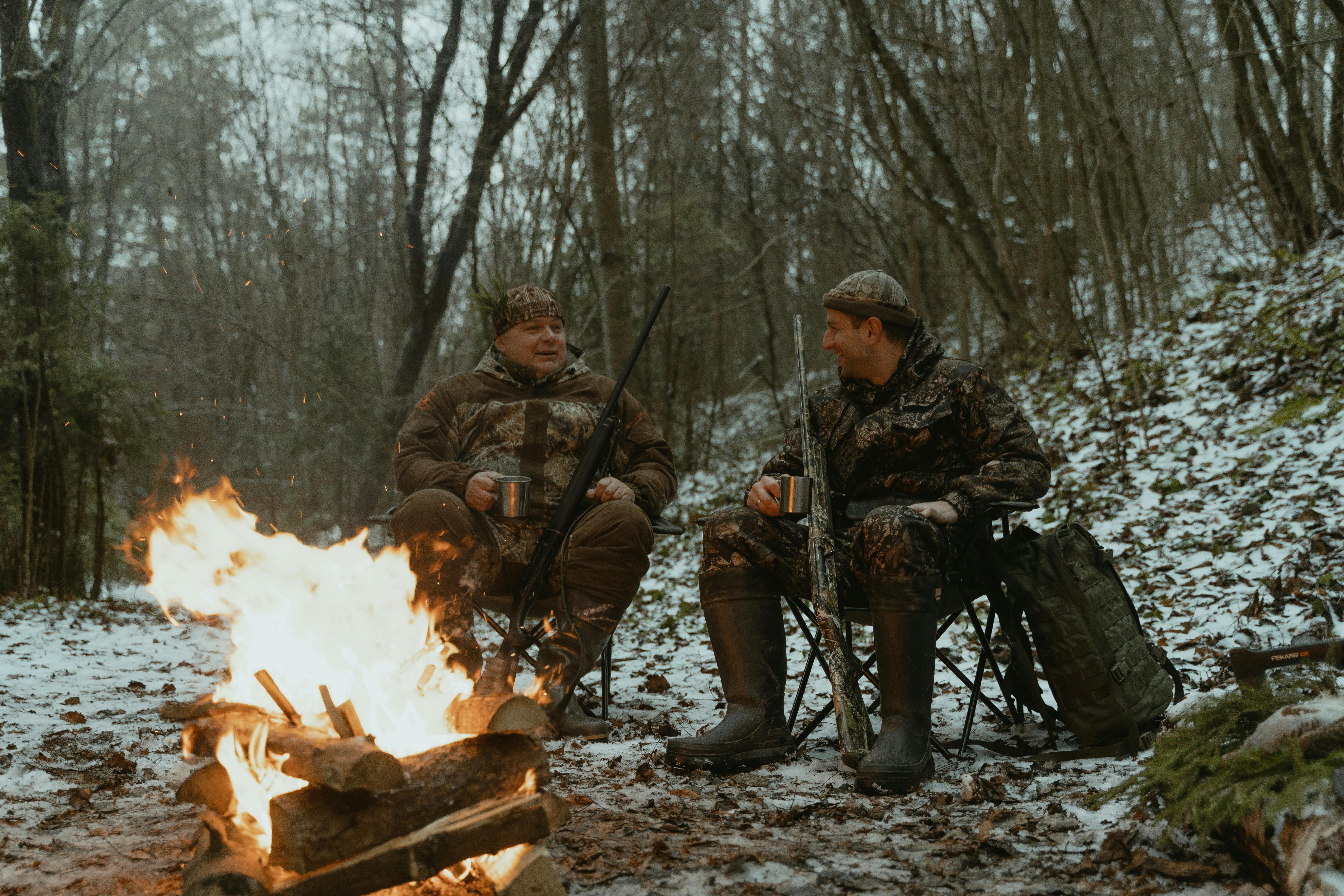
Lightweight waterproof hikers get repackaged for hunting all the time, often in earth-tone colors with a more aggressive tread. For hunters who want less bulk and more speed, that pitch is appealing. These boots can feel nimble and comfortable at first, which makes them easy to mistake for a true field-ready option.
The weakness shows up when they are asked to carry weight through rough country day after day. The midsoles compress, the toe rand starts peeling, and the waterproof membrane can give up after repeated soaking and abrasion. They may be fine for light scouting, but one serious season of hunting can expose just how close they are to ordinary hiking footwear.
Cheap snake boots with cracking overlays

Snake boots have a very specific job, so buyers naturally assume they are built to survive punishing terrain. Many of the budget models certainly look convincing, with tall shafts, reinforced panels, and rugged textures that suggest serious protection from the ankle up.
Unfortunately, some rely on synthetic overlays that become brittle with heat, mud, and repeated bending. Cracks can appear around flex points, especially near the forefoot, and once that starts, the boot’s structure declines quickly. What looked like a specialized, confidence-inspiring piece of gear can end up feeling flimsy and unreliable before the next opener rolls around.
Overbuilt boots with weak eyelets
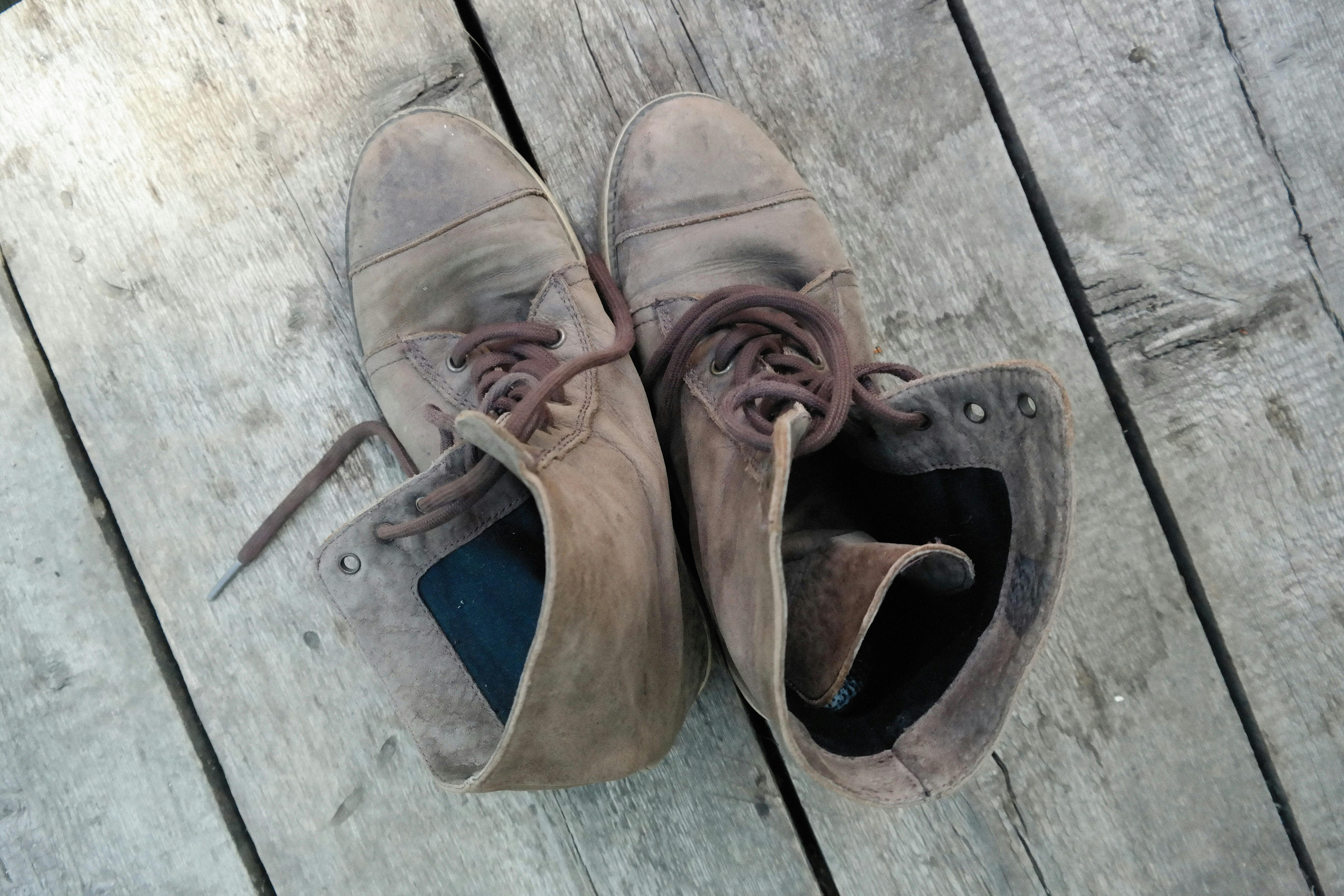
There is a certain kind of hunting boot that screams durability from across the store. It is tall, heavily padded, and covered in hardware, giving the impression that it could survive anything from frozen ridgelines to miles of deadfall. That visual toughness is often exactly what sells it.
Then the lacing hardware starts failing. Eyelets bend, pull free, or develop sharp edges that chew through laces, and suddenly a supposedly bombproof boot becomes frustrating to use. It is a small component, but when it gives out, it compromises fit, support, and trust. A boot that cannot stay properly laced does not feel rugged for very long, no matter how tough the rest looks.
Camouflage boots with peeling bonded uppers
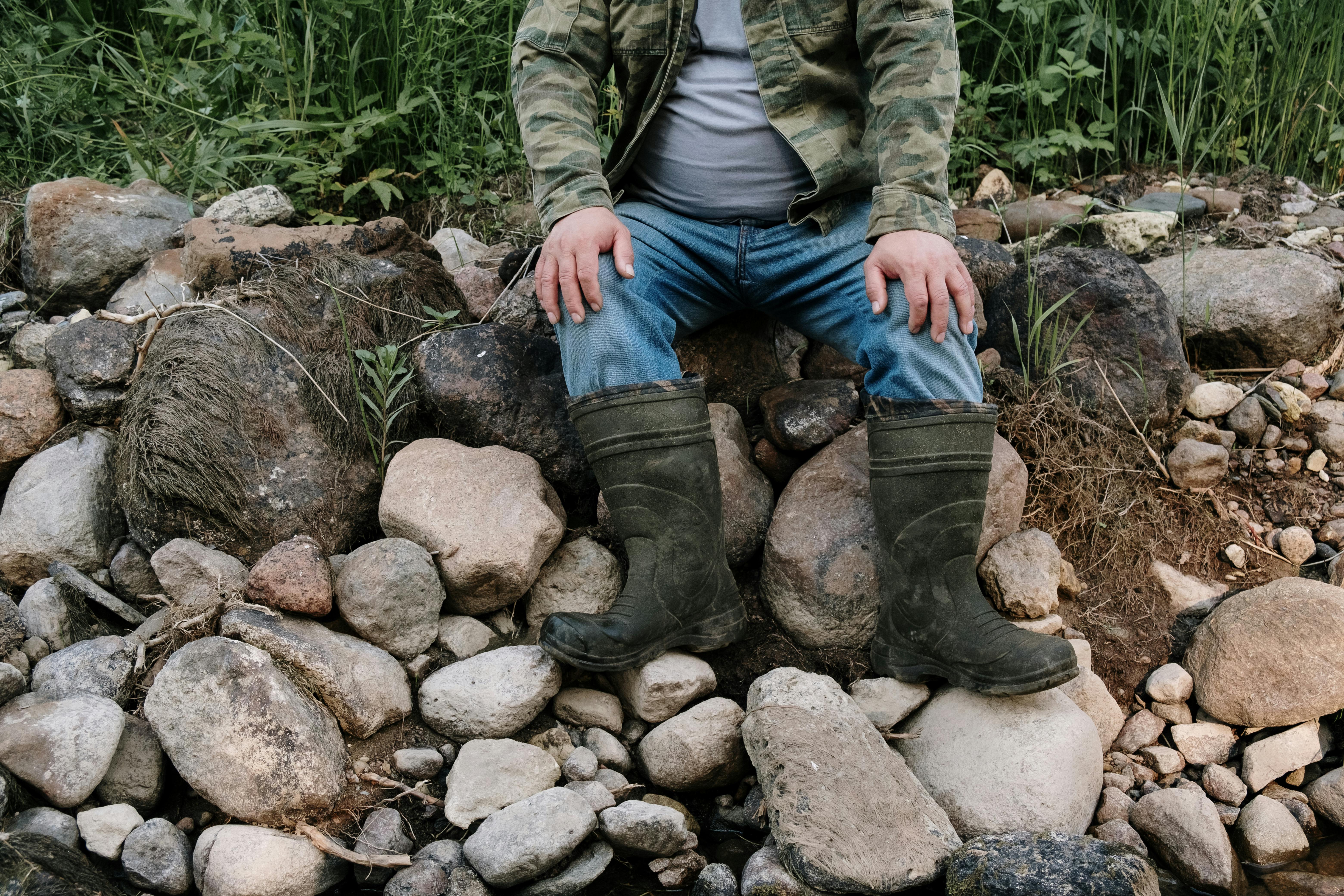
Camouflage patterns can make almost any hunting boot look purpose-built, especially when combined with chunky soles and waterproof branding. Many of these boots are made to catch the eye fast, and from a distance they look every bit as capable as more expensive field boots.
The catch is that some use bonded materials that do not age gracefully. After mud, sun, and repeated drying cycles, the outer layer can begin to peel or bubble, leaving the boot looking rough and feeling less weather resistant. Even if the sole still has life left, the upper starts telegraphing failure. For many hunters, once the materials separate, confidence in the whole boot goes with them.
Entry-level mountain boots with collapsed midsoles
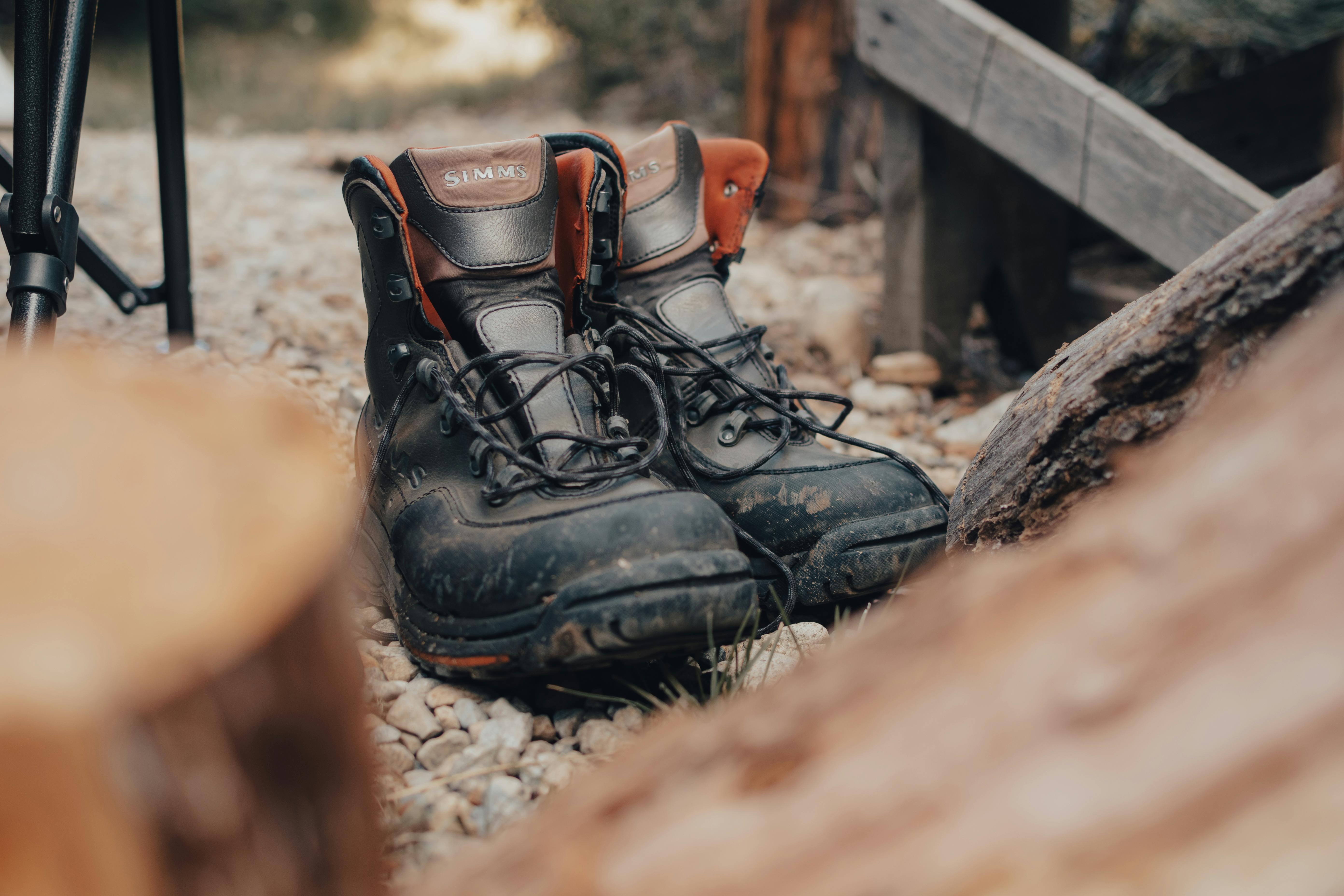
Mountain-style hunting boots are supposed to bring stiffness, support, and all-day stability, so the cheaper versions can seem like a steal. They often copy the visual language of premium alpine boots with tall cuffs, protective rands, and serious-looking tread that promises grip on steep, uneven ground.
What shoppers do not always notice is how quickly an underbuilt midsole can break down under load. After weeks of sidehilling and carrying gear, the support flattens out and the boot starts feeling unstable. Ankles work harder, feet get more fatigued, and the whole platform loses its edge. By the end of one demanding season, the boot can feel noticeably older than it looks.
Neoprene boots that loosen and sag
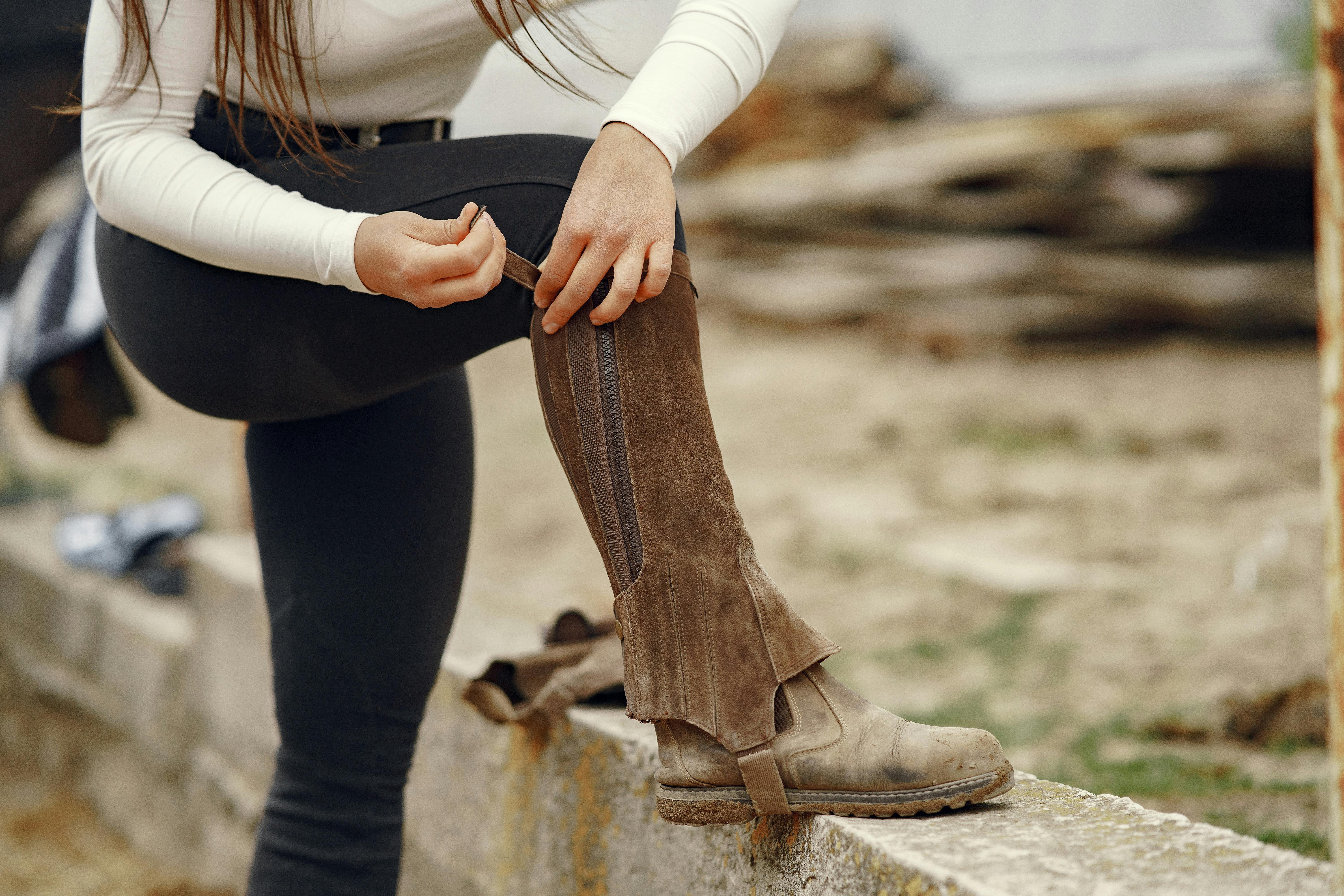
Neoprene hunting boots can be wonderfully comfortable at first. They are easy to pull on, quiet in the field, and often warm enough for cold mornings in marshes and timber. That soft, flexible feel is exactly why so many people fall for them when trying them on indoors.
After a season of hard use, though, some pairs lose the snug fit that made them appealing in the first place. The shaft begins to sag, the ankle support gets sloppy, and the material stretches in ways that make long walks less stable. They still look serviceable from a few feet away, but on uneven ground the looseness becomes hard to ignore.
Private-label store brands with inconsistent build quality
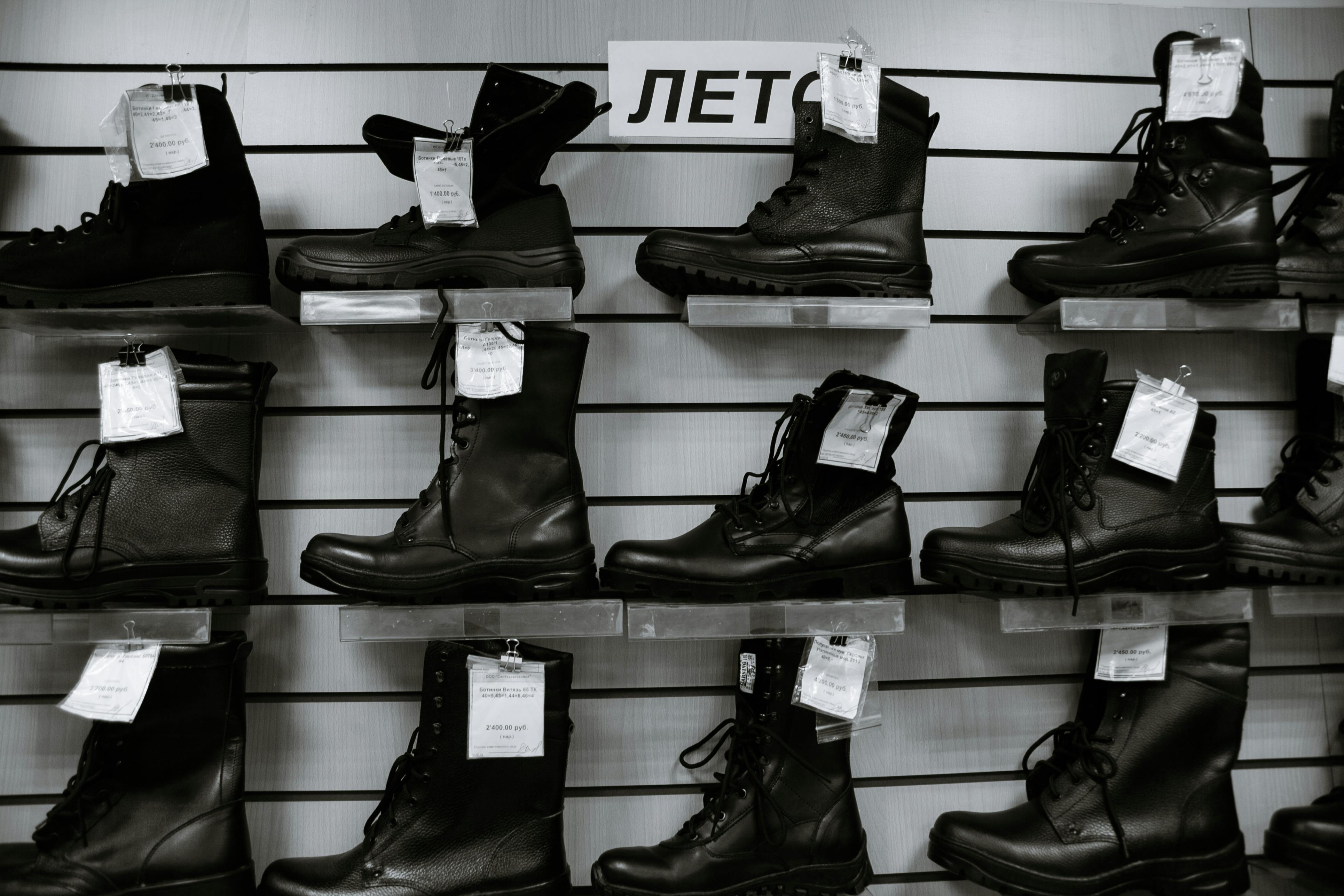
Store-brand hunting boots can be tempting because they often mimic the look of respected models at a much lower price. On paper, the specs sound familiar: waterproof liner, aggressive outsole, insulation, and reinforced toe. To many buyers, that feels like a practical way to gear up without overspending.
The problem is inconsistency. One pair might hold together decently, while another shows loose stitching, uneven glue lines, or early tread separation after relatively light use. That unpredictability is what turns a bargain into a gamble. When you are deep into the season, the last thing you want is to discover your boots were built to look the part, not actually last through it.