Tennessee’s mountain roads are some of the most scenic routes in the United States, winding through the Smoky Mountains, the Cumberland Plateau, and rolling foothills. But while these roads are beautiful, they also pose unique challenges, from sharp curves and steep grades to unpredictable weather and limited visibility. Drivers unfamiliar with mountain terrain can easily make mistakes that compromise safety. Avoiding these ten common errors ensures a safer, smoother, and more enjoyable journey through Tennessee’s highlands.
1. Underestimating Sharp Curves
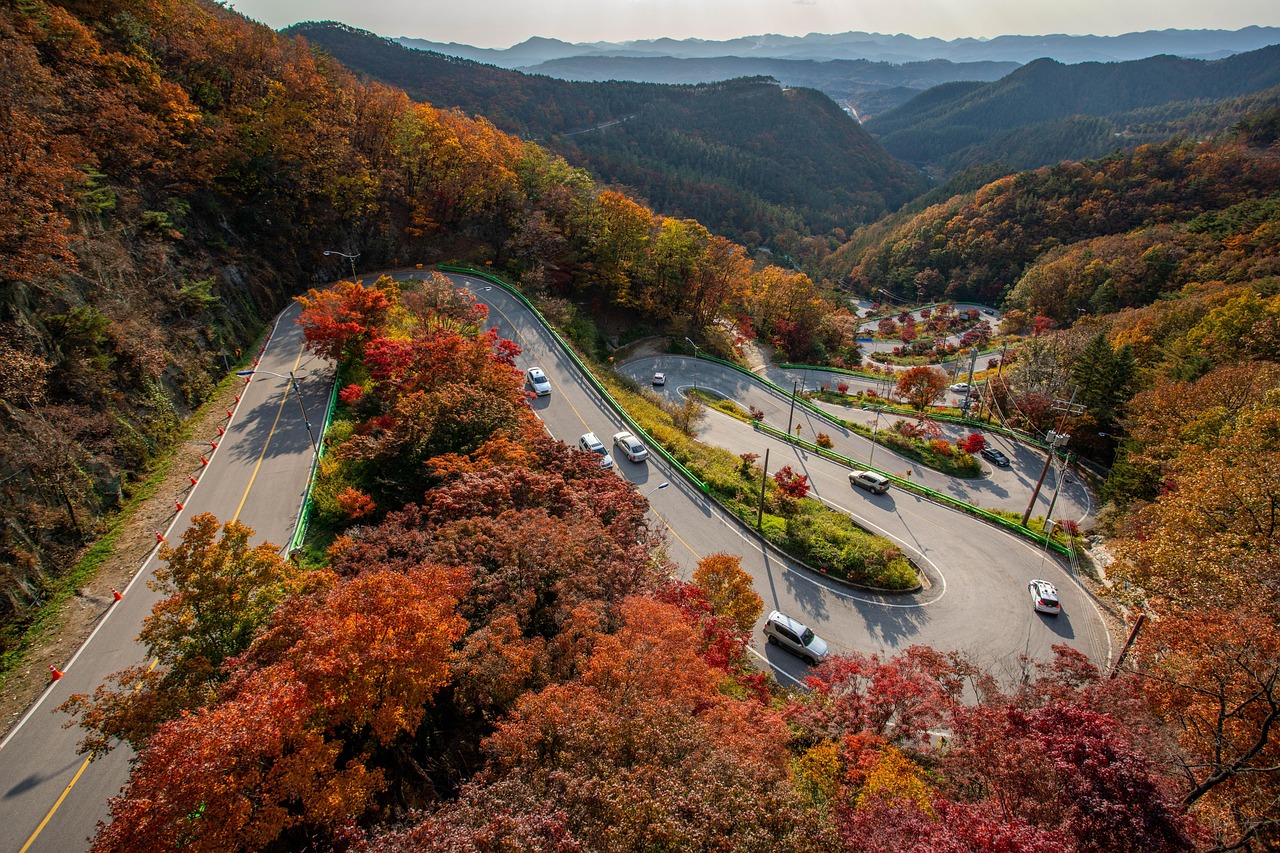
Mountain roads are full of unexpected bends and switchbacks that require slower speeds and careful handling. Approaching curves too fast reduces control and increases the chance of drifting into oncoming lanes. Many drivers forget that posted speed limits reflect safe navigation, not optimal racing speeds. Steering smoothly, braking before entering turns, and keeping a steady pace allow drivers to maintain control while enjoying the scenery without risking accidents.
2. Ignoring Weather Conditions
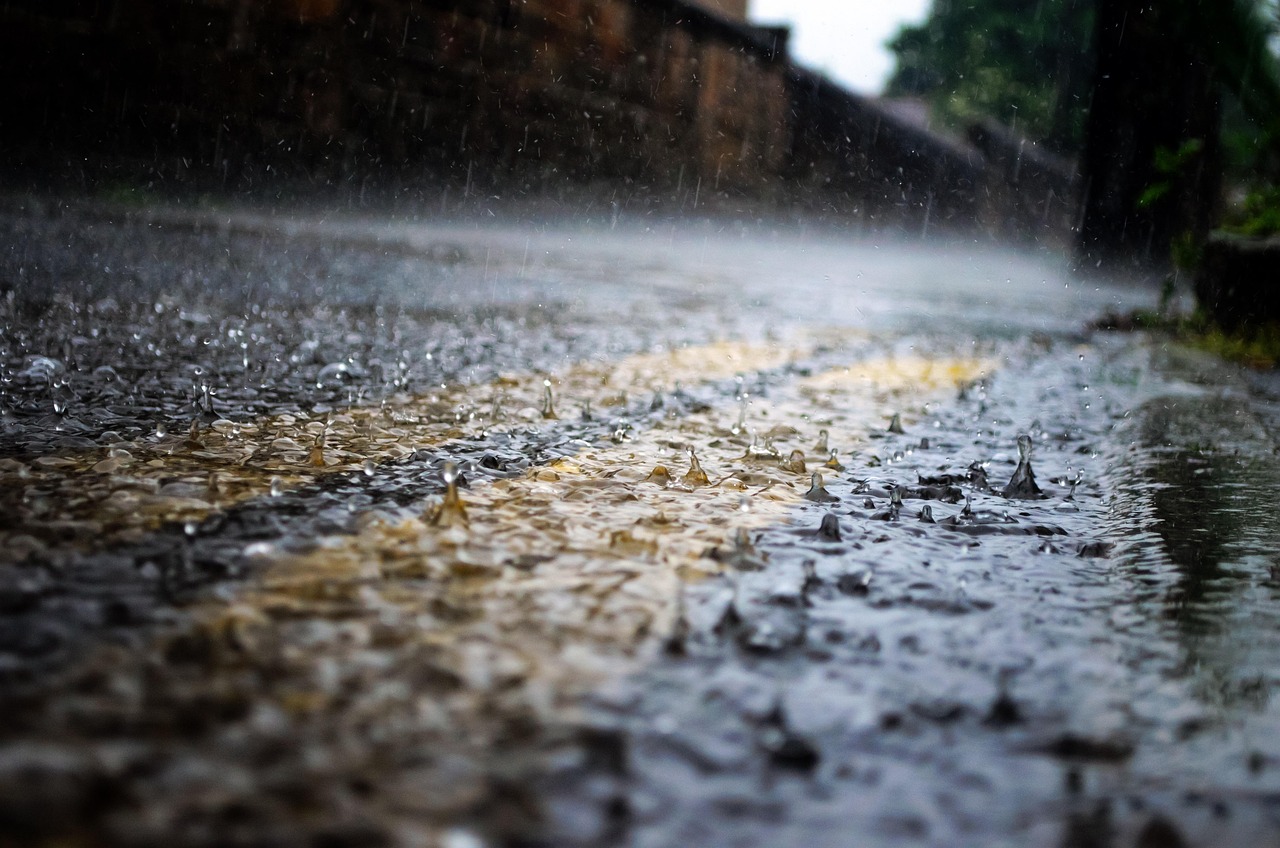
The weather can change rapidly in Tennessee’s mountains, from sudden rain showers to fog and early winter snow. Drivers who fail to check conditions or adjust speed risk hydroplaning or losing visibility in dense fog. Slippery roads combined with steep grades are especially hazardous. Experts recommend monitoring forecasts, using headlights in low visibility, and being ready to slow down or pull over. Awareness and preparation are key to staying safe in ever-changing mountain weather.
3. Riding Brakes on Descents
Many drivers rely too heavily on brakes when going downhill, which can overheat brake pads and reduce stopping power. Continuous braking is particularly dangerous on steep grades, where losing control can have severe consequences. A safer approach is using engine braking by shifting into a lower gear to slow the vehicle gradually. Short, controlled brake applications combined with lower gears keep brakes cool, preserve stopping ability, and make steep descents much safer for everyone on the road.
4. Speeding on Downhill Stretches
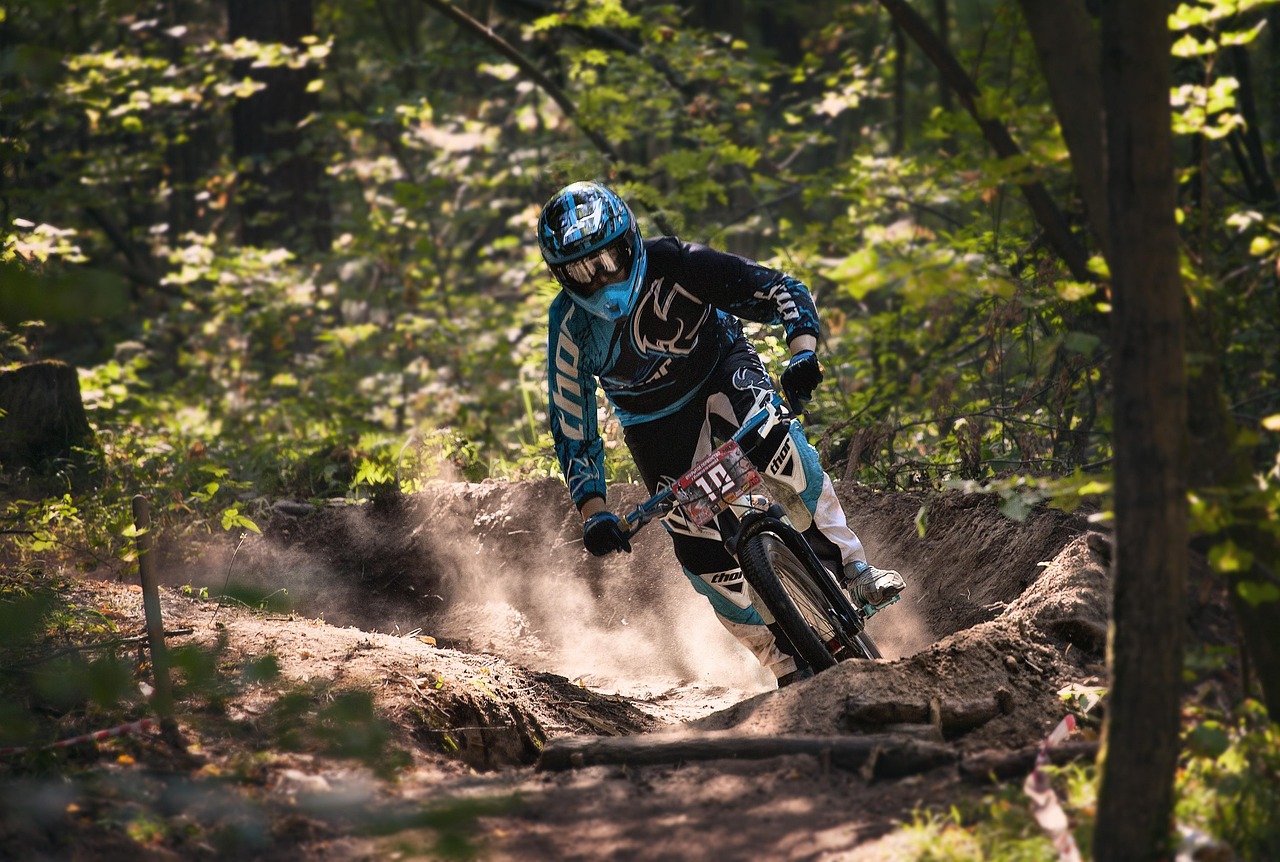
Downhill stretches may tempt drivers to increase speed, but excessive velocity compromises reaction time on narrow, winding roads. Mountain roads often include blind curves, wildlife crossings, and sudden elevation changes, all requiring quick responses. Maintaining a moderate speed, braking in advance of turns, and staying alert allow for safer navigation. Even experienced drivers should resist the temptation to push limits; the time saved by speeding is never worth the risk of an accident in mountainous terrain.
5. Distracted Driving
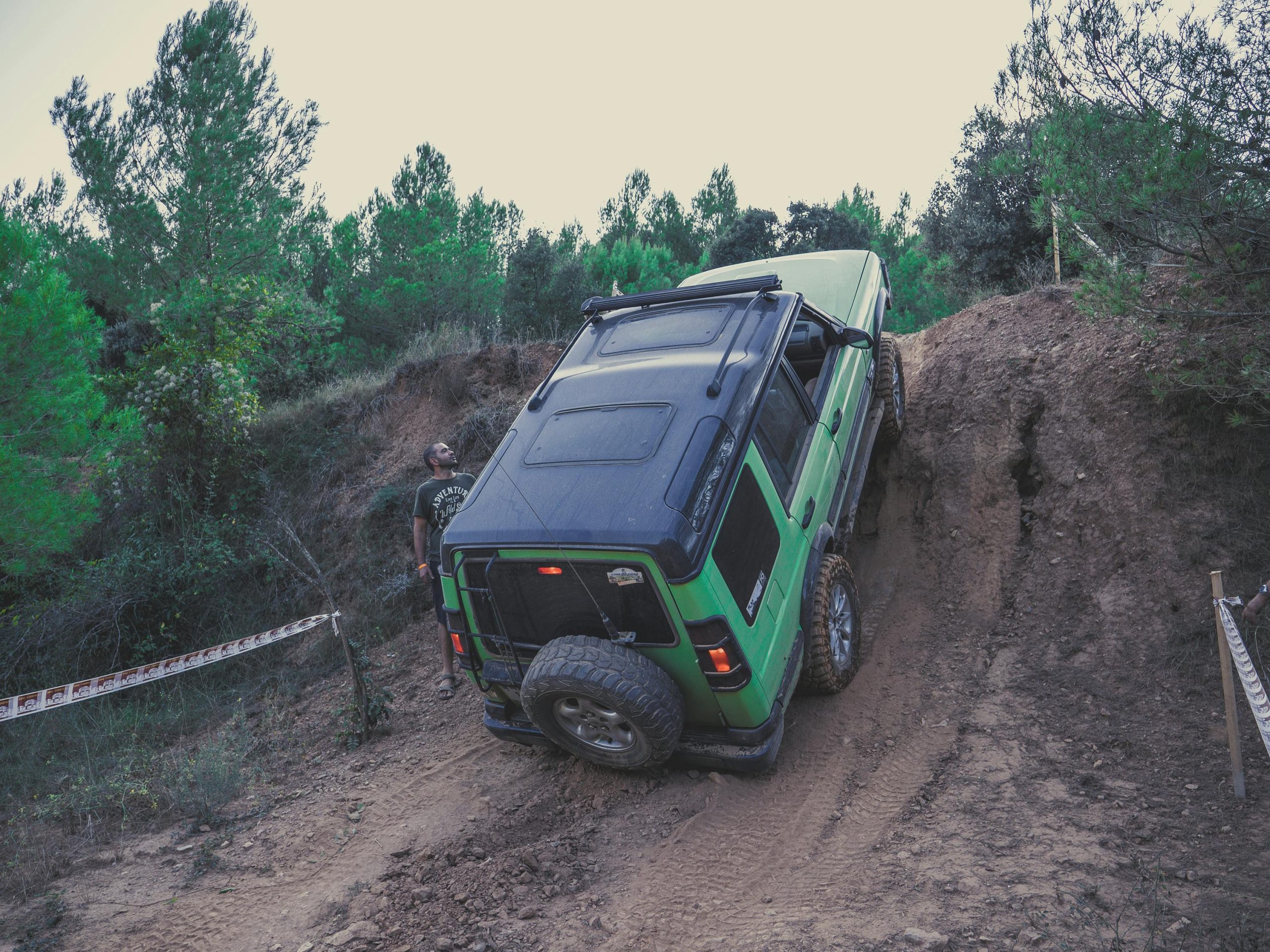
The combination of scenic views and challenging roads can distract drivers, leading to lapses in attention. Using phones, adjusting radios, or looking too long at landscapes increases the risk of veering off the lane or missing obstacles. Pulling over at designated scenic overlooks or rest areas allows for safe enjoyment of the views. Staying fully focused on driving ensures better control, faster reaction times, and greater safety for both yourself and other drivers navigating Tennessee’s mountain roads.
6. Overloading Vehicles
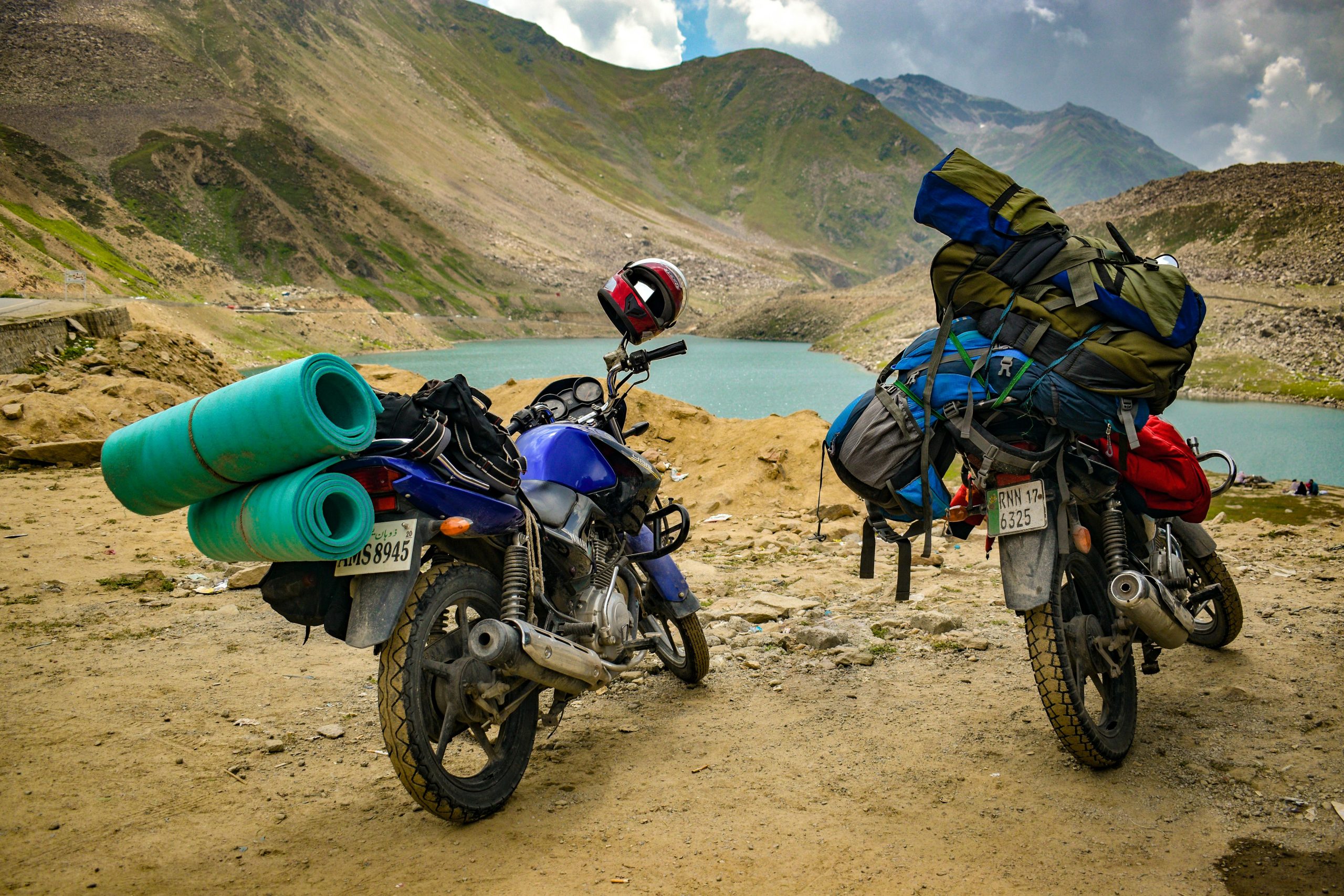
Overpacking vehicles is a common mistake on long mountain drives. Extra weight affects handling, braking, and acceleration, especially on steep inclines and sharp curves. Heavier vehicles are slower to respond and more prone to overheated brakes. Sticking to the manufacturer’s recommended weight limits not only ensures safety but also improves fuel efficiency. Properly distributed loads keep the vehicle balanced, making navigation of narrow mountain lanes smoother and less stressful for the driver.
7. Ignoring Lane Positioning

Many drivers fail to maintain proper lane positioning on narrow mountain roads, drifting too close to edges or center lines. Poor lane discipline increases the risk of collisions, especially on blind curves or when encountering oversized vehicles. Keeping your vehicle centered and maintaining a safe distance from road edges ensures better control and visibility. Proper positioning also allows more reaction time for sudden obstacles like wildlife or falling rocks.
8. Skipping Vehicle Maintenance
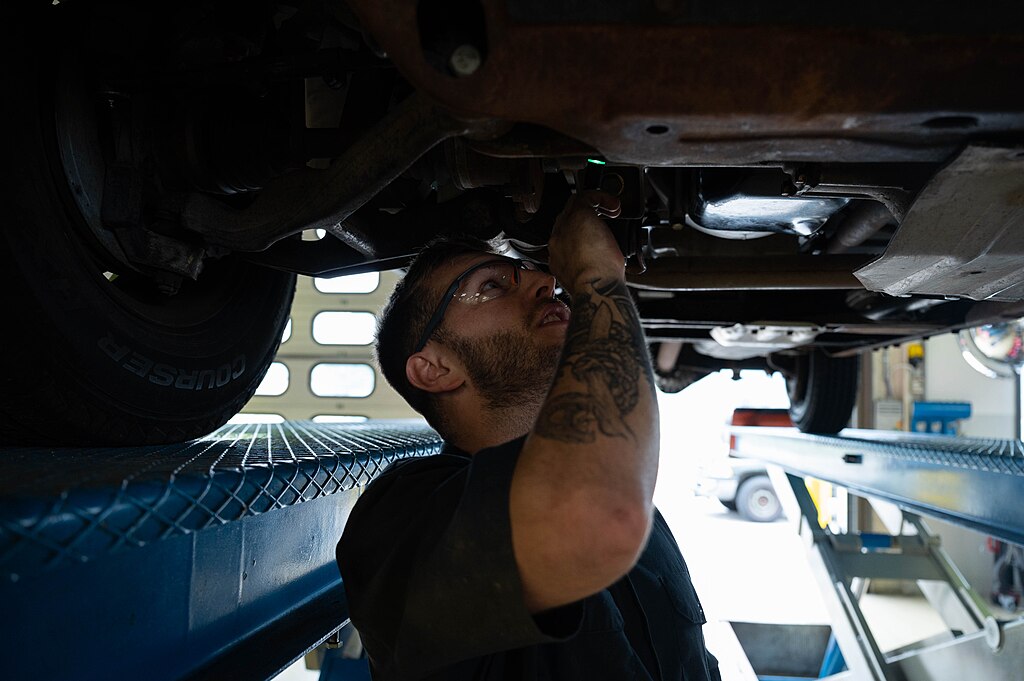
Proper vehicle maintenance is essential before tackling mountainous terrain. Worn brakes, underinflated tires, or low fluid levels can turn a routine drive into a serious hazard. Mountain roads demand extra from your car, and mechanical failures on steep grades can be catastrophic. Checking tires, brakes, engine fluids, and lights prior to departure ensures reliable performance. A well-maintained vehicle gives peace of mind, allowing drivers to focus on navigation and safety rather than worrying about potential breakdowns.
9. Overlooking Wildlife Hazards
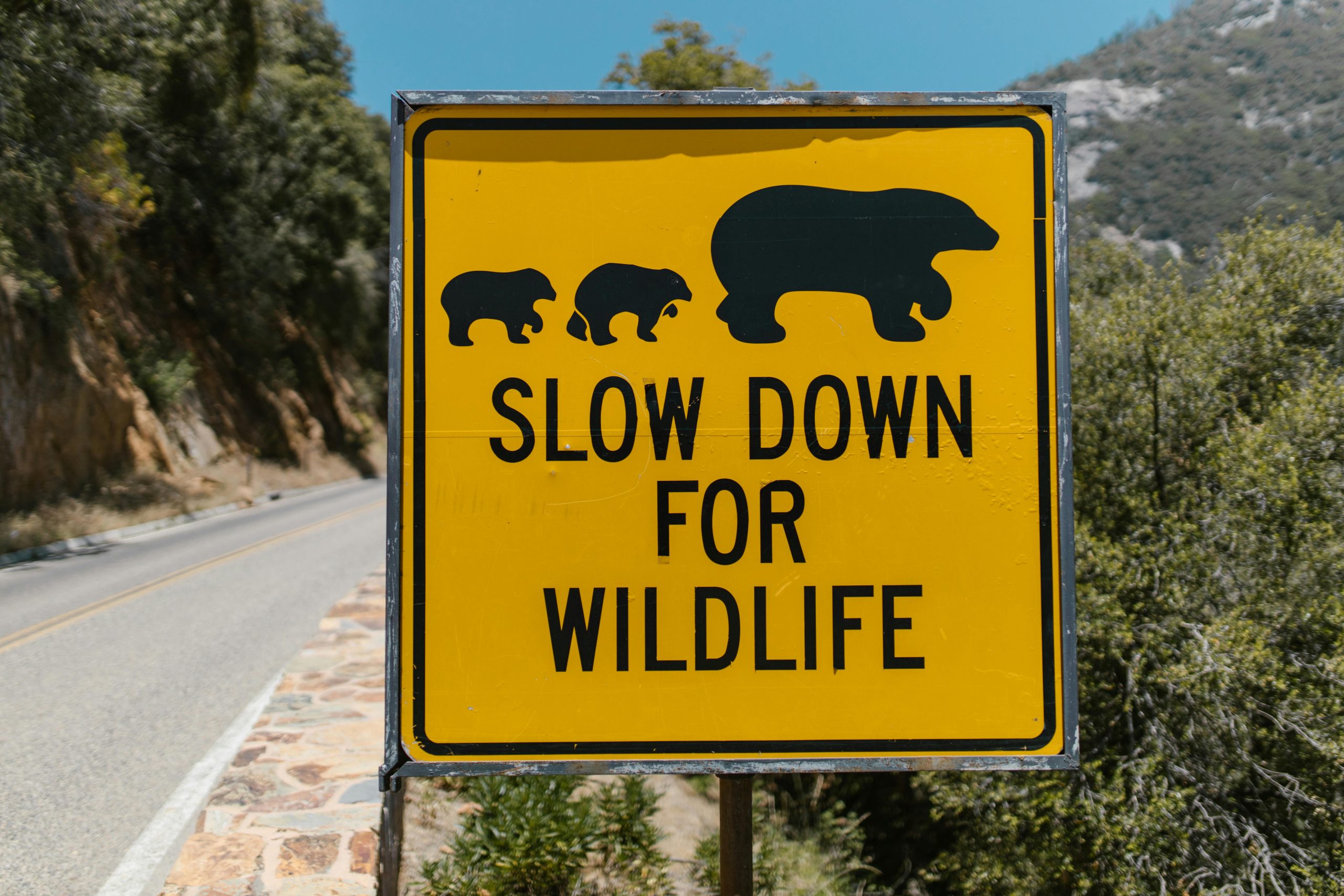
Tennessee’s mountains are home to deer, bears, and smaller wildlife that can suddenly cross roads. Drivers who fail to stay alert for animal activity put themselves and passengers at risk. Reducing speed, especially at dawn and dusk, and scanning both sides of the road for movement improves reaction time. Braking early rather than swerving helps prevent accidents. Being wildlife aware is essential for safe driving through forested, rural mountain routes.
10. Forgetting Emergency Supplies

Unexpected events like road closures, mechanical issues, or accidents are more common on remote mountain roads. Drivers who neglect emergency supplies such as water, snacks, flashlights, blankets, and first aid kits can face unnecessary stress. Including jumper cables, a spare tire, and basic tools further prepares travelers for delays. Being equipped for emergencies ensures safety, comfort, and peace of mind, allowing drivers to enjoy Tennessee’s scenic mountain roads without worry.