America’s firearm debate often centers on the AR-15, but the legal landscape covers a much wider range of firearms and configurations. Handguns, shotguns, AK-pattern rifles, machine guns, short-barreled firearms, suppressors, and privately made firearms can all raise different questions under federal, state, and local law. The distinctions are important because regulations may focus on a firearm’s design, dimensions, capacity, accessories, manufacturing history, or method of transfer. Current court challenges involving semiautomatic rifles also show that these questions remain legally unsettled.
1. Semiautomatic Handguns
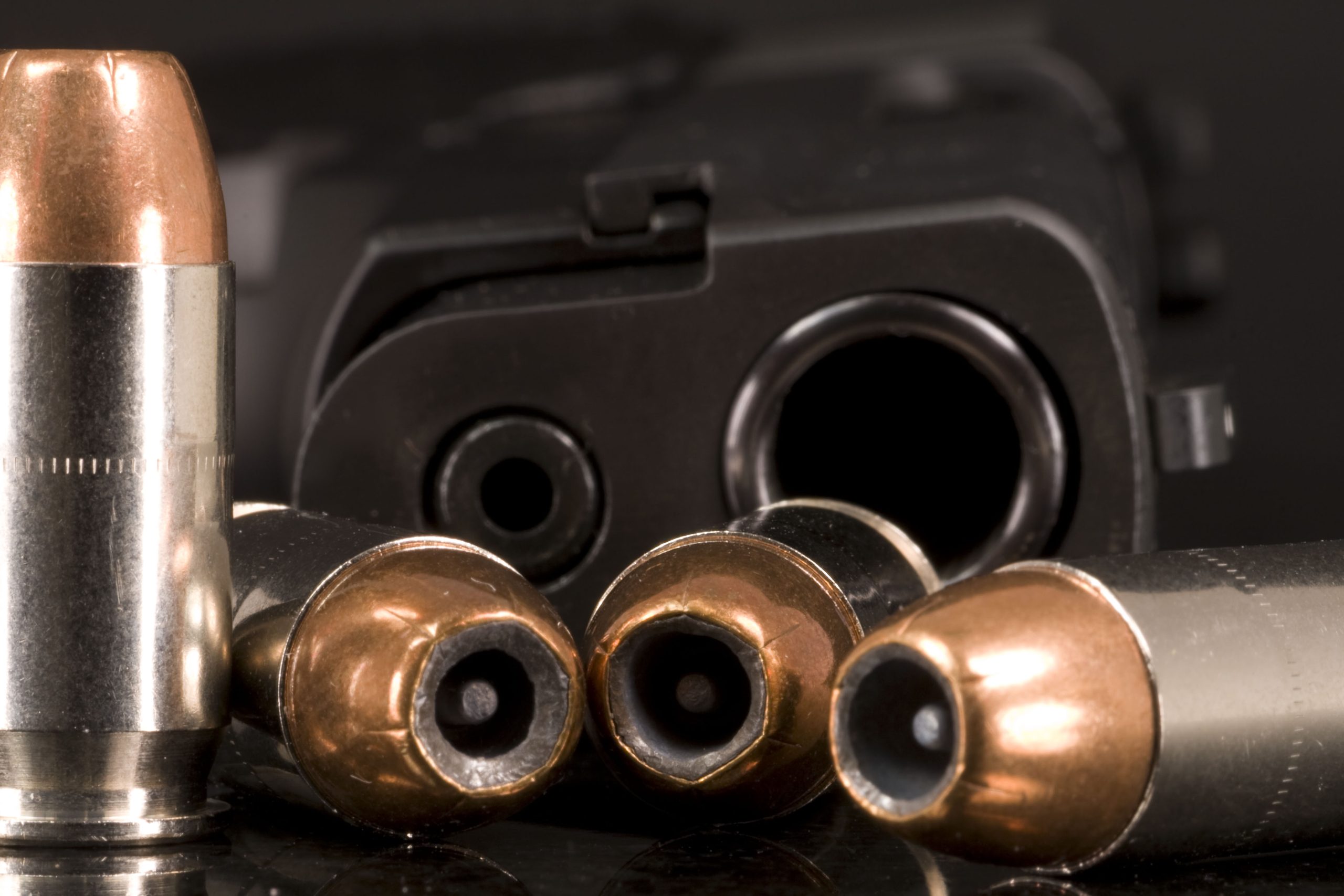
Semiautomatic pistols are a major part of the debate because they represent a much broader category than the AR-15. They are widely used for self-defense, sport, and law enforcement, while some jurisdictions regulate particular models, features, or magazine capacities. The legal picture can differ sharply between states and cities, making one pistol lawful in one place but restricted elsewhere. Federal law also treats some configurations differently under the National Firearms Act. Numerical detail: ATF’s NFA list contains 8 regulated categories, but ordinary semiautomatic pistols are not automatically NFA firearms. The same pistol can therefore face different rules after crossing a state line.
2. AK-Pattern Rifles

AK-pattern semiautomatic rifles show why the debate cannot be reduced to one famous rifle platform. Their legal treatment can depend on a state’s definition of an assault weapon, named models, magazine capacity, or particular features. Some laws use broad design criteria rather than focusing on a single manufacturer. That means rifles sharing similar operating systems may be treated differently across jurisdictions. Numerical detail: current Supreme Court litigation includes challenges involving state and local semiautomatic-rifle restrictions, showing that the issue extends beyond the AR-15 alone. Outcomes often depend on a law’s wording.
3. Revolvers
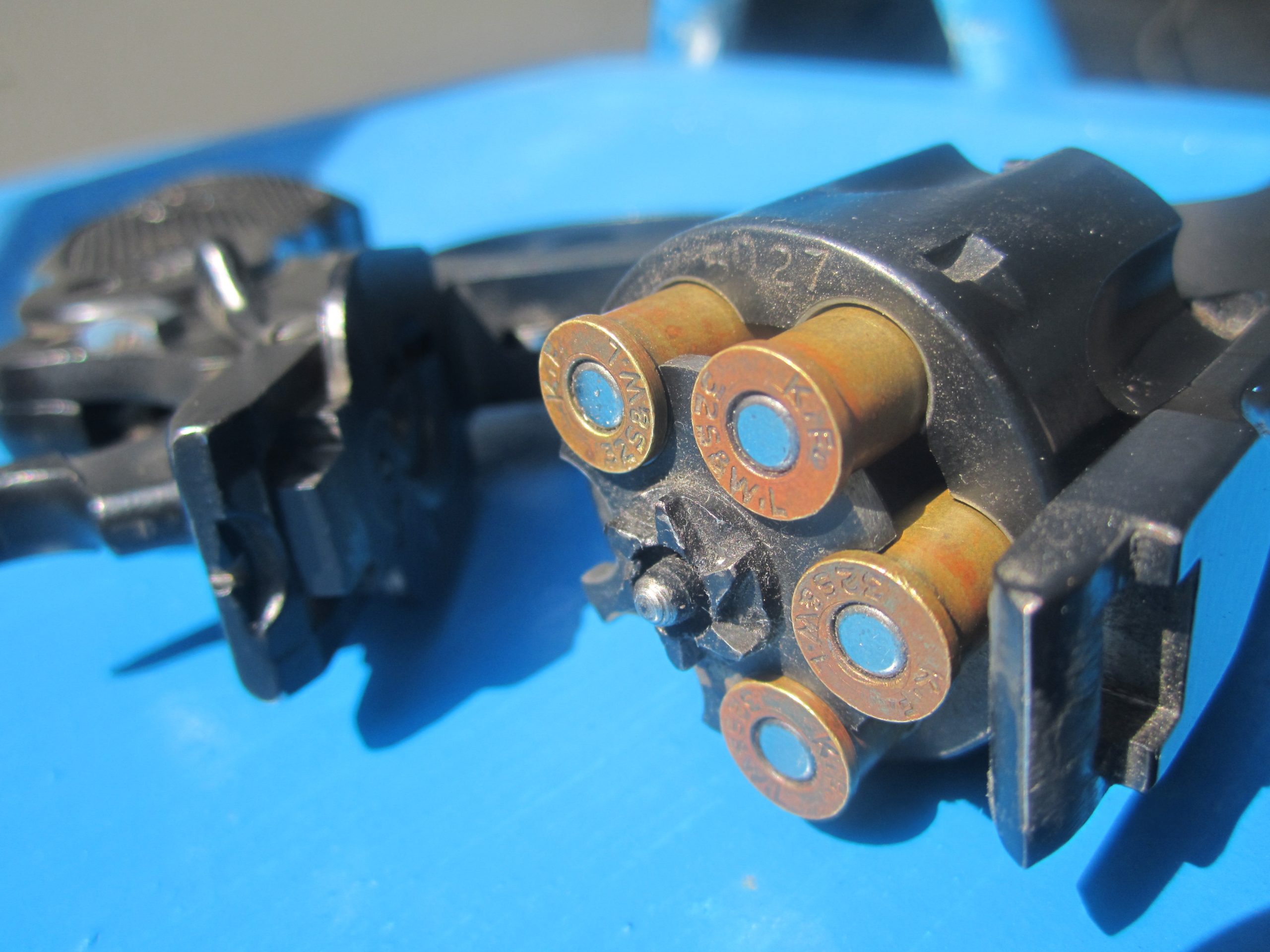
Revolvers occupy a very different place in the firearm discussion, yet they remain relevant because they are handguns and are subject to the broader ownership framework governing transfers, prohibited persons, and state restrictions. Their rotating-cylinder design also illustrates why firearm policy cannot be understood only through magazine-fed semiautomatic rifles. Depending on the jurisdiction, waiting periods, permits, background checks, or carry rules may apply. Numerical detail: a traditional double-action revolver commonly holds 5 or 6 cartridges, although models with other capacities also exist. Their long history keeps them relevant.
4. Pump-Action Shotguns
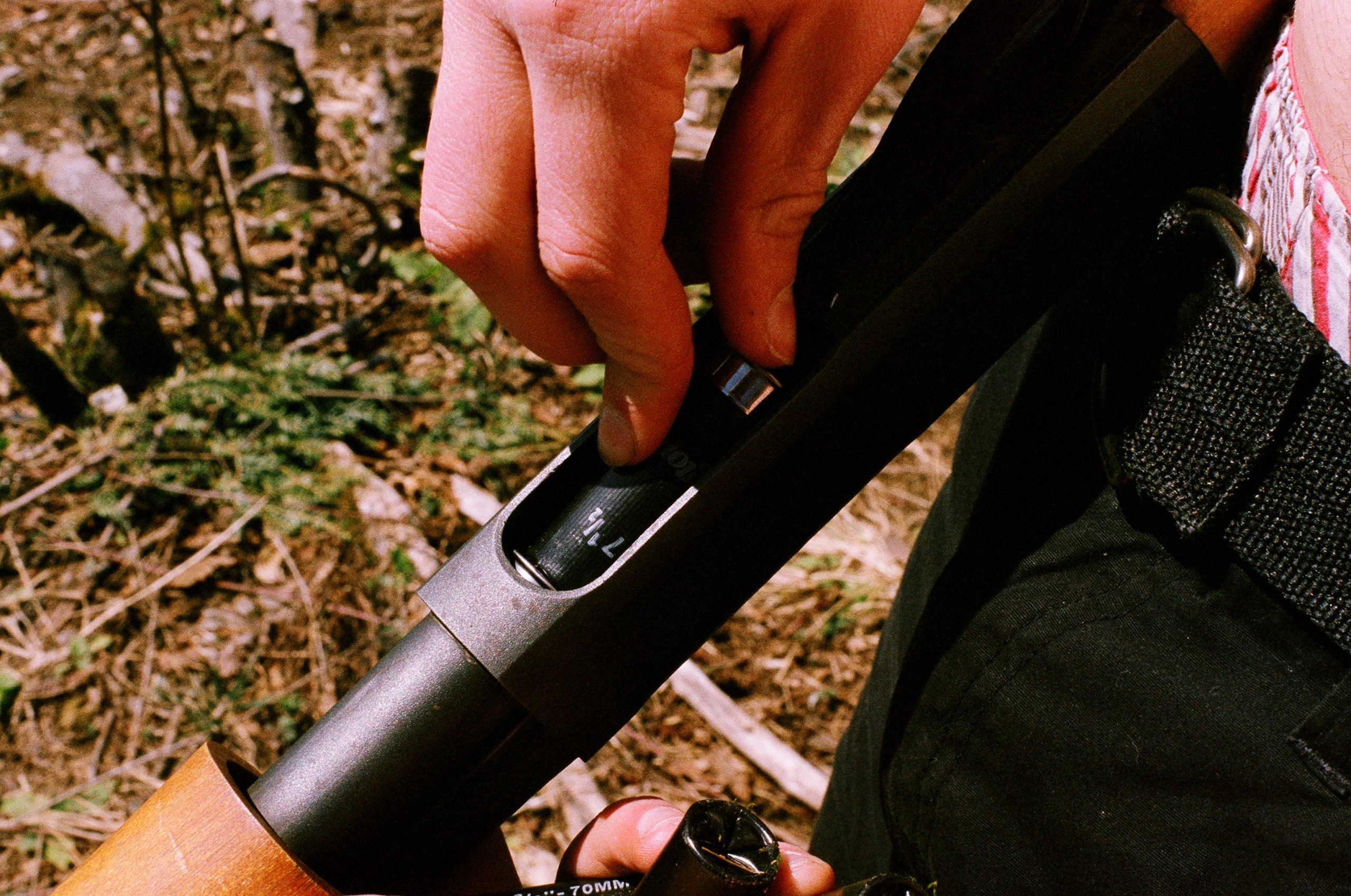
Pump-action shotguns broaden the debate into a firearm class commonly associated with hunting, sport shooting, and home defense. Federal law generally treats an ordinary shotgun differently from an NFA short-barreled shotgun, but state laws can impose additional requirements or restrictions. The distinction can depend on barrel length and overall configuration, so changing one feature may change the legal classification. Numerical detail: ATF identifies a shotgun with a barrel under 18 inches as an NFA firearm, while a weapon made from a shotgun can also qualify below a 26-inch overall-length threshold. That makes shotguns part of the wider policy discussion.
5. Short-Barreled Rifles
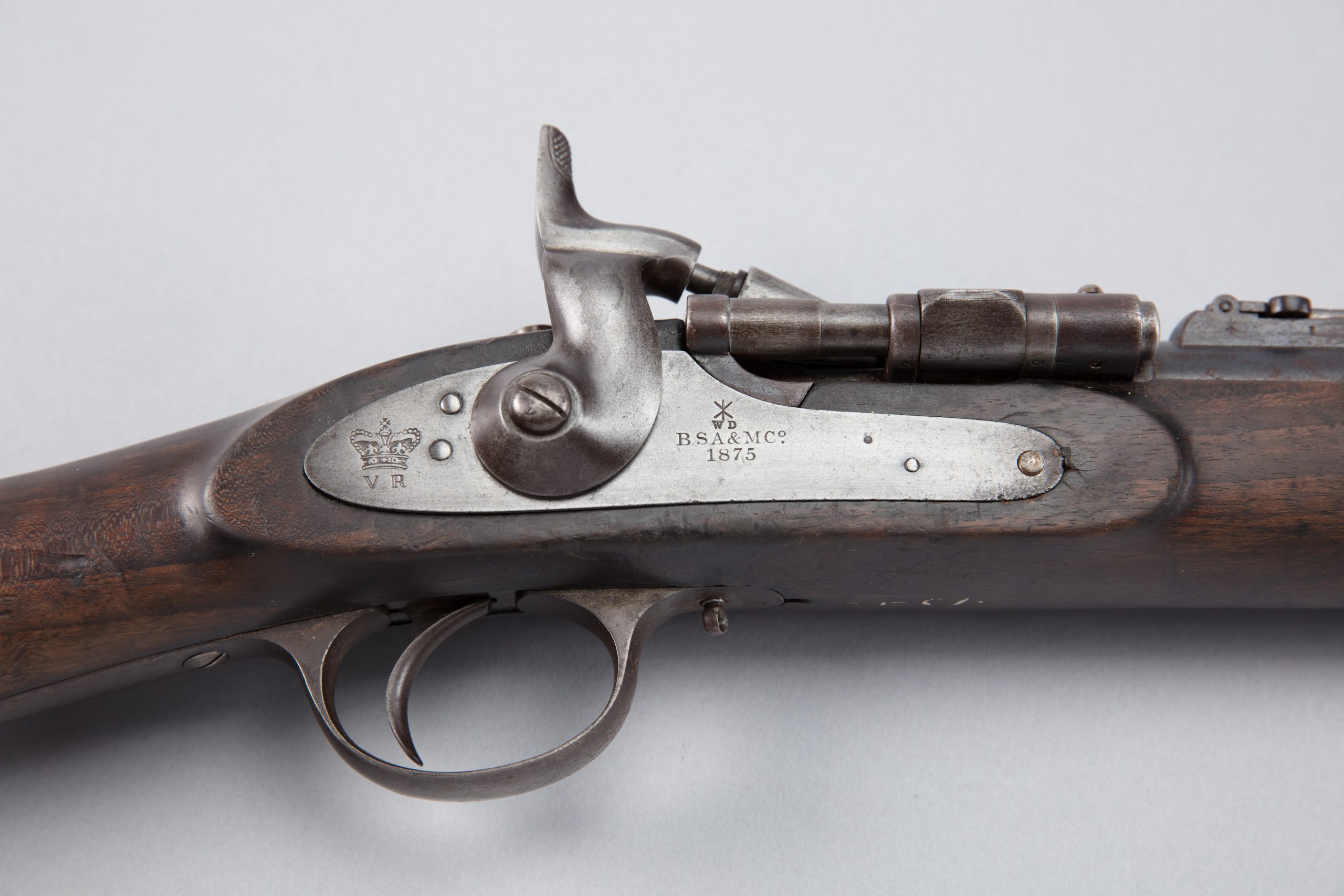
Short-barreled rifles demonstrate how a firearm’s configuration can matter as much as its basic design. Under the National Firearms Act, a rifle with a barrel shorter than 16 inches is federally regulated, and a weapon made from a rifle can also qualify when its modified barrel or overall length falls below the specified limits. State rules may add another layer. Numerical detail: the key federal measurements are 16 inches for a rifle barrel and 26 inches for overall length in the relevant NFA definition. A small dimensional change can therefore affect the legal category. That distinction can affect acquisition, transfer, and possession rules.
6. Suppressor-Equipped Firearms
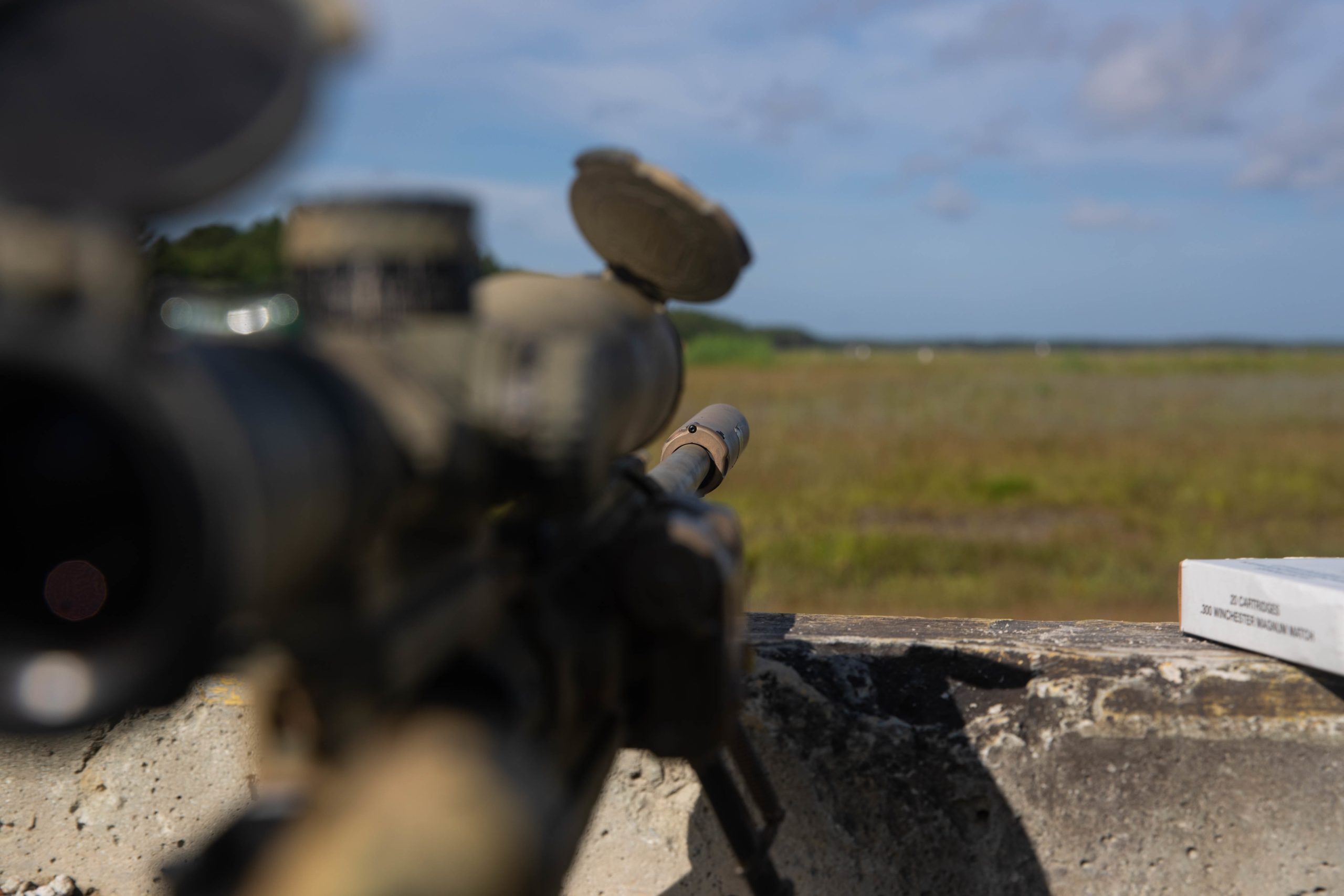
Suppressor-equipped firearms bring accessories directly into the ownership debate because federal law regulates the suppressor itself. The National Firearms Act lists firearm silencers as regulated items, meaning the legal status of the host rifle or pistol does not tell the whole story. State treatment also varies, so possession rules can change when someone travels or relocates. Numerical detail: the NFA dates to 1934, and ATF currently lists 8 categories of NFA firearms, including silencers and short-barreled rifles. The accessory can therefore create a separate legal question. This is why accessory laws deserve separate attention.
7. Machine Guns
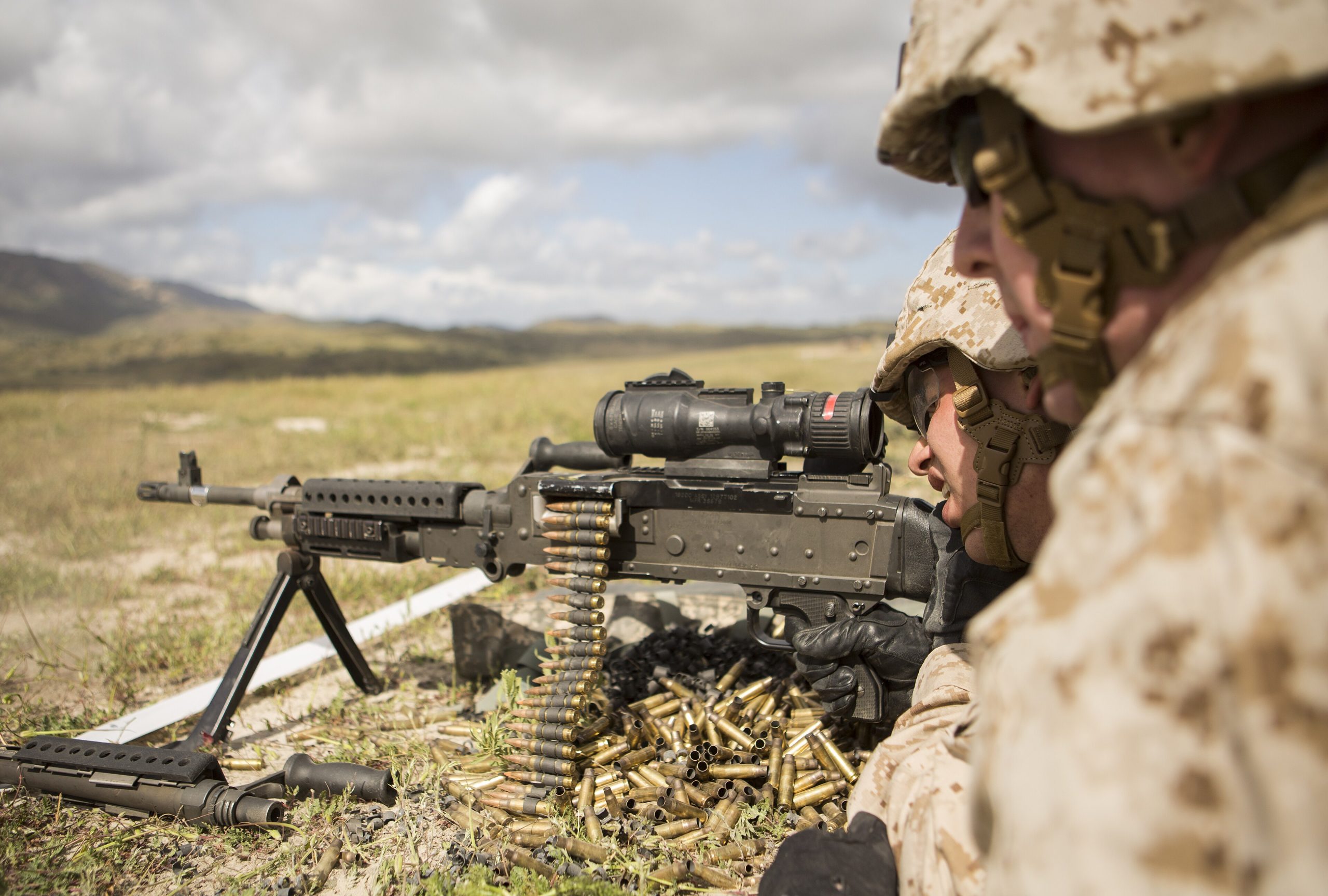
Machine guns are an especially distinct part of America’s firearm laws because federal restrictions sharply limit civilian possession of newly made machine guns. The Gun Control Act provisions that took effect in 1986 generally prohibit possession of machine guns manufactured after May 19, 1986, with limited exceptions. That historical cutoff makes machine guns different from most ordinary semiautomatic firearms. Numerical detail: May 19, 1986, is the key federal date, and the NFA separately identifies machine guns as one of its regulated categories. Two similar firearms can therefore have different legal histories. State rules may add restrictions.
8. Privately Made Firearms
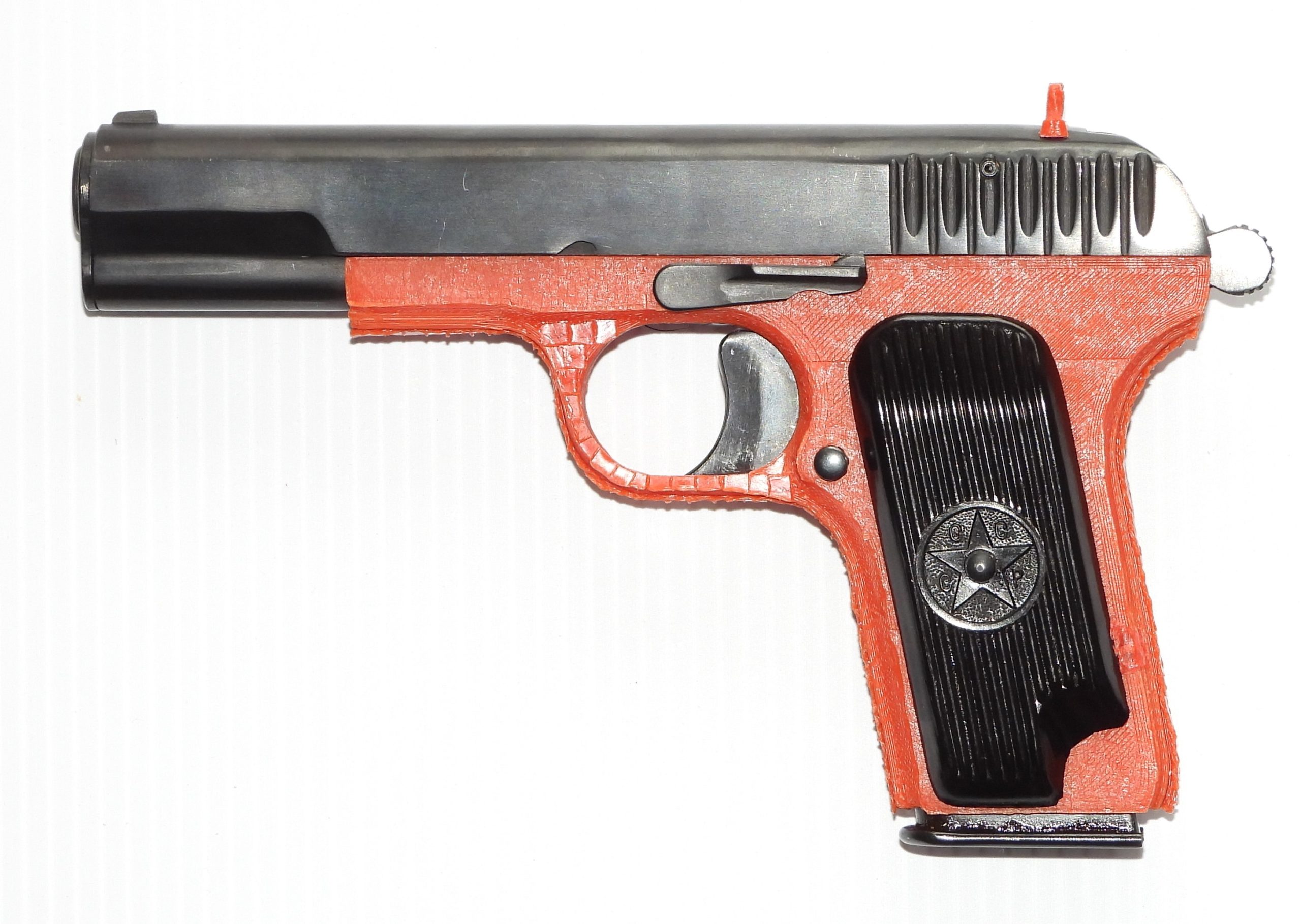
Privately made firearms, often called ghost guns, show that the debate also concerns how firearms are made and identified, not simply which models are sold in stores. ATF defines a privately made firearm as one produced by someone other than a licensed manufacturer and notes that some can be lawfully made and possessed. Rules for licensed dealers receiving such firearms can require identifying marks. Numerical detail: ATF reported about 45,240 suspected privately made firearms recovered by law enforcement from 2016 through 2021. The issue also involves unfinished receivers, serialization, and transfers. These details can matter during transfers.
9. Semiautomatic Rifles With Large-Capacity Magazines
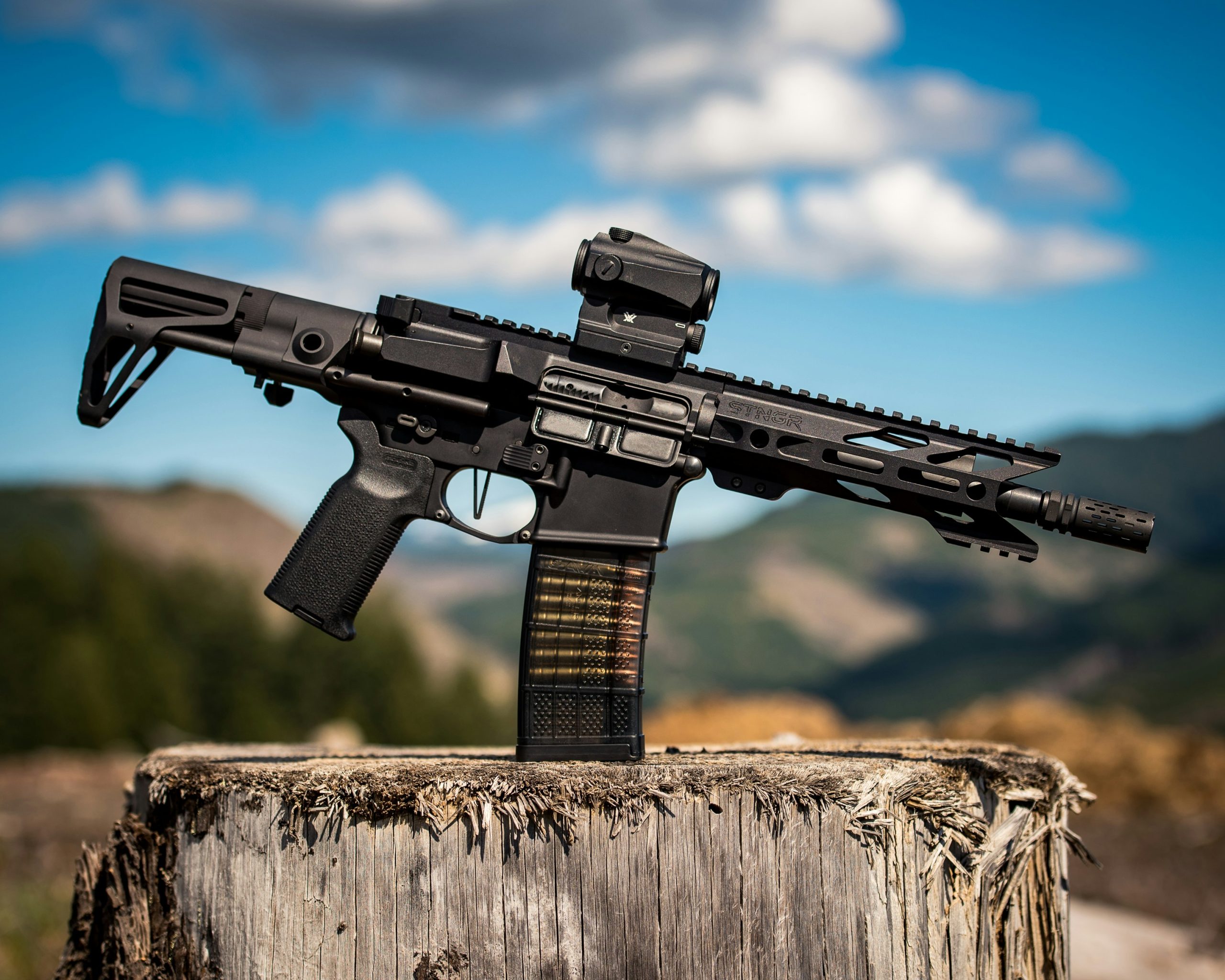
Semiautomatic rifles equipped with magazines holding more than 10 rounds illustrate why capacity has become a separate legal issue from the firearm itself. Some state and local laws regulate magazines independently or use capacity as part of a broader firearm definition. Courts are considering challenges involving both semiautomatic rifles and magazines, so the rules remain jurisdiction-specific. Numerical detail: the Connecticut and Cook County litigation now before the Supreme Court involves laws covering rifles and, in relevant provisions, magazines exceeding 10 rounds. Capacity can therefore become a separate legal question. State rules can differ substantially.
10. Short-Barreled Shotguns
Short-barreled shotguns reveal another reason the national debate involves more than AR-style rifles: federal law has regulated certain compact shotgun configurations for decades. Under the NFA, a shotgun with a barrel shorter than 18 inches is regulated, as is a weapon made from a shotgun when it falls below specified measurements. State law may impose additional restrictions. Numerical detail: ATF uses an 18-inch barrel threshold and a 26-inch overall-length threshold for relevant weapon-made-from-shotgun configurations. The example shows how physical configuration can matter as much as a firearm’s popular name. State law can change the result.