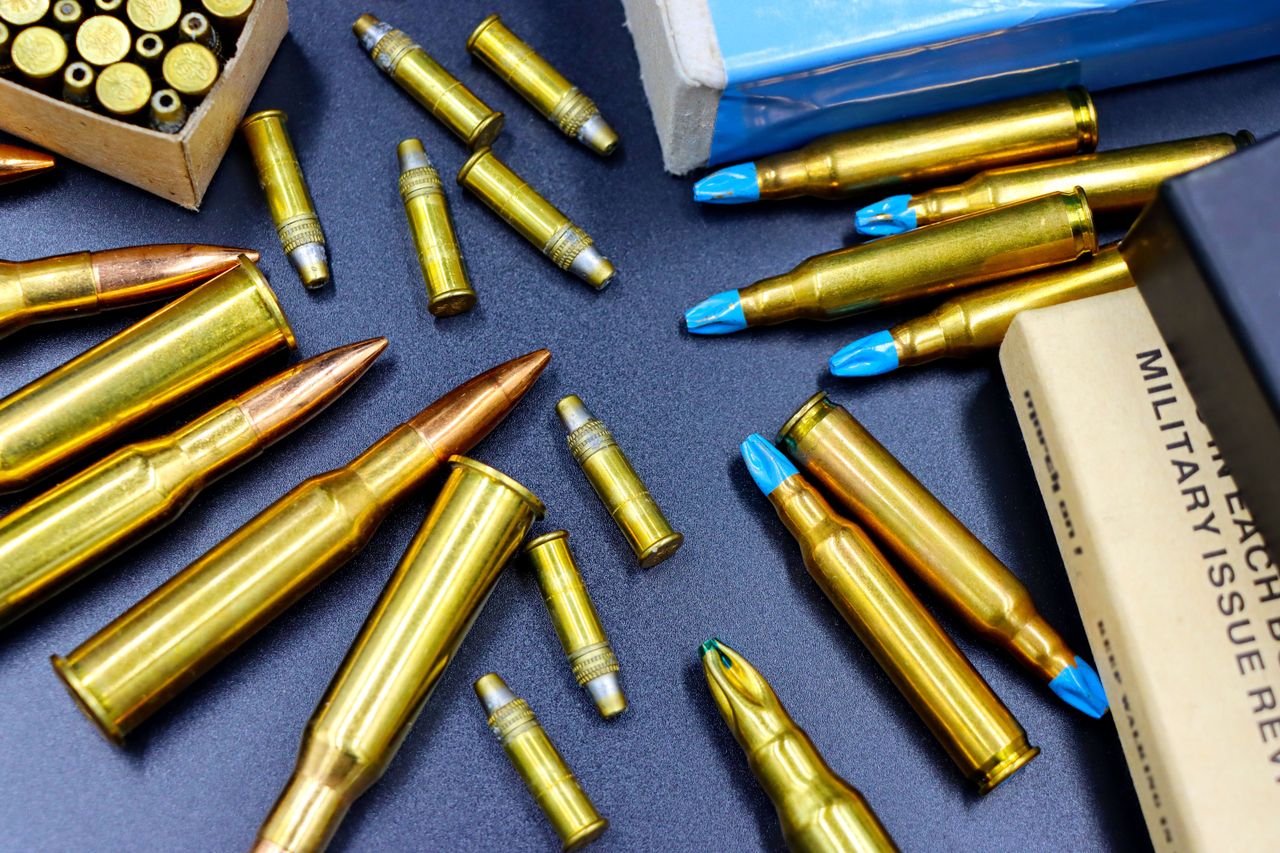
Some cartridges did more than fill a tag. They changed how hunters thought about range, recoil, accuracy, and what a practical field rifle could be. From black powder holdovers to flat-shooting modern classics, these rounds helped define the gear, stories, and expectations that still shape hunting culture today.
.30-30 Winchester
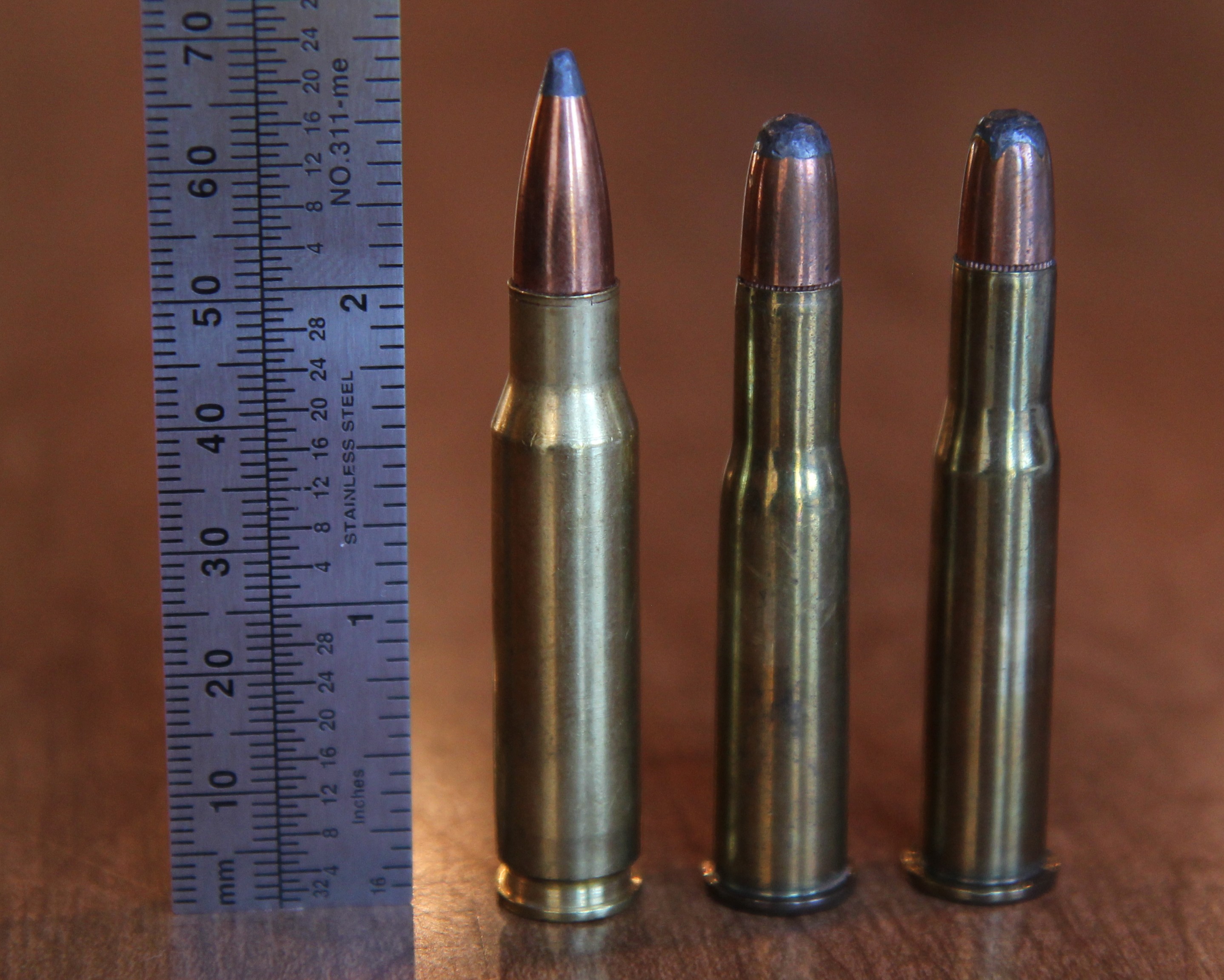
Few cartridges are as closely tied to North American deer camps as the .30-30 Winchester. Introduced in the 1890s, it brought smokeless powder performance to the everyday sporting hunter and quickly became a practical favorite for woods hunting. In a handy lever action, it felt fast, reliable, and perfectly suited to the realities of thick cover.
Its reputation was built less on hype than on repetition. Season after season, hunters carried it into hardwood ridges, cedar swamps, and ranch country, where moderate range and quick handling mattered more than velocity charts. The .30-30 helped create the image of the approachable, hardworking deer rifle.
Even now, its cultural weight is bigger than ballistics alone. It represents family traditions, first bucks, and the idea that a simple rifle can still be enough.
.30-06 Springfield

If one cartridge became the benchmark for all-around American hunting, it was the .30-06 Springfield. Its military roots gave it wide familiarity, but hunters made it legendary by proving it could handle everything from deer to elk to moose with the right bullet. That flexibility turned it into a standard by which many later cartridges were judged.
Part of its influence came from timing. Surplus rifles, abundant ammunition, and a growing sporting market helped the .30-06 move from service history into cabins, pickup racks, and mountain camps. It became the dependable answer for hunters who wanted one rifle to do nearly everything.
The .30-06 also reinforced a bigger cultural idea. Practicality mattered. A cartridge did not need to be trendy to earn respect, only effective year after year in real hunting country.
.270 Winchester
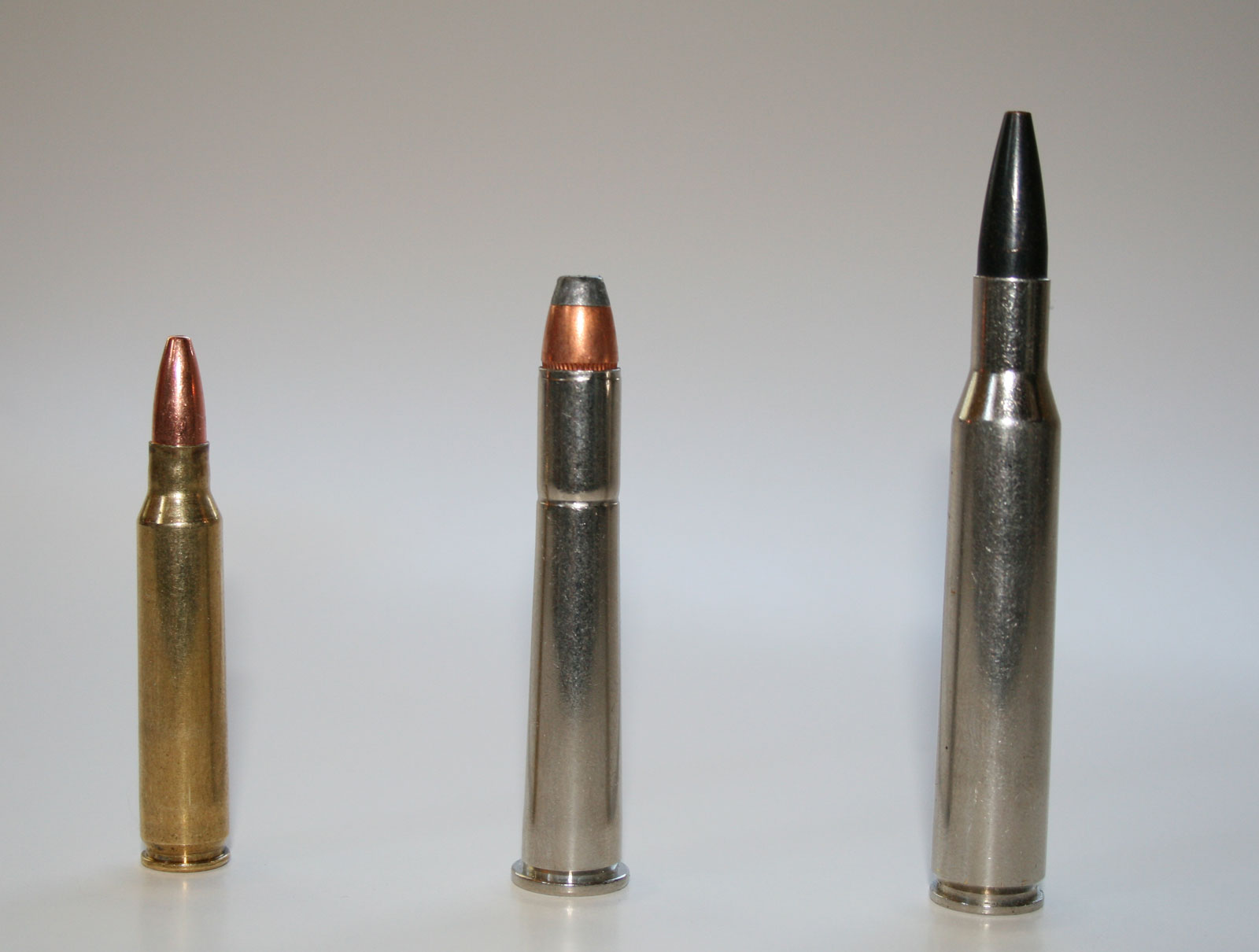
The .270 Winchester helped popularize the modern idea of a flat-shooting hunting rifle for open country. Fast for its era and relatively easy to shoot well, it became a favorite among hunters who wanted reach without stepping into punishing recoil. It brought confidence to bean fields, sage flats, and mountain basins where distance could stretch quickly.
Its rise was boosted by outdoor writing, especially the kind that celebrated sheep mountains and western horizons. The .270 came to symbolize a certain hunting ideal: light rifle, careful marksmanship, and a cartridge that shot where you expected when the moment finally arrived.
That image stuck. Even today, the .270 carries a whiff of classic western hunting culture, where precision and portability matter as much as raw power.
.45-70 Government

Long before modern magnums and laser rangefinders, the .45-70 Government established a deep-rooted place in American hunting. Born in the black powder era, it survived because hunters kept finding uses for a heavy, straight-shooting bullet at sensible distances. On big game in timber or brush, it earned respect the old-fashioned way.
Its modern revival says a lot about hunting culture. Many shooters are drawn to history, big-bore authority, and rifles that feel substantial in the hands. In single-shots and lever actions alike, the .45-70 connects today’s hunter with an older tradition that values closeness, patience, and decisive impact.
That emotional pull matters. The .45-70 reminds hunters that heritage can be just as powerful a force as innovation.
.243 Winchester

The .243 Winchester helped expand hunting participation by making centerfire rifles less intimidating for many shooters. With light recoil, good accuracy, and useful versatility, it became a common recommendation for younger hunters, smaller-framed adults, and anyone who wanted a mild-mannered rifle for deer and varmints alike.
That accessibility shaped more than sales figures. It helped introduce generations to sighting in, practicing often, and developing confidence before opening day. In many households, the .243 was the rifle that bridged the gap between learning to shoot and becoming a regular hunter.
Its role in culture is easy to overlook because it feels so familiar. But cartridges that invite people in often leave the deepest mark, and the .243 did exactly that.
7mm Remington Magnum
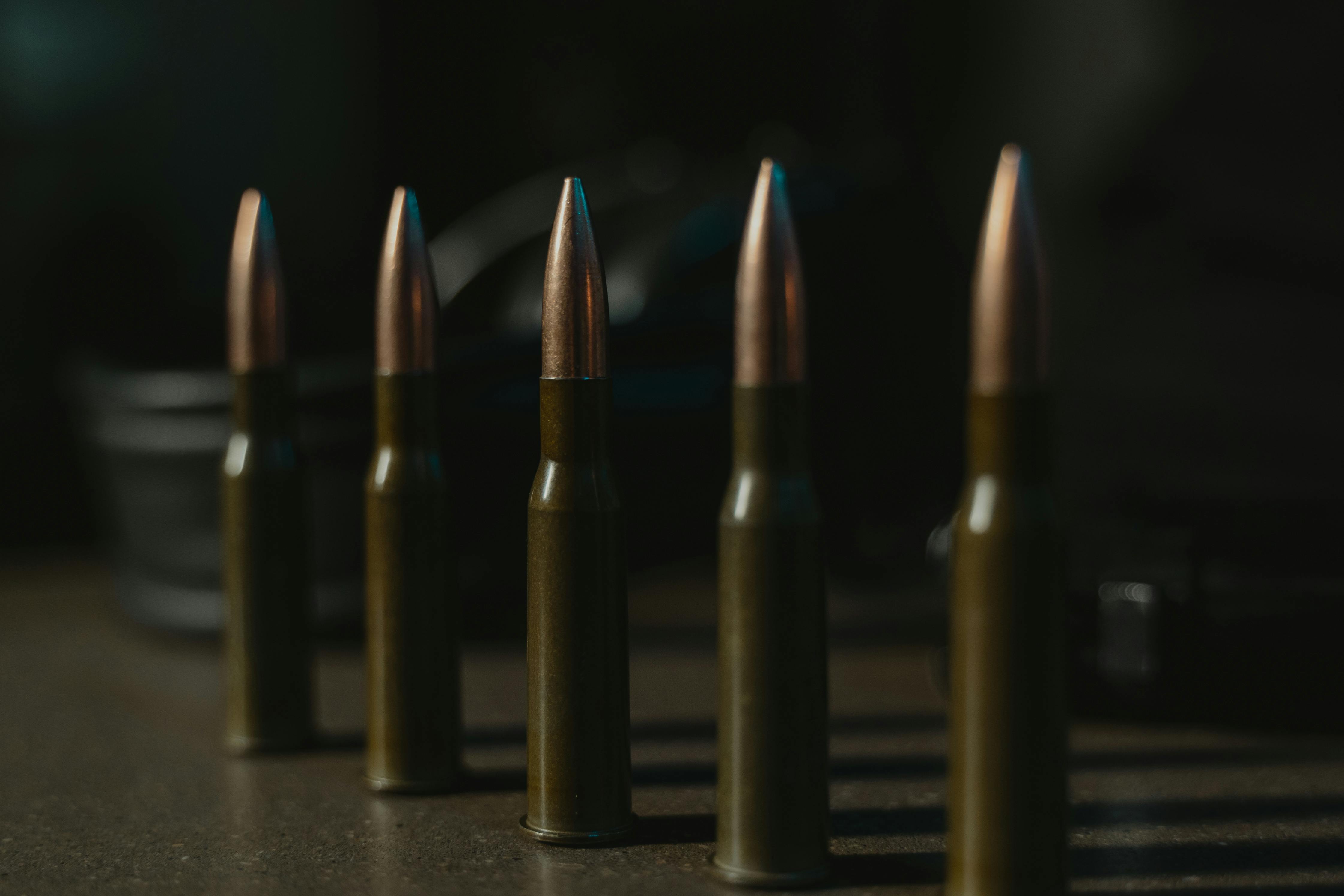
The 7mm Remington Magnum arrived at a moment when hunters were increasingly fascinated by speed, energy, and longer shots. It offered a compelling mix of flat trajectory and serious big-game capability, and it quickly became a star in western hunting circles. For many sportsmen, it represented a modern step up from older, slower standards.
Its popularity also reflected changing expectations. As optics improved and hunters traveled more widely, the idea of confidently reaching across a canyon or basin gained appeal. The 7mm magnum fit that mood perfectly, promising reach without the bruising recoil of some larger magnums.
In cultural terms, it helped normalize the magnum era. It made long-range ambition part of the mainstream hunting conversation.
.308 Winchester

The .308 Winchester became a modern classic by combining efficiency, accuracy, and broad practicality. Short-action rifles chambered for it were compact and easy to carry, while the cartridge itself earned a reputation for dependable field performance on a wide range of game. It never needed much flash because its strengths were obvious from the start.
Just as important, the .308 crossed boundaries between hunting, target shooting, and service-style familiarity. That overlap helped many shooters feel at home with it, whether they came from the deer woods, the range, or both. It belonged to a more modern, multi-purpose rifle culture.
Because of that, the .308 helped shape the idea that one cartridge could be equally relevant in camp, on the bench, and in serious marksmanship circles.
.300 Winchester Magnum
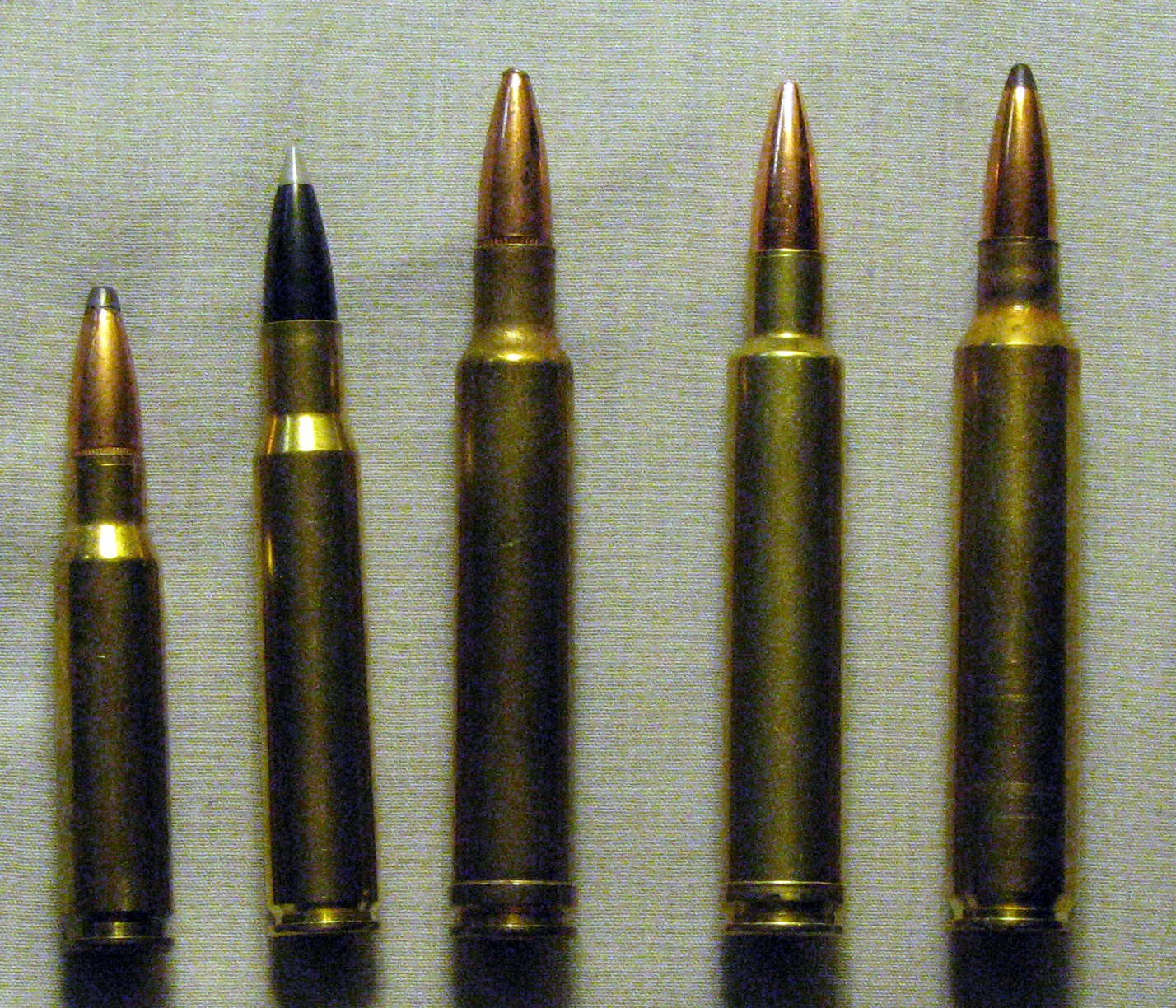
The .300 Winchester Magnum came to embody the big-country confidence many hunters wanted in the late 20th century. It delivered power, reach, and a sense that almost any North American hunt was within its wheelhouse. If the .30-06 was the trusted generalist, the .300 magnum felt like the upgraded specialist for bigger spaces and bigger stakes.
Its rise also mirrored a shift in aspirations. More hunters were booking western elk trips, dreaming of Alaska, or simply wanting a rifle that seemed ready for anything with antlers and distance. The .300 Winchester Magnum became part of that ambition, equal parts practical tool and status symbol.
Even now, it carries a certain authority. It suggests seriousness, preparation, and a willingness to trade comfort for capability.
6.5 Creedmoor
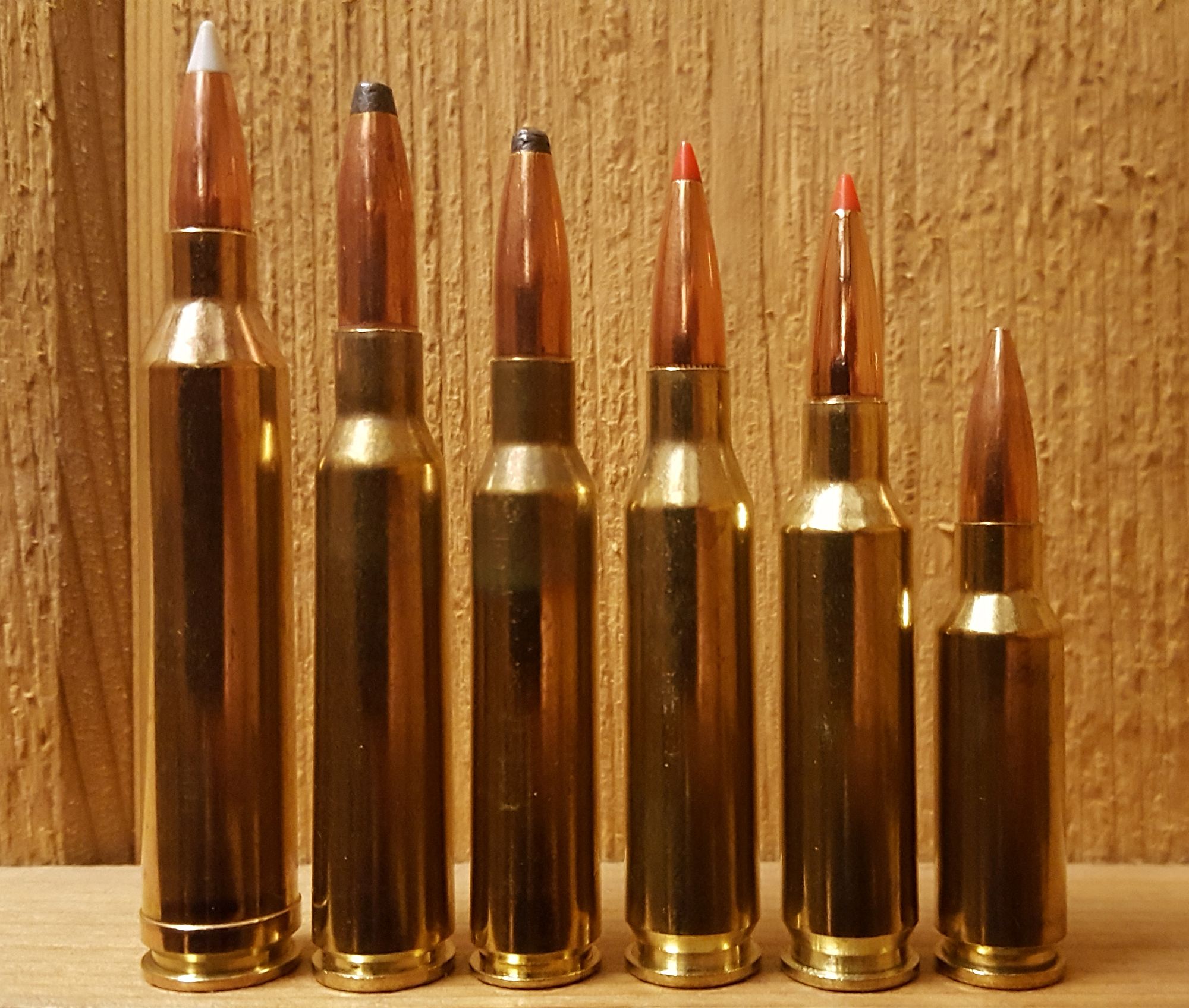
Few recent cartridges have influenced hunting conversation as quickly as the 6.5 Creedmoor. Originally celebrated for target accuracy and efficient ballistics, it moved into hunting by showing that manageable recoil and high-performance bullets could be a very effective combination in the field. It appealed to shooters who valued precision as much as tradition.
Its broader impact was cultural as well as technical. The 6.5 Creedmoor arrived during an era of online debate, ballistic apps, factory match ammo, and crossover rifles built for both range work and hunting season. It fit that world perfectly and became shorthand for a new style of informed, data-friendly hunter.
Whether admired or mocked, its influence is undeniable. It helped update what many people expect from a modern hunting cartridge.
.375 H&H Magnum

The .375 H&H Magnum occupies a special place because it represents the global side of hunting culture. Developed for dangerous game and large animals, it became a respected standard for hunters traveling beyond local deer woods into African safaris and other heavyweight pursuits. Its name alone evokes a more formal, expedition-minded tradition.
Yet its influence reached farther than the small number of people who actually needed it. Magazine stories, campfire retellings, and classic safari imagery gave the .375 H&H a mythic presence. It symbolized seriousness, competence, and a willingness to hunt where stakes were genuinely high.
That aura mattered. Even for everyday hunters, the .375 H&H helped define the romance of the faraway hunt and the cartridge as a passport to adventure.