Bolt-action rifles have influenced military history, sporting firearms, and precision shooting for more than 150 years. Their development involved much more than improving accuracy. Engineers experimented with locking systems, ammunition, magazine designs, manufacturing methods, and safer, more efficient operation. Some rifles became influential through military adoption, while others introduced engineering ideas that later manufacturers refined. The following 10 rifles stand out for documented historical importance and identifiable contributions to modern rifle design, with key dates and numerical details explaining why each model deserves recognition.
1. Mauser Gewehr 98 (1898)
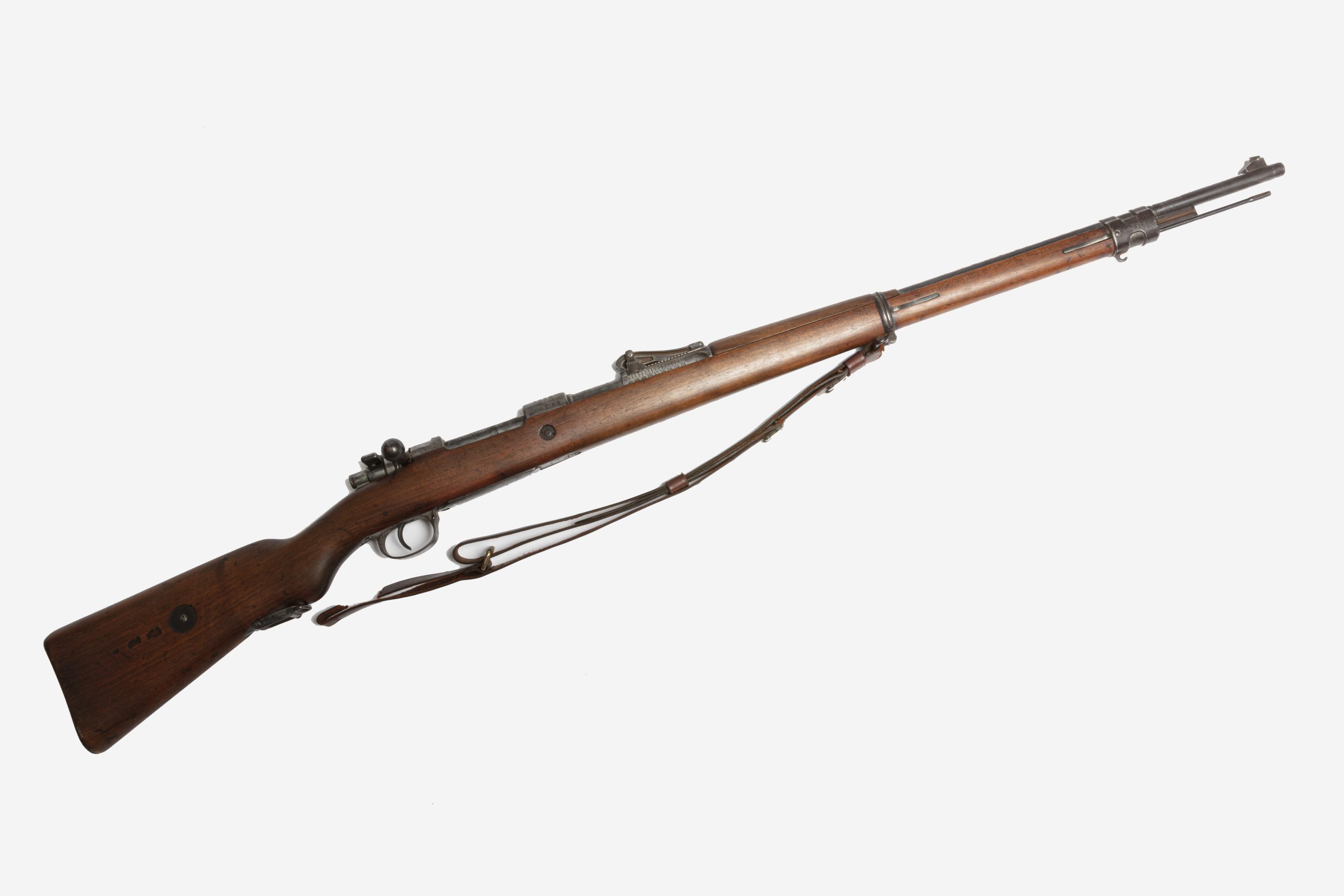
Adopted by Germany in 1898, the Gewehr 98 helped establish the Mauser action as a lasting reference point for bolt-action design. Its large receiver, dual front locking lugs, controlled-round feed, and long claw extractor were built around reliable cartridge handling. The rifle used 7.92×57mm ammunition and a five-round internal magazine loaded with stripper clips. Its influence reached far beyond German service: later military rifles and sporting actions borrowed or adapted key Mauser principles, making the Gewehr 98 a foundational design rather than simply a famous battlefield rifle.
2. Lee-Enfield Rifle, Short Magazine (1904)
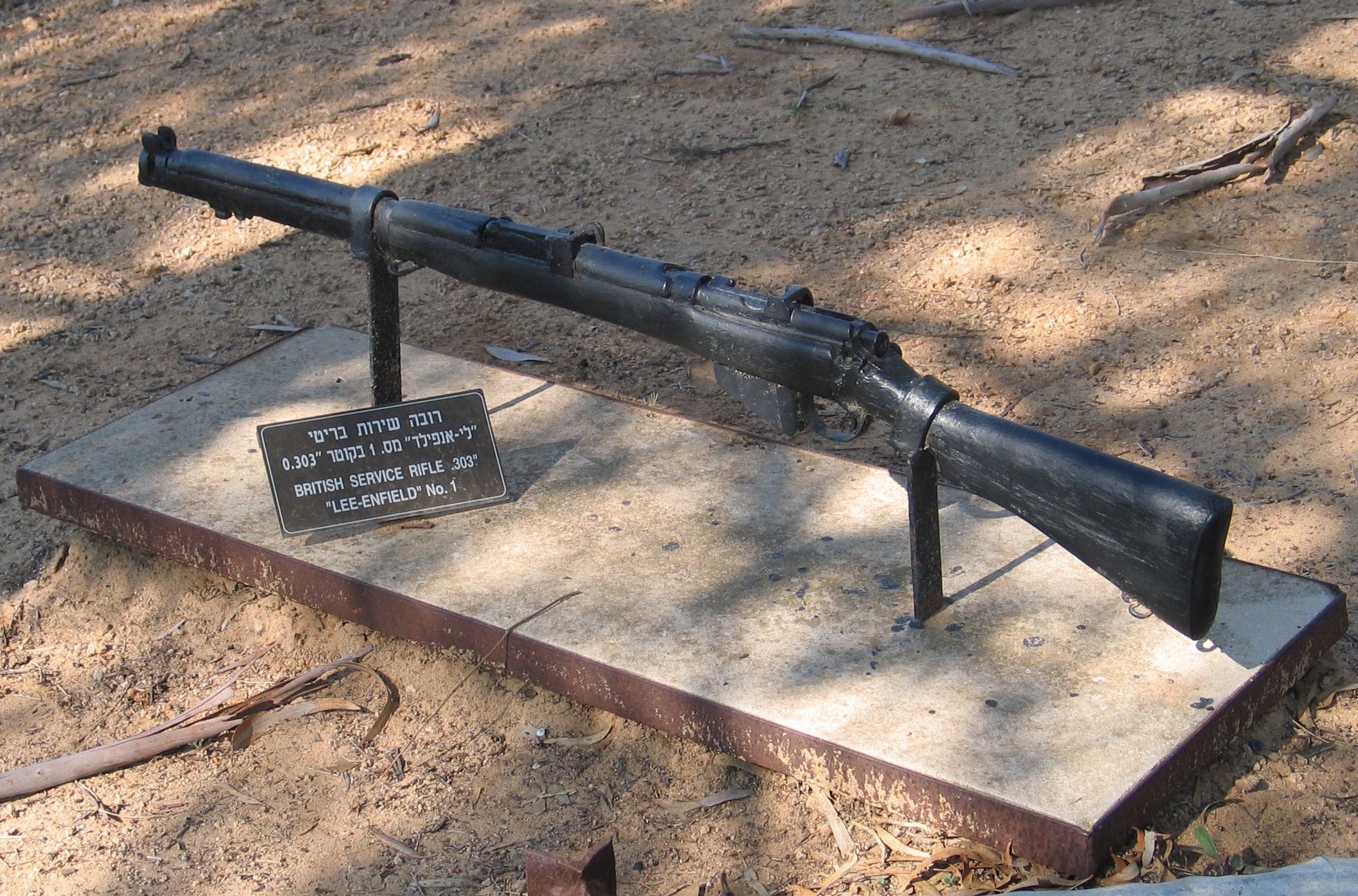
Britain’s Short Magazine Lee-Enfield, adopted in 1904, addressed the need for one service rifle suited to both infantry and mounted troops. Chambered in .303 British, it held ten rounds in a detachable magazine, an unusually generous capacity for its era. Its rear-locking bolt and short bolt lift supported a smooth cycling action, while training and practice helped soldiers exploit its fast operation. The SMLE became central to British and Commonwealth service through two world wars, showing how magazine capacity, handling and user familiarity could matter as much as a rifle’s headline range.
3. Mosin-Nagant Model 1891
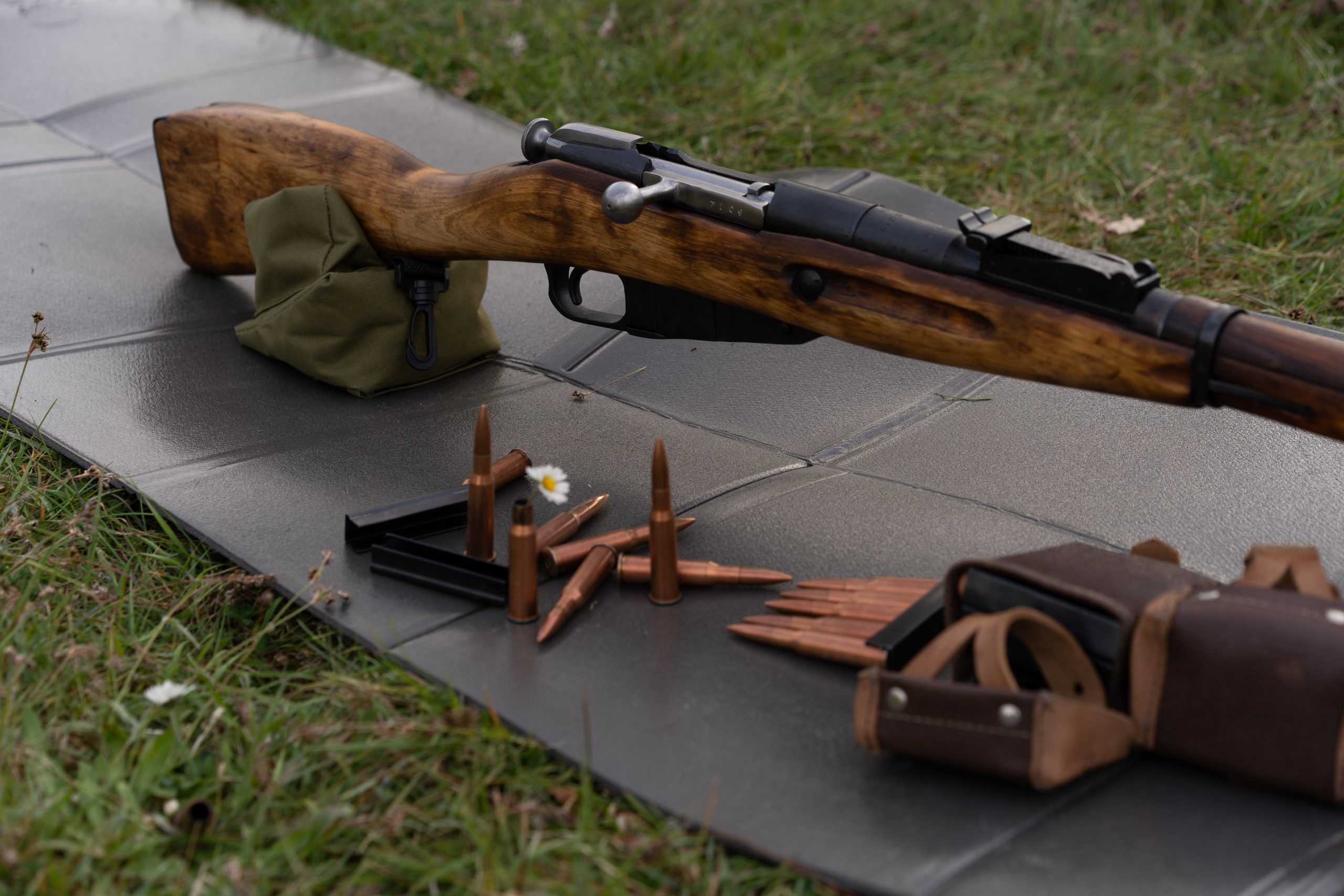
Adopted by Russia in 1891, the Mosin-Nagant became one of the longest-serving military bolt-action families. It fired 7.62×54mmR ammunition and used a five-round internal magazine, with a rimmed cartridge that demanded careful feed geometry. Its design was straightforward to manufacture and maintain, qualities suited to enormous production demands for decades. Variants served through both world wars. The rifle’s longevity illustrates a key engineering lesson: a serviceable design can remain relevant for decades when factories, ammunition supply, and military training are built around it.
4. U.S. Rifle, Model 1903 Springfield
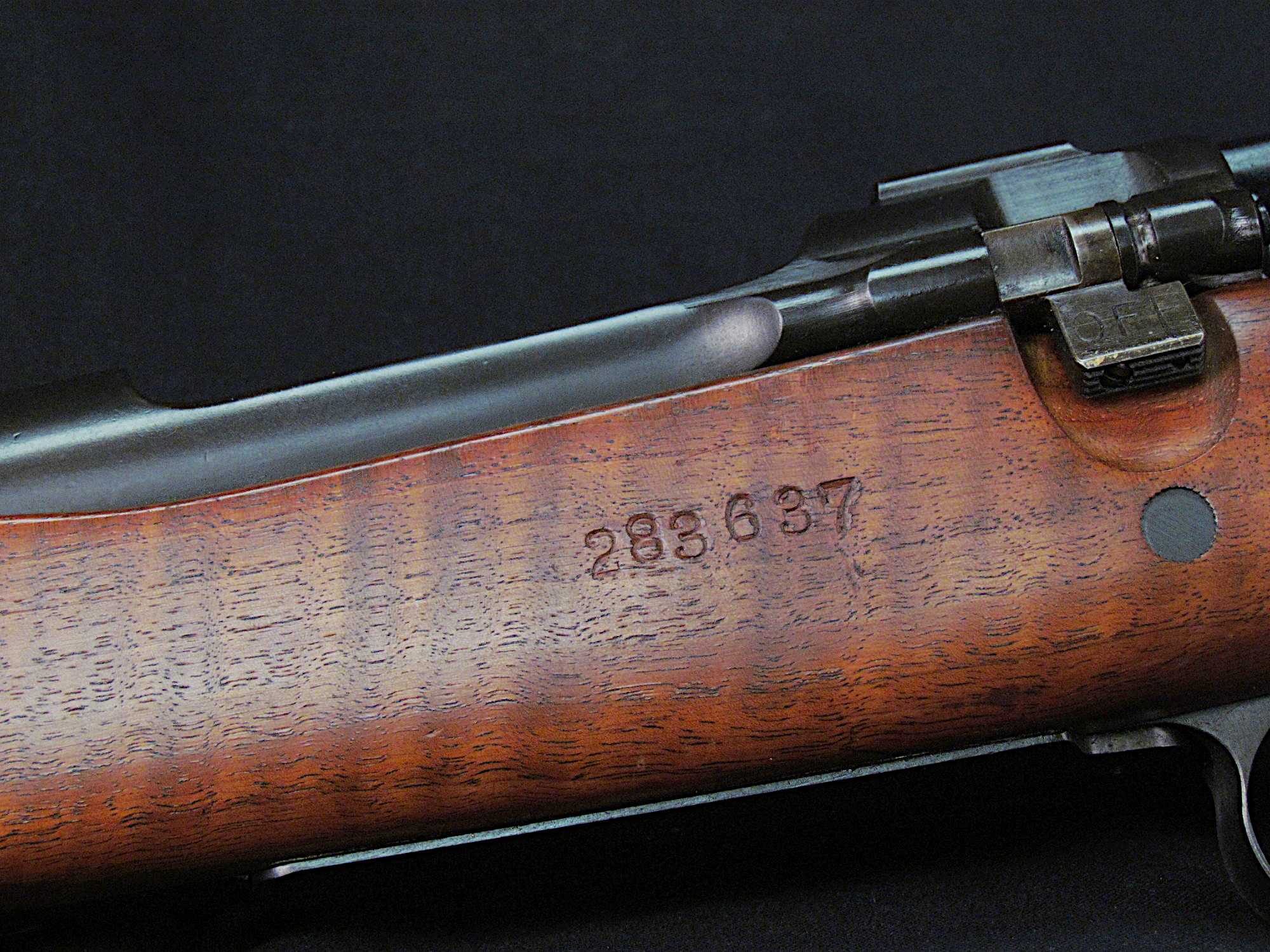
The U.S. Model 1903 Springfield entered service in 1903 after American troops encountered the effectiveness of Spanish Mauser rifles during the 1898 war. Chambered in .30-06 Springfield and fitted with a five-round magazine, it drew heavily on Mauser action principles, leading to a patent dispute and settlement. The rifle became known for solid construction and accuracy. Springfield Armory made over a million by 1936, with more produced at Rock Island Arsenal. Its story shows how battlefield experience can drive adoption and how one nation’s design choices can influence another’s.
5. U.S. Rifle, Model 1917 Enfield
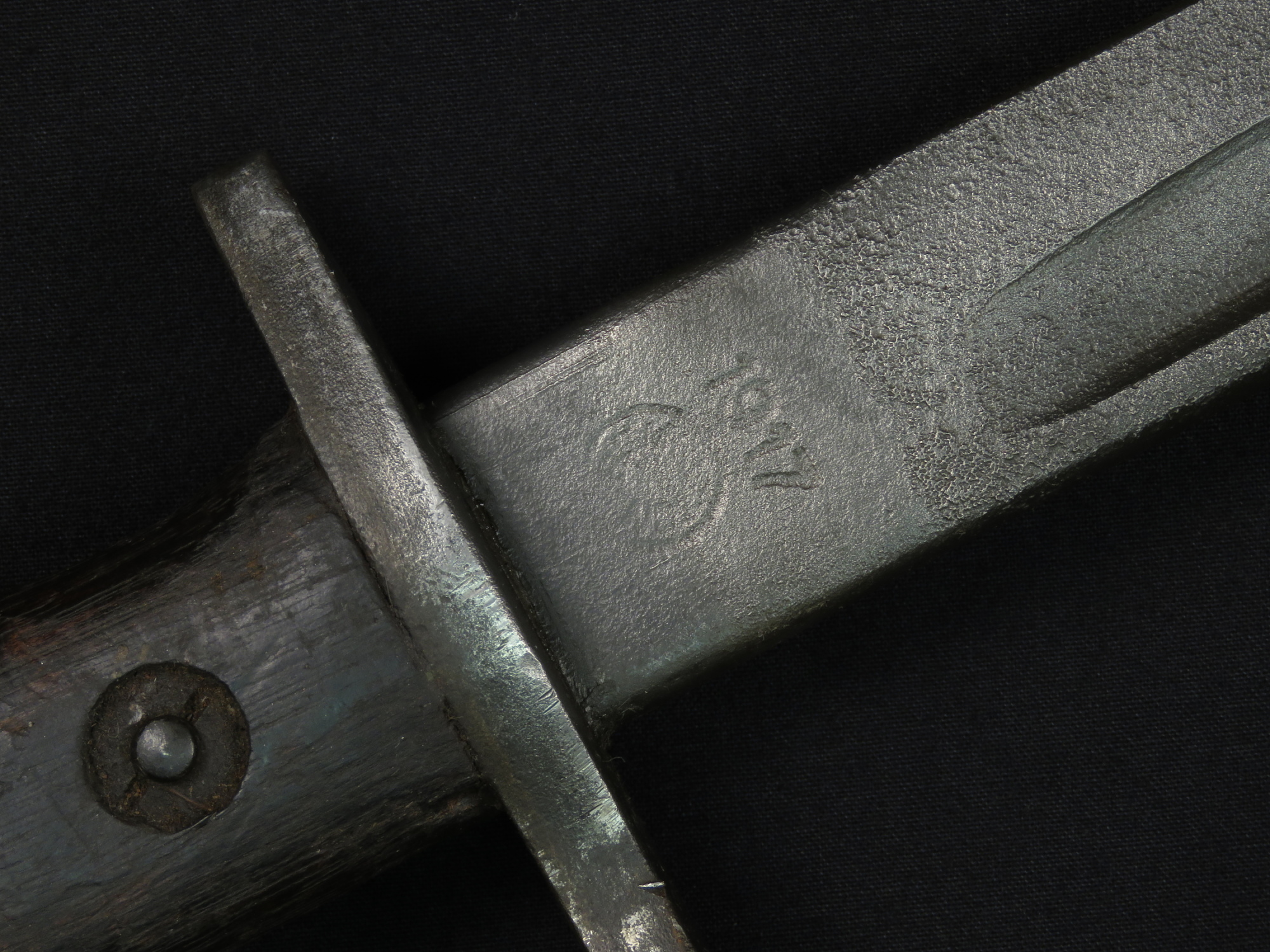
The U.S. Model 1917 grew from the British Pattern 1914 design and was adapted to fire .30-06 Springfield for American service in World War I. Its six-round magazine and robust Mauser-derived action made it a practical solution when Model 1903 production could not meet demand. U.S. forces used the M1917 in greater numbers than the Springfield during much of the war. Its legacy continued after 1918: the action informed commercial sporting rifles, including Remington designs that eventually led toward the Model 700 family. It linked wartime mass production with later civilian rifle development.
6. Arisaka Type 38

Japan adopted the Arisaka Type 38 in 1905, and the rifle remained in service through much of the first half of the 20th century. It was chambered for the 6.5×50mmSR cartridge and used a five-round internal magazine with stripper-clip loading. The Type 38 is notable for its long service life and for the way its bolt-action system was adapted to Japan’s military requirements and manufacturing base. Later Arisaka models reflected changing ammunition and battlefield priorities. Together, these rifles show that modern bolt-action history was not shaped by European and American designs alone.
7. Männlicher M1895
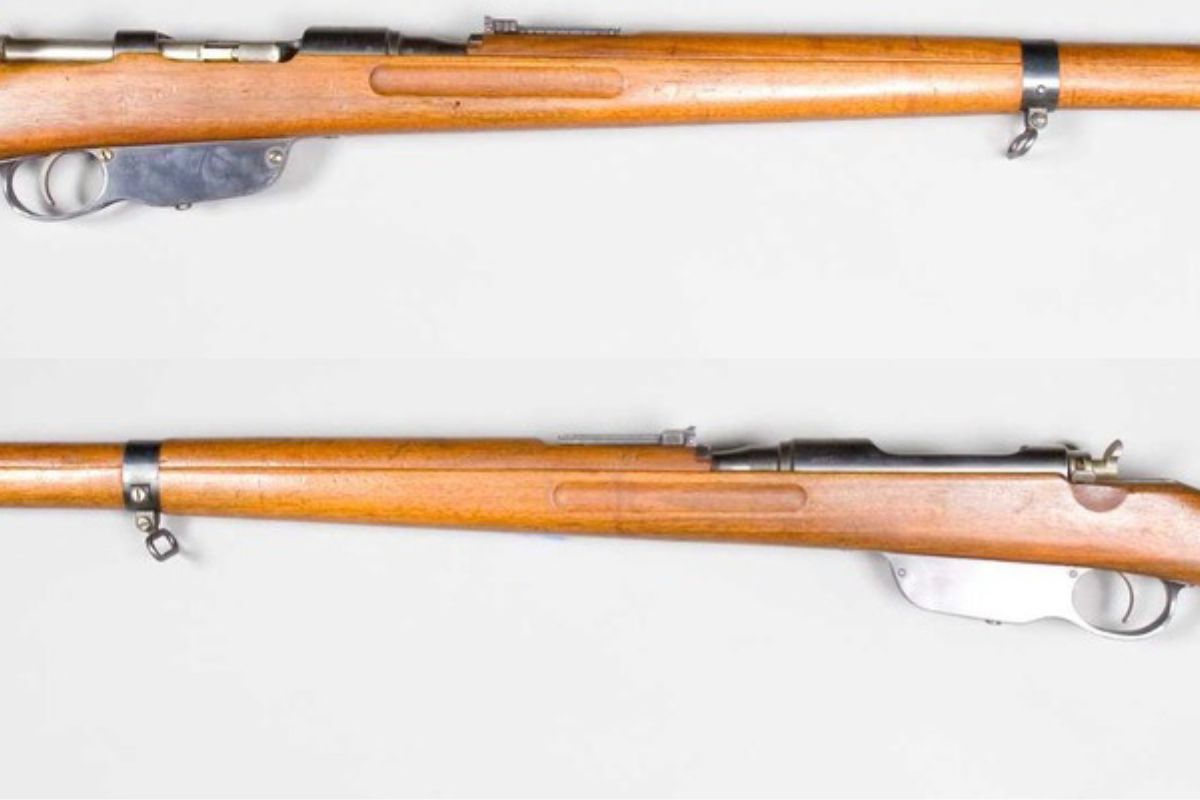
The Austro-Hungarian Mannlicher M1895, adopted in 1895, stood apart from many contemporaries through its straight-pull bolt. Instead of rotating the bolt handle to lock and unlock the action, the shooter moved it directly back and forward, while internal camming surfaces handled the mechanical work. It used a five-round en-bloc clip and was chambered in 8×50mmR originally, with later conversions to other cartridges. The design offered a distinctive approach to operation, and its long service across Central European armies makes it an important alternative in bolt-action engineering history.
8. Karabiner 98k
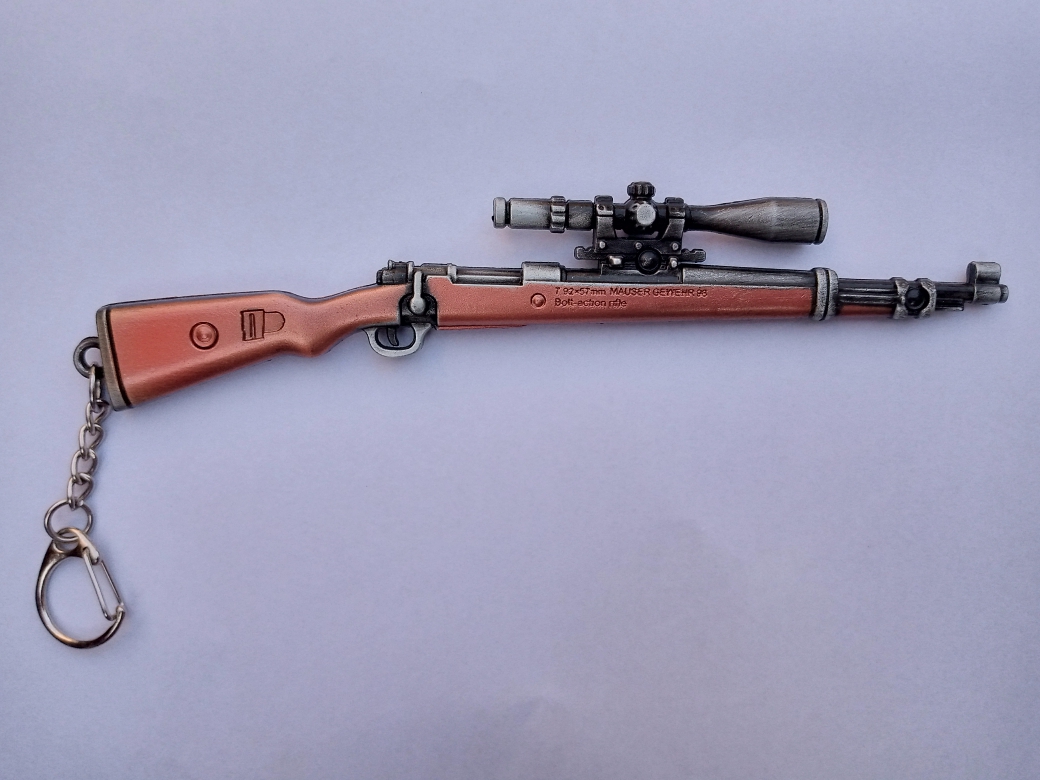
Introduced in 1935, Germany’s Karabiner 98k was a shortened service rifle based on the Mauser 98 action. It fired 7.92×57mm ammunition from a five-round internal magazine and retained controlled-round feeding and a strong claw extractor. Its significance lies less in a wholly new mechanism than in refining an established action into a standardized military platform. Produced in large numbers during World War II, it became one of the best-known bolt-action rifles of the 20th century. Its widespread use helped preserve the Mauser pattern as a reference for later military and sporting designs.
9. Winchester Model 70
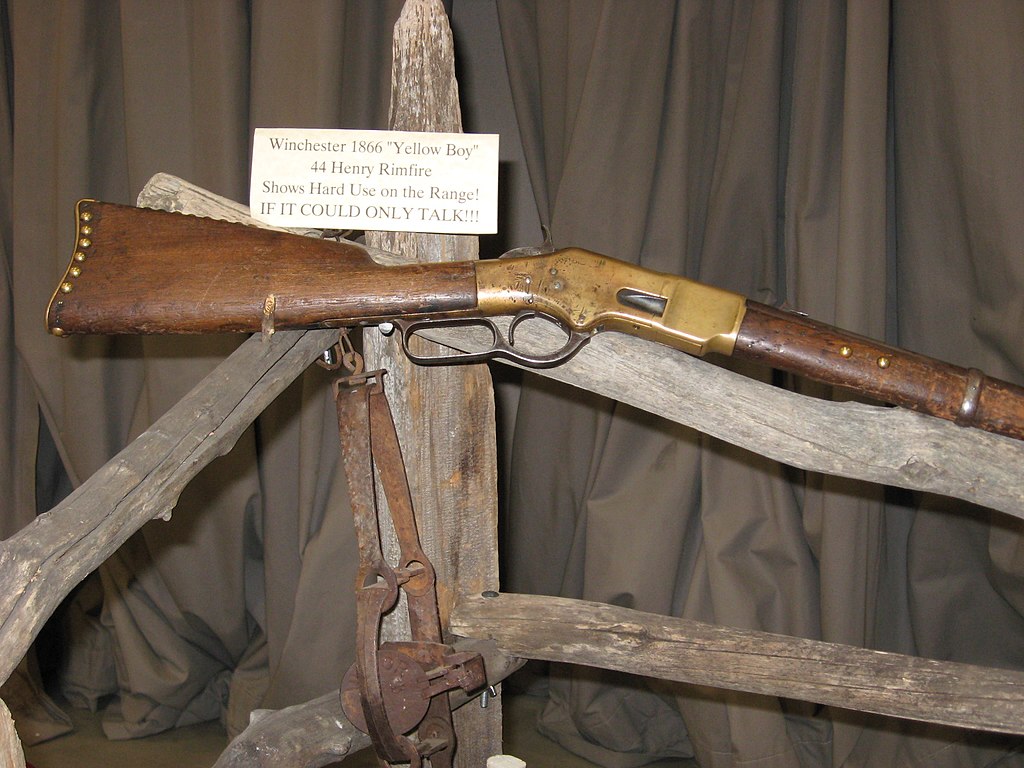
Introduced in 1936, the Winchester Model 70 helped define the modern American sporting bolt-action rifle. Early versions combined a Mauser-influenced feed system with hunter-oriented features, including a three-position safety and five-round internal magazine. Its design evolved over time, and the major 1964 redesign changed important manufacturing and feeding details. The Model 70 became known for its range of chamberings, field handling, and precision use. Its long history shows how a sporting rifle can shape expectations for safety controls, stock fit, and flexible sporting configurations.
10. Remington Model 700
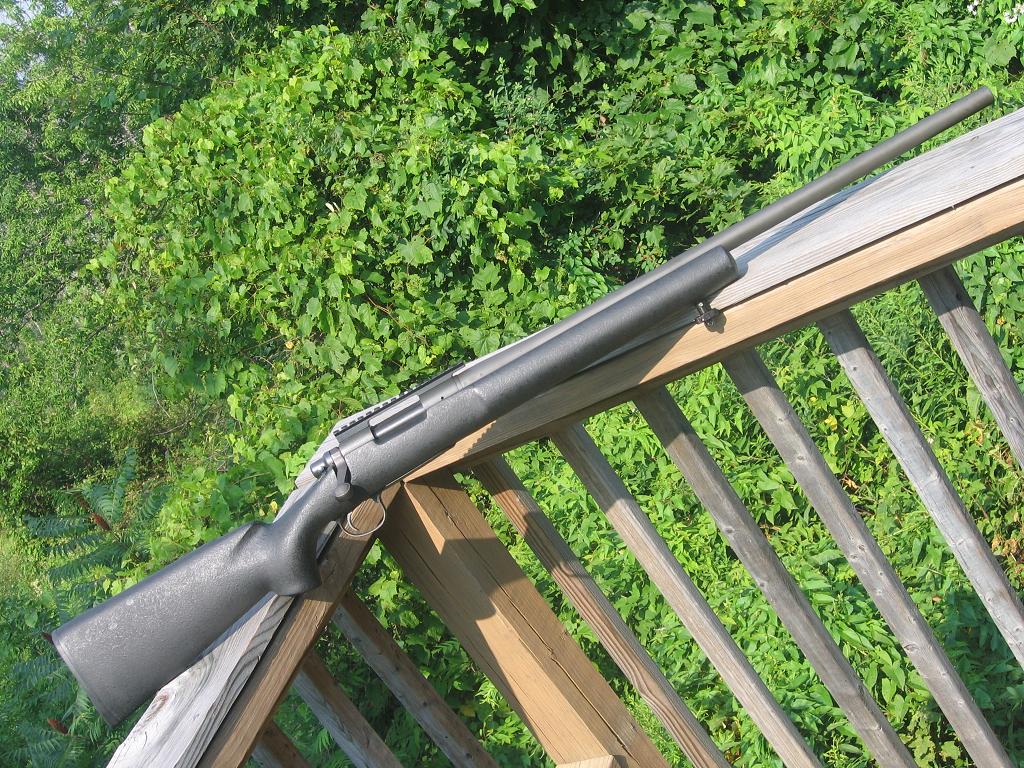
Launched in 1962, the Remington Model 700 made a major mark by pairing a modern, economical receiver design with broad sporting-market appeal. Developed under engineer Mike Walker, it used a cylindrical receiver and a bolt face seated within the receiver ring, a layout often described as “three rings of steel.” The platform appeared in numerous chamberings and configurations, and its action later formed the basis of the U.S. Army’s M24 sniper weapon system. Its influence remains clear in precision rifles, where aftermarket stocks, triggers, and chassis use the Model 700 footprint.