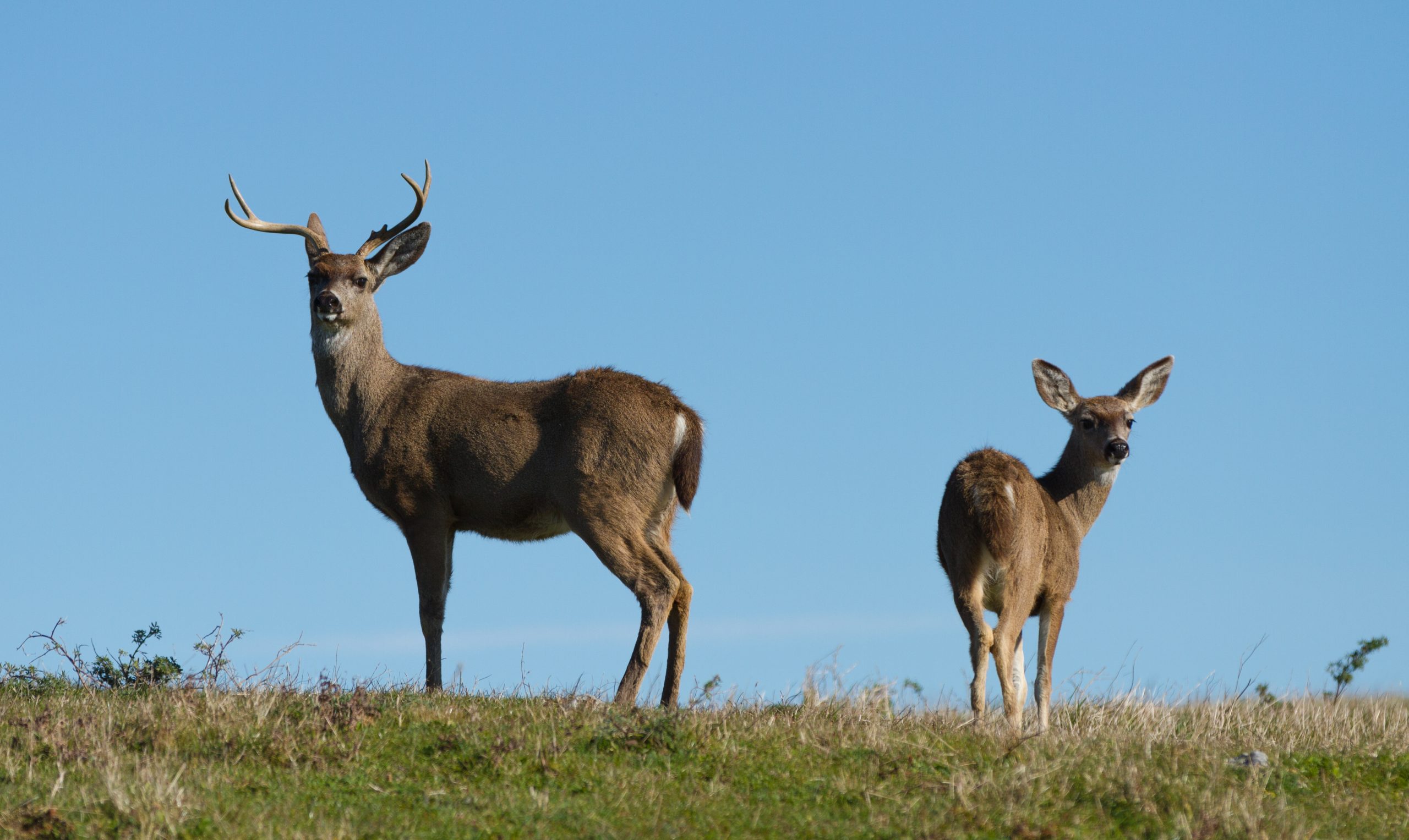
Blacktail deer can be surprisingly difficult to understand, even for hunters familiar with other North American deer. Found in the coastal forests of the Pacific Northwest and parts of Alaska, these deer live in environments where thick vegetation, frequent rain, and changing food supplies influence their daily routines. Their habits also differ between the Columbian and Sitka subspecies. Successful field observation starts with recognizing that familiar assumptions about deer do not always apply to blacktails. These eight common misunderstandings explain how habitat, movement, feeding patterns, and natural behavior can make them challenging animals to study and hunt.
1. Blacktails Are Not Simply Smaller Mule Deer
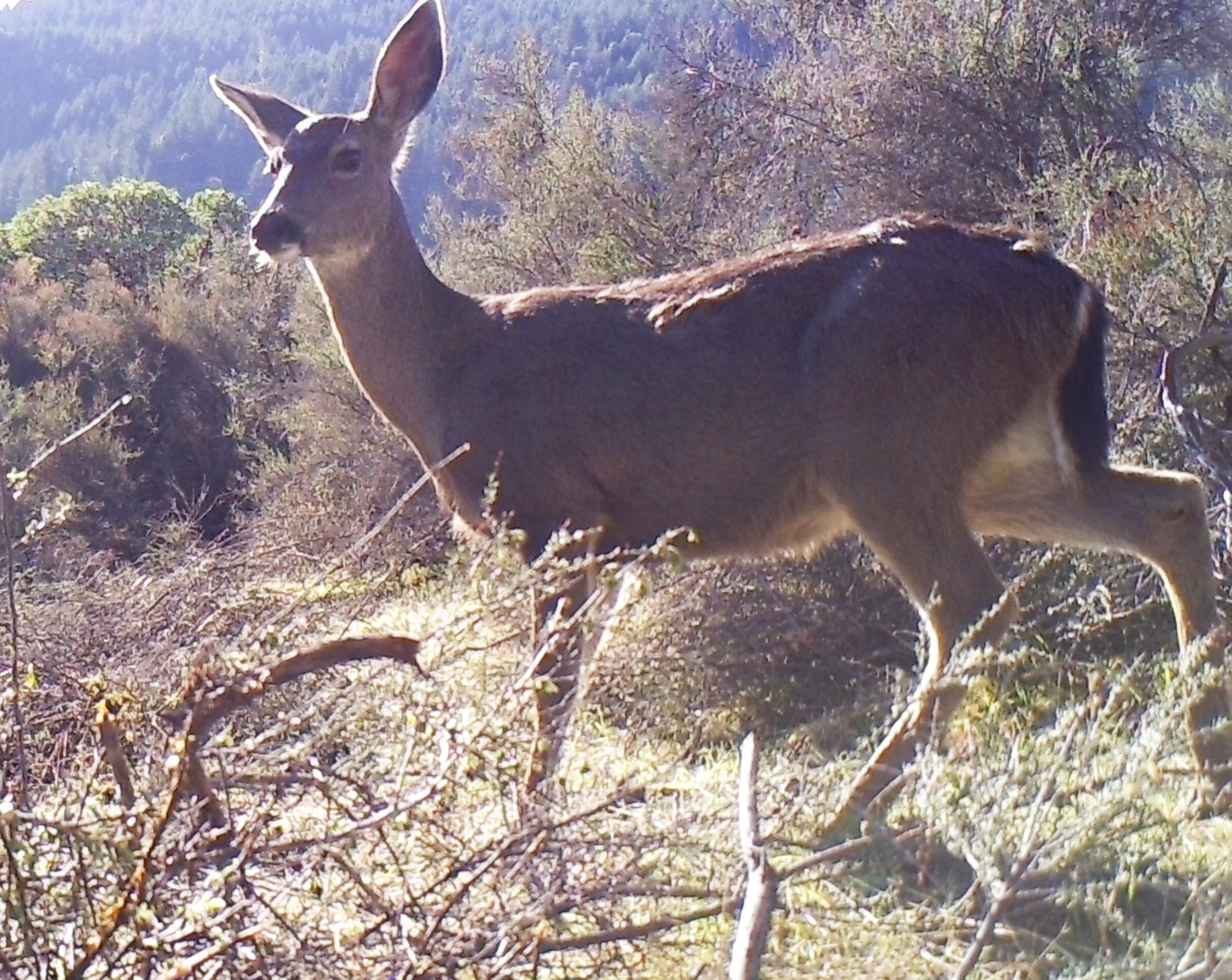
Blacktail deer are subspecies of mule deer, but they are not simply miniature copies. Columbian blacktails commonly inhabit western Oregon, Washington, coastal British Columbia, and northern California, while Sitka blacktails occupy coastal areas farther north, including Southeast Alaska. Their bodies, antlers, and habitat use vary by subspecies and region. Adult Columbian blacktail bucks may weigh roughly 140 to 200 pounds, while Sitka bucks average about 120 pounds in October. Local conditions matter, so regional guides may not describe every blacktail.
2. Dense Cover Does Not Mean Deer Never Use Open Ground
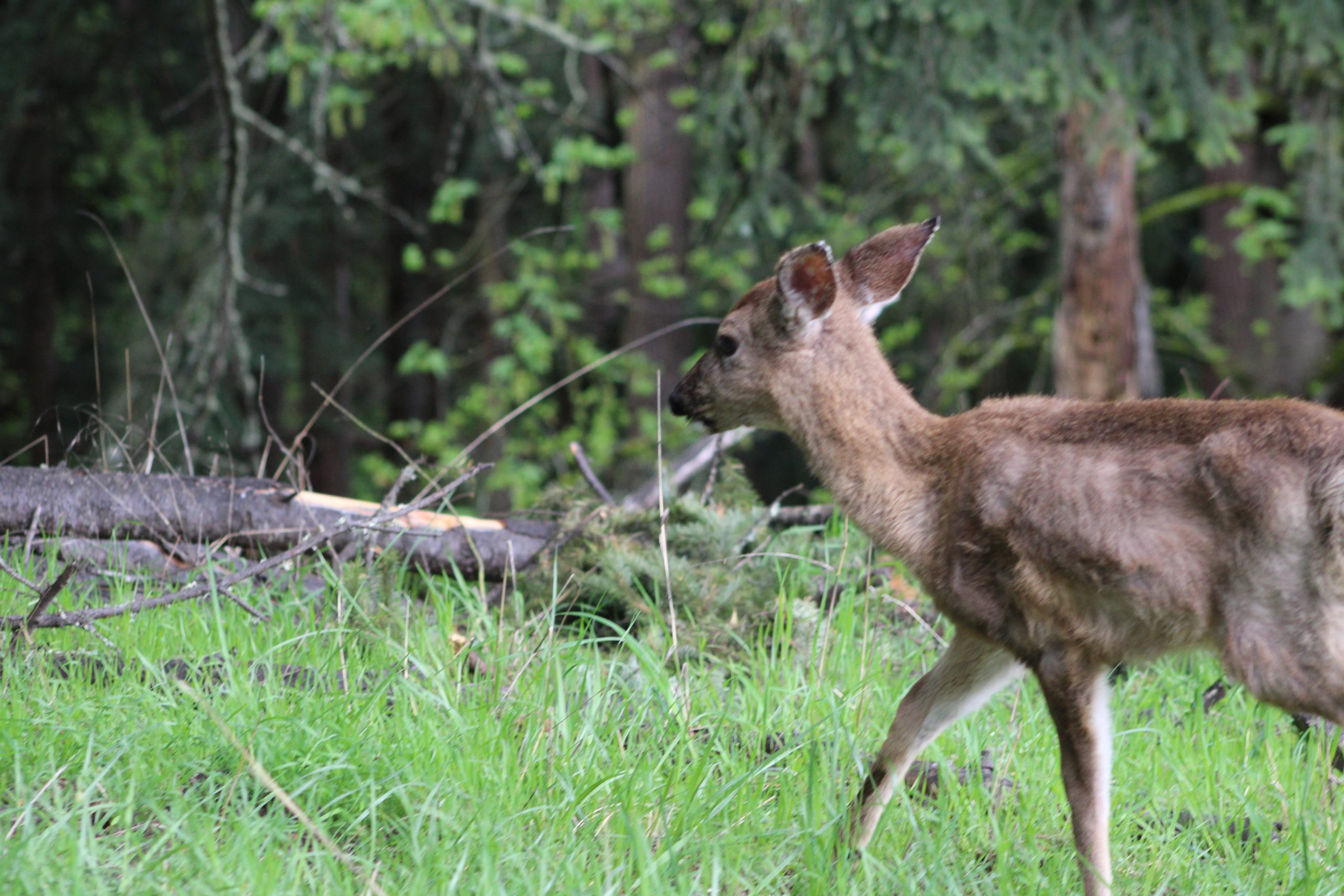
Blacktails often bed in thick timber or brush, but they also need places to feed. Recently logged areas, forest edges, burns, and small openings can produce grasses, forbs, and shrubs that attract deer, especially when fresh growth is available. Oregon wildlife guidance describes black-tailed deer using dense cover during the day and more open early-growth habitat around dawn and dusk. A forest made up of 3 or more age classes can provide both food and shelter. Assuming deer stay deep in the woods all day overlooks the transitions between feeding and bedding areas.
3. Their Daily Routine Is Flexible, Not Clockwork
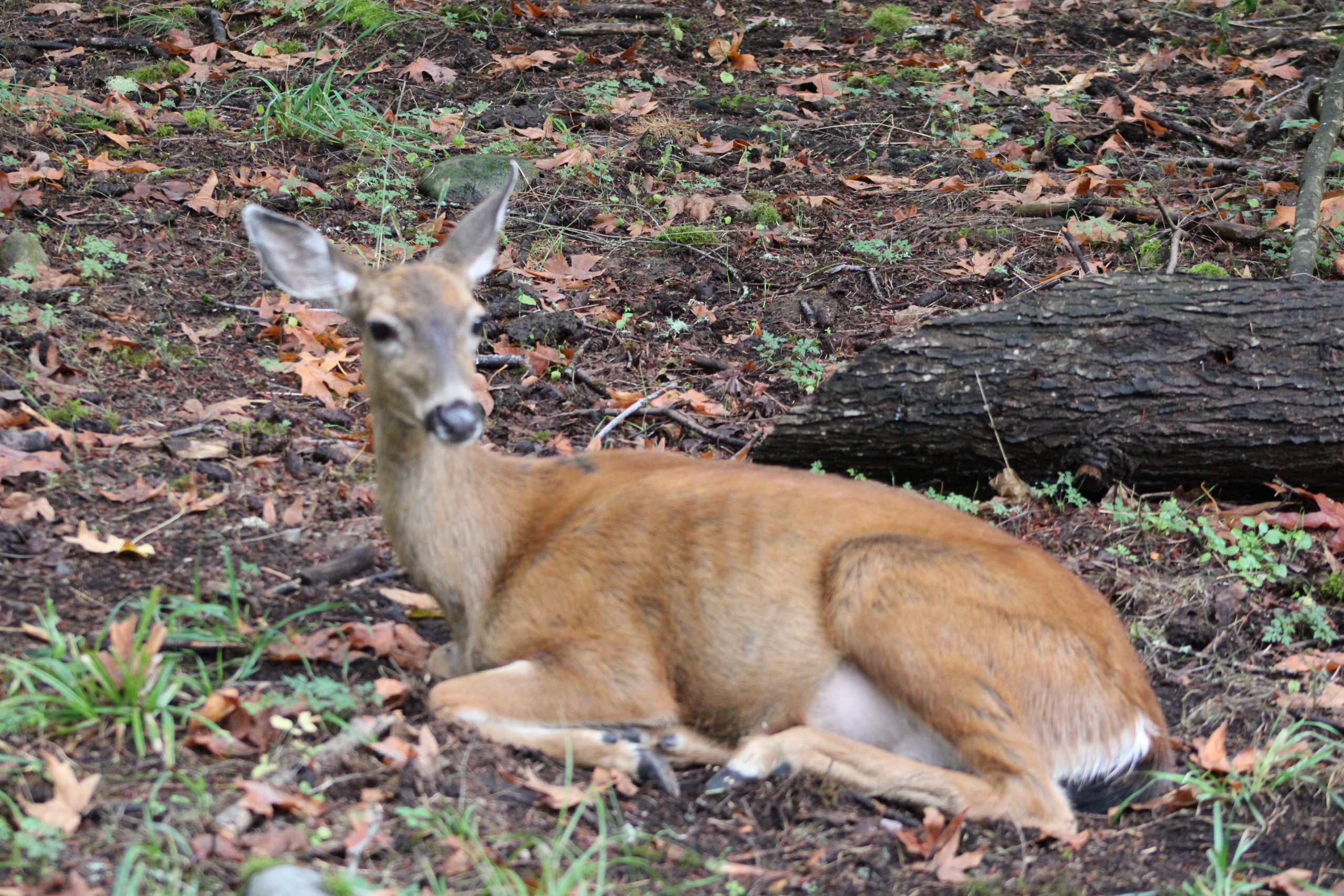
Blacktails are often described as dawn-and-dusk feeders, yet that pattern is a tendency rather than a fixed schedule. Weather, hunting pressure, temperature, food, and human activity can all change when deer move. An animal seen feeding at 6 a.m. one morning may remain under cover at that hour the next day. Deer may also move during daylight when disturbance is low or conditions favor travel. Watching an area for several days can reveal recurring signs, but no single observation proves that a deer will return at the same time. Patience matters more than a rigid timetable.
4. Rain Does Not Make Their Sign Easy to Read
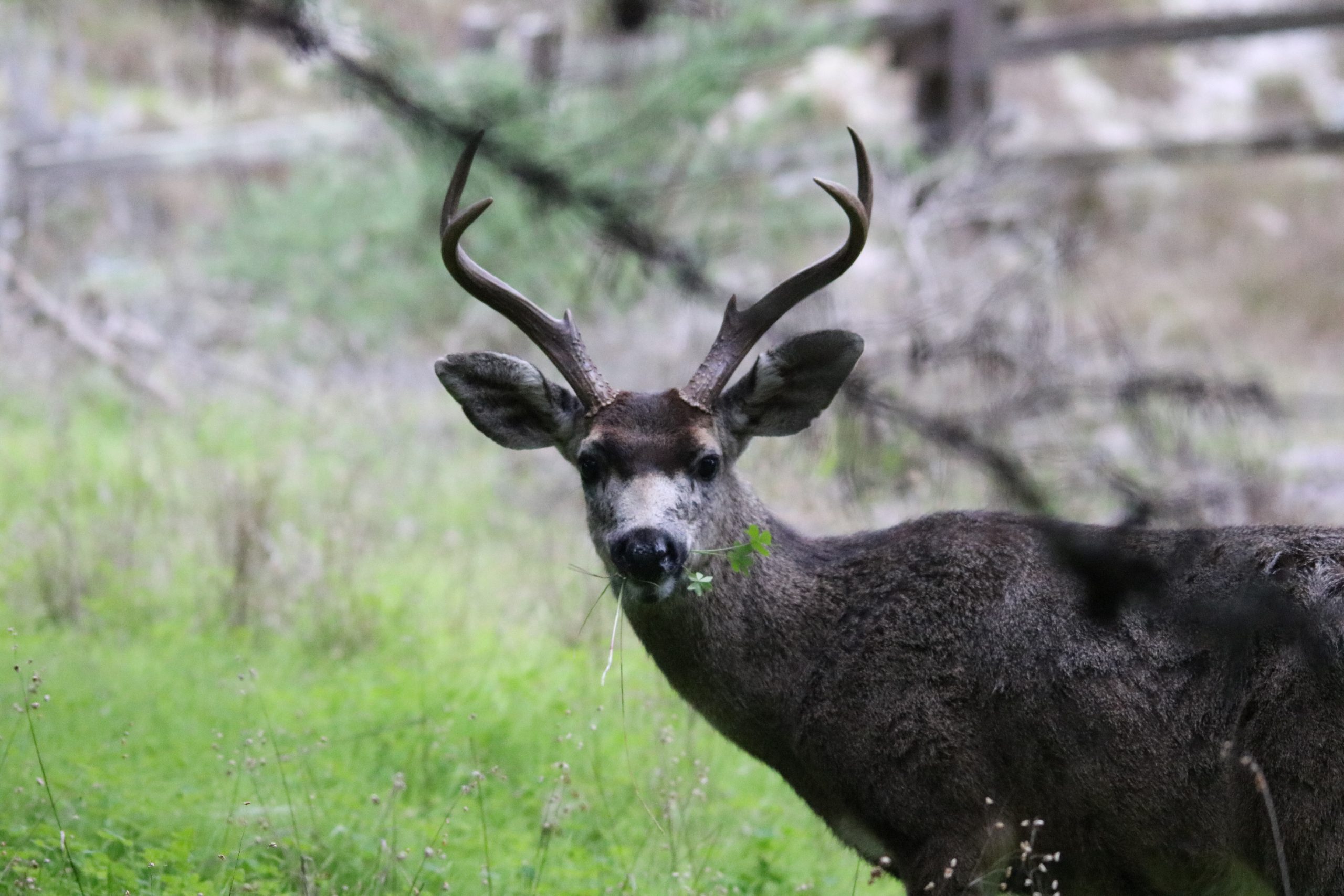
Blacktails live in many wet coastal forests, but persistent rain can complicate scouting rather than make it effortless. Fresh tracks may soften or disappear in saturated soil, while leaf litter and thick understory conceal trails and droppings. Wind can also shift scent and carry sound unpredictably through timber. Look for several clues together, such as tracks, pellet groups, browsed vegetation, and rubs, instead of relying on one mark. Even a track that appears fresh may be difficult to age precisely after 1 night of rain, so treat sign as evidence of use, not proof that a deer is nearby.
5. Their Food Choices Change With the Season
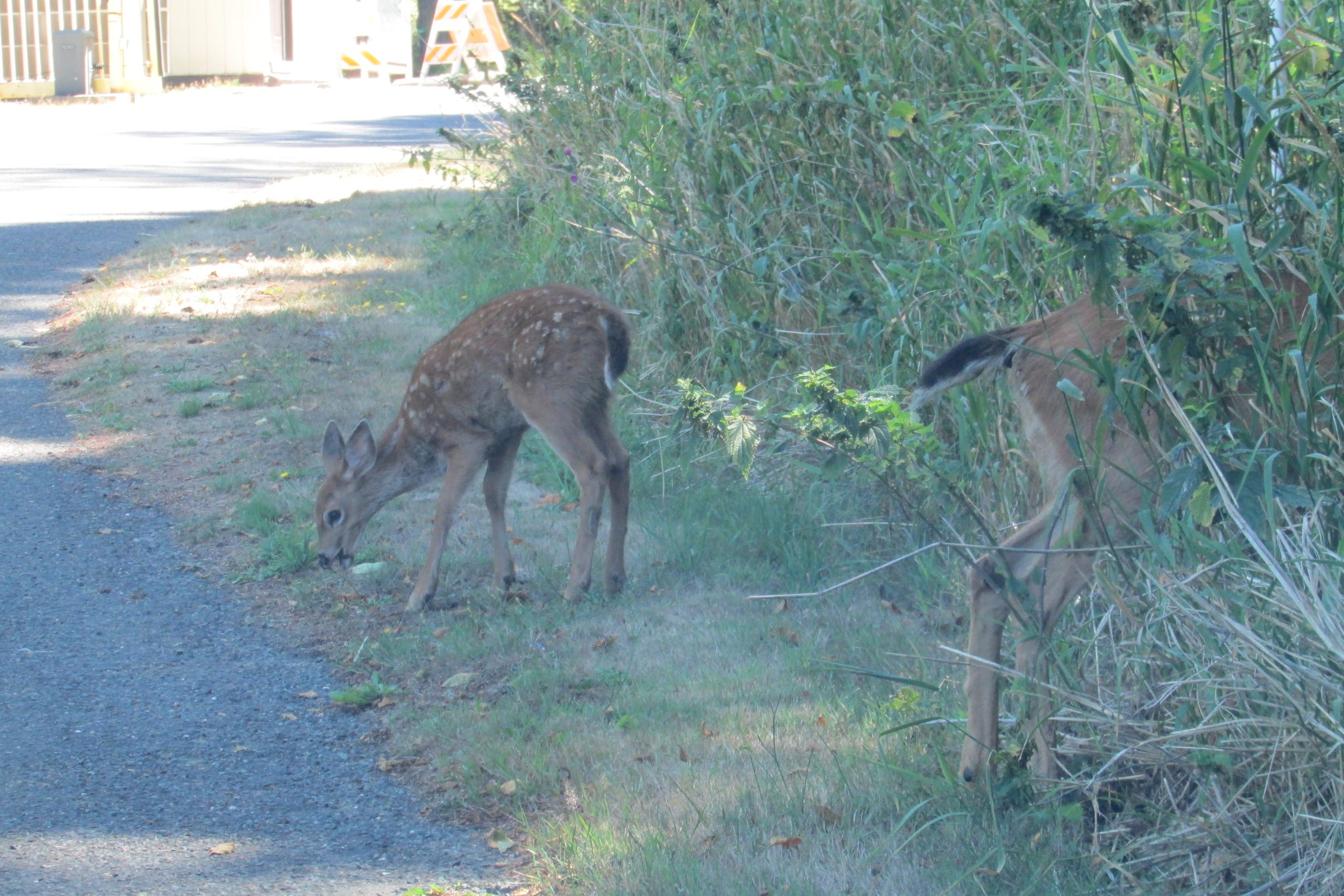
Blacktails are plant eaters, but their diet is not limited to grass or a single favorite browse species. Depending on location and season, they feed on leaves, shrubs, herbaceous plants, berries, lichens, and other available vegetation. Summer growth can offer lush forage, while winter may push deer toward evergreen plants and woody browse. In Southeast Alaska, deep snow can restrict access to food and force deer into forest stands that intercept snowfall. A feeding area that looked productive in July may offer much less in December, so habitat must be read in its seasonal context.
6. Black-Tipped Tails Are Not the Whole Identification Test
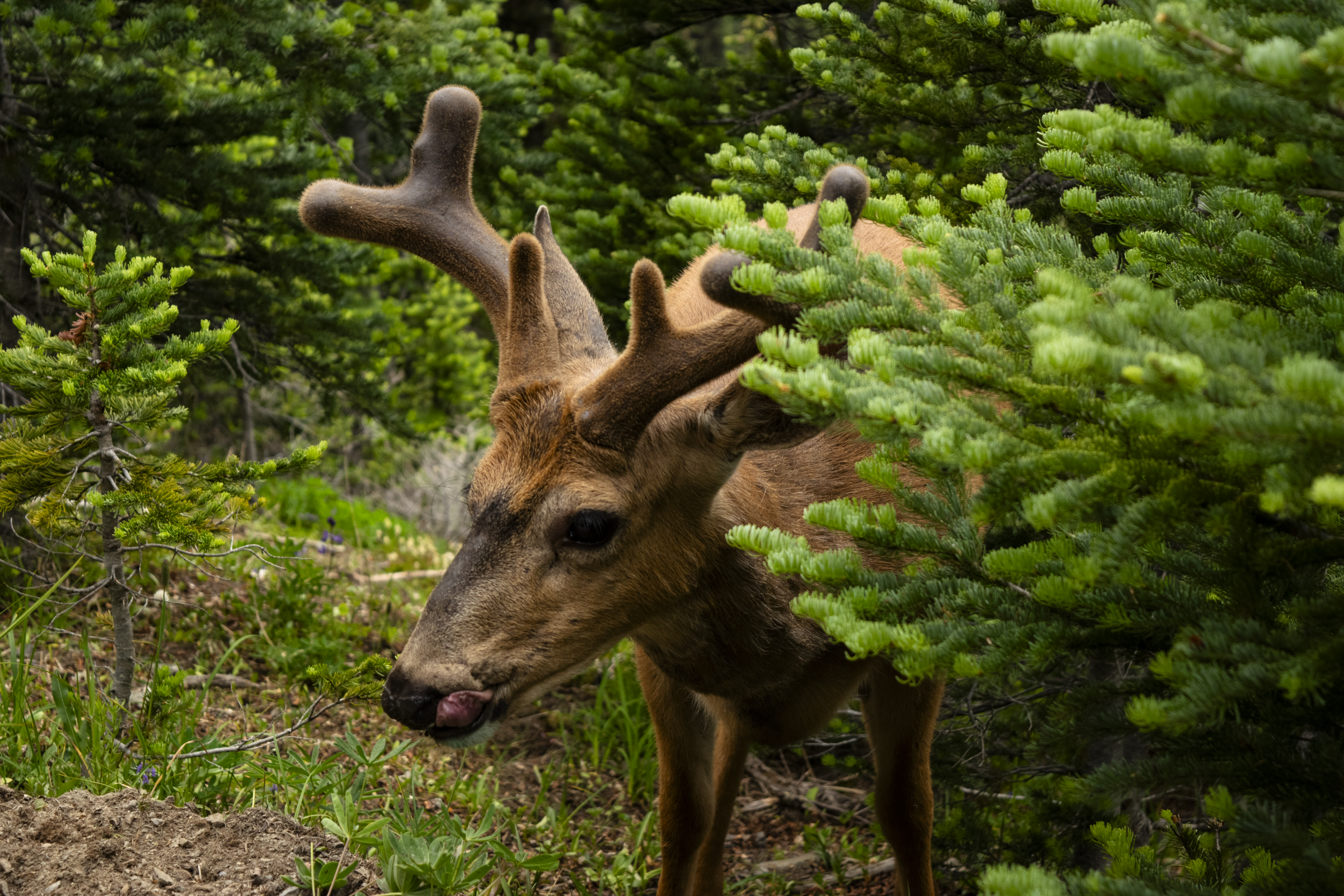
The dark upper surface of a blacktail’s broad tail is a useful clue, but identification should rely on at least 2 features rather than one quick glimpse. Columbian blacktails are generally smaller and darker than many mule deer, and their tail has a dark back with a pale underside. Antler size, body shape, location, and habitat can add context, though overlap and variation make any single feature unreliable. Blacktails and other deer can also occur near range boundaries, where hybrids are documented. Before making an identification, check the local species range and current hunting rules.
7. They Do Not All Stay Within a Tiny Home Range
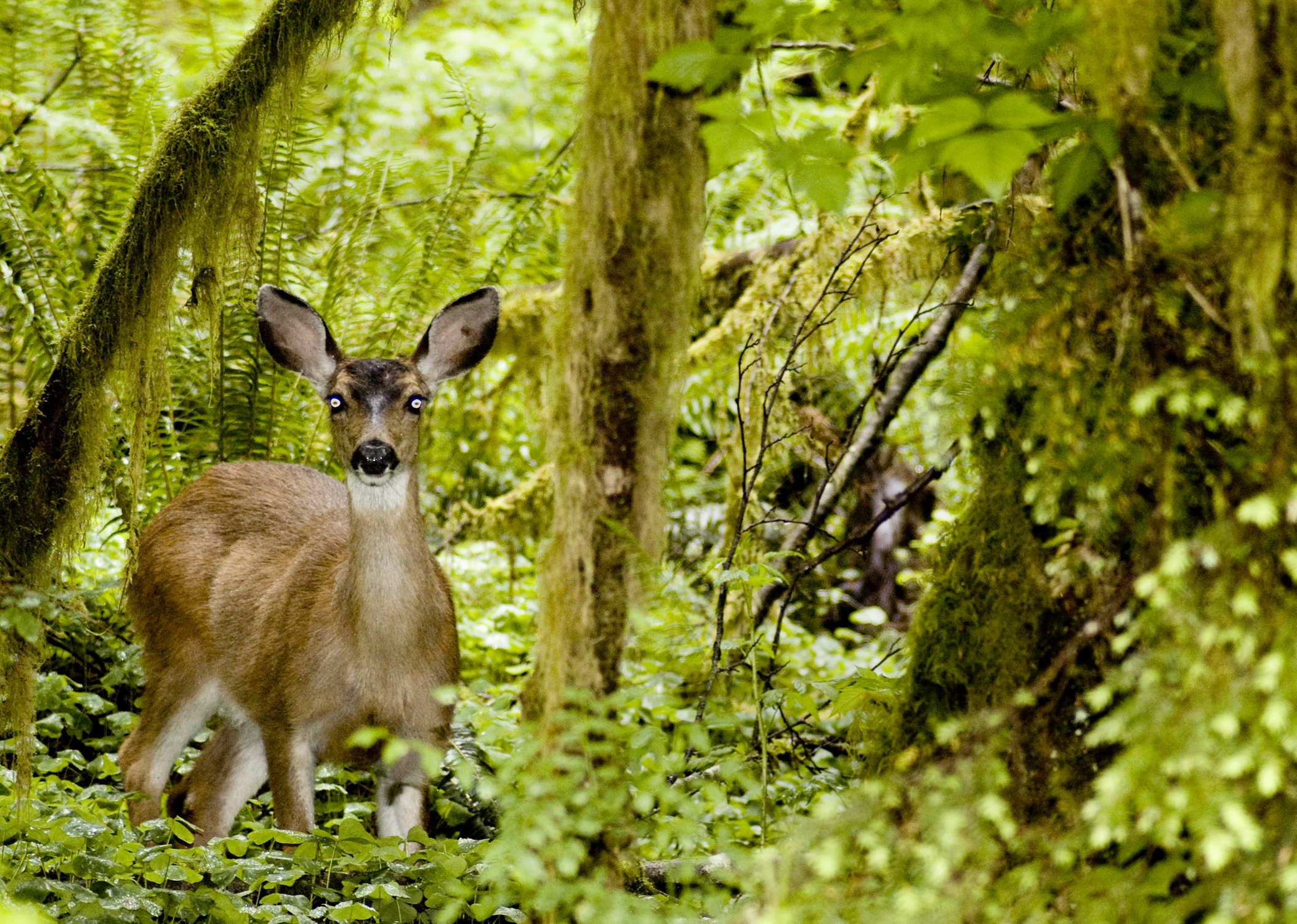
Some blacktails live in relatively compact areas, but movement varies with habitat, season, snow, and whether the deer migrates. Alaska Department of Fish and Game reports Sitka blacktail seasonal home ranges ranging from about 30 to 1,200 acres. For migratory deer, the average distance between summer and winter ranges is around 5 miles; resident animals may shift only about half a mile. These figures describe Sitka deer, not every black-tailed deer population. Terrain and winter conditions can change where deer spend time, so yesterday’s location may tell little of the story.
8. Population Numbers Can Be Harder to Judge Than They Look
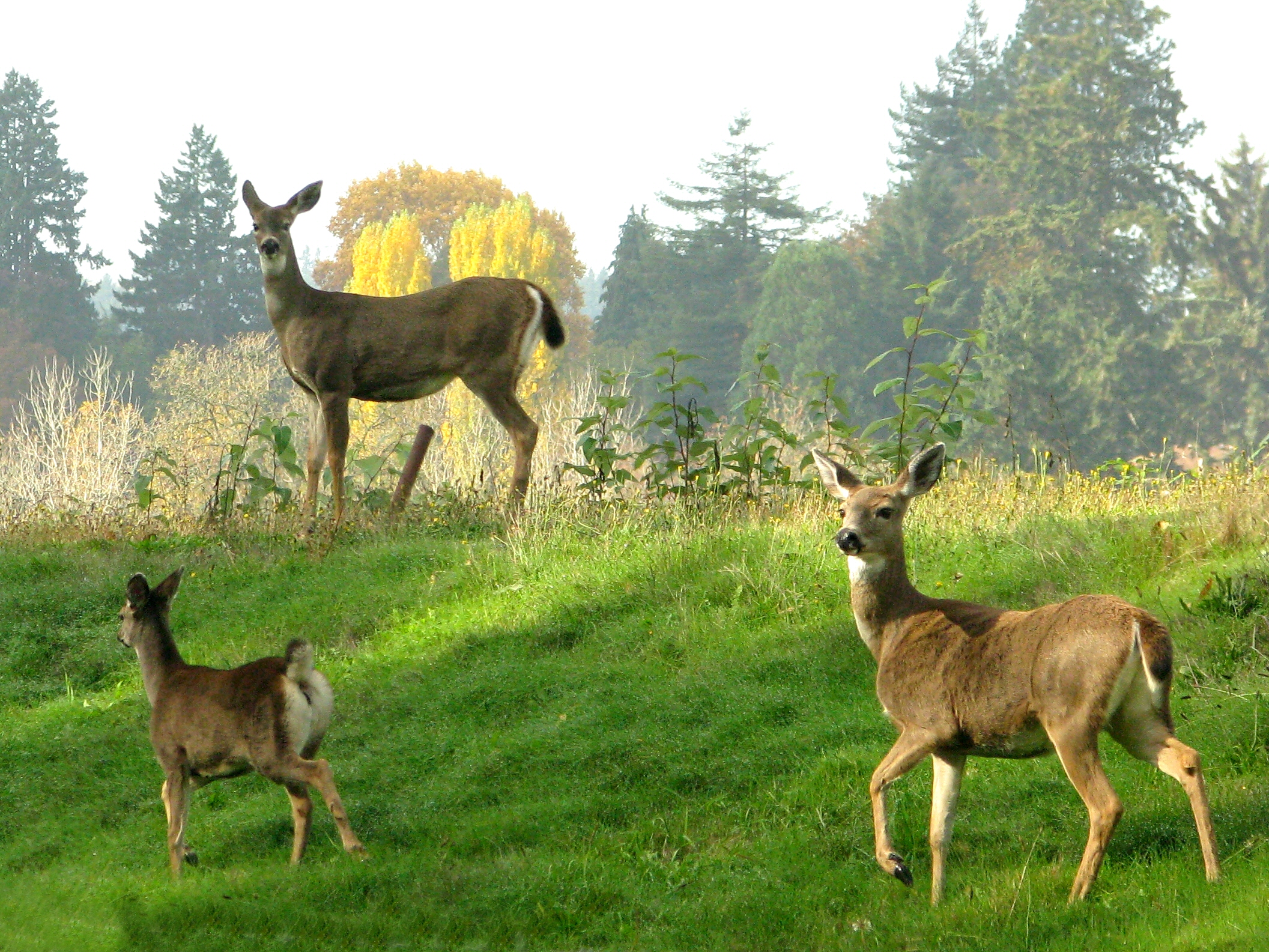
Seeing several black-tailed deer in one clearing does not prove the wider population is abundant. Dense vegetation, rugged terrain, and remote terrain make deer difficult to count, and numbers can vary sharply between nearby watersheds. Weather, forage, forestry practices, predators, disease, and harvest all influence local trends. Managers combine harvest reports, field observations, and surveys rather than relying on sightings. For hunters, accurate harvest and effort reports help improve that picture. One productive outing is useful information, but it is not a reliable population estimate.