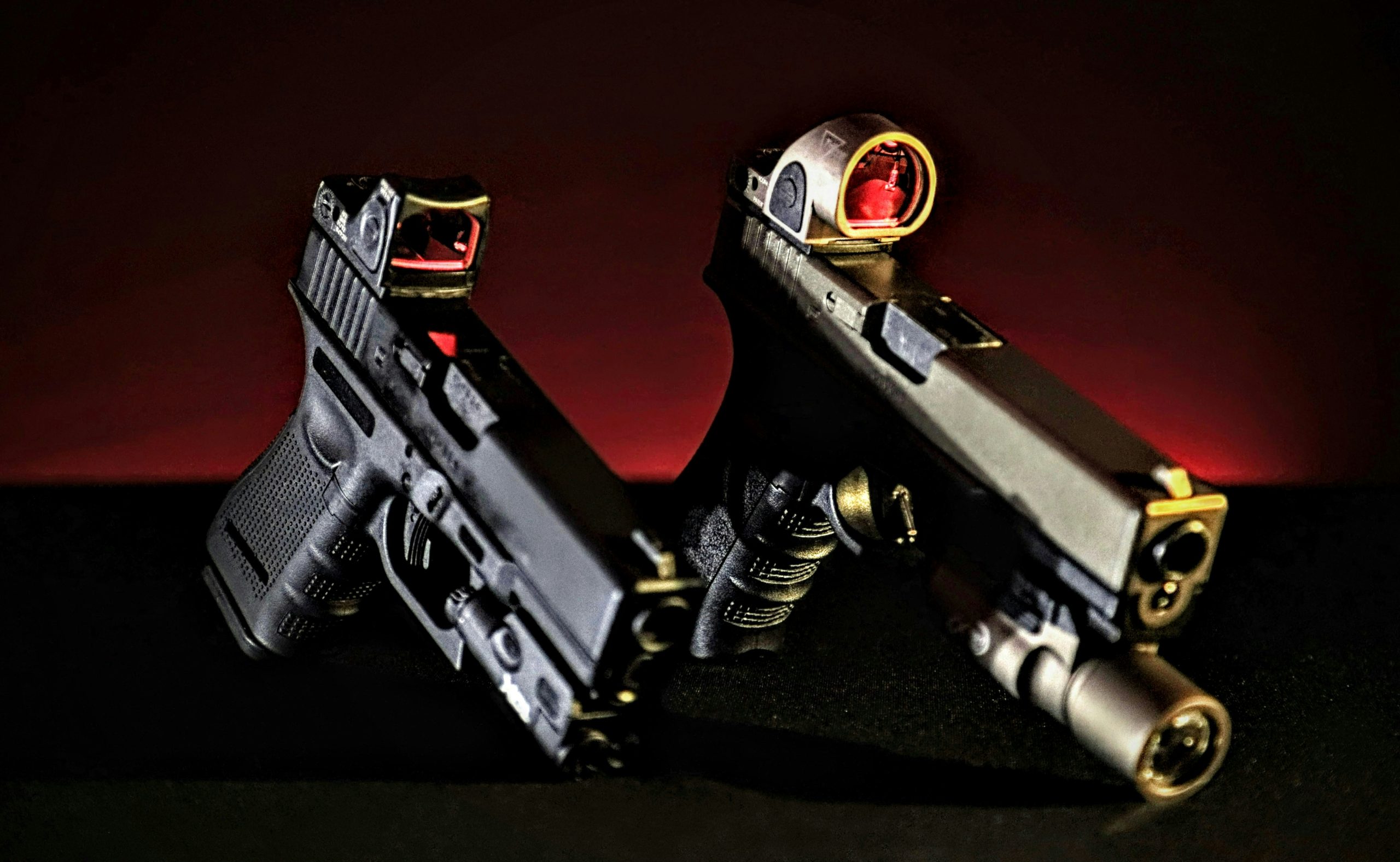
Optics-ready handguns are designed to accommodate compact red-dot sights, giving shooters an alternative to traditional iron sights. These pistols typically feature a specially cut slide, mounting system, or compatible interface that allows an electronic sight to sit securely above the barrel. However, not every optics-ready handgun accepts every red dot, and details such as mounting footprints, sight height, battery access, and durability can affect the overall experience. Understanding these seven factors helps explain what makes these handguns different and why compatibility matters when comparing models.
1. The Slide Cut Determines Which Optics Fit
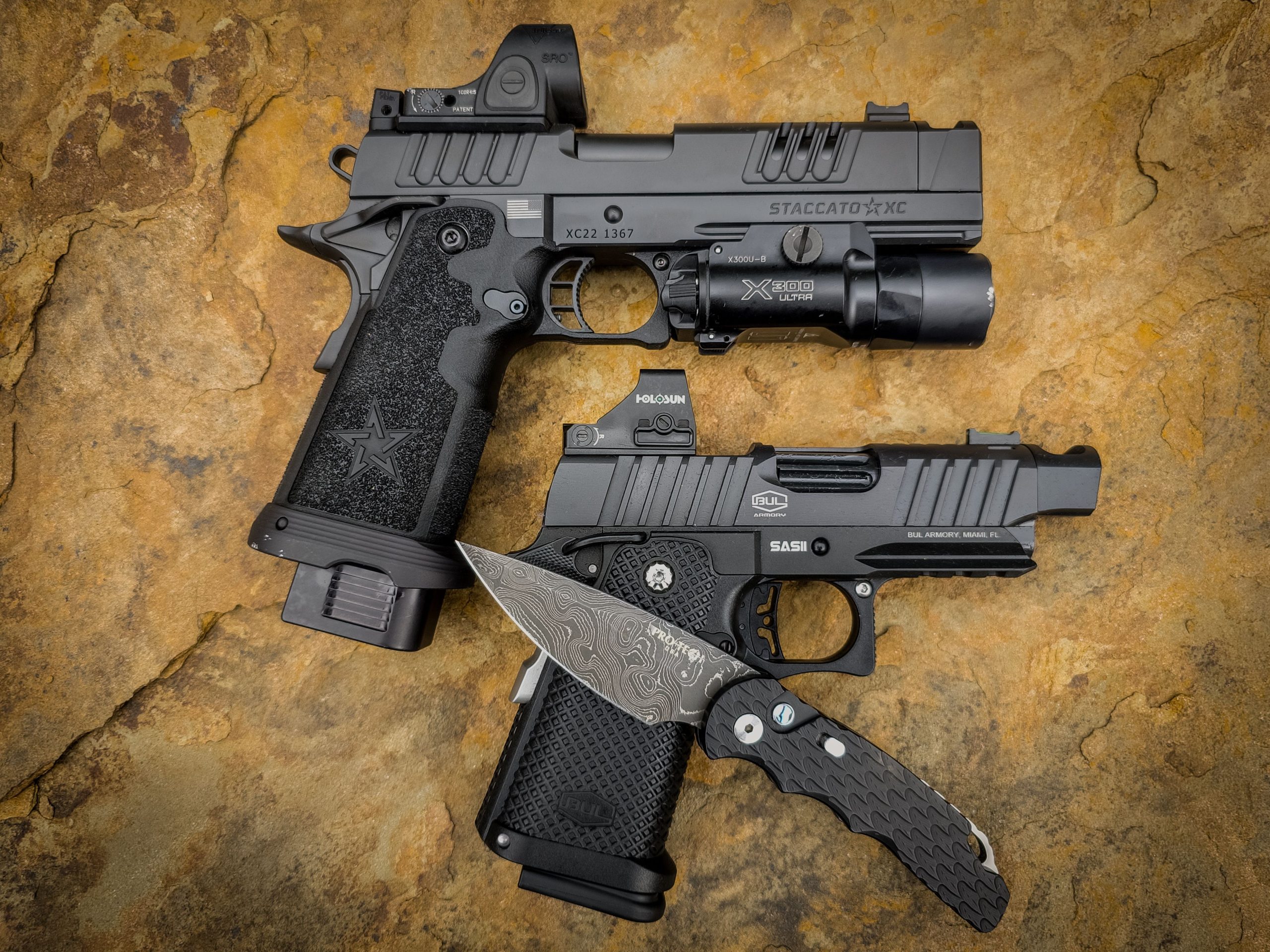
An optics-ready handgun has a factory-machined cut in its slide, but that does not mean every red-dot sight will fit. Manufacturers use different footprints, screw patterns, and adapter plates, so a sight that fits one pistol may not fit another. Some models include several plates, while others require a separately purchased part. Before choosing an optic, check the handgun manual and the sight maker’s compatibility list. Even a difference of 1 mounting standard can make installation impossible or unsafe without the correct interface. Compatibility matters more than appearance.
2. Mounting Plates Affect Height and Stability
Many optics-ready pistols use a thin adapter plate between the slide and the red-dot sight. The plate matches the slide cut to the optic’s footprint, but its design also affects how high the sight sits and how securely it stays attached. A poorly matched plate or incorrect screw length can cause movement or damage. Use only approved hardware and follow the maker’s torque specification, often given in inch-pounds rather than guessed by feel. Check the mounting system after installation and whenever the manufacturer recommends inspection. Avoid substituting unverified hardware.
3. Red-Dot Sights Need a Power Source
Unlike plain iron sights, most handgun red dots rely on a battery to illuminate the aiming point. Battery life varies with brightness, temperature, usage, and the specific model, so a claim such as 20,000 hours is an estimate under stated conditions, not a guarantee. Some sights allow battery changes from the top; others require removing the optic and then confirming the mounting screws are secure. Learn the sight’s controls before use, carry a compatible spare battery when practical, and follow the manufacturer’s replacement schedule rather than waiting for the dot to fade.
4. Iron Sights May Still Be Useful
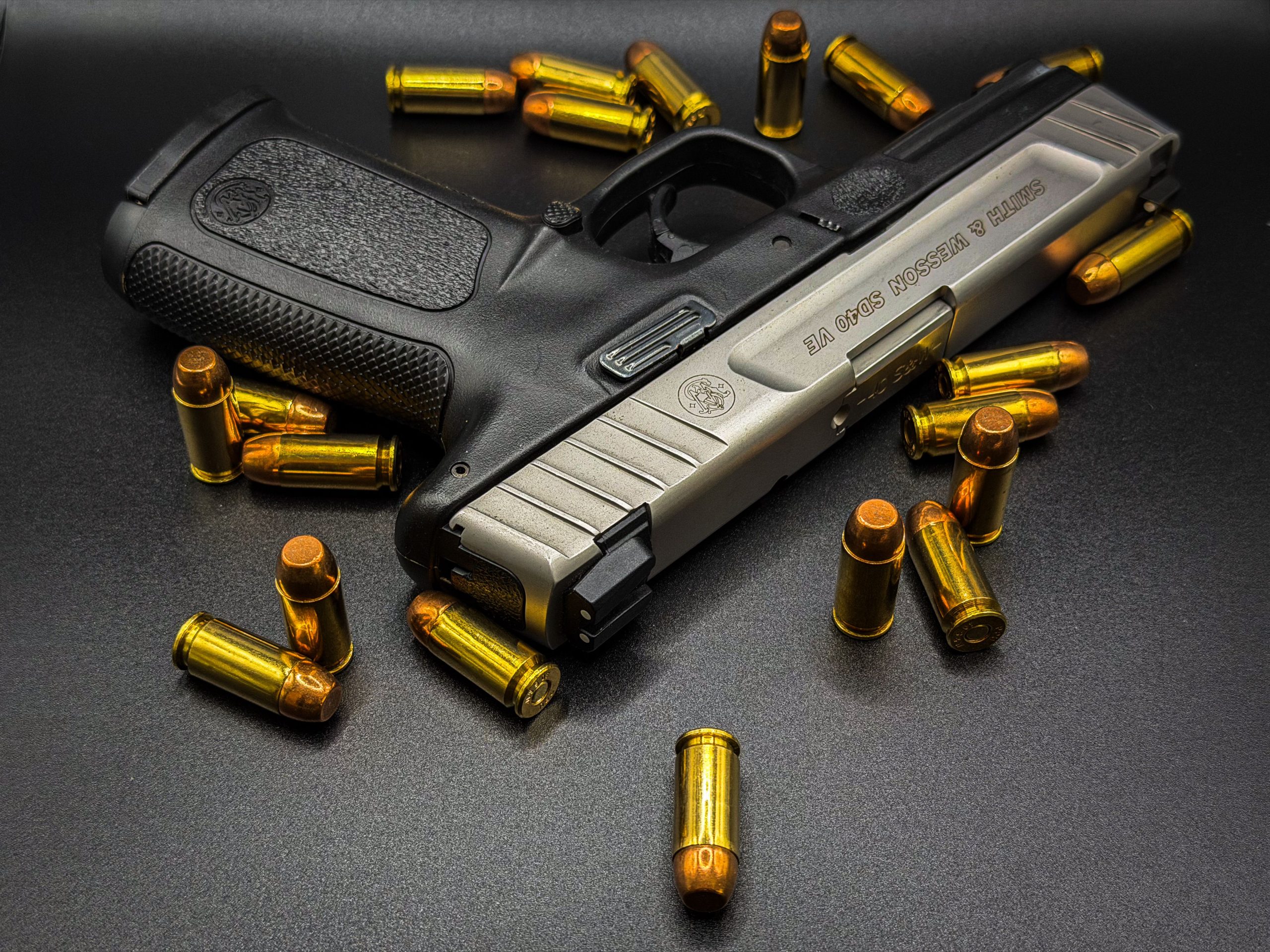
An optic does not automatically replace the handgun’s iron sights. Some optics-ready models have standard-height sights that are partly or fully hidden behind the red dot, while others use taller sights intended to remain visible through the optic window. This is often called a co-witness arrangement, and the exact view depends on the sight, plate, and pistol. If backup sights matter to you, verify compatibility before buying; a sight described as “optic-ready” does not guarantee a usable backup picture. Keep in mind that taller sights can also change holster fit.
5. The Window and Dot Take Practice
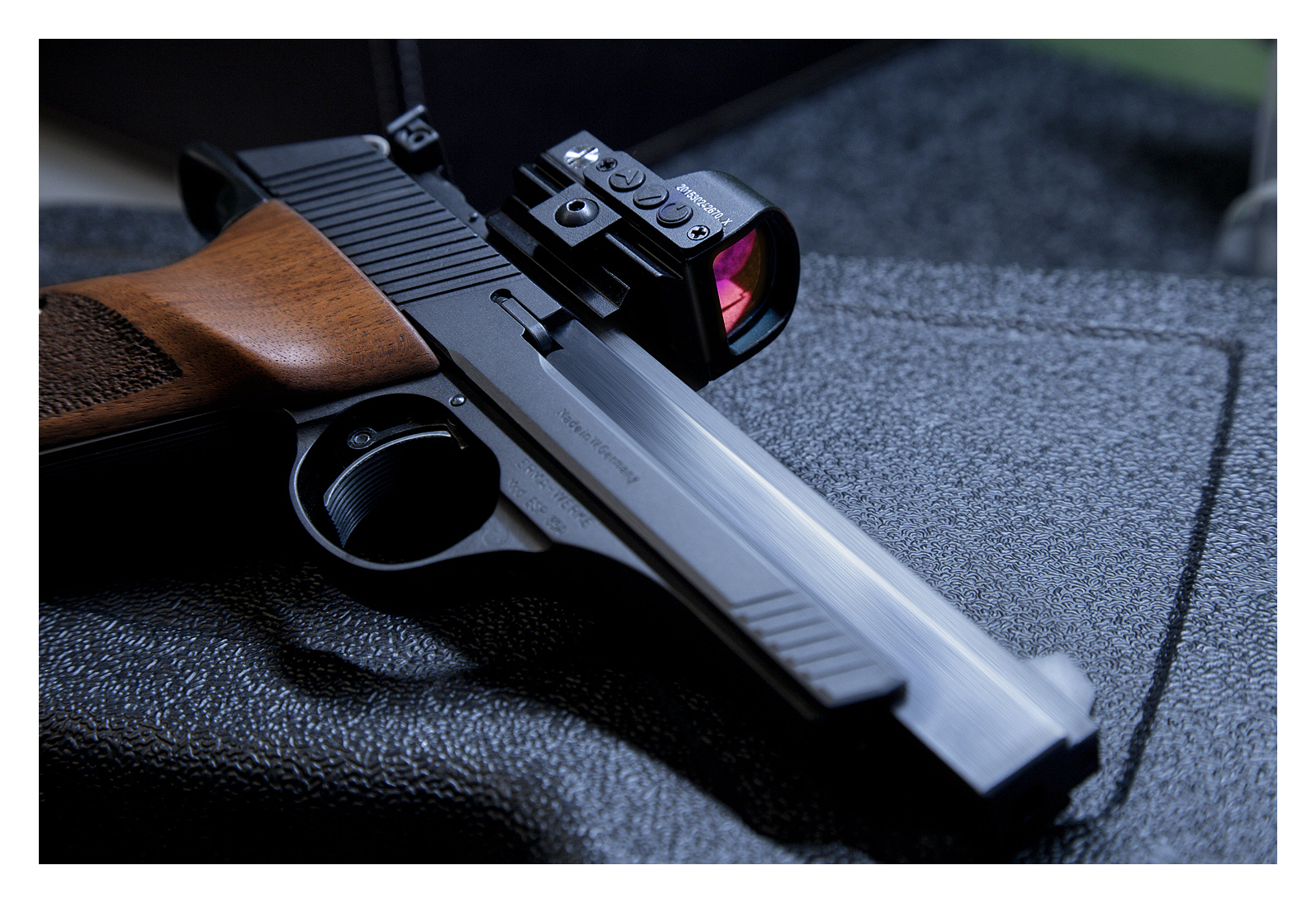
A red-dot sight presents an illuminated aiming point through a small window, but finding that dot can feel unfamiliar to someone used to aligning two iron sights. The window does not make aiming automatic, and the dot may seem to disappear when the pistol is not presented consistently. Spend time learning the sight’s brightness controls and maintaining a repeatable, safe presentation at a qualified range. Try 2 brightness settings in varied lighting at a qualified range. A larger window may feel easier to track, but it cannot replace sound fundamentals.
6. Durability Depends on the Whole Setup
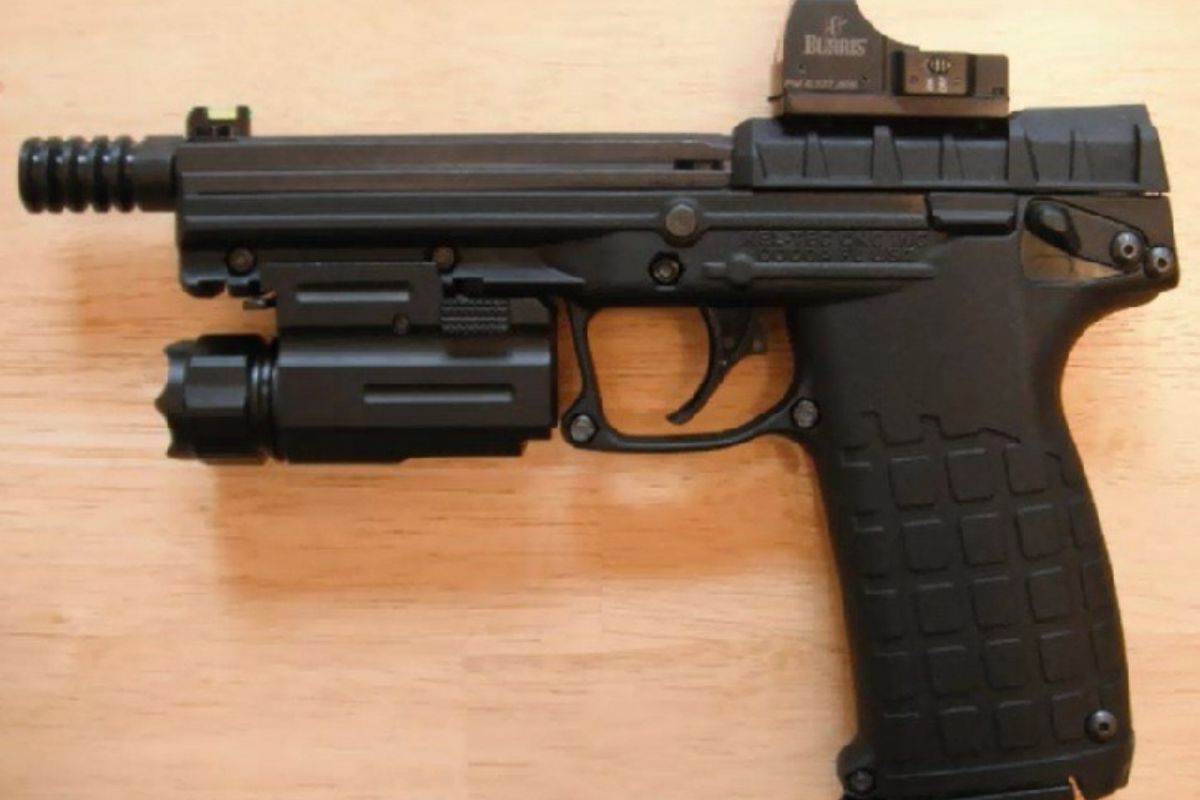
Recoil, repeated slide movement, moisture, and everyday handling place demands on a handgun optic and its mounting hardware. A rugged sight can still loosen if screws, plates, or installation procedures are wrong, so durability is about the entire system rather than the optic alone. Check whether the maker specifies water resistance, impact testing, and an approved mounting method. Ratings vary by brand. Inspect the sight and mounting area regularly, and have any shifting, cracked parts, or unexplained loss of zero checked before further use, too.
7. Holsters and Maintenance May Need Updating
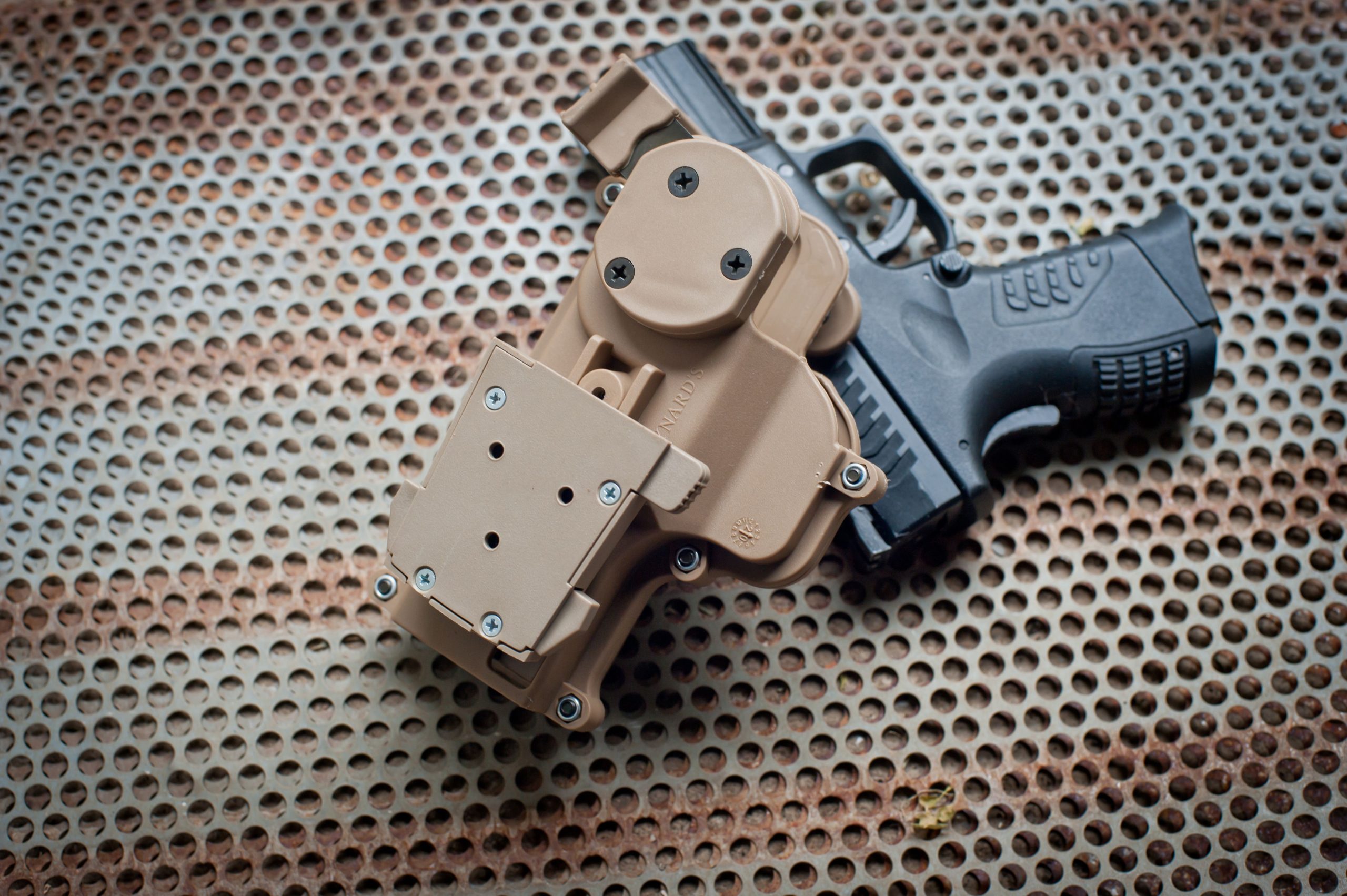
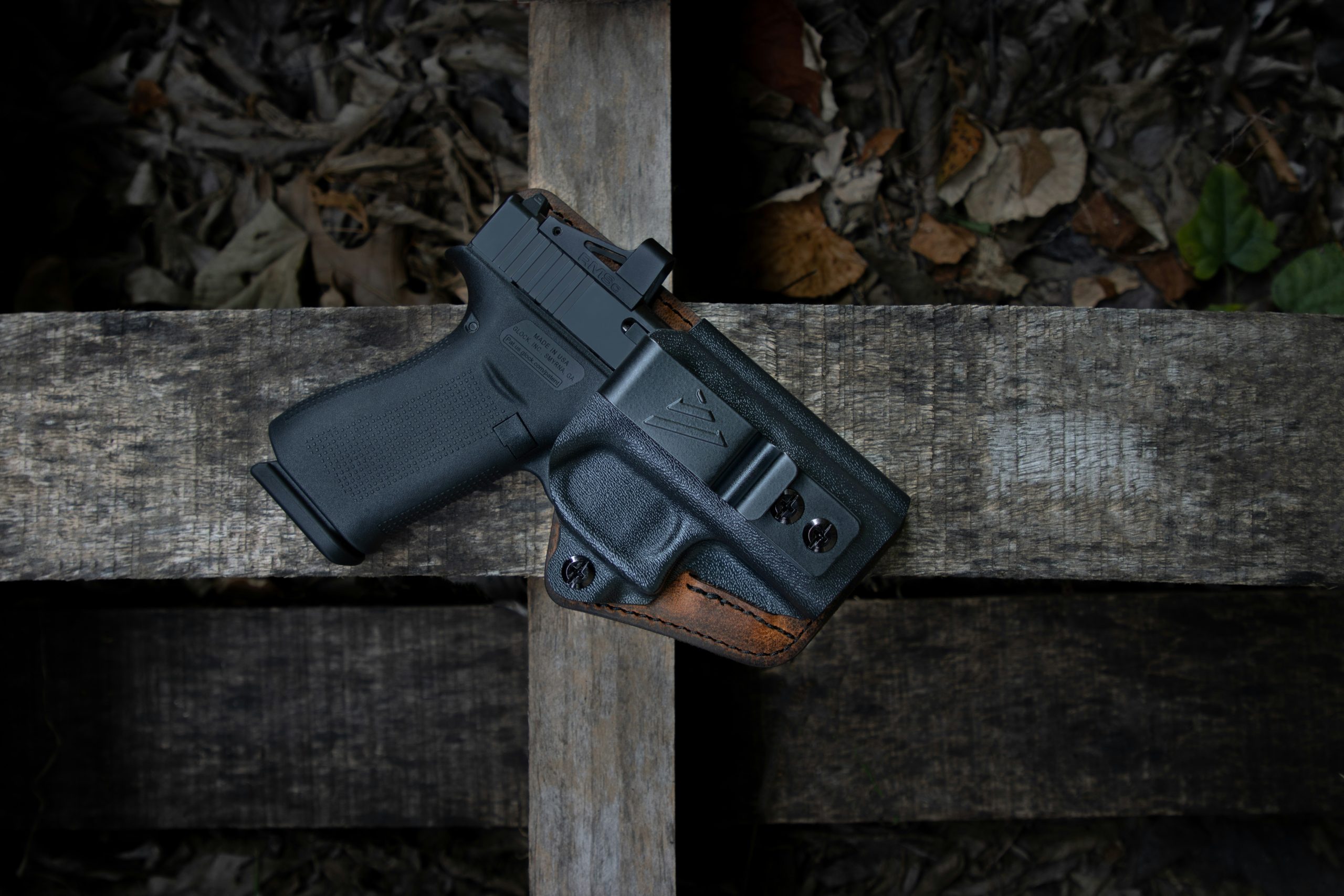
Adding a red dot can change the handgun’s overall profile, even when the sight is compact. A holster made for the same pistol without an optic may press against the sight or fail to provide the fit intended by its maker. Confirm that the holster is specifically compatible with the exact handgun and optic arrangement, and check that it securely covers the trigger guard. Also include the optic in routine cleaning and inspection, following the manual for lens care and fastener checks. A quick 2-minute visual inspection can help spot obvious issues, but it does not replace proper maintenance.