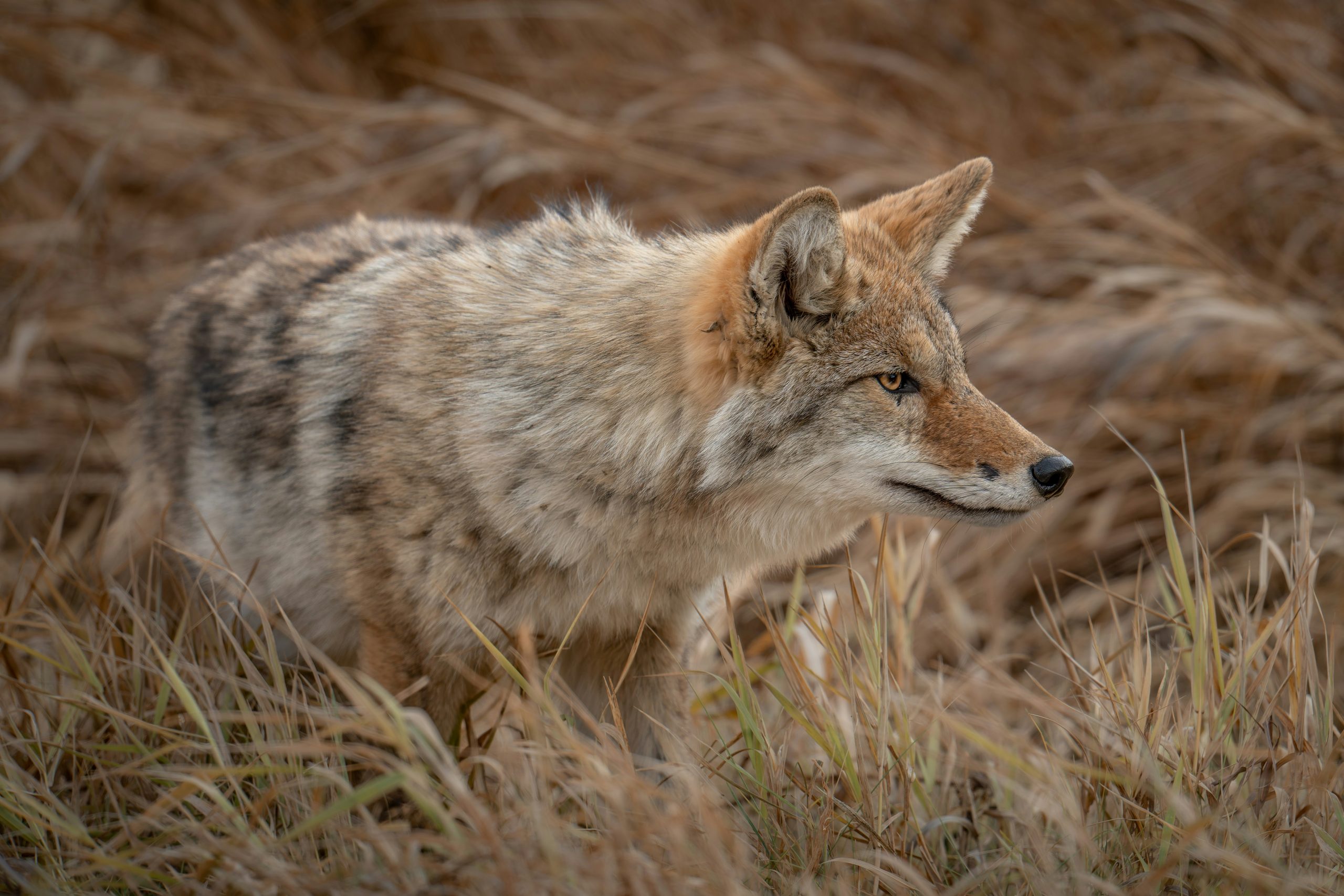
Coyote hunting can be unpredictable because these adaptable animals rely on sharp senses, flexible routines, and an ability to live in very different environments. A coyote that responds to a call one day may ignore the same sound the next, while another may approach quietly or remain hidden until a hunter has moved on. Their behavior can also change with the season, food availability, human activity, and the presence of other coyotes. Understanding these seven traits helps explain why encounters are rarely identical and why patience, observation, and realistic expectations matter in the field.
1. Their Activity Patterns Change With Conditions
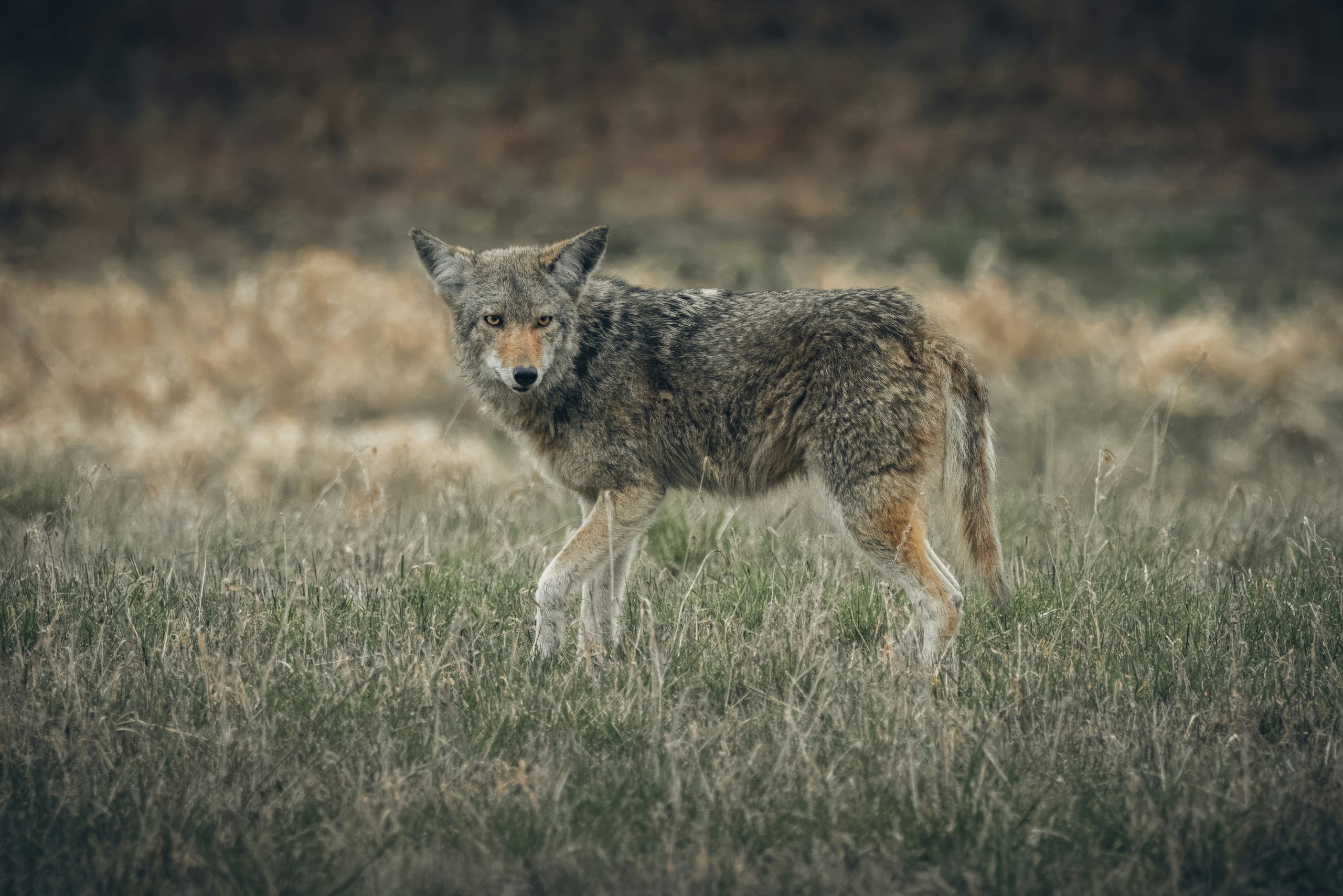
Coyotes are often active around dawn and dusk, but they can also move during daylight or remain active at night, depending on human activity, food availability, and local conditions. This flexibility makes their appearances difficult to predict. A coyote seen crossing a field at 6 a.m. may use the same area at a different hour on another day. Seasonal changes also influence movement, particularly when adults are feeding young. Observing activity over several days can reveal patterns, but no schedule guarantees a sighting.
2. Their Hearing and Smell Help Them Detect Disturbances
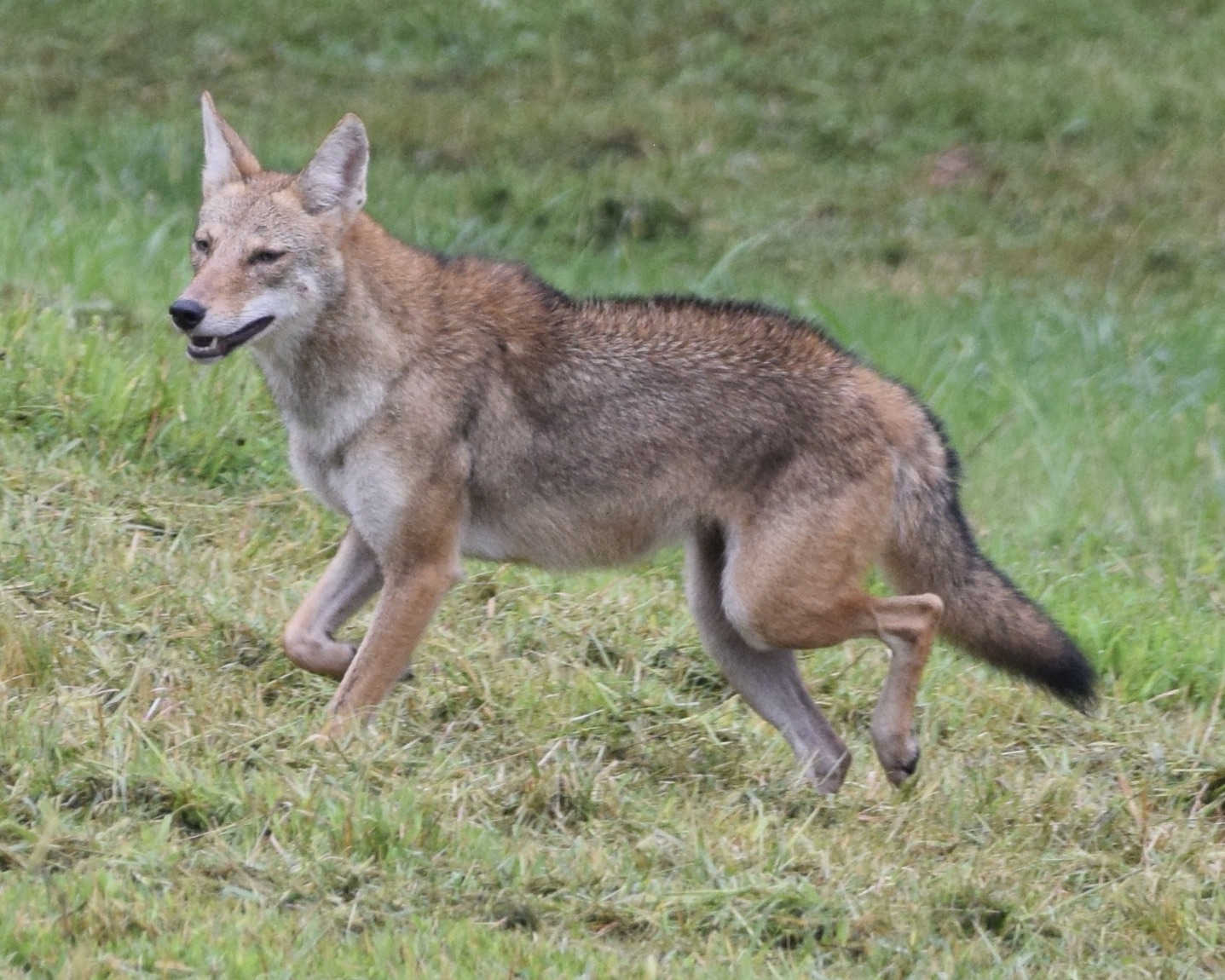
Coyotes depend on several keen senses to navigate their surroundings and recognize potential danger. Unfamiliar sounds, human scent, and sudden movement can make an animal cautious before it becomes clearly visible. Wind direction and surrounding vegetation also affect how scent and sound travel through an area. A hunter may spend 30 minutes waiting without seeing anything, even when coyotes are present nearby. Their absence from view does not necessarily mean the area is empty. These sensory abilities help explain why close encounters can be brief and why behavior varies between locations.
3. Their Vocalizations Can Give a Misleading Impression
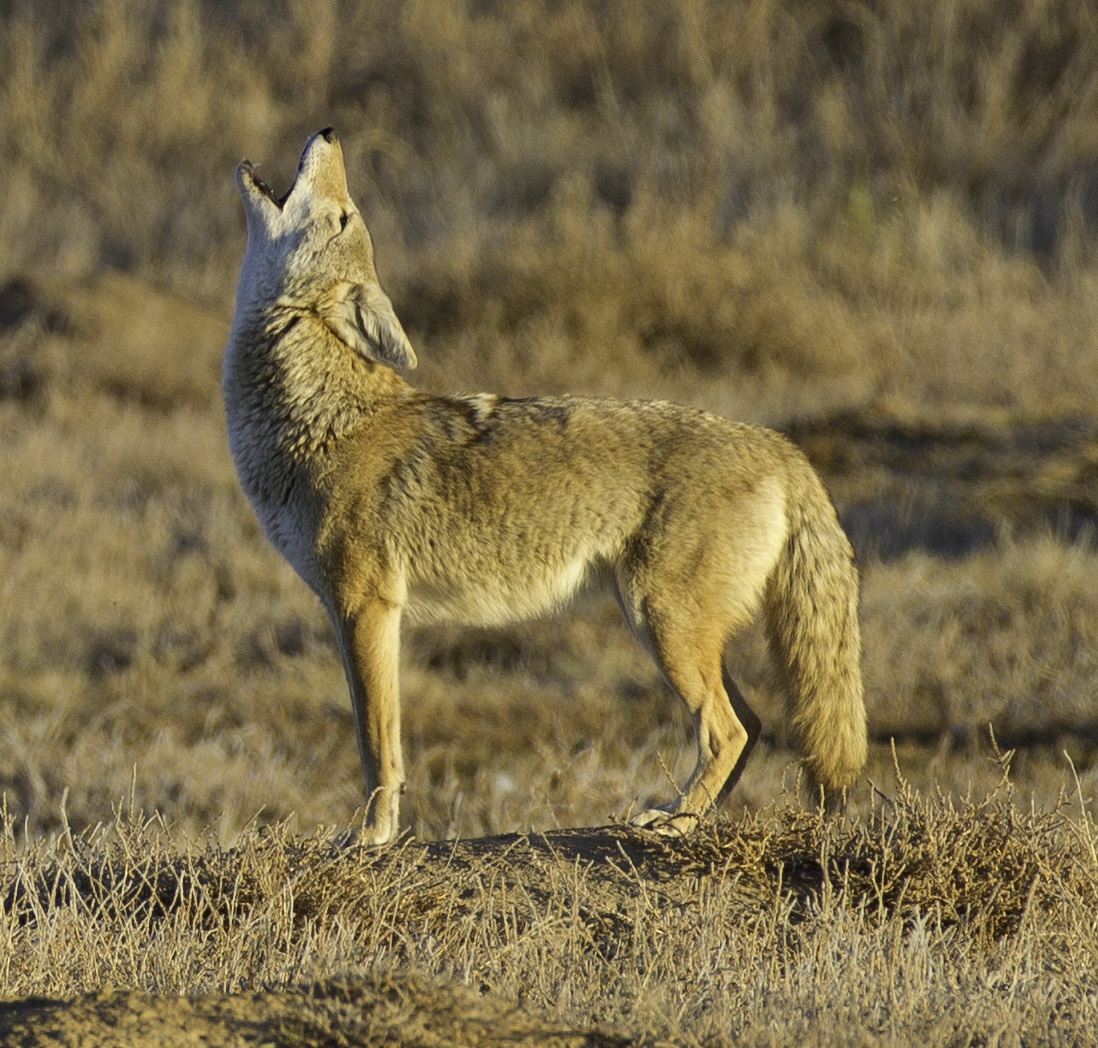
Coyotes communicate through howls, yips, barks, and other calls that help maintain social connections and signal territorial activity. Hearing several voices does not necessarily mean a large group is nearby. Research and wildlife observations show that overlapping calls can make a small number of animals sound like many more. For example, 2 or 3 coyotes calling together may create a surprisingly busy chorus across an open landscape. Vocal activity can also change with season and social circumstances, so a quiet evening does not prove that coyotes have left the area.
4. Territorial Behavior Can Change During Breeding Season
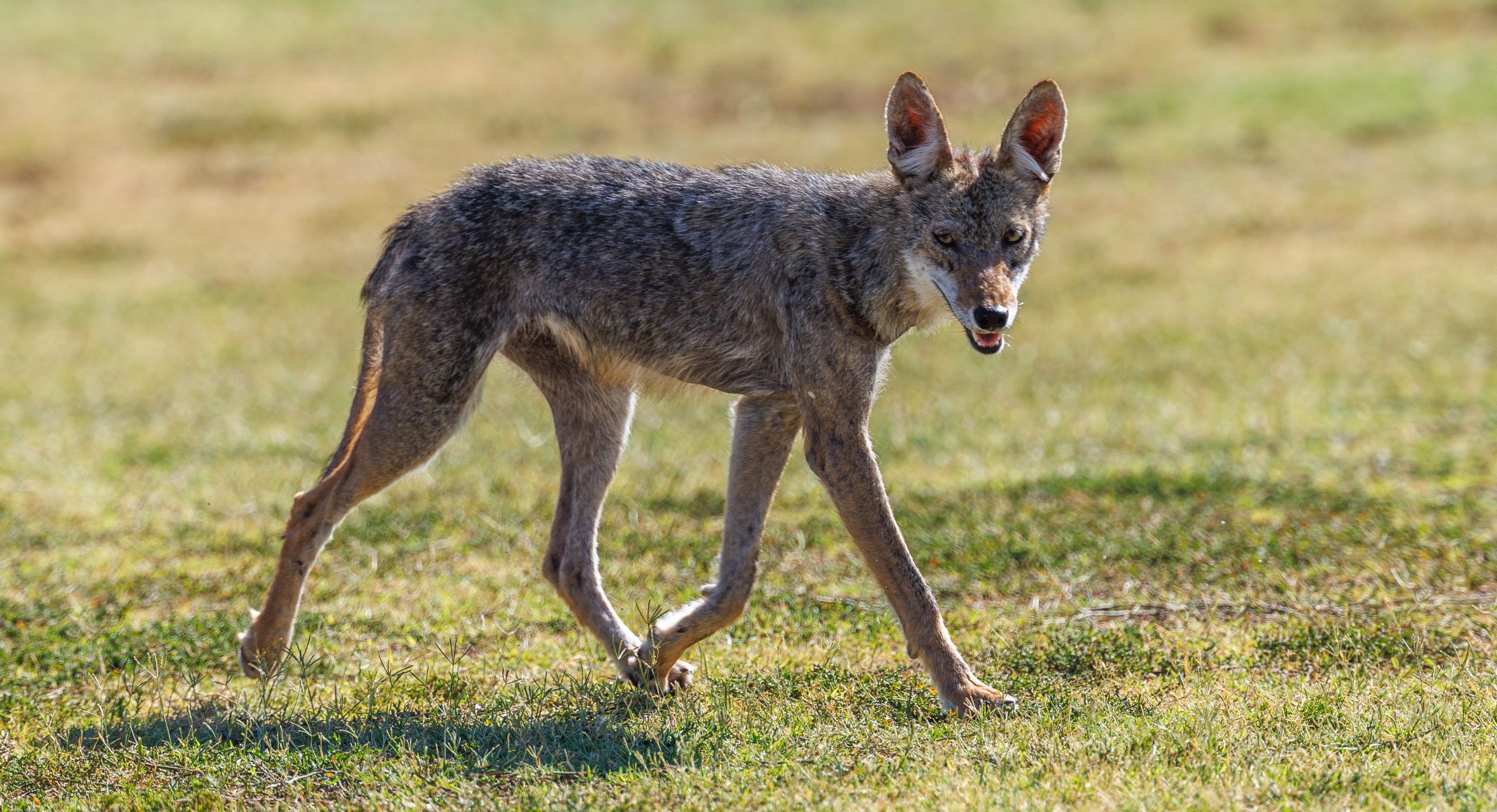
Coyotes maintain territories, and established adults may react strongly when unfamiliar animals enter areas important to their family. Breeding activity commonly increases during late winter, while pups are generally born in spring, although timing varies by region. A family may defend a den or keep watch over nearby surroundings rather than behave as it normally would during other months. In some areas, pups begin exploring outside the den at around 3 to 4 weeks of age. Understanding these seasonal changes helps explain why behavior in the same location can differ considerably throughout the year.
5. Their Flexible Diet Makes Movement Difficult to Predict
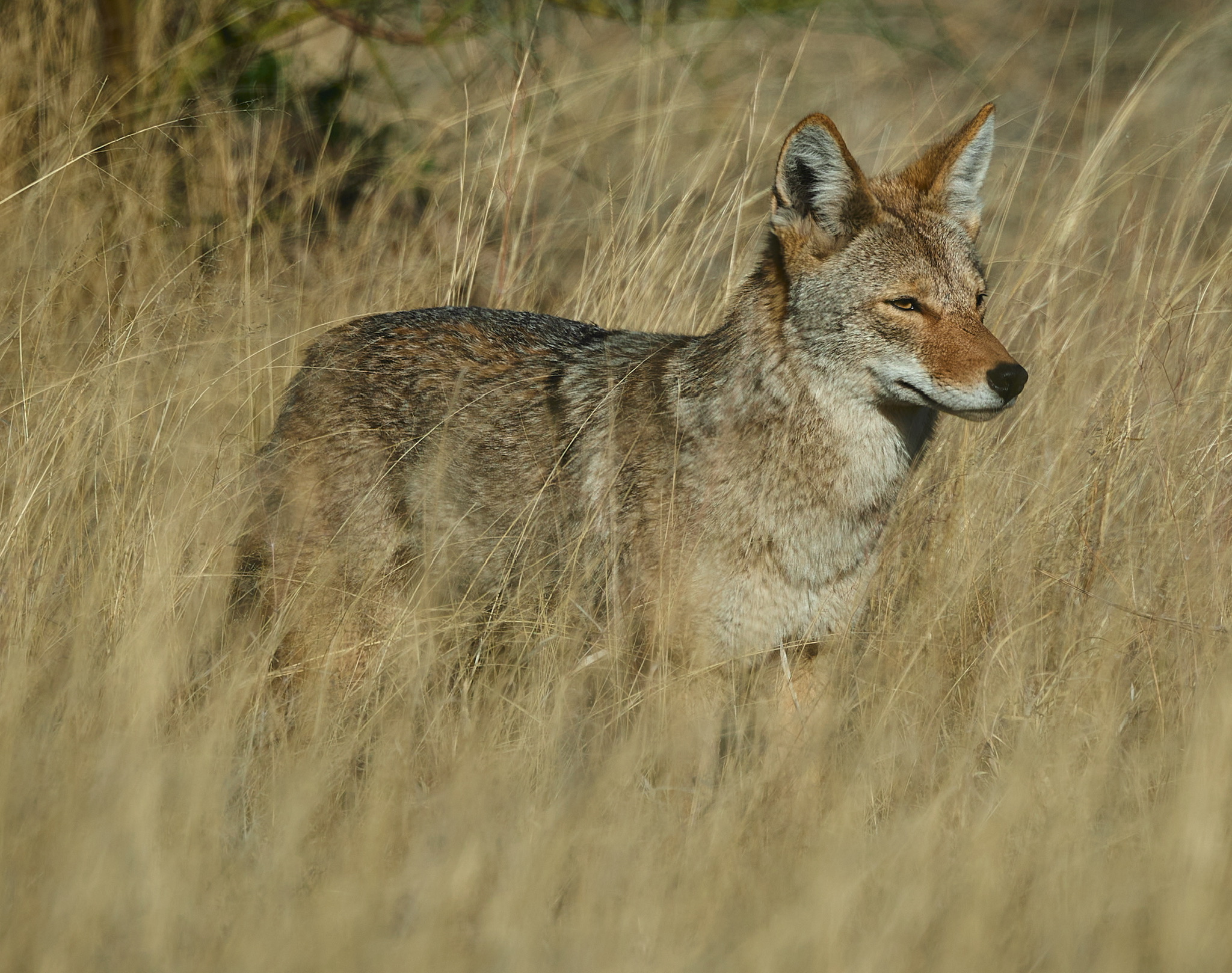
Coyotes are opportunistic feeders, consuming rodents, rabbits, birds, insects, fruit, and carrion when available. Their food choices shift with the seasons and the resources found in a particular habitat. A coyote living near agricultural fields may encounter different feeding opportunities from one occupying dry scrubland or forest edges. Even within a single 24-hour period, food availability and disturbance can influence where an animal travels. This adaptability makes it difficult to assume that coyotes will repeatedly use one feeding area. Understanding their varied diet provides a more realistic picture of their movements.
6. Family Groups Do Not Always Travel Together
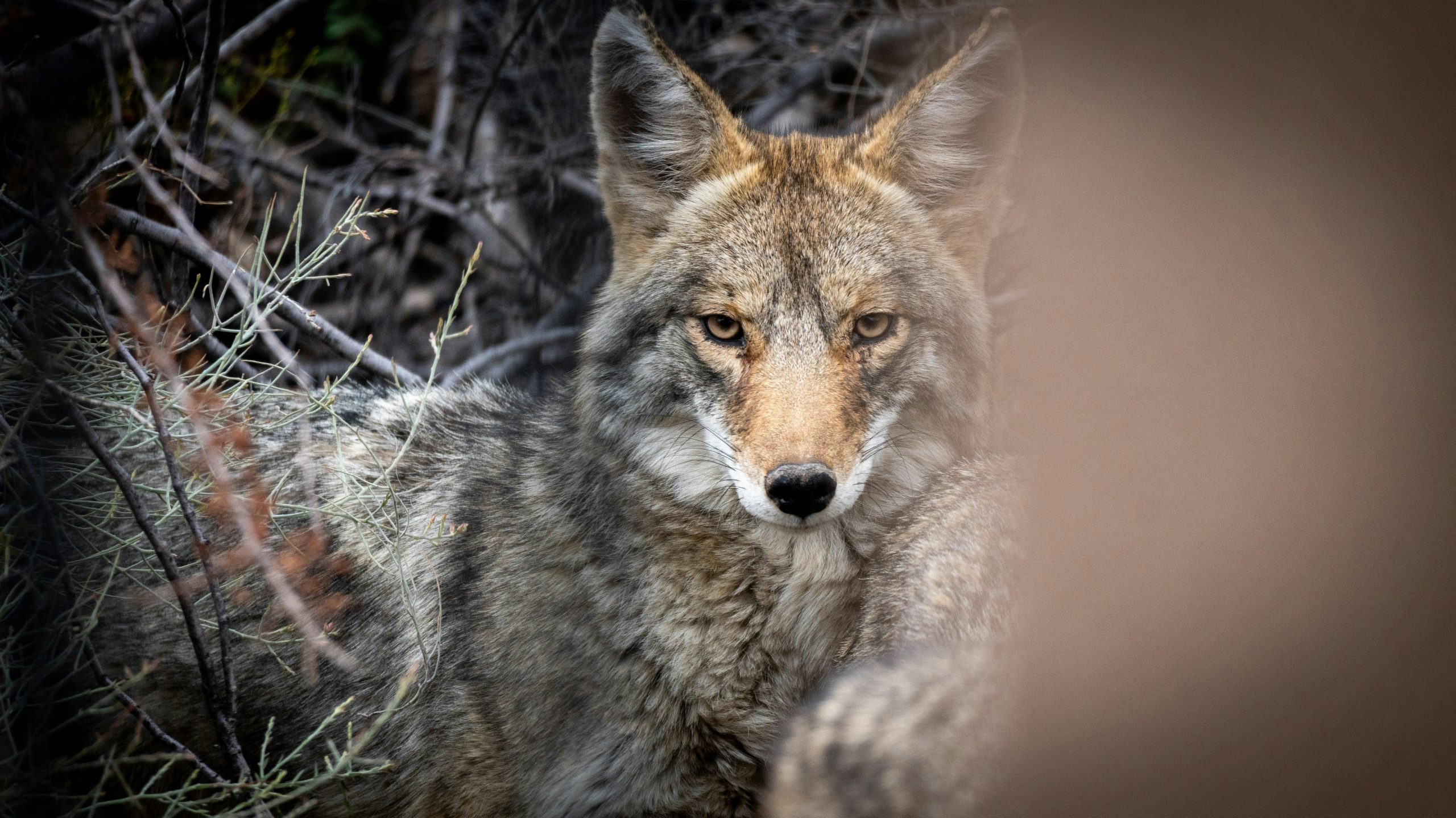
Although coyotes can live in family groups, they do not necessarily move as a single pack on every outing. An adult may travel alone, a breeding pair may remain together, or younger animals may explore independently as they mature. In many populations, young coyotes disperse during autumn or later in their first year, while some remain near their parents. Consequently, spotting 1 coyote does not establish how many others occupy the surrounding area. Likewise, seeing 4 together does not mean that every local coyote belongs to the same group. Their social structure changes with age, season, and local conditions.
7. Their Responses to Human Activity Can Differ Widely
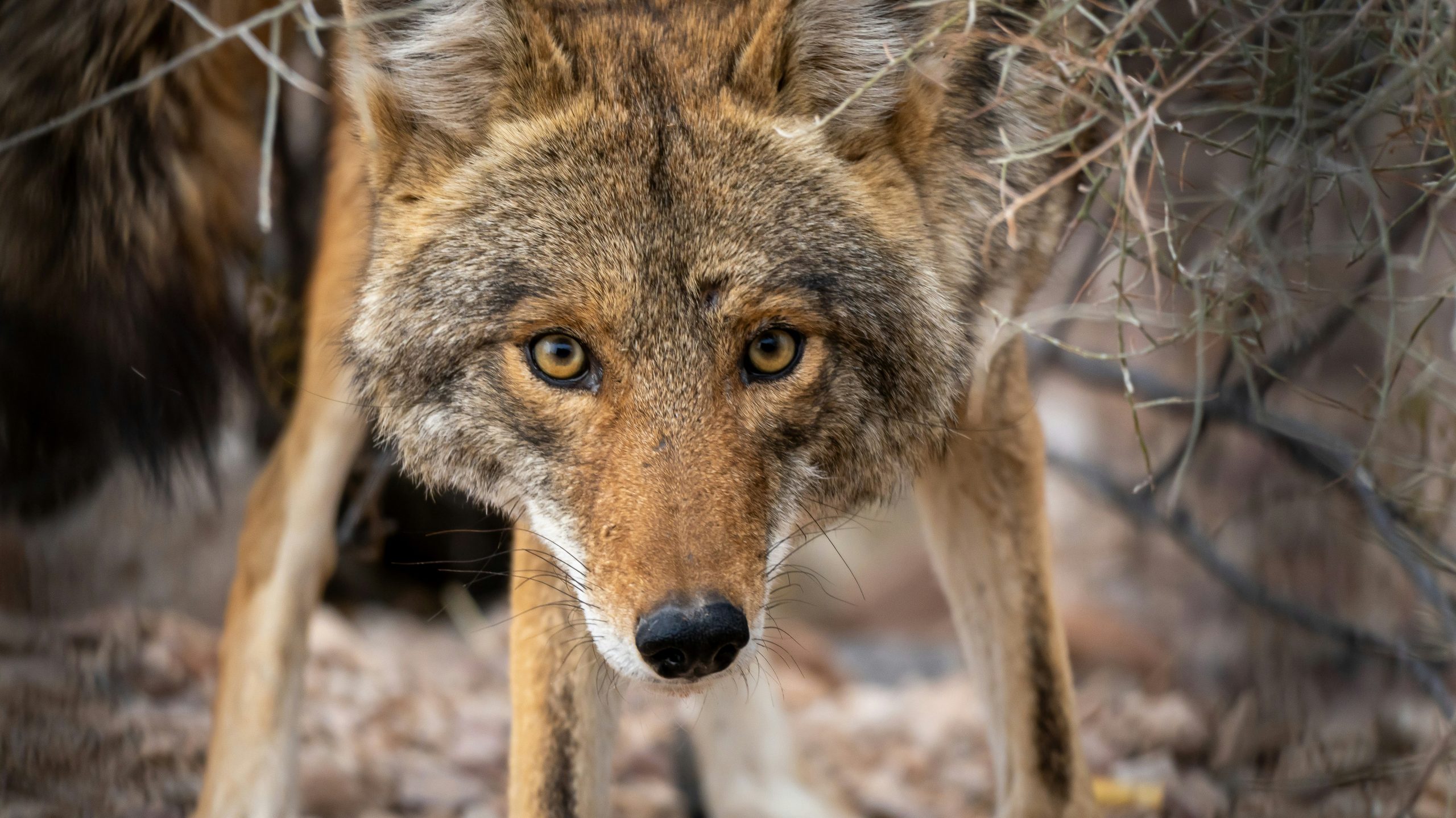
Coyotes living in remote country may react differently to people from those accustomed to roads, farms, or residential neighborhoods. Animals that regularly encounter humans can become less wary, particularly when food rewards have encouraged repeated visits. However, familiarity does not mean every coyote will approach or behave predictably. One animal may retreat quickly, while another pauses to observe before moving away. Wildlife agencies emphasize that feeding coyotes can encourage this habituation. For hunters, recognizing individual differences is important, and all encounters should respect safe distances, local regulations, and responsible wildlife practices.