The history of firearms manufacturing is also a story of changing industrial technology. Early guns relied heavily on skilled handwork, with individual parts fitted through time-consuming processes. Over the centuries, interchangeable components, precision machining, stamped steel, polymer molding, and computer-controlled production transformed how firearms were made. These developments influenced production speed, consistency, repairability, and manufacturing costs. The following seven firearms illustrate important turning points, from the rise of standardized military production in the 19th century to modern methods that combine advanced materials with highly repeatable manufacturing processes.
1. Colt Model 1851 Navy and Interchangeable Parts
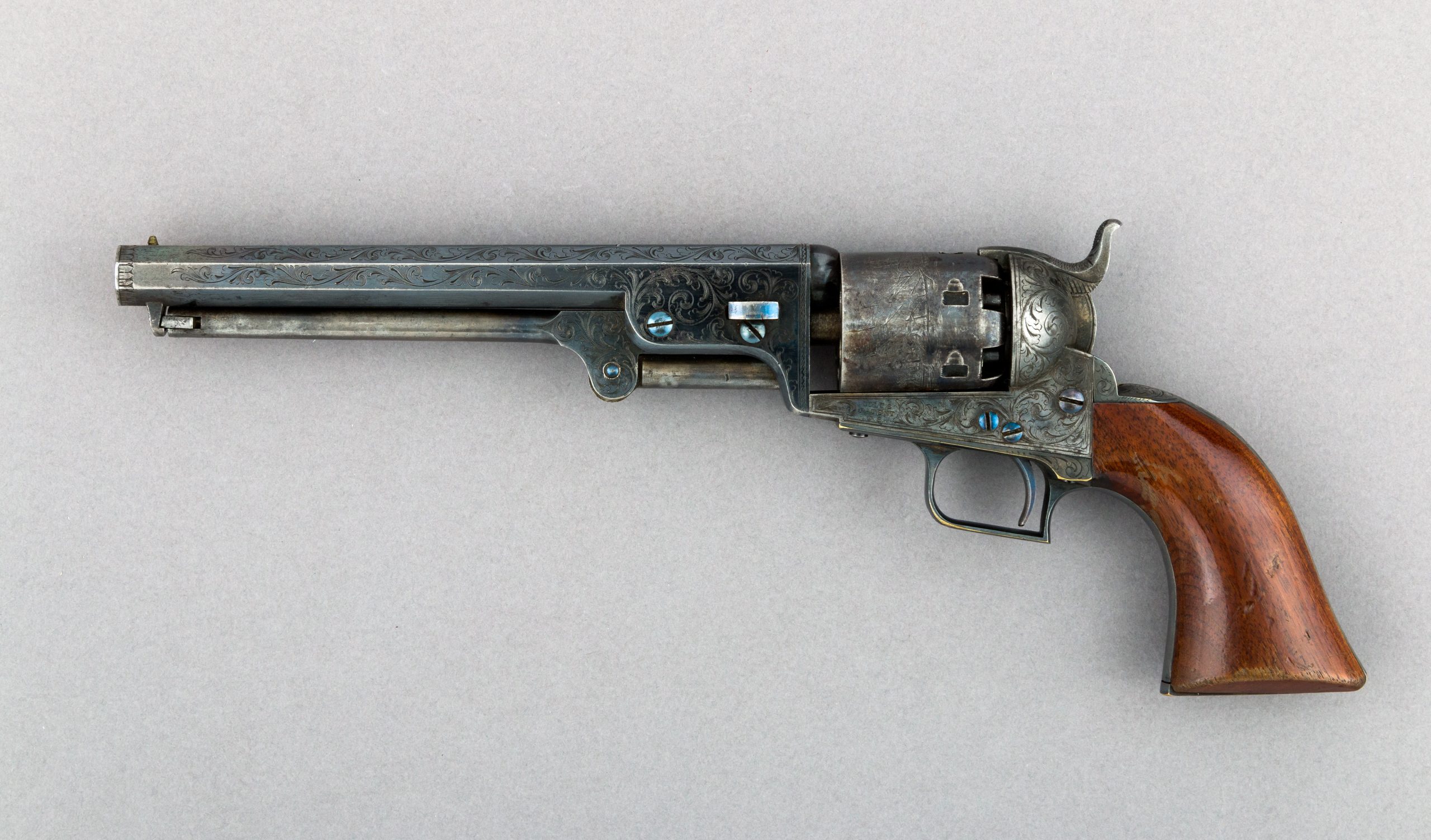
The Colt Model 1851 Navy revolver represents the growing influence of precision manufacturing during the 19th century. Colt’s Hartford armory combined specialized machinery, standardized components, and organized assembly to reduce dependence on individual hand fitting. This approach helped establish the American system of manufacturing, in which similar parts could be produced consistently in large quantities. Introduced in 1851, the revolver became an important example of how industrial organization could transform firearm production beyond the work of individual craftsmen.
2. Springfield Model 1842 Musket and Standardized Production
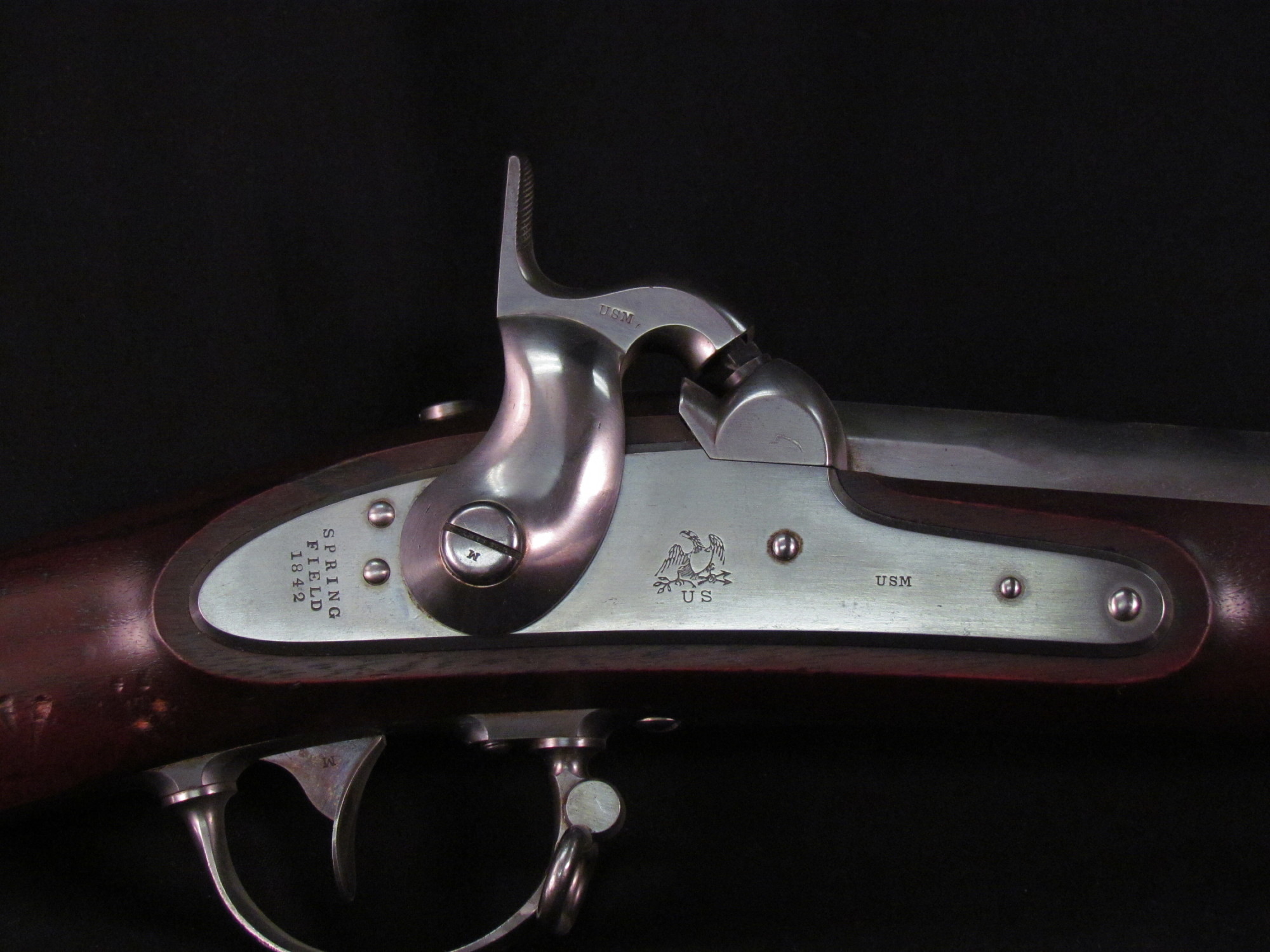
The Springfield Model 1842 musket illustrates the transition toward more consistent government arms production in the United States. Adopted in 1842, it was the first standard American percussion musket produced at Springfield and Harpers Ferry. Its manufacture reflected growing reliance on machinery, gauges, and uniform specifications rather than extensive hand fitting. These methods helped prepare American armories for larger production demands during the Civil War. The model therefore represents an important bridge between traditional craft methods and increasingly standardized industrial manufacturing.
3. M1 Garand and High-Volume Precision Machining
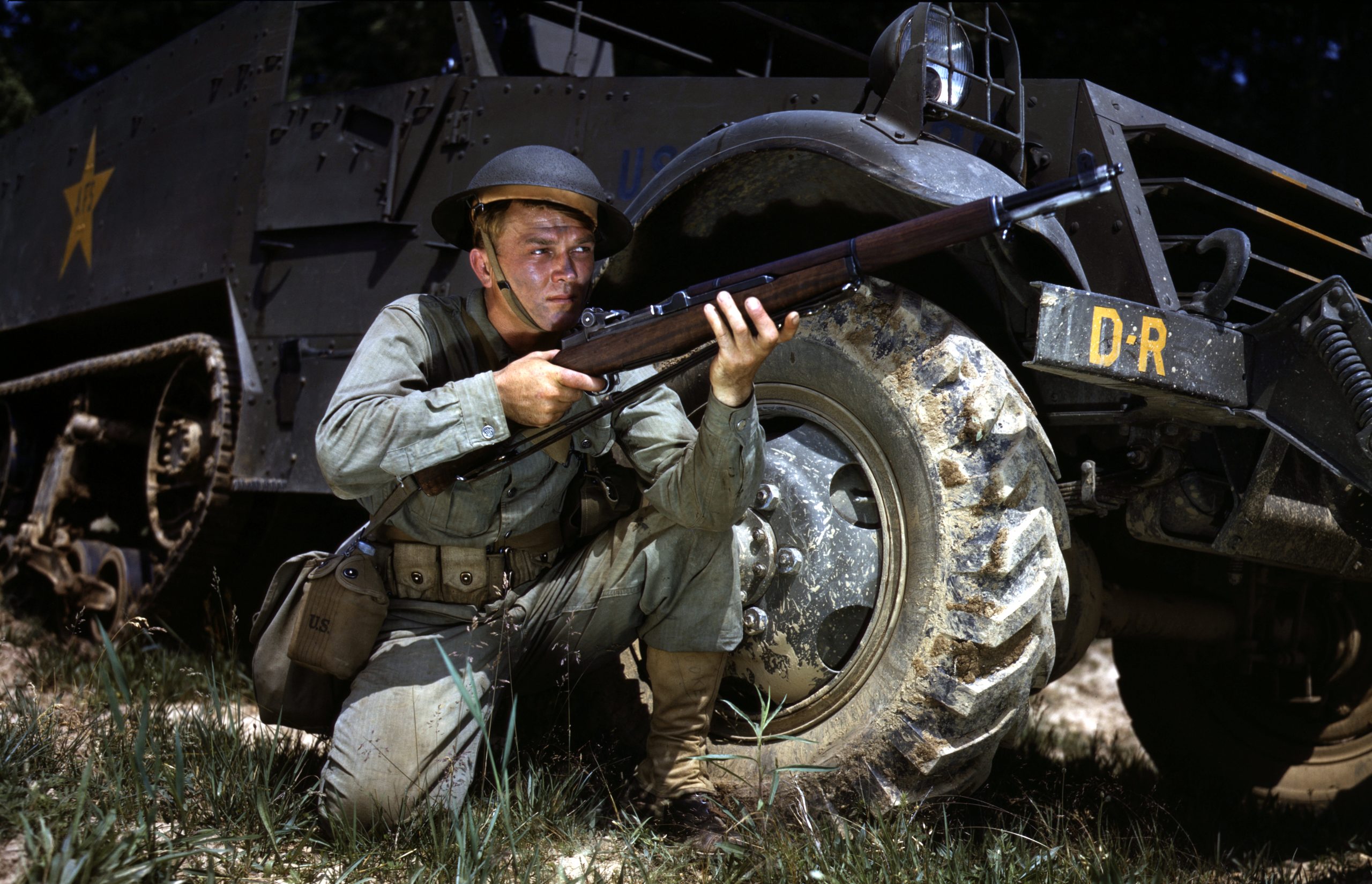
The M1 Garand, adopted by the US Army in 1936, demonstrated how firearm design could be developed around large-scale machine production. Springfield Armory used specialized equipment, carefully controlled dimensions, and coordinated manufacturing operations to produce complex components consistently. During World War II, production expanded dramatically, with Springfield alone manufacturing approximately 3.5 million rifles during the war. The Garand showed that precision machining and factory planning could support enormous output without abandoning the dimensional consistency required for reliable military equipment.
4. M3 Submachine Gun and Sheet-Metal Construction
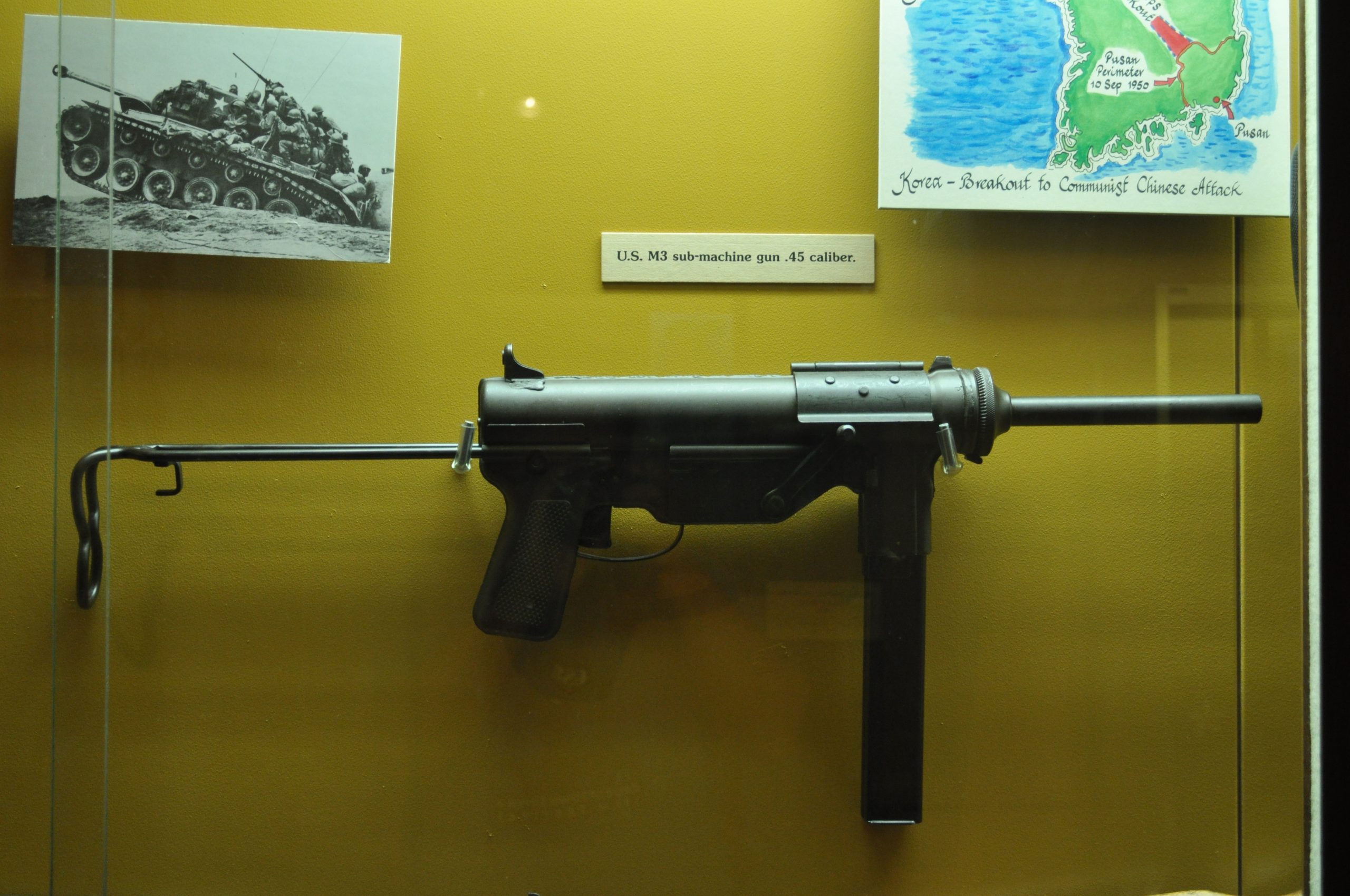
The American M3 submachine gun, introduced in 1942, reflected wartime efforts to simplify firearm manufacturing and reduce production costs. Its design made extensive use of stamped steel components rather than relying on the elaborate machining associated with many earlier weapons. This approach reduced the need for certain time-consuming metal-cutting operations and made production more accessible to factories equipped for sheet-metal work. The M3 illustrated an important industrial principle: military equipment could be designed around economical manufacturing methods when appearance and traditional craftsmanship were less important than consistent production and practical function.
5. AKM and the Move Toward Stamped Receivers

The AKM, adopted by the Soviet Union in 1959, became a notable example of stamped-steel receiver construction in military rifle manufacturing. It followed the earlier AK-47 family, whose production history included milled and stamped receiver approaches. The AKM’s stamped receiver reduced reliance on machining a large component from a solid steel block, although its production still required tooling, forming, and finishing. This change helped support large-scale manufacturing and distinguished the model from earlier milled-receiver examples. It also demonstrated how a design could evolve to suit industrial capacity and production economics.
6. M16 and Lightweight Materials in Manufacturing
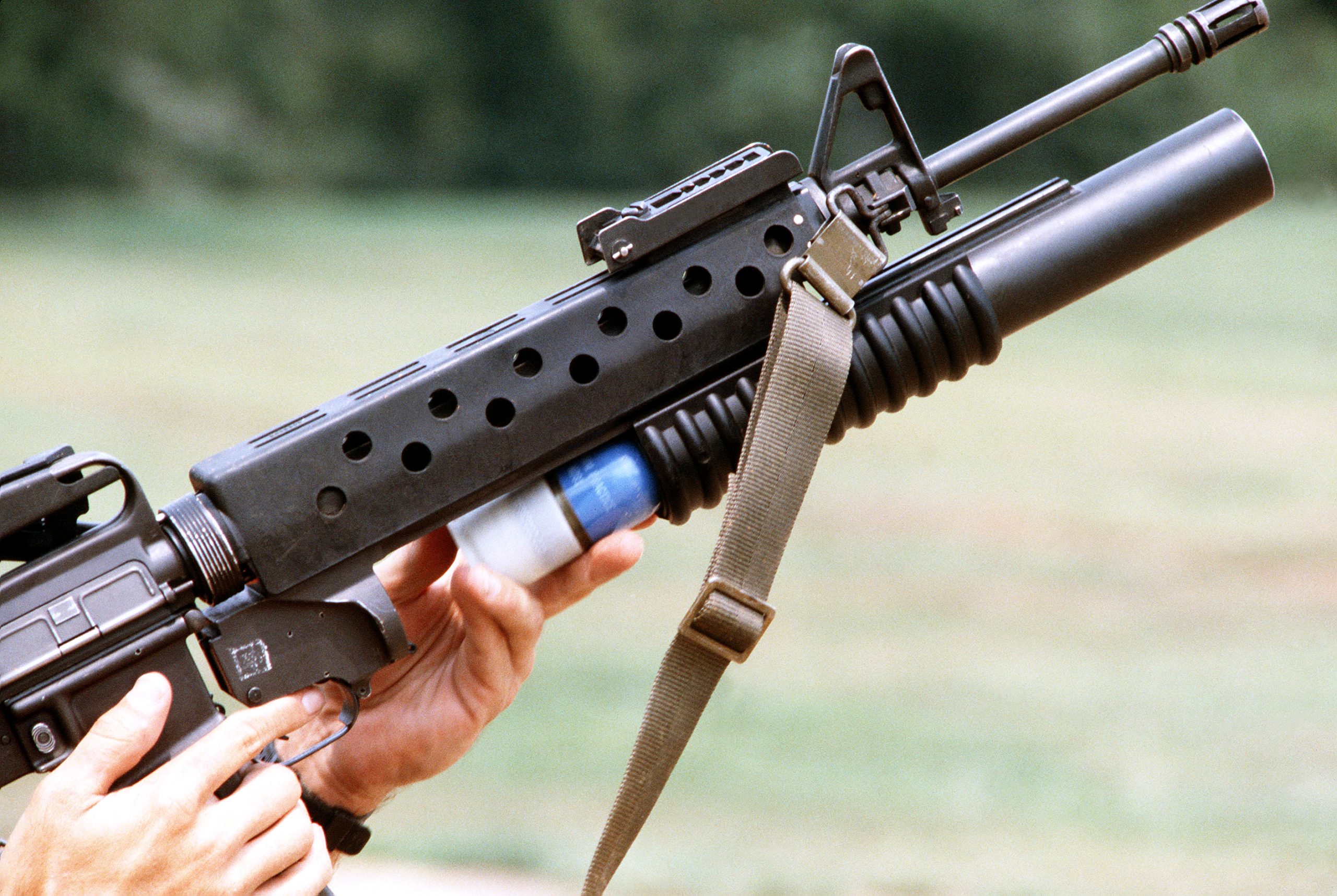
The M16 rifle family helped demonstrate the value of combining different materials and manufacturing techniques in one firearm. Adopted by the US military in 1964, the M16 used an aluminum-alloy receiver structure and polymer furniture, departing from the predominantly steel-and-wood construction associated with many older service rifles. Its design reflected a broader industrial shift toward lightweight materials, precision machining, and components suited to repeatable factory production. The transition was not simply about replacing steel: material selection, quality control, and production consistency all became central considerations in modern firearm manufacturing.
7. Glock 17 and Polymer-Frame Production
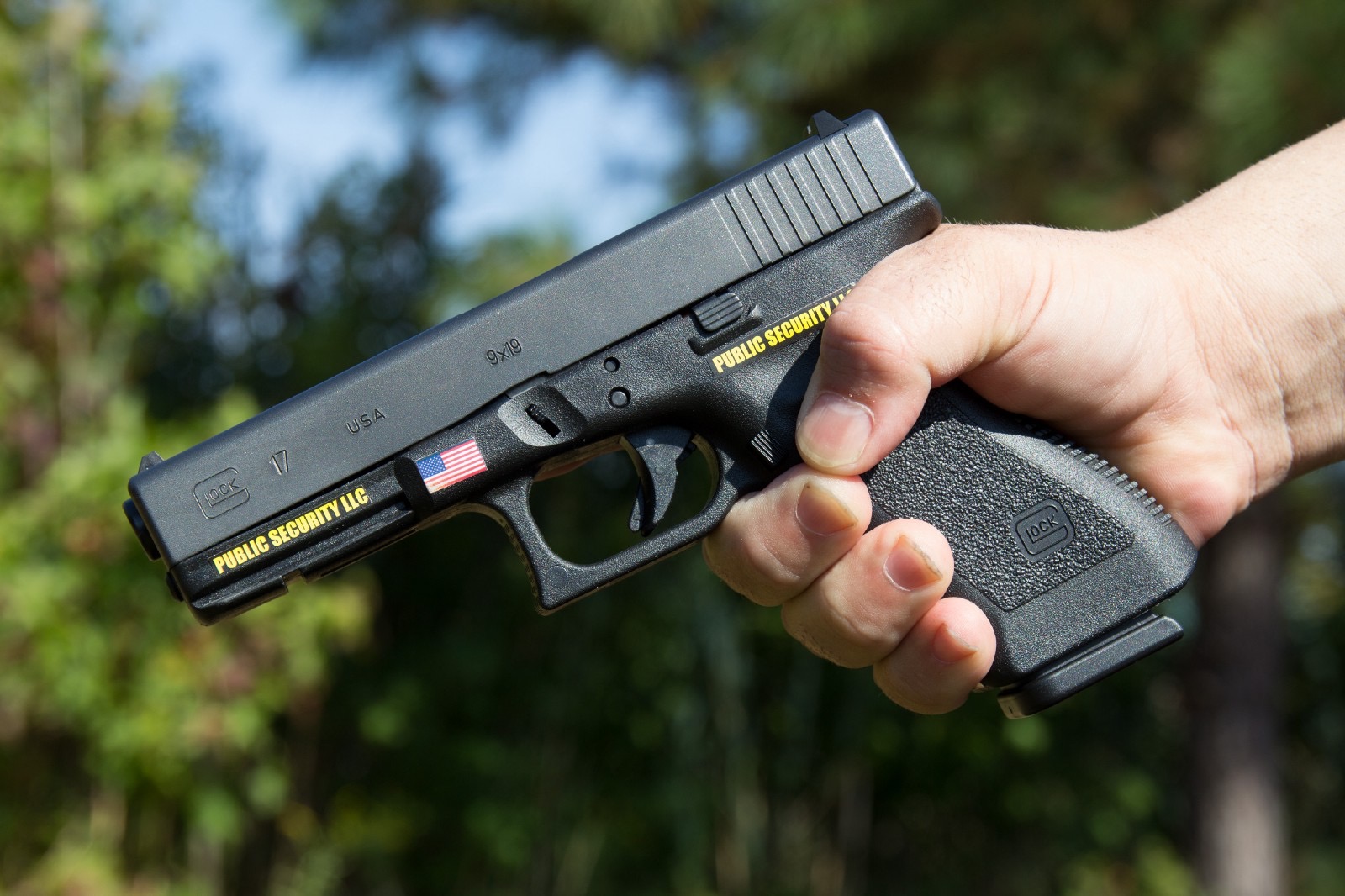
Introduced in 1982, the Glock 17 became a prominent example of injection-molded polymer entering mainstream handgun manufacturing. Its frame combined a lightweight synthetic material with metal components, changing the traditional expectation that a handgun frame had to be made primarily from metal. Injection molding allowed complex shapes to be formed consistently, while reducing the need for some finishing operations associated with metal frames. The design helped establish polymer-framed pistols as a major category in the industry. Its significance lies in integrating a new material with established mechanical principles and repeatable industrial production.