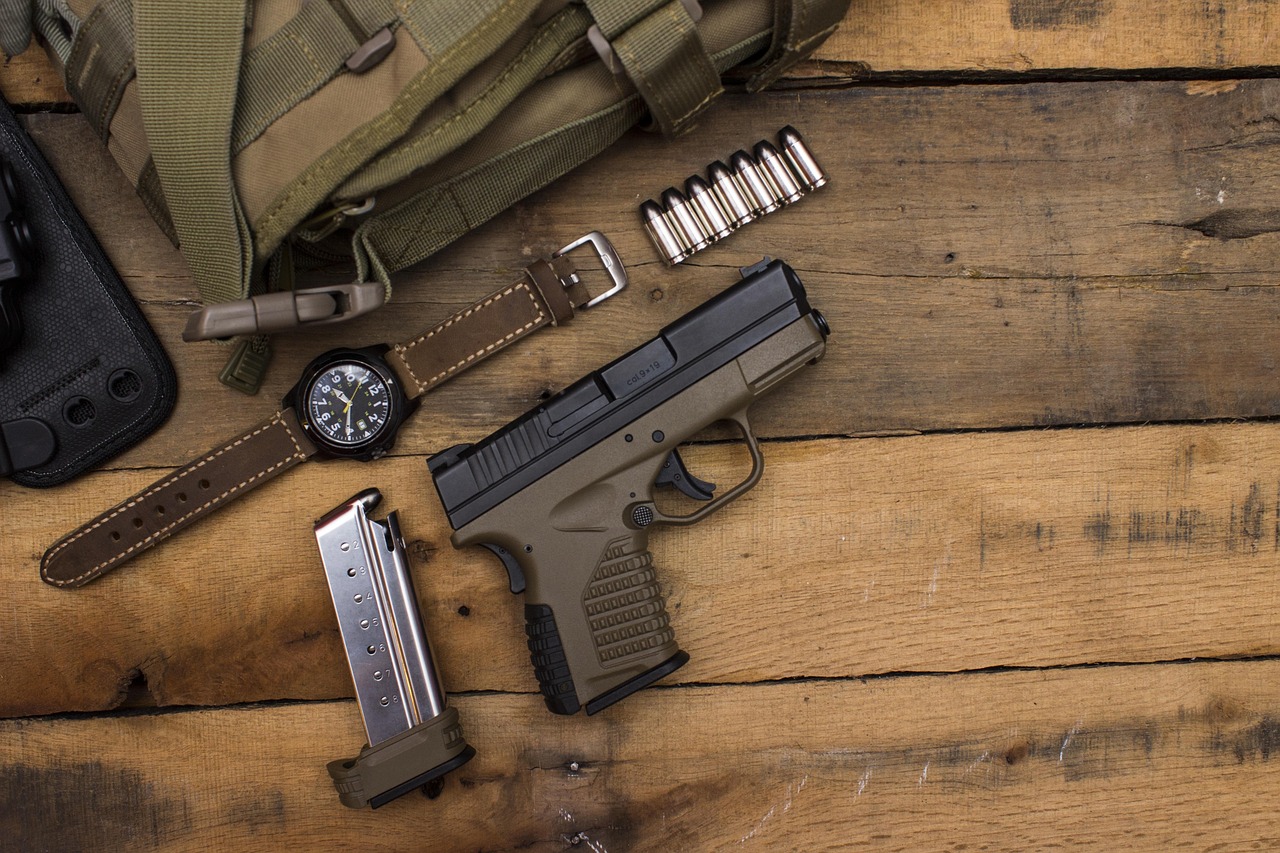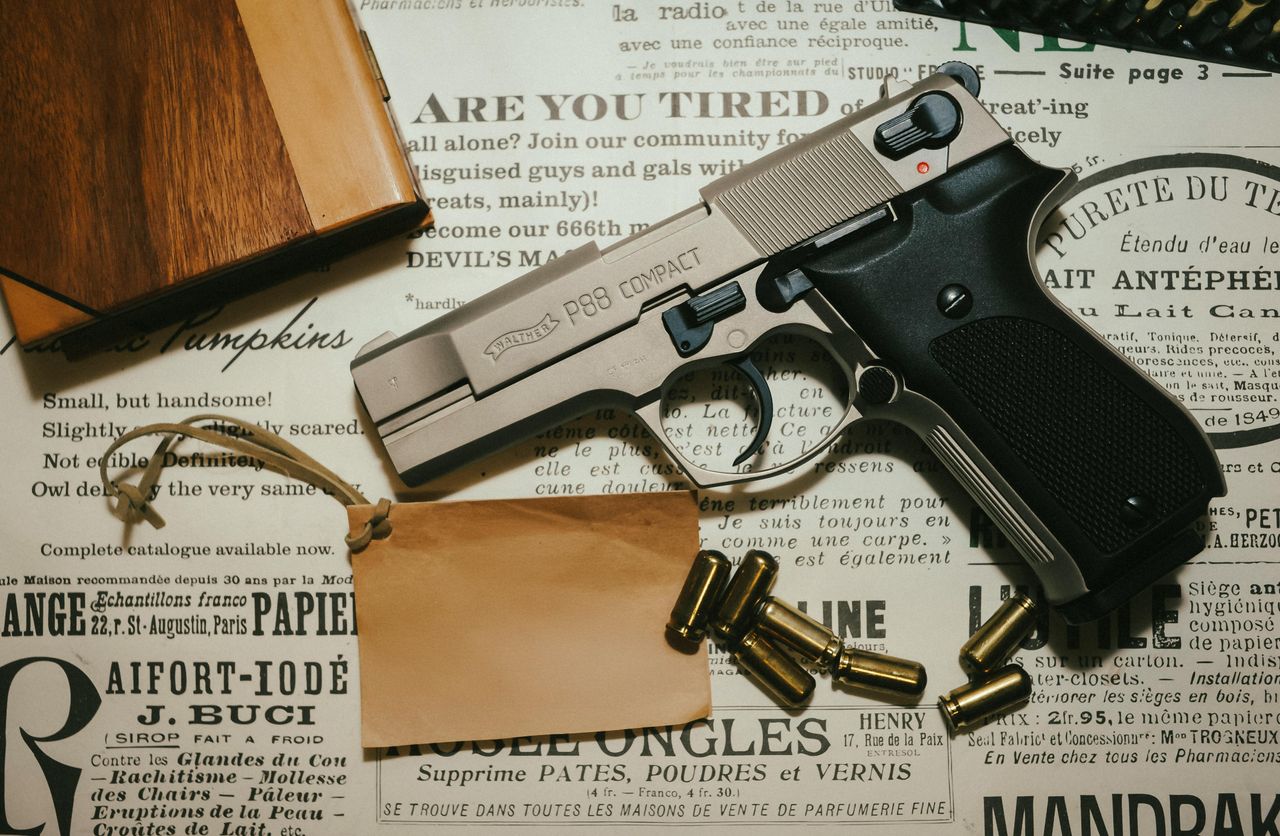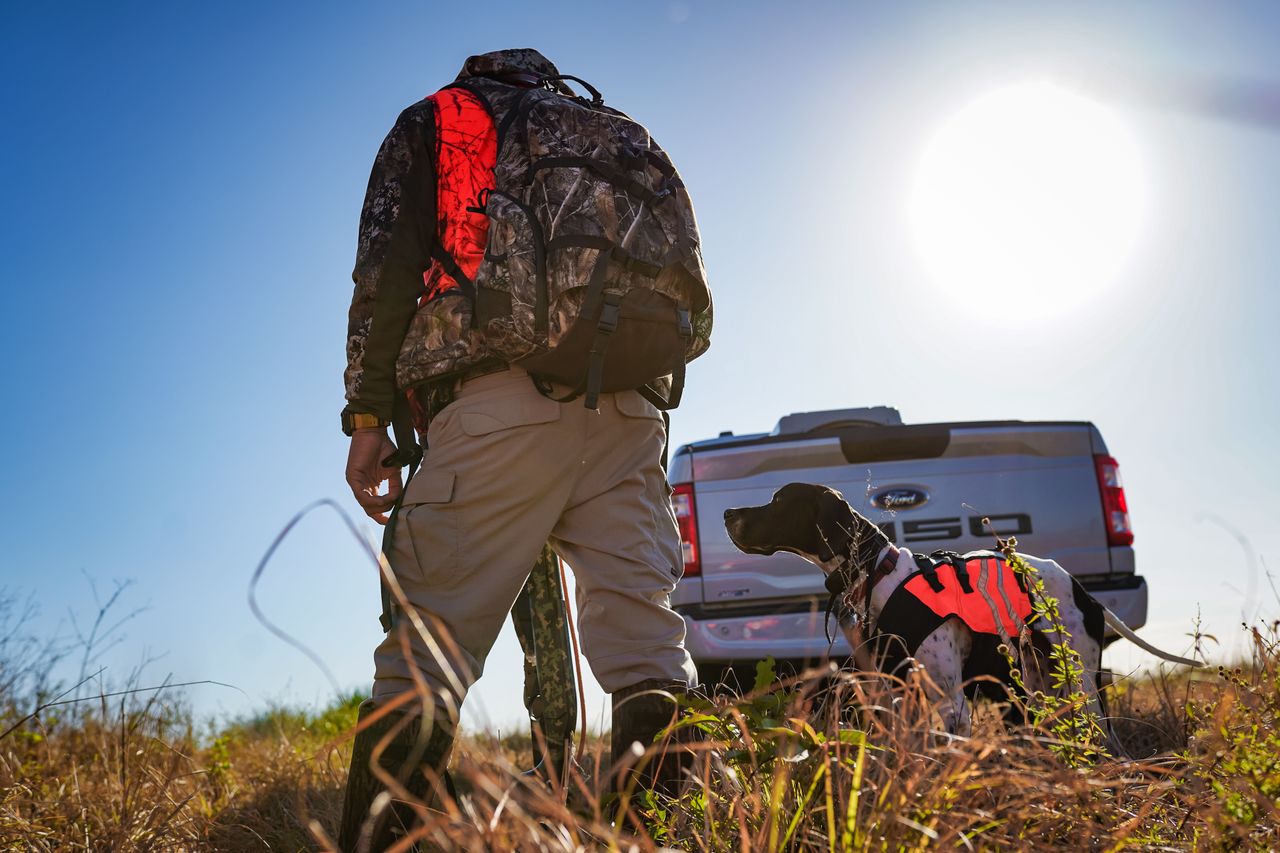
Hunters do not always buy guns for the hunt alone. More and more, they buy for the miles before and after it, too.
The truck gun idea has gone mainstream.m

The phrase “truck gun” used to mean something informal: a spare rifle or shotgun riding behind the seat for pests, coyotes, or the occasional opportunity hunt. Now it describes a whole buying mindset. Hunters are increasingly choosing firearms that can live in a vehicle, survive rough handling, and still be useful when a deer, hog, or predator hunt comes together on short notice.
That shift reflects how people actually hunt today. Access is fragmented, schedules are tighter, and many sportsmen squeeze hunting into the edges of work, ranch chores, and family travel. A rifle that stays close, stays ready, and does not demand delicate treatment fits that reality better than a polished heirloom that only comes out on opening weekend.
Retailers and manufacturers have noticed. Walk through a gun counter today, and you see compact bolt actions, polymer-stocked lever guns, budget-friendly AR-platform rifles, and optics marketed around durability first. The language is revealing: weatherproof, knock-around, ranch-ready, all-terrain. Those are not just branding choices. They map directly onto the truck gun lifestyle.
Hunters are favoring utility over tradition.

For a long time, hunting purchases were shaped by tradition as much as function. Walnut stocks, blued steel, and long barrels signaled seriousness and pride of ownership. Those guns still matter, but they increasingly share shelf space with matte finishes, synthetic furniture, threaded muzzles, and detachable magazines. The change is not only aesthetic. It reflects a different definition of value.
A hunter buying with truck use in mind asks practical questions first. Will this rust if it rides through a wet week in November? Will the stock warp after temperature swings? Can it be wiped down fast, thrown into a soft case, and trusted to hold zero? Those concerns naturally steer buyers toward stainless steel, Cerakote-style finishes, and polymer stocks.
There is also less fear of cosmetic wear. A truck gun is expected to collect scratches, dust, and a few dents. Because of that, many hunters are less willing to spend premium money on high-gloss wood and hand-finished metal. They are buying tools, not display pieces, and the market is responding with more purpose-built, mid-priced hunting rifles than ever.
Caliber choices are changing with the roll.e
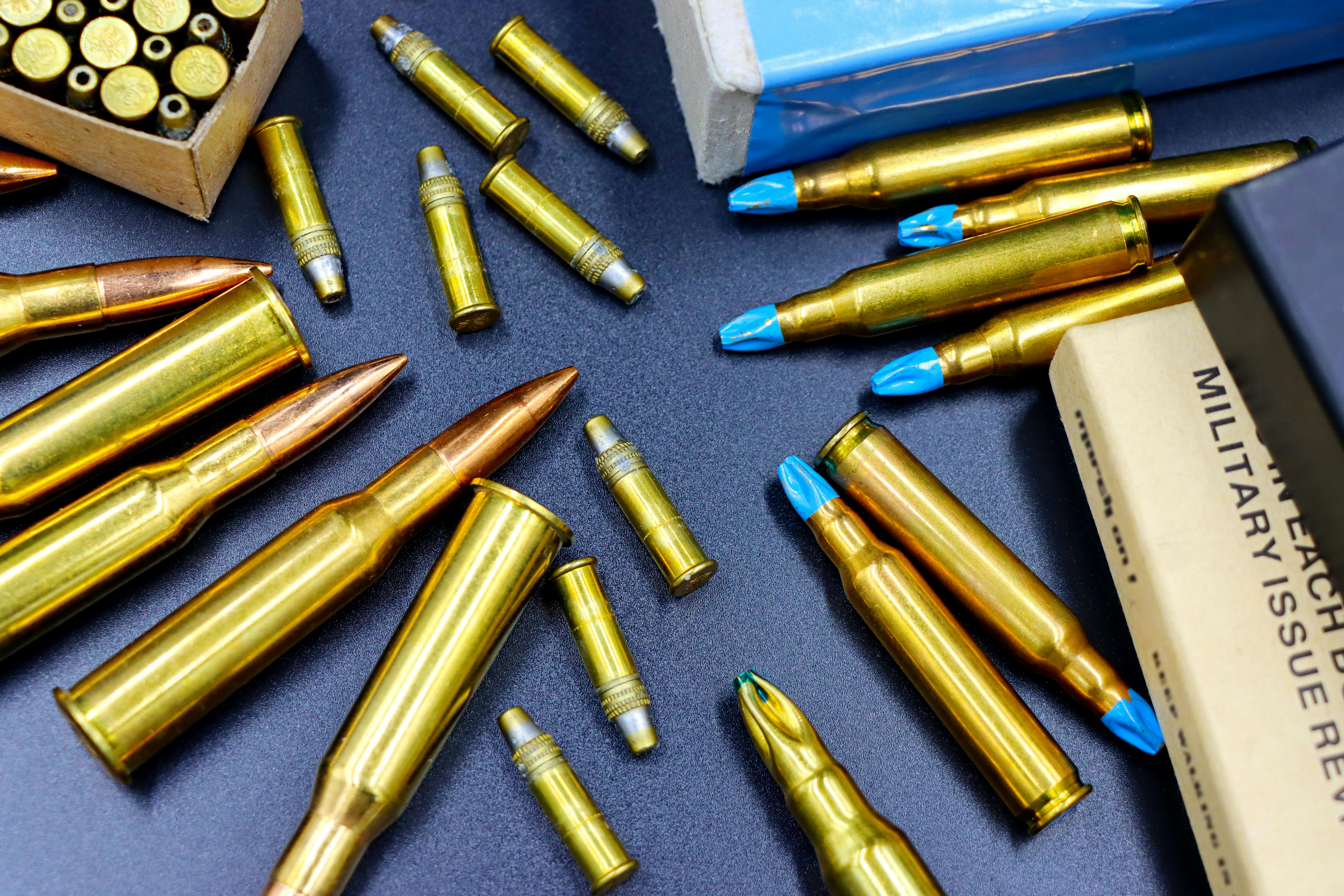
Truck gun culture is also reshaping what cartridges hunters choose. Instead of buying a rifle optimized for one species and one season, many buyers want a caliber that can handle several jobs. That is one reason versatile rounds such as .223 Remington, .243 Winchester, 6.5 Creedmoor, .308 Winchester, and 350 Legend keep showing up in conversations about everyday carry-around hunting rifles.
The logic is simple. A truck gun may need to dispatch a coyote one day, ride along during hog control the next, and still be useful for deer season. Hunters value manageable recoil, affordable ammunition, and broad availability. According to market analysts and retailer interviews over the past few years, those qualities matter even more when the gun is meant to be shot often and replaced without heartbreak if stolen or damaged.
Barrel length is shifting, ng too. Shorter rifles are easier to maneuver in and out of a cab, ATV rack, or side-by-side. That practical concern helps explain the popularity of compact bolt guns, youth-length models that adults actually like, braced-feeling carbines, and lever actions reborn in modern calibers. Hunters are not abandoning field performance. They are redefining it around mobility.
Optics and accessories now matter just as much.
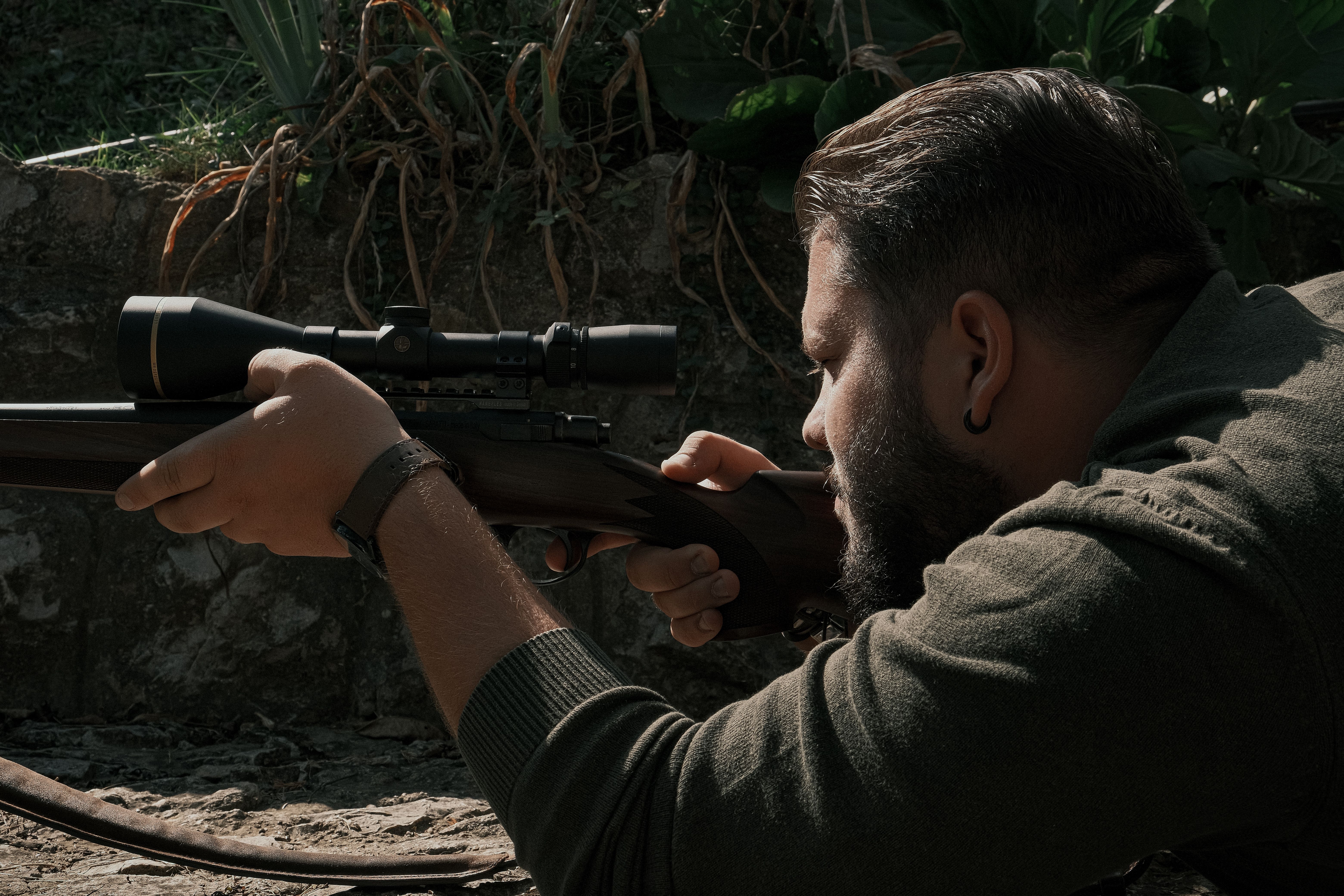
The truck gun trend does not stop at the firearm itself. It strongly influences the accessory wall, where buyers increasingly spend money on low-power variables, rugged red dots, compact scopes, sling systems, and lockable storage solutions. An optic that can take vibration, dust, and constant movement often wins over one that offers slightly better edge clarity from a bench.
This is where crossover buying becomes obvious. Gear once associated with tactical shooters or ranch rifle users now appeals to mainstream hunters. Illuminated reticles, backup iron sights, weapon lights for predator control, suppressor-ready barrels, and quick-adjust slings are no longer niche add-ons. They solve real problems for hunters who may take a rifle from a truck rack to the field in a matter of minutes.
Even the humble case has changed meaning. Soft cases with discreet looks, weather-resistant zippers, and fast-access compartments are selling because they fit modern vehicle use. At the same time, more hunters are buying compact cleaning kits, dehumidifying products, and cable locks. In other words, the truck gun does not just reshape gun sales. It creates a whole support economy around practical readiness.
Price sensitivity is steering the market.
One of the clearest effects of truck gun culture is its influence on price tolerance. Hunters who might spend generously on a dedicated elk rifle or a family heirloom shotgun often set a different budget for a vehicle gun. They want reliability, but they are cautious about tying too much money up in something exposed to theft, temperature extremes, and everyday wear.
That pressure has strengthened the middle of the market. Rifles from value-oriented lines have become far more appealing because they deliver acceptable accuracy, corrosion resistance, and modern features at approachable prices. A hunter can buy a synthetic-stock bolt gun, mount a dependable optic, and still stay under the cost of one premium wood-stocked rifle alone. For many buyers, that equation is hard to ignore.
Manufacturers have adapted by packing more practical features into lower price bands. Threaded muzzles, detachable magazines, factory rails, and improved stock ergonomics now appear on rifles once considered entry-level. The result is not merely cheaper gear. It is a gear designed around a clear use case: living in motion, ready when needed, and emotionally easier to own hard.
Regional hunting realities are pushing the trend.
Truck gun culture is especially strong in places where hunting overlaps with ranch work, predator management, feral hog control, and long-distance driving on rural land. In Texas, Oklahoma, parts of the Mountain West, and much of the South, the idea of a rifle traveling daily in a pickup feels less like a subculture and more like ordinary life. Buying habits in those regions often spread outward through social media and word of mouth.
Predator and nuisance-animal hunting play a major role here. Someone dealing with coyotes, hogs, or crop damage does not always want to retrieve a fine sporting rifle from the safe every time. They want something nearby, dependable, and versatile. That practical demand influences neighboring categories too, including thermal optics, compact tripods, and calibers suited for both control work and legal game hunting.
Younger hunters are absorbing these habits early. Many entered the sport through hog hunting, coyote calling, or family ranch use rather than through formal deer camp traditions. Their idea of a useful hunting rifle starts with durability and convenience. As they age into the market, their preferences are becoming the baseline, not the exception.
What does this mean for the future of hunting gear?
None of this means classic hunting guns are disappearing. There will always be a place for walnut-stocked rifles, finely balanced bird guns, and premium optics chosen with almost romantic care. But the growth area is clearly elsewhere: compact, weatherproof, multipurpose gear that fits a truck-first lifestyle. That is where much of the innovation, marketing, and buyer attention is headed.
The deeper story is that hunters are telling the industry how they really live. They are balancing work and recreation, moving between properties, chasing multiple species, and making decisions based on realism more than nostalgia. A gun that can handle dust on Monday, rain on Friday, and a dawn deer sit on Saturday feels smarter than one built mainly to impress at camp.
In that sense, truck gun culture is not just about storage or style. It is changing the definition of the ideal hunting setup. The rifles and gear gaining traction are the ones that travel well, shrug off abuse, and stay useful across many situations. Quietly but unmistakably, that is reshaping what hunters actually buy.