This one caught a lot of people off guard. After the RXM, most shooters expected more full-size modular handguns, not a tiny .380 pocket pistol with Magpul fingerprints all over it.
The Second Collaboration Nobody Saw Coming
Ruger and Magpul are back together, and this time the surprise is not another duty-style 9mm. It is the LCP Max with Magpul EHG, a revised version of Ruger’s micro-compact .380 that folds Magpul’s grip design ideas into one of the most established concealed-carry pistols in the market, according to Ruger’s 2026 new-products page and coverage from American Rifleman.
That matters because the first major collaboration between the two companies, the RXM, looked like a one-off headline grabber when it launched on December 11, 2024. Ruger pitched that pistol as a modular, striker-fired 9mm built around a removable stainless steel Fire Control Insert nested inside a Magpul Enhanced Handgun Grip.
Now the partnership has resurfaced in a totally different lane. Instead of scaling the RXM concept into another service pistol, Ruger and Magpul applied the collaboration to a deep-concealment gun, which is exactly why it feels unexpected.
Why The RXM Set The Stage
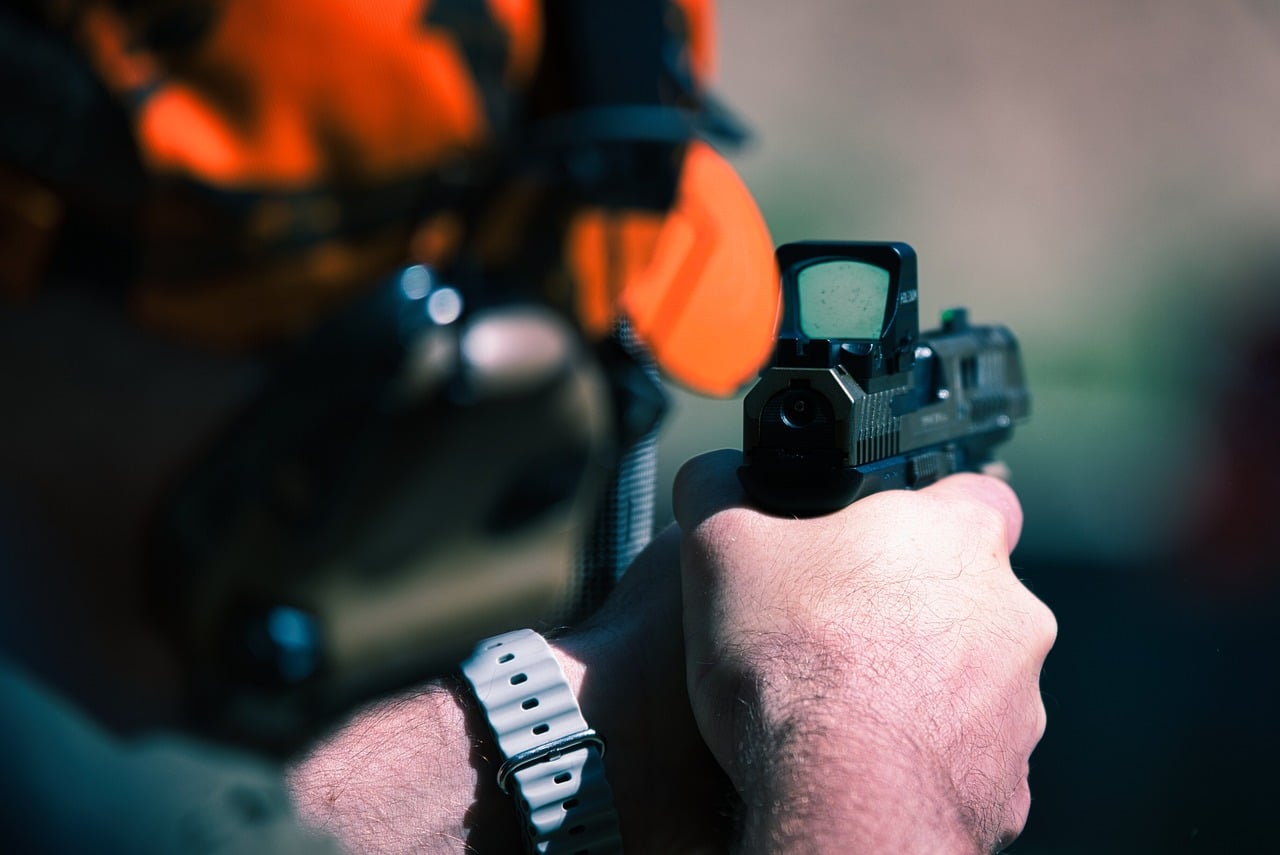
The RXM was not just another polymer pistol release. Ruger made it clear at launch that the gun was designed around flexibility, with direct optics mounting for RMR, Delta Point Pro, and RMSc footprints, plus broad compatibility with Glock Gen 3-pattern parts, holsters, and accessories.
That product also established the real division of labor. Ruger handled the firearm core, while Magpul brought what it does best: ergonomics, texture, and practical user-focused interface design. The Magpul grip frame added 3/4-scale TSP texture, indexing pads, a flared magwell, and a beavertail-and-undercut geometry meant to encourage a higher grip.
More importantly, Ruger executives later said the RXM was their “biggest and strongest” collaboration with Magpul so far, while also noting there had already been earlier Magpul-involved Ruger projects, including 10/22 stock work and rifle accessories. They also signaled more joint products were under discussion almost immediately after the RXM launch.
Why The LCP Max Version Is Such A Curveball
If you were placing bets after the RXM, you probably would have guessed a compact RXM, a long-slide RXM, or new grip modules first. Ruger has, in fact, said more frame sizes, grip colors, and accessory pipeline expansion were planned for that platform.
Instead, the next surprise was the LCP Max with Magpul EHG. American Rifleman reports that the pistol borrows recognizable RXM grip themes, including Stealth Gray styling and Magpul’s 3/4-scale TSP texture, but applies them to a much smaller .380 ACP carry gun.
That is a smart move because the pocket-pistol category often lives or dies on controllability. Tiny guns are easy to carry, but they can be harder to shoot well. By turning a comfort-and-control specialist like Magpul loose on the LCP Max, Ruger is targeting one of the most common complaints about micro pistols without redesigning the entire operating system.
What Actually Changed On The New Pistol
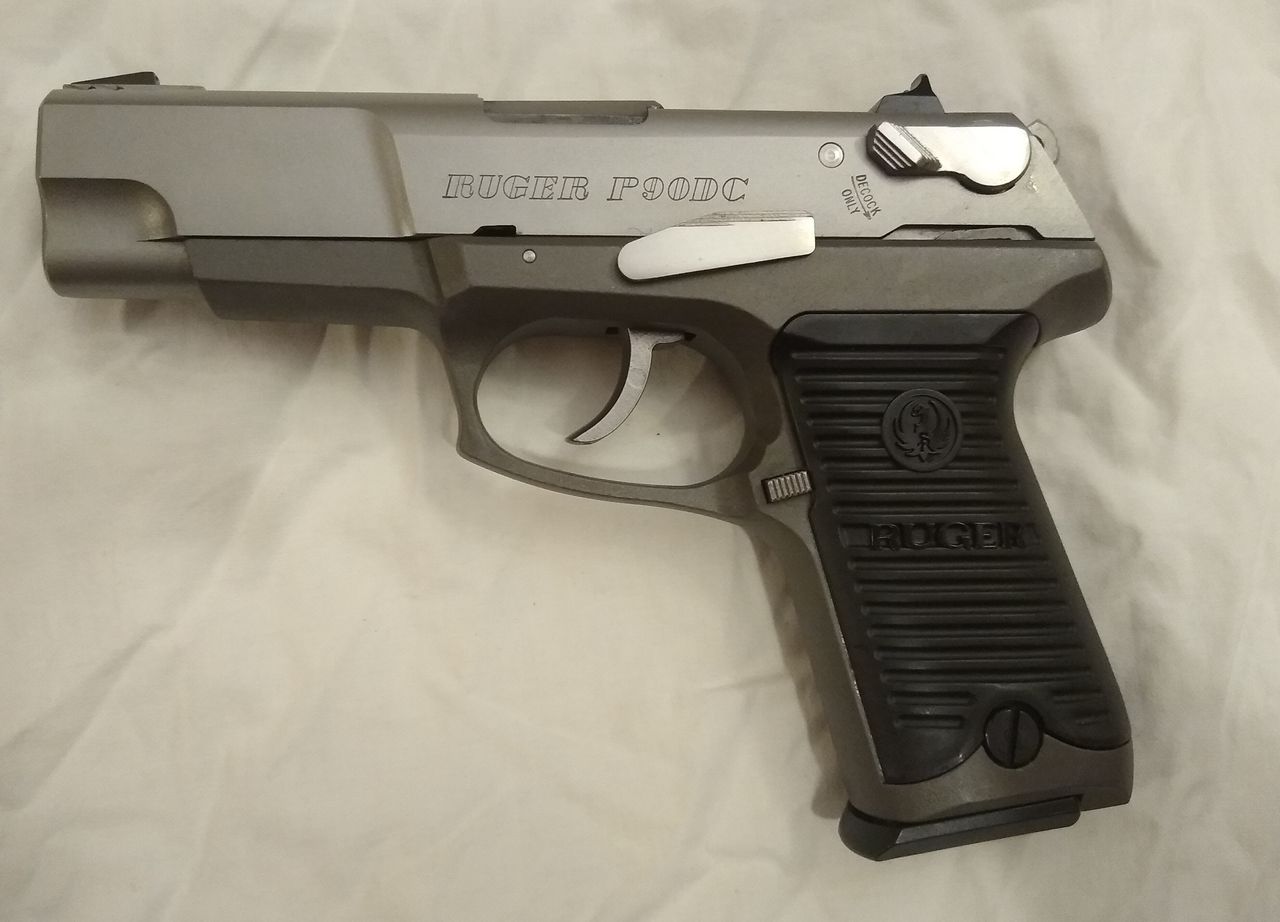
This is not just a cosmetic remix. According to Ruger and American Rifleman, the LCP Max Magpul model gets a premium grip frame engineered for better control, comfort, and consistency, plus a higher beavertail, undercut trigger guard, and a longer trigger-pull length intended to improve handling.
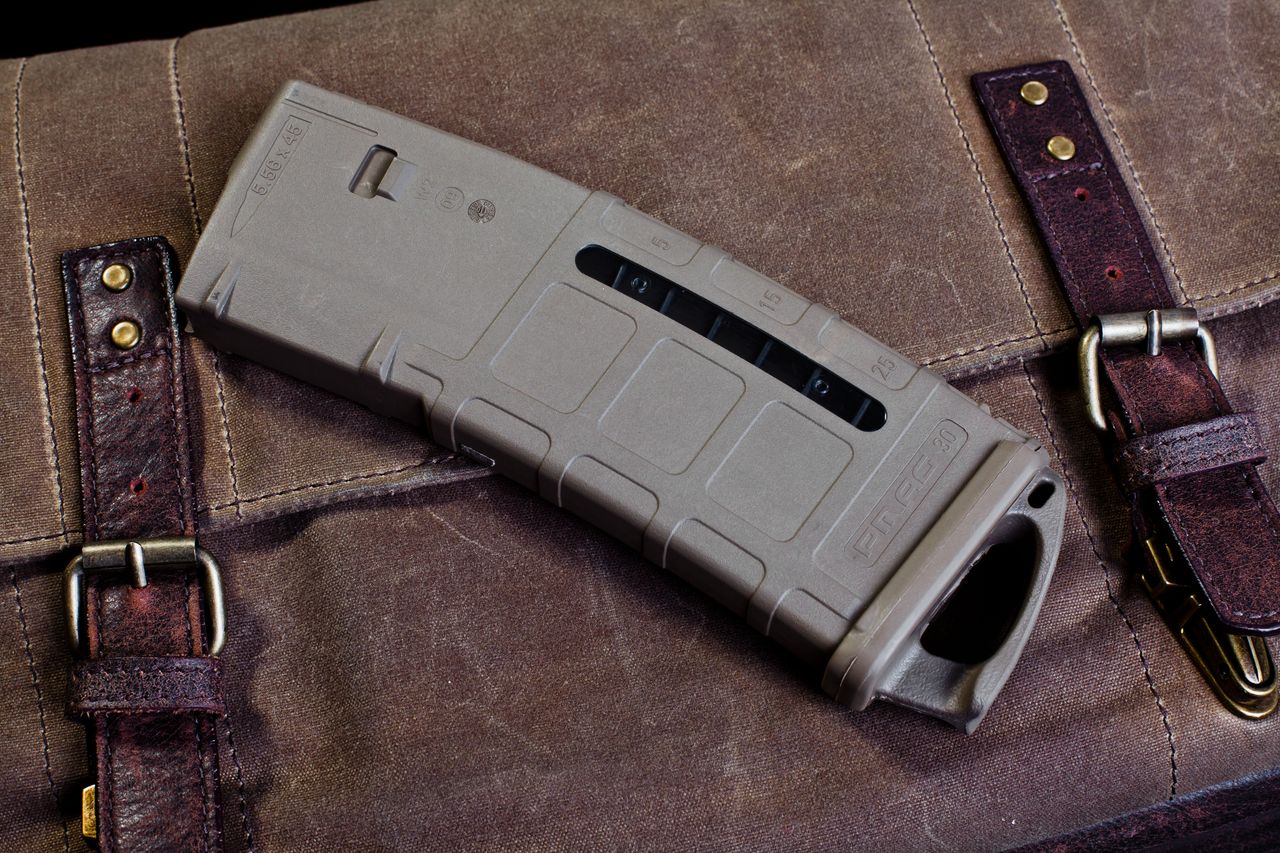
Magazine treatment is part of the package, too. Initial models ship with a manual safety, one 10-round magazine, and a new 13-round magazine designed specifically for the EHG format, while the flush-fit magazine and extension details are matched to the Magpul frame’s texture and profile.
There is also a styling tie-in to the RXM. American Rifleman says the slide profile was redesigned to echo that pistol’s look and wears a black nitride finish. In other words, Ruger and Magpul are not merely sharing parts language between products, they are building a recognizable family identity.
Why This Partnership Makes Business Sense
From a business standpoint, this team-up is almost textbook. Ruger brings scale, manufacturing muscle, and a reputation for offering feature-rich guns at prices aimed squarely at mainstream buyers. Magpul brings brand heat and a long track record of making interfaces that shooters actually notice the first time they pick up a gun.
The RXM proved that pairing could generate real momentum. Ruger described its launch as significant, saying product was staged broadly in wholesale and retail channels before the public debut and that early reaction was strong enough to sustain orders without a post-launch dip.
The company’s later updates also show the RXM was not a flash in the pan. Ruger said the pistol launched in 2024, and by October 2025 it had won NASGW-POMA Caliber Awards for Best New Handgun and Best New Overall Product. That kind of reception gives both brands a reason to keep pushing.
What It Says About Where Ruger Is Going
The bigger story is not just that Ruger and Magpul collaborated again. It is that Ruger appears increasingly willing to treat outside design partnerships as a repeatable product strategy instead of a novelty. The LCP Max Magpul model suggests the company sees collaboration as a way to refresh proven platforms, not only launch brand-new ones.
That is especially important in a market where many guns are mechanically solid but hard to differentiate. Better grip geometry, more useful texturing, smarter magazine extensions, and familiar styling cues can turn an old platform into something that feels new without blowing up cost or compatibility.
It also hints that Magpul’s role may keep expanding. Once an accessory company earns influence over the shape, feel, and identity of complete firearms, its fingerprints stop being optional add-ons and start becoming part of the gun’s core appeal.
The Real Reason Shooters Are Paying Attention

People are paying attention because this second project confirms the first one was not a stunt. The RXM introduced a serious working relationship. The LCP Max with Magpul EHG shows Ruger and Magpul are comfortable enough together to experiment outside the obvious category and bring collaboration into everyday carry territory.
That is why the project feels unexpected but logical at the same time. On paper, a Magpul-influenced pocket .380 sounds niche. In practice, it may be one of the clearest possible demonstrations of what this partnership can do: take a familiar Ruger and make it more shootable, more distinctive, and easier to market.
If this is only collaboration number two, the more interesting question is what number three looks like. Ruger has already said more joint ideas were being discussed, and after this surprise, it would be unwise to assume the next one will be predictable.