Montana deer hunters are used to change, but this one lands close to home. A new cap on deer tags is not just a paperwork tweak. It says a lot about where the state thinks deer management needs to go.
What Changed In Montana’s Deer Tag Rules

Montana Fish, Wildlife and Parks now says resident deer hunters are limited to purchasing three deer licenses per license year. In plain English, that can mean one general deer license plus two Deer B licenses, or three Deer B licenses, depending on the hunt structure and availability. The 2026 deer, elk, and antelope regulations list that cap as one of the major rule changes for the season.
That matters because Montana used to allow residents to stack far more antlerless deer opportunity in some parts of the state. In fact, the 2026 regulations note that the number was reduced from eight to three. For hunters who were accustomed to buying multiple B tags in high-opportunity areas, this is a sharp change, not a technical adjustment.
The rule sits within Montana’s broader licensing framework, where the state can authorize more than one license of a certain class but still limit how many a hunter may possess. State law already gives Montana the authority to restrict purchases when the commission authorizes multiple licenses, and FWP has now exercised that power in a much tighter way for deer.
Montana’s own licensing FAQ reinforces the same point: a resident can hold only three Deer B licenses in a year. So if you have been hearing rumors at the gun counter or in camp that the state “banned extra deer tags,” the more precise version is this: Montana did not end multiple deer licenses, but it absolutely capped them.
Why The State Decided To Step In
The biggest driver is herd management, especially where mule deer are under pressure. Montana’s 2026 regulations say FWP began reducing Deer B licenses in some areas starting in 2023 because of declining mule deer numbers. That is the clearest clue to the policy logic: when regional deer populations are strained, broad tag availability can work against recovery goals.
A Deer B license is typically tied to antlerless harvest, and antlerless harvest is one of the main levers wildlife managers use to shape population size. If managers believe some local herds need less harvest pressure, cutting the sheer number of tags any one hunter can stack is a direct way to dial that down without eliminating opportunity altogether.
There is also a practical management issue here. When a relatively small number of highly motivated hunters can buy a large pile of tags, harvest opportunity can become concentrated. That may be efficient in places where numbers are booming, but it can also create uneven pressure, particularly near accessible private land, irrigated ground, and well-known whitetail pockets.
So the cap is best understood as a blunt but effective control. Instead of relying only on district-by-district quotas, Montana also limited how much any one resident can accumulate. That helps managers spread opportunity more evenly while reducing the odds that over-the-counter abundance turns into localized overharvest.
The Difference Between General Tags And Deer B Tags

To understand why this change matters, you have to know the difference between Montana’s deer licenses. A general deer license usually provides the main season opportunity under the rules of the district and species framework. Deer B licenses are different. They are typically extra, targeted licenses, often focused on antlerless harvest and specific management needs.
That distinction is important because Deer B tags are not simply “bonus deer.” They are tools. In some districts they are meant to knock back whitetail numbers, address agricultural conflicts, or increase harvest in places where deer are abundant. In other places, especially where mule deer numbers are softer, FWP has already been pulling back those opportunities.
The 2026 regulations also note that many mule deer B licenses are now restricted to private land only. That tells you the state is getting more surgical. Rather than flood the landscape with broadly usable tags, Montana is narrowing when, where, and how extra antlerless harvest happens.
For hunters, the takeaway is straightforward. This cap is not a sign that Montana is abandoning opportunity. It is a sign that FWP wants extra deer harvest to serve very specific biological and access goals, instead of functioning like an unlimited add-on for anyone willing to buy tag after tag.
Fairness, Access, And Hunter Perception
Wildlife policy is never just biology. It is also about what feels fair to the people buying licenses and putting in the time. A three-tag cap addresses a complaint that surfaces often in western hunting circles: when a small share of hunters can buy a huge stack of tags, they can dominate access and opportunity in the most productive spots.
That is especially true in a state where access patterns are complicated. The best antlerless opportunity may sit on private ground, and some hunters build strong landowner relationships over many years. There is nothing inherently wrong with that, but when those hunters can also accumulate a large number of tags, the system can start to feel tilted to everyone else.
A lower cap also makes the season easier to understand. Simpler rules reduce accidental violations and cut down on the constant “Can I still buy one more?” confusion that frustrates both hunters and license vendors. In a regulation book already packed with district details, fewer stacking possibilities can be a real benefit.
There is another fairness angle too. According to the 2026 regulations, the cap is expected to reduce the number of deer licenses available to nonresidents by roughly 2,500 as a downstream effect. That suggests the state sees resident limits as part of a larger balancing act across the entire deer license pool.
What This Means For Deer Herds On The Ground
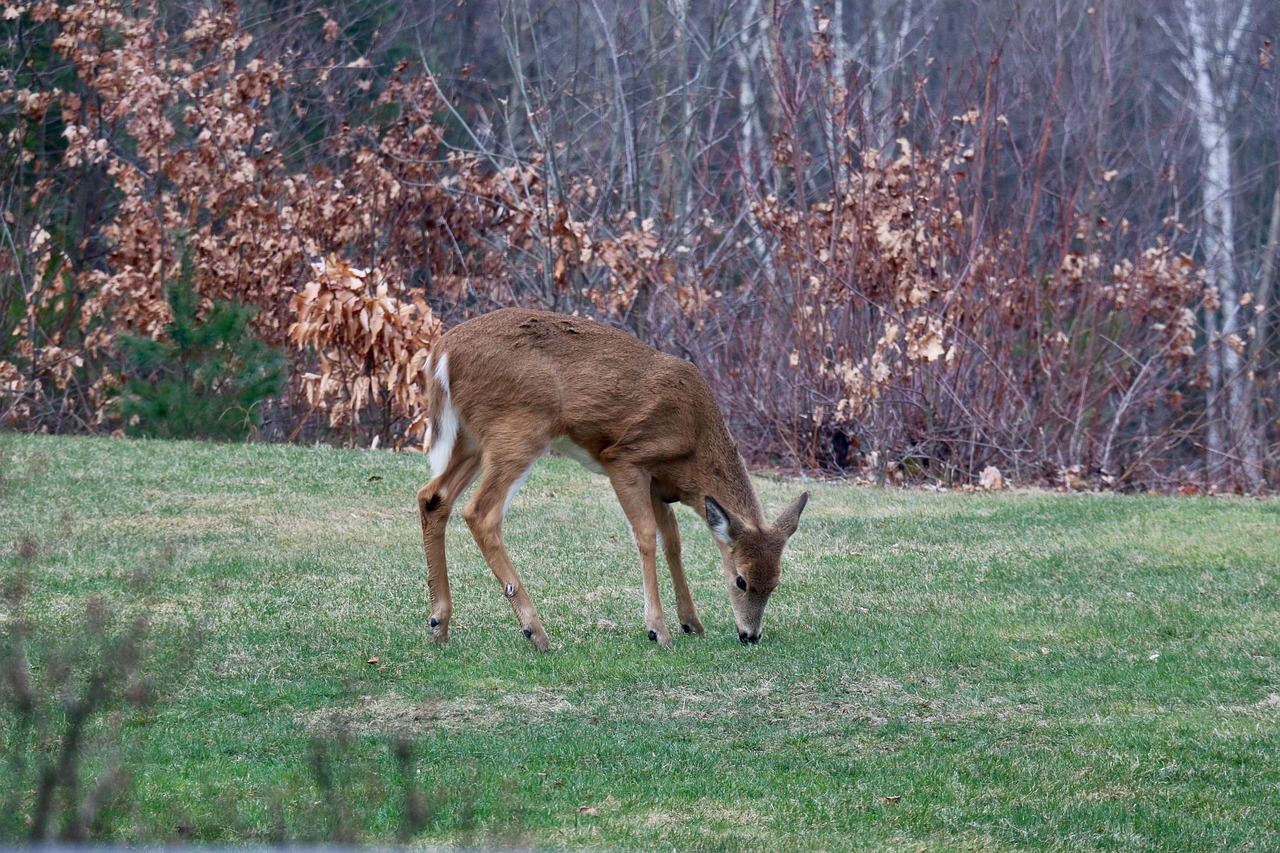
The biological effects will not be instant, and they will not look the same statewide. Montana is a big deer state with very different conditions from one region to another. Whitetails in agricultural country, mule deer on open prairie, and mixed herds around river bottoms all respond differently to weather, habitat, predators, and harvest pressure.
Still, tag caps matter because harvest frameworks shape hunter behavior. If a resident hunter can no longer load up on as many antlerless licenses as before, total harvest pressure should ease at least somewhat in areas where stacking had been common. Even modest reductions can matter when managers are trying to stabilize or rebuild vulnerable mule deer segments.
The change also works alongside more location-specific tools already in use. FWP has been shrinking some Deer B opportunities, restricting some licenses to private land, and adjusting availability by district. A statewide cap adds another layer that supports those local decisions instead of undercutting them.
Hunters should resist the temptation to view this as an emotional anti-hunting move. It looks much more like classic game management: limit take where needed, preserve flexibility where possible, and keep enough opportunity on the table that hunters remain engaged. In that sense, the cap is less about scarcity and more about control.
What Hunters Are Likely To Feel This Fall
For the average Montana deer hunter, the practical effect may be smaller than the reaction suggests. Plenty of residents never bought anywhere close to eight deer licenses in a season. If you normally carry a general deer tag and maybe one extra antlerless license, this rule may barely change your plans.
But for meat hunters, land managers, and highly active hunters who relied on multiple B tags, the difference is real. They may need to choose their districts more carefully, prioritize the highest-value antlerless opportunity, and make earlier decisions about where they want to spend time. The June 15 over-the-counter purchase date for Deer B licenses also adds timing pressure.
Outfitters, landowners, and local communities may feel subtle shifts too. If hunters can no longer spread effort across a large personal stack of tags, some trips may get shorter or more focused. That does not mean fewer hunters overall, but it could mean fewer repeat harvest attempts by the same individuals in the same season.
The social response will probably split along familiar lines. Some hunters will call it overdue discipline. Others will see it as another example of opportunity being chipped away. Both reactions are understandable, but the state’s language makes one thing clear: this decision is rooted in management strategy, not symbolism.
The Bigger Picture For Western Hunting

Montana’s move fits a larger western pattern. Across the region, wildlife agencies are under pressure to protect mule deer, defend hunter opportunity, respond to landowner concerns, and keep regulation systems credible. That often means fewer broad-brush policies and more targeted limits, even in states with strong hunting traditions.
What makes Montana’s change notable is that it touches a very visible part of hunting culture: the idea that if tags are available, a hunter should be able to buy as many as the rules allow. FWP is signaling that availability alone is no longer enough reason to keep generous stacking in place. Biological need and distribution of opportunity now matter more.
That is not the end of liberal deer seasons in Montana. Hunters can still find meaningful opportunity, especially in places where whitetail numbers support it. But the era of treating extra Deer B licenses like an almost unlimited seasonal add-on has clearly narrowed.
In the end, Montana capped deer tags because wildlife management is moving toward precision. When deer numbers, access realities, and hunter equity all pull in different directions, the easiest answer is rarely the best one. A three-license ceiling gives the state a firmer grip on the system, and that is exactly why it did it.