Some rifles look impressive on paper. The .45-70 keeps earning trust where paper ballistics stop mattering.
It Was Built for the Kind of Problem Alaska Still Has
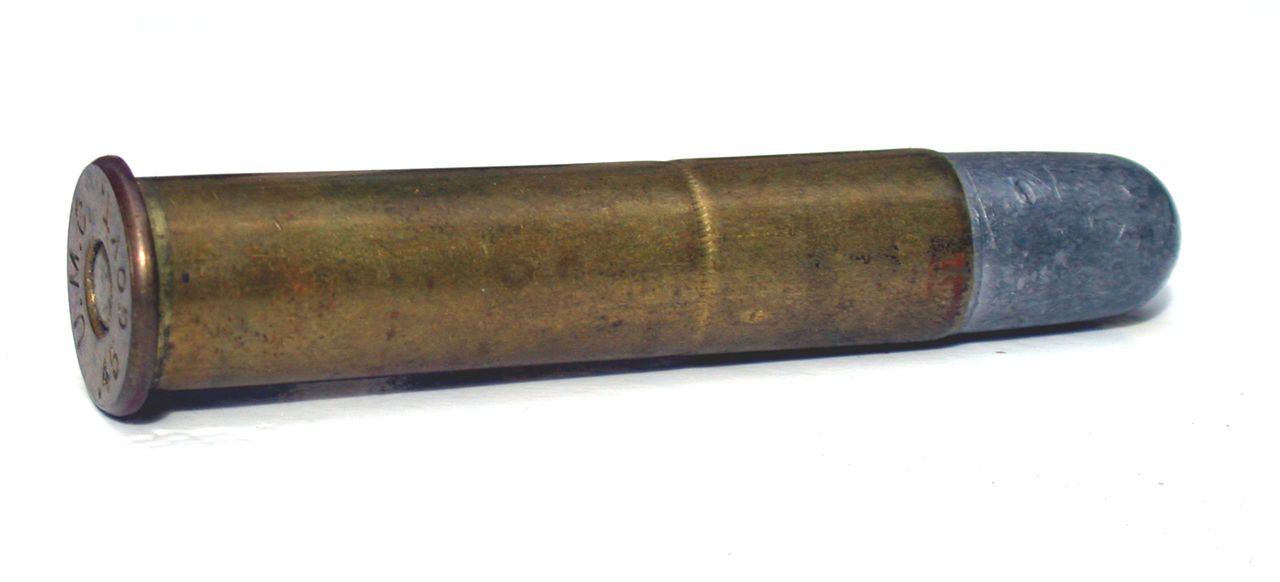
Alaska is one of the few places where all three North American bear species live, and the state’s own bear-safety guidance makes clear that close encounters are a real part of life in the field. Alaska Department of Fish and Game stresses that deterrence comes first, but it also notes that if a firearm must be used, it will likely be at close range.
That matters because guides are not choosing a rifle for a clean benchrest scenario. They are choosing for brush, rain, alder tangles, riverbanks, and sudden movement measured in feet, not yards. In that world, compactness and instant readiness count for a lot.
The .45-70 has stayed relevant because it was never a fragile specialist. It throws a big bullet, works well from short carbines, and has a long reputation for hitting hard at exactly the distances where a defensive shot on a bear would actually happen.
The Lever Gun Solves Problems Before the Trigger Breaks
A short lever-action carbine is easy to carry in a skiff, lash on an ATV, or keep handy while packing meat. That sounds mundane, but guides trust guns they will actually keep in hand, not rifles that are so long or awkward they end up leaning against a tree at the wrong moment.
Field & Stream recently noted that many Alaska guides and bush pilots still favor short-barreled .45-70s in bear country. That preference is not nostalgia. It is a response to terrain where a long magnum bolt gun can feel slow to mount and clumsy to cycle under pressure.
Lever guns also point naturally. Their balance tends to sit between the hands, and at bad-breath distance that helps a shooter get on target fast. When a bear is suddenly inside 20 yards, smooth handling can be every bit as important as raw muzzle energy.
Heavy Bullets and Straight-Line Penetration Win Respect
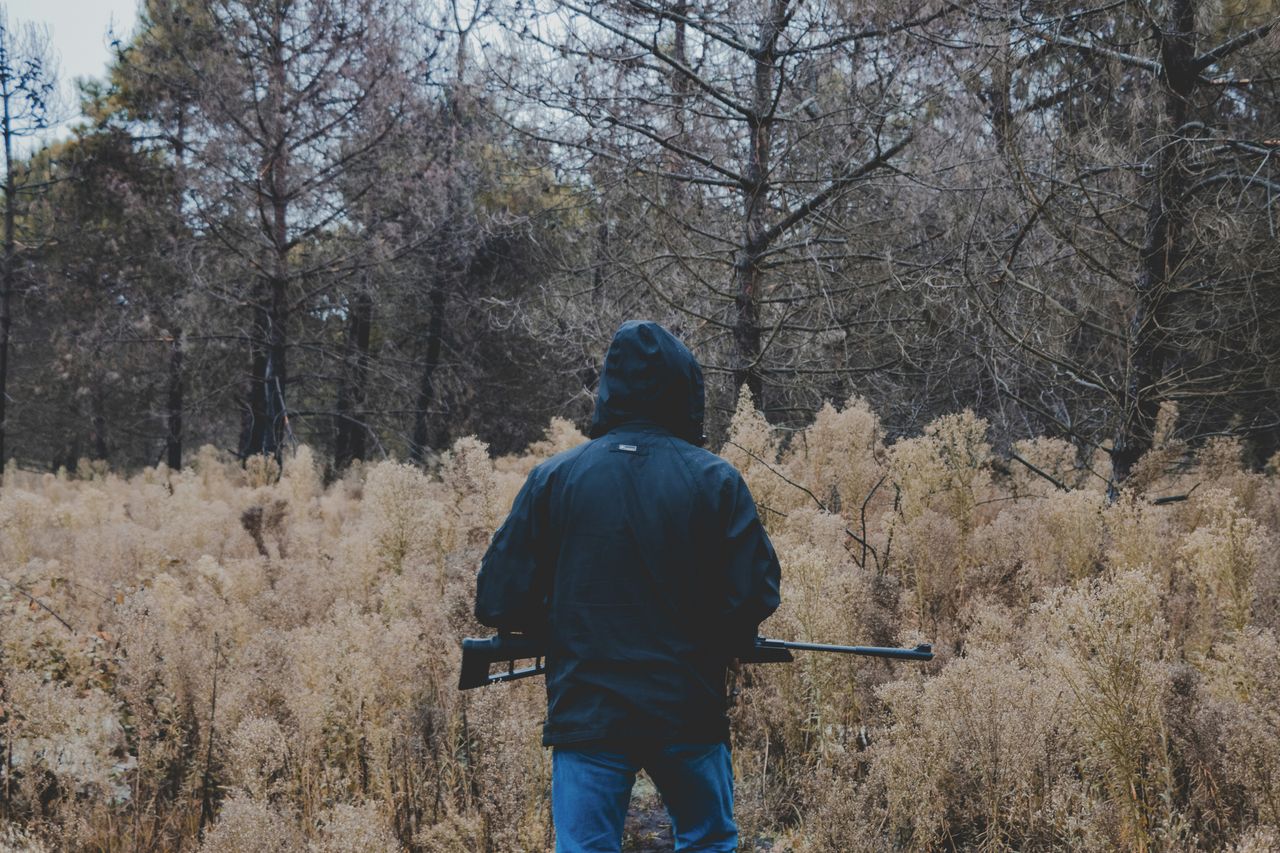
Bear-defense talk often gets lost in velocity numbers, but guides care more about penetration through heavy muscle, dense bone, and awkward angles. That is where the .45-70’s modern hard-cast loads built their reputation. Garrett and Buffalo Bore both emphasize heavy, flat-nosed bullets designed for deep, straight penetration rather than dramatic expansion.
That approach lines up with practical field logic. A large meplat can crush tissue while the bullet keeps driving, even if the shot must break shoulder or reach vitals from less-than-ideal presentation. On a charging bear, ideal presentations are not guaranteed.
Alaska Department of Fish and Game also repeatedly emphasizes that if a firearm is used in defense, it will be close and decisive. The .45-70’s appeal is that it can deliver very heavy bullets from a compact rifle without asking the shooter to manage the blast and barrel length of a larger magnum.
It Is Powerful Without Becoming Needlessly Complicated
This is where the .45-70 keeps threading the needle. Alaska officials often mention .300 magnums and 12-gauge slug guns as appropriate bear-stopping tools, and those remain serious options. But guides often prefer something faster-handling than a long magnum rifle and more shootable, for many people, than a hard-kicking pump shotgun.
The .45-70 offers power in a simpler package. It is not a long-range mountain cartridge, and nobody serious pretends otherwise. Inside typical defensive distances, though, its balance of authority, controllability, and quick follow-up potential is hard to dismiss.
That last point matters. In a real charge, the first shot may not instantly end the problem. A rifle that comes back on target quickly and cycles cleanly can be more useful than one that produces bigger numbers but slows the shooter down.
Guides Trust What Works Under Stress, Not What Impresses Online
Guides are paid to reduce chaos. Their choices usually drift toward equipment that is rugged, familiar, and forgiving under adrenaline. The .45-70 fits that mindset because its mission is narrow and honest: close-range authority on large animals in ugly conditions.
It also helps that these rifles are usually simple to maintain. Stainless-and-laminate or weatherproof synthetic setups handle wet boats, bloody hands, and days of abuse better than delicate range toys. In Alaska, reliability is never an abstract virtue.
There is also a legal and practical backdrop here. Under Alaska’s 2025-2026 regulations, nonresident brown and grizzly bear hunters must be accompanied in the field by a licensed guide or qualified resident relative. That means professional guides are often the last line of defense when things go sideways, so they gravitate to rifles with a proven safety margin.
The Real Lesson Is Not Cartridge Worship
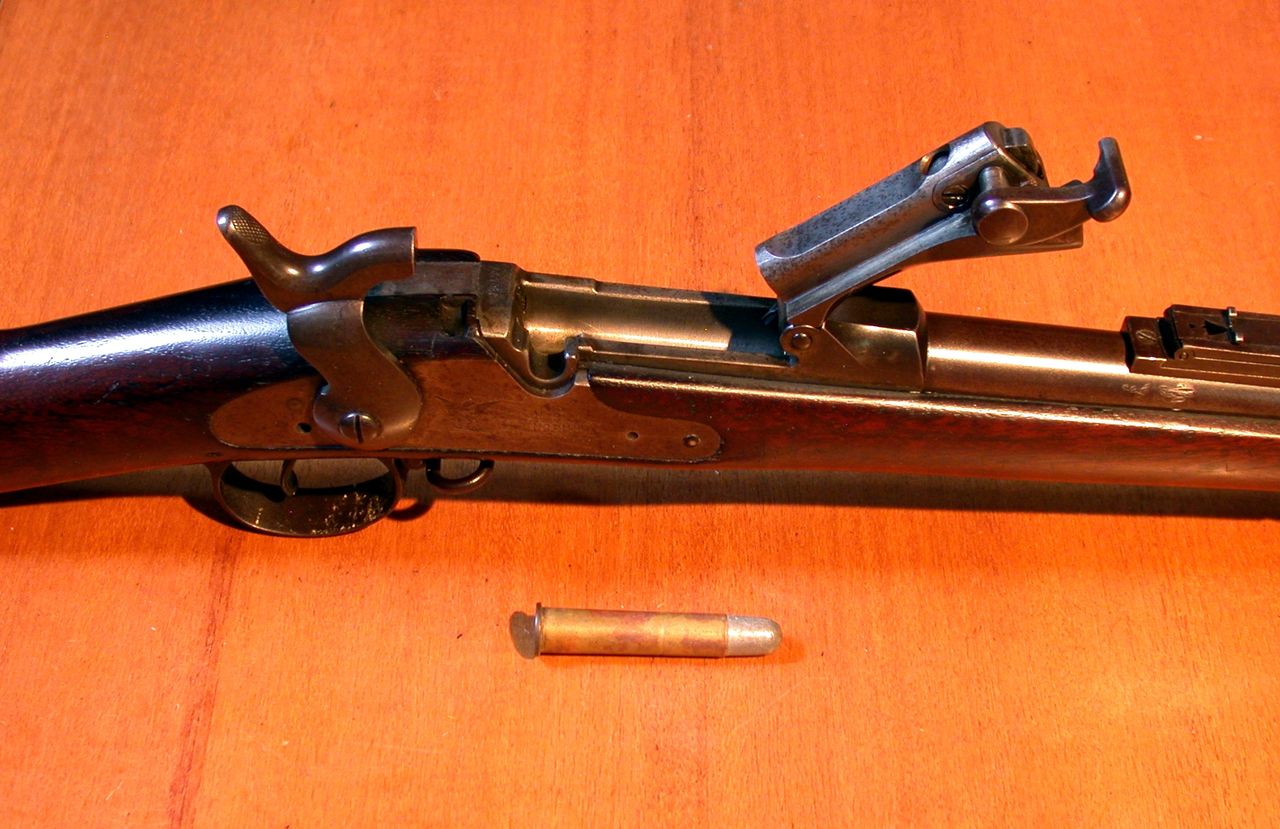
The .45-70 is not magic, and responsible Alaska bear guidance is clear that avoidance, awareness, and deterrents matter first. Bear spray remains a major defensive tool, and Alaska officials warn that an inexperienced shooter with a firearm can make a bad situation worse. Skill still outranks caliber.
But the cartridge keeps surviving every trend cycle because it answers a specific question exceptionally well: what do you want in your hands if a very large bear is suddenly close and still coming? For many guides, the answer remains a short, fast .45-70 loaded with deep-penetrating bullets.
That is less about romance than realism. When the brush erupts and the distance disappears, the old cartridge still offers exactly what professionals value most: speed, simplicity, and enough punch to matter right now.