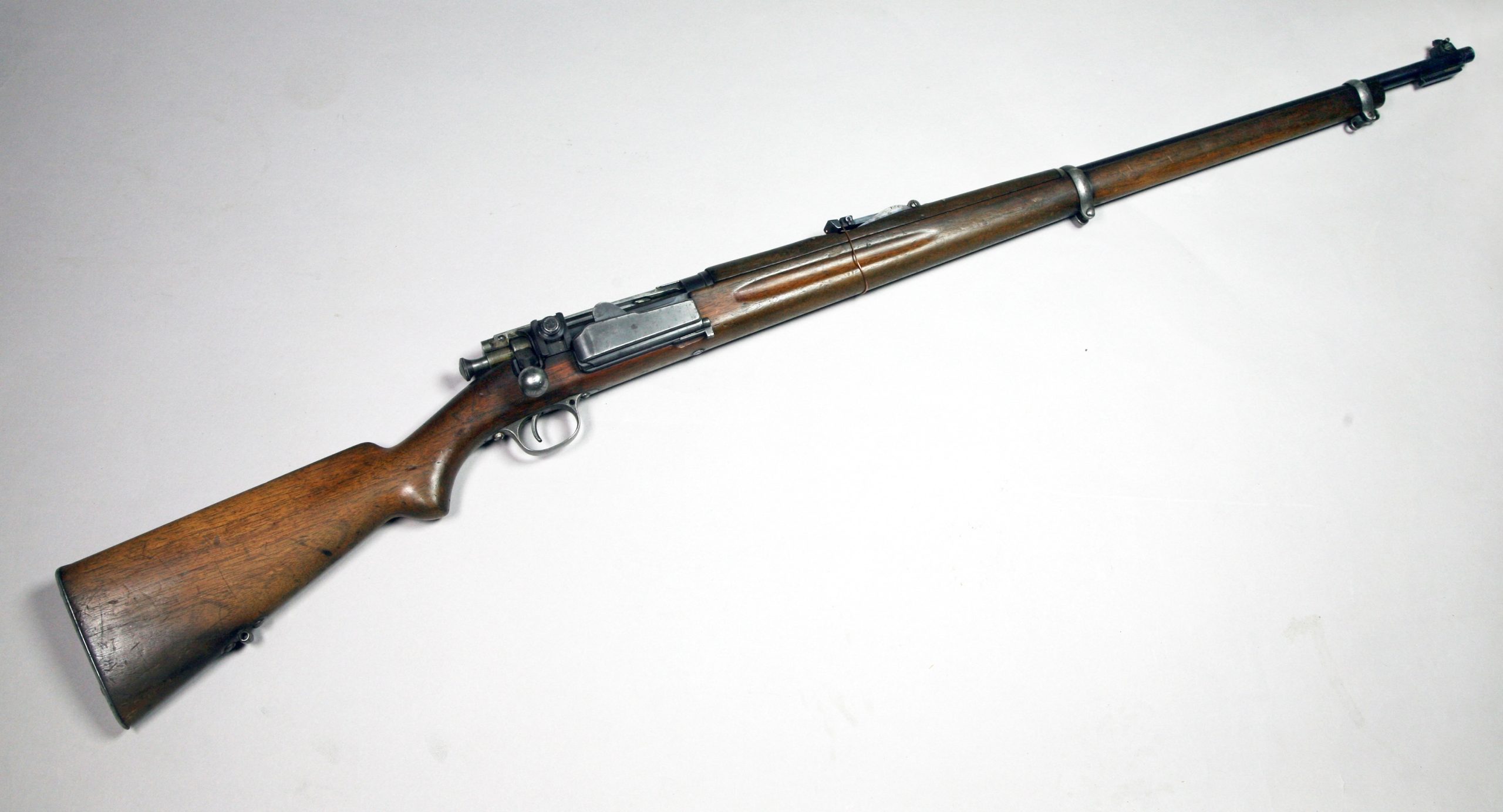
Some rifles win fame by dominating the battlefield. The Krag-Jorgensen became memorable because it was brilliantly refined in some ways and badly outmatched in others.
A Rifle That Marked a Major U.S. Transition
The Krag-Jorgensen stood apart because it arrived at a turning point in American military history. In 1892, the U.S. Army selected it after trials against numerous domestic and foreign designs, replacing the long-serving single-shot Trapdoor Springfield. That alone made it important.
It became the first effective repeating rifle officially adopted by the U.S. military. According to the National Park Service and U.S. Army historical material, it also marked the Army’s full move into the era of small-bore, smokeless-powder, bolt-action arms.
That shift mattered more than many casual readers realize. The Krag was not just a new rifle; it represented a new way of thinking about infantry firepower, ammunition, and battlefield range.
The Side-Loading Magazine Was Its Signature Feature
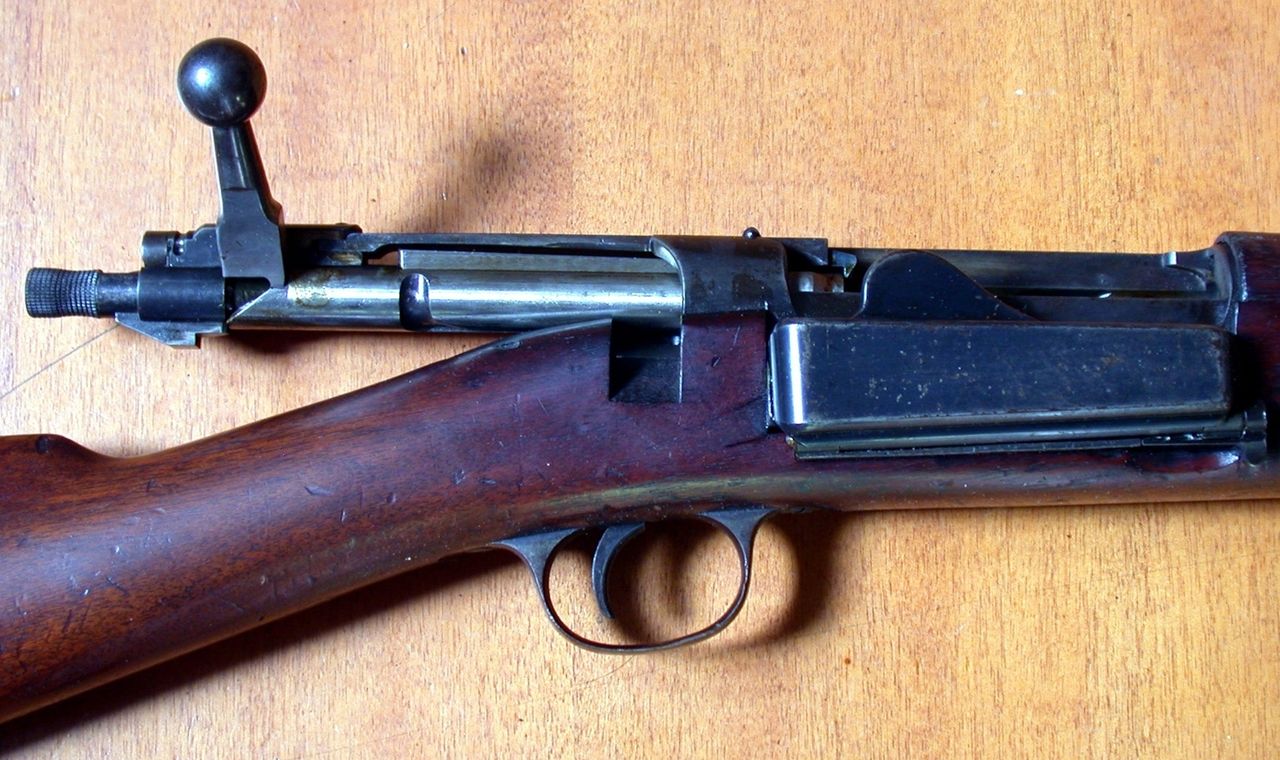
More than anything else, the Krag’s magazine system made it different. Instead of loading from the top with a stripper clip like the Mauser, the Krag used a hinged side-loading gate and an internal magazine that held five cartridges.
That design had real advantages. A soldier could “top off” the magazine without fully unloading the rifle, and cartridges could be fed in quietly and smoothly. For hunters and skilled marksmen, that feature remained attractive long after the rifle left military service.
The downside was speed. In combat, especially under pressure, feeding rounds one by one through the side was slower than charging a Mauser-pattern rifle from the top with a clip. The Smithsonian and Army history sources both note that this difference became painfully clear in 1898.
Its Bolt Action Was Exceptionally Smooth
Ask knowledgeable firearms people what makes the Krag special, and many mention the bolt first. The action developed a lasting reputation for being unusually slick, easy to cycle, and mechanically elegant.
Springfield Armory historical material has described the Krag as one of the smoothest bolt-action rifles ever developed. That is not just collector nostalgia. The rifle’s camming and feeding characteristics gave it a polished feel that many competing military rifles lacked.
In practical terms, that smoothness could help with controlled fire. A rifle that cycles easily is less fatiguing and often easier to run well from awkward positions, which partly explains the Krag’s strong post-military reputation among sportsmen.
It Combined Modern Ammunition With Conservative Loading
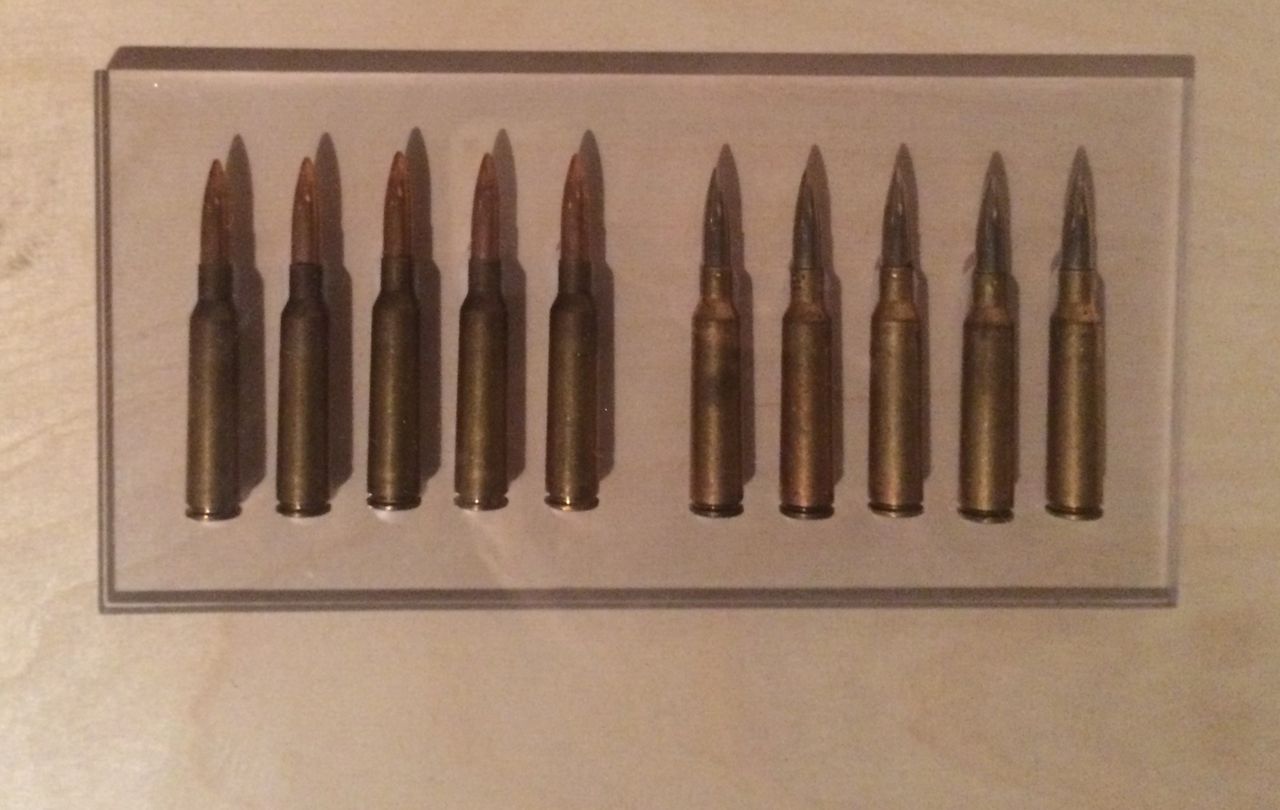
Another thing that set the Krag apart was its blend of progress and compromise. It fired the .30-40 Krag, a smokeless cartridge that gave the U.S. Army a major leap over older black-powder arms.
That was modern by American standards of the 1890s. The Army’s historical publications note that the rifle used a five-round box magazine and smokeless ammunition, helping move U.S. forces into a more contemporary small-arms system.
Yet the loading method remained behind the curve. While the cartridge and action were modern, the inability to use charger clips efficiently meant the rifle was already showing limits just as European military rifle design was accelerating forward.
The Spanish-American War Exposed Both Its Strengths and Weaknesses
The Krag’s real-world test came in the Spanish-American War. U.S. regulars carried Krags, while Spanish troops armed with the Mauser M1893 demonstrated what a faster-loading, higher-velocity rifle could do in battle.
Army and National Park Service sources point to San Juan Hill and related fighting as the moment when the Krag’s disadvantages became impossible to ignore. The Mauser could be loaded more rapidly, and its ammunition offered stronger velocity and range performance.
That does not mean the Krag was a bad rifle. It means it was a refined rifle overtaken by battlefield reality. Smooth operation and careful craftsmanship could not fully compensate for slower reloading in an era increasingly defined by rapid, sustained fire.
Why the Krag Still Matters Today
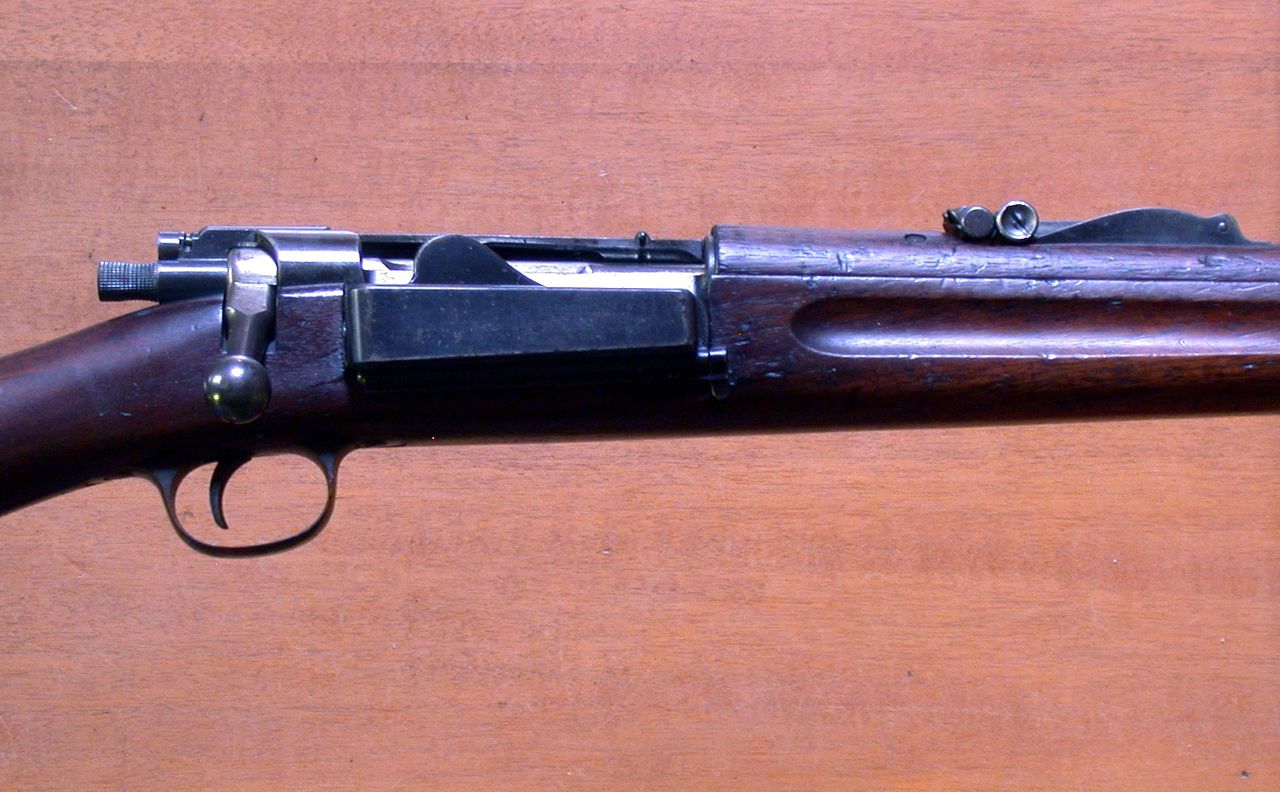
What truly set the Krag apart was not one single feature but a combination of qualities. It was advanced enough to replace the old Trapdoor, refined enough to earn admiration, and flawed enough to be superseded quickly by the Springfield 1903.
That tension is exactly why the rifle remains so interesting. It shows how military weapons can be excellent on their own terms yet still lose out when tactics, ammunition, and industrial design all move at once.
For collectors, shooters, and history buffs, the Krag-Jorgensen remains a fascinating bridge rifle. It was elegant where others were utilitarian, innovative where others were conventional, and just obsolete enough to become unforgettable.