Some military trials are decided by engineering. This one was decided just as much by logistics.
The Contest That Narrowed To Two Rifles
In the late 1920s, the U.S. military was seriously hunting for a semi-automatic service rifle to replace the bolt-action M1903 Springfield. According to U.S. Army historical material, formal testing in 1929 narrowed a crowded field down to two serious finalists: John Pedersen’s .276-caliber rifle and John C. Garand’s .276-caliber design.
That alone tells you how strong Pedersen’s entry really was. He was not an eccentric outsider tossing in a curiosity. He was one of the most respected firearms designers of his day, already famous for the Pedersen Device and for unusually elegant mechanical solutions.
By the end of those trials, the question was no longer whether the Army wanted a self-loader. It was which self-loader it wanted, and for a time Pedersen looked like he had a genuine path to victory.
Why The Pedersen Rifle Looked So Promising

Pedersen’s rifle had real appeal to trial boards because it offered controllable recoil, lighter ammunition, and the kind of rapid follow-up fire infantry officers increasingly valued after World War I. The .276 cartridge itself was seen by many ordnance thinkers as a modern answer to the heavy recoil and long-range excess of .30-06 in a shoulder rifle.
The design also reflected Pedersen’s reputation for refinement. His mechanism used a toggle system, and like some of his earlier work, it emphasized smooth functioning through carefully managed operating forces rather than brute simplicity.
That said, the rifle carried baggage. American Rifleman and other historical accounts note that Pedersen’s system depended on lubricated cartridges, a detail that raised immediate concerns about dirt, handling, and battlefield practicality. A rifle can be clever on the bench and still lose confidence in mud, dust, and cold.
The Ammunition Decision That Changed Everything
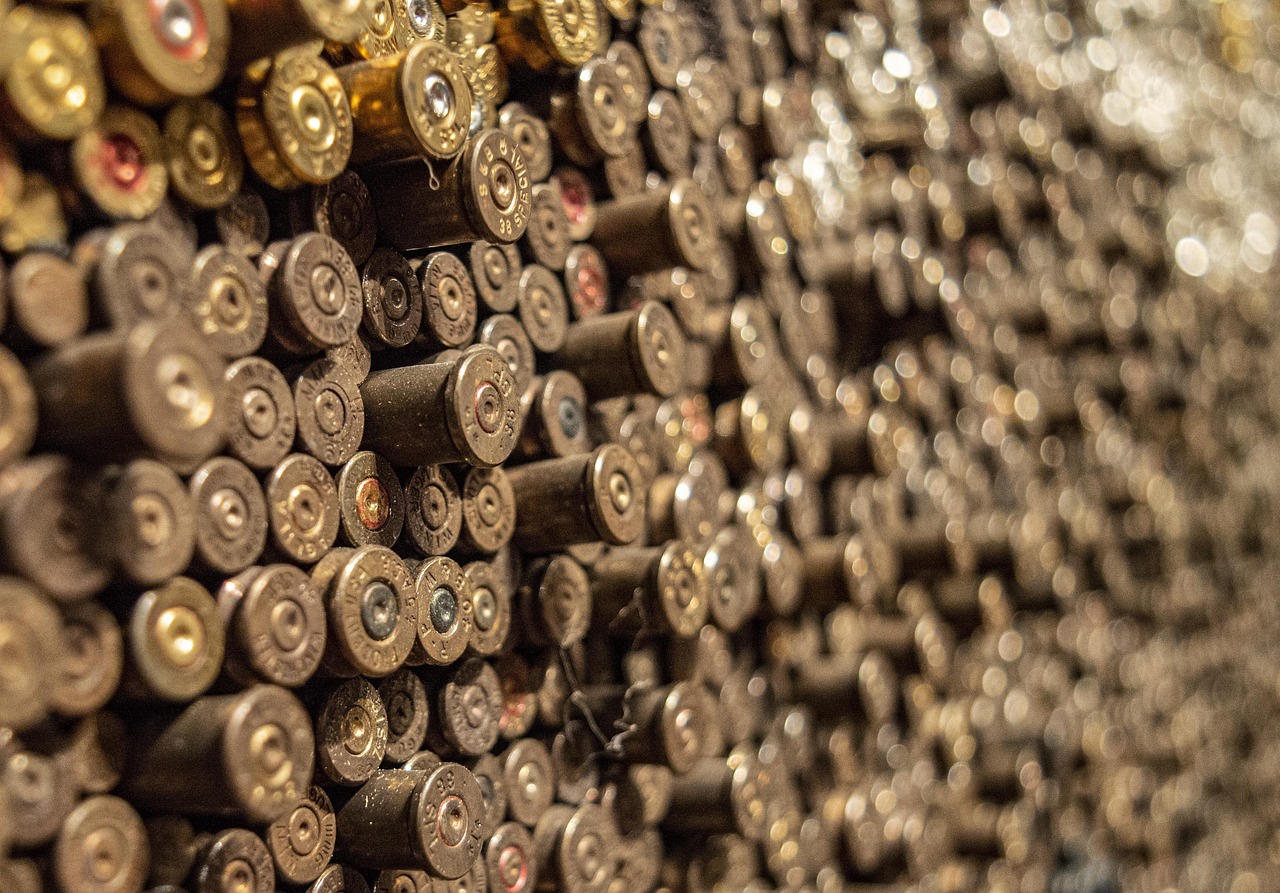
Here is the pivot that matters most: the Army first leaned toward .276, then backed away. Army histories and later technical retrospectives point to a basic problem that had nothing to do with glamour and everything to do with supply: adopting .276 would mean introducing an entirely new service cartridge while massive stocks of .30-caliber ammunition remained on hand from World War I.
That was not a small bureaucratic footnote. It was the whole game. Once decision-makers reconsidered ammunition standardization, the balance shifted away from the rifle that had been built around .276 advantages.
Garand, crucially, had already been working on a .30-caliber rifle. As official Army history notes, he soon demonstrated that a practical self-loading rifle did not have to stay in the smaller caliber to keep acceptable weight and handling. When the ammunition requirement changed, Garand adapted. Pedersen, effectively, did not get the same second life.
Why Logistics Beat Elegance

People often remember weapons history as a parade of best designs winning on pure merit. Real procurement is harsher than that. Armies buy systems, not just rifles, and ammunition is the bloodstream of the whole system.
A new cartridge means new production lines, training tables, storage plans, transport burdens, and wartime risk. In the interwar U.S. military, with budgets tight and warehouses still full of .30-06, that was a serious barrier. Even a very good rifle had to justify upheaval across the entire ordnance chain.
Pedersen’s near-win is a classic example of a weapon losing for reasons outside its receiver. If the trial had been judged only on shooting qualities inside a narrow technical lane, his rifle might have remained the favorite much longer.
How Garand Turned The Reversal Into Victory
Once the Army returned to .30 caliber, Garand’s position improved dramatically. His rifle could be reworked around the existing service cartridge, which meant it aligned with institutional reality instead of fighting it.
According to period summaries in Army publications and later firearm histories, the .276 project was ultimately abandoned and development energy shifted to the .30-caliber Garand. That decision cleared the way for the rifle that became the U.S. Rifle, Caliber .30, M1, officially adopted in 1936.
In hindsight, Garand’s genius was not only technical. It was also developmental resilience. He produced a rifle that could survive changing requirements, and in military procurement that trait is often just as important as brilliance in the original concept.
The Lesson Hidden Inside Pedersen’s Defeat
Pedersen’s rifle deserves to be remembered not as a failure, but as a reminder that military trials are rarely final exams in marksmanship alone. They are stress tests of doctrine, logistics, industrial capacity, and timing.
His .276 rifle nearly won because it answered a real tactical question the Army was asking in the late 1920s. It lost because the Army changed the question and decided cartridge commonality mattered more than the advantages of a fresh caliber.
That is why this episode still matters. It shows how one ammunition decision can redirect weapons history, turning a likely winner into a historical footnote and a rival into one of the most iconic service rifles ever fielded.