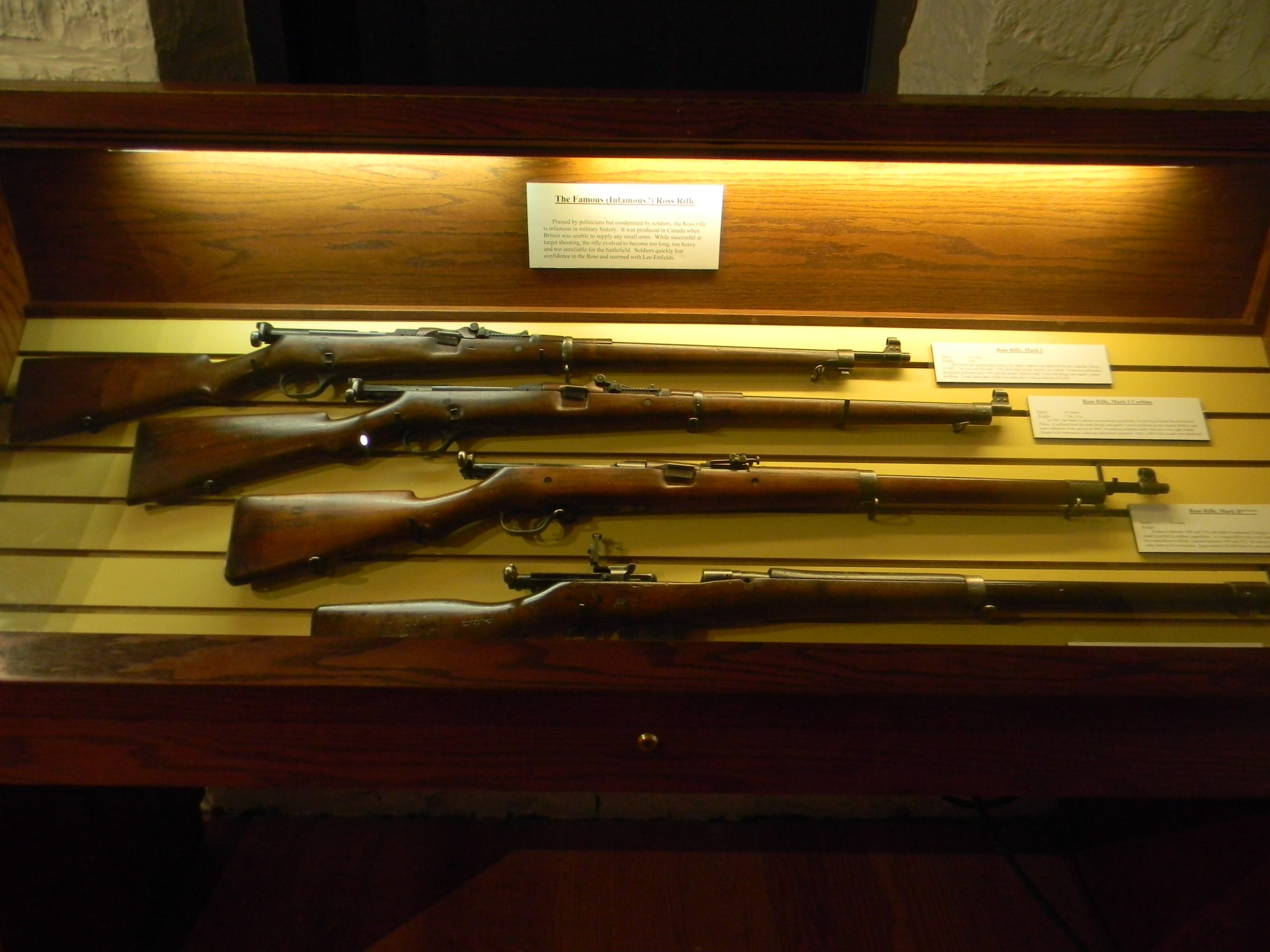
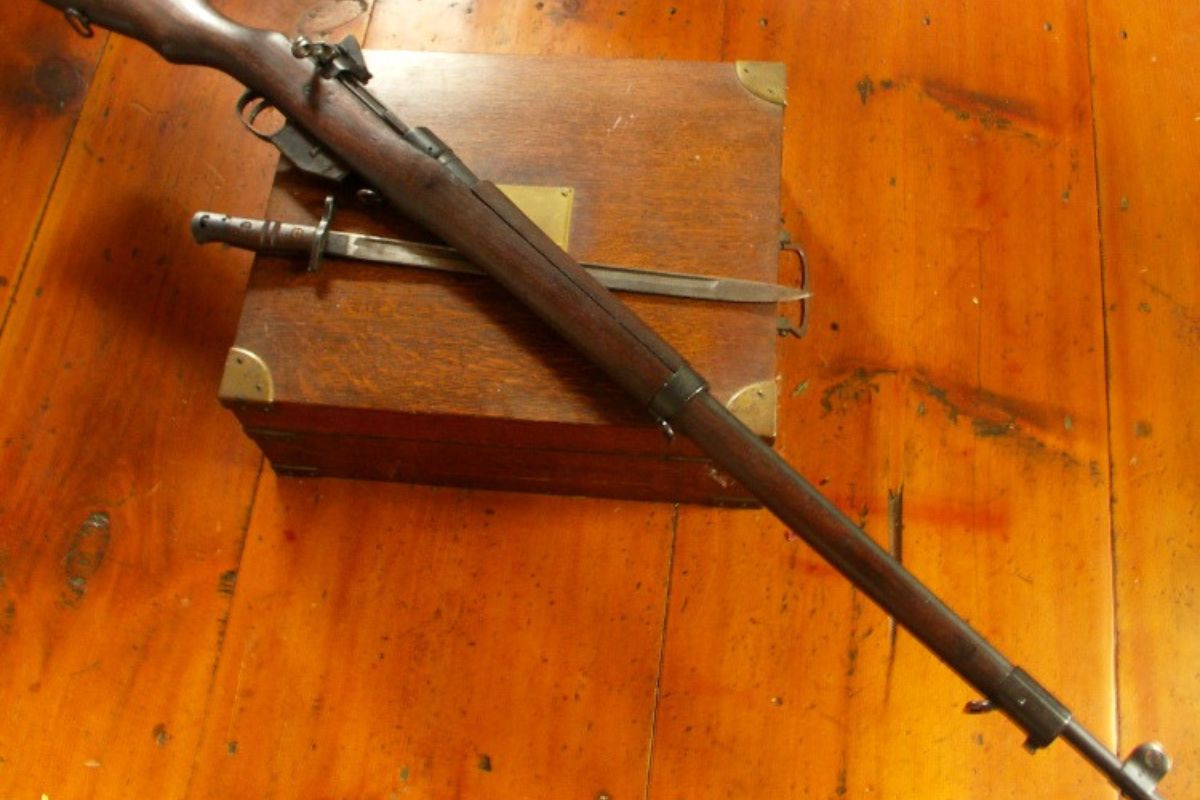
The Ross rifle was once considered a promising military firearm, particularly because of its accuracy and carefully engineered bolt-action design. Adopted by Canada in the early 20th century, it became an important part of the country’s military identity during the First World War. However, trench warfare exposed weaknesses that peacetime testing had not revealed. Mud, freezing temperatures, rapid combat conditions, and ammunition differences created serious challenges for Canadian soldiers. Although the rifle performed well in certain roles, its reputation suffered as battlefield experience revealed problems that affected reliability and confidence.
1. Sensitivity to Mud and Trench Conditions
One of the Ross rifle’s greatest difficulties was its sensitivity to the harsh environment of trench warfare. Its closely fitted bolt mechanism could become unreliable when exposed to mud, dirt, and accumulated debris. Western Front trenches were frequently waterlogged, and soldiers often handled their rifles with muddy gloves or while moving through flooded positions. Even small amounts of contamination could interfere with smooth bolt operation. The problem was particularly frustrating during combat, when soldiers needed dependable performance without time for extensive cleaning. A rifle that worked satisfactorily on a clean firing range could behave very differently after hours in a muddy trench. This environmental sensitivity became one of the Ross’s most frequently discussed weaknesses.
2. Jamming During Rapid Fire
The Ross could become troublesome when soldiers fired repeatedly, especially during sustained engagements. Its straight-pull action was quick when clean and correctly fitted, but it did not offer the same leverage for freeing a stuck case as the Lee-Enfield’s rotating bolt. Front-line accounts describe soldiers struggling with jammed actions, sometimes resorting to force to open them. The problem was not simply overheating: ammunition dimensions, case expansion, dirt,t and wear all contributed. In a battle where seconds mattered, a stoppage interrupted a soldier’s ability to keep firing and could leave him searching for another weapon. This was particularly dangerous during sudden enemy attacks.
3. Problems With British .303 Ammunition
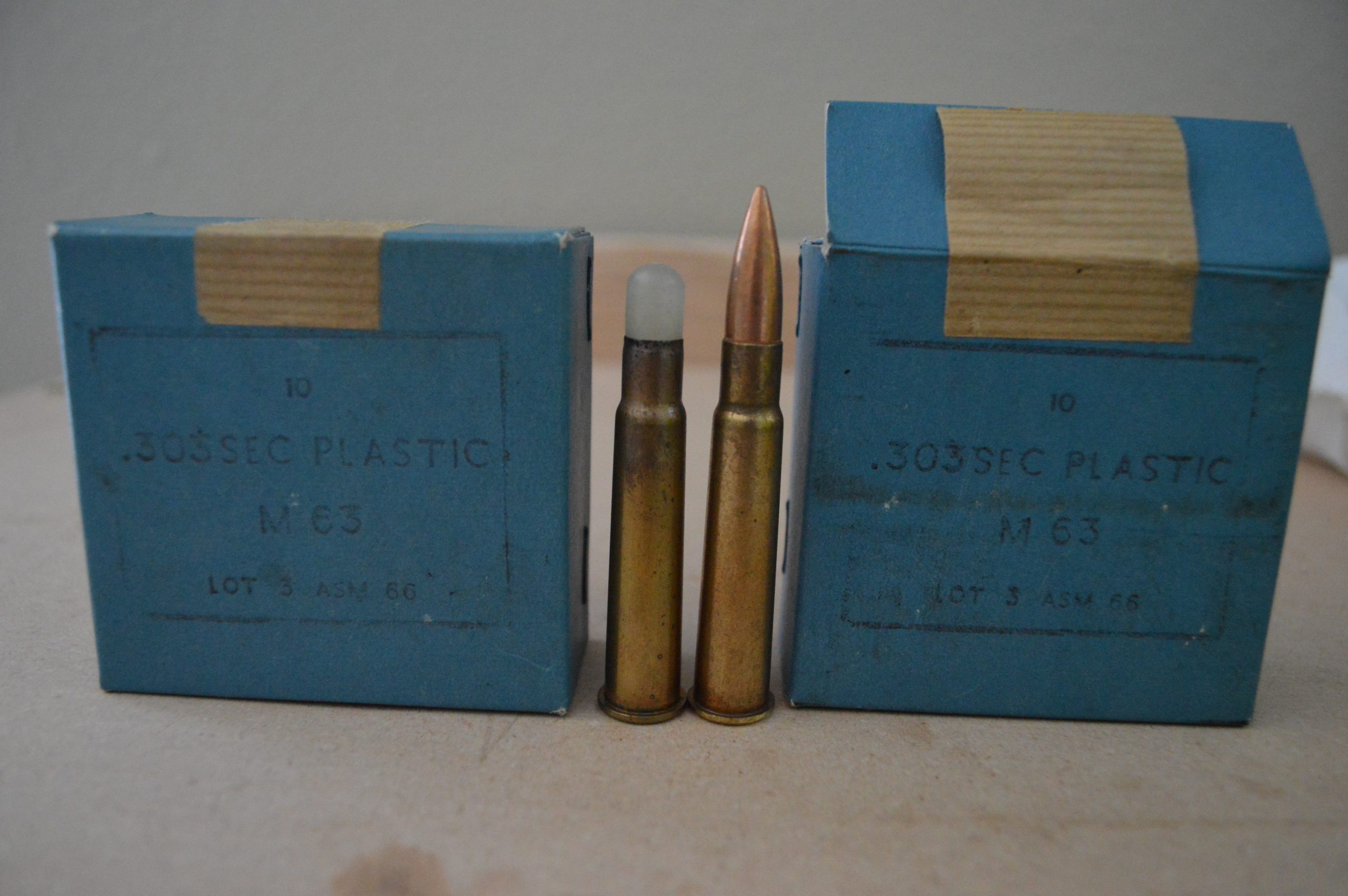
Although both rifles used .303-inch ammunition, cartridges were not always identical in the details that mattered. The Ross had a comparatively tight chamber, and some British-made Mark VII rounds varied enough in dimensions or case hardness to cause difficult extraction. Canadian-made ammunition, produced to closer specifications, generally worked better, but supplies in France were sometimes insufficient. This created a logistical weakness: troops could not assume every .303 cartridge would function equally well in the Ross. In 1915, the chamber was enlarged in about 44,000 rifles in Britain, yet ammunition-related stoppages did not disappear entirely. The problem demonstrated how ammunition compatibility could affect an otherwise accurate military rifle.
4. A Bolt That Could Be Reassembled Incorrectly
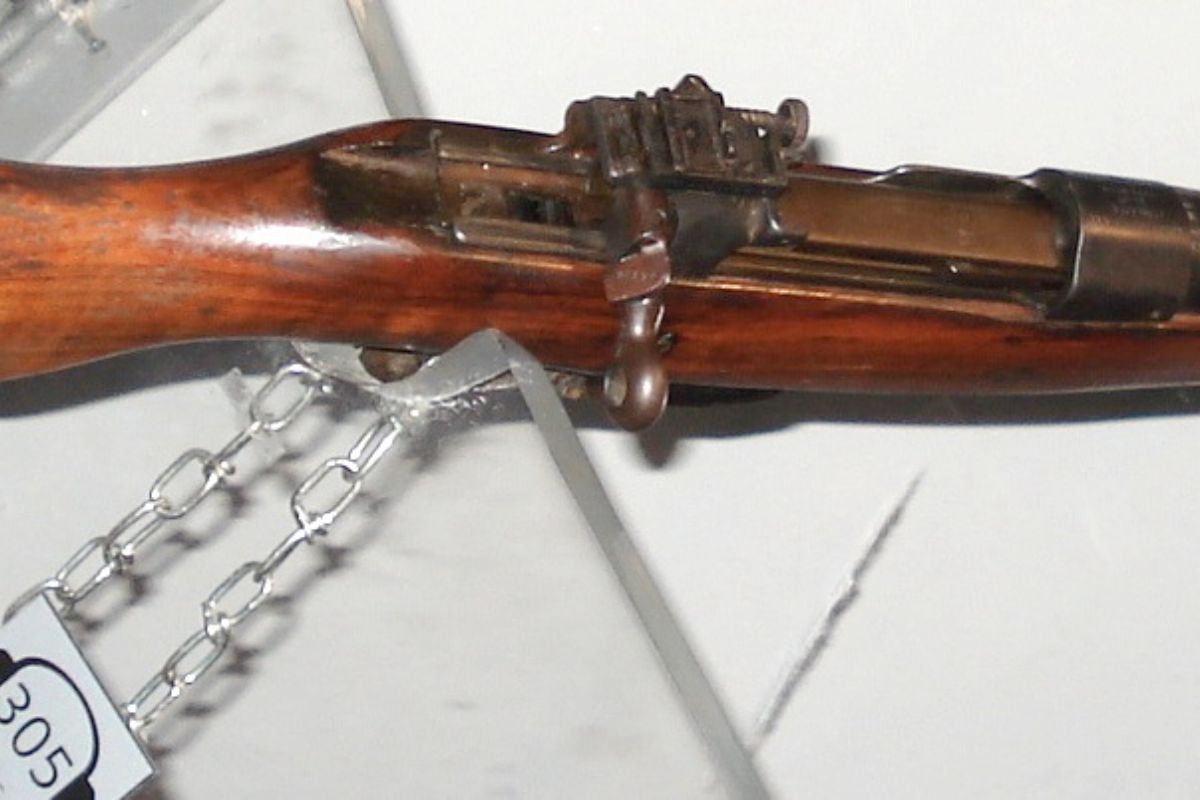
A more alarming criticism concerned the Ross bolt after cleaning or disassembly. Some components could be put back incorrectly, yet the assembly could still fit into the rifle. In that condition, the mechanism might appear closed without being properly locked, creating a risk of the bolt moving violently rearward when fired. This was a serious safety concern, although it was less common than battlefield complaints about jamming. The design was later altered to make incorrect assembly harder, including an internal change intended to prevent the faulty configuration. Even so, reports of this danger further weakened soldiers’ trust in a rifle already facing reliability problems.
5. Length, Weight and Awkward Handling
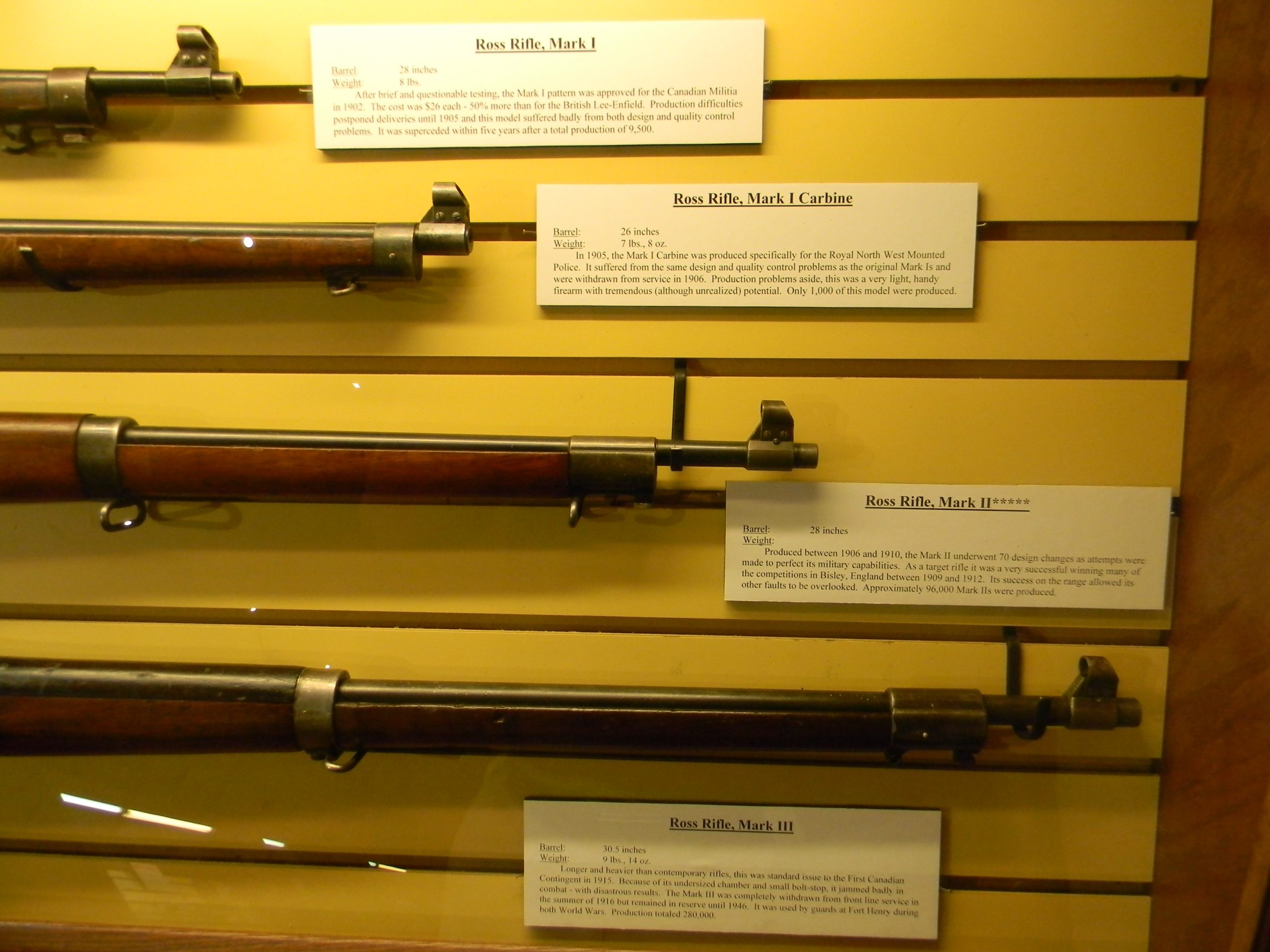
The Ross was a long service rifle, and its size became a disadvantage in narrow trenches and crowded dugouts. Soldiers had to turn around, pass one another, climb firing steps and move beneath timber supports while carrying equipment. Its long barrel could catch on trench structures or make the rifle awkward to reposition quickly. The Lee-Enfield was shorter and lighter, making it easier to handle in confined spaces. The Ross also had a 5-round magazine, compared with the standard 10-round magazine of the Short Magazine Lee-Enfield. That meant more frequent reloading during sustained fire, adding another disadvantage when speed mattered. These differences were particularly noticeable during close-range engagements.
6. Fragile Details and Declining Soldier Confidence
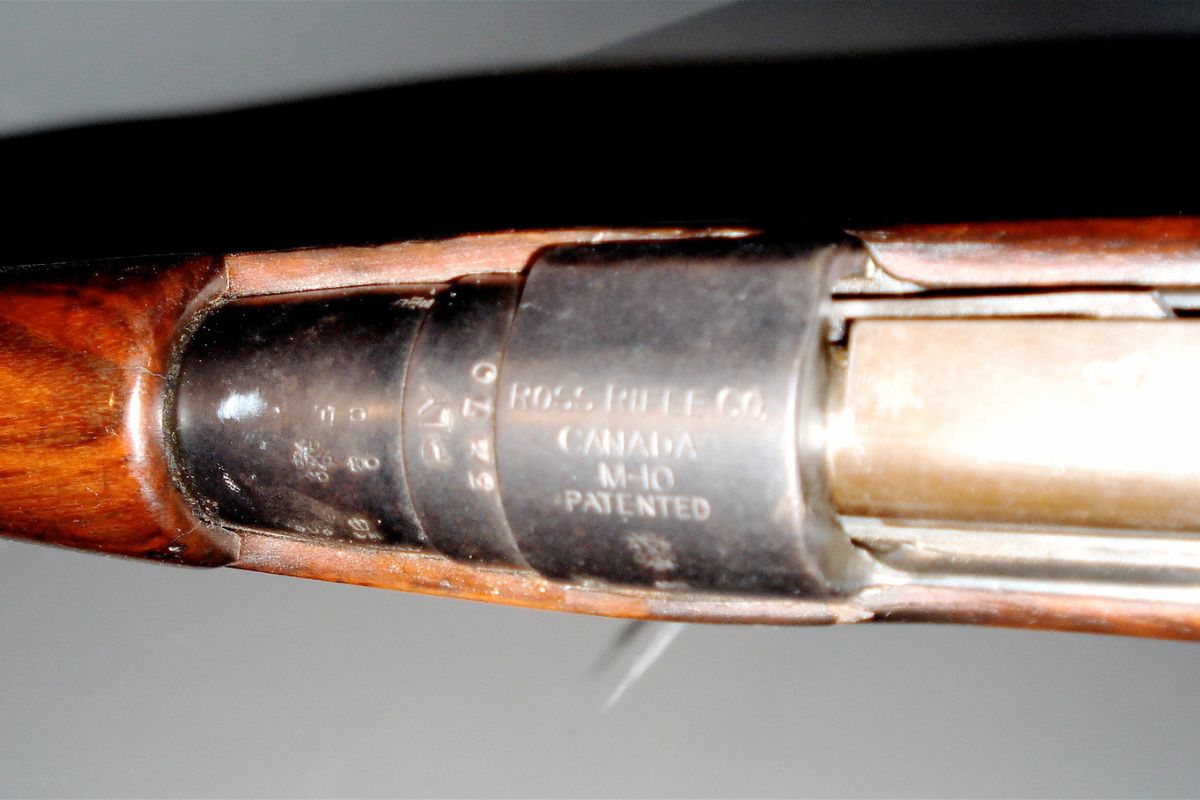
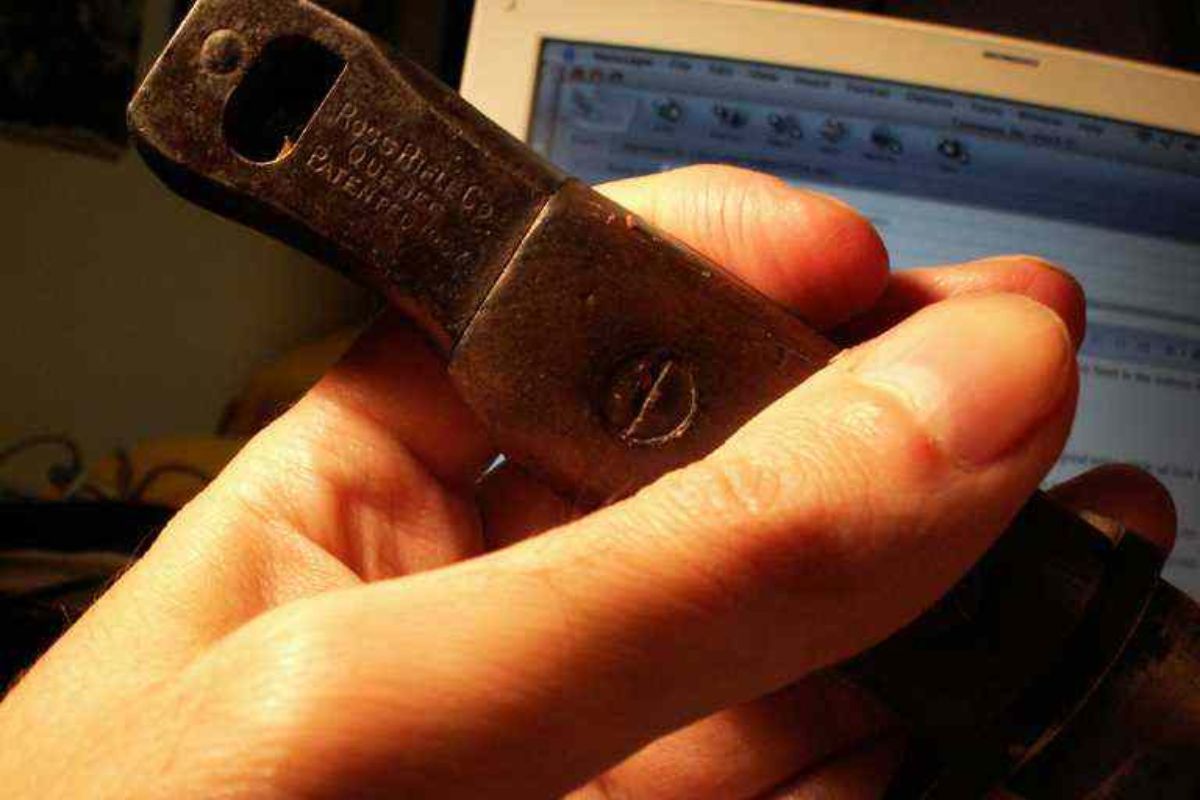
Other complaints added to the Ross’s poor reputation. Its sights could be vulnerable to knocks, and soldiers reported bayonets coming loose during firing, an unwelcome fault for infantry defending trench positions at close quarters. These problems did not affect every rifle, but they reinforced the impression that it was less rugged than its British counterpart. Confidence mattered: once troops feared a rifle might jam, lose its bayonet or suffer damage, they were less willing to depend on it under pressure. During 1915, some Canadians obtained Lee-Enfields from the battlefield, and the Ross was progressively displaced. By mid-1916, it had left regular Canadian front-line service.