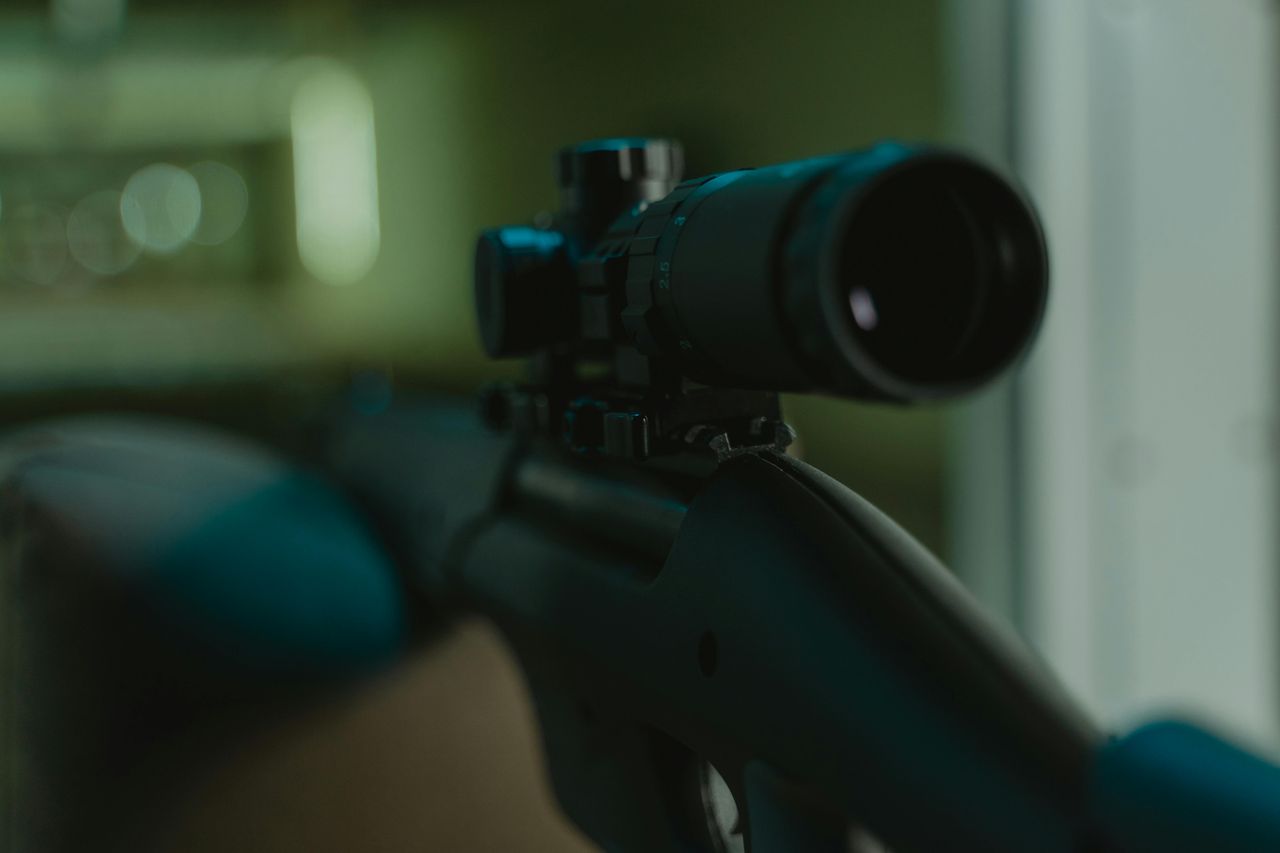
Expensive rifles used to wear expensive glass almost by default. That is no longer true, and the change says a lot about how the shooting world has evolved.
The old rule about matching price to price has started to break
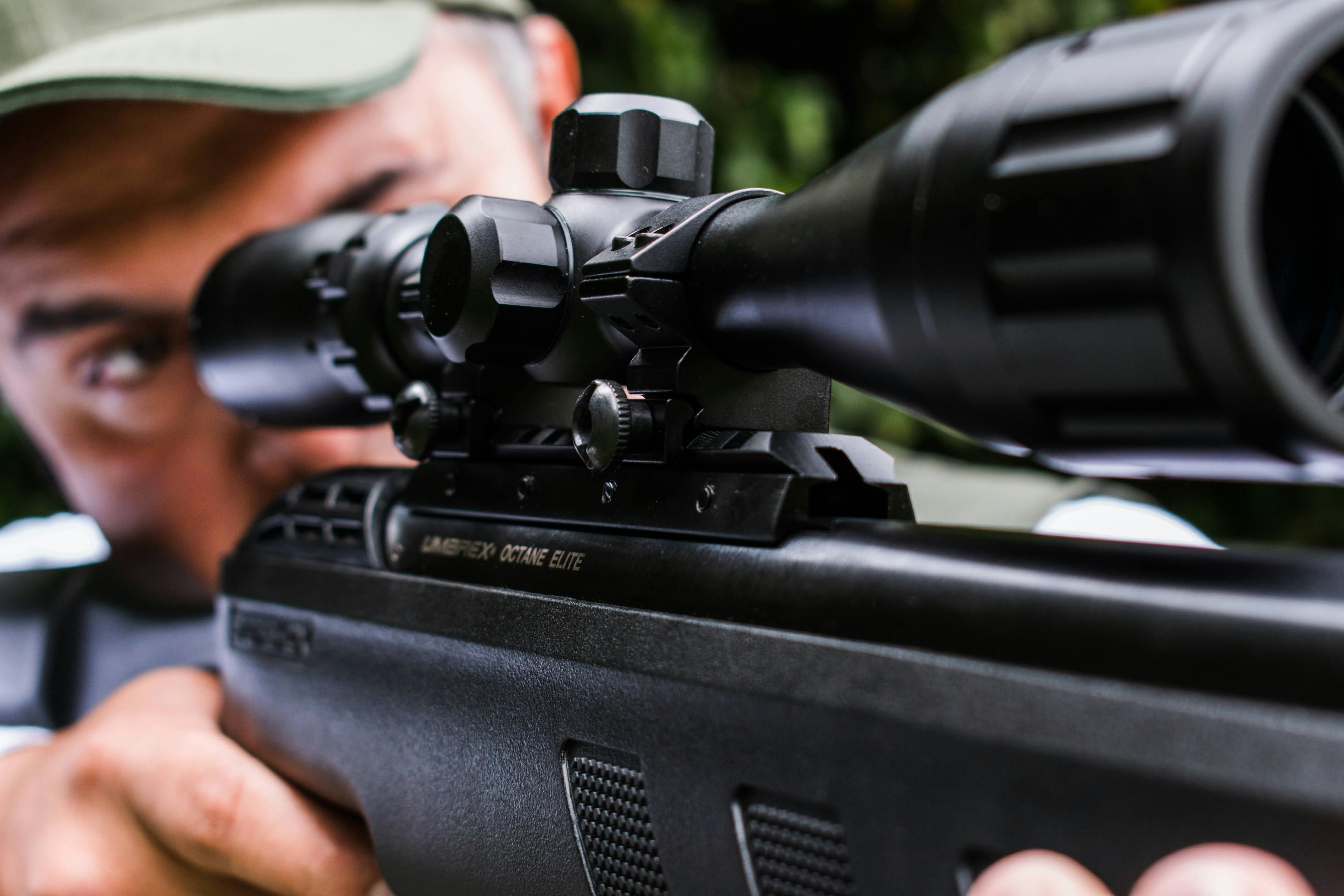
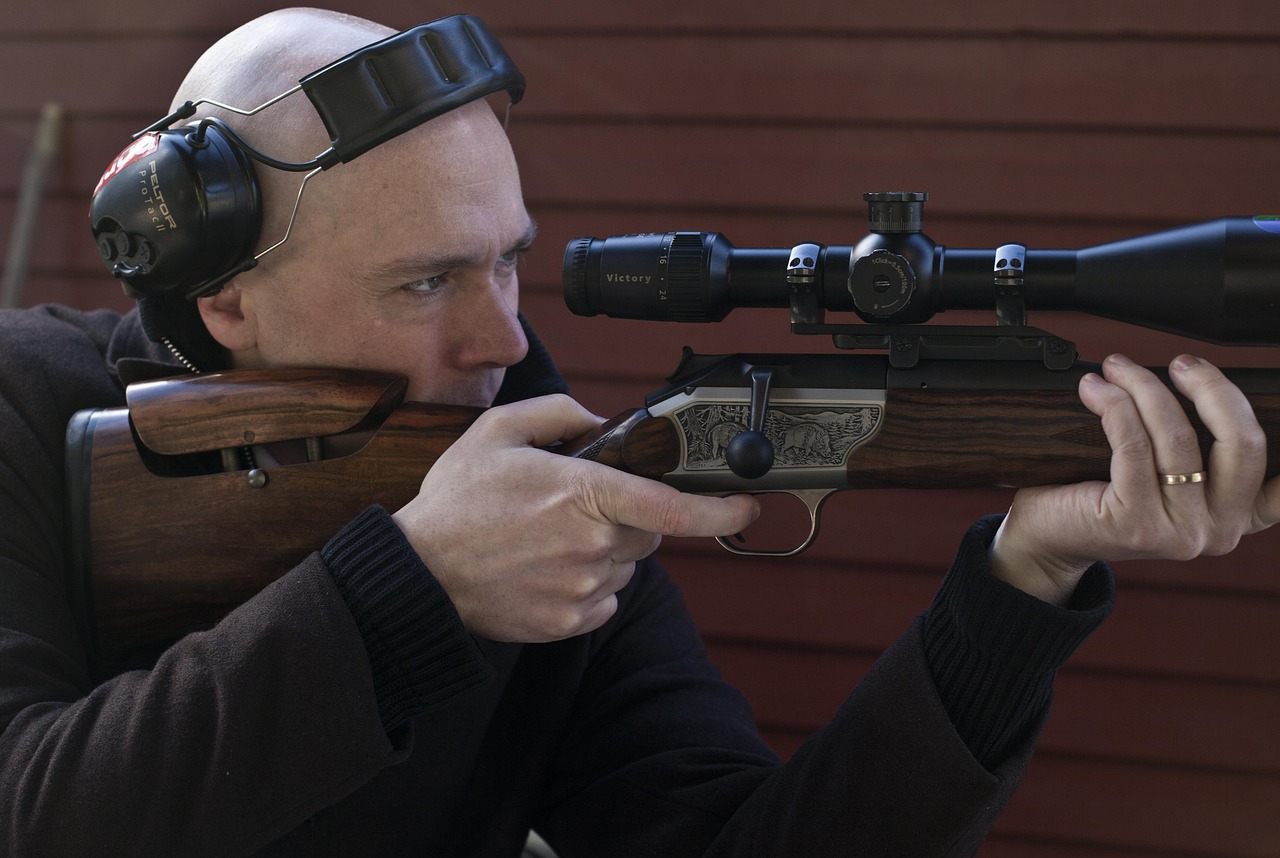
For years, gun-counter wisdom was simple: if you spent serious money on a rifle, you were supposed to spend equally serious money on the optic. The logic sounded reasonable. A high-end rifle deserved glass with top-tier tracking, brighter lenses, better coatings, and a reputation built through military contracts, competition wins, or decades of hunting use.
That thinking came from a time when cheap optics were often genuinely bad. Many lost zero, had mushy turrets, cloudy glass, weak internals, and questionable durability. Putting one on an expensive rifle felt like dropping economy tires onto a sports car. The rifle could perform, but the optic became the weak link, and shooters paid for that lesson repeatedly.
What has changed is not just buyer behavior. The product itself has changed. Budget optics today are often built in factories with tighter tolerances, better quality control, and more mature designs than budget models from 10 or 15 years ago. The old rule was built for an older market, and many shooters now know it.
Manufacturing got better, and that changed everything

The biggest reason affordable optics are showing up on premium rifles is straightforward: many of them are simply much better than they used to be. Advances in CNC machining, lens coating technology, nitrogen purging, sealing methods, and standardized production have narrowed the practical gap between entry-level and mid-tier optics in a way that would have been hard to imagine a generation ago.
A lot of brands also share supply chains, component sources, and manufacturing partners. That does not mean every optic is the same, but it does mean features once limited to premium lines have filtered downward fast. First focal plane reticles, illuminated centers, locking turrets, decent zero stops, and respectable waterproofing are no longer exotic selling points reserved for elite models.
The result is a market where a $250 to $500 optic may deliver 80 to 90 percent of what many shooters actually need in the field. If a hunter takes one or two shots at dawn from under 200 yards, or a range shooter spends weekends inside 600 yards, the real-world advantage of spending three times more is often smaller than enthusiasts once assumed.
Most rifle owners are not using their rifles at the edge of performance
This is where the conversation gets honest. Plenty of people buy expensive rifles because they appreciate craftsmanship, smoother actions, lighter barrels, better triggers, and long-term reliability. But very few are using those rifles in conditions that truly expose every flaw in a lower-cost optic. The rifle may be capable of extreme precision, but the owner might mostly shoot from a bench, hunt a few weekends a year, or train at ordinary distances.
That matters because optics are judged differently at the limits. Elite glass shows its value in poor light, in fast transitions, at very high magnification, during long strings of recoil, and when turret tracking must be exact over repeated adjustments. Those demands are real, but they are not constant for every owner of a premium rifle.
So shooters have become more practical. Many now ask a less romantic question: what do I actually need this optic to do? If the answer is hold zero, provide a clear sight picture, and survive normal field use, a budget or lower-mid-priced optic may check every box without compromising the rifle’s main purpose.
Shooters are spending money on ammo, training, and accessories instead
The modern rifle budget is not just rifle plus scope anymore. Ammunition costs more than many people expected it would a few years ago. Match ammo, hunting ammo, and even bulk practice ammunition can eat through hundreds of dollars quickly. Add range fees, data books, slings, bipods, suppressors, lights, mounts, and classes, and the idea of dropping another $1,500 on optics becomes a tougher sell.
In that environment, many experienced shooters would rather buy a very good $300 optic and put the difference into trigger time. That is not corner-cutting. It is often the smarter performance decision. A shooter with an affordable, reliable optic and 2,000 rounds of meaningful practice is usually better prepared than someone with premium glass and very little real experience behind the rifle.
This shift has also been reinforced by instructors and competitors who emphasize skill over gear worship. The broad lesson is simple: once an optic reaches a baseline of reliability, more practice often produces a larger return than a more prestigious logo. Expensive rifles still matter, but they are now just one part of a larger performance equation.
Social media and testing culture exposed what budget optics can really do
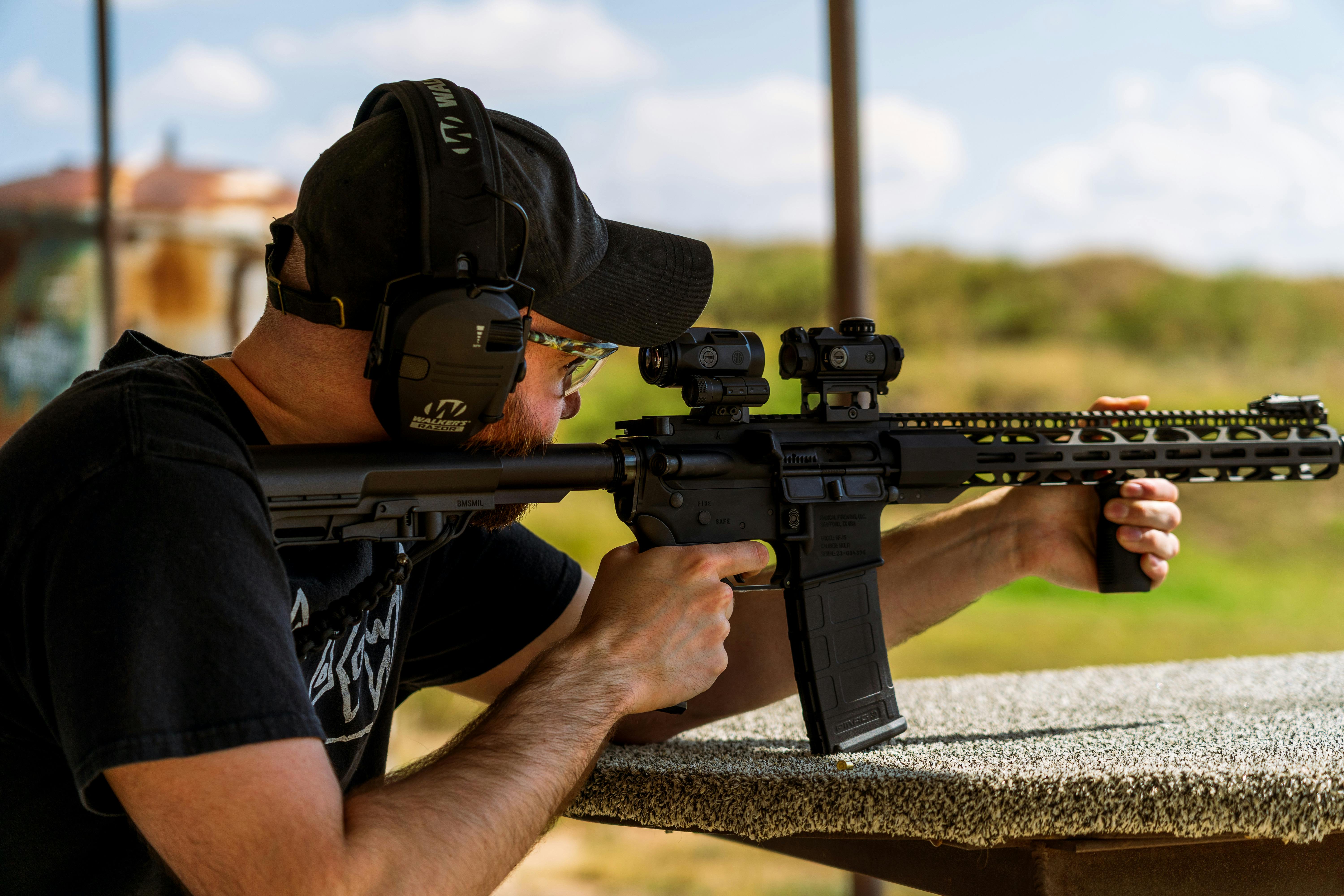
Another big reason this shift feels more visible is that shooters can now watch products get tested in public. Ten years ago, many buying decisions were driven by brand prestige, magazine reviews, or what the local shop carried. Today, thousands of shooters post tracking tests, drop tests, side-by-side glass comparisons, recoil endurance trials, and long-term updates after real use.
That kind of transparency has helped some affordable brands enormously. If a lower-cost red dot survives a carbine class, or a budget scope tracks correctly through a box test and holds zero on a hard-kicking rifle, people notice. Word spreads fast when an optic consistently performs above its price bracket. So does failure, which pushes brands to improve.
This testing culture has also made shoppers more selective. They are no longer asking whether an optic is cheap or expensive. They are asking whether this specific model has proven itself. That is a healthier market. It rewards actual performance, not just tradition, and it explains why some costly rifles now wear optics that would have been dismissed outright a decade ago.
Premium rifles are often bought for confidence, not for matching luxury
There is another psychological piece here that gets overlooked. Buying an expensive rifle does not always mean the owner wants a luxury setup from muzzle to eyepiece. Often it means the owner wants confidence in the rifle itself. They want a better barrel, a more dependable action, a trigger they trust, or a platform with stronger resale value and proven consistency.
Once that confidence is secured, some shooters become surprisingly unsentimental about the optic. They may view glass as a replaceable component rather than a permanent statement piece. If a $400 scope performs well for two seasons, great. If it does not, they can swap it out without feeling like they mortgaged the whole build on one purchase.
That mentality is especially common among practical hunters and working ranch shooters. Their rifle may be expensive because failure carries consequences in the field, but their optic choice may still be grounded in utility. They are not trying to impress anyone at the trailhead. They are trying to hit what they aim at and get on with the day.
The real reason is value, not vanity, and the market is responding

So why are budget optics showing up on expensive rifles? Because the definition of value has changed. Affordable optics have improved enough that many shooters no longer see a huge penalty in choosing them. At the same time, rifle owners have become more honest about how they shoot, what conditions they face, and where their money makes the biggest difference.
That does not mean premium optics are overrated. High-end glass still earns its place for serious low-light hunting, precision competition, duty use, and anyone who pushes equipment hard. The best optics still offer real advantages in clarity, eyebox forgiveness, durability, turret feel, and consistency over years of abuse. But those benefits are situational, and more buyers recognize that now.
The market has responded exactly as markets do when information spreads and products improve. Shooters are buying based on use case, not just status. That is the real story. Budget optics are not riding on expensive rifles because standards collapsed. They are there because acceptable performance rose, and because smarter buyers stopped paying for capability they may never actually use.