
Some rifles fade into museums. The M14 never quite did.
The Rifle That Bridged Two Eras
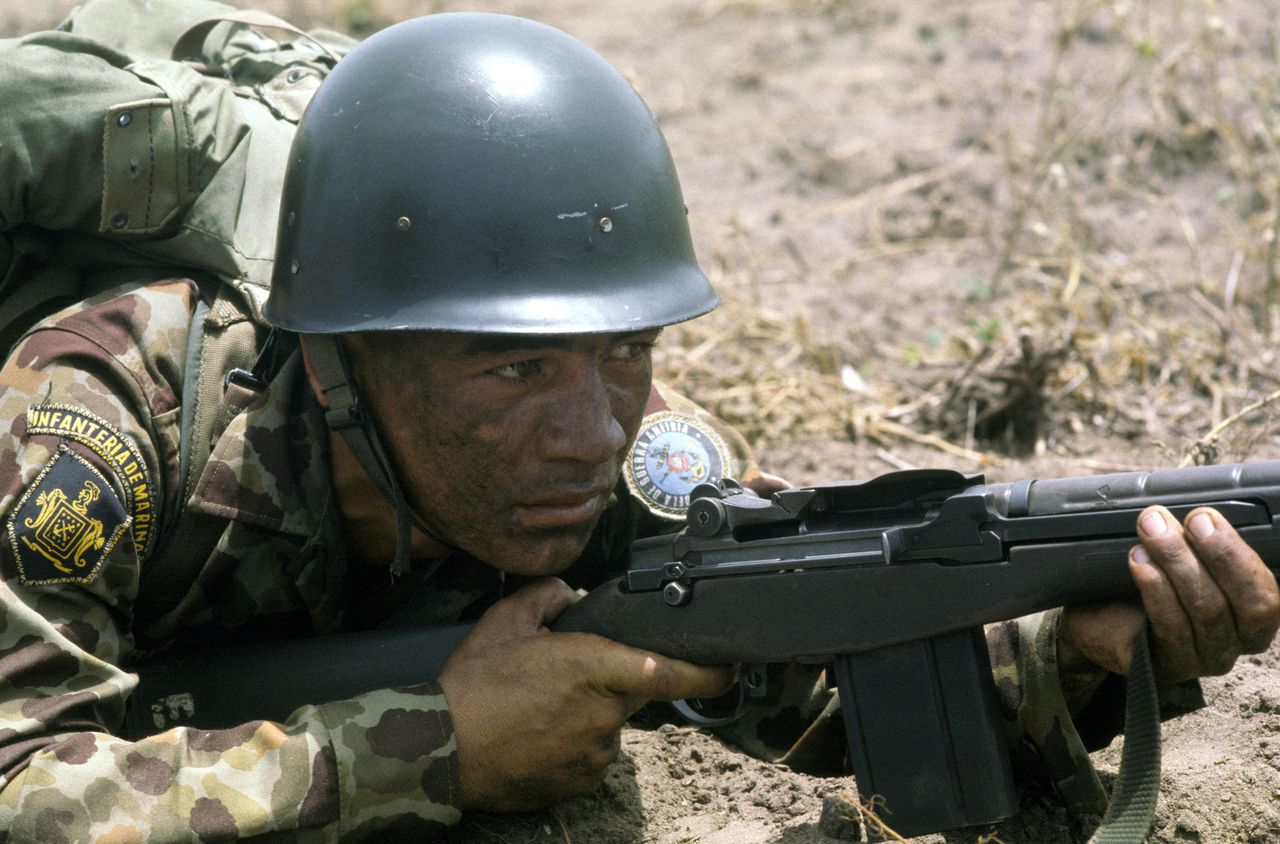
The M14 entered U.S. service in 1957, built around the 7.62x51mm NATO cartridge and intended to replace several older weapons at once. It offered power, reach, and familiar wood-and-steel durability at a moment when the military still valued full-power battle rifles.
That timing also worked against it. According to U.S. Army historical material, the M16 began displacing the M14 in Vietnam, and by 1967 nearly all American soldiers there were carrying the lighter rifle instead. The official worldwide shift was completed in 1970.
So the M14’s career as the main infantry rifle was brief. But brief does not mean unimportant. It marked the end of one philosophy of service rifle design and the start of another.
Why It Never Truly Went Away
The biggest reason the M14 endured is simple: it still did some jobs extremely well. The 7.62mm round brought more energy and better long-range performance than 5.56mm carbines in terrain where distance mattered.
That became especially relevant in Afghanistan and Iraq, where units often wanted something between a standard carbine and a bolt-action sniper rifle. The Army publicly described the M14 as a practical long-range patrol weapon because it combined semi-automatic fire with 20-round magazines and precision potential.
In other words, the M14 survived by becoming specialized. It stopped being everybody’s rifle and became the rifle for the marksman who needed more reach without giving up fast follow-up shots.
The Designated Marksman Revival
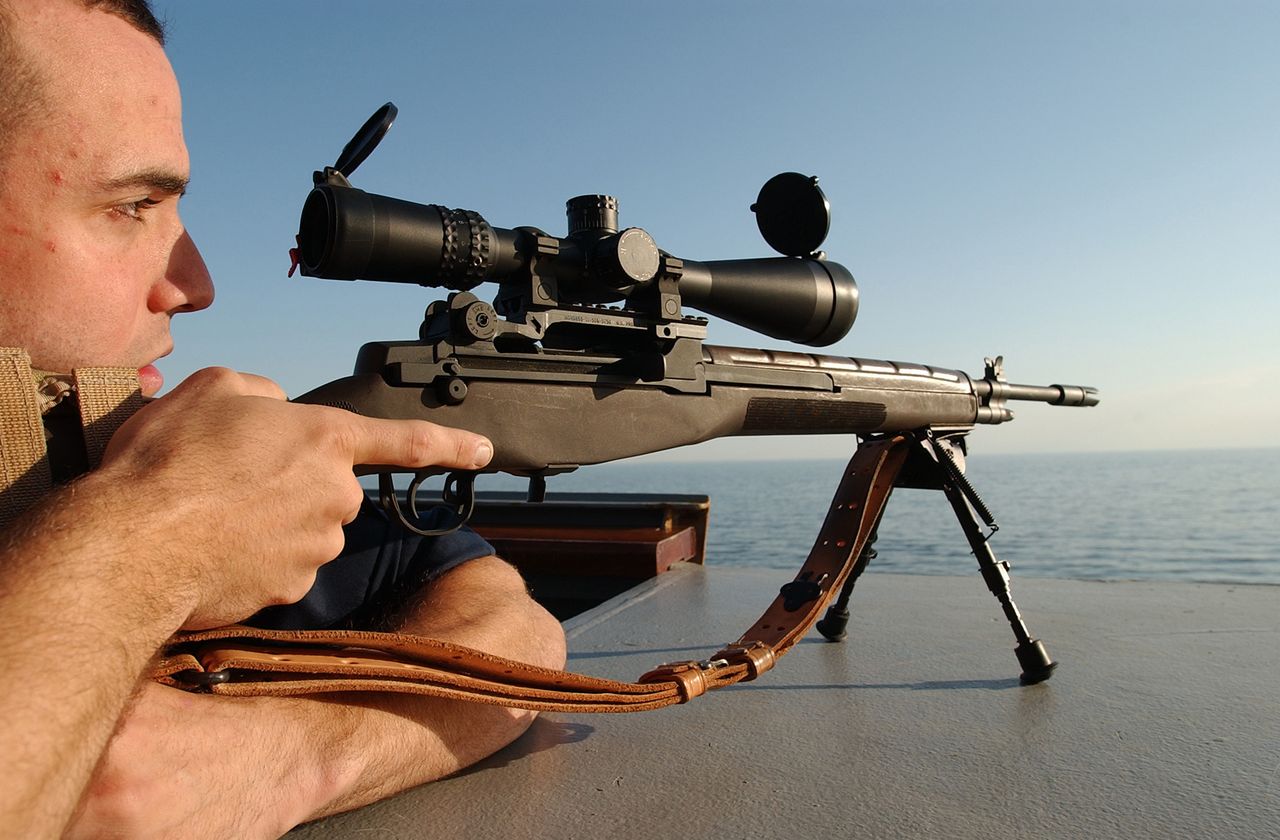
The M14’s modern comeback is tied directly to the designated marksman role. In that niche, troops needed a rifle that could stretch engagement distances while still fitting into ordinary squad tactics.
The Army documented M14 training for soldiers in Afghanistan, where upgraded rifles were issued to improve precision at longer ranges. Those rifles often wore optics, improved stocks, and other enhancements that made them very different from the classic wood-stocked service gun people picture.
This is why the rifle keeps returning to public conversation. Every time battlefield conditions remind militaries that range still matters, some version of the M14 steps back into view.
What The Old Rifle Still Gets Right
Even critics usually admit the M14 offers strengths that are hard to dismiss. It hits hard, carries historical credibility, and remains effective in expert hands when used inside the role it was built for.
The drawbacks are just as real. Army writing and military commentary alike have long noted its weight, length, and poor controllability in automatic fire. Those limitations helped push the U.S. toward lighter 5.56mm rifles in the first place.
Yet modern interest is not really about putting the M14 back into every rifle rack. It is about recognizing that older platforms can still solve specific problems better than trendier systems in certain environments.
Why New Rifle Programs Help Its Case

Ironically, the M14 looks more relevant when the military debates new calibers and new infantry rifles. Recent Army messaging around the Next Generation Squad Weapon has emphasized a renewed focus on range, penetration, and overmatch.
That matters because it echoes the very concerns that once made full-power rifles attractive. The Army has also said newer programs are not simply replacing 7.62 NATO across the board, which leaves room for continued specialist use of rifles chambered for that class of ammunition.
So when people say the M14 is back in the spotlight, they usually do not mean a full institutional return. They mean the old arguments about power and distance are back, and the M14 suddenly feels relevant again.
The Real Reason It Still Matters
The M14 matters today because it proves military tools rarely disappear on a neat timeline. A rifle can be obsolete in one role and still valuable in another for decades.
It also matters culturally. For veterans, collectors, competitive shooters, and defense watchers, the M14 represents a rugged link between the Garand era and the modular precision-rifle age. That alone keeps it in the conversation.
But the strongest reason is practical. When doctrine swings back toward range, authority, and barrier performance, the M14 reminds everyone that old rifles are not always outdated rifles. Sometimes they were simply waiting for the mission to catch up.