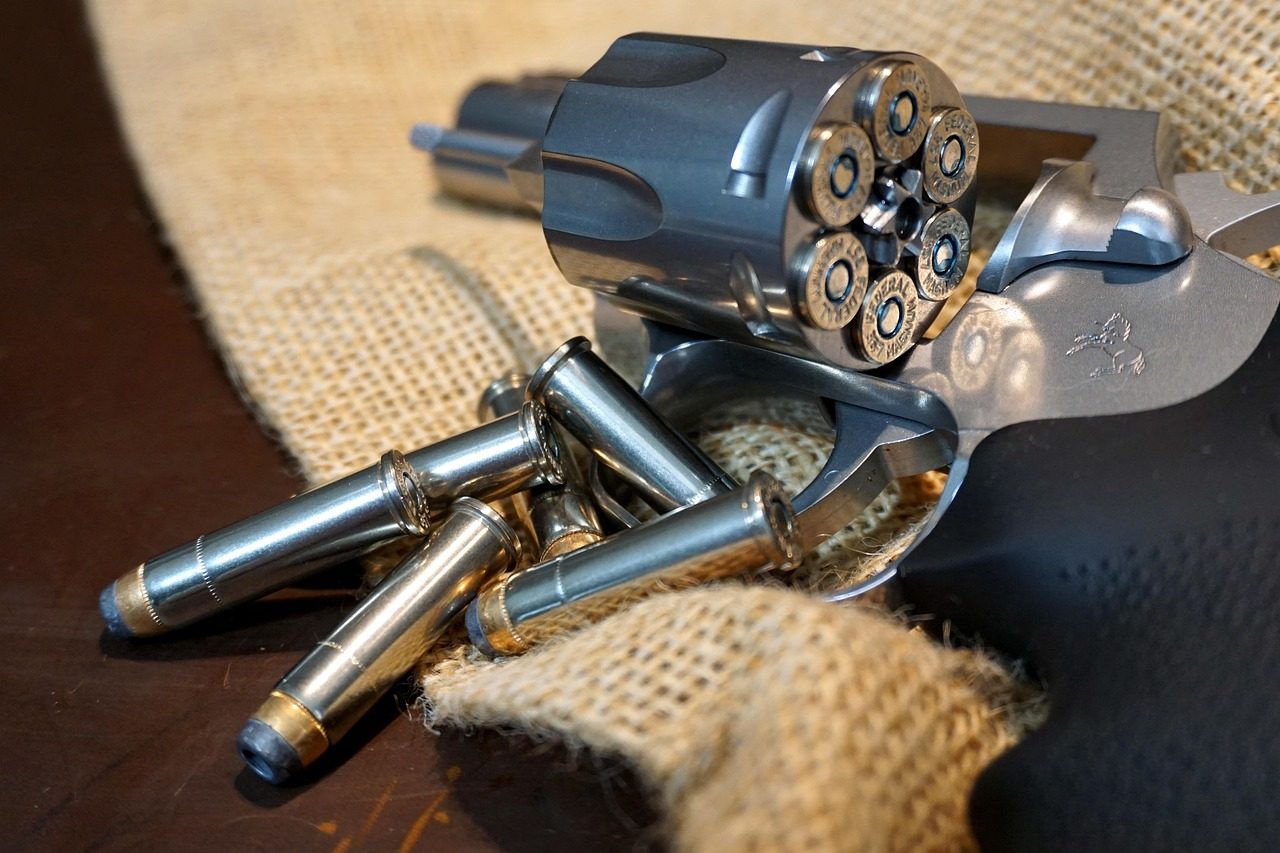
A great rifle can tell the story of a place. In Jacob Dickert’s case, it also tells the story of early America learning how to arm itself.
Lancaster Was The Right Place For A Master Gunsmith
In the eighteenth century, Lancaster, Pennsylvania, stood at the center of American rifle-making. Historians at LancasterHistory and the American Revolution Institute both describe the Lancaster region as one of the most important production centers for the American long rifle, a weapon that became closely tied to frontier life and Revolutionary War service.
That mattered for a craftsman like Jacob Dickert. He was not working in isolation, and he was not a romantic lone tinkerer hidden from the world. He belonged to a dense local trade network of gunmakers, barrel forgers, stockers, repairmen, and suppliers who turned Lancaster into a serious manufacturing hub long before modern factories appeared.
According to LancasterHistory journal material, Dickert was among the named Lancaster gunsmiths active during the Revolutionary period. That puts him inside a highly competitive but fertile workshop culture, where skill, speed, and reliability could turn a local artisan into a name known far beyond county lines.
Jacob Dickert Built His Reputation One Rifle At A Time

The surviving record on Dickert is not as complete as modern readers might wish. Even so, collectors, curators, and regional historians have long treated him as one of the leading gunsmiths of Lancaster, and the user’s source note reflects that consensus directly: Jacob Dickert was a leading gunsmith in the very place most associated with early American rifle-making.
His reputation rests above all on the quality and style of rifles associated with his shop. The Lancaster school became known for graceful architecture, long barrels, slim stocks, and practical balance. These were not crude frontier tools. They were highly refined objects that combined hunting utility with decorative ambition, often using brass patchboxes, carving, and an elegant line from butt to muzzle.
That blend of beauty and performance helped elevate Dickert’s standing. In early American gunmaking, a maker’s name traveled through use, resale, militia familiarity, and word of mouth. A fine rifle was advertising that could last for generations.
The Long Rifle Was More Than A Frontier Icon
Modern audiences often call it the Kentucky rifle, but institutions such as the American Revolution Institute and the Metropolitan Museum of Art emphasize the broader Pennsylvania long rifle tradition from which it emerged. Lancaster was one of the places where that tradition matured into a distinctly American form.
The weapon’s importance came from accuracy and range. The American Battlefield Trust notes that the effectiveness of American rifles made a strong impression on British officers during the Revolutionary War. One period observation highlighted rifles made chiefly in Lancaster and nearby towns, showing just how quickly the region gained a reputation for excellence.
That does not mean every soldier carried one. Smoothbore muskets still dominated formal battlefields because they were faster to load and easier to equip in large numbers. But rifles gave American forces a specialized edge, especially in skirmishing, scouting, and long-distance marksmanship, which made makers like Dickert part of a larger military story.
From Small Workshop Craft To Wartime Demand
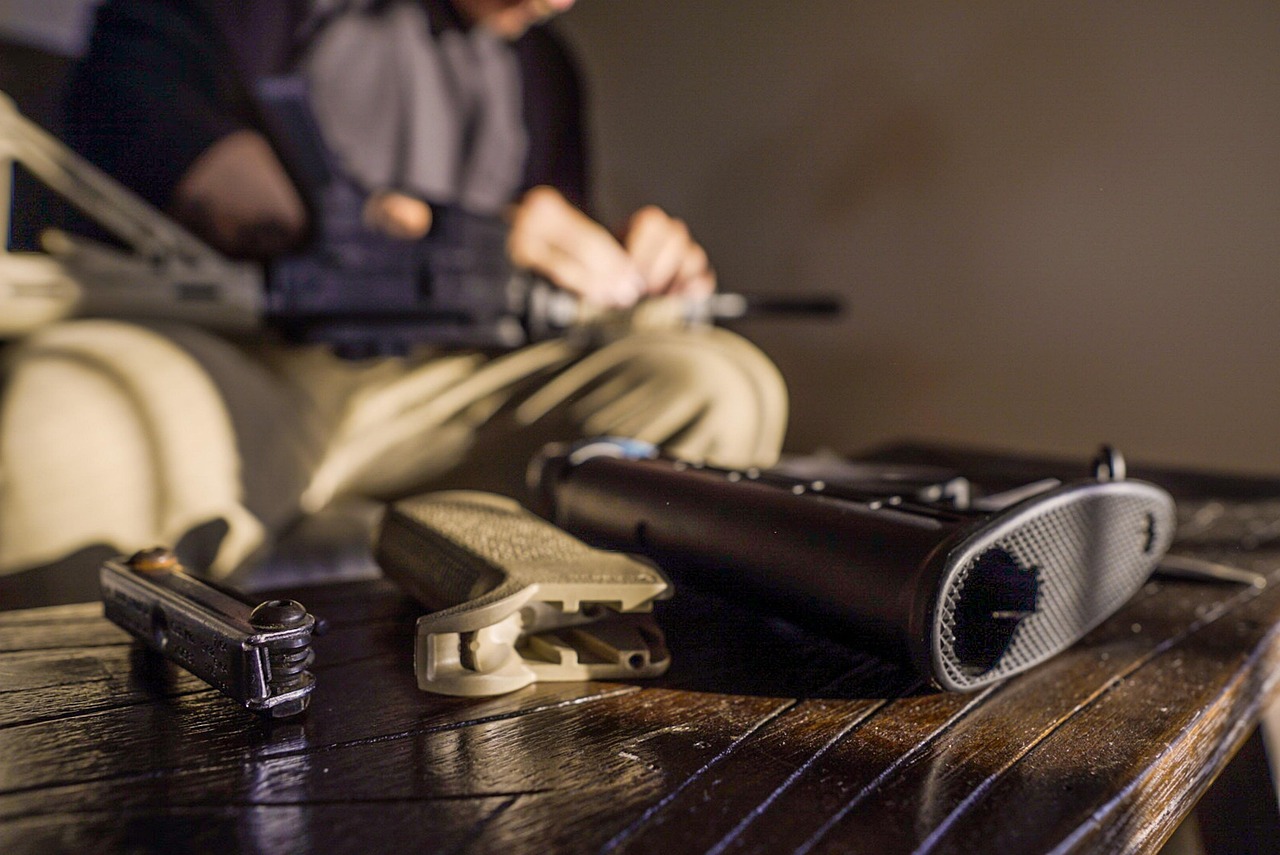
The most fascinating thing about Jacob Dickert is how clearly he represents early American production before industrialization. A gunsmith’s shop in that era was not a giant assembly line. It was a compact, labor-intensive operation where expertise lived in the hands, eyes, and habits of the maker and his apprentices.
LancasterHistory material on Revolutionary-era gunmaking explains that local gun shops had to expand when war needs surged. More hands were brought in, and work included both building new arms and repairing older ones. That pattern helps explain how a craftsman rooted in local trade could suddenly become tied to military necessity without ever looking much like a modern defense contractor.
So while the phrase backyard workshop is modern in flavor, it captures something real. Dickert’s world was one of small-shop manufacturing scaled up by urgency. The military did not always rely on enormous state arsenals. It also leaned on communities of artisans who could deliver skill, repair capacity, and trusted workmanship.
Serving The Military Meant Serving A New Nation
Lancaster’s gunmakers became strategically important as the Revolution intensified. LancasterHistory notes that the state government needed guns, while older journal material argues that the military importance of rifle manufacture grew so large that authorities moved to direct output from Lancaster and other shops toward army needs.
That wider context matters even when documents do not preserve every invoice with Dickert’s name. A Lancaster gunsmith working at his level was part of the ecosystem that sustained armed resistance, local defense, and supply. The American Revolution Institute also notes that armorers in places including Lancaster repaired captured and existing military firearms, underscoring the city’s practical role in wartime support.
In other words, Dickert served the military not simply by making beautiful rifles, but by operating inside a regional trade that had become essential to American war-making. His shop was small by modern standards, yet its importance was national.
Why Collectors And Historians Still Care About Dickert
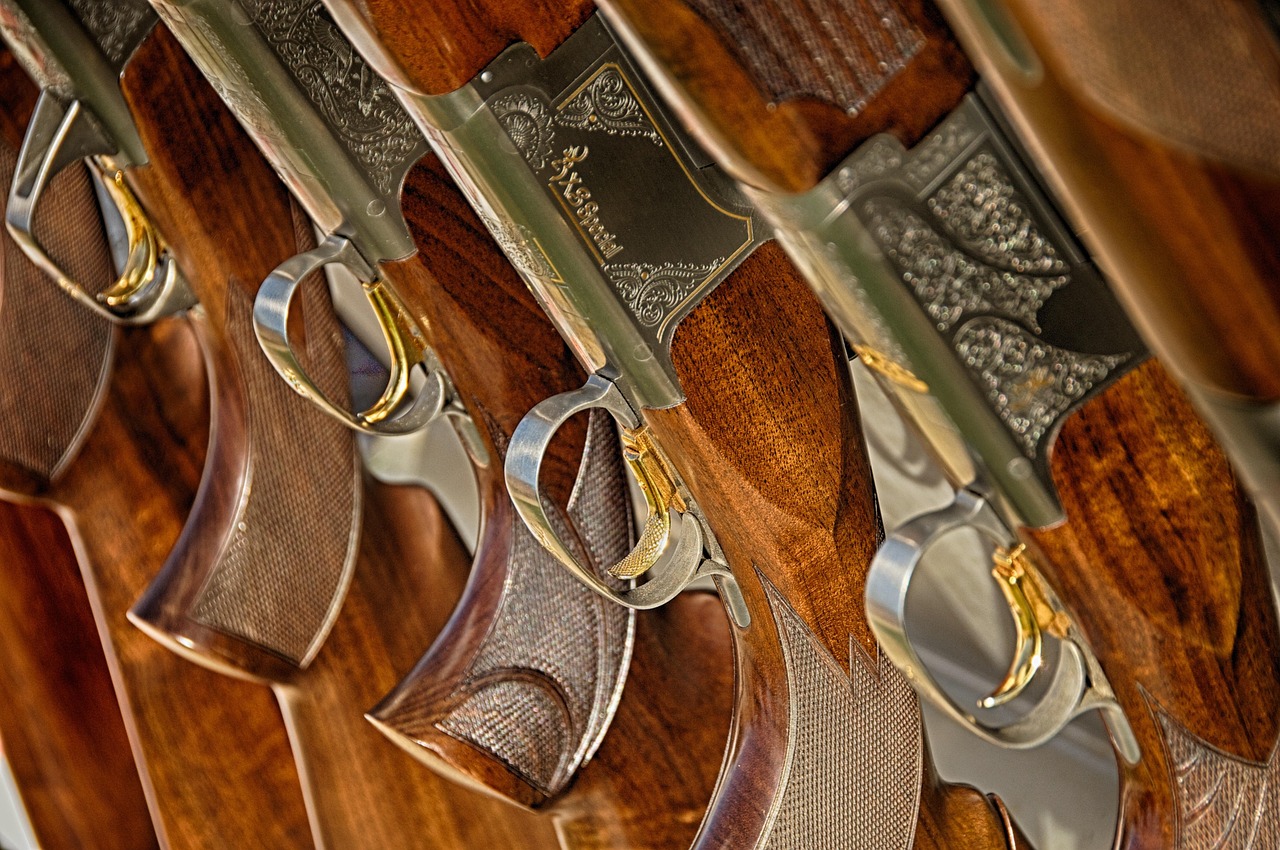
Jacob Dickert’s name endures because he sits at the crossroads of craftsmanship, regional identity, and military history. He represents the moment when American artisans were not merely copying European forms but adapting them to local terrain, local hunting, and local conflict. That is one reason the Pennsylvania rifle remains such a celebrated American object.
Museums and historians continue to value rifles from Lancaster and related schools because they reveal both technology and culture. A long rifle can show how metalwork, wood selection, engraving, and balance came together in a tool meant to survive hard use. It can also show how a community of craftsmen contributed to the material life of the Revolution.
Dickert stands near the top of that tradition. Even where archives are thin, the strength of his reputation suggests lasting respect from generations who knew how to judge a rifle by its lines, handling, and finish.
The Legacy Of Jacob Dickert Still Feels Surprisingly Modern
There is something deeply familiar in Dickert’s story. A talented maker masters a difficult craft, earns trust locally, and then finds his work pulled into the needs of a larger national cause. Strip away the eighteenth-century forge and flintlock, and it sounds a lot like the classic American story of a skilled small business growing through quality and demand.
That is why Jacob Dickert remains compelling to general readers, not just antique-arms enthusiasts. He reminds us that early American industry often began in modest spaces with specialized labor, not giant plants. Reputation was earned piece by piece, customer by customer, contract by contract.
In title and memory, Dickert was a gunsmith. In practice, he was also a manufacturer, problem-solver, and participant in the building of a nation. Lancaster gave him the stage, but his workmanship gave him his place in history.