Some guns fail loudly. Others simply slip out of sight.
The Colt Advanced Combat Rifle belongs in that second category, a weapon built for one of the Army’s most ambitious small-arms trials and then largely lost in the shadow of the M16.
A rifle born from a problem the Army could measure

In the late Cold War, the U.S. Army wanted a meaningful jump in battlefield hit probability, not a tiny upgrade dressed up as progress. According to Army material from the period, the Advanced Combat Rifle program was designed around a demanding goal: candidates needed to significantly outperform the standard M16A2 in stressful, fast-target engagements.
That was a high bar, and it explains why the program attracted unconventional thinking. The Army and Joint Service Small Arms Program were not just looking for a cleaner M16 clone. They were willing to entertain flechettes, caseless ammunition, and multiple-projectile rounds if those ideas could raise real-world soldier effectiveness.
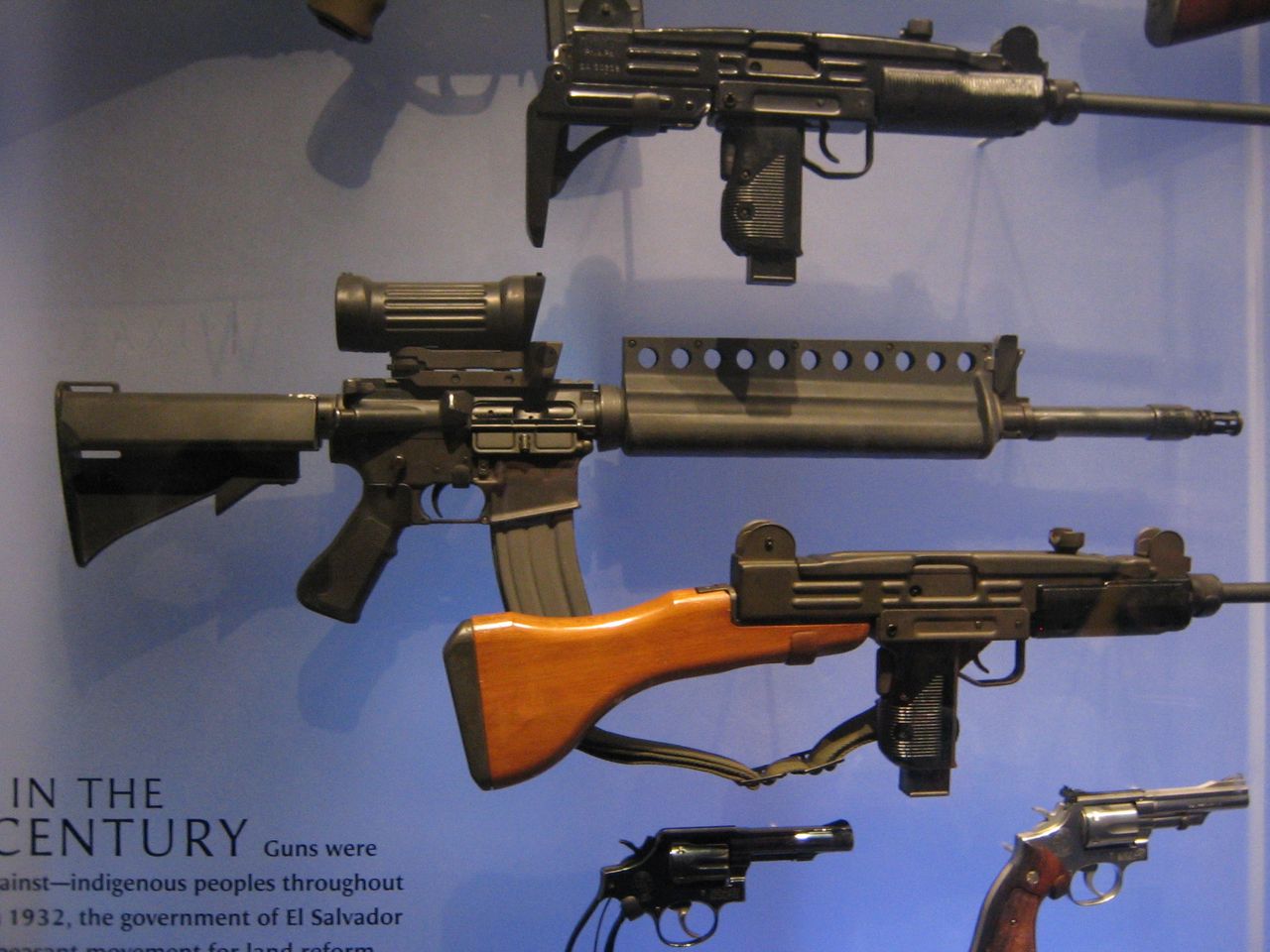
Four finalists emerged for formal testing: entries from AAI, Heckler & Koch, Steyr-Mannlicher, and Colt. Army summaries later said none of them beat the M16A2 overall, but each represented a different theory of how to solve the same stubborn combat problem.
Colt’s answer was clever because it changed less
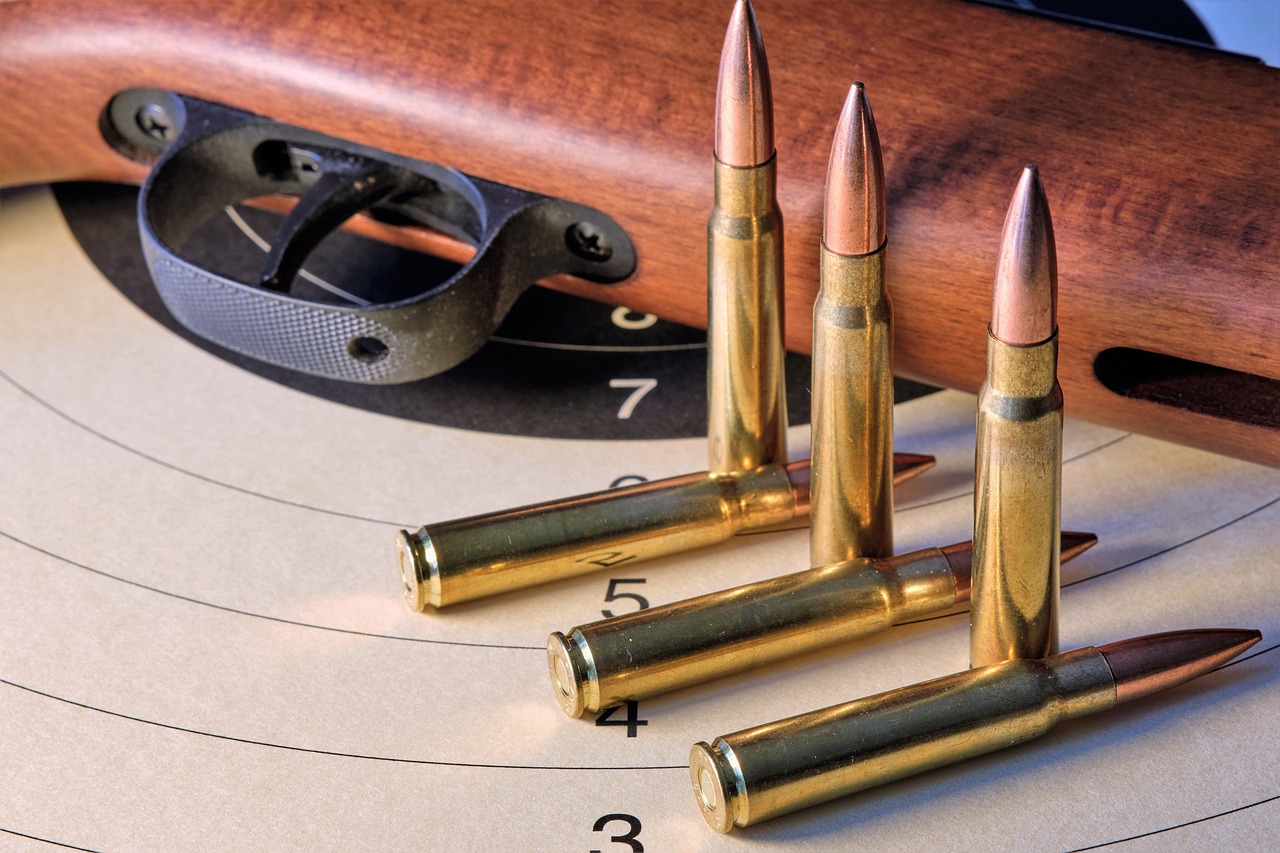
Colt took the most conservative path of the four finalists, and that was precisely its appeal. Instead of inventing an entirely foreign rifle, the company modified the familiar M16A2 platform to fire a 5.56mm duplex cartridge, a round loaded with two bullets arranged nose to tail in one case, according to Army reporting on the trial.
That approach offered a simple logic. If one trigger pull could launch two projectiles, a stressed shooter facing a fleeting target might score a hit more often without learning a radically new manual of arms. Colt also added a muzzle compensator that Army reporting said cut recoil by about 40 percent, an important detail in rapid fire.
In other words, Colt tried to smuggle innovation inside familiarity. The rifle looked close enough to a standard service arm that logistics, training, and acceptance might have been easier than with the more exotic bullpups and caseless systems in the same competition.
Why the Army cared more about results than novelty

The ACR trials were not beauty contests for gun designers. Testing at Aberdeen Proving Ground and Fort Benning put the rifles through engineering checks and realistic field experiments meant to simulate combat stress, time pressure, and rapidly appearing targets, according to Infantry and Army publications from the era.
That testing environment mattered because many rifle concepts shine on paper or from a bench. The Army wanted to know whether average troops, under physical and mental strain, would actually hit more. In that setting, promising mechanical ideas could still lose if dispersion, reliability, controllability, or ammunition behavior created new problems.
Colt’s duplex idea was elegant, but elegant is not the same as decisive. Army conclusions published in 1992 said none of the competitors significantly outperformed the M16A2 overall, which effectively ended the case for a near-term service replacement.
The strange reason it feels like it disappeared
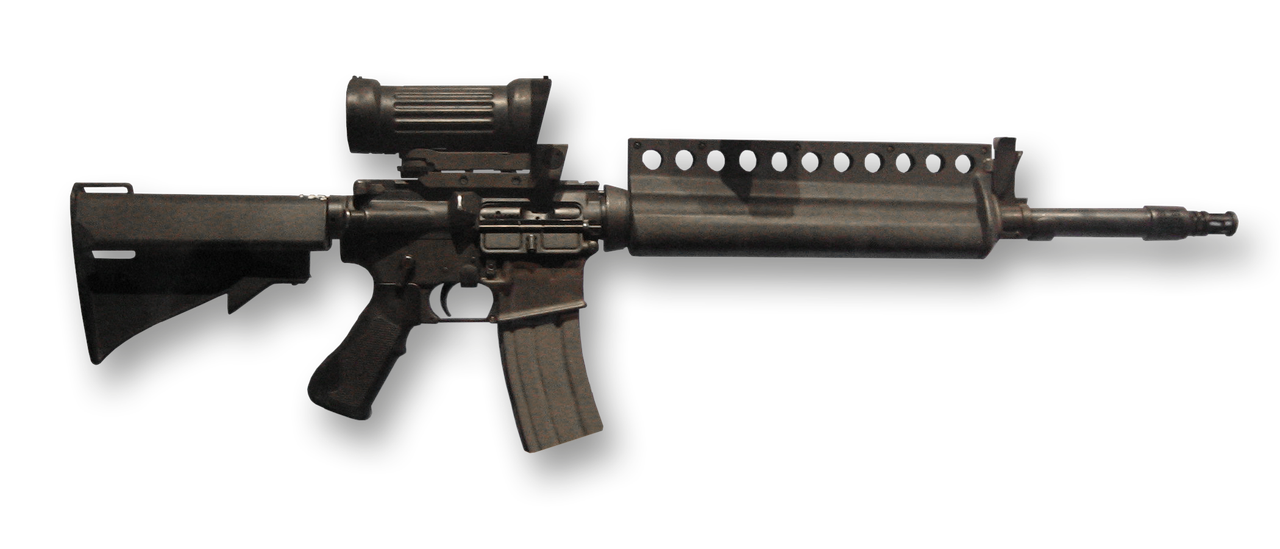
Part of the Colt ACR’s vanishing act is visual. Unlike the H&K G11 with its blocky sci-fi profile or Steyr’s polymer bullpup, the Colt entry did not look radically different from the rifle Americans already knew. When a prototype resembles standard issue, it is easier for history to blur it into the background.
The program’s outcome also hurt its afterlife. Winners get museum labels, collector mythology, and endless magazine spreads. Losers from dead-end military trials often get a few archival mentions and then fade, especially when their most important innovation was ammunition rather than a dramatic new silhouette.
There is also a timing issue. By the early 1990s, the Army had validated the M16A2’s staying power, and attention moved toward incremental improvements, optics, and later modular carbines. A trial rifle that failed to clear a very high threshold had little institutional reason to stay in the spotlight.
What made the Colt entry important anyway
Even though it did not win, the Colt ACR captured a recurring truth in military small-arms development: the best concept is not always the most futuristic one. Sometimes the smartest pitch is the one that promises better performance without detonating the entire training and supply system built around an existing service rifle.
That tension still shapes weapons procurement today. Armies want revolutionary gains, but they also fear revolutionary complications. Colt’s ACR sat right in that middle ground, trying to deliver a measurable edge with manageable disruption, which is exactly why it remains such a fascinating what-if.
It also stands as a reminder that failure in a military trial does not mean the design was foolish. It may simply mean the incumbent rifle was good enough, the improvement too small, or the ammunition concept too awkward to justify a full institutional leap.
The legacy of a rifle that nearly became tomorrow
The Colt ACR never became the next American service rifle, and that is why it now feels like a ghost gun from a forgotten branch of firearms history. But its story is worth revisiting because it shows how brutally hard it is to replace a rifle once an army has trained around it, stocked it, and learned its limits.
The ACR competition produced no immediate successor to the M16A2, yet it sharpened the Army’s understanding of what true improvement would require. That may be the Colt rifle’s real legacy: not victory, but proof that even a smart, practical, low-disruption idea can disappear if it cannot beat the standard by enough to matter.
For firearms history fans, that makes it more than a footnote. It makes it one of the clearest examples of a gun built for a serious military future, only to miss its moment and quietly fall out of view.