A lot of Civil War handguns were good. The Remington 1858 stood out because it felt ahead of its time.
Why the Remington 1858 Mattered
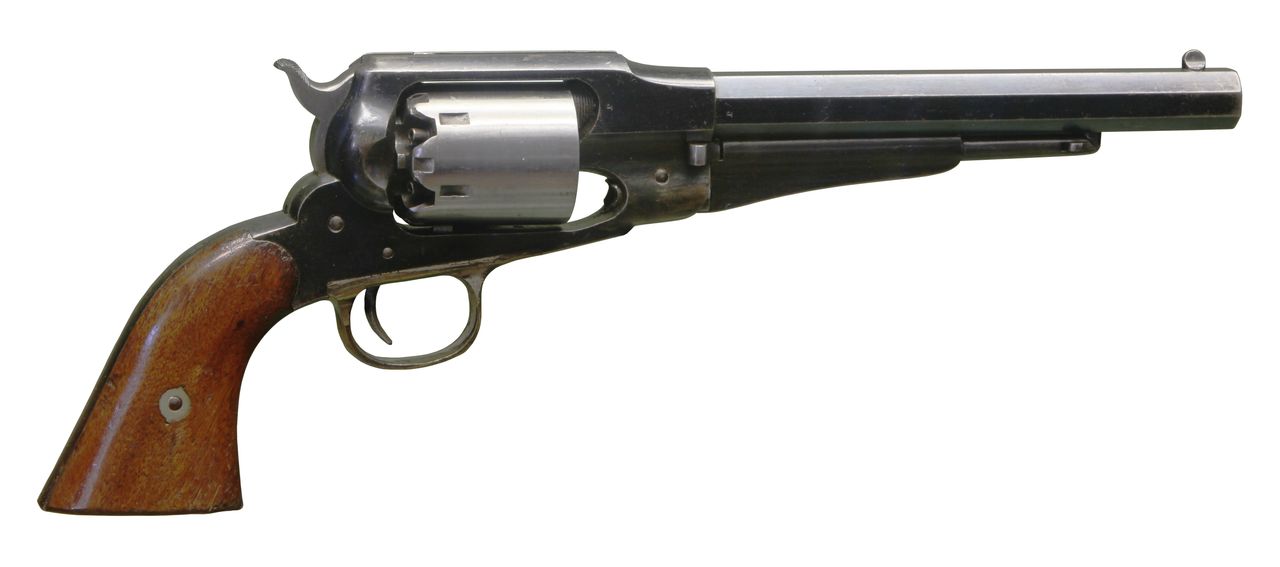
The revolver most people call the Remington 1858 is usually the New Model Army, a .44-caliber percussion six-shooter that became one of the Union’s most important sidearms. Despite the nickname, the best-known wartime versions were produced during the Civil War years, especially from 1863 onward. According to NRA Museums, it ranked second only to Colt in U.S. government purchases.
National Park Service material describes the Remington Army as a solid-frame revolver with a top strap over the cylinder. That single feature gave it a stiffer, stronger look than the open-top Colt designs that dominated the era. In the hand, the difference was obvious then and still is now.
The Trick: Swapping the Whole Cylinder
What made the Remington famous with shooters was how easily its cylinder could be removed. American Rifleman notes that lowering the loading lever allowed the cylinder pin to be pulled forward, freeing the cylinder. That meant a shooter with a spare loaded cylinder could, at least in theory, get back into action faster than by reloading each chamber one at a time.
That sounds like a modern speed reload, but it came with limits. Spare cylinders were not standard issue in the way modern detachable magazines are. Even so, the design made maintenance, unloading, and emergency reloading more practical than on many rival cap-and-ball revolvers.
Faster Than a Colt, but Not Magic
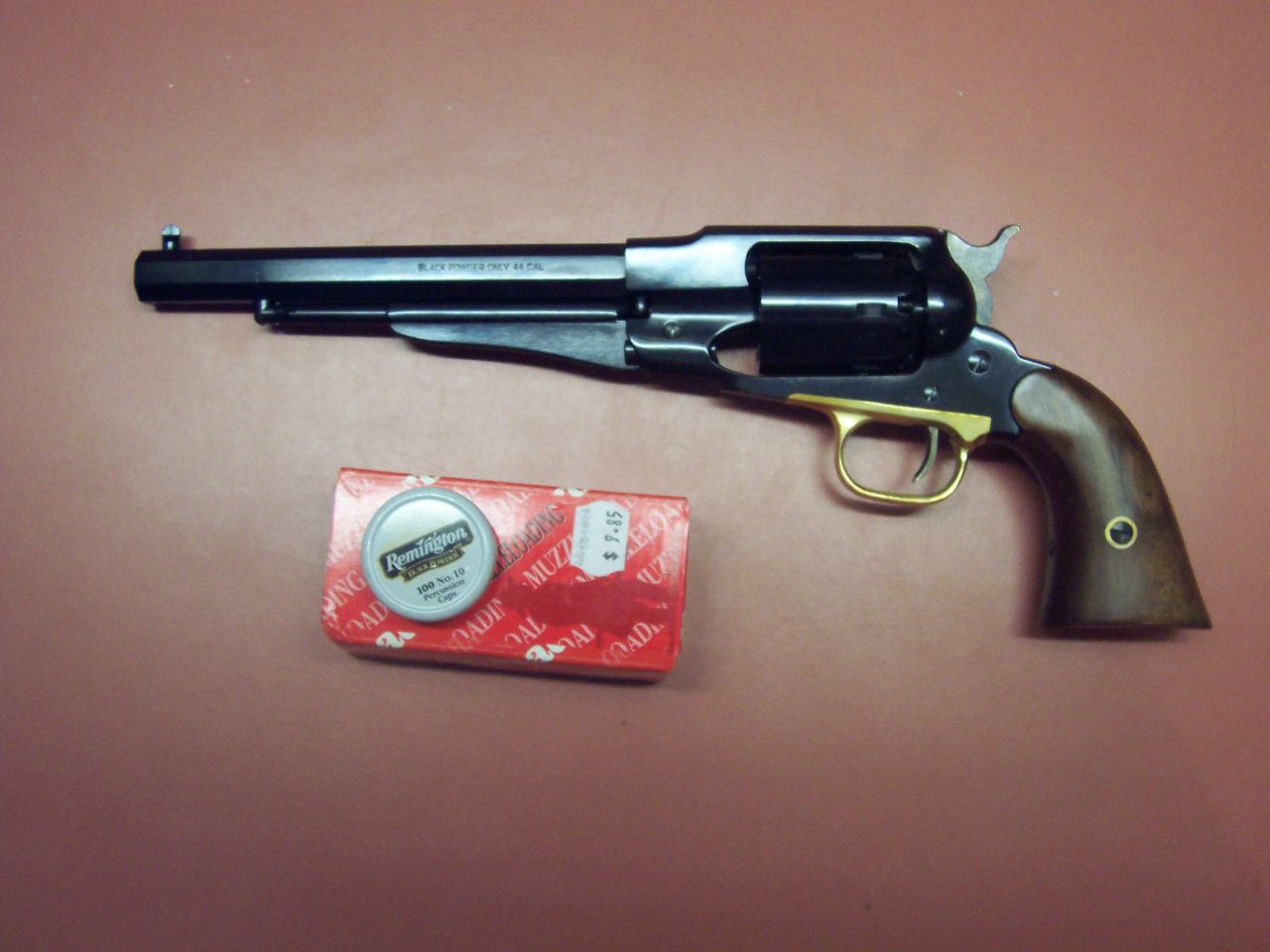
The Remington’s edge over the Colt 1860 Army was real, but it is easy to oversell it. A trained cavalryman still had to manage loose powder, bullets or combustible cartridges, percussion caps, and fouling. Swapping cylinders in the field was quicker than a full reload, yet it was not as simple or as foolproof as later cartridge revolvers.
There was also the safety question. A spare loaded percussion cylinder carried on a man’s gear was not as rugged or convenient as boxed metallic cartridges. So the feature mattered most as a mechanical advantage, not as a guarantee that every trooper rode into battle with multiple ready-to-swap cylinders.
Built for War and Hard Use
The Remington earned trust because the frame was robust and the sights were better than many period rivals. The top strap included a rear sighting groove, giving users a cleaner sight picture than many Colts. Soldiers appreciated practical details like that far more than collectors sometimes realize.
American Rifleman has also pointed out that Remington revolvers became common in Union service as Colt production and procurement pressures opened the door to competitors. The Army of the Potomac’s Cavalry Corps reportedly fielded thousands of New Model Remington .44s. That is not a niche footnote; that is broad military use under harsh conditions.
Production, Popularity, and Civil War Service
Remington entered large-frame military revolver production after Colt’s early patent dominance faded. American Rifleman traces the service-caliber Beals .44 Army to 1861, with later improvements leading to the New Model line. The result was a revolver family that matured quickly during wartime demand.
Collectors and historians often cite roughly 122,000 New Model Army revolvers delivered to the Ordnance Department during the war, a figure echoed in Remington Society research discussions based on archival records. New Jersey also bought 1,000 for its troops, according to NRA Museums. Those numbers help explain why surviving examples are still so visible in Civil War collections.
What Happened After the War
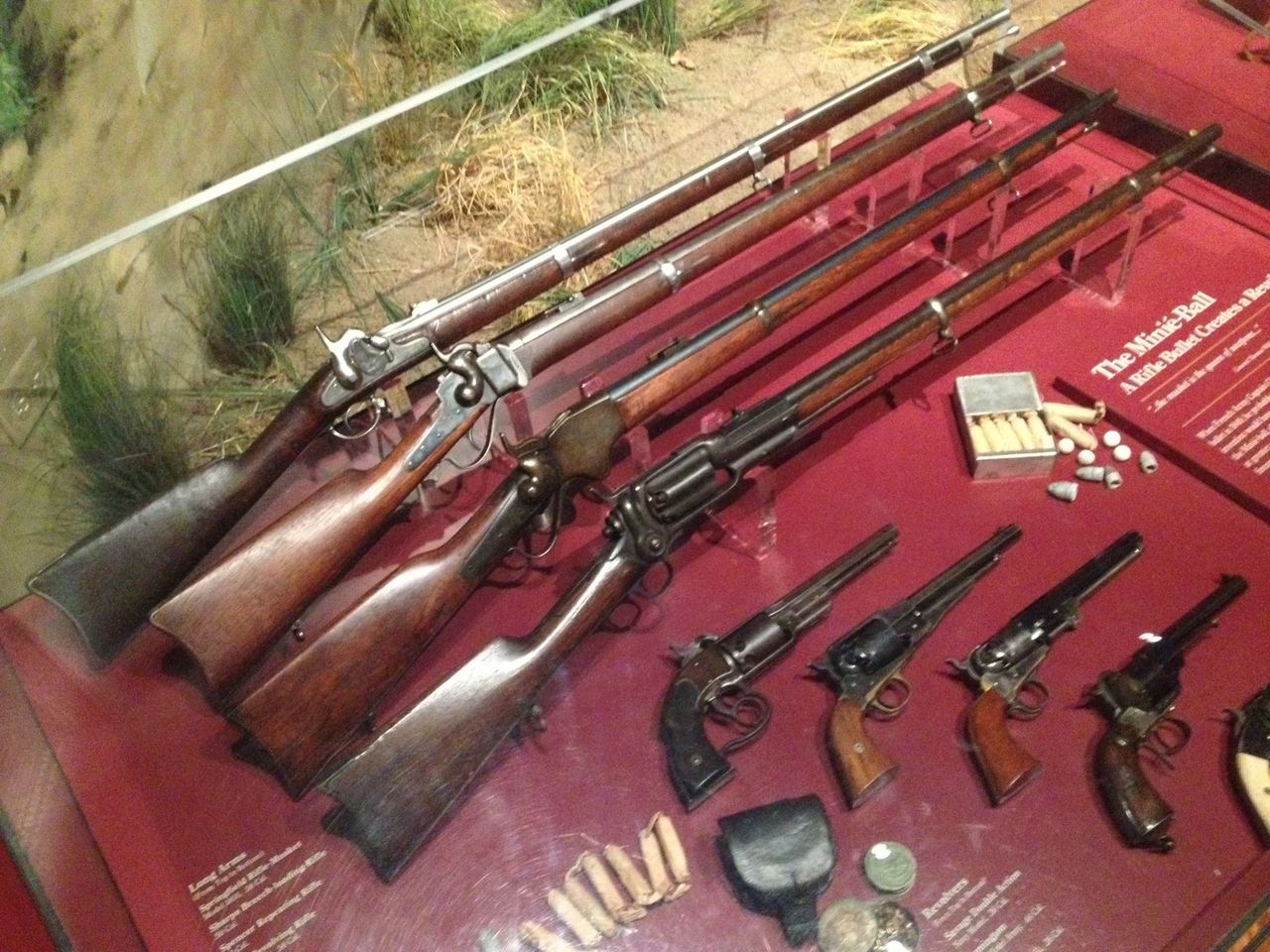
The Remington’s story did not end at Appomattox. NRA Museums notes that many New Model Army revolvers were later converted at the factory to fire metallic cartridges. That made sense because the solid frame that helped the gun in wartime also made it a good candidate for the cartridge age.
This afterlife matters because it proves the underlying design was sound. Some percussion revolvers became dead ends; the Remington evolved. On the frontier and in civilian hands, converted Remingtons kept working long after paper cartridges and percussion caps were becoming yesterday’s technology.
Why the Cylinder-Swap Legend Endures
The cylinder-swap reputation survives because it captures something true about the gun. The Remington 1858 was not just another Civil War revolver with period charm. It offered a genuinely practical feature, wrapped in a strong frame, with enough military adoption to prove it was more than a clever idea.
That is why shooters still talk about it with a little admiration. In an age of black powder, fouling, and horseback chaos, the Remington gave its user one small but meaningful shortcut. For a Civil War sidearm, that was close to futuristic.