A quiet campsite can feel magical until something about the woods seems off. If you know what to watch for, you can spot mountain lion clues early and make smart decisions without panicking.
Why mountain lions sometimes show up near camps
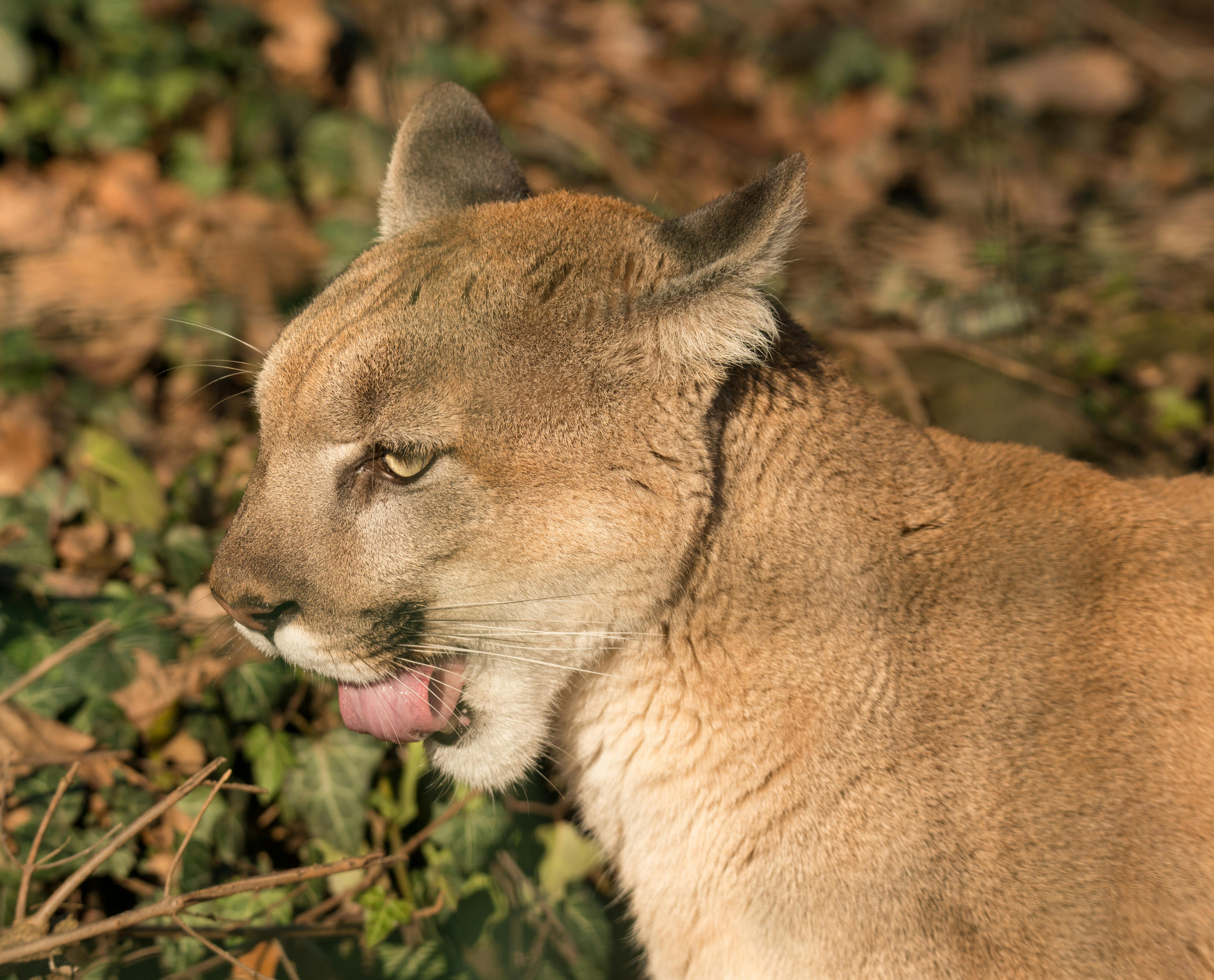
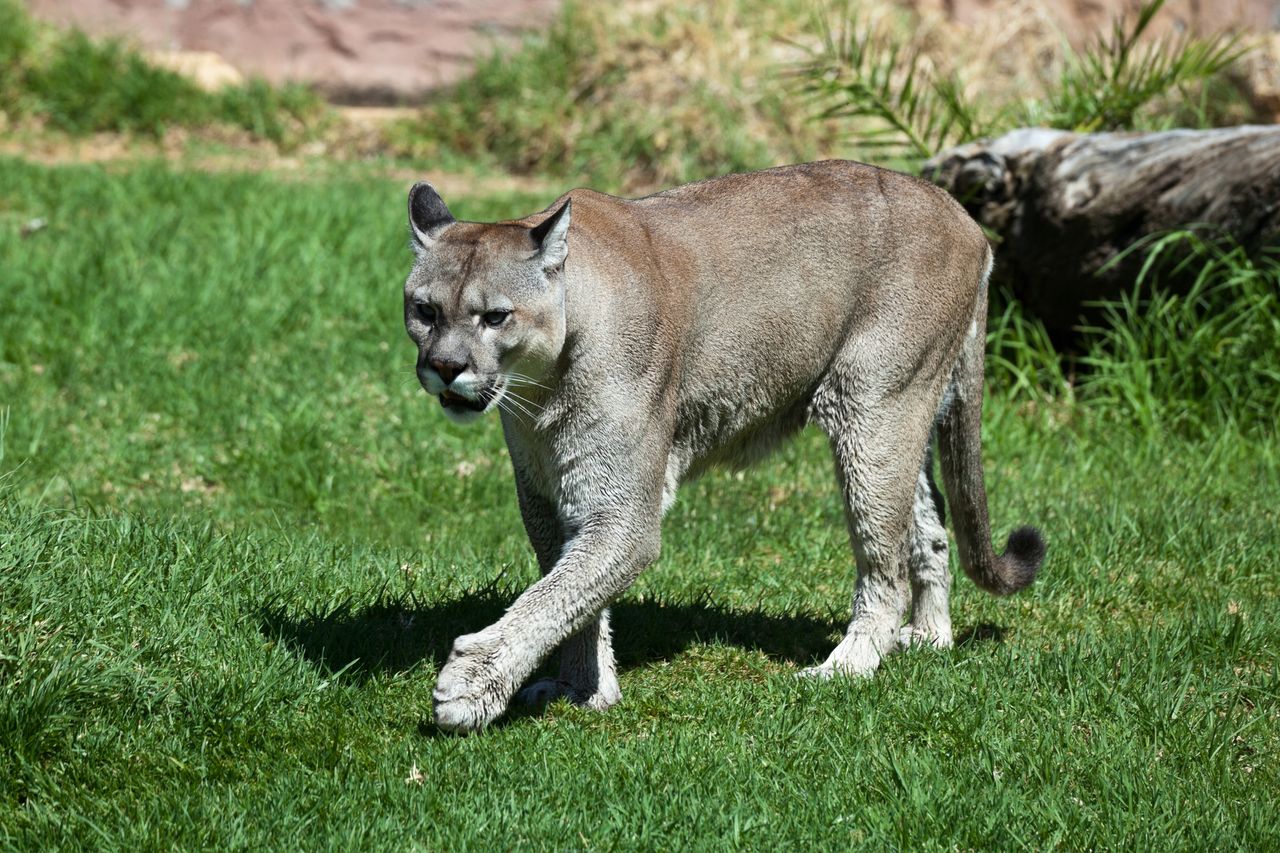
Mountain lions, also called cougars or pumas, live across large parts of the American West and parts of Florida, and they use an enormous variety of terrain. The National Park Service notes they are often most active around dawn, dusk, and at night, especially when deer are moving. That matters for campers because the same creek bottoms, forest edges, and meadow margins that make good camps can also make good hunting routes.
Most of the time, a mountain lion wants nothing to do with people. Yosemite National Park says these cats are shy, solitary, and usually unconcerned with humans unless something unusual is happening. According to the California Department of Fish and Wildlife, few sightings ever rise to the level of a public safety threat. That is the big picture worth remembering before you read any warning sign.
Still, camps can become more attractive when prey animals linger nearby. Deer browsing at first light, raccoons nosing around food, or rodents drawn to crumbs all create activity. Dinosaur National Monument specifically warns campers to keep a clean camp because lions may be attracted to animals that scavenge camp food. In other words, the cougar is not usually coming for your tent. It may be following the food chain around it.
The most reliable signs a mountain lion may be nearby
The clearest clue is fresh tracks. The National Park Service says mountain lion tracks are usually round, about 3.5 to 5 inches across, with four toe marks, a broad pad with three lobes at the bottom, and usually no claw marks because cats keep claws retracted. Dog tracks tend to look more oval and usually show claws, so that comparison is one of the fastest ways to avoid a false alarm.
Scat can be another sign, though it is less useful for casual campers because it is easy to confuse with coyote or large dog droppings. In mountain lion country, wildlife agencies also point to scrapes, scent mounds, and strongly marked spots used for territorial communication. Bryce Canyon notes that a small pile of dirt carrying a strong cat urine smell can indicate a scent mound. If you notice that near camp, take it seriously.
Another important clue is a cached kill. Mountain lions often drag prey into cover and may partially bury it with leaves, grass, or dirt, then return later. Mount Rainier advises visitors to report what appears to be a recent kill by a mountain lion. If you find a deer carcass that looks covered, dragged, or tucked under brush, do not investigate. Leave the area promptly because the cat may be close.
Animal behavior that should make campers pay attention

Sometimes the strongest warning sign is not the lion itself but the animals around you. If deer, elk, or smaller mammals suddenly become tense, stare into brush, bunch up, or bolt for no clear reason, a predator may be moving nearby. Birds can help too. Jays, ravens, and other vocal species often raise a ruckus when something unusual is in the area, and Bryce Canyon notes that circling ravens or vultures can even point to a cougar food cache.
Pets can also become an early warning system, though they can create risk as easily as they reveal it. A dog that suddenly fixes on one patch of darkness, growls low, or refuses to move may be detecting something you cannot see. At the same time, loose pets can attract a mountain lion’s attention by running or acting like prey. That is one reason many parks strongly favor keeping animals controlled around camp.
Then there is the feeling campers often describe as the woods going quiet. On its own, that is not proof of anything. But if silence comes with fresh tracks, deer sign, or odd pet behavior, it should push you into caution mode. Trust patterns, not a single spooky detail. Mountain lion awareness is really about stacking clues until the picture becomes clear enough to act on.
How to make your campsite less interesting to a cougar
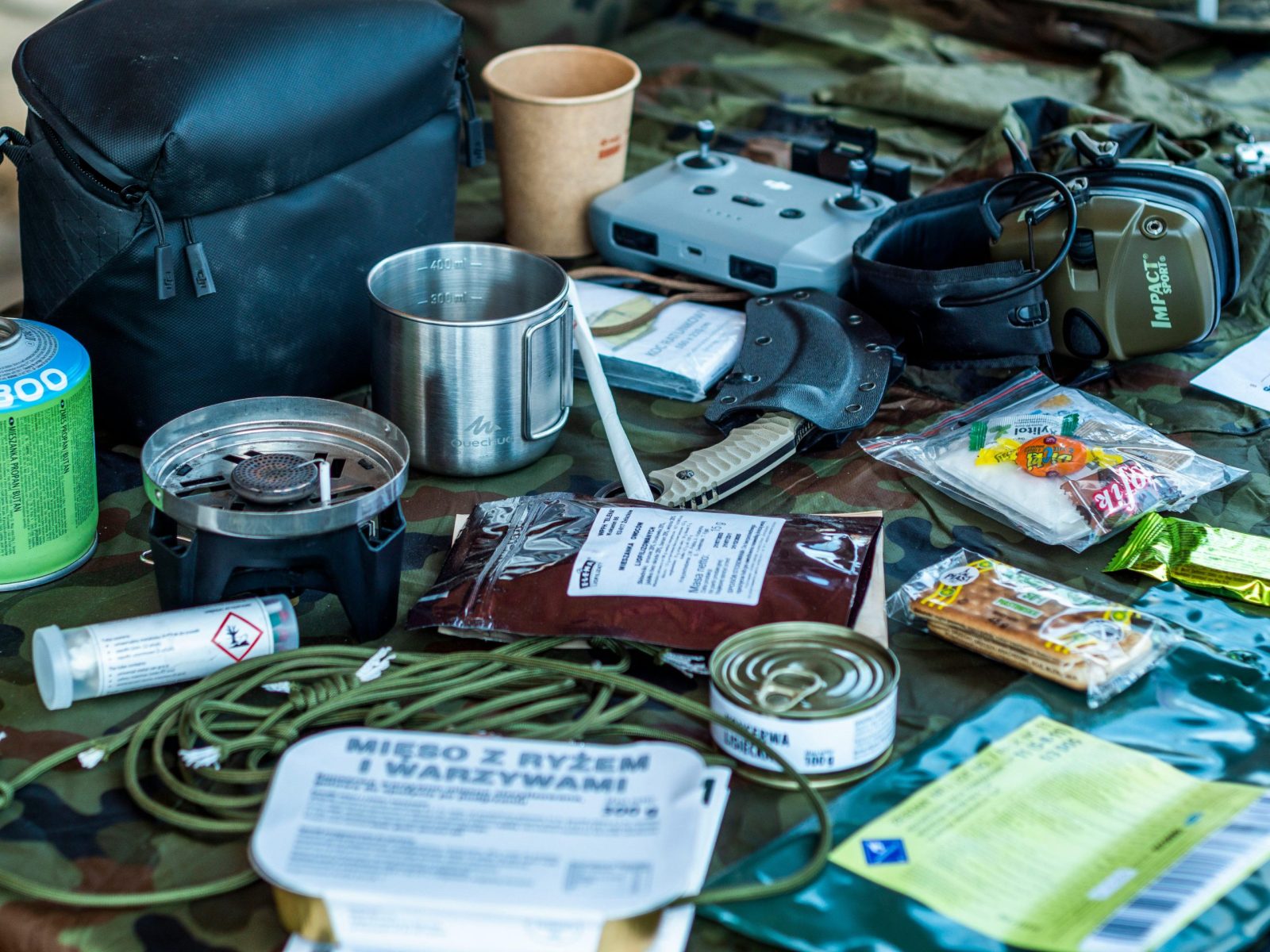
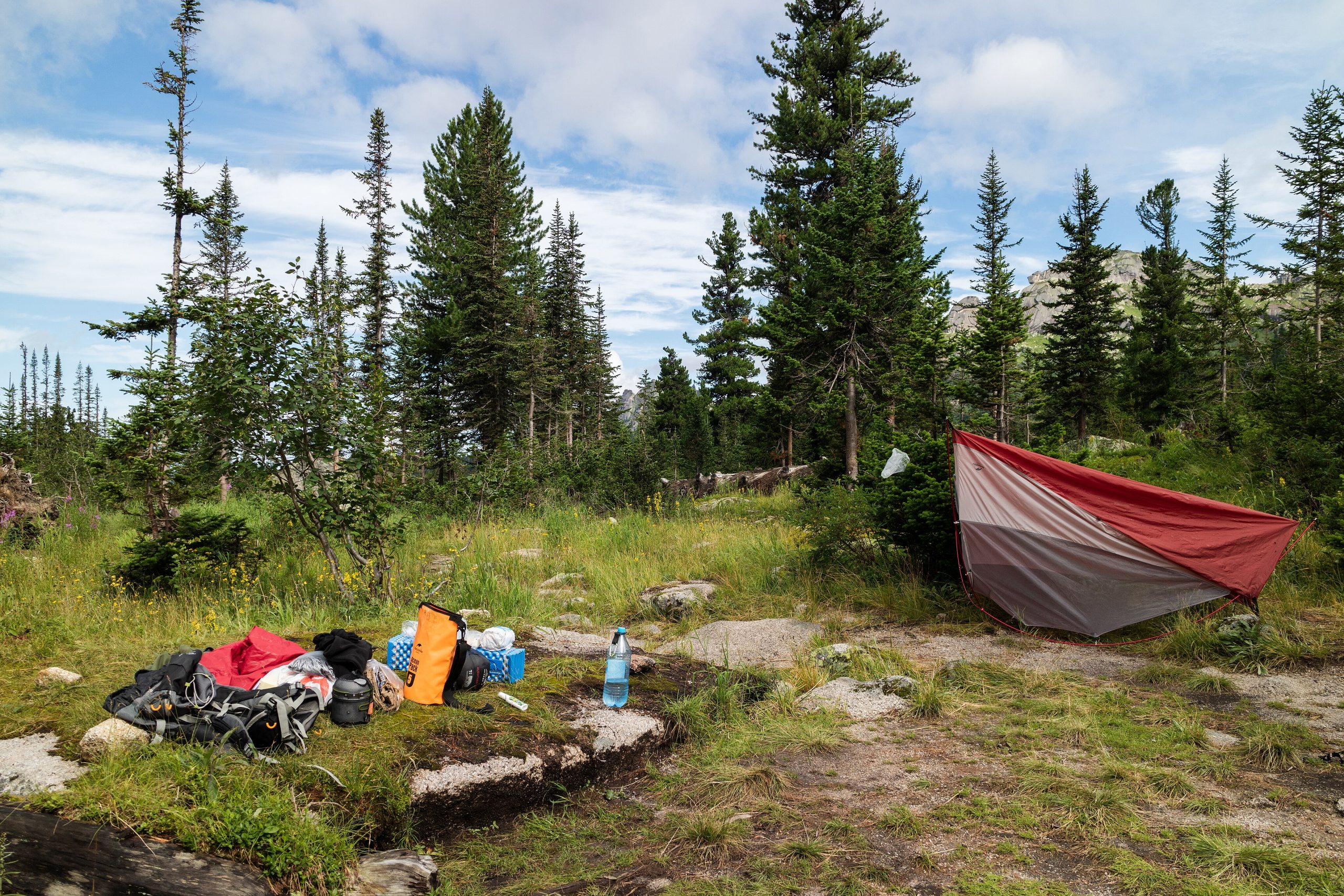
Start with food discipline, even though mountain lions are not primarily after your cooler. Clean cooking areas, sealed trash, and no scraps on the ground reduce rodents, raccoons, and other animals that can draw a predator in. Dinosaur National Monument makes this point directly, and it is good campcraft anyway. A tidy site removes one link in the chain that brings wild predators closer.
Next, think about layout and visibility. If possible, avoid pitching your tent right beside thick brush, game trails, or the edge of a deer-heavy meadow. Give yourself sightlines. Keep kids near the center of camp, not wandering at the tree line while adults cook. The National Park Service repeatedly advises keeping children close and hiking or moving in groups because smaller people can appear more vulnerable.
Light and noise help in moderation. You do not need floodlights and shouting, but a lantern at camp, normal conversation, and staying together at dawn and dusk can reduce surprise encounters. Do not leave pets tied out away from camp overnight, and never let them roam. The goal is simple: make your campsite feel like a human space, not a quiet ambush point surrounded by distracted prey.
What to do if you think a lion is close but you have not seen it
If signs are adding up, change your behavior immediately. Bring children and pets in close, stop wandering off alone, and clean up any food or trash right away. Avoid heading out for a solo bathroom walk or a twilight stroll to the lake. Many risky situations develop because people keep acting as if nothing has changed after warning signs were already obvious.
If you can safely leave, especially if you have found a fresh kill, repeated tracks around camp, or an unusually bold animal nearby, that is often the smartest move. Pack together, make steady noise, and leave in daylight if possible. If you are staying put for the moment, keep everyone grouped, use lights after dark, and stay out of dense vegetation. Call or report the concern to campground staff, a ranger, or local wildlife officials as soon as you reasonably can.
Do not try to track the lion, follow prints, or confirm the animal with a closer look. That impulse gets people in trouble. A mountain lion can be watching without being seen, and its whole advantage is stealth. Treat uncertainty with respect. You are not overreacting by becoming more cautious when multiple signs point in the same direction.
What to do if you actually see a mountain lion near camp
First, stay calm and do not run. This is one of the most consistent points across National Park Service guidance because running can trigger chase behavior. Face the lion, maintain eye contact, and back away slowly. If you have children with you, pick them up if possible, but do not crouch or turn your back while doing it.
Make yourself look big and difficult. Raise your arms, open your jacket, stand together as a group, and use a loud, firm voice. Lassen Volcanic, Point Reyes, Yosemite, and other park units all give variations of this advice. If the lion comes closer or behaves aggressively, throw rocks, sticks, or other objects. The message you want to send is clear: you are not prey.
If the animal attacks, fight back with everything available. The Park Service explicitly says people have successfully fought off attacks using rocks, sticks, jackets, tools, and bare hands. Some park guidance also says bear spray may help if an attack is underway. This is not a moment to play dead. With mountain lions, the official advice is the opposite: resist hard and keep resisting.
Keeping the risk in perspective without getting careless

It is worth ending where many wildlife experts begin: attacks are rare. The Mountain Lion Foundation, summarizing North American records, says fatal attacks are extremely uncommon over the long historical record, and the National Park Service consistently describes encounters as infrequent. Even in places with healthy cougar populations, most campers will never know a lion was anywhere near them. That perspective helps you respond rationally instead of fearfully.
But rare does not mean impossible, and wise campers respect low-probability, high-consequence risks. The practical middle ground is simple: learn the signs, keep a clean camp, control pets, watch children closely, avoid moving alone at dawn or dusk, and react early when clues pile up. These are habits, not panic moves. They work because they reduce surprise and make you look less like prey.
A mountain lion near camp is serious, but it is not automatically a disaster. Calm people make better choices. If you notice tracks, scent marks, unusual prey behavior, or a covered carcass, treat the area differently right away. And if you do see the cat, stand tall, stay loud, back away slowly, and be ready to fight if you must. That combination of respect and resolve is your best tool in cougar country.