Some handgun debates never really die. Polymer versus metal is one of them, and the reason is simple: both designs work, but they feel and behave differently in the hand.
The frame material changes the gun before you ever fire it
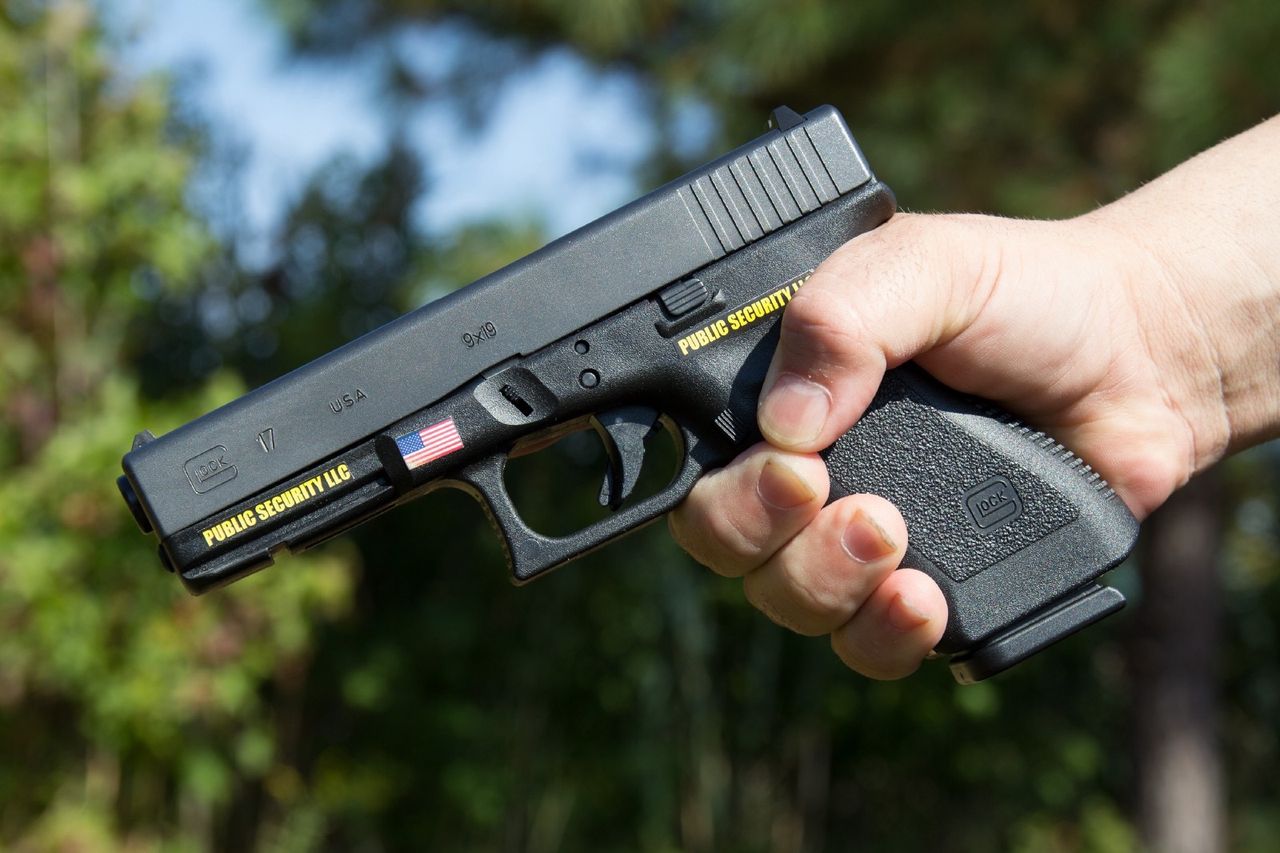
The first difference is weight, and it is not a subtle one. A Glock 17 uses a polymer frame with steel guides and comes in far lighter than classic metal service pistols. By contrast, the Beretta 92FS is listed at about 34.4 oz unloaded, and a SIG Sauer P226 is in that same general class, giving both guns a distinctly heavier, denser feel.
That extra mass affects how a pistol carries all day. A lighter polymer gun is easier on the belt, simpler to pack with a weapon light, and generally less tiring during long hours of use. That is one reason striker-fired polymer pistols became so dominant with law enforcement and civilian carriers.
Metal frames, though, often feel more planted. Pick up a CZ 75 SP-01 or a Beretta 92FS and the weight immediately suggests stability. Many shooters interpret that as confidence, even before the first magazine is fired.
Construction is more than plastic versus steel
People often describe polymer guns as “plastic,” but that misses how they are actually built. Glock states that its frame is polymer with hardened steel guides, and HK’s USP manual describes a one-piece molded frame with metal inserts cast into the structure. In other words, the working surfaces still rely on steel where steel matters most.
Metal-frame pistols come in more than one flavor too. A SIG P226 traditionally pairs a stainless slide with an alloy frame, while a CZ 75 SP-01 uses a steel frame. So the comparison is not just polymer versus metal, but polymer versus aluminum alloy versus steel.
That matters because each material brings different strengths. Steel offers stiffness and weight, aluminum alloy trims ounces while keeping a traditional feel, and polymer allows aggressive shaping, interchangeable backstraps, and molded accessory rails without adding as much mass.
Manufacturing drives cost, consistency, and design freedom

Polymer changed handgun manufacturing because it let companies mold complex shapes efficiently. According to Glock, its production process combines polymer and metal injection molding with more traditional machining. That mix reduces machining time on the frame itself and makes high-volume production easier once tooling is in place.
Metal frames usually demand more machining, more finishing, and tighter attention to surface treatment. Whether the frame starts as a forging, casting, or billet, there is simply more metalworking involved. That can raise cost, but it also gives manufacturers room for very precise slide-to-frame fitting in premium guns.
The design freedom is different too. Polymer makes it easier to build grip texture, undercuts, swappable backstraps, and integral rail geometry into the frame. Metal can do all of that, but it often requires more machining and, in some cases, separate grip panels to achieve the same ergonomic flexibility.
Recoil feel is where the argument gets personal

This is where preference takes over. Heavier metal pistols usually have less muzzle rise and a softer, flatter impulse because more mass is moving against recoil. That is a big reason competition and range shooters still gravitate toward steel-frame pistols like the CZ 75 SP-01 family.
Polymer guns can feel snappier, especially in lighter compact models. But “snappier” does not mean uncontrollable. A Glock 17, Smith & Wesson M&P, or HK USP is still very manageable, and many shooters actually like the quicker return and simpler manual of arms common in polymer duty pistols.
Frame flex gets mentioned a lot, sometimes too much. Yes, polymer can absorb and distribute some recoil forces differently than steel or alloy. In practice, what most shooters notice more is total gun weight, bore axis, grip shape, and trigger system rather than frame material alone.
Durability is excellent on both sides, just in different ways
Modern polymer frames are not fragile. HK emphasizes corrosion-resistant materials in the USP line, and Glock has long marketed polymer as a durability advantage as well as a weight saver. Polymer does not rust, shrugs off sweat well, and handles hard field use better than many skeptics expect.
Metal frames age differently. Steel can last an extremely long time and tolerate very high round counts, but it adds weight and can corrode if neglected. Aluminum alloy resists rust better than plain steel, yet it is still a metal structure with wear points that deserve inspection over years of heavy use.
The practical takeaway is that service life depends as much on design and maintenance as material. A well-maintained polymer duty pistol can run for decades, and so can a metal-frame SIG, Beretta, or CZ. Material alone does not decide reliability.
The better choice depends on how the handgun will be used

If the pistol is primarily for concealed carry, home defense, or duty use, polymer often makes the most sense. It is lighter, usually simpler, and often less expensive to produce at scale. That explains the staying power of models like the Glock 17, HK USP, and similar modern service pistols.
If the pistol is for long-range sessions, competition, or shooters who value a more traditional balance, metal still has real appeal. A Beretta 92FS, SIG P226, or CZ 75 pattern gun offers a different shooting character that many people genuinely prefer, especially when fast follow-up shots matter.
So what really separates the two designs? Not mythology. Polymer frames prioritize low weight, manufacturing efficiency, and modular ergonomics, while metal frames trade extra ounces for steadier handling and a more substantial feel. Neither is automatically better. The better frame is the one that matches the job.