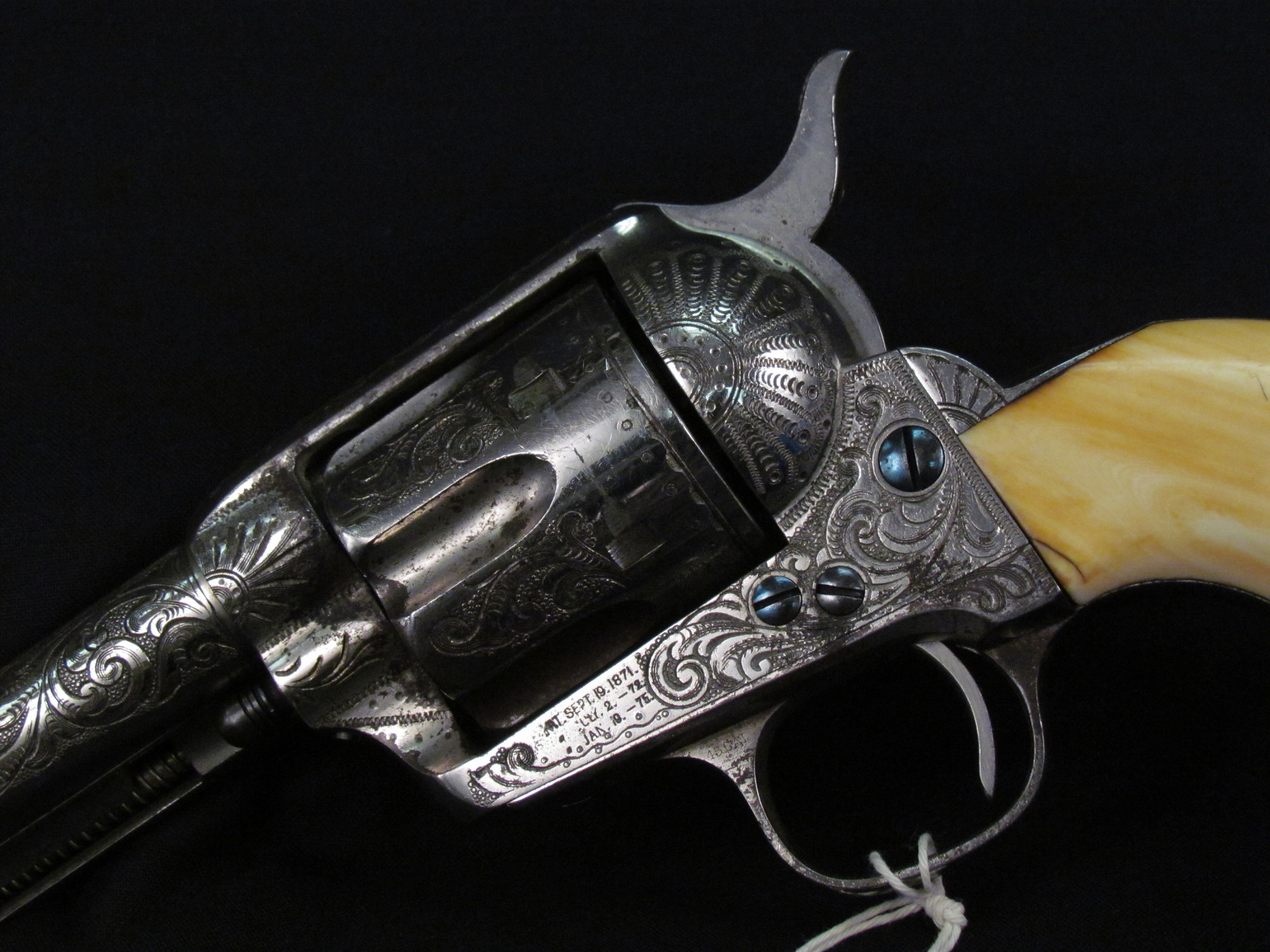
Some guns become tools. A few become symbols.
The Colt Single Action Army is both, which is exactly why people still argue about it.
Why the Colt Single Action Army still matters
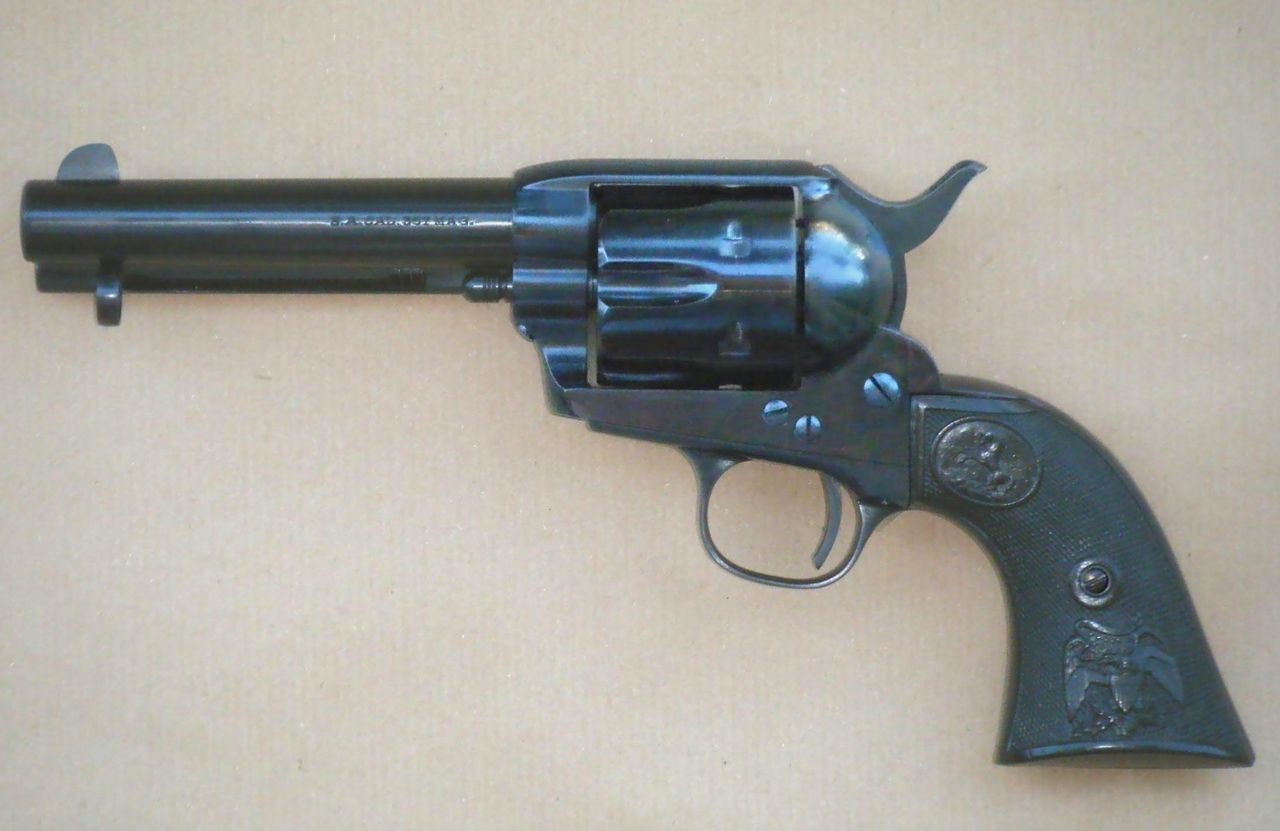
Introduced in 1873, the Colt Single Action Army quickly became one of the defining American handguns. Colt’s own historical timeline notes that it became the standard U.S. military service revolver, with more than 30,000 delivered on government contract between 1873 and 1891. That kind of institutional adoption did not happen by accident. It happened because the gun met the needs of its time.
The revolver also spread far beyond military holsters. According to the NRA Museum, it saw widespread use among soldiers, settlers, lawmen, and civilians, which helped turn it from a successful product into a cultural landmark. That broad user base matters because legends usually start with stories, but real legends stick because the object was actually there.
Even now, the SAA remains one of the most recognizable handguns ever made. The shape, plow-handle grip, and loading gate silhouette are instantly familiar, even to people who know almost nothing about firearms.
What made it a genuinely great revolver
Strip away the romance and the original design still deserves respect. The SAA used a solid frame and a simple single-action lockwork that was sturdy by the standards of the 1870s. The U.S. Ordnance Department favored that simpler, stronger Colt pattern over competing designs during early service testing, a big reason the revolver gained its first major foothold.
The handling also helped. The grip rolls a bit in recoil, especially in .45 Colt, and many experienced single-action shooters still consider that a feature rather than a flaw. Instead of fighting the hand, the gun tends to move with it, making stout loads feel surprisingly manageable in a full-size revolver.
Then there is the trigger. A good Single Action Army has a crisp break that makes deliberate shooting feel natural. For aimed fire at practical distances, that clean release remains one of the platform’s enduring strengths.
Where the legend gets bigger than the reality
This is the part that annoys romantics: the Colt is not magical. It is slow to load by modern standards, slow to unload, low in capacity, and requires manually cocking the hammer for every shot. Once double-action swing-out-cylinder revolvers matured in the late 19th century, the fighting handgun world moved on for sensible reasons.
Safety is another area where nostalgia can blur judgment. Traditional SAA-pattern revolvers are commonly carried with the hammer down on an empty chamber because the original design does not offer the same margin of drop safety people expect from many modern handguns. That is not a dealbreaker, but it is a real limitation.
So yes, some of the SAA’s fame comes from movies, dime novels, and the “gun that won the West” mythology. The legend is real, but it rides on top of practical compromises that modern shooters immediately notice.
How it compares to modern handguns
Against a modern defensive pistol, the Single Action Army is badly outclassed. You get slower reloads, less ammunition on board, fixed sights on many variants, and a manual of arms that demands more time and attention under stress. No serious shooter should confuse historical excellence with present-day tactical excellence.
But that does not make it obsolete in every sense. For recreational shooting, cowboy action competition, and pure field enjoyment, the old Colt pattern still offers something many polymer pistols cannot: character tied directly to mechanics. Every loading click, every thumb-cocked shot, every empty case poked out one at a time creates a tactile experience people genuinely enjoy.
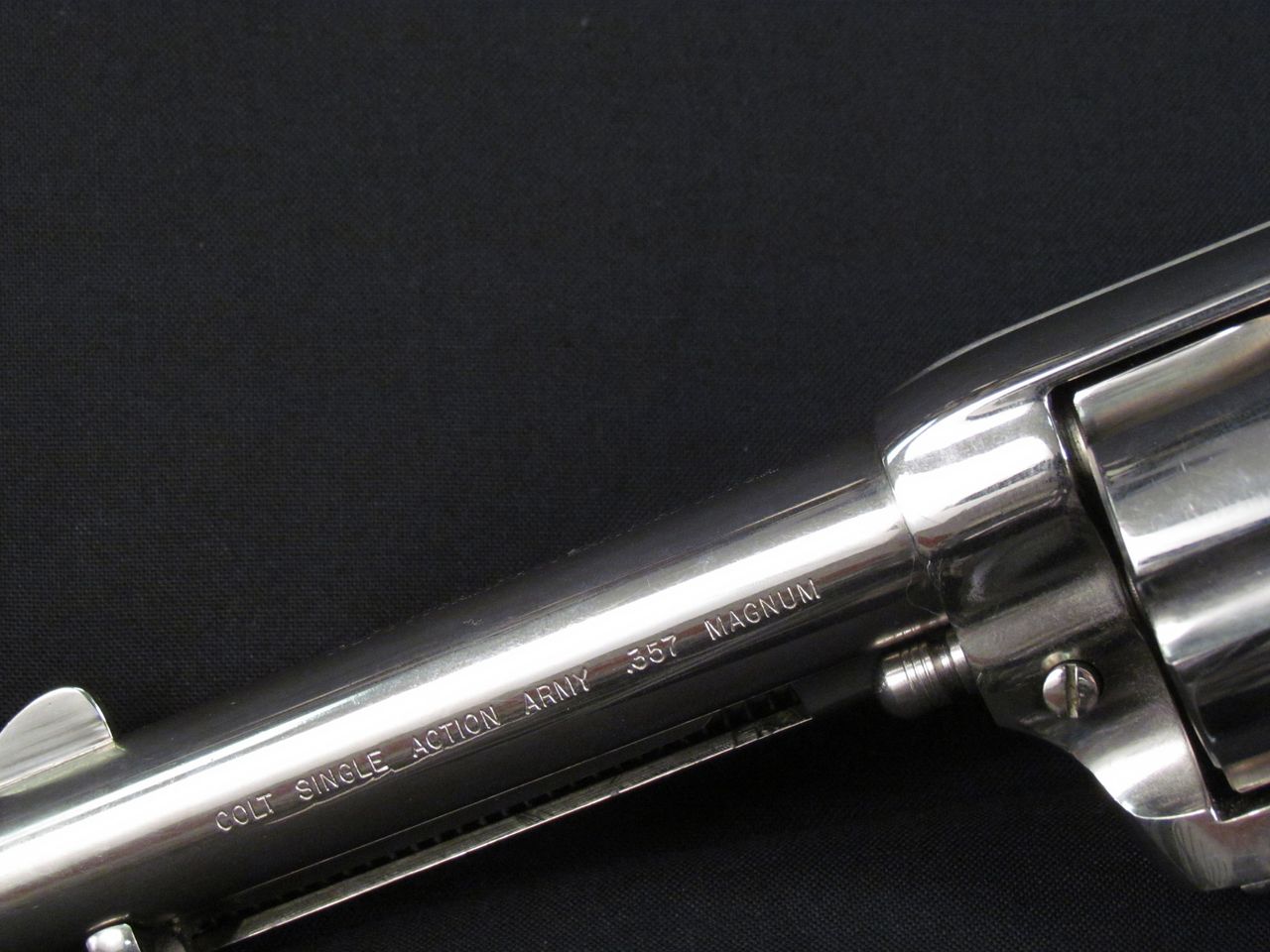
Colt’s own manual for later SAA models lists classic barrel lengths like 4¾”, 5½”, and 7½”, along with chamberings including .45 Colt, .357 Magnum, and .44 Special. That variety helped the design survive long after its frontline duty ended.
Why collectors love it so much
Collectors are not only buying steel and walnut. They are buying provenance, scarcity, and a direct link to American frontier history. The first-generation Colt Single Action Army was manufactured from 1873 through 1940, according to the NRA Museum, and that long run created a huge landscape of variations, markings, finishes, and calibers.
Rock Island Auction notes that 357,859 first-generation SAAs were produced, with nearly half chambered in .45 Colt. It also points out that 96 percent of first-generation guns fall into just five calibers, which helps explain why unusual chamberings command major premiums. In collector markets, tiny production differences often mean huge price differences.
That market can get serious fast. Rock Island has reported six-figure and even $440,625-level sales for especially desirable documented examples. At that point, you are no longer discussing a mere revolver. You are discussing Americana with serial numbers.
So, great gun or great legend?
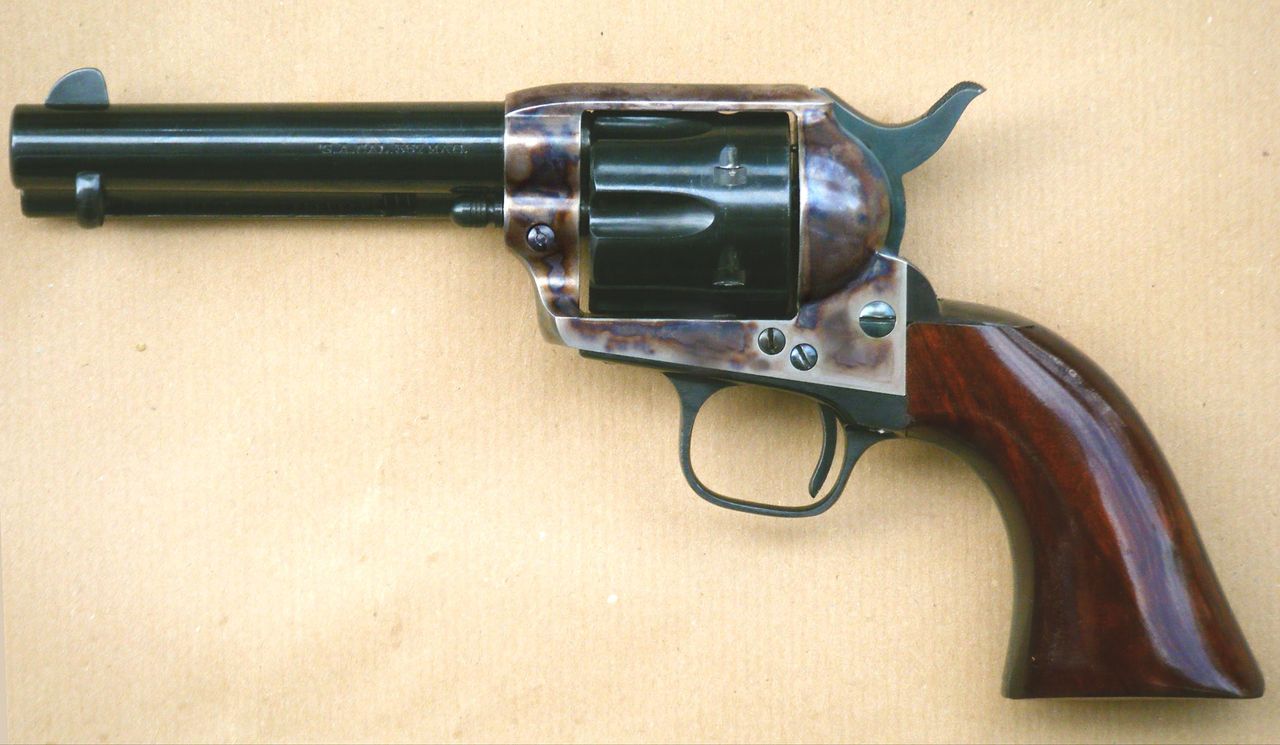
The honest answer is both, but not equally in every category. As a 19th-century revolver, the Colt Single Action Army absolutely was a great gun: durable, effective for its era, and influential enough to shape handgun history. It earned its place before Hollywood ever polished the story.
As a modern practical sidearm, it is mostly a specialist’s choice and a sentimental one. There are better tools for defense, duty, and hard-use utility. Anyone claiming otherwise is selling nostalgia.
But as an object where function, history, design, and myth all lock together, the SAA is almost unmatched. Plenty of legendary guns are overrated. The Colt Single Action Army is legendary because it was great first.