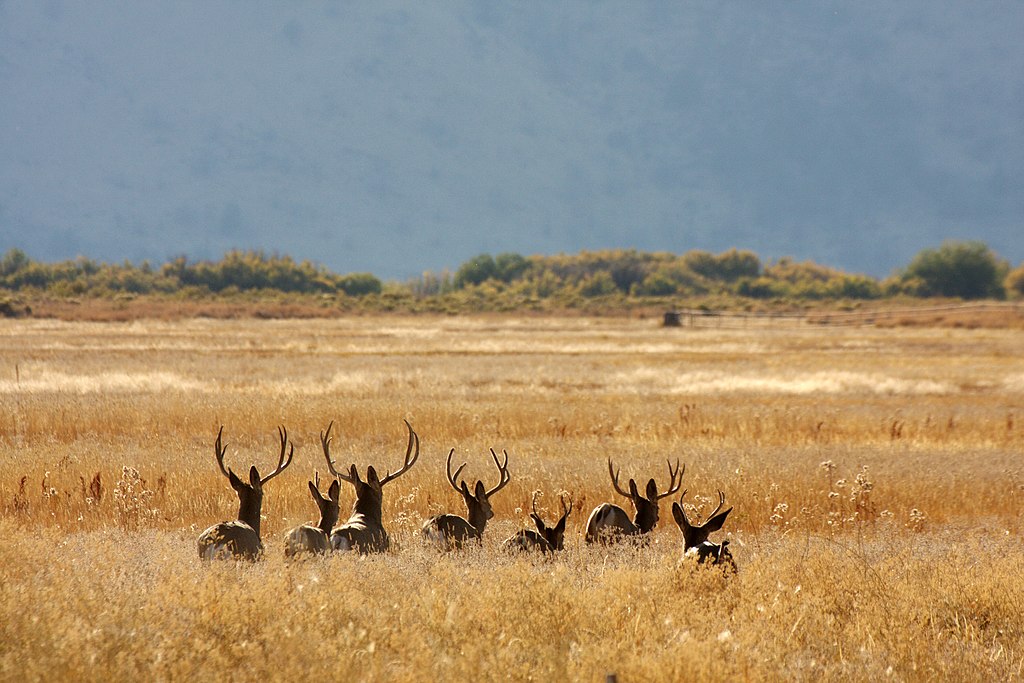
Older hunters often rely less on gadgets and more on accumulated observation when interpreting mule deer behavior across varied terrain. Years spent watching seasonal patterns, weather shifts, and subtle landscape changes shape how they assess movement and timing. Instead of focusing only on tracks or fresh sign, experience encourages a broader reading of habitat context. This perspective blends memory with patience, allowing decisions to unfold gradually rather than reactively. The following approaches highlight how long-term familiarity influences interpretation, emphasizing how age and time afield can change the way mule deer behavior is understood during different parts of the year.
Reading Terrain Before Sign
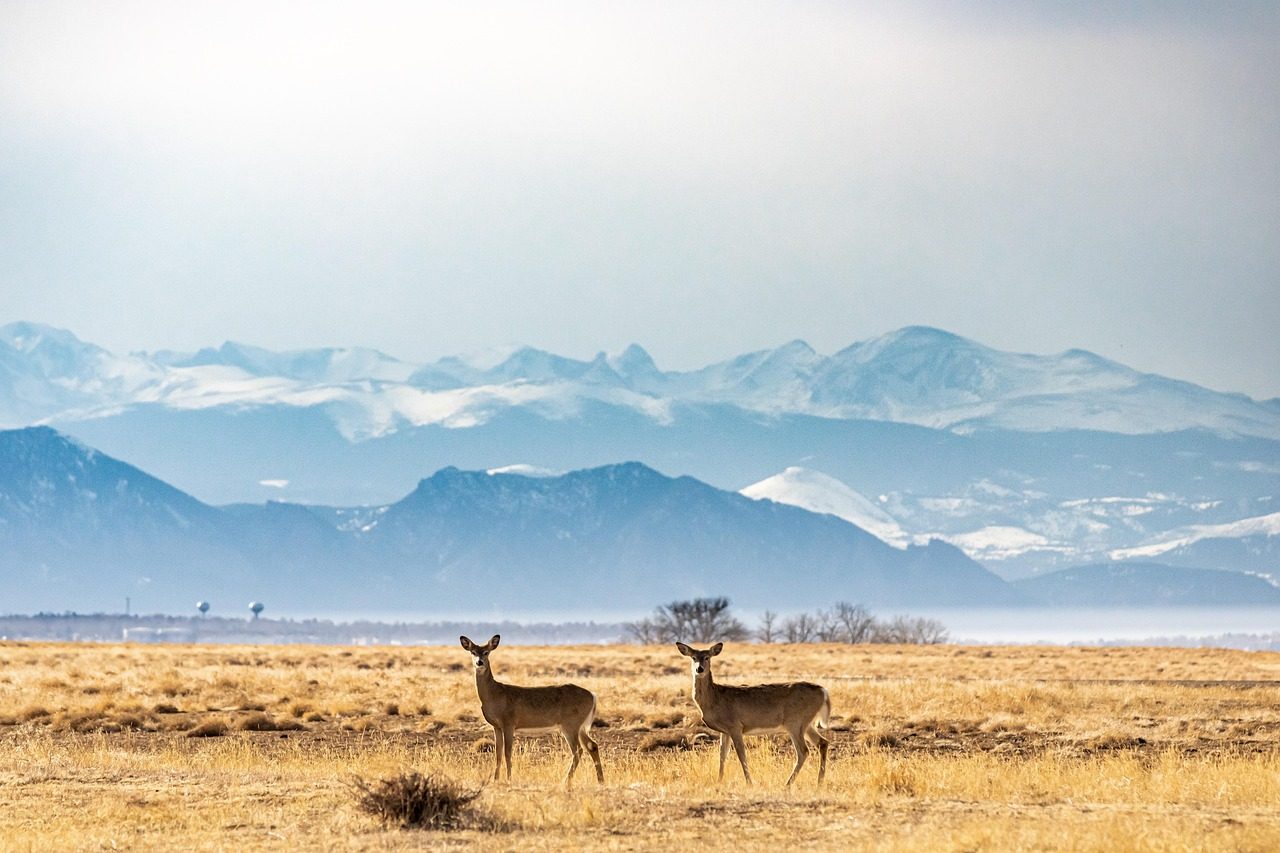
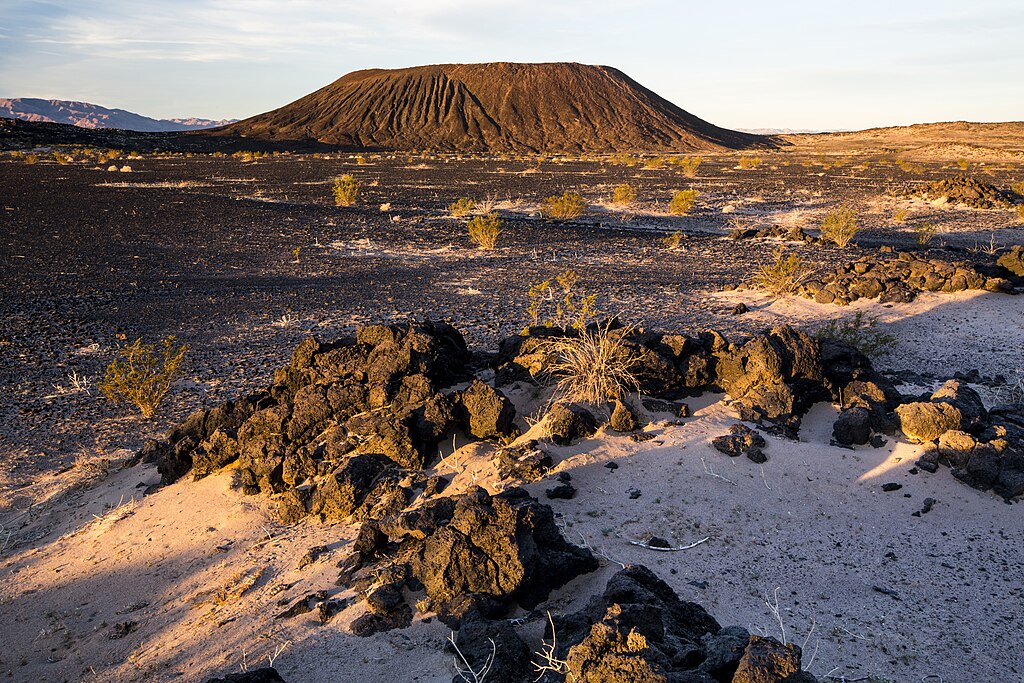
Older hunters often study terrain first, knowing mule deer choose travel routes based on efficiency and safety rather than randomness. Saddles, benches, and gentle side hills signal likely movement long before tracks appear. Experience teaches how deer favor routes that conserve energy while offering escape cover. Instead of chasing isolated sign, seasoned hunters visualize how land contours guide daily patterns. This approach reduces wasted effort and sharpens focus on productive areas. By interpreting landscape structure as a roadmap, older hunters anticipate presence rather than react to it, trusting geography shaped by generations of consistent mule deer behavior.
Interpreting Tracks With Context
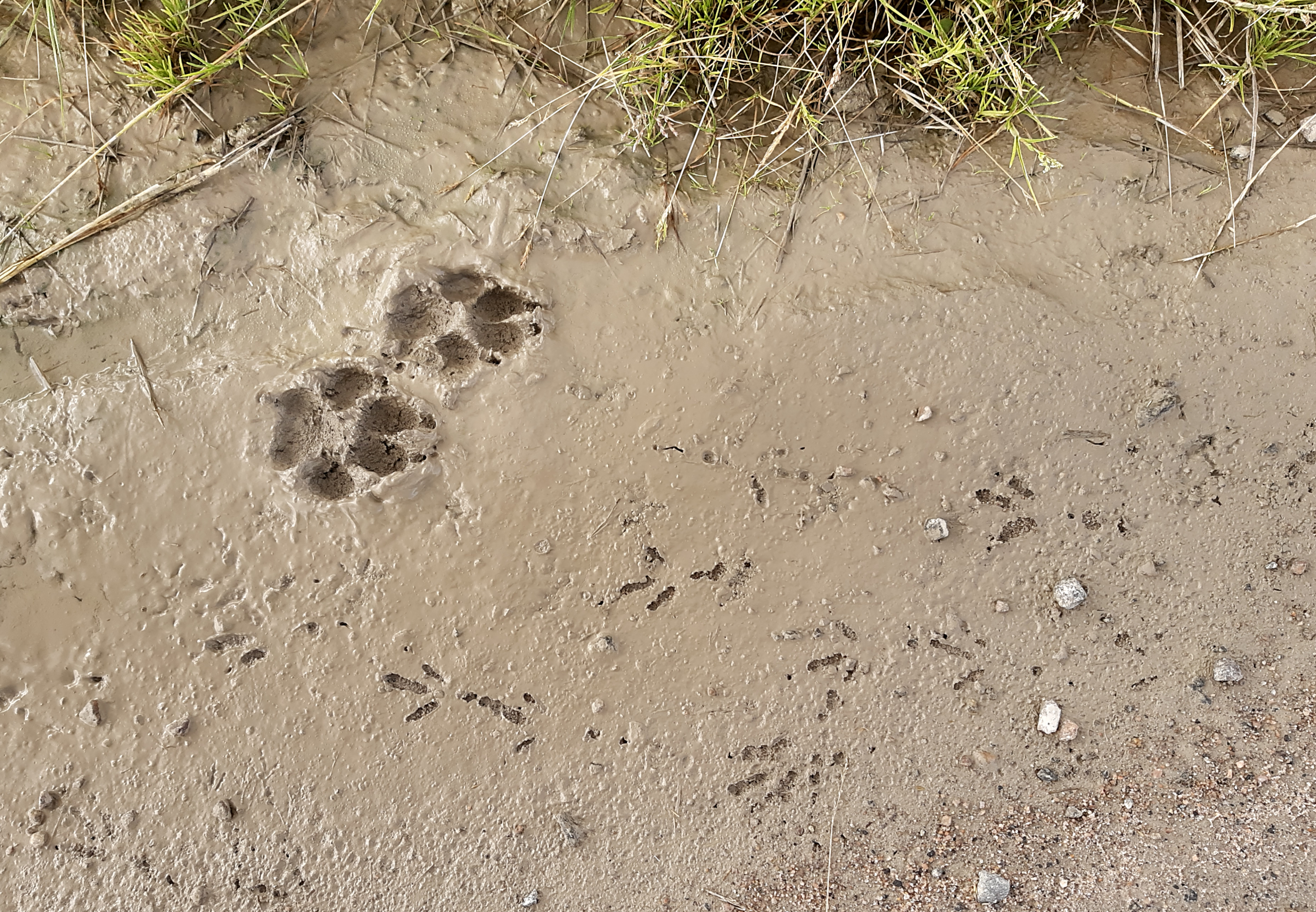
Tracks mean more when placed within environmental context, something older hunters emphasize. Depth, stride length, and direction matter, but so do weather, soil conditions, and time of day. Experienced hunters recall how fresh snow, thawing ground, or wind can distort sign. Rather than assuming every clear track is recent, they weigh conditions carefully. This reduces false leads and unnecessary pursuit. Long familiarity teaches that mule deer often reuse paths, creating misleading impressions. Contextual reading allows older hunters to decide whether sign reflects current activity or simply echoes movement from earlier cycles.
Watching Deer Body Language
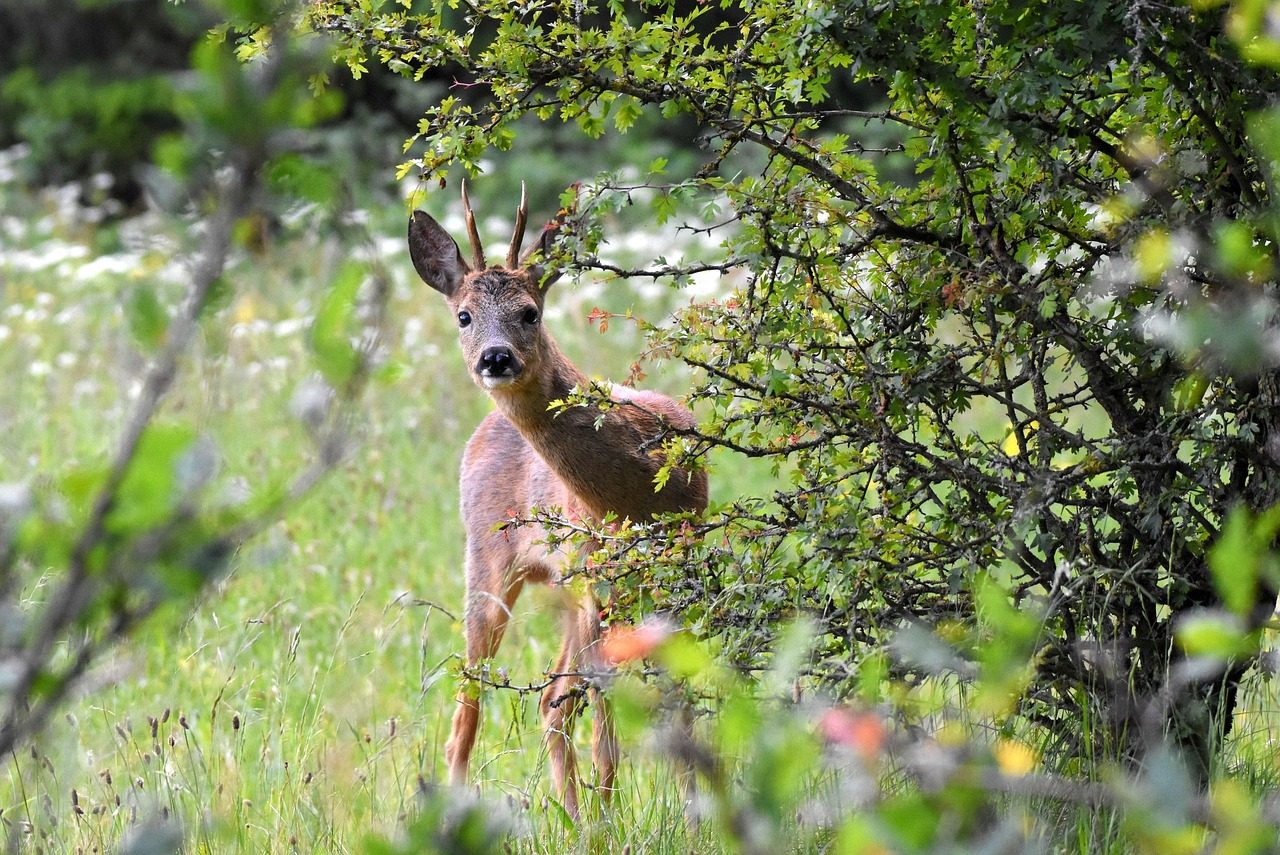
Years of observation sharpen awareness of mule deer body language. Older hunters notice ear position, head height, and posture changes that signal alertness or calm. Subtle shifts often reveal whether a deer senses danger or remains relaxed. Instead of rushing shots or movement, experienced hunters pause to read these cues. This patience can prevent spooking unseen animals nearby. Body language also hints at herd dynamics, such as dominant bucks or protective does. Recognizing these signs allows older hunters to predict behavior moments before it unfolds, relying on intuition built through countless quiet encounters.
Understanding Seasonal Feeding Patterns
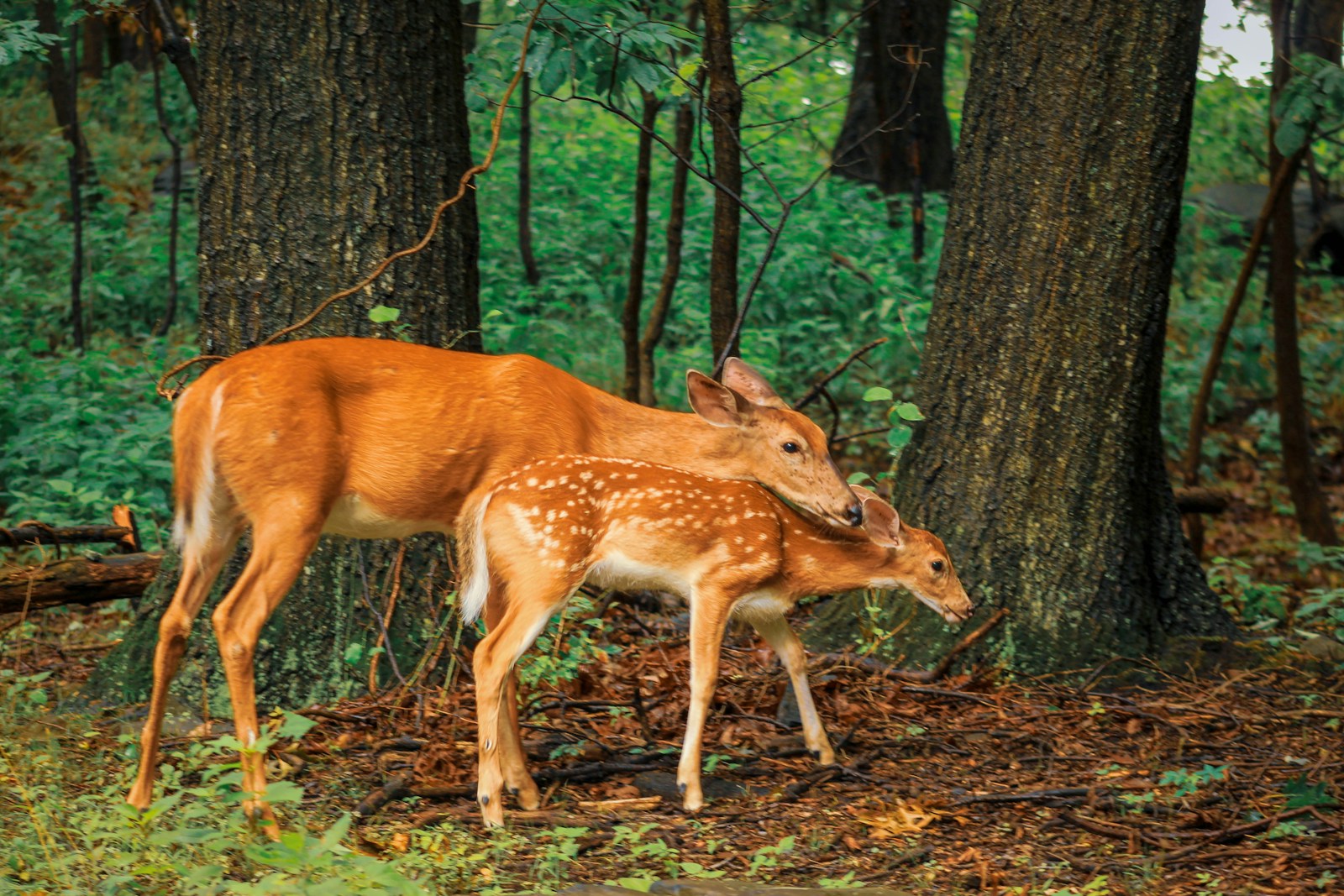
Older hunters track seasonal food availability closely, knowing mule deer adjust routines as plants mature or fade. Spring green-up, summer forbs, and fall browse each influence location and timing. Experience reveals how drought, frost, or early snowfall alters feeding priorities. Rather than searching randomly, seasoned hunters focus on areas offering the most efficient nutrition during that period. Memory of past seasons informs expectations, even when conditions vary. This long view helps interpret why deer appear or disappear from familiar spots, grounding decisions in ecological rhythms rather than short-term assumptions.
Reading Wind Beyond Direction
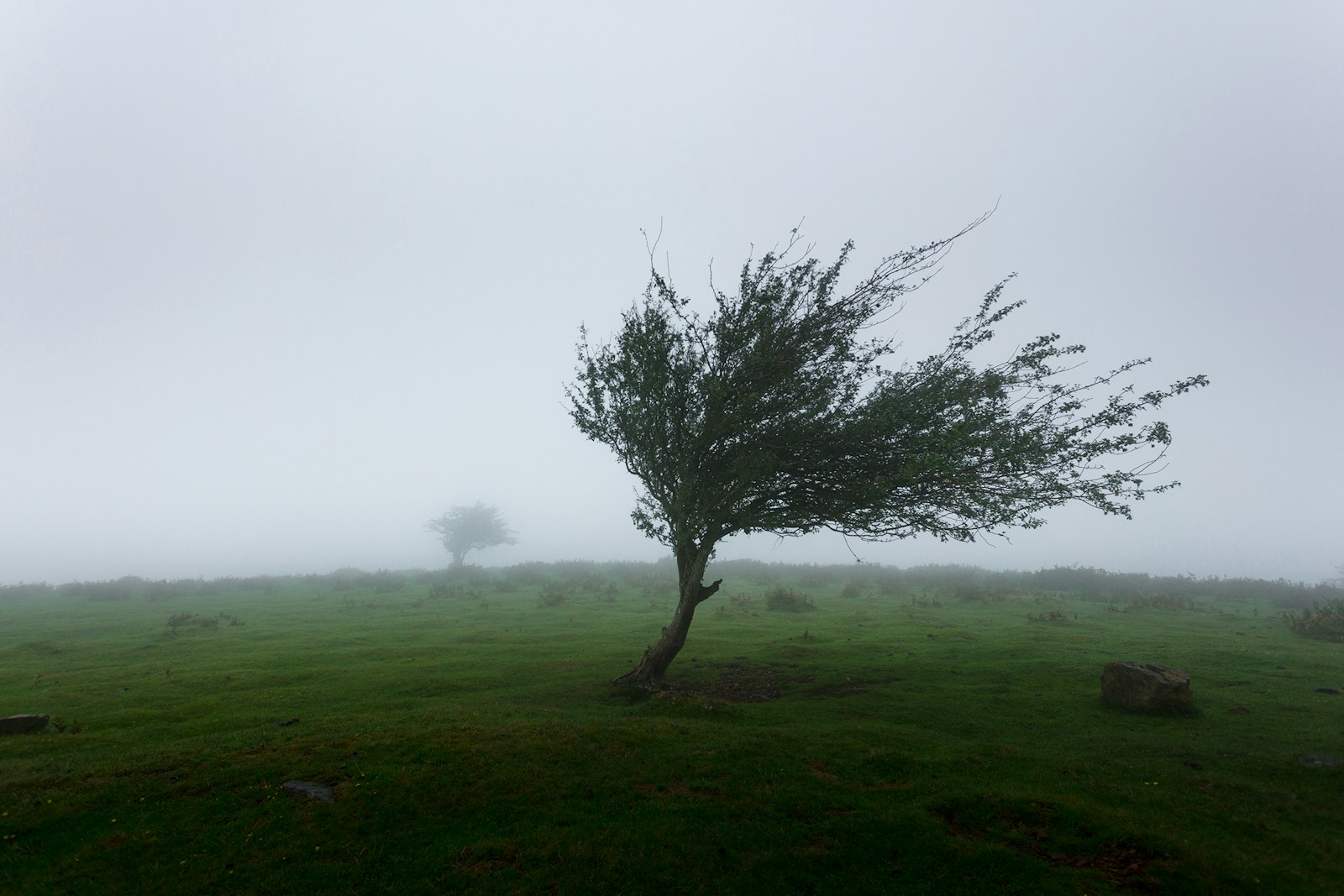
Wind reading extends beyond direction for older hunters, incorporating strength, temperature, and terrain interaction. Experience teaches how thermals rise in mornings and drop during evenings, especially in mountainous regions. Subtle air movement around draws and ridges influences how deer detect danger. Older hunters often pause to feel wind patterns repeatedly instead of checking once. This habit reduces mistakes that come from oversimplified assumptions. Understanding wind behavior as dynamic rather than static allows seasoned hunters to position themselves with greater confidence, aligning movement with conditions mule deer have evolved to sense instinctively.
Recognizing Bedding Area Clues
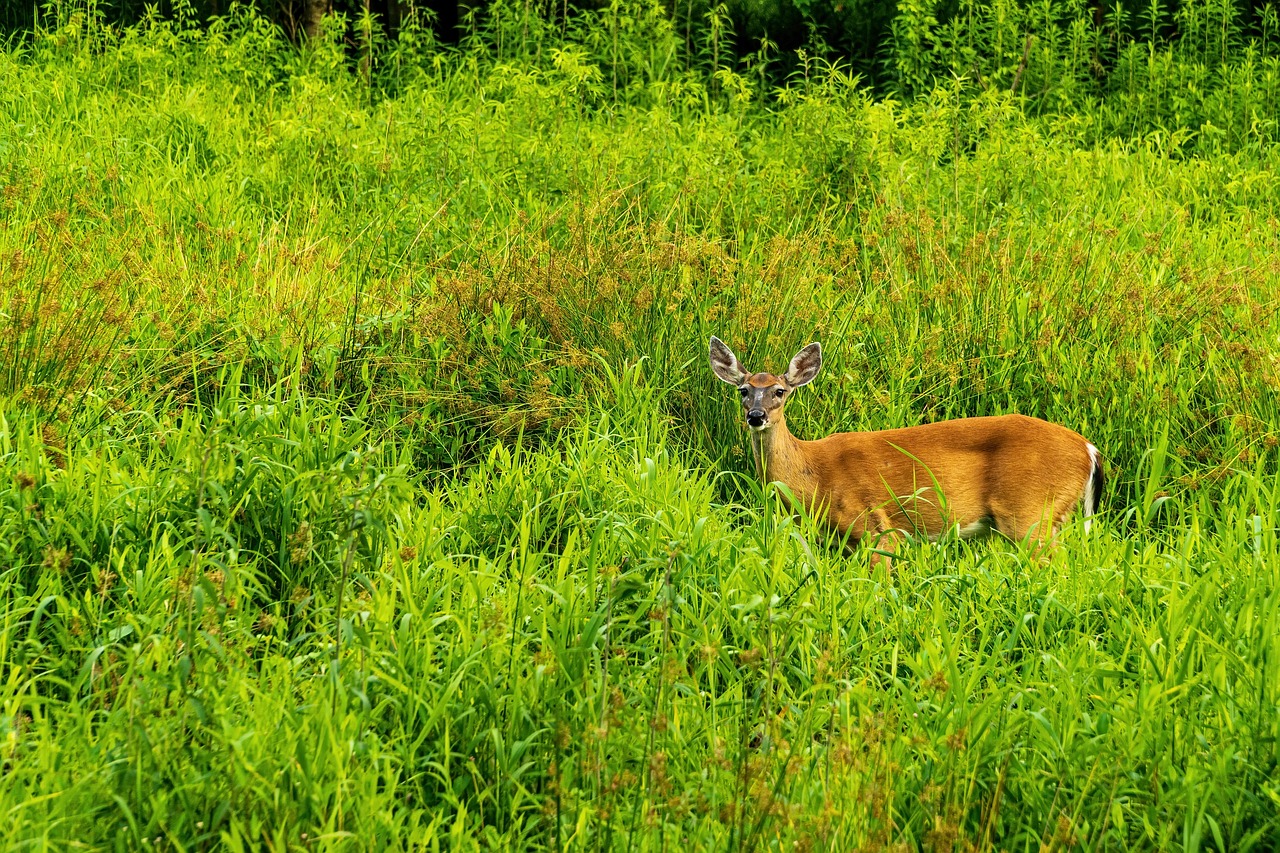
Bedding areas reveal much about mule deer habits, and older hunters read them carefully. Flattened grass, droppings, and nearby escape routes provide clues about security preferences. Experience shows that deer choose bedding sites offering visibility, wind advantage, and quick exits. Rather than disturbing these areas, seasoned hunters study their placement relative to feeding zones. This helps predict movement times without unnecessary intrusion. Recognizing how bedding choices shift with temperature or pressure allows older hunters to interpret daily routines more accurately, relying on patterns observed repeatedly over many seasons.
Interpreting Hunting Pressure Effects
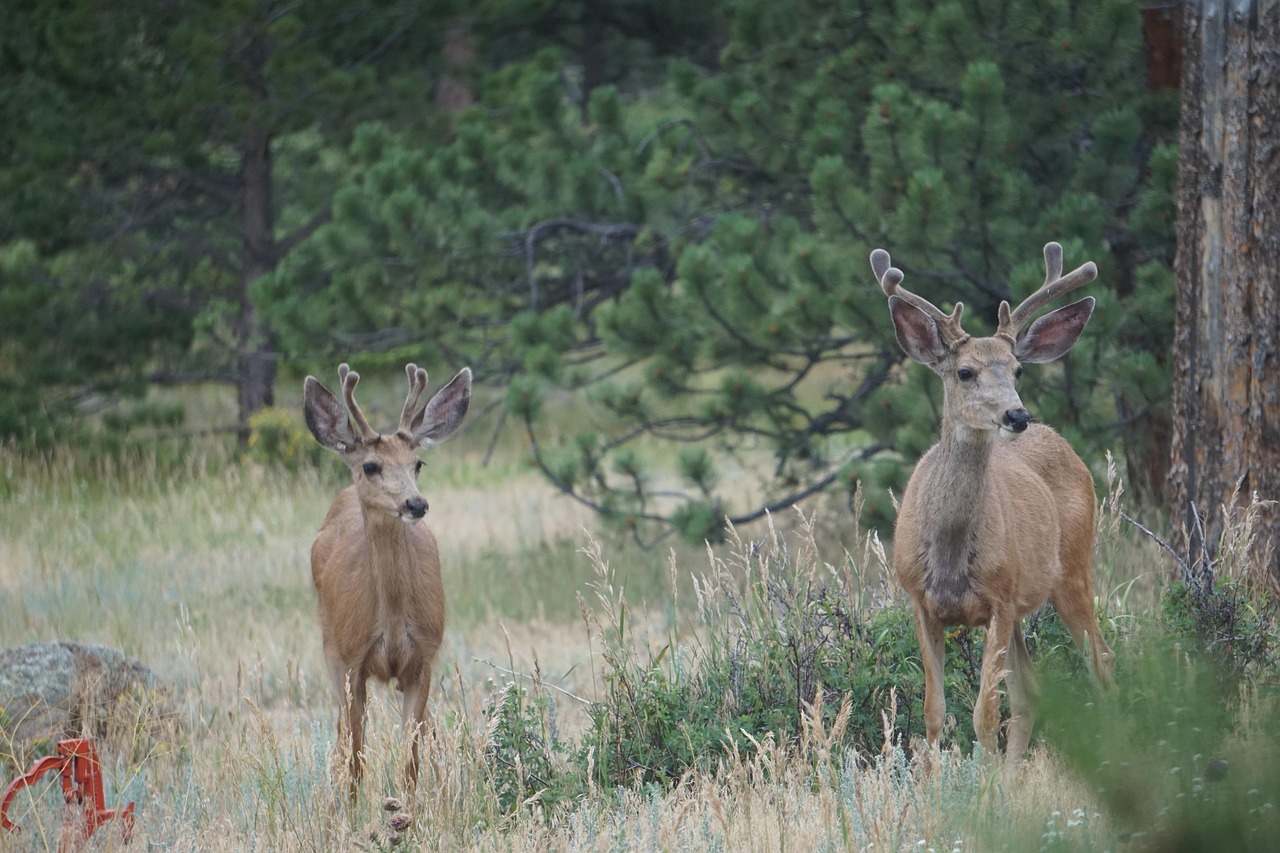
Long-term exposure to hunting pressure shapes mule deer behavior, something older hunters account for instinctively. They notice how deer alter routes, timing, and visibility after opening days or increased human presence. Experience teaches that pressured deer often move less, travel at night, or retreat to overlooked terrain. Instead of abandoning areas quickly, seasoned hunters adjust expectations. Reading subtle avoidance behavior helps explain sudden absences. This understanding comes from watching similar patterns repeat year after year, reinforcing how mule deer adapt quickly to human activity in predictable yet understated ways.
Using Memory of Past Seasons
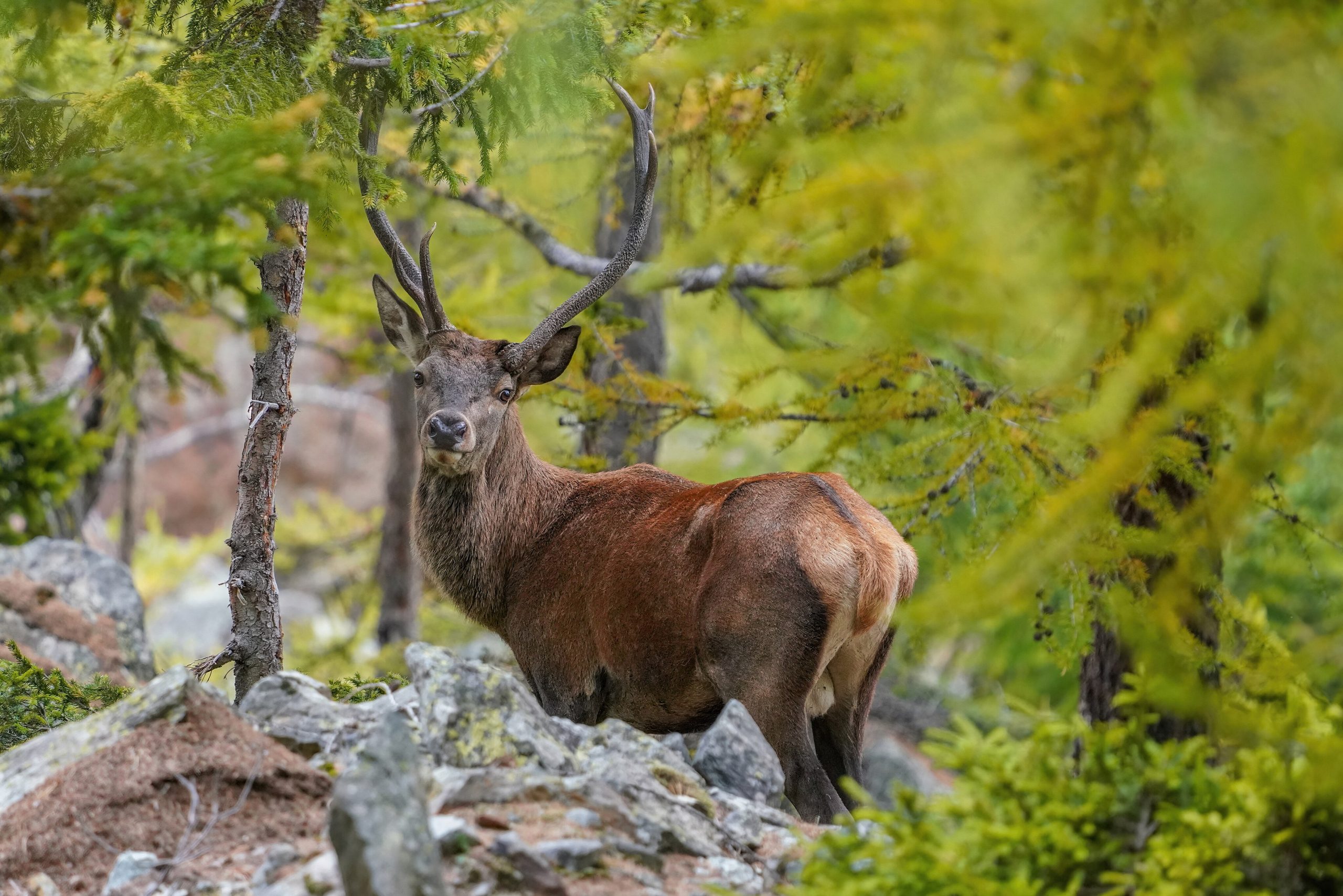
Memory plays a powerful role in how older hunters read mule deer. Recalling previous encounters, missed opportunities, or successful patterns shapes present decisions. Familiar ridges, draws, and crossings trigger expectations based on history. While conditions change, many mule deer behaviors remain consistent across generations. Older hunters balance memory with current observation, avoiding rigid assumptions. This blend of past and present refines judgment. Experience allows them to recognize when patterns repeat and when adaptation is needed, using memory as a guide rather than a rulebook.
Valuing Patience Over Movement
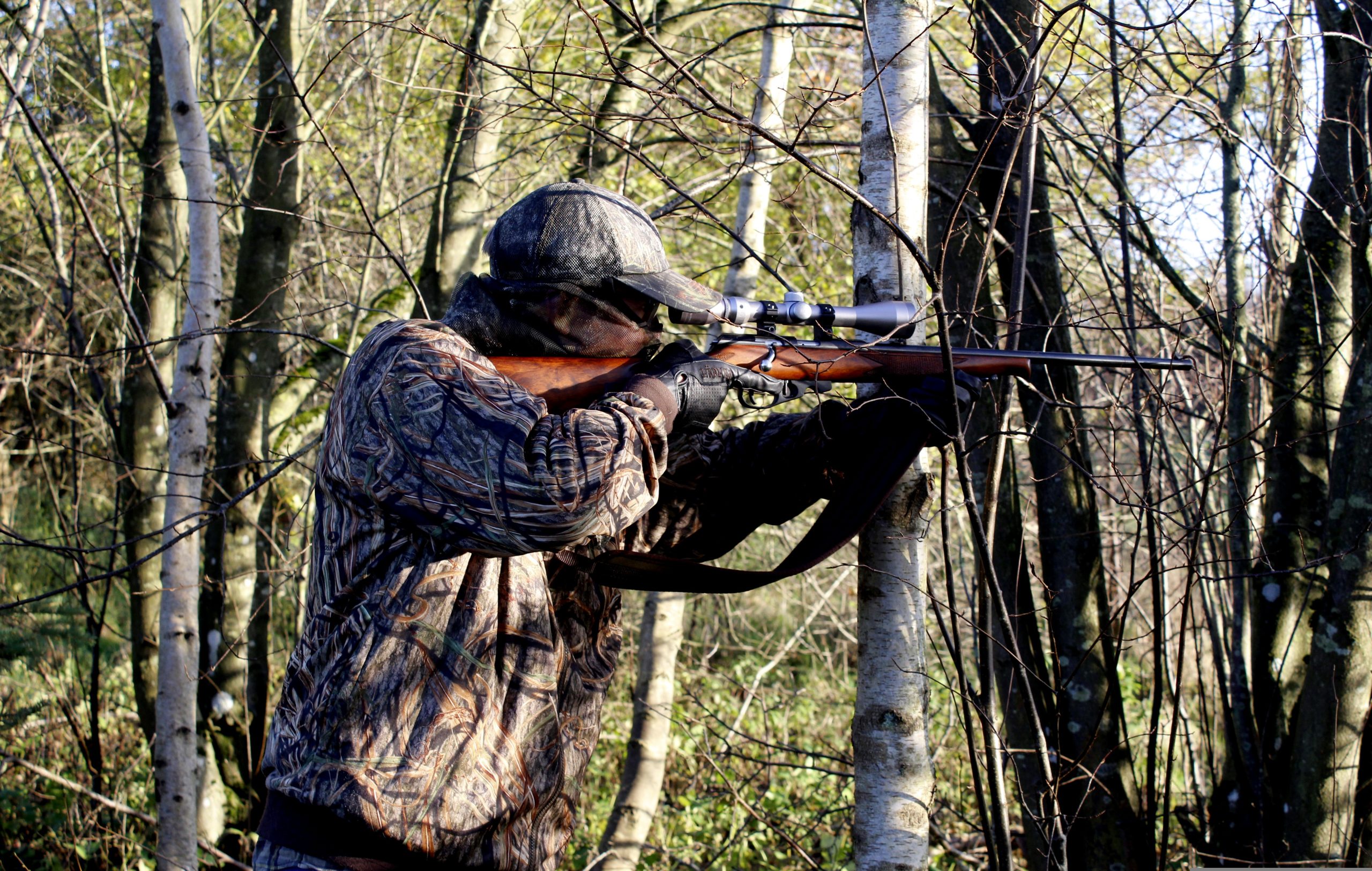
Older hunters often prioritize patience, understanding that mule deer movement follows natural rhythms. Long sits and slow glassing replace constant relocation. Experience teaches that stillness reveals animals missed during hurried approaches. Subtle movements at distance become visible with time. This approach conserves energy and sharpens awareness. Patience also reduces mistakes caused by impatience. By allowing landscapes to reveal activity gradually, older hunters read mule deer presence through observation rather than pursuit, trusting time as an ally shaped by years of learned restraint.
Reading Absence As Information
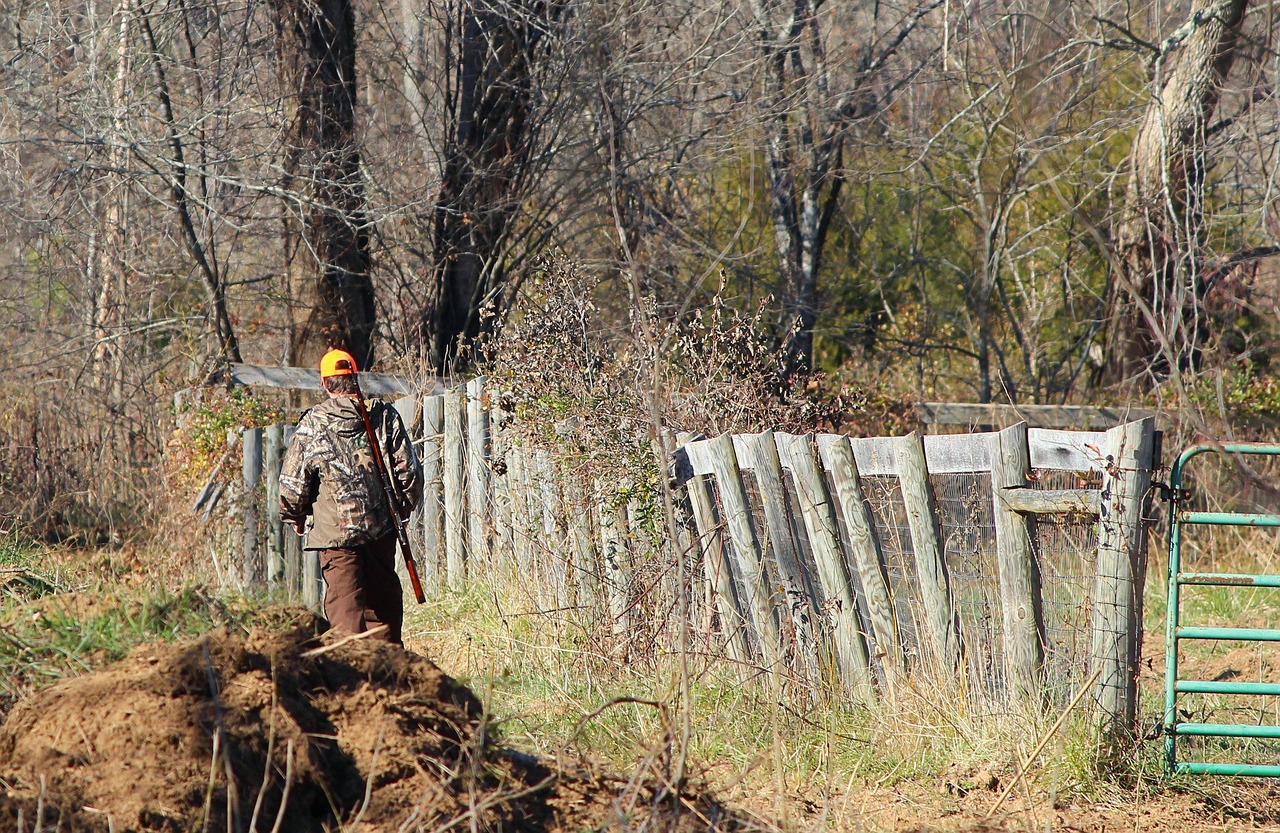
Absence itself becomes information for older hunters. Empty basins, unused trails, or quiet feeding areas signal shifts worth interpreting. Experience teaches that mule deer rarely vanish without reason. Weather changes, pressure, or food depletion often explain gaps. Instead of frustration, seasoned hunters analyze what absence suggests about relocation. This perspective turns disappointment into insight. Reading what is missing requires confidence built through repetition. Older hunters trust that understanding absence leads toward presence elsewhere, completing a broader picture shaped by years of attentive observation.