Some escapes are built in a moment. This one was built grain by grain, in darkness, for more than a year.
A Camp Designed to Stop Tunnels
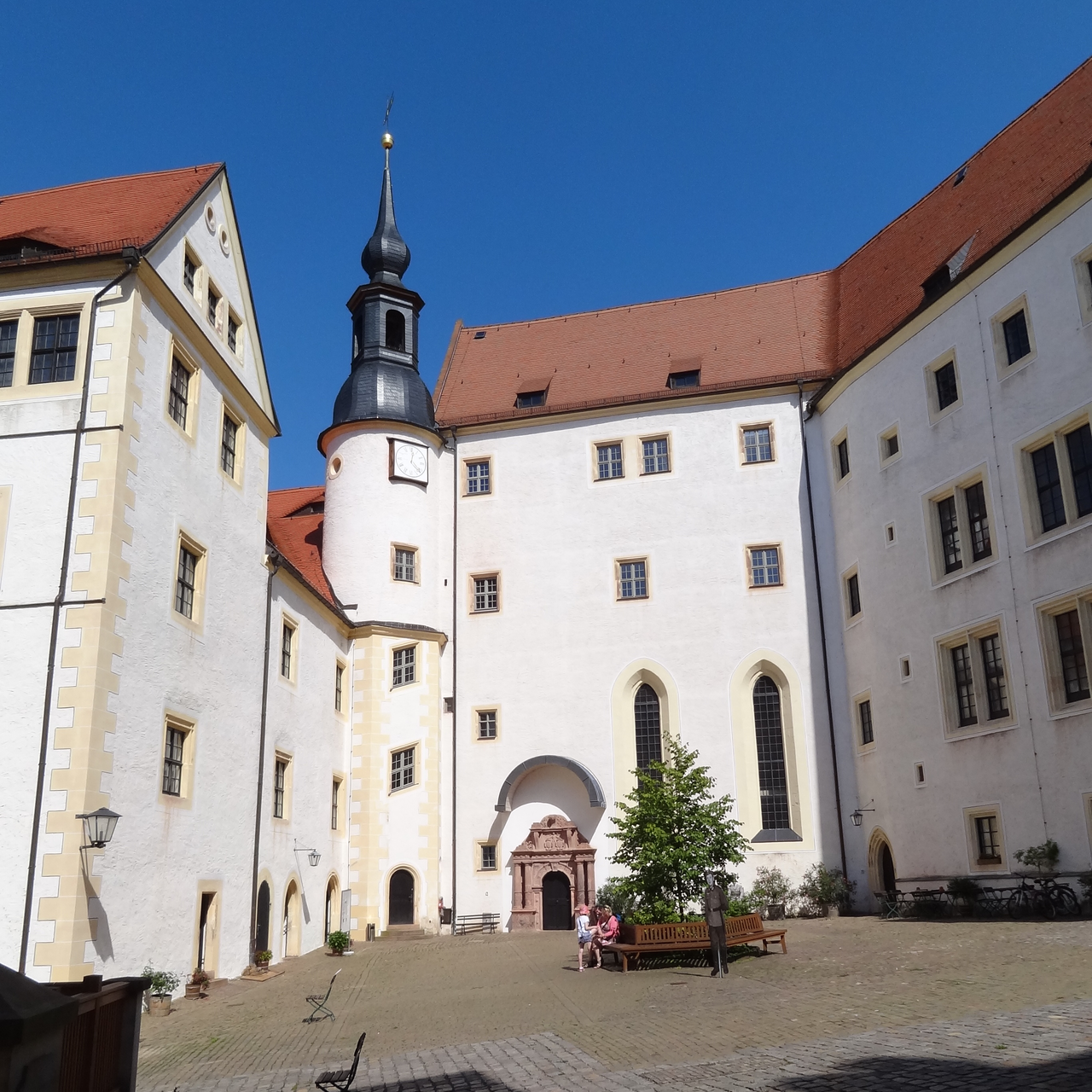
Stalag Luft III was built by the Germans to hold captured Allied airmen, and it was supposed to be nearly escape-proof. The camp sat on sandy soil that collapsed easily and showed a telltale yellow color when dug up. Barracks were also raised off the ground, specifically to make tunneling harder and easier to detect.
The guards did not rely on architecture alone. According to PBS and wartime records later highlighted by the RAF, microphones were used to listen for digging, and the perimeter was set far enough from the huts that any tunnel had to run a very long distance. In practical terms, that meant prisoners could not simply burrow straight under a wall and be gone by morning.
That hostile design is exactly why the tunnel took so long. Men had to go down roughly 28 feet before they could safely travel beneath the watch zone, then continue for about 336 feet to reach the woods beyond the fence line. Every foot of progress required cutting, lifting, shoring, hiding, and hauling in a place built to expose all four.
Why the Prisoners Committed to Such a Massive Dig
The mastermind behind the escape effort was Squadron Leader Roger Bushell, whose Committee X pushed for a breakout on a scale few people would have thought possible. History and the International Committee of the Red Cross both describe a plan that began in spring 1943 and involved not one tunnel but three, codenamed Tom, Dick, and Harry.
That sounds extravagant until you think like an engineer under surveillance. If one tunnel was found, the others might survive. If one route became unusable because of camp expansion or increased guard attention, another could carry the operation forward.
The goal was also bigger than helping a handful of men slip away. Bushell wanted to create a mass escape that would force Germany to divert troops and police into a continent-wide manhunt. That ambition changed the timeline completely. This was not a foxhole or a short crawlspace. It was an underground transport system planned to move scores of men, complete with air, light, structural support, and a concealed entrance in Hut 104 under a stove.
Digging with Barely Anything

The prisoners had no proper excavation gear, so they made their own. History reports that more than 1,400 Red Cross powdered milk tins were turned into scoops, shovels, lamps, and ventilation parts. Bed boards became wall supports. Pajama cords, blankets, and bits of salvaged material were folded into a strange but effective construction kit.
The tunnel itself was brutally cramped. Sources including PBS and the Australian Department of Veterans’ Affairs describe a passage just over 2 square feet in cross section, essentially one man wide and one board high. Diggers could not stand, turn comfortably, or work for long without fatigue setting in hard.
That matters because hand digging in such a space is slow even in ideal soil, and this was not ideal. Sand shifted constantly, so each new section had to be shored almost as soon as it was opened. The result was a stop-and-start rhythm: dig a little, box it in, push spoil back, crawl out, send the next man in. Speed was never going to beat secrecy.
The Real Problem Was Not Digging, It Was Hiding the Sand

People tend to imagine the hard part was clawing through the earth with homemade tools. In reality, one of the biggest headaches was what to do with the sand afterward. Every yard of tunnel created more spoil, and spoil was evidence.
Prisoners developed ingenious ways to make it disappear. Some of the sand was stashed inside tunnel chambers and false spaces. Much of it was carried out in small bags hidden inside trousers, then quietly shaken loose around the compound as men walked, a trick that became famous as the use of “penguins.”
The volumes were enormous. RAF historical material describes more than a hundred tons of sand coming out during major phases of digging, with thousands upon thousands of individual carrying trips needed to disperse it. That alone explains why the work stretched over months. You could not rush disposal without creating a bright yellow confession on the surface, and one careless pile could doom the whole enterprise.
Ventilation, Lighting, and Structure Turned It into Engineering

A hole in the ground is not yet a usable tunnel. To move dozens of men through it, the prisoners had to solve basic engineering problems with whatever they could steal or improvise.
Ventilation came through a pump system and a line of milk tin ducts. PBS describes a man operating the pump like a rowing machine, forcing air down the shaft to the diggers. Without that airflow, work at depth would have become unbearable or even deadly. Lighting improved too, first with improvised lamps and later, according to PBS, with stolen electrical wire connected to the camp’s power supply.
Then there was the structure itself. RAF accounts say around 4,000 bed boards were used to shore tunnel walls, while other camp furniture vanished into ladders, braces, and fittings. This was not decorative carpentry. In sandy ground, timber was the difference between a tunnel and a grave. Every board carried out of a barrack had to be hidden, repurposed, and never missed during inspection.
Why It Still Took So Long After Months of Progress
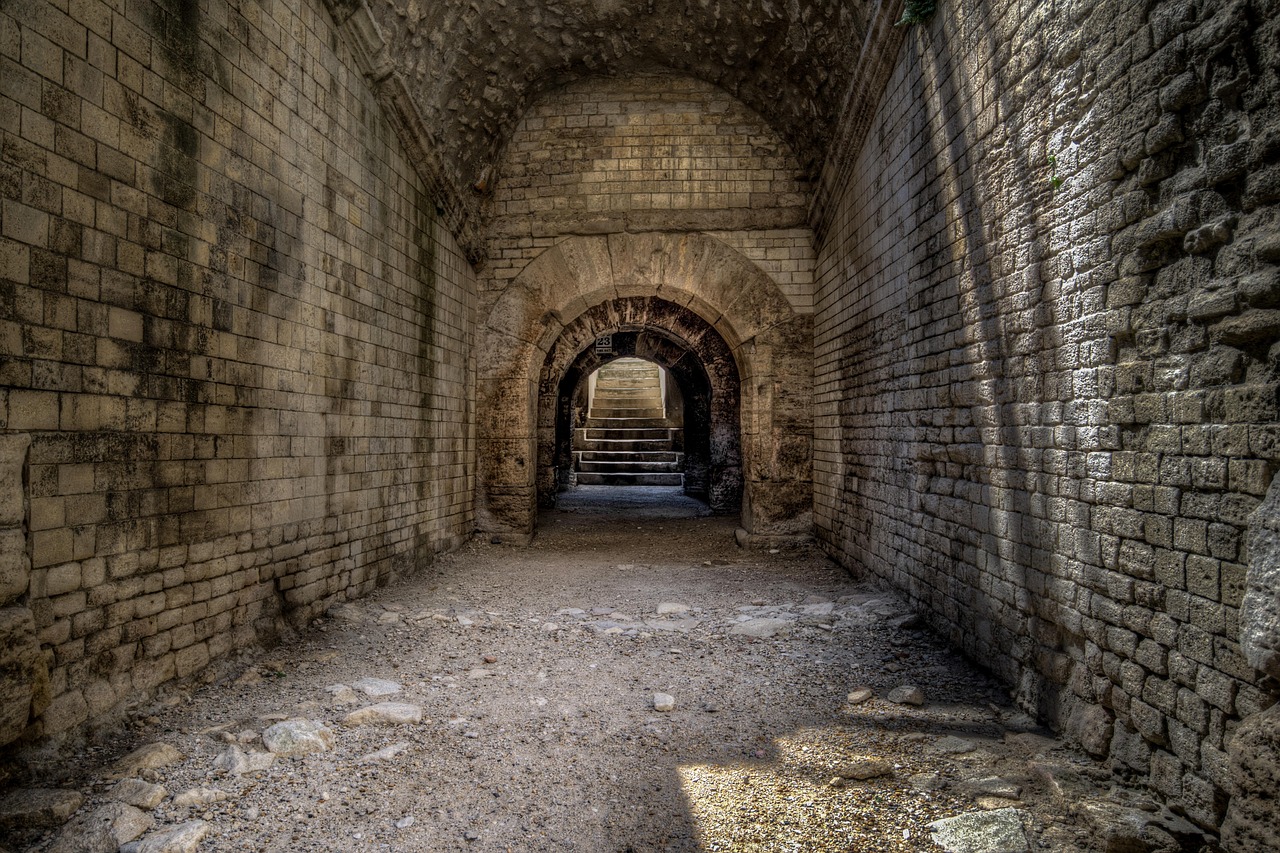
The simple answer is that the prisoners kept getting knocked backward. One tunnel, Tom, was discovered by the Germans before the breakout. Another, Dick, became unusable as an escape route when camp construction changed the ground above it, though it remained valuable for storage. According to several historical accounts, work then refocused on Harry.
That shift did not mean a clean sprint to completion. Digging had to pause and restart around security changes, inspections, weather, and strategic timing. RAF history notes that after Tom was found, Harry resumed, but planners also considered whether finishing too early would leave them waiting for the right moonless night under increased suspicion.
By the time Harry was completed in March 1944, the undertaking had consumed roughly a year of construction on that tunnel and about 15 months of broader escape preparation involving hundreds of men. Sky History and the RAF both emphasize that over 600 prisoners contributed. In other words, the duration was not a sign of failure. It was the cost of doing something this ambitious without machines, without freedom, and without being caught.
The Tunnel Worked, But the Story Is Bigger Than the Escape
On the night of March 24, 1944, 76 men made it out through Harry before the escape was cut short. History and Army accounts agree that the tunnel exit fell short of the woods, forcing men to emerge more cautiously than planned. That delay cost time, and time was everything.
Only 3 escapees ultimately reached safety. The Gestapo recaptured most of the others, and in one of the grimmest episodes of the war against POWs, 50 were murdered after Hitler authorized a brutal response. The scale of that reprisal is one reason the story still lands so heavily today.
But the tunnel’s deeper significance is not just in how many got away. It is in what theyear-longg dig revealed about discipline, organization, and human ingenuity under captivity. Harry took so long because it had to be invisible, breathable, stable, and long enough to beat a camp designed by experts to stop exactly that. The astonishing part is not that it took over a year. It is that they finished it at all.