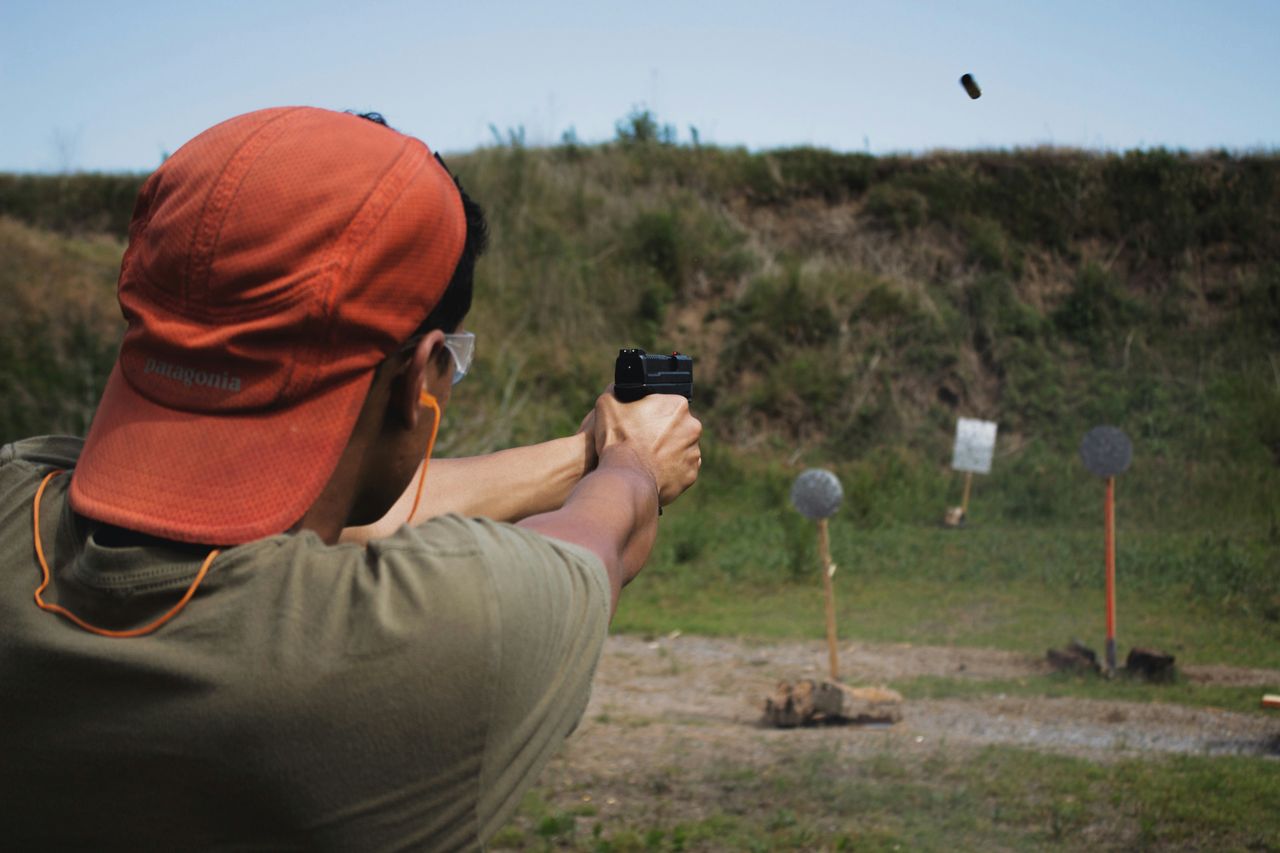
A compensator can make a pistol feel surprisingly different. The gun still recoils, but the way that recoil reaches your hands and sights changes in a noticeable way.
What a compensator is actually doing
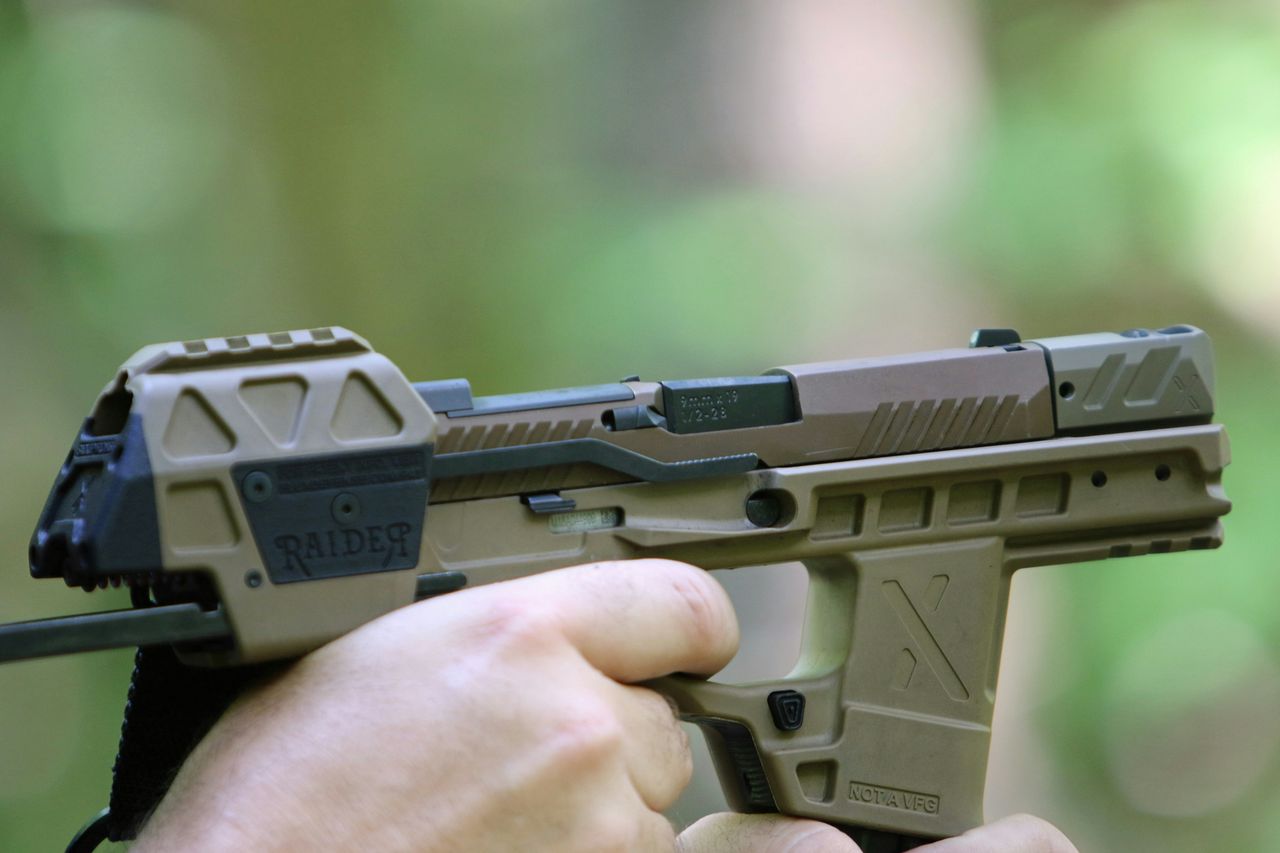
A compensator is a muzzle device that vents expanding gas as the bullet exits the barrel. SIG Sauer describes it as a device that helps stabilize the firearm by reducing recoil impulse and muzzle flip, which is a good plain language summary of its job.
The key point is gas redirection. Instead of letting every bit of propellant gas rush straight forward, a compensator sends some of it upward and sometimes to the sides. That redirected gas creates force that pushes the muzzle back down.
This matters because many shooters confuse straight rearward recoil with muzzle rise. They happen together, but they are not the same thing. A compensator is usually better at reducing muzzle climb than it is at erasing the full rearward shove.
Why the pistol feels flatter in recoil
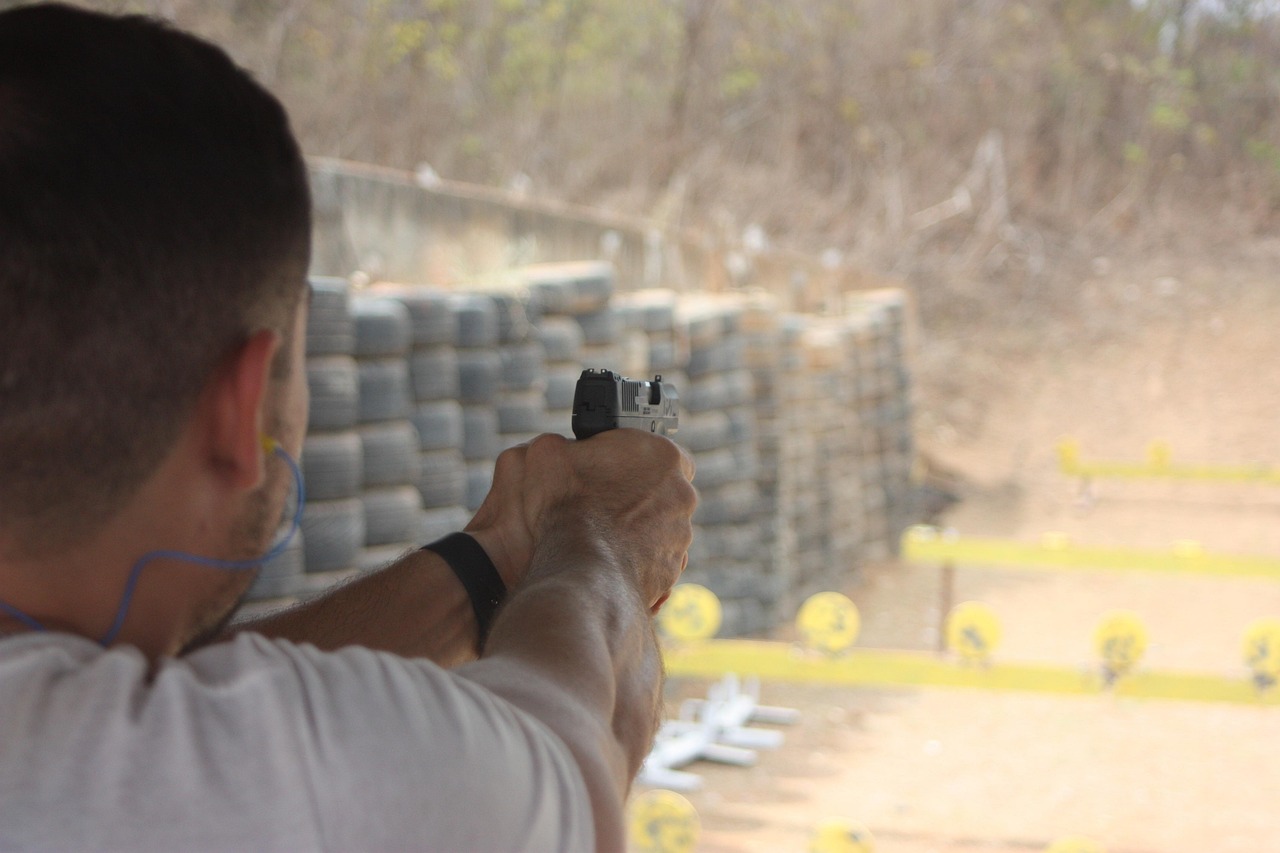
When a handgun fires, recoil drives the slide and frame rearward while the muzzle tends to rotate upward. That rotation is what shooters notice as flip, and it is often the biggest reason sights leave the target between shots.
According to Silencer Shop and similar technical explainers, top ports are especially useful because they vent gas upward, which produces a downward counterforce on the front of the pistol. In practical terms, the gun tracks flatter and returns to the aiming point faster.
That does not mean recoil disappears. SAAMI’s recoil material notes that standard free recoil formulas do not fully account for the redirection of propellant gases by attached devices, which helps explain why a compensated pistol can feel different from what simple recoil numbers suggest.
Where compensators help the most
Compensators usually shine on faster strings of fire, not slow deliberate shooting. If you fire one shot, pause, and carefully reset, the advantage may feel modest. If you fire controlled pairs or longer drills, the reduced muzzle rise becomes much easier to notice.
That is why compensated pistols are so common in competition. Publications like RECOIL have highlighted testing where muzzle rise measurements showed meaningful reductions, especially with hotter 9mm loads that produce enough gas volume and pressure to make the device work harder.
Ammo choice matters more than many new shooters expect. A compensator feeds on gas, so standard pressure target ammunition may produce less dramatic results than +P defensive loads. The setup often performs best when the pistol, barrel length, spring weight, and ammunition are working together.
The trade-offs shooters notice right away
The first downside is blast. Redirecting gas upward and sideways can make the pistol louder to the shooter and more unpleasant for anyone standing nearby. On a short-barrel handgun, that extra concussion can be sharp enough that people notice it immediately.
The second tradeoff is reliability tuning. Some compensated pistols run perfectly out of the box, but others may need different recoil springs or ammunition to cycle consistently. Shooting Times has noted that aggressive competition-style compensators can require tuning because the system changes slide speed.
There is also the issue of size. Most handgun compensators add length at the muzzle, often requiring a threaded barrel and sometimes a new holster. For concealed carry, that extra bulk can make the gun harder to package even if the shooting benefits are real.
Compensator versus ports and brakes
People often lump compensators, barrel ports, and muzzle brakes into one category, but they do slightly different jobs. A compensator generally aims to reduce muzzle rise, while a brake often emphasizes side venting to reduce rearward recoil energy more aggressively.
Ports are cut into the barrel or slide rather than threaded on as a separate device. They can be effective, but they are less flexible because you cannot simply remove them later. A threaded compensator is easier to swap, test, and tune.
For handgun shooters, the biggest real-world question is not vocabulary but behavior. Does the gun stay flatter, recover faster, and remain reliable with your chosen load? If the answer is yes, the compensator is doing exactly what it is supposed to do.
Who benefits most from running one
New shooters sometimes assume a compensator is a shortcut that replaces grip and technique. It is not. Good stance, hand pressure, and trigger control still matter more than any muzzle device, and a poorly gripped compensated pistol will still move around.
The people who benefit most are shooters who already have solid fundamentals and want faster follow up shots. Competitive shooters, frequent range users, and some defensive shooters often appreciate how a compensator helps the dot or front sight settle quicker after each shot.
In the end, a compensator changes recoil less by deleting force and more by reshaping it. The pistol often feels flatter, quicker, and easier to track, even though physics never gives you a free lunch. You gain control at the cost of more blast, more length, and sometimes more tuning.