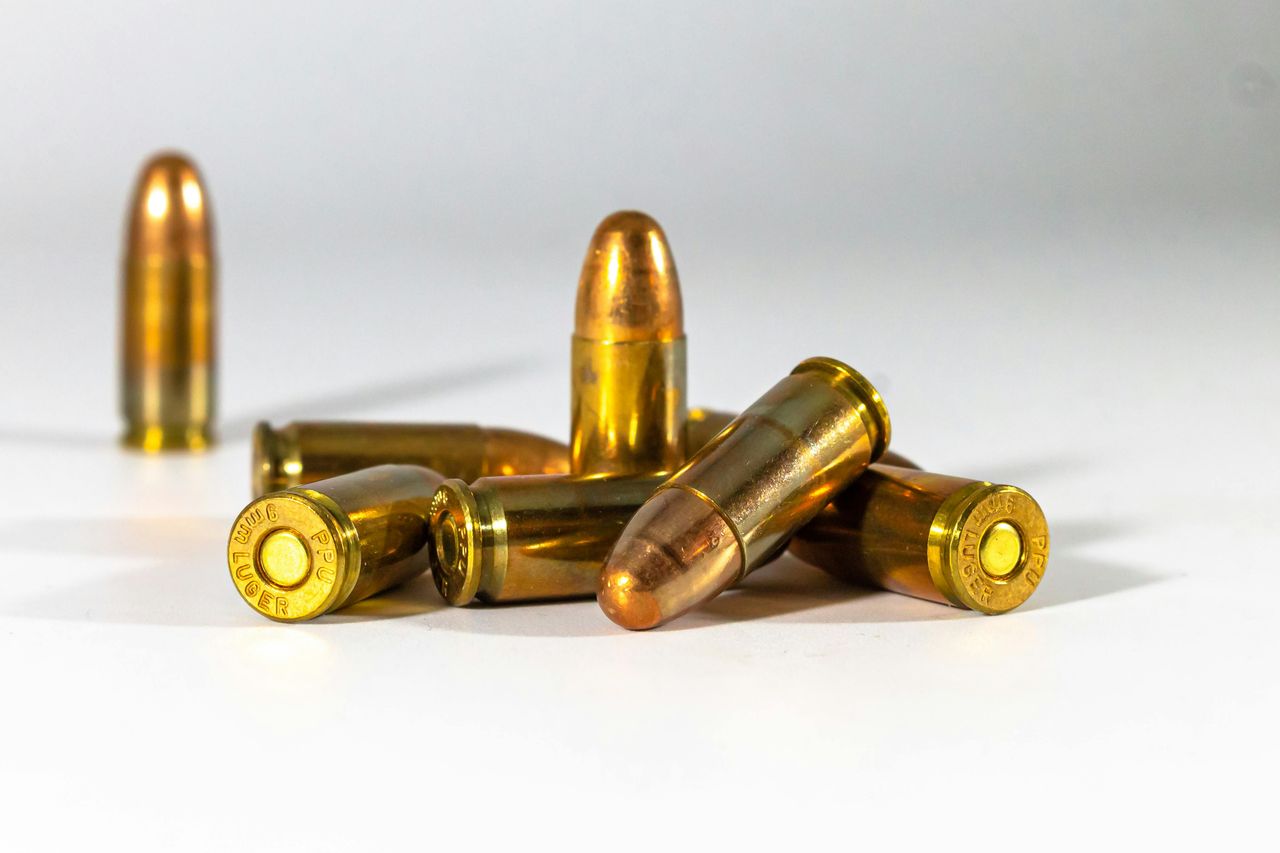
It looked more like an oversized rifle than a cannon. That odd profile is exactly why this forgotten 37mm gun still fascinates historians and shooters.
Why A Tiny Cannon Mattered In World War I
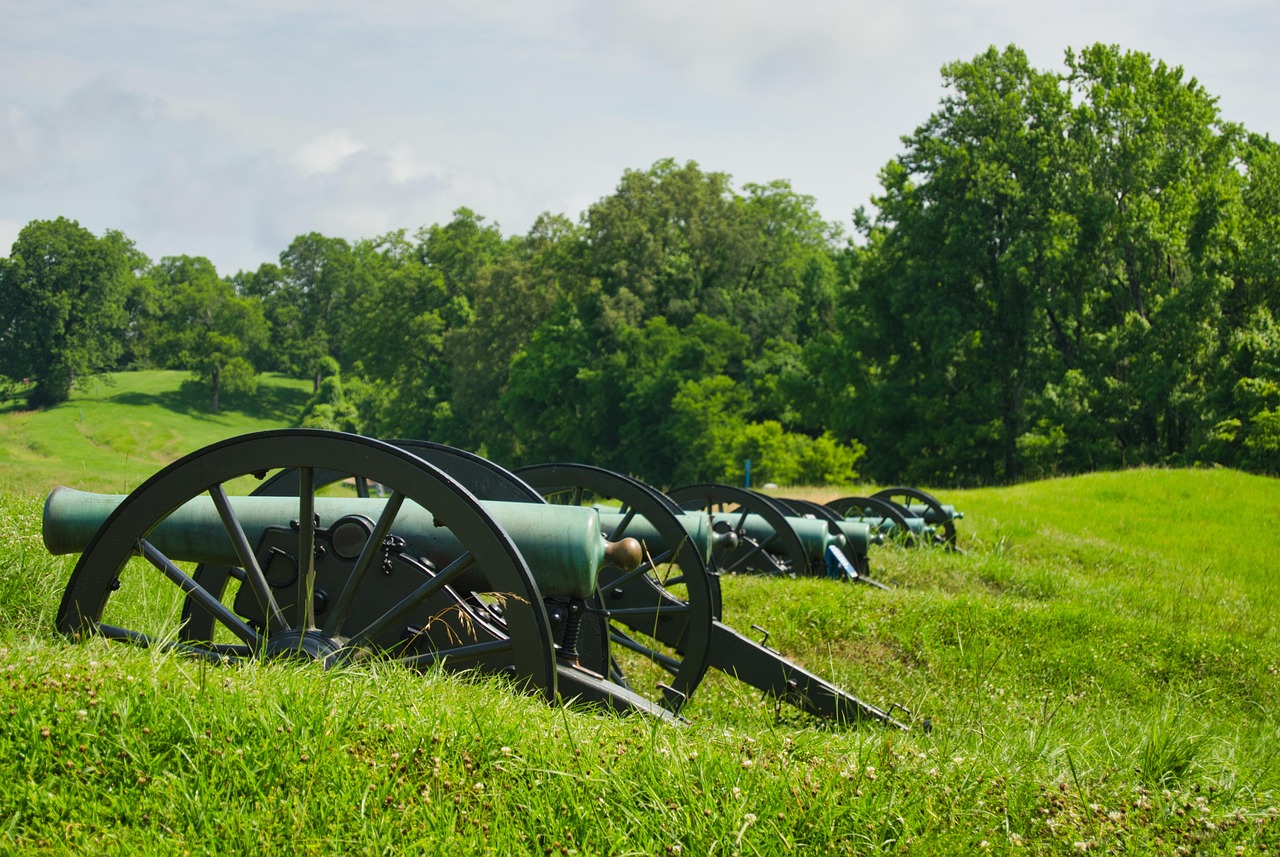
World War I created a battlefield where mobility collapsed into mud, wire, and deep trench systems. Infantry needed a weapon that could be dragged forward by hand, aimed quickly, and used to smash machine-gun nests without calling in full field artillery.
That is where the 37mm class became so useful. According to the long-cited explanation repeated by weapons historians and collectors, 37mm sat at the lower edge for firing explosive shells under the Hague-era rules that shaped prewar weapons design.
In practice, that made these guns a sweet spot. They were small enough to move close to the line, but still powerful enough to fire high-explosive ammunition against shields, loopholes, and light fortifications.
Bethlehem Steel’s Unusual French Contract
One of the most interesting versions was not French-made at all. It was produced by Bethlehem Steel in Pennsylvania for the French Army in 1916, a reminder that American industry was already feeding the Allied war machine before U.S. troops entered the conflict.
Specialists at Forgotten Weapons note that the gun used the 37x136mm Hotchkiss cartridge, a round already familiar in U.S. naval service. That gave the piece an unusual logistical identity, blending foreign demand with American industrial capability and ammunition commonality.
France reportedly ordered 200 of these guns. On paper, that suggested a serious commitment to a compact trench weapon that could accompany attacking infantry across shattered ground.
The Order That Never Fully Reached France
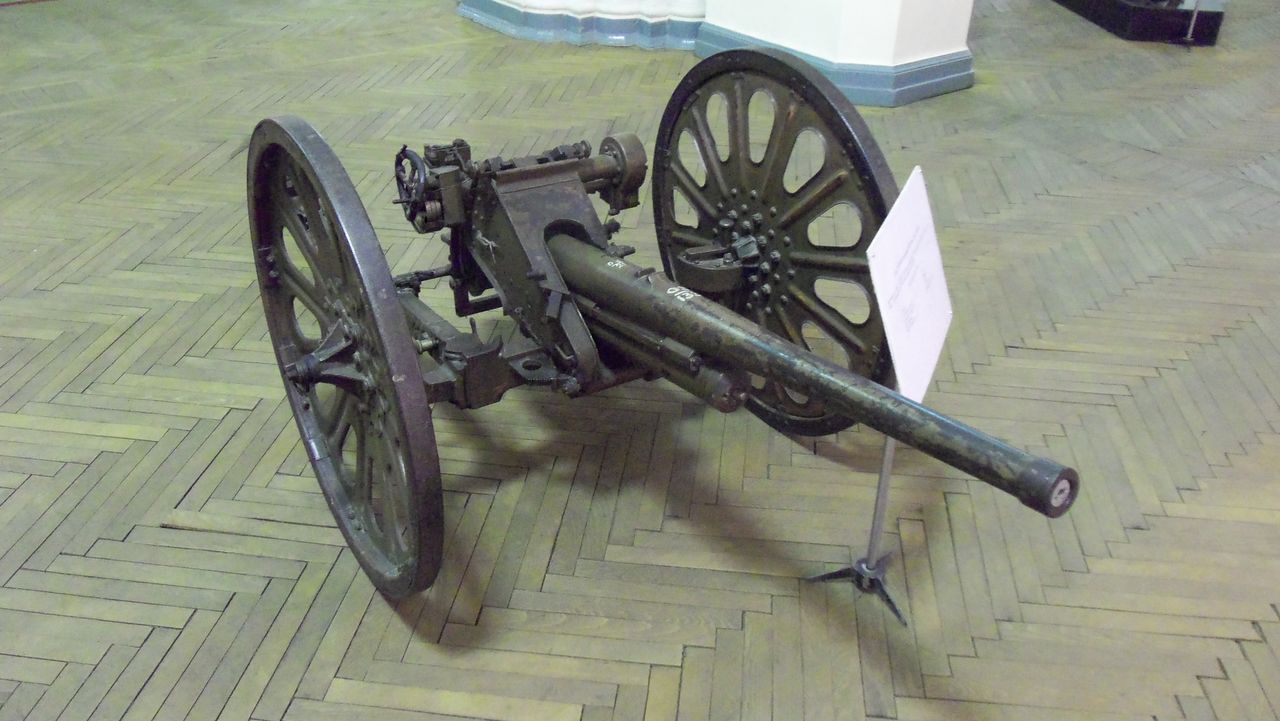
The contract’s most dramatic twist came after American entry into the war in 1917. Only 15 guns had been delivered before the U.S. Army seized the remainder of the order, effectively redirecting the weapon into American hands.
That kind of wartime intervention was not unusual in principle. Once the United States mobilized fully, Washington and the Army Ordnance system increasingly controlled output from major manufacturers to meet national military priorities first.
But this gun never became a celebrated U.S. success story. Instead, it slipped into the kind of bureaucratic limbo that produces fascinating footnotes and very few monuments.
A Weapon Searching For A Role
Testing showed the Bethlehem-built 37mm was not the answer to every tactical problem. It did not prove satisfactory as a general infantry gun, and it also failed to establish itself in anti-tank, anti-aircraft, or naval roles.
That verdict matters because the interwar years were full of weapons looking for second lives. A gun too limited for one mission could often survive if it excelled somewhere else, but this one never found that breakthrough niche.
So after the war, it quietly receded into U.S. inventory. No dramatic combat legacy, no famous battalion association, and no iconic wartime photographs pushed it into public memory.
Overshadowed By Better-Known 37mm Guns
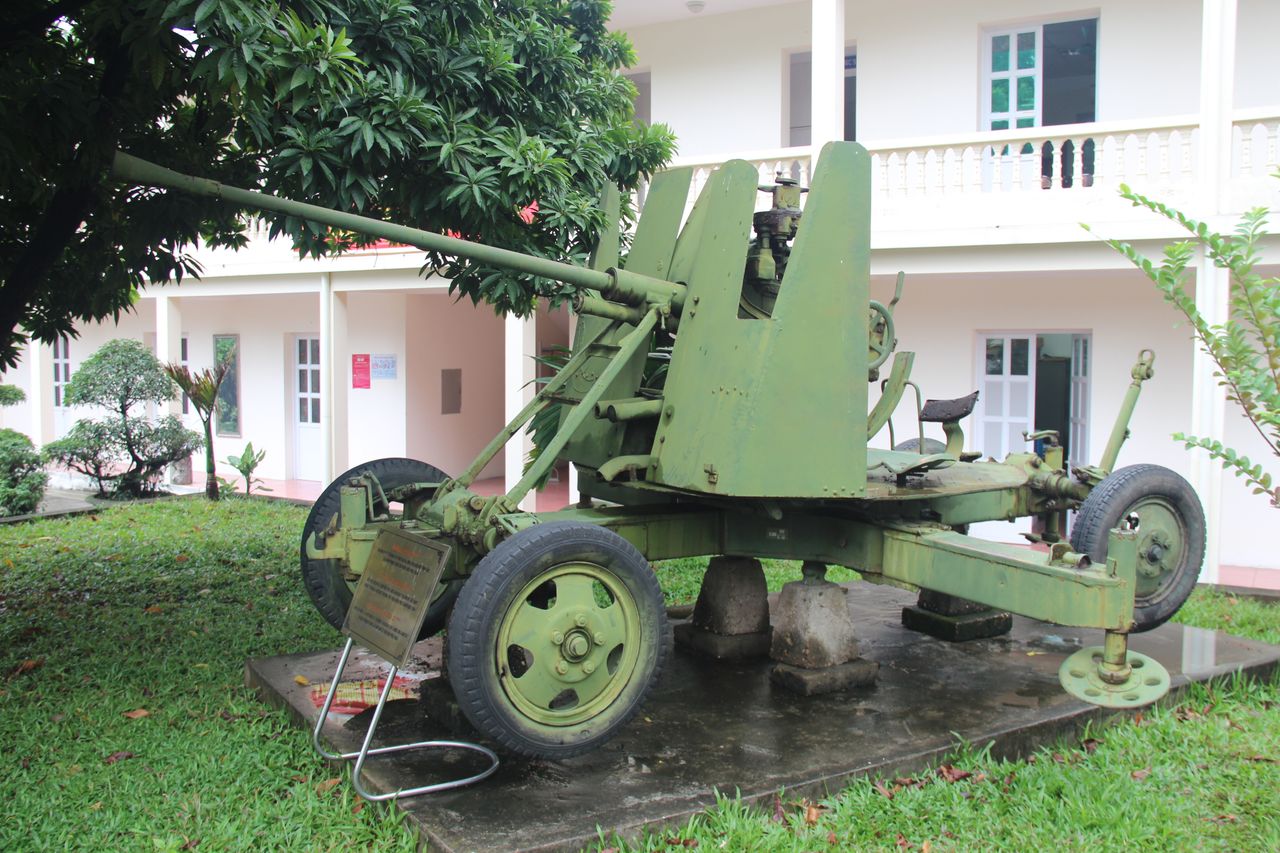
Part of the reason this cannon faded from view is that other 37mm weapons had clearer service records. The French modèle 1916 infantry gun, for example, became much better known and was used by both French and American forces as a practical accompaniment weapon in trench fighting.
The Bethlehem variant, by contrast, feels like a parallel path never fully taken. It shared the same broader logic of close infantry support, but lacked the production story and battlefield exposure needed to become a household name among military enthusiasts.
That makes it easy to overlook today. In many ways, it was a serious wartime tool that history treated like a prototype.
Why Collectors Still Love It
Modern enthusiasts value the gun for reasons that go far beyond rarity. It is comparatively light for artillery, handles more like a giant shoulder arm than a conventional cannon, and has a reputation for being unusually engaging to shoot.
Collectors also appreciate its reloadable ammunition and mechanical simplicity. Unlike many larger artillery pieces, this 37mm offers an experience that feels hands-on, direct, and surprisingly intimate, which helps explain its cult following.
Rarity adds another layer. Because so few examples circulated widely and the gun never built a famous combat legend, surviving pieces carry the appeal of a hidden chapter in American weapons history.
The Real Legacy Of This Forgotten Gun
The Bethlehem 37mm tells a bigger story than its caliber suggests. It captures the moment when industrial America, Allied demand, legal restrictions on munitions, and the brutal geometry of trench warfare all collided in one compact weapon.
It also shows how military history is not only shaped by winners. Some guns matter because they transformed war, while others matter because they reveal how armies experimented, hesitated, and sometimes backed away from expensive dead ends.
That is what makes this little cannon memorable now. It was built for one of history’s ugliest battlefields, nearly disappeared without a trace, and survived just long enough to become a prized mechanical relic.