A pricey rifle can feel like a shortcut to confidence. In the field, though, confidence only matters if skill can cash the check.
The Honest Answer Is Both Yes And No
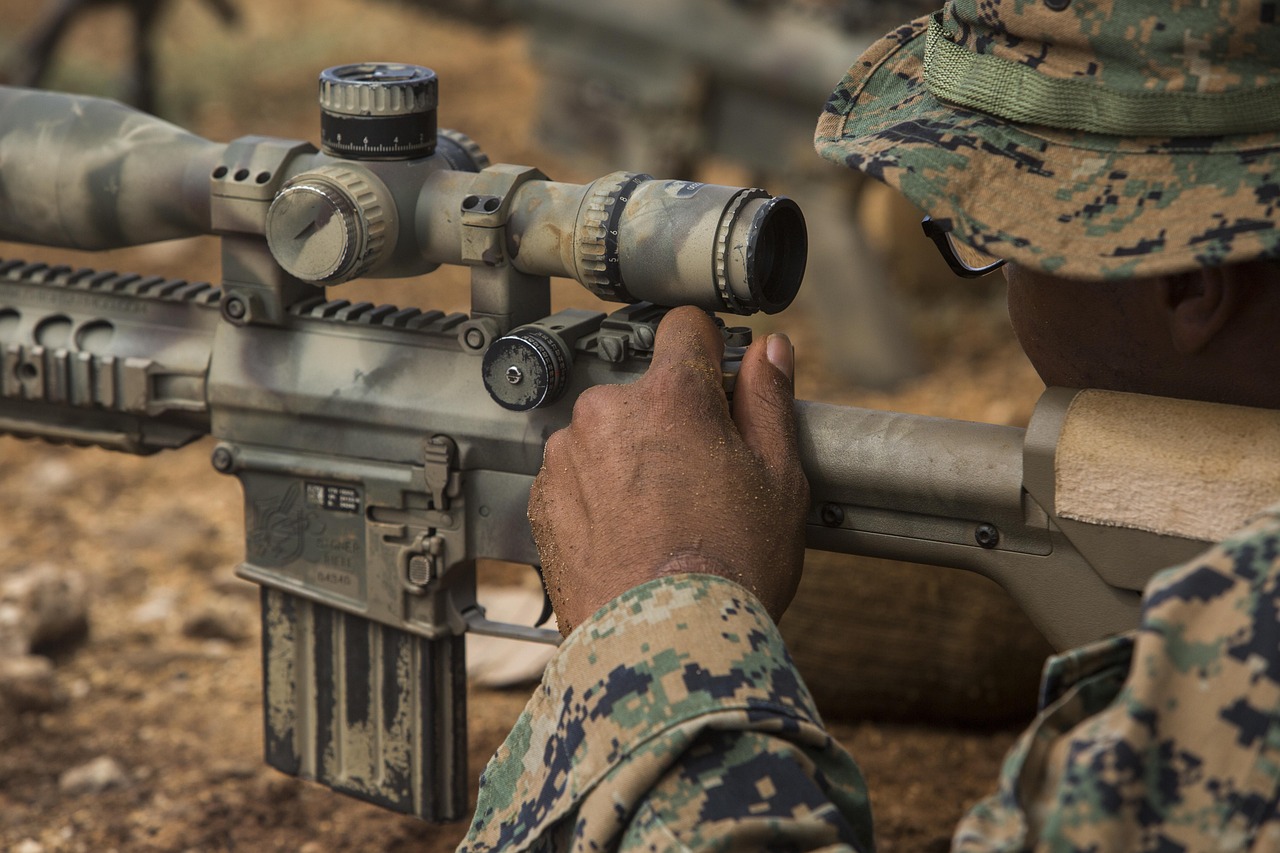
Expensive rifles can offer real advantages. Better barrels, cleaner triggers, tighter tolerances, improved bedding, and more consistent manufacturing often produce stronger mechanical accuracy and better repeatability from shot to shot. SAAMI notes that rifle accuracy is not simply a function of barrel length, which is a useful reminder that quality and consistency matter more than marketing shorthand or oversized specs.
That said, hunting is not benchrest shooting. Texas Parks and Wildlife emphasizes that real hunting shots often happen from prone, kneeling, sitting, or standing positions, frequently without a perfect rest. In other words, the rifle’s laboratory potential is only part of the story. The hunter still has to build a stable position, control breathing, press the trigger cleanly, and make the right decision under pressure.
This is where the myth around expensive rifles starts to crack. A rifle capable of tiny groups at 100 yards does not automatically produce better field results if the shooter rarely practices off sticks, from a backpack, or while winded after a climb. Wyoming hunter education materials and Hunter Ed training both stress the same fundamentals: proper shooting technique, practice, sight adjustment, and follow-through.
So do expensive rifles make better hunters? Not by themselves. They can make a capable hunter more effective, but they cannot manufacture discipline, patience, or shot judgment out of thin air.
What More Money Usually Buys You
When you step up in price, you are often paying for refinement instead of magic. A more expensive hunting rifle may have a smoother action, a crisper trigger, a stock that fits better, weather-resistant materials, and better quality control. Those details matter because small frustrations become big problems when your hands are cold, your heart rate is up, and the shot window is closing fast.
Trigger quality is a great example. Sako’s discussion of trigger design points out that every rifle moves slightly during the trigger press, and a clean trigger with shorter lock time improves the shooter’s ability to break the shot without disturbing the sight picture. That does not mean a premium trigger guarantees a hit, but it absolutely can reduce one common source of shooter-induced error.
Durability also matters more than many hunters admit. Better rifles often hold zero more reliably after travel, bumps, temperature swings, or a wet week in the mountains. According to Texas Parks and Wildlife, accurate shot placement depends on a properly sighted-in rifle, and a rifle that does not maintain zero can ruin a hunt no matter how impressive it looked in the gun shop.
In practical terms, more money can buy confidence in consistency. That is valuable. But consistency only becomes ethical hunting performance when the shooter knows exactly how that rifle behaves in real field conditions.
Why Skill Still Beats Price In The Field
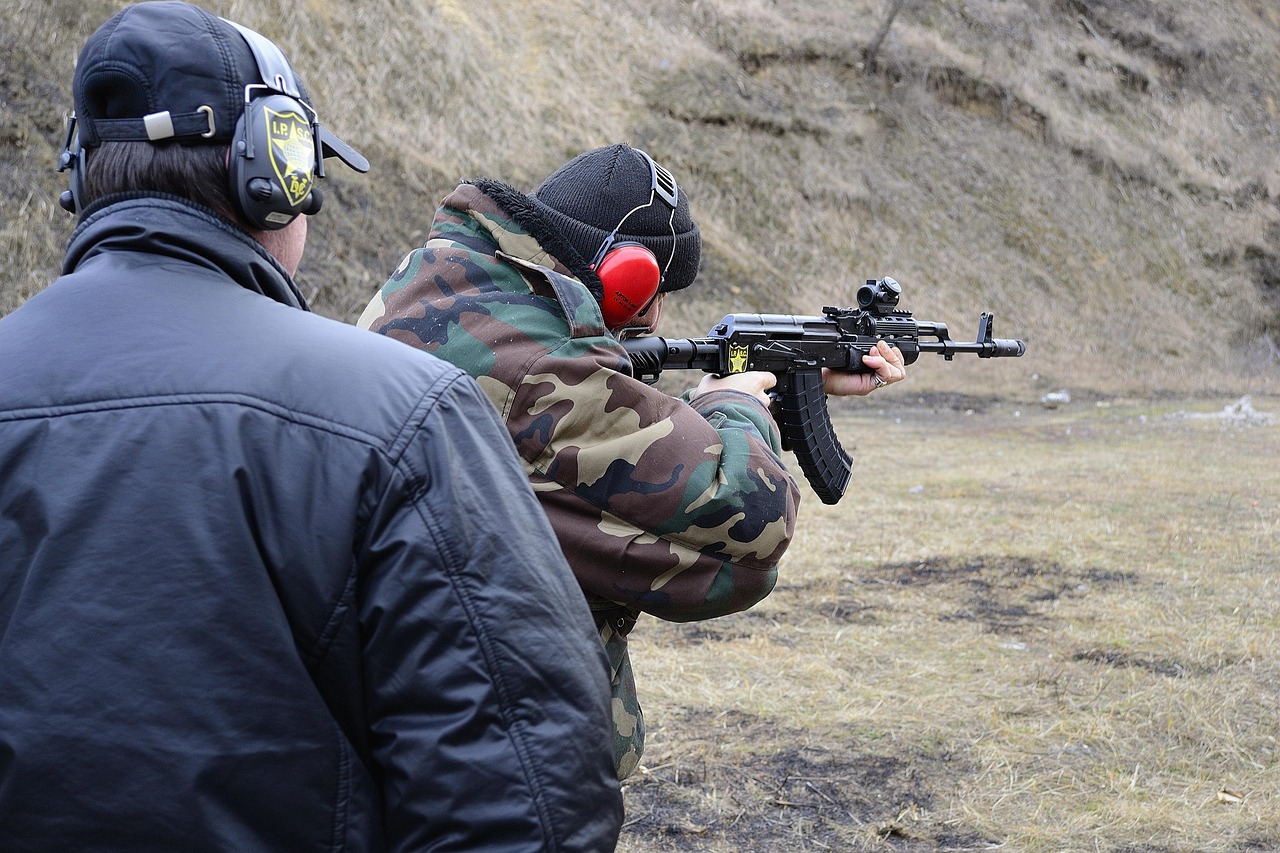
Most misses and bad hits are not caused by a lack of premium steel. They come from rushed shots, poor position, misjudged distance, bad wind calls, flinching, or hunters shooting farther than they have honestly prepared for. NSSF’s hunting and safety materials repeatedly frame ethical hunting around preparation, judgment, and responsibility, not around owning the most expensive firearm on the rack.
Texas Parks and Wildlife makes the same point from a training angle. Hunters are taught to sight in their rifles and then practice until they are confident in both their own ability and the rifle’s accuracy. The agency specifically notes that practice with breathing, trigger squeeze, and follow-through builds marksmanship. Those are shooter skills, not price tag features.
There is also a trap hidden in premium gear: it can create false certainty. A hunter may assume that because the rifle is sub MOA from a bench, a 350-yard standing shot at dusk is reasonable. It is not. Field shooting is a different game, and official hunter education materials emphasize using support whenever possible because a supported rifle is crucial for making an accurate shot and a clean kill.
The best hunters usually look boring on paper. They pass marginal shots, know their real distances, build stable positions fast, and treat practice as part of the hunt. Expensive rifles can support those habits. They cannot replace them.
Where Expensive Rifles Truly Can Help
There are hunting situations where paying more can absolutely improve outcomes. Mountain hunting is one of them. A lightweight rifle built with quality materials can shave meaningful weight without becoming unreliable, and that matters after several miles of climbing. Better corrosion resistance also matters if the rifle will live in rain, snow, salt air, or hard travel for days at a time.
Longer-range hunting is another category where equipment quality matters more. Once distances stretch, the value of a predictable trigger, consistent ammunition performance, stable stock design, and dependable optics rises quickly. Ballistics by the Inch and SAAMI material both reinforce a useful distinction here: barrel length mainly affects velocity, while accuracy depends more on the entire system and its consistency. Premium rifles often deliver that system consistency better.
Hunters with very specific fit needs may benefit too. A shorter length of pull, better comb height, adjustable stock geometry, or softer recoil characteristics can make a major difference for smaller-framed shooters, older hunters, or anyone sensitive to recoil. Better fit usually means better control, and better control usually means better hits.
So yes, expensive rifles can help where reliability margins are thin and conditions are punishing. But that help is most meaningful when the hunter already has enough experience to notice and use the advantage.
The Point Of Diminishing Returns Arrives Fast
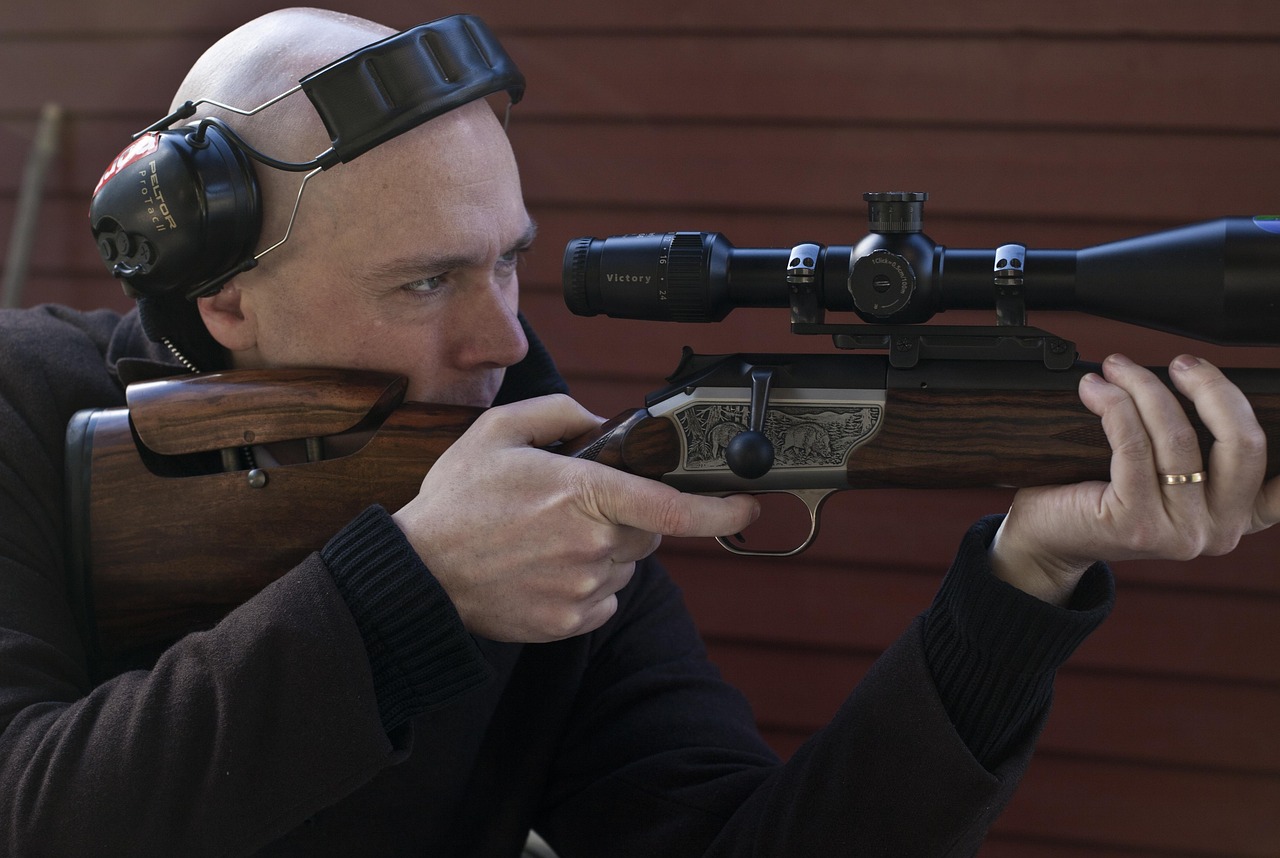
Here is the part many buyers do not love hearing: past a certain point, the gains get smaller while the bill gets much larger. The jump from a cheap, inconsistent rifle to a solid mid-priced hunting rifle can be dramatic. The jump from a solid mid-priced rifle to a luxury rifle is often real, but usually far less dramatic for the average deer hunter shooting normal field distances.
For many hunters, the smarter investment is not the last 10 percent of rifle refinement. It is ammunition for practice, a dependable scope, a rangefinder, boots that keep you moving, and time learning field positions. Texas Parks and Wildlife specifically teaches that support systems like bipods or other rests can be crucial to accurate shooting. In plain English, a hunter with a good rifle and excellent support often beats a hunter carrying elite gear with weak fundamentals.
This does not mean premium rifles are overpriced nonsense. It means their value is highly situational. If you hunt hard, travel often, shoot enough to appreciate small differences, or demand top-tier consistency, you may get your money’s worth. If you fire a few rounds before the season and sit in a box blind over a feeder, probably not.
The rifle market loves aspiration. Hunting success still runs on execution.
How To Decide What Rifle Is Actually Worth It
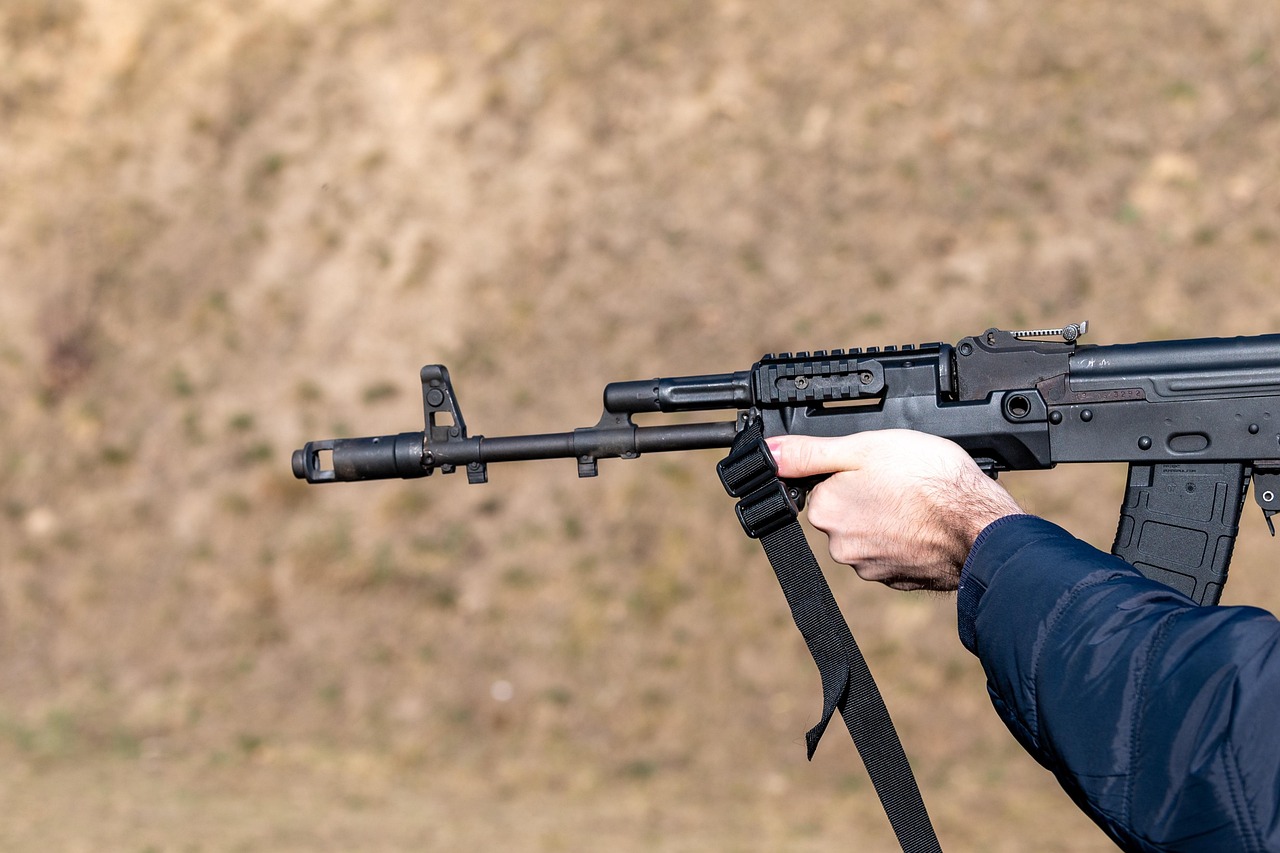
A useful buying question is not, “What is the best rifle?” It is, “What rifle helps me make clean, repeatable shots in the places I actually hunt?” That shifts the conversation away from status and toward fit, handling, recoil, weather resistance, and whether you can afford enough ammunition to train properly with the setup.
Start with reliability and fit. Does the rifle feed smoothly, extract cleanly, balance well, and mount naturally to your shoulder? Can you work the safety without breaking position? Can you shoot it comfortably from sitting, kneeling, prone, and off sticks? Those questions matter more than whether the internet says the barrel was hand-lapped by moonlight.
Next, think in terms of the whole system. According to Texas Parks and Wildlife, hunters must sight in their rifles and understand exactly where they hit at a chosen distance. A modest rifle wearing a dependable scope and paired with ammunition it likes is usually more useful than a premium rifle with bargain glass or random ammo. Consistency across the system beats prestige in one component.
Finally, be honest about your hunting style. If your shots are inside 150 yards from a stand, buy practical. If you backpack, hunt in ugly weather, or shoot across canyons, spend more where the conditions demand it. Price should follow purpose.
Better Hunters Are Built, Not Bought
The cleanest answer is this: expensive rifles can make shooting easier, but they do not make decisions for you. They do not teach patience when a buck hangs up in brush. They do not stop you from rushing a shot after a long stalk. And they definitely do not substitute for range time from awkward positions in bad light and uneven terrain.
Hunter education programs keep returning to the same principles because they work. Practice the fundamentals. Know your zero. Use support whenever you can. Understand your safe carry, your target, and what lies beyond it. NSSF and state wildlife agencies frame ethical hunting as a combination of safety, preparation, judgment, and respect for game. None of that comes with a premium walnut stock or a carbon-wrapped barrel.
In the end, expensive rifles are tools. Sometimes they are excellent tools, and sometimes they are exactly the right tools. But the hunter remains the biggest variable in the system by a mile. The best money in hunting is often spent on training, practice, and experience first, then on a rifle good enough to let those things show.
If a pricier rifle inspires you to practice more and hunt more carefully, that is real value. Just do not confuse expensive with capable. Better hunters are built the old-fashioned way: one honest shot at a time.