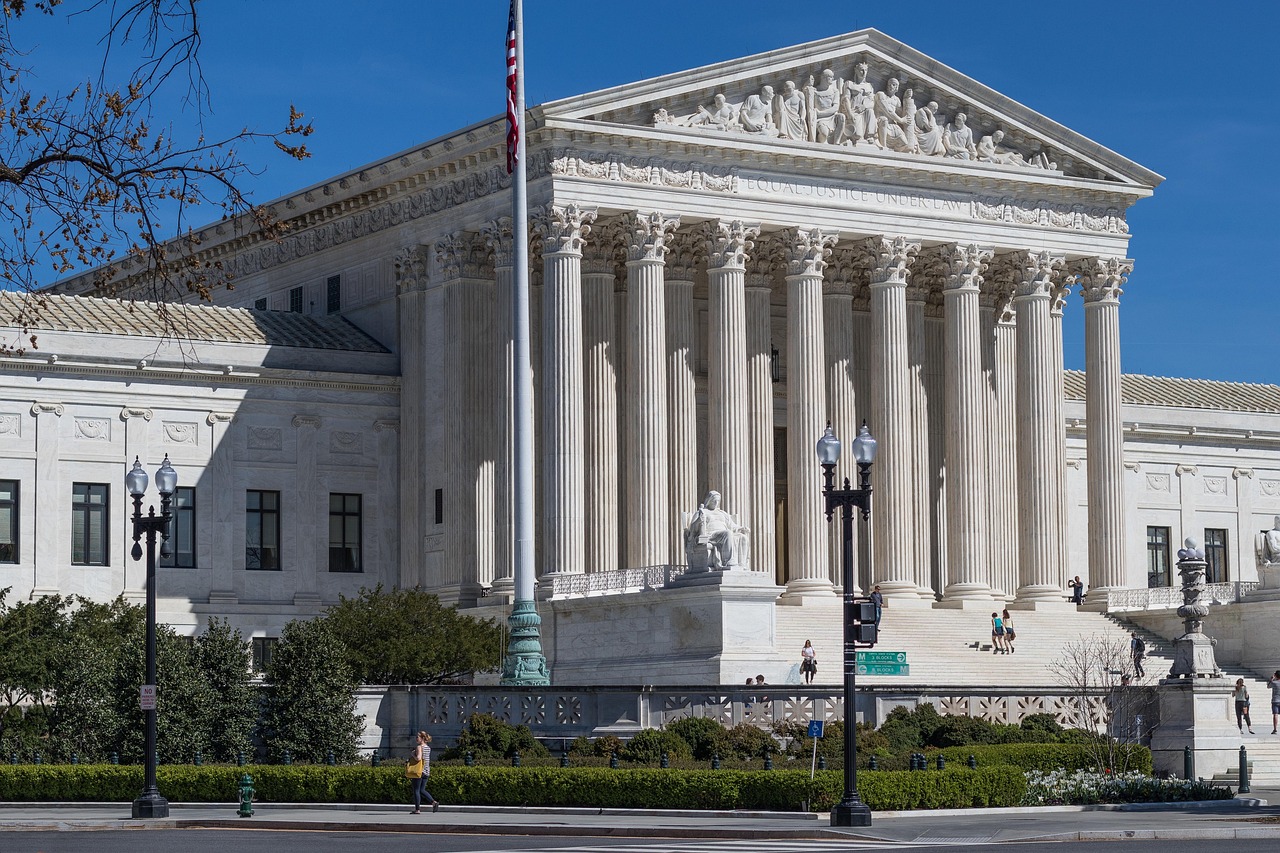
The battle over the AR-15 is no longer sitting in lower courts. It is now headed to the country’s highest bench, with major political and legal consequences likely to follow.
Why This Fight Just Got Bigger
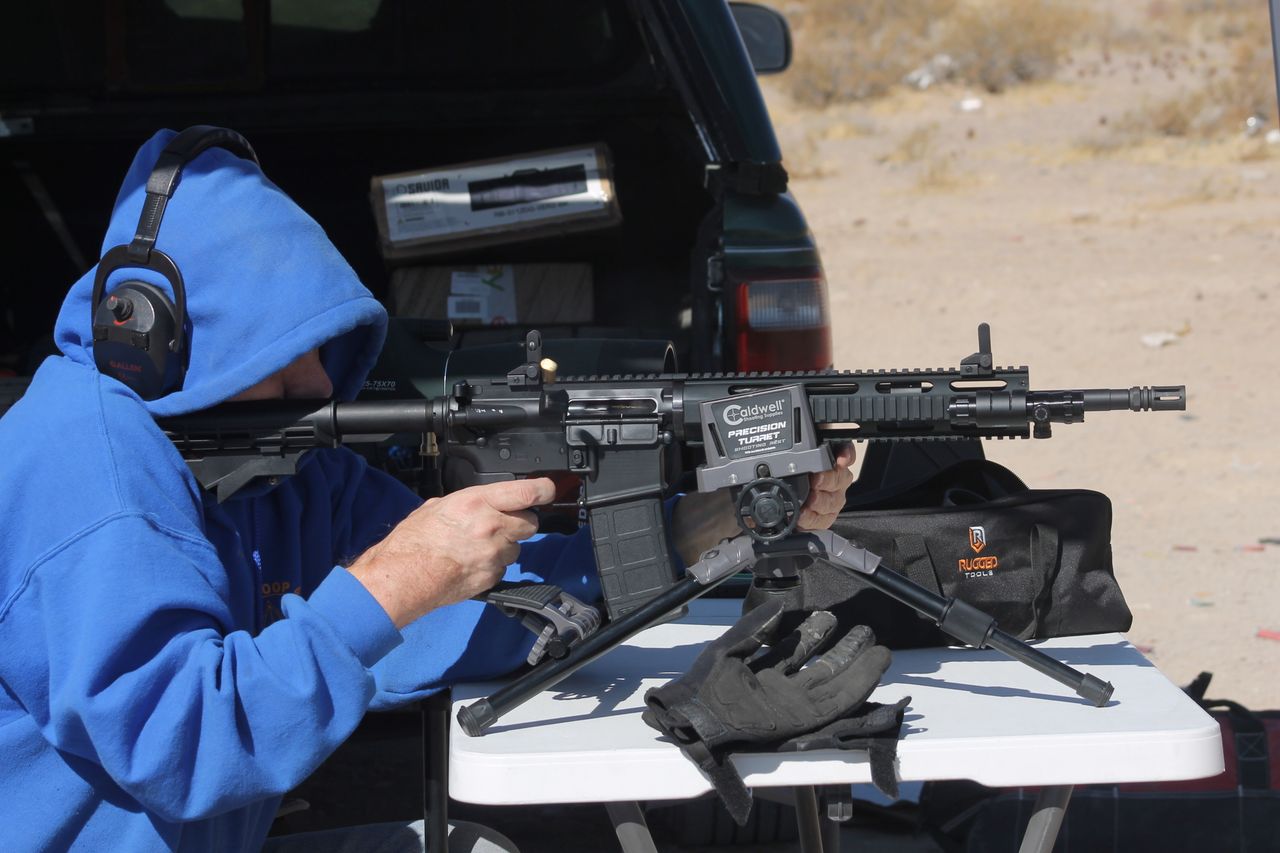
The Supreme Court agreed on June 30, 2026, to hear challenges to assault weapons bans in Connecticut and the Chicago area. The cases, Viramontes v. Cook County and Grant v. Higgins, are now consolidated for briefing and argument, making them one of the most closely watched gun cases on the docket.
Court records show the justices folded future filings into Viramontes after granting review. Petitioners filed their merits brief on August 28, 2026, and the Court gave respondents until October 21, 2026, to answer. That means the legal fight has moved from speculation to a live, structured Supreme Court showdown.
What makes this case especially important is the weapon at issue. The AR-15 is not some obscure firearm known only to collectors or specialists. It is central to America’s modern gun debate, which is exactly why both gun-rights advocates and gun-control groups see this case as a potential watershed.
The Cases at the Center of the Dispute
Grant v. Higgins challenges Connecticut’s restrictions, while Viramontes v. Cook County targets a local Illinois ban that lower courts had upheld. In both matters, the challengers argue that banning AR-15-style rifles violates the Second Amendment, and they also frame the dispute through the 14th Amendment because state and local governments are the ones enforcing the restrictions.
Cook County’s ordinance dates back decades, with the county first adopting its assault weapons ban in 1993. Connecticut’s legal history is more layered: the state initially passed an assault weapons ban in 1993, then significantly expanded it in 2013 after the Sandy Hook massacre.
That timeline matters because defenders of the bans say these laws arose from repeated public-safety concerns, not sudden political fashion. Opponents answer that longevity does not make a restriction constitutional, especially when the firearm involved is widely owned for lawful purposes such as home defense, sport shooting, and general recreation.
The Constitutional Question Before the Justices
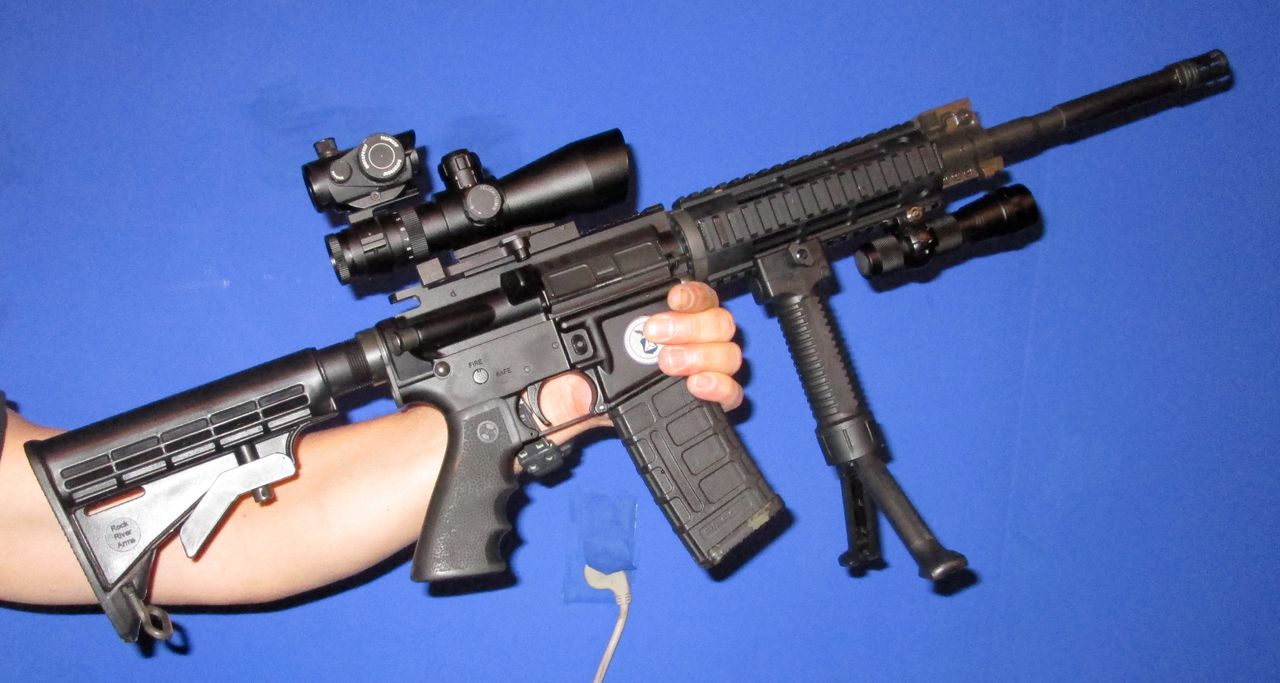
At the heart of the case is a familiar but still unsettled question: can government ban a class of semiautomatic rifles that millions of Americans legally own? Gun-rights lawyers say no, leaning heavily on the Supreme Court’s modern Second Amendment framework and the idea that arms in common lawful use are protected.
Supporters of the bans counter that AR-15-style rifles can be restricted because of their features, lethality in mass shootings, and claimed similarity to military weapons. According to AP’s reporting, attorneys defending the laws argue the public trauma tied to assault-weapon massacres has been staggering and that such measures fit within the Constitution.
The justices are therefore not simply deciding one local ordinance or one state statute. They are being asked to define the outer boundary of lawful firearm regulation in an era shaped by the Court’s 2022 Bruen ruling and its broader willingness to revisit longstanding gun restrictions.
Why House Republicans Are Jumping In
The Supreme Court case is unfolding alongside a political push from House Republicans who want stronger protections for AR-15 ownership and broader Second Amendment guarantees. Lawmakers on the right increasingly view these rifles as a symbolic test of whether constitutional language has real force when the firearm in question is politically controversial.
Rep. Andrew Clyde, a Georgia Republican and longtime gun-rights advocate, has been among the voices pressing that point. In comments highlighted in conservative media, Clyde argued that the Second Amendment’s command that the right to keep and bear arms shall not be infringed is clear, regardless of the firearm being challenged.
That argument is designed to do two things at once. It rallies gun owners politically, and it also reinforces the legal theory being advanced before the Court: if the government can ban one of the country’s most popular rifles, then the practical scope of the Second Amendment may shrink far beyond this single category of firearm.
The Public Safety Argument on the Other Side
Backers of the bans say the popularity of AR-15-style rifles is not the end of the constitutional inquiry. Their case is grounded in the claim that these firearms have unique destructive potential and have repeatedly been used in high-casualty shootings, which gives lawmakers a compelling public-safety reason to regulate or prohibit them.
Connecticut’s law is inseparable from Sandy Hook. AP reported that the state tied its post-2012 approach to the AR-15-style rifle used in the massacre that killed 20 children and six educators. Connecticut Attorney General William Tong has also framed the law as a critical safeguard born from one of the darkest moments in state history.
Cook County makes a similar policy argument from a local-government angle. Its lawyers contend elected officials should retain room to respond to violence trends in densely populated communities. In that view, the Court should not constitutionalize one rigid national answer when states and counties face very different public-safety conditions.
What the Court’s Ruling Could Change
A broad ruling against the bans could shake laws far beyond Connecticut and Cook County. AP has reported that similar assault weapons restrictions exist in about a dozen states, touching major population centers including New York, Los Angeles, and Washington, D.C., while Congress has not revived the federal ban that expired in 2004.
If the justices strike these laws down, courts across the country would likely see a new wave of challenges to state assault weapons bans, magazine limits, and perhaps other hardware-based restrictions. Gun-rights groups would almost certainly treat such a ruling as a green light to attack any law that singles out commonly owned semiautomatic firearms.
If the Court upholds the bans, the result would be just as consequential. It would signal that even after Bruen, governments still have meaningful room to regulate certain categories of weapons, especially when they can persuade judges that the restrictions address exceptional risks rather than ordinary gun ownership.
What Comes Next

For now, the immediate next step is briefing. Supreme Court docket entries show the petitioners’ merits brief and joint appendix were filed on August 28, 2026, and the respondents’ briefs are due in October, setting the case up for argument in the Court’s upcoming term.
That leaves several months for advocacy groups, lawmakers, and legal scholars to flood the docket with friend-of-the-court briefs. Those filings often reveal how broadly each side wants the Court to rule. Some will urge a narrow opinion focused on assault weapons bans alone, while others will push for a sweeping test that reshapes gun law nationwide.
Either way, this is no niche legal dispute. It is a direct collision between public-safety regulation and an expansive reading of the Second Amendment, with the AR-15 serving as the symbol, the substance, and the legal fault line.