Few arguments in gun culture have lasted as long as this one. The good news is that science has finally done what barstool debates never could.
Why this debate lasted for so long

The 9mm vs. .45 ACP argument survived for generations because it was never just about ballistics. It became a stand-in for identity, military history, recoil preference, and personal experience. If someone trusted a 1911 in .45 ACP, that confidence often came from decades of cultural reinforcement as much as from measurable performance.
The .45 ACP earned its reputation early in the 20th century when larger, slower bullets were widely believed to stop fights better. Stories from military service and law enforcement helped cement the idea that a big, heavy projectile carried special authority. Meanwhile, 9mm was often dismissed by traditionalists as a smaller round that relied too much on speed and too little on mass.
That old view lingered because handgun wounding is easy to misunderstand. People tend to imagine pistols creating dramatic shock effects, but handguns are relatively weak compared with rifles or shotguns. What matters most is whether a bullet penetrates deeply enough and expands reliably enough to damage vital tissue.
Once those factors became the focus, the debate began to change. Better gelatin testing, better forensic analysis, and larger pools of police shooting data moved the discussion away from anecdotes. The result is not that .45 ACP became useless, but that 9mm stopped being the underdog many people assumed it was.
What the science actually measures

Modern terminal ballistics does not judge handgun rounds by folklore. It looks at penetration depth, expansion, retained weight, shot placement potential, recoil control, and the ability to deliver rapid, accurate follow-up shots. Those factors matter because defensive handguns stop threats by disrupting critical organs, not by mystical “knockdown power.”
The FBI’s modern testing standards played a huge role in clarifying this. After the bureau’s famous reevaluation of handgun performance, penetration became a central concern, with 12 to 18 inches in ballistic gelatin treated as the practical benchmark. That standard is meant to reflect the messy reality of human targets, clothing, bones, odd angles, and imperfect shot presentation.
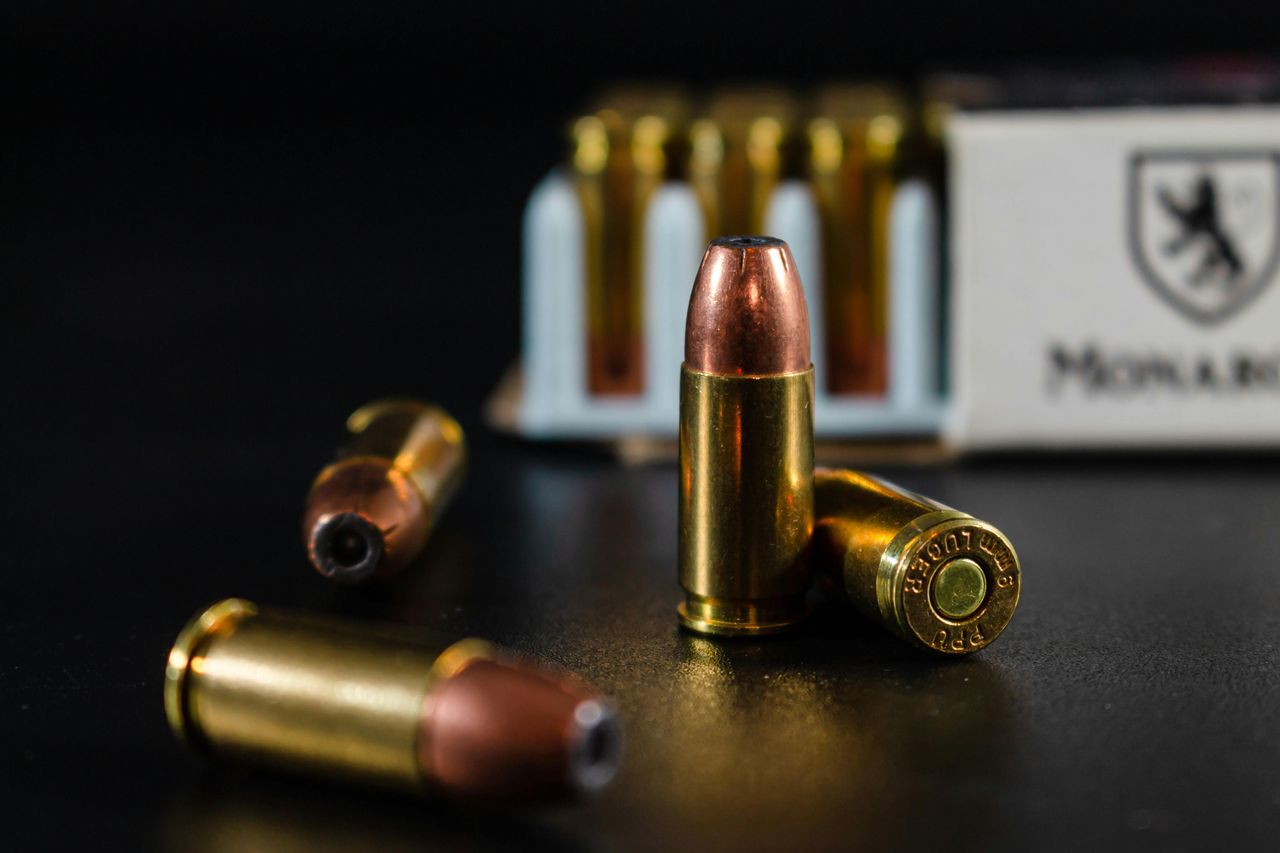
In that framework, both 9mm and .45 ACP can perform well when loaded with quality modern hollow points. A good 9mm duty load might expand to around .60 caliber while still penetrating adequately. A good .45 ACP load may expand wider, but not usually by enough to create a radically different real-world result.
That is the key scientific point. The wound channels overlap more than old-school caliber arguments suggest. The measurable differences exist, but they are smaller than many shooters were taught, especially when compared with variables like accuracy, target anatomy, and how quickly the shooter can place multiple effective hits.
What real-world shootings reveal
Lab testing matters, but people naturally want to know what happens on the street. Over the last two decades, law enforcement agencies, trauma surgeons, and independent researchers have all contributed pieces of the answer. Their broad conclusion is strikingly consistent: service calibers like 9mm, .40 S&W, and .45 ACP tend to produce similar outcomes when comparable modern ammunition is used.
This does not mean every shooting looks the same. Human bodies vary, bullets hit different structures, and psychological surrender plays a major role in many incidents. But when large samples are reviewed, the idea that .45 ACP produces a dramatically superior one-shot stop rate has not held up particularly well.
A 2024 study comparing handgun calibers in defensive contexts would likely be framed with caution, because clean datasets are rare and every shooting is chaotic. Even so, the modern consensus among many trainers is that no common duty handgun round reliably compensates for poor placement. If a shot misses vital structures, bullet diameter alone is not likely to save the day.
That is why so many police departments returned to or stayed with 9mm. Agencies found that officers generally shot it faster, qualified more easily, and carried more rounds in the same size handgun. When terminal performance became good enough, those practical advantages started to outweigh the modest size advantage of .45 ACP.
The recoil, capacity, and training advantage of the 9mm

This is where 9mm makes its strongest case. Even if .45 ACP offers a slightly larger permanent wound cavity on paper, 9mm usually allows more people to shoot better under pressure. Less recoil means faster split times, less muzzle rise, and a higher chance of keeping multiple rounds in the vital zone during a real defensive encounter.
Capacity matters too, and not only in the obvious way. A compact 9mm pistol may carry several more rounds than a similarly sized .45 ACP, which gives the shooter more chances to solve a problem without reloading. In civilian self-defense, many incidents are resolved with very few rounds, but no one gets to choose the exact shape of the emergency in advance.
Cost also pushes the scale toward 9mm. It is generally cheaper to buy, which means more practice for the same budget. More repetitions lead to better draw strokes, cleaner trigger presses, and stronger recoil management, all of which matter far more than a small caliber difference between effective handgun rounds.
For professionals and private citizens alike, training efficiency is not a side issue. If one caliber lets a shooter train more, recover faster between shots, and maintain confidence longer in a practice session, that caliber gains a meaningful real-world advantage. In most cases, that caliber is 9mm.
Where .45 ACP still makes a real case

None of this means .45 ACP is obsolete. It remains a highly capable defensive round, especially in full-size pistols where its recoil is manageable and its lower pressure operating characteristics can feel smooth rather than snappy. Many experienced shooters still shoot .45 ACP extremely well, and for them the tradeoffs may be perfectly acceptable.
There are also practical reasons some people simply prefer it. A heavier bullet at moderate velocity can perform very well with modern hollow-point design, and some suppressed setups favor .45 ACP because standard loads are naturally subsonic. That can make it appealing for specialized use, particularly where sound suppression is part of the equation.
Platform preference matters too. The 1911 remains one of the most beloved handgun designs ever made, and many enthusiasts value its trigger, ergonomics, and history. If someone trains extensively with a reliable .45 ACP pistol and can shoot it accurately at speed, they are not suddenly underarmed because data suggests 9mm is more efficient for the average shooter.
The best way to frame .45 ACP today is not as the king of stopping power, but as a valid option with specific strengths and clear costs. It works. It has always worked. It just no longer holds the near-mythic advantage that older gun-counter wisdom often claimed.
Why modern ammo changed everything

A huge reason this debate shifted is bullet design. Older hollow points often struggled to expand reliably after passing through heavy clothing, and some 9mm loads in particular had a mixed reputation decades ago. When expansion failed, smaller calibers could look noticeably weaker because they behaved much more like non-expanding ball ammunition.
That world is gone, at least with high-quality defensive loads. Modern bonded and mechanically locked jacketed hollow points are engineered to balance expansion and penetration far better than earlier generations. Companies spent years refining cavity geometry, jacket thickness, skive patterns, and core bonding to make bullets perform consistently across realistic barriers.
As a result, 9mm gained the most from technological improvement. It now regularly meets FBI-style penetration standards while expanding dependably, which narrows the practical performance gap with .45 ACP. Once that happened, the old logic of “bigger bullet equals much better fight stopper” lost much of its force.
This is the scientific settlement people are really talking about. Physics did not stop mattering, and .45 ACP did not shrink. But improved ammunition made 9mm effective enough that its lower recoil, higher capacity, and lower cost became more important than the modest terminal edge larger calibers may retain in ideal conditions.
So which one should you actually choose?
For most people, the answer is 9mm. That is not because .45 ACP is weak, and it is not because bigger bullets are meaningless. It is because modern 9mm defensive loads perform well enough that the shooter benefits around them tend to matter more in the real world than the caliber’s smaller diameter.
If you are buying a first defensive handgun, want affordable practice, and care about controllability, 9mm is the rational default. It gives you more rounds, faster recovery, and a huge range of proven ammunition choices. That combination is exactly why it dominates police service pistols, concealed carry markets, and training classes.
Choose .45 ACP if you genuinely shoot it as well, prefer the platforms chambered for it, or have a specialized use case such as suppressed shooting. Just do it with clear eyes. You are choosing a capable round with tradeoffs, not a magical man-stopper that rewrites the limits of handgun effectiveness.
In the end, science did settle the oldest fight in shooting, just not in the dramatic way partisans hoped. The winner is not raw diameter. The winner is adequate penetration, reliable expansion, practical shootability, and enough training to put rounds where they count when everything goes bad.