A super El Niño does more than stir up weather maps. It can alter snowfall, rainfall, heat, habitat conditions, and even the timing of migration in ways hunters and outdoor enthusiasts feel immediately. From soggy southern woods to thinner western snowpack, these shifts could change where game shows up, how accessible public land feels, and what kind of season people actually get.
Warmer Northern Winters Could Delay Big Game Movement
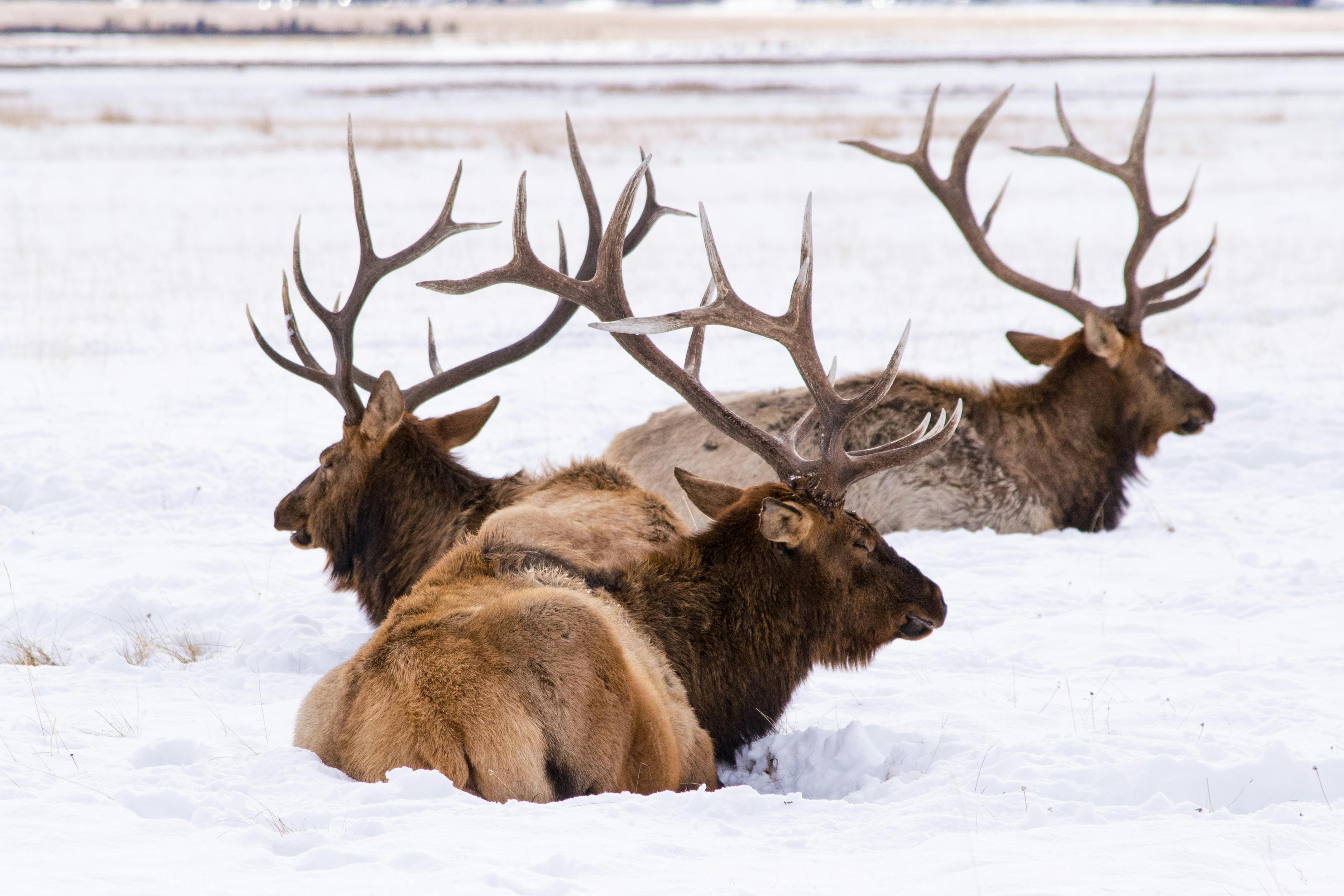
In many northern states, a strong El Niño can tilt winter warmer than normal, and that matters when hunters rely on cold snaps to push deer and elk into more predictable patterns. If deep cold arrives late or never really locks in, animals may stay scattered across higher elevations and thicker cover longer than expected.
That can make familiar late season spots feel strangely empty. Hunters who usually wait for weather to concentrate game may need to cover more ground, glass longer, and pay closer attention to food sources instead of assuming temperature alone will do the work.
It also changes timing. A season that usually improves after the first serious freeze might stay inconsistent week to week.
Heavier Southern Rains May Make Access a Bigger Challenge
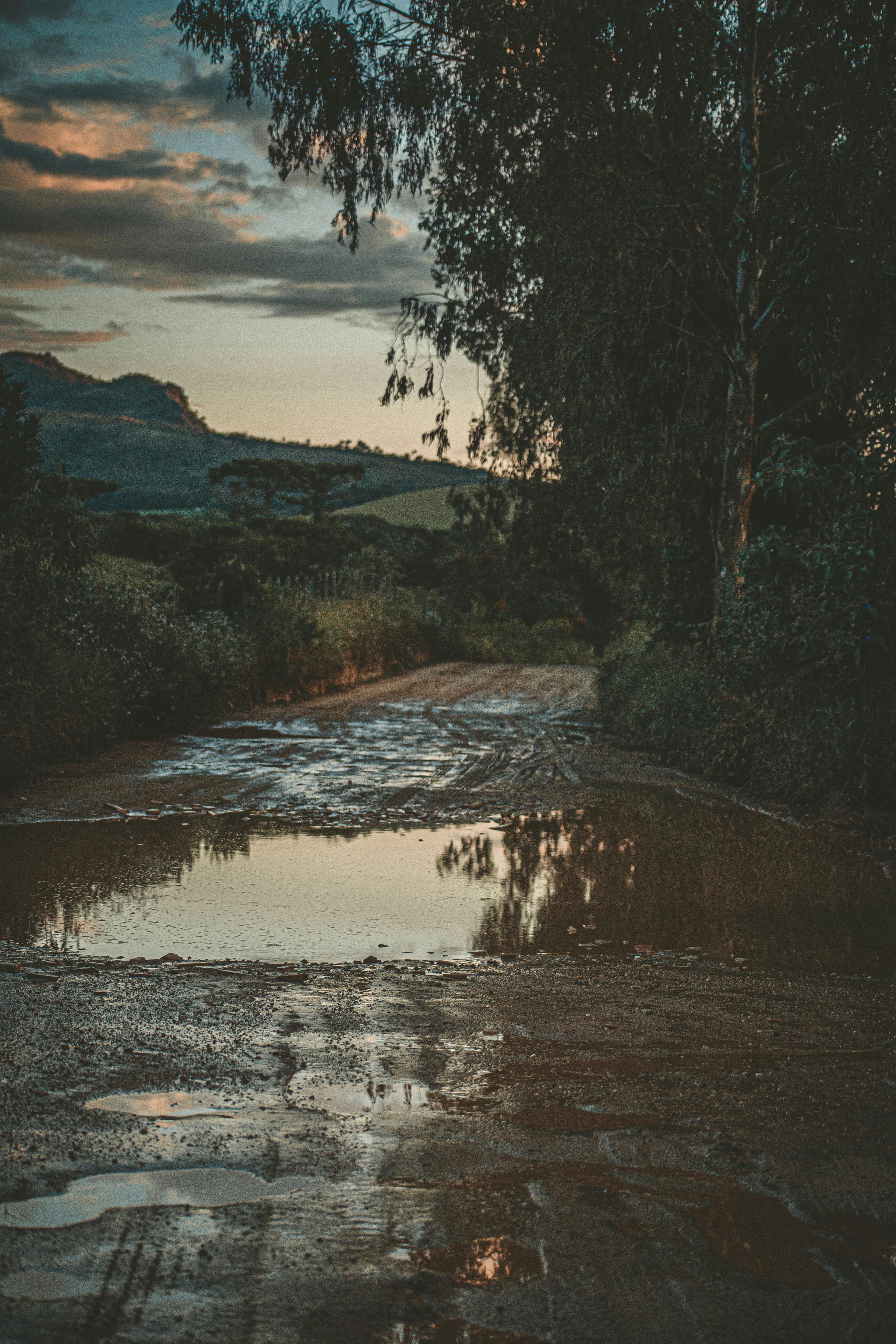
Across parts of the South, El Niño often raises the odds of a wetter cool season, which sounds good for habitat until roads, trails, and low lying access points turn into mud. On public land, that can mean washed out approaches, flooded bottoms, and parking areas that become a mess after repeated storms.
Hunters may find that getting in is harder than actually finding game. Boots, tires, boats, and backup plans become more important when one storm can shut down a favorite route for days.
Rain also changes pressure. If fewer people want to slog through bad conditions, animals may settle into overlooked pockets close to difficult access.
Western Snowpack Swings Could Reshape Habitat Conditions
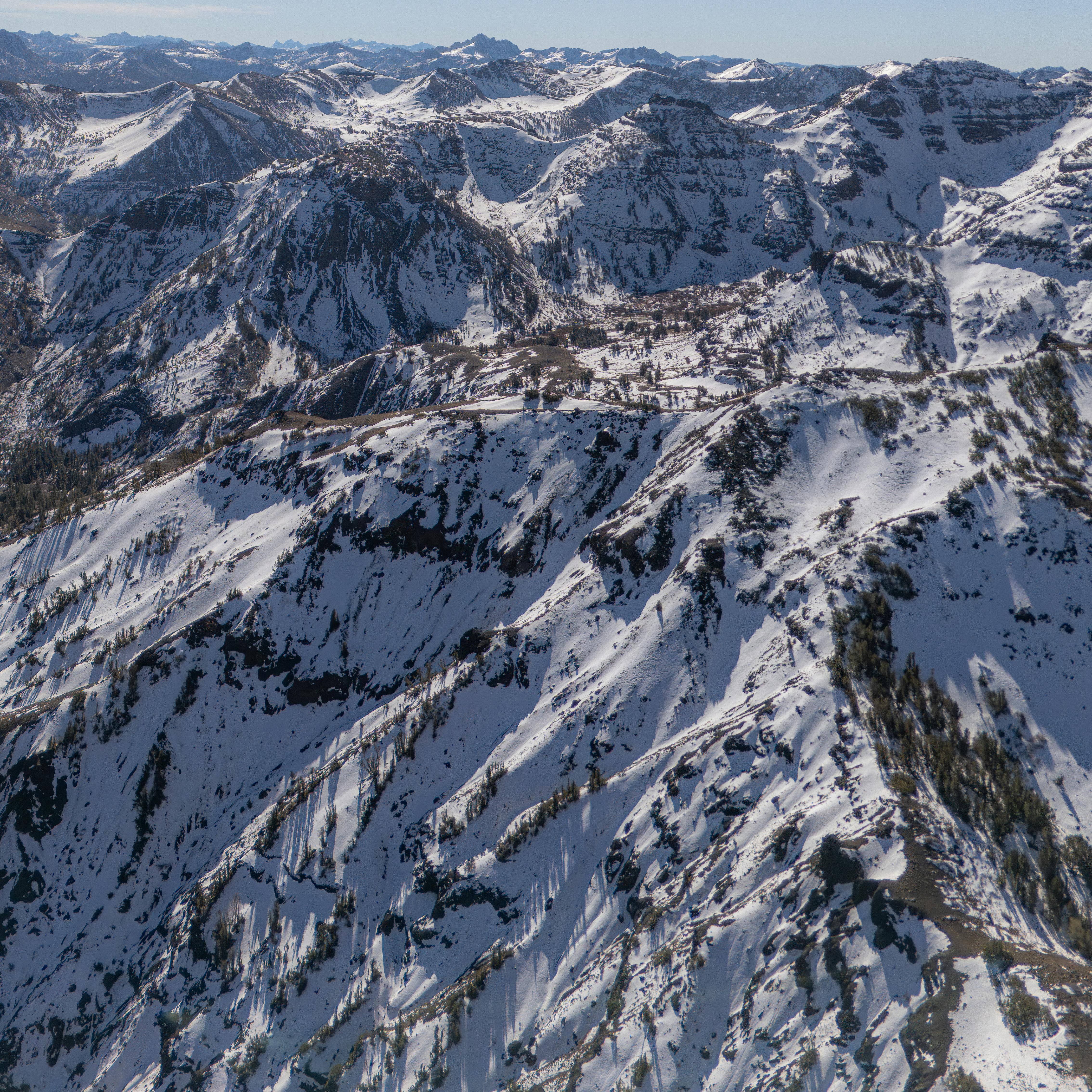
A super El Niño can scramble the usual snow picture in the West, bringing some areas less snow than expected and others a burst of storm activity. That matters well beyond ski season. Snowpack helps determine spring moisture, summer forage quality, and how wildlife uses elevation bands through the year.
When snow is thin, animals may winter differently and green up may arrive early, pushing feeding patterns ahead of schedule. If storms stack up in the right places, travel can get brutal, but water prospects later may improve.
For hunters, the lesson is simple: assume less. Last year’s scouting notes may not match this year’s moisture map at all.
Waterfowl Flyways Could Get Unpredictable
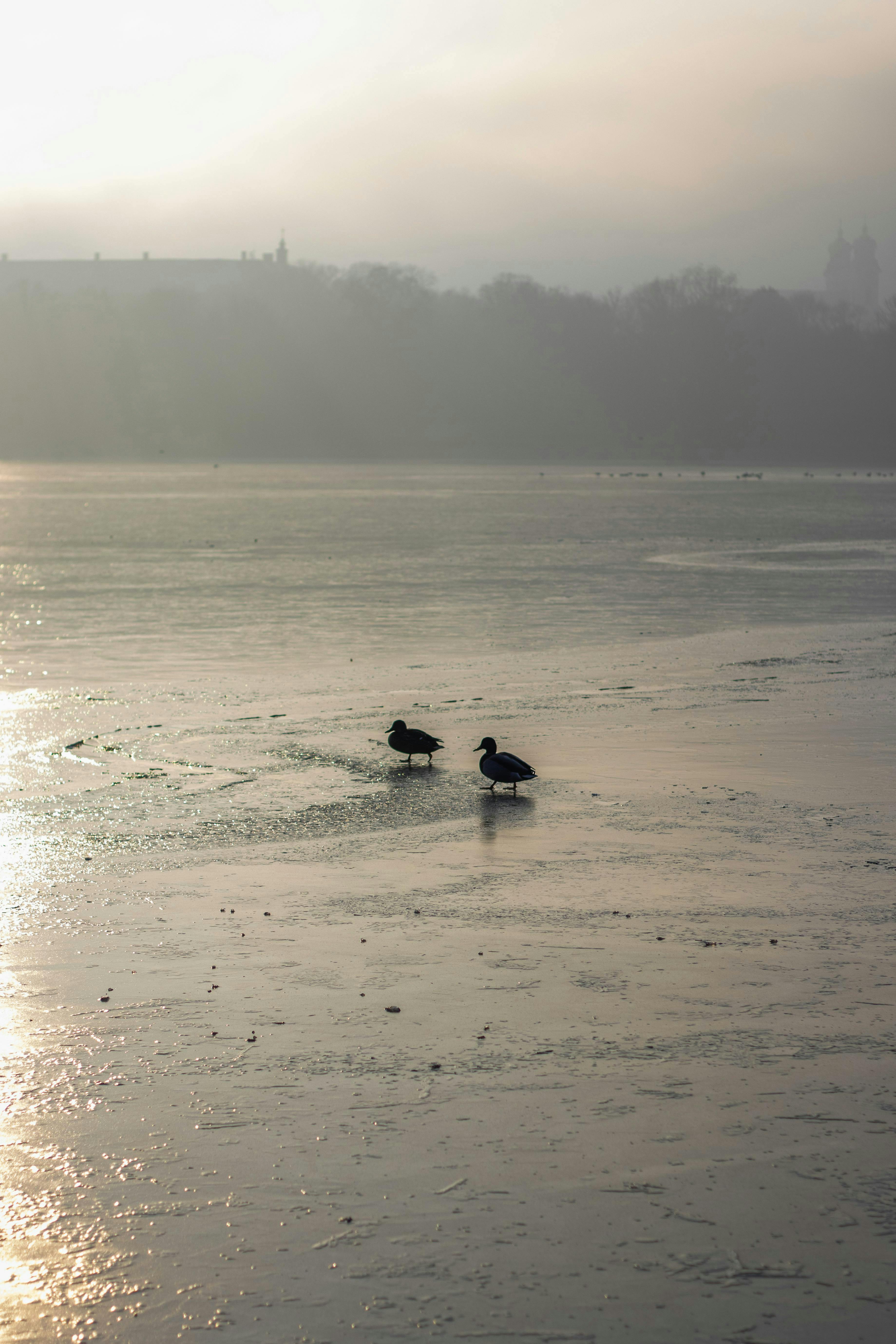
Duck and goose hunters often count on cold weather and frozen water to push birds south in waves. During a powerful El Niño, warmer conditions in parts of the Midwest and Plains can slow that process, leaving birds spread out over a wider area and reducing the big migration surges many hunters wait for.
At the same time, storm tracks and rainfall patterns can create fresh habitat in unexpected places. Temporary sheet water, refilled wetlands, and agricultural flooding can pull birds away from traditional hotspots.
That can produce feast or famine weekends. One region may seem empty while another, only a few hours away, suddenly becomes the place everyone wishes they had scouted.
Turkey Behavior May Shift With Early Green Up
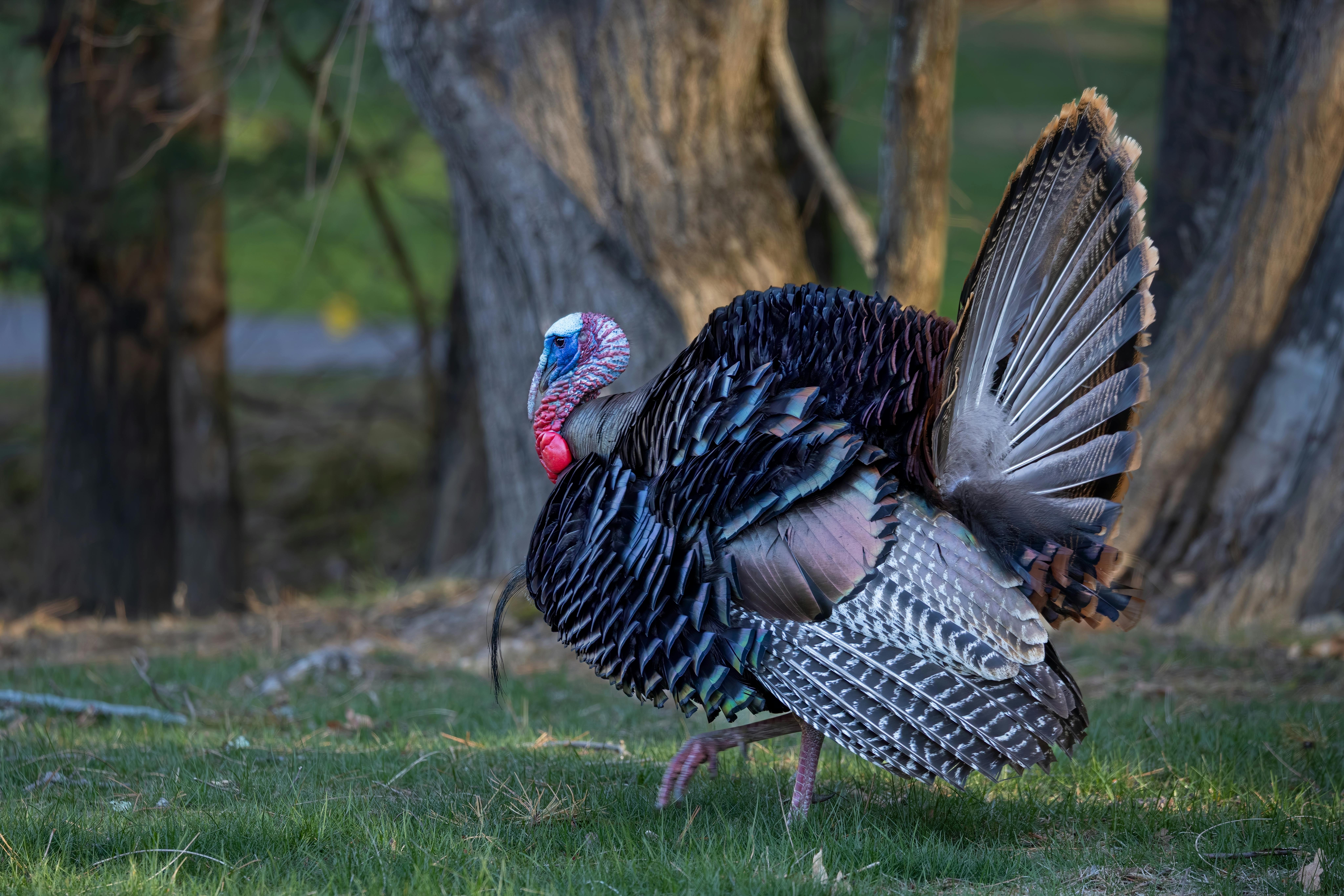
If warmer conditions arrive early in some regions, spring can advance faster than hunters expect. Grass flushes sooner, insect activity picks up, and woods become visually thicker in a hurry. For turkey hunters, that means birds may not behave quite like they did during a cooler, slower spring.
Gobbler movement can become less visible once vegetation closes in, and birds may spread out as food becomes abundant across the landscape. The classic open morning setup can get tougher when hearing and seeing birds is harder by mid season.
Timing matters here. A trip planned around average conditions could land after the easiest early pattern has already passed.
Fishable and Huntable Water Could Change Fast
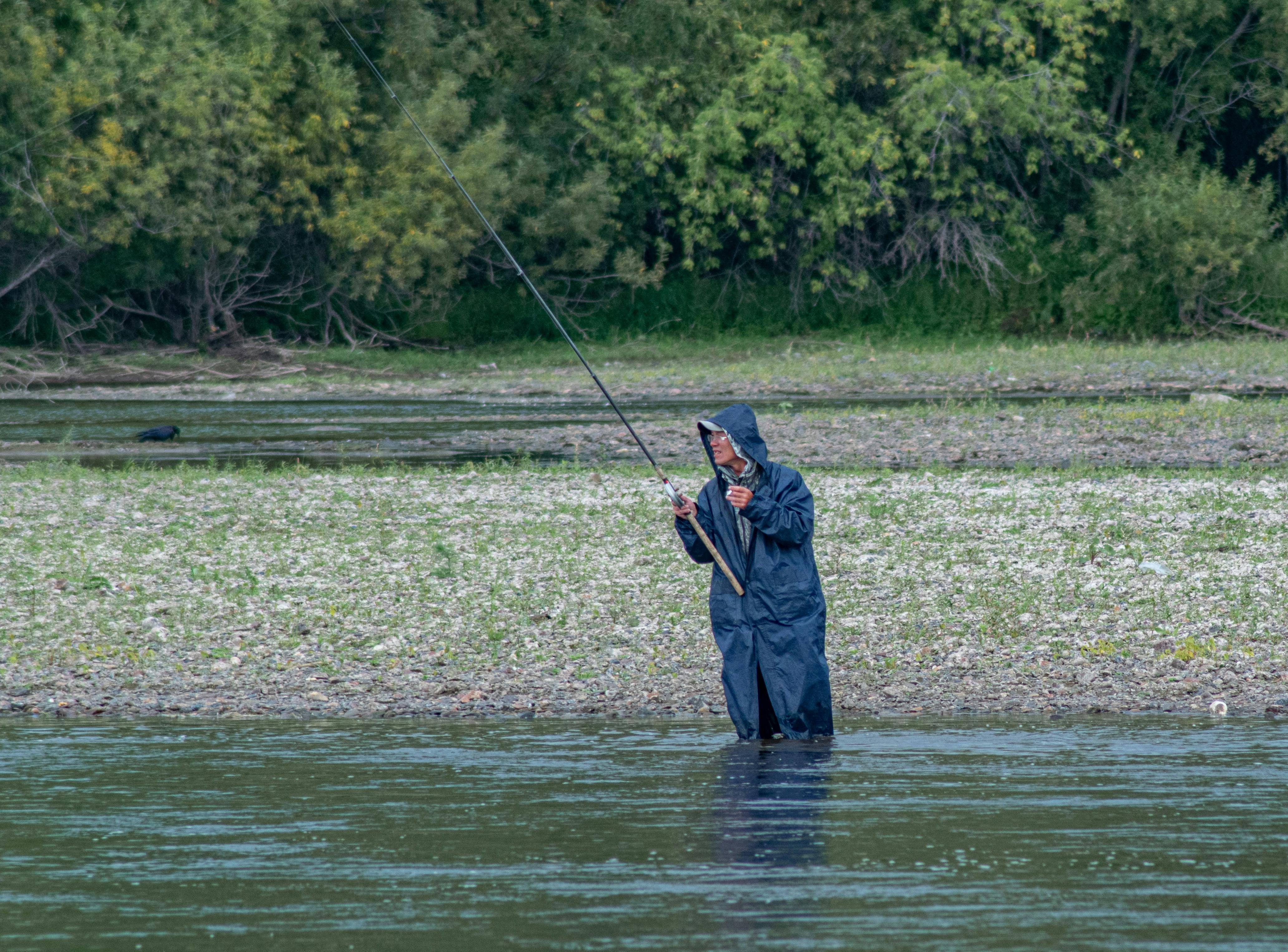
El Niño can bring a mix of flooding, low flows, warmer water, and changing reservoir levels depending on the region. For anglers and hunters alike, that means access points, boat ramps, sandbars, backwaters, and shoreline habitat may look different from one month to the next.
In some places, rising water opens new habitat and spreads fish and waterfowl out. In others, muddy runoff hurts visibility and makes productive water harder to pattern. The same storm that improves one marsh can blow out a favorite river stretch.
People who stay flexible usually do best. This is the kind of year when checking conditions right before a trip matters more than tradition.
Drought Relief in Some Areas Could Boost Forage
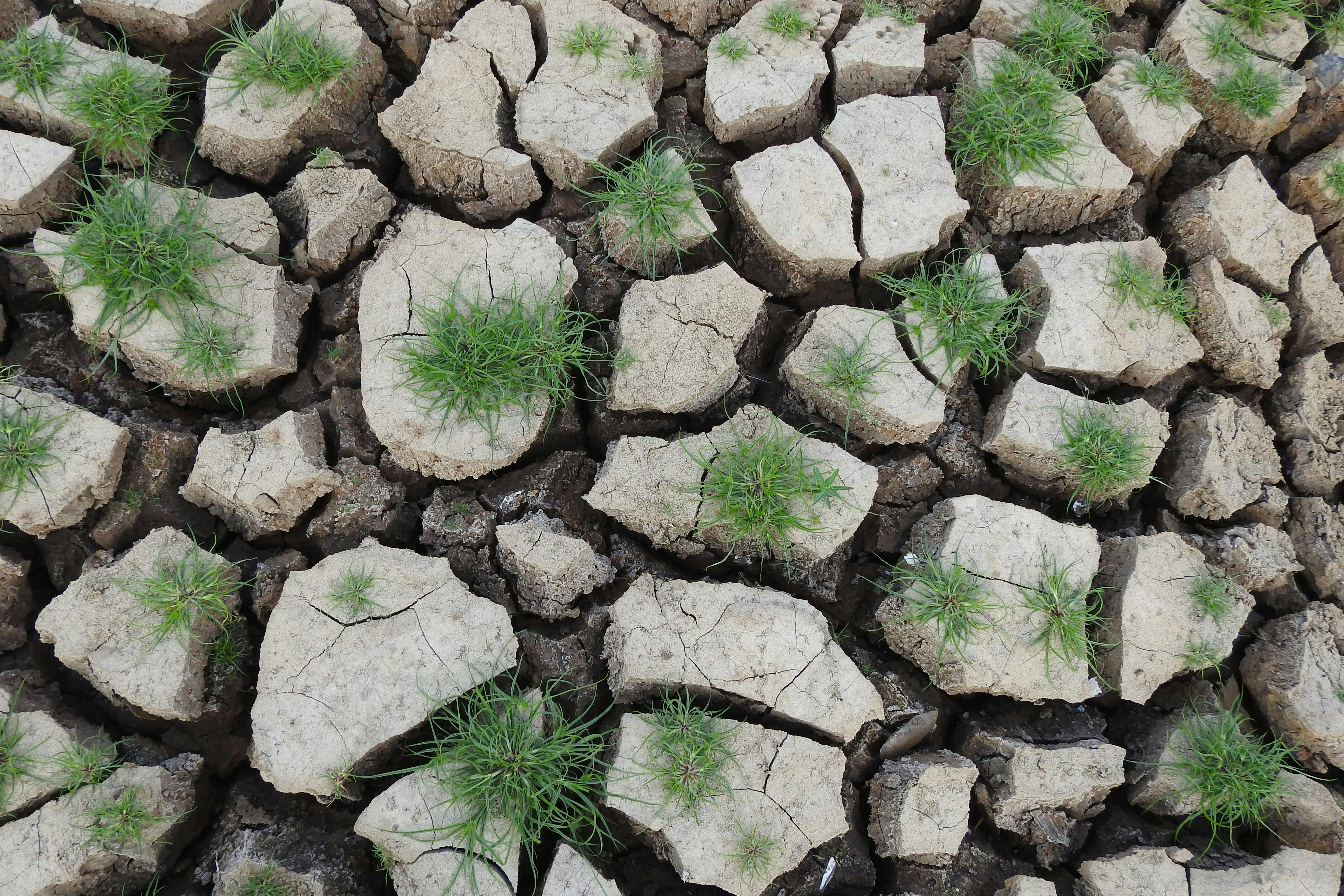
Not every El Niño effect is bad news for hunters. In regions that have been stuck in prolonged dryness, added moisture can improve browse, refill stock tanks, and strengthen habitat that looked stressed just a season ago. Better forage often means wildlife spreads into places that had become too dry to hold animals consistently.
That can create healthier looking landscapes and, over time, better body condition for deer, elk, and pronghorn. It may also open more reliable scouting opportunities around water and fresh feed.
Still, the benefits are uneven. A wet break after drought helps, but one good season does not erase years of stress across the range.
Stormier Weather Could Compress Safe Hunting Windows
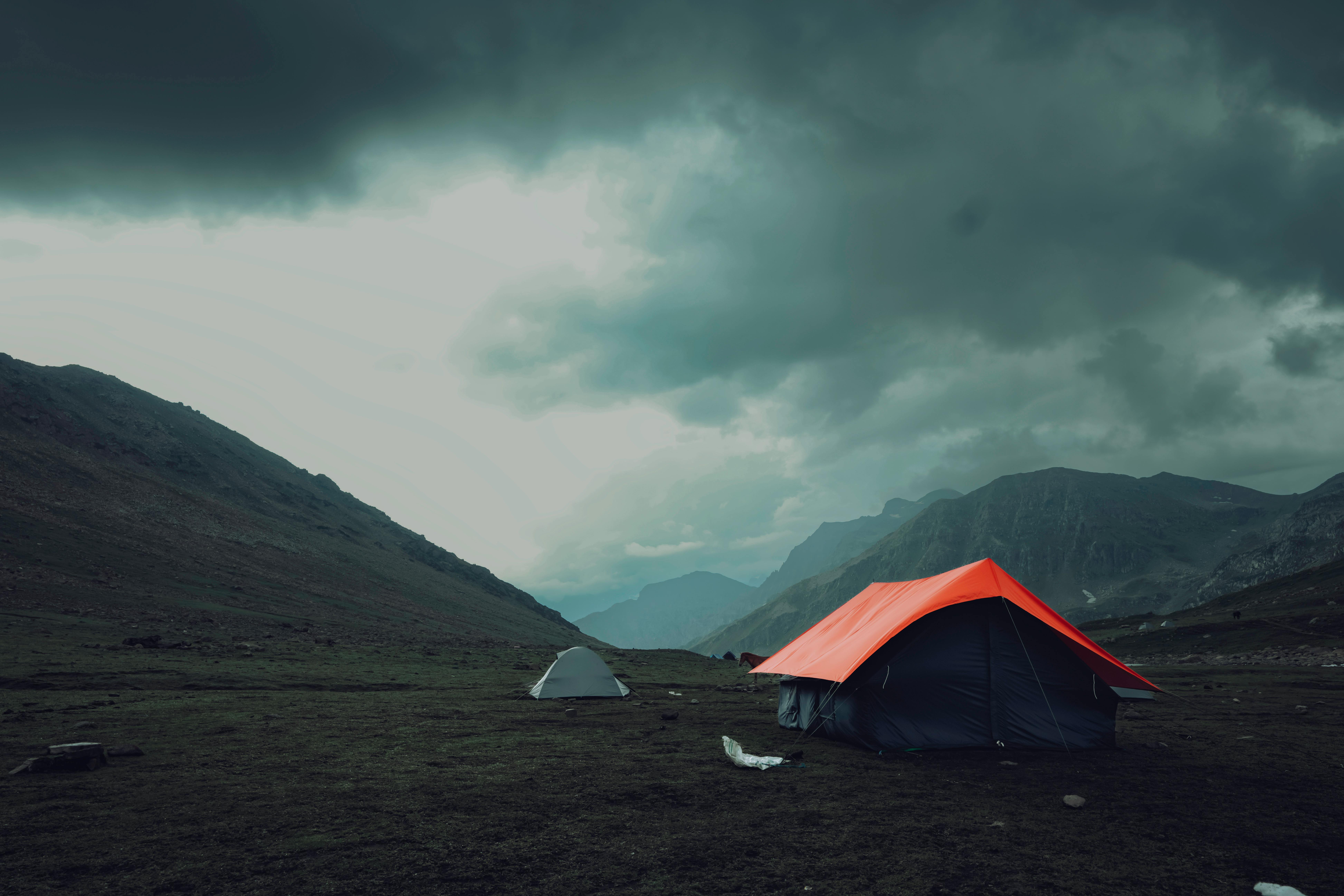
A stronger El Niño often means a busier storm track in parts of the country, and that can squeeze the number of comfortable, safe days available for long trips. High winds, lightning, heavy rain, and rapid weather changes do more than make people miserable. They can shut down glassing, increase travel risk, and force abrupt changes in camp plans.
For backcountry hunters, this is where logistics become part of the season story. More days stuck in tents or rerouting around swollen creeks can mean less time effectively hunting.
Short local outings may suddenly look smarter than ambitious trips built around ideal conditions that never arrive.
Travel Plans and Gear Choices May Matter More Than Ever

When weather patterns get less dependable, the hunters and outdoor travelers who adapt fastest usually save their season. A super El Niño year may reward people who pack for mud, heat, snow, and rain all in the same trip, especially across western states where elevation can completely change the forecast.
It also raises the value of flexible bookings, alternate units, and backup activities. If a trailhead is inaccessible or a river is blown out, having another option keeps a trip from becoming a total loss.
In other words, success may hinge less on rigid preseason plans and more on reading conditions in real time, then moving before everyone else does.