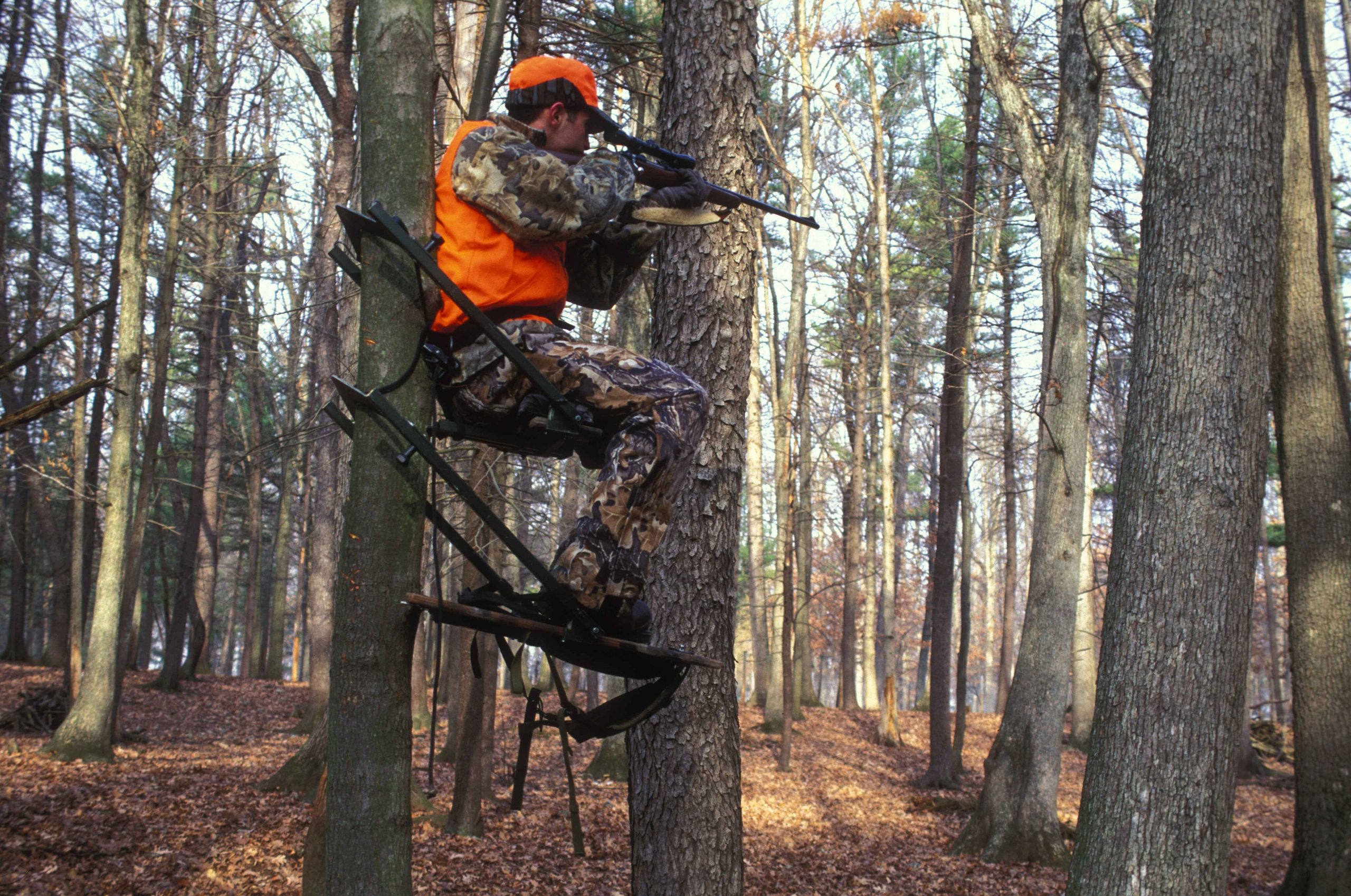
Treestand hunting can offer an excellent view, but being several feet above the ground changes the consequences of a simple mistake. The Arkansas Game and Fish Commission reported in September 2026 that treestand falls accounted for 75 to 80 percent of hunting accidents each year in its experience. It also noted that harness misuse remains a leading cause of falls. A separate national injury estimate from NSSF counted 4,700 hunting-with-firearms injuries in 2018, with tree-stand incidents included in that figure. The following mistakes are worth checking before every climb.
1. Skipping a Full Safety Check
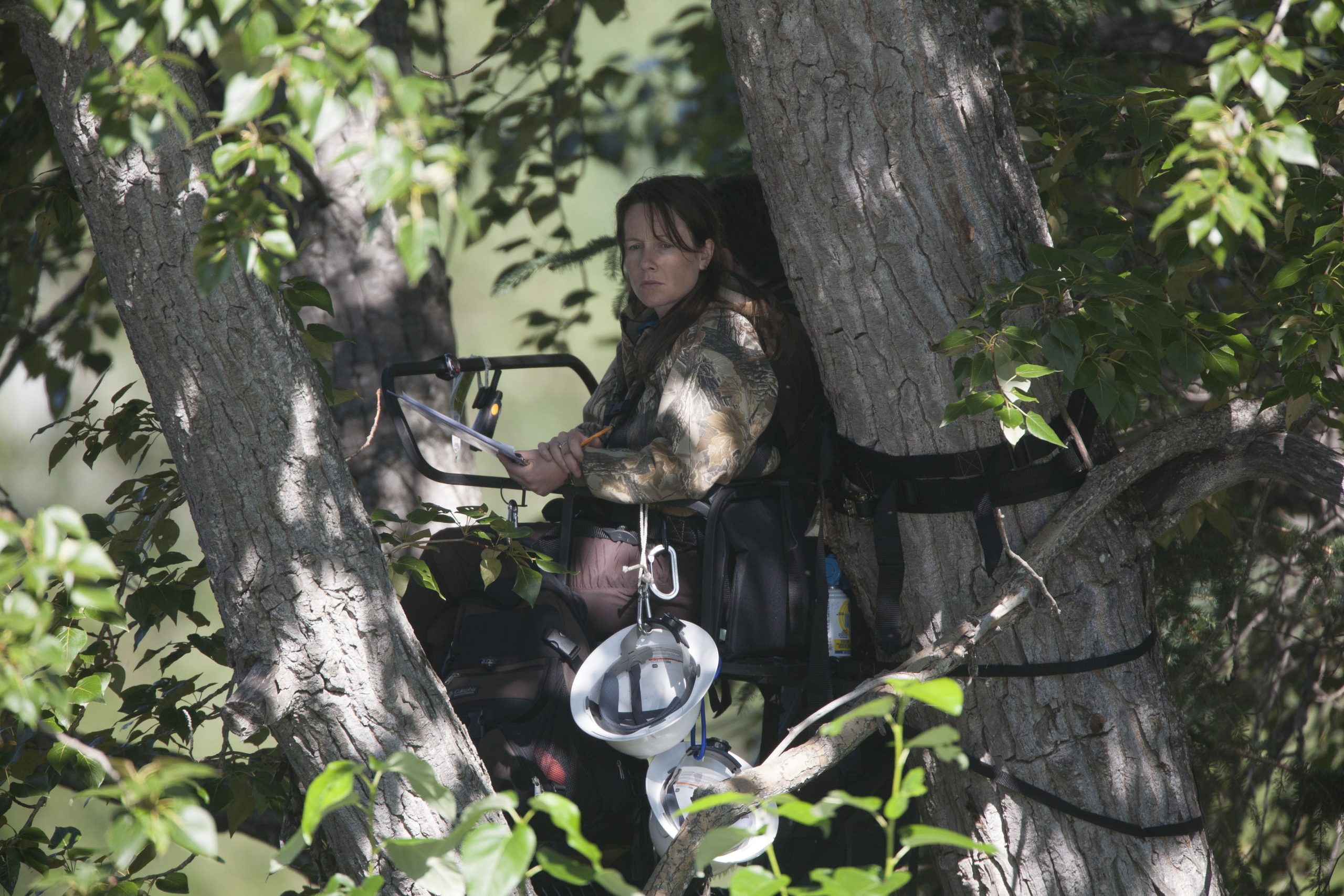
Before climbing, inspect every strap, cable, platform, weld, and attachment point. Look for cracked parts, loose hardware, rust, torn webbing, or a tree that has changed since last season. A stand can look fine while one weak connection carries the entire load. Give yourself 10 minutes for a deliberate inspection, then test the setup from the ground. If any component is questionable, replace it instead of improvising. The safest hunt is the one that starts with equipment you have already proved sound. Do not skip the check simply because the stand was safe last year.
2. Climbing Without a Fall-Arrest System
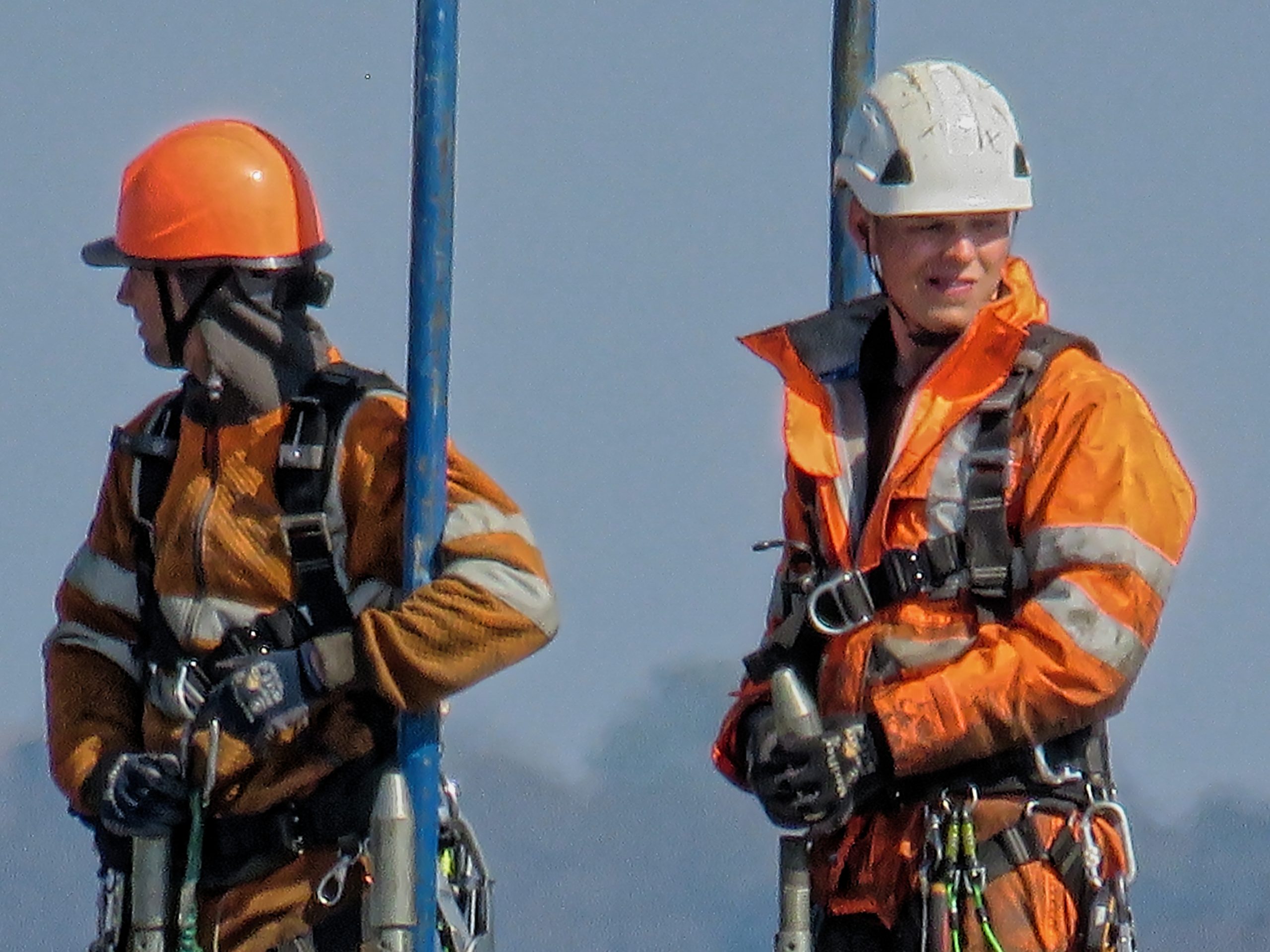
A harness is not useful if it stays in the truck. Connect a full-body fall-arrest system before leaving the ground, and keep it attached while climbing, hunting, and descending. The goal is to remain connected to the tree if a foot slips or a platform shifts. Do not rely on a branch, a backpack strap, or the stand itself as a substitute. One simple habit matters most: stay connected from the first step upward until both feet are safely back on the ground. Treat the connection as part of your clothing, not optional equipment. The key is 1 continuous connection from ground to ground.
3. Carrying Gear in Your Hands
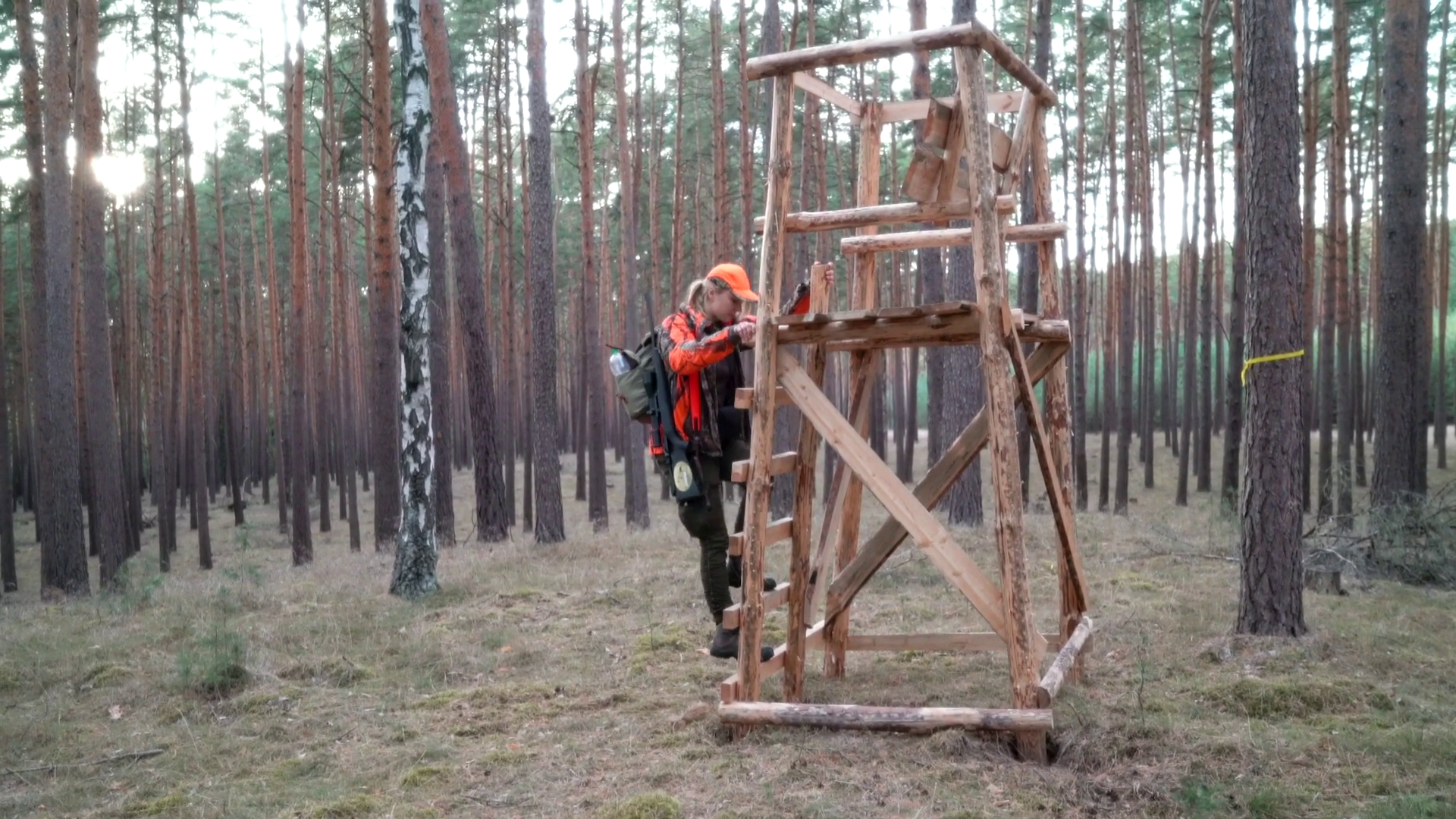
Climbing becomes awkward when a bow, rifle, pack, or other gear occupies both hands. That extra load can upset your balance exactly when you need three points of contact. Use a haul line to raise unloaded equipment only after you are securely positioned, and keep the line controlled so it cannot snag. A practical rule is 2 free hands for climbing and 3 points of contact whenever possible. If you cannot climb safely with your hands available, the gear should not be going up with you. Keep heavier items centered and avoid letting anything swing while climbing.
4. Choosing a Weak or Unsuitable Tree
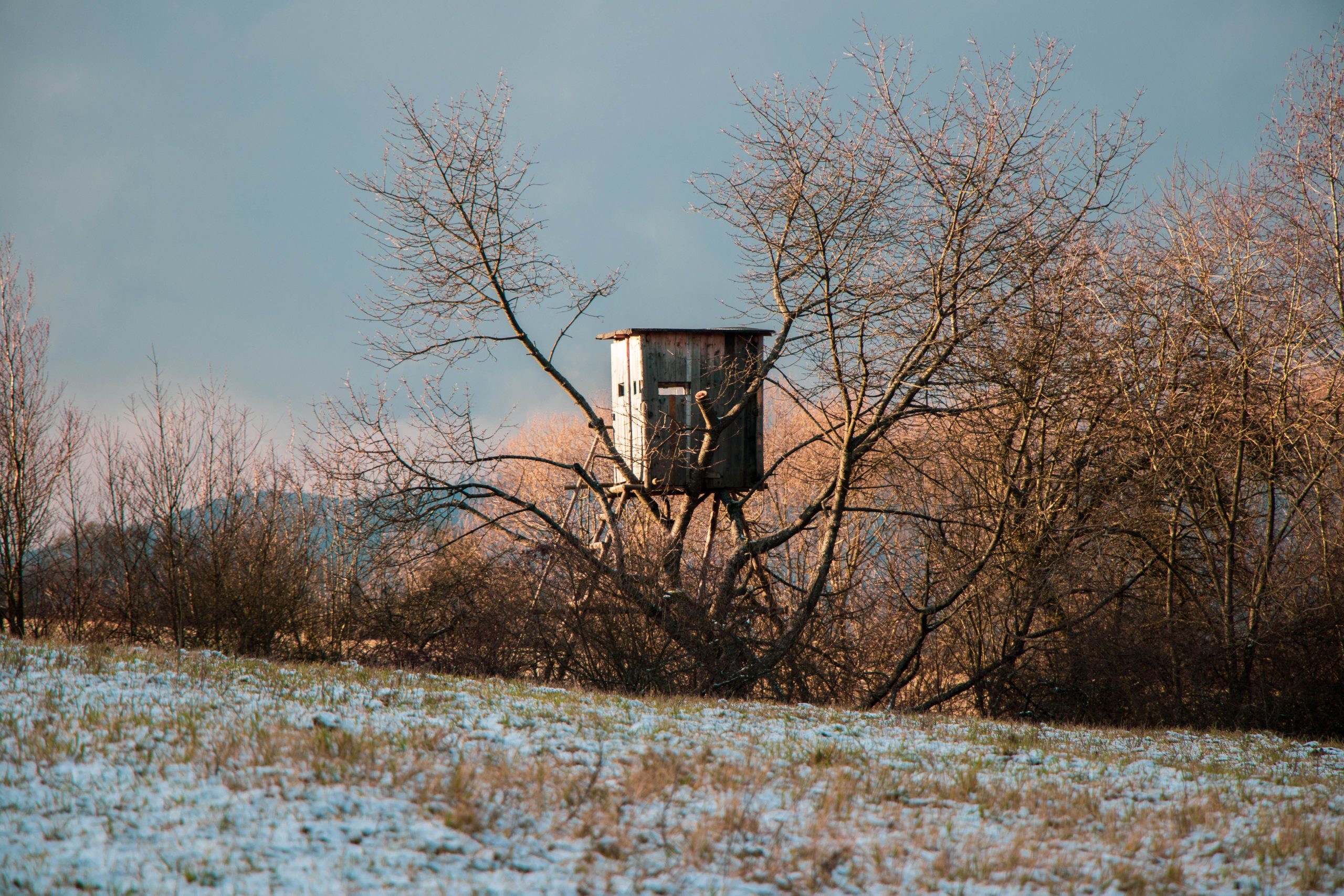
Not every tree is a safe tree stand location. Avoid dead, diseased, split, leaning, or unstable trees, and follow the stand maker’s instructions for minimum trunk size and tree type. Check the area around the base for loose soil, roots, ice, rocks, and branches that could interfere with climbing. A healthy tree is only part of the decision; the stand must also sit level and make solid contact. Spend 5 minutes evaluating the tree before spending an hour preparing the stand. Remember that a good-looking tree can still be unsafe if the ground or approach is poor.
5. Ignoring Weather and Ice
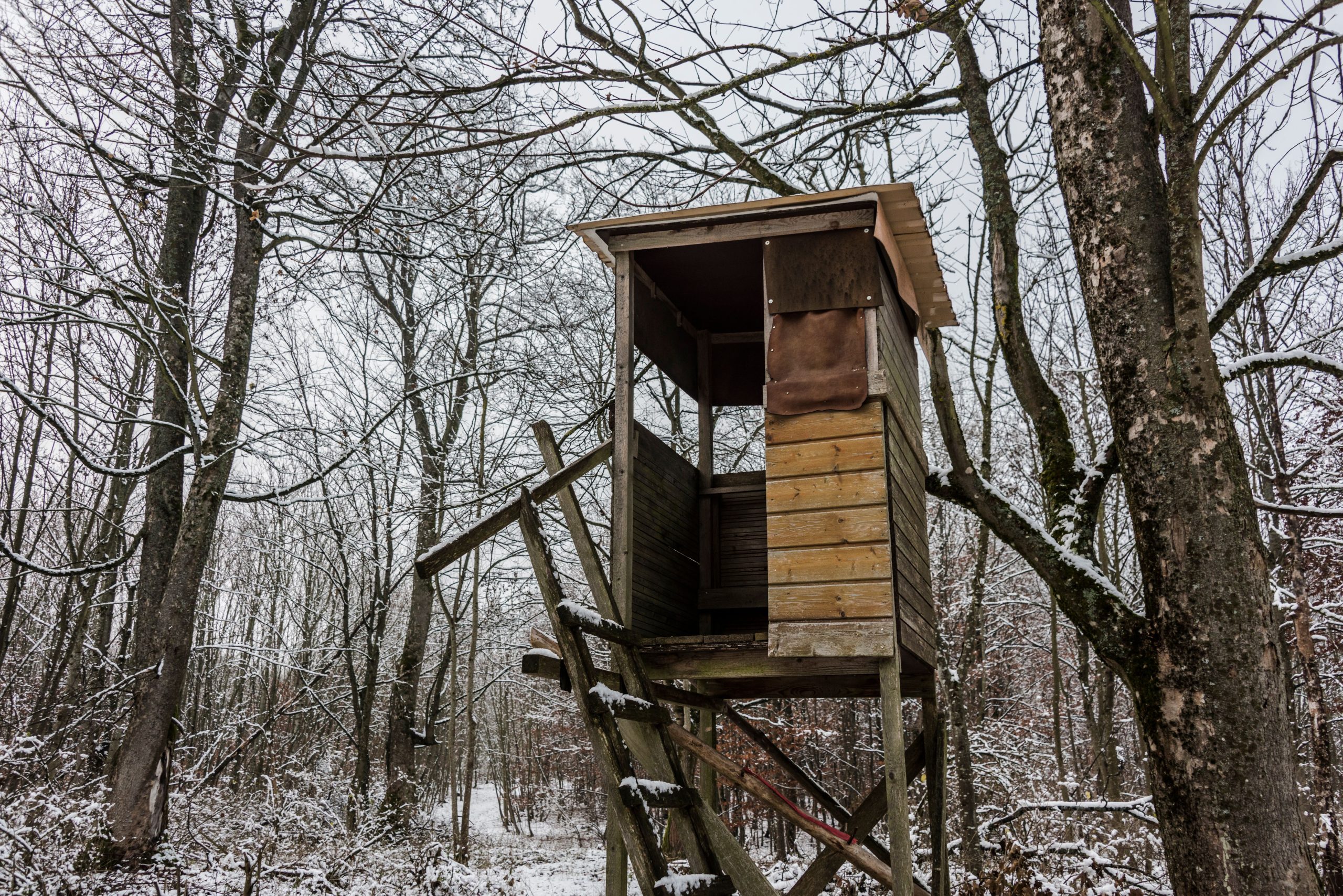
Wind, rain, snow, and ice can change a safe setup into a dangerous one surprisingly fast. Wet steps can become slick, frozen straps can lose flexibility, and strong wind can move branches or make climbing unstable. Check the forecast before leaving and reassess conditions when you arrive. If temperatures, visibility, or wind make the climb questionable, hunt from the ground instead. Waiting 1 day is a far better choice than turning a routine climb into an emergency. A forecast that looks manageable at home can feel very different once you are 20 feet up.
6. Rushing the Climb at Dawn
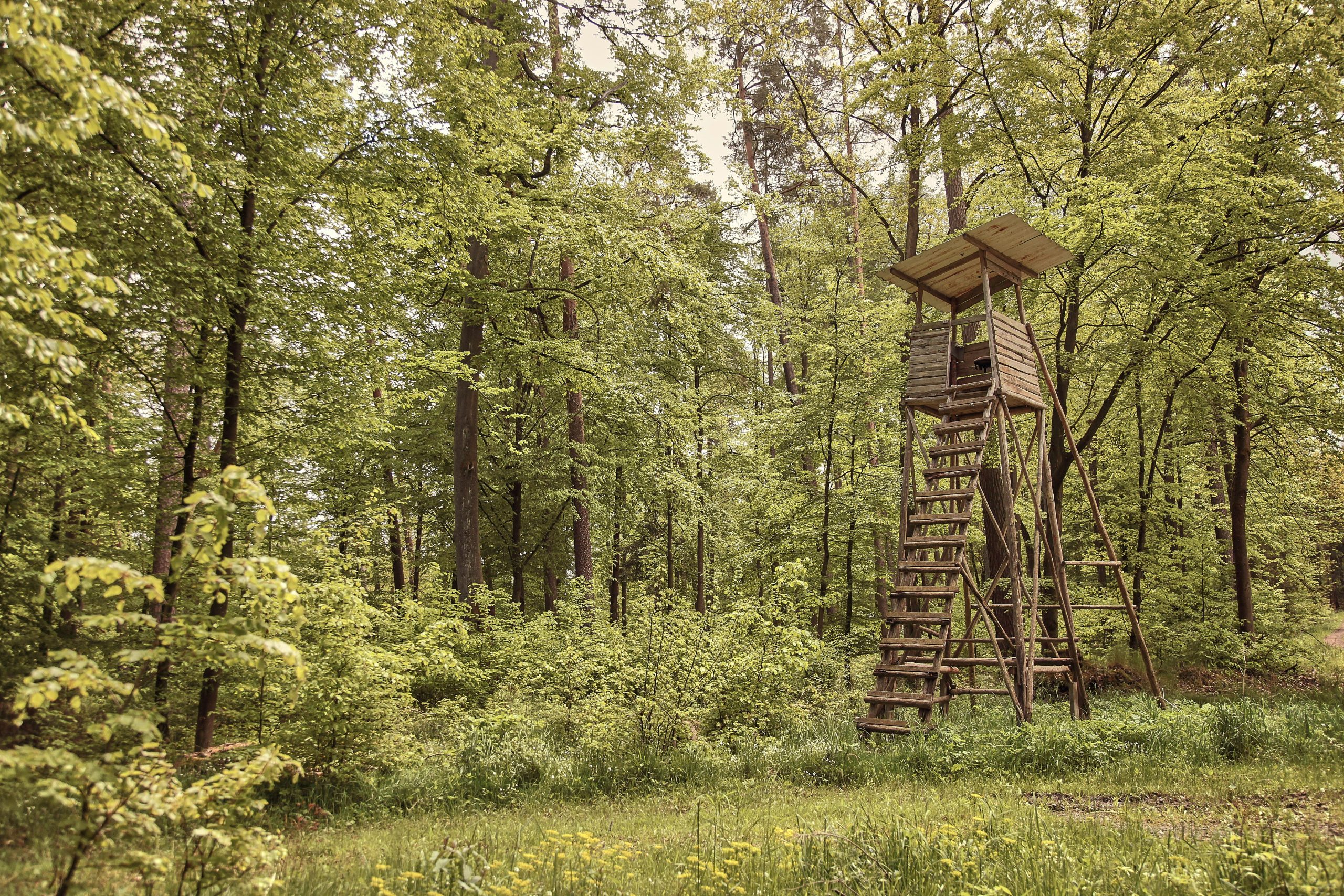
Early-morning pressure causes avoidable mistakes. Hunters may climb in darkness, hurry because legal shooting time is approaching, or focus on reaching the stand before deer move. Use a headlamp, clear the route, and climb deliberately rather than racing the clock. Give yourself at least 15 extra minutes so darkness does not force shortcuts. If you cannot clearly see your hands, steps, and attachment points, slow down or wait for enough light. Arriving late is inconvenient; falling is far more serious. The extra time also lets you notice changes in the route that were hidden during daylight.
7. Overloading the Platform
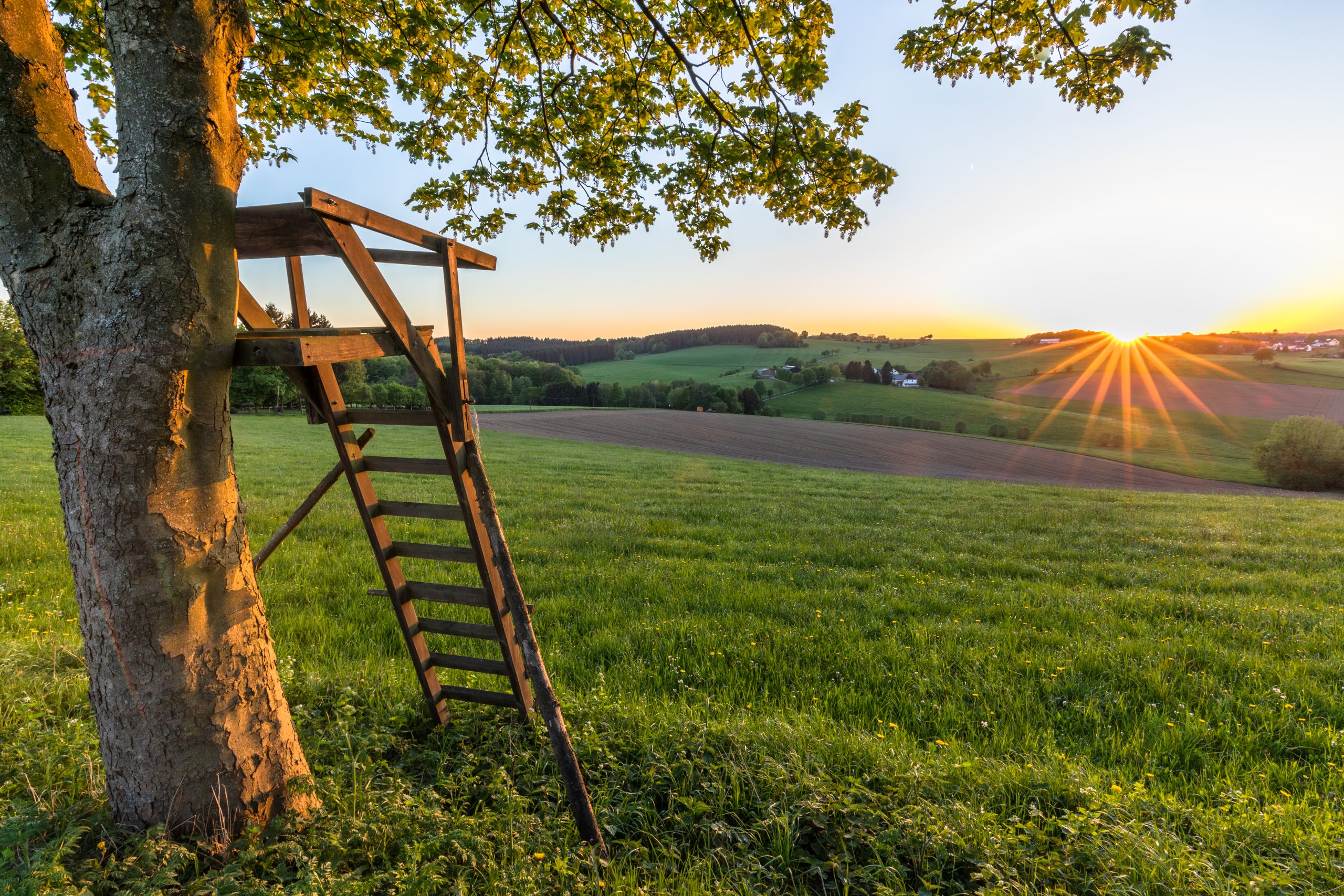
Every stand has a stated weight limit, and that limit includes the hunter plus clothing and equipment. A 300-pound rating does not mean a 300-pound hunter can safely add a heavy pack, weapon, camera, and extra gear. Know the manufacturer’s number and stay below it. As a simple check, count 4 categories: your body weight, clothing, equipment, and any other person or load. Never add a second person unless the stand is specifically designed and rated for two. Overloading can affect stability even when nothing visibly breaks. A safety margin is better than operating at the maximum.
8. Moving Carelessly While Aiming
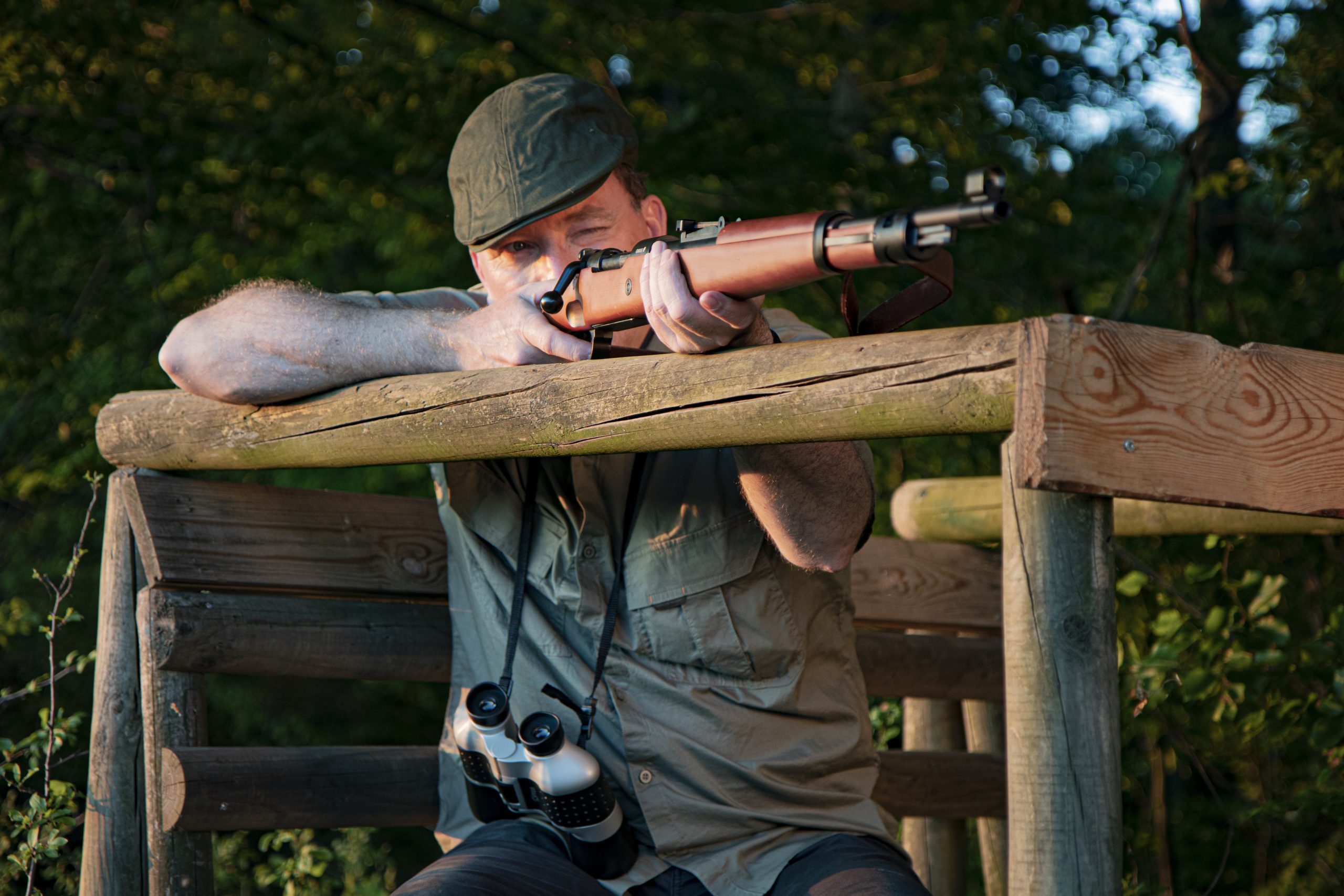
Many falls happen after the hunter is already settled, when attention shifts toward an animal. Twisting to watch a deer, leaning far outside the platform, standing too quickly, or reaching for equipment can change your center of gravity. Keep your movement controlled and remain connected to the tree. If an animal approaches from an awkward direction, let it pass rather than forcing an unsafe shot or position. A missed opportunity costs nothing compared with a fall. Keep both feet supported and use patience as a safety tool. Make the shot only when you can stay balanced and maintain control.
9. Leaving Without a Recovery Plan
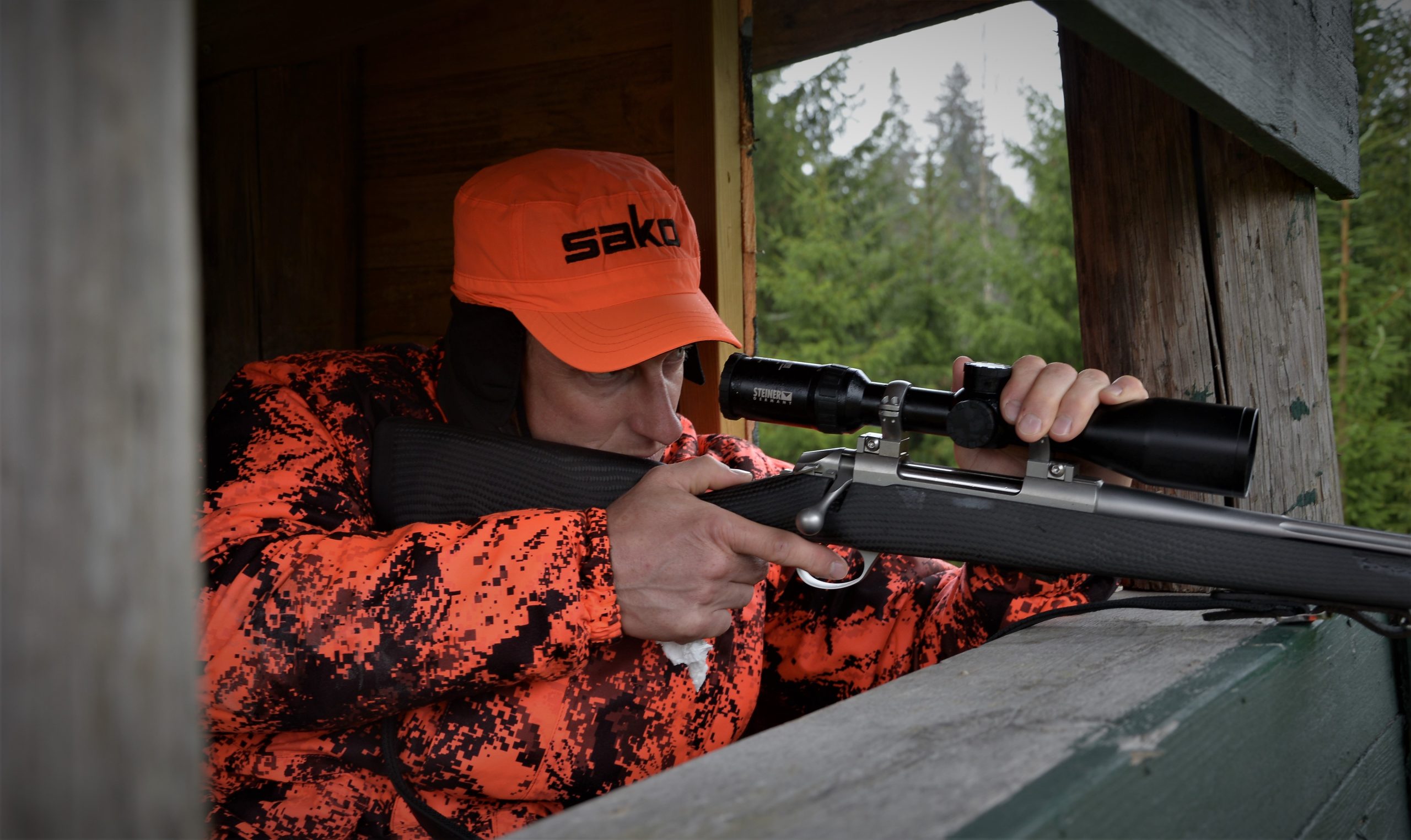
Even a careful hunter should plan for the possibility of a fall, injury, or delayed return. Tell someone where you will be, when you expect to return, and what to do if you miss that check-in. Carry a charged phone, but do not treat it as a rescue plan because coverage can fail in remote woods. A simple 3-part plan works well: location, expected return time, and emergency contact. Check the route out before dark, and never assume another person will notice that you are overdue. This information also makes it easier for rescuers to find the correct location quickly.