The Weatherby Vanguard occupies an interesting place in hunting-rifle history. It was created to bring Weatherby’s name to hunters who wanted dependable performance without paying Mark V money. Over the decades, the Vanguard built its reputation around practical action, strong accuracy standards, useful chamberings, and a surprisingly refined trigger. It is not simply a cheaper rifle wearing a famous name. Its appeal comes from how carefully it balances cost, durability and real-world hunting performance.
1. It Was Built to Be Affordable
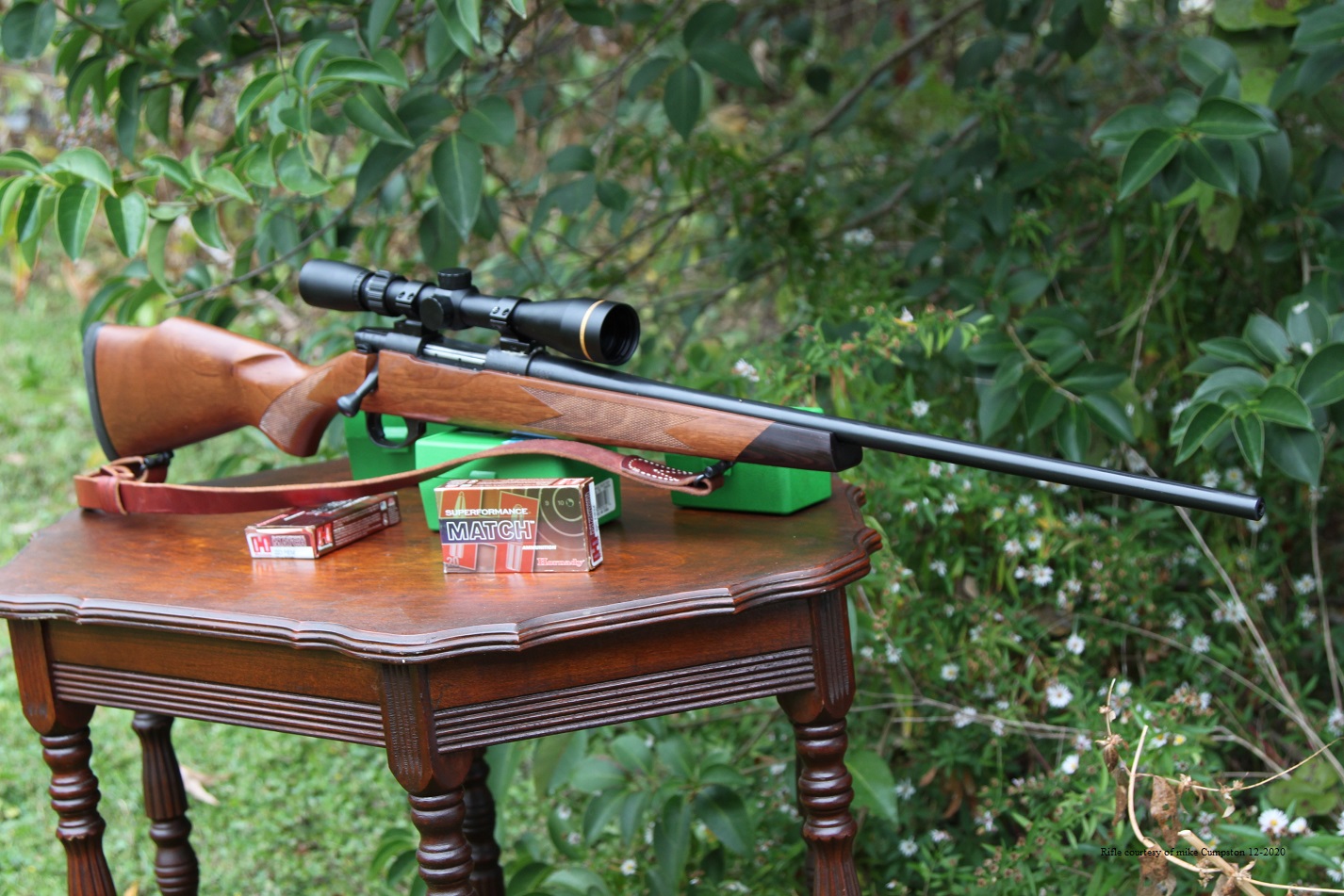
The Vanguard began in 1970 as Weatherby’s answer to hunters who admired the Mark V but could not justify its price. Weatherby contracted with Japan’s Howa to produce the value-oriented rifle, giving it a durable bolt action without the premium cost. That idea still defines the platform: practical construction, hunting-focused features, and pricing aimed at ordinary sportsmen. The result felt more substantial than its budget label suggested. It made Weatherby ownership realistic for a wider audience while retaining the brand’s focus on accuracy and dependable field performance.
2. The Howa Action Earned Confidence
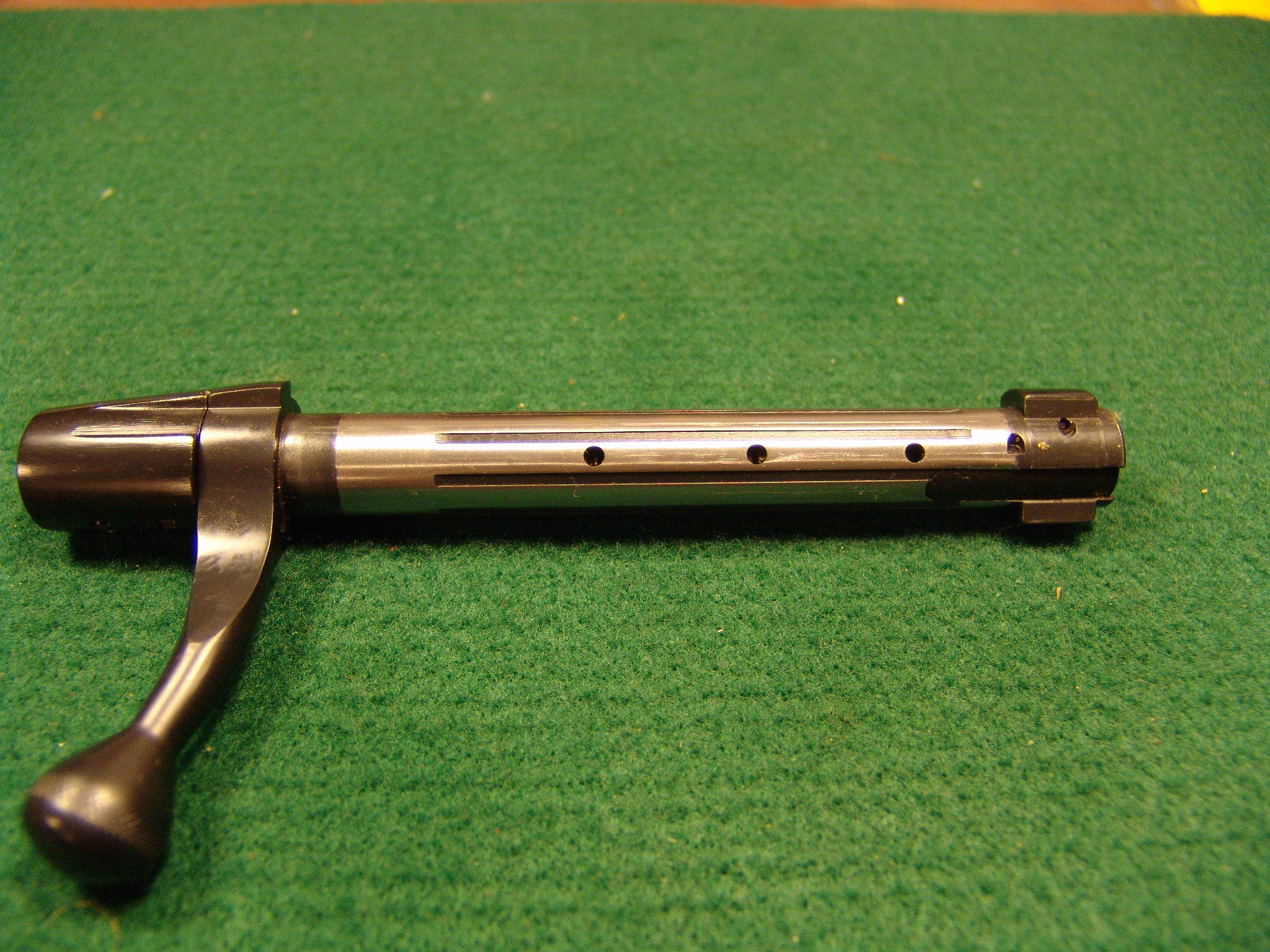
A major reason the Vanguard developed a strong reputation is its Howa-made action. The push-feed design uses two opposed locking lugs, a spring-loaded extractor and plunger ejector, while the fluted bolt body reduces bearing area and gives debris more room to clear. The receiver also uses an integral recoil lug on Vanguard versions designed that way. These details are not glamorous, but they matter in a hunting rifle. The result is a straightforward mechanical layout, proven over decades and familiar to hunters who value dependable operation over novelty.
3. Sub-MOA Accuracy Changed the Conversation

Accuracy is where the Vanguard stopped looking like an ordinary budget rifle. Current Weatherby Vanguard rifles carry a three-shot, 0.99-inch-or-better guarantee at 100 yards with Weatherby or premium ammunition, measured from a cold barrel. Earlier generations had less demanding guarantees before Weatherby introduced the MOA and later Range Certified concepts. A guarantee does not mean every load will group under one inch. Still, putting a sub-MOA standard on an affordable hunting rifle raised expectations for factory accuracy and gave buyers a clear performance benchmark.
4. Its Two-Stage Trigger Was a Big Upgrade

The Series 2 Vanguard brought a notably improved two-stage trigger, giving the rifle a more refined feel than many hunters expected at its price. The first stage provides controlled take-up before the second stage releases the sear, allowing the shooter to prepare for the break without fighting a heavy, vague pull. Weatherby describes it as match quality and adjustable, with specifications varying by model. Older Series 2 testing recorded a factory setting near 3 pounds and an adjustment down to about 2 pounds, 8 ounces. That made the trigger one of the Vanguard’s standout features.
5. Cold-Hammer-Forged Barrels Added Durability

The Vanguard’s barrel construction is another reason hunters have trusted the platform for years. Standard Series 2 Synthetic examples use a 24-inch cold-hammer-forged barrel with a recessed crown that helps protect the rifling at the muzzle. The process is valued for consistent bore geometry and durability, while the hunting contour keeps weight manageable. There is a trade-off: a relatively light barrel can heat faster during extended range sessions. For hunting, the design makes sense because it is built around a few deliberate shots in the field.
6. It Offered an Unusually Wide Caliber Menu
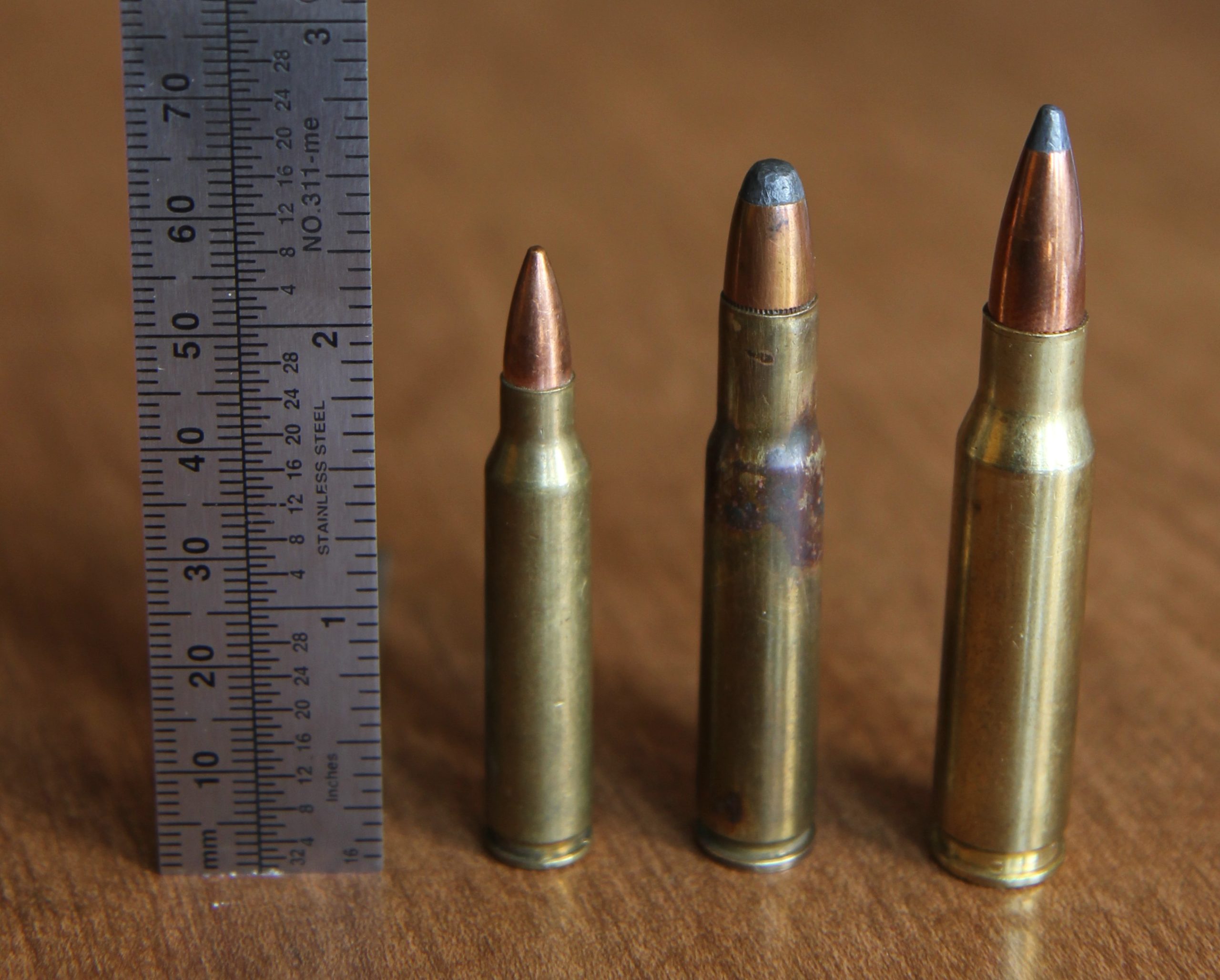
The Vanguard has never been tied to one narrow idea of hunting. The family has appeared in numerous chamberings, from varmint cartridges to powerful magnums. Published Series 2 specifications included choices from .223 Remington through .338 Winchester Magnum, with familiar rounds such as .243 Winchester, .270 Winchester, .308 Winchester, and .30-06 Springfield in the broader lineup. Weatherby cartridges added another dimension. That range lets hunters choose a Vanguard around their game, terrain, and preferred recoil level rather than forcing every buyer into one formula.
7. The Stock Was Designed for Real Hunting
The Vanguard Series 2 also improved the way the rifle sits against the shoulder. Its synthetic stock uses a Monte Carlo-style profile, with a raised comb and recoil pad designed for practical field shooting. Rubber inserts on some versions add grip when conditions turn unpleasant. A typical Series 2 synthetic model measured about 44.5 inches overall and weighed roughly 7 to 7.5 pounds before optics, depending on chambering and configuration. That is not ultralight mountain-rifle territory, but it is a sensible compromise. It can also make harder-recoiling cartridges more manageable.
8. Simple Features Made It Easy to Live With
The Vanguard avoids loading the rifle with complicated features that hunters may never use. A hinged floorplate provides straightforward access to the internal magazine, while the three-position safety allows the action to be cycled with the trigger secured in the middle position. The bolt has a fully enclosed shroud, while fluting gives fouling and debris more clearance. Scope mounting is uncomplicated because the receiver is drilled and tapped. None is revolutionary alone. Together, they create a familiar package for hunters who value field use over bench time.
9. The Value Was More Than the Price Tag

The Vanguard’s lasting appeal comes from how many desirable traits it combines without demanding a premium-rifle budget. Historical Series 2 examples were listed around the $600 range, while later versions and specialized models moved higher. Buyers received a Howa-based action, forged barrel, adjustable trigger, practical stock, and a notable accuracy guarantee. It was never the lightest or fanciest option, and configurations differ. Its achievement was balance: hunting refinement, durability, and accuracy that made the purchase feel like an investment.