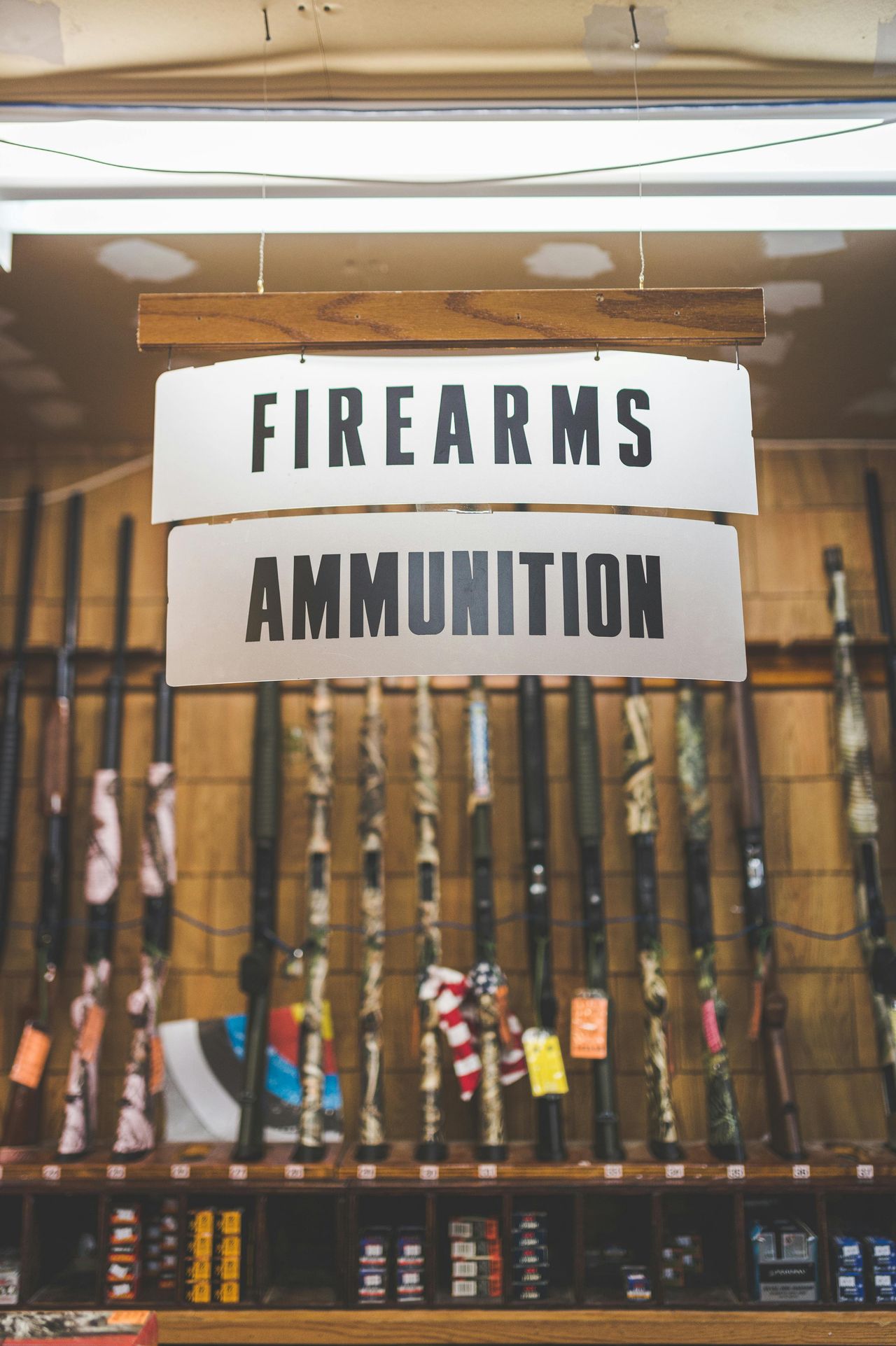
The connection between buying firearms or ammunition and funding wildlife conservation is easy to miss because the money is collected before most buyers ever see a retail price. The system began in 1937 and has evolved into one of America’s longest-running conservation funding mechanisms. Known as Pittman-Robertson, it turns selected firearm, ammunition, and archery purchases into a continuing source of support for wildlife, habitat, education,n and outdoor recreation. Here are 9 important facts that explain how that remarkable system works.
1. Born in 1937, Not 1936

The story begins in 1937, when Congress created the Federal Aid in Wildlife Restoration Act, better known as the Pittman-Robertson Act. That makes the program 89 years old in 2026, approaching its 90th anniversary in 2027. Its central idea was unusually direct: place a federal excise tax on selected firearms and ammunition, then dedicate the resulting revenue to wildlife restoration. Instead of disappearing into ordinary spending, the money became a long-running conservation stream tied to outdoor equipment purchases. Few federal programs have kept that link intact for so long.
2. The Buyer Does Not Write the Tax Check

A common misconception is that a customer pays a separate Pittman-Robertson charge at the gun counter. The federal excise tax is actually imposed on the manufacturer, producer, or importer, generally using the manufacturer’s sale price as the tax base. Businesses may pass some or all of that cost into retail prices, so buyers can still help fund the system indirectly. Today, the rate is 11% for most firearms and ammunition, while pistols and revolvers carry a 10% rate. That makes the tax different from a typical retail sales tax.
3. Ammunition Helps Feed the Fund

A box of cartridges does more than support a trip to the range. Ammunition is among the products subject to the 11% federal excise tax that finances Pittman-Robertson wildlife restoration. The tax is collected upstream rather than as a separate checkout line item. That distinction matters because the percentage is applied to the manufacturer’s price, not simply the final shelf price after every retailer markup. Every taxable sale therefore connects commercial ammunition demand with a national conservation funding mechanism. The contribution is indirect, but its cumulative effect is substantial.
4. It Covers More Than Game Animals

Pittman-Robertson is not simply a program for producing more huntable animals. The U.S. Fish and Wildlife Service says its grants support restoration, conservation, management, and enhancement of wild birds and mammals and their habitats. Funding can also support research, wildlife-area acquisition and management, hunter education, public access,s and shooting-range development. The result is broader than a single species: the same funding structure can benefit ecosystems, recreation, and wildlife management across multiple categories. Its reach is therefore much wider than hunting alone.
5. States Get the Money Through a Formula

The revenue does not simply arrive in every state as an equal check. Pittman-Robertson funds are apportioned using a formula that considers two major factors: state land area and the number of paid hunting licenses. Federal support can cover up to 75% of approved project costs, leaving states responsible for the remaining share. That structure makes the program a partnership rather than a one-way federal payment, encouraging state agencies to commit their own resources while leveraging conservation dollars. The formula also recognizes differences in geography and hunting participation.
6. The Numbers Have Become Enormous
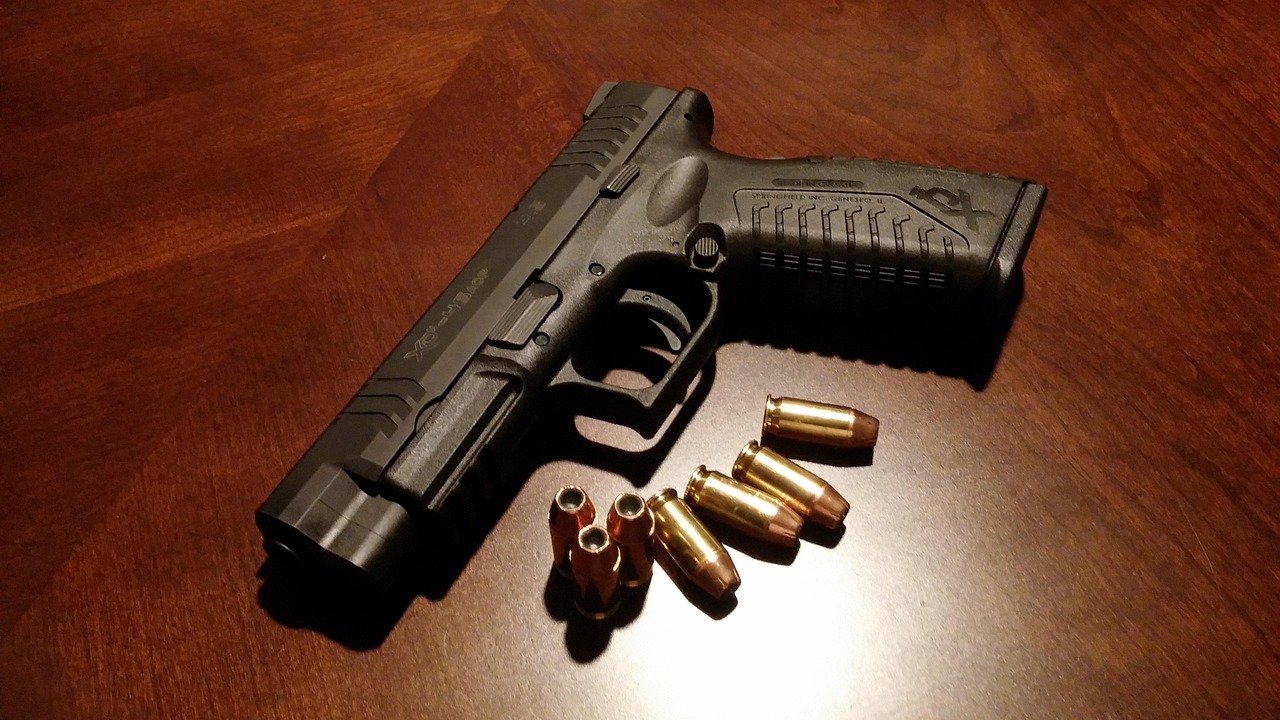
The scale of the system is difficult to appreciate from a single ammunition purchase. The U.S. Fish and Wildlife Service reports that sportsmen and women have contributed more than $14 billion to conservation through Pittman-Robertson since 1937. Earlier congressional analysis also recorded $761.6 million in firearms and ammunition excise-tax revenue in fiscal year 2017 alone. These figures show why the tax matters: small percentages attached to millions of taxable purchases can become a major long-term conservation fund. The revenue has accumulated across generations.
7. It Also Pays for Hunter Education

Wildlife conservation is only one side of the program. Pittman-Robertson funding can support hunter education and safety programs, helping states teach responsible hunting practices and improve participation standards. The program can also contribute to shooting-range development and management, giving communities places for lawful recreational shooting and training. That creates a practical feedback loop: the products generating the tax help finance education and management that support outdoor activities and wildlife resources. It therefore invests in people, facilities, and habitat.
8. The Tax Reaches Beyond Hunting

You do not have to use a firearm for hunting for the underlying excise tax to apply. Congressional research notes that the Pittman-Robertson tax applies whether or not the equipment is likely to be used for hunting. That means a person buying ammunition for target shooting or a firearm for another lawful purpose can still contribute indirectly to the same conservation funding stream. The system therefore reaches a wider group of firearm owners than the word wildlife might initially suggest. The funding model follows product sales, not the buyer’s personal reason for owning the equipment.
9. The 90-Year Legacy Is Still Growing

Nearly nine decades after 1937, Pittman-Robertson remains one of America’s most durable examples of a user-funded conservation model. The U.S. Fish and Wildlife Service describes it as the nation’s oldest and most successful wildlife restoration program, supporting projects across states and territories. The striking part is the continuity: a tax created 89 years ago still links today’s firearm and ammunition market to habitat work, wildlife management, research, education, and outdoor access, making ordinary purchases part of a much larger conservation story.