
The dum-dum bullet occupies a controversial place in military history, symbolizing the moment when warfare began to confront its own moral boundaries. Developed in the late nineteenth century, these expanding bullets were originally intended to increase stopping power. However, their battlefield effects quickly raised serious ethical and humanitarian concerns. As international conflicts grew more organized, nations began questioning whether certain weapons caused unnecessary suffering. The debate surrounding dum-dum bullets helped shape modern laws of war and forced governments to define limits on acceptable force. Their eventual ban reflects a broader shift toward balancing military effectiveness with human dignity during armed conflict.
1. Excessive Tissue Damage
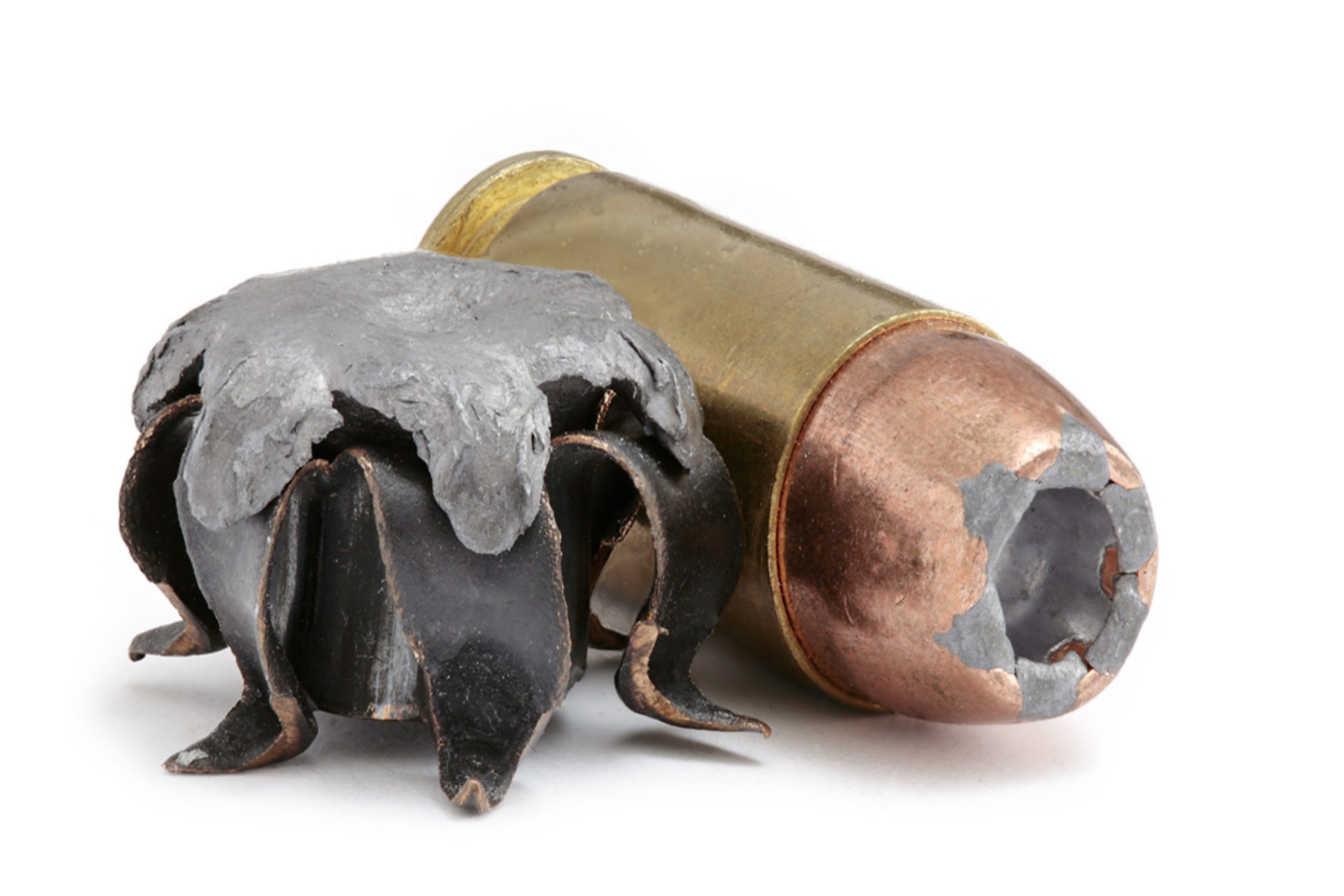
One of the primary reasons dum-dum bullets were banned was the extreme tissue damage they caused upon impact. Unlike full metal jacket rounds, these bullets expanded rapidly, creating large wound cavities. Medical reports from early conflicts described devastating injuries that were difficult to treat, even with immediate care. Soldiers struck by these rounds often suffered massive trauma rather than clean penetration. This level of destruction was seen as unnecessary for disabling an enemy combatant. International observers argued that such wounds went beyond neutralizing a threat and instead inflicted prolonged suffering, violating emerging principles of humane warfare.
2. Increased Risk of Infection
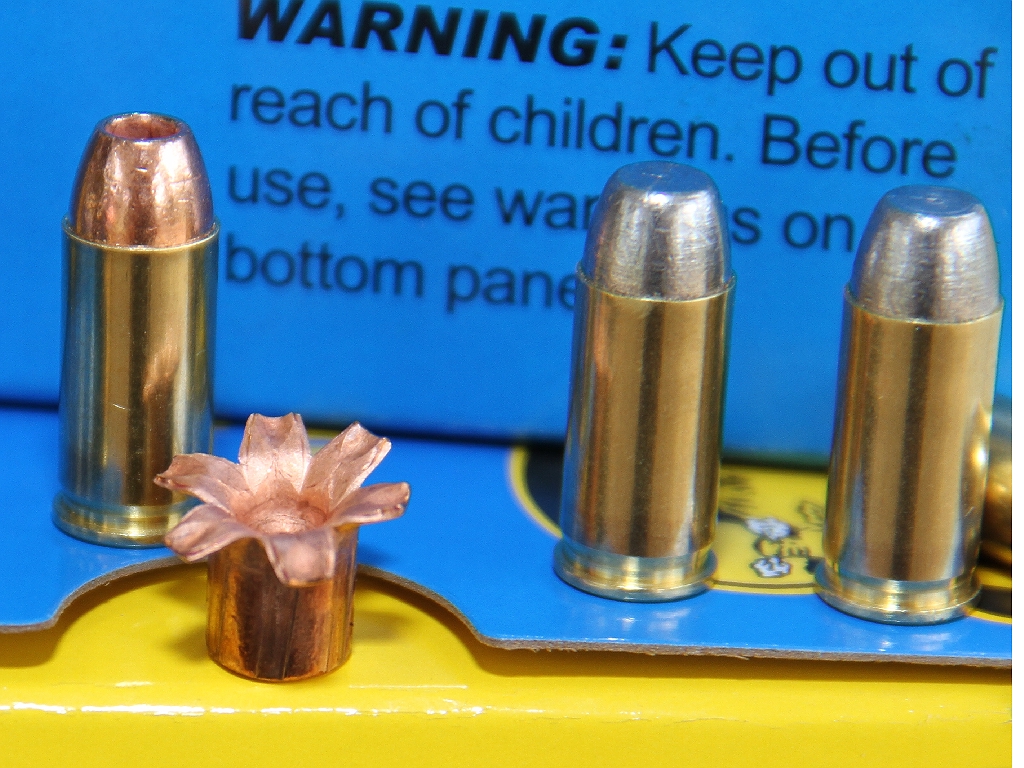
Battlefield medicine during the late nineteenth and early twentieth centuries was limited, making infection a leading cause of death. Dum-dum bullets worsened this problem by tearing tissue unevenly and carrying debris deep into wounds. The expanded bullet often fragments or drags fabric and dirt inside the body. These injuries were far more likely to become infected, leading to gangrene or fatal complications. Military doctors consistently reported lower survival rates among soldiers wounded by expanding ammunition. This medical reality strengthened the argument that such bullets caused avoidable suffering, even after combat had ended.
3. Violation of Emerging War Ethics

As international law evolved, nations sought to formalize rules that reduced unnecessary cruelty in war. Dum-dum bullets became an early test case for these principles. Their design was viewed as intentionally maximizing injury rather than achieving strategic objectives. This clashed with the growing belief that weapons should incapacitate efficiently, not cruelly. The Hague Conventions reflected this shift by prohibiting arms that caused superfluous injury. The ban was not about eliminating violence, but about defining ethical limits. Dum-dum bullets symbolized a line that many nations agreed should not be crossed.
4. Diplomatic and Political Pressure

The use of dum-dum bullets created significant diplomatic tension among global powers. Reports of their effects sparked outrage in international media and political circles. Countries feared retaliation in kind if such ammunition became widespread. The possibility of escalating brutality pushed governments toward collective restraint. By agreeing to ban expanding bullets, nations reduced the risk of reciprocal escalation. The decision was as much political as moral, reflecting concerns about reputation, alliances, and global stability. The ban allowed states to demonstrate commitment to civilized conduct, even while preparing for large-scale warfare.
5. Standardization of Military Ammunition
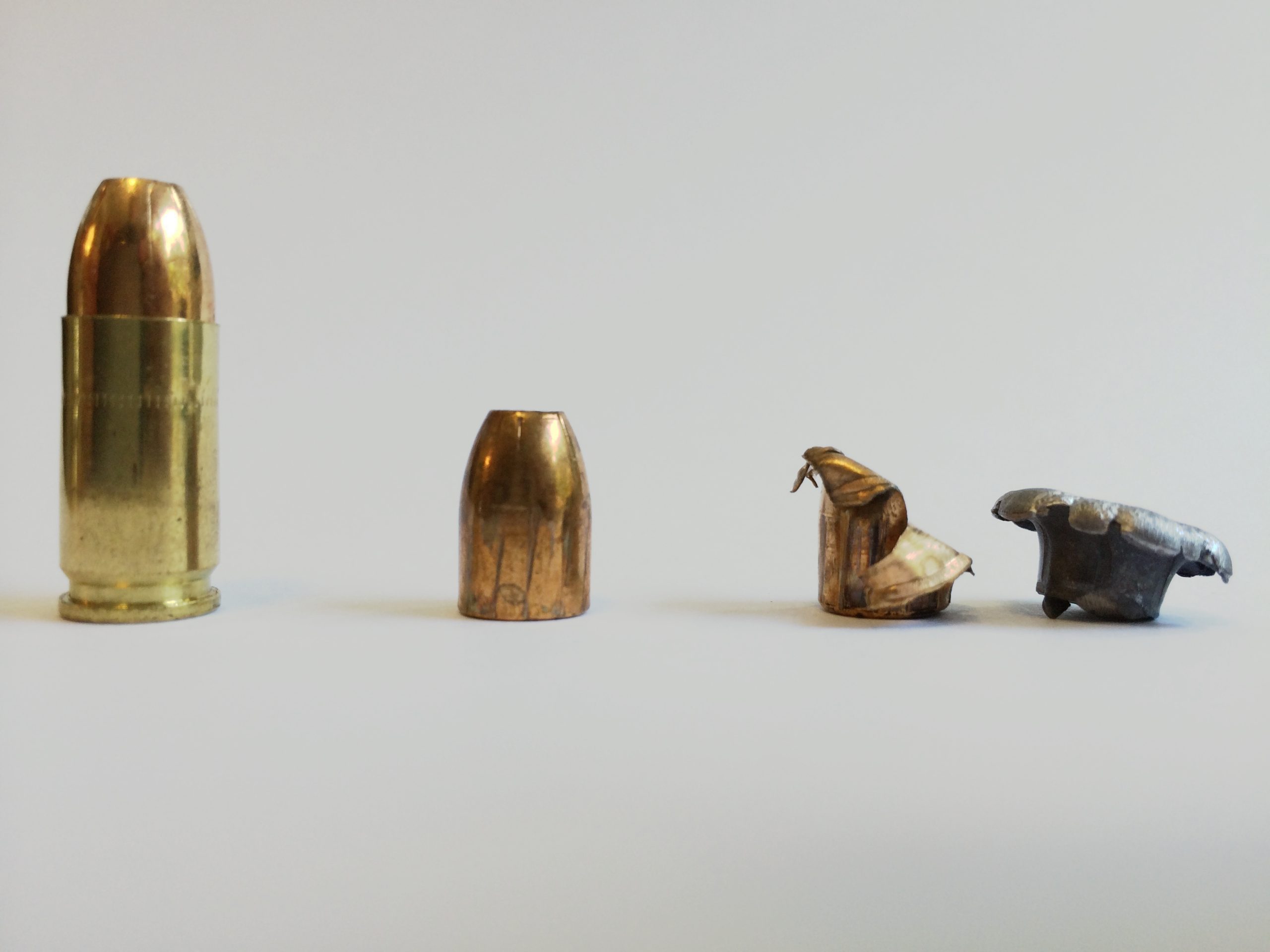
Another key factor behind the ban was the push for standardized military equipment. Full metal jacket ammunition offered predictable performance, easier mass production, and compatibility across platforms. Expanding bullets complicated logistics and raised ethical concerns simultaneously. By banning dum-dum bullets, militaries streamlined supply chains while aligning with international agreements. This standardization reinforced discipline and accountability in the armed forces. Over time, it became clear that effective warfare did not require weapons designed to maximize suffering. The shift toward uniform ammunition reflected both practical efficiency and evolving moral responsibility.