At first, the Beretta 92 often feels exactly like its reputation suggests: smooth, proven, and instantly recognizable. Then the first year passes, the round count climbs, and owners start noticing the small truths that rarely make it into glowing first impressions. This gallery explores the habits, quirks, costs, and satisfactions that tend to show up only after living with the pistol for a while.
It feels bigger the longer you own it

In a gun-store handling session, the Beretta 92 can seem surprisingly balanced for a full-size pistol. After a year of range trips, safe storage, and maybe a few attempts at carrying it, many owners realize that its size is not just a spec sheet detail. It is a constant part of the experience.
The long slide, broad grip, and overall footprint start influencing everything from holster choices to where it fits in a range bag. People who loved the gun on day one often still love it later, but they become much more honest about how large it really is in everyday use.
That does not make it a flaw. It just means the pistol asks for more space, more intention, and a little more commitment than quick reviews usually admit.
The weight becomes either the best part or the deal-breaker
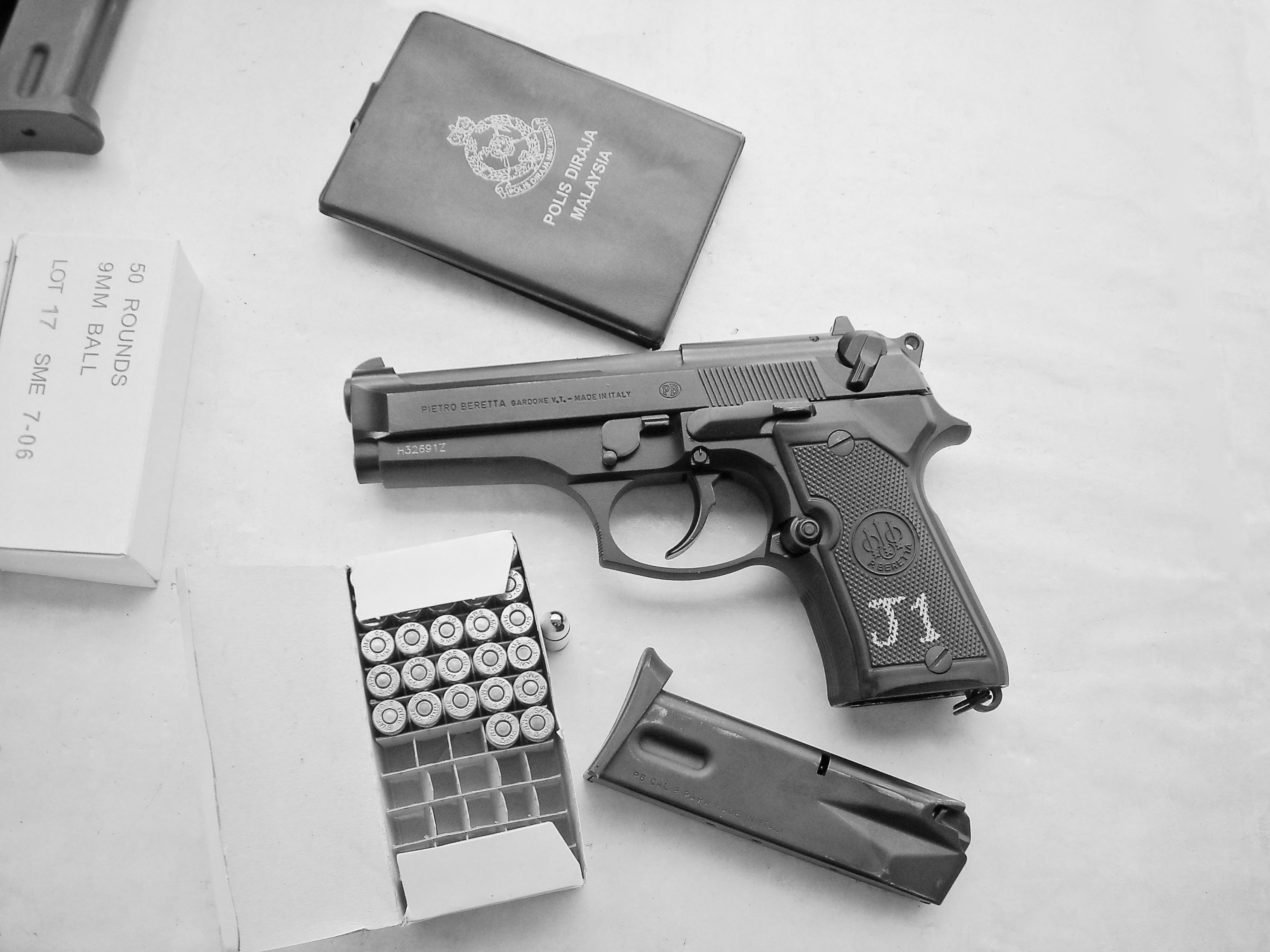
Jdcollins13 (talk) – Retouch/Wikimedia Commons
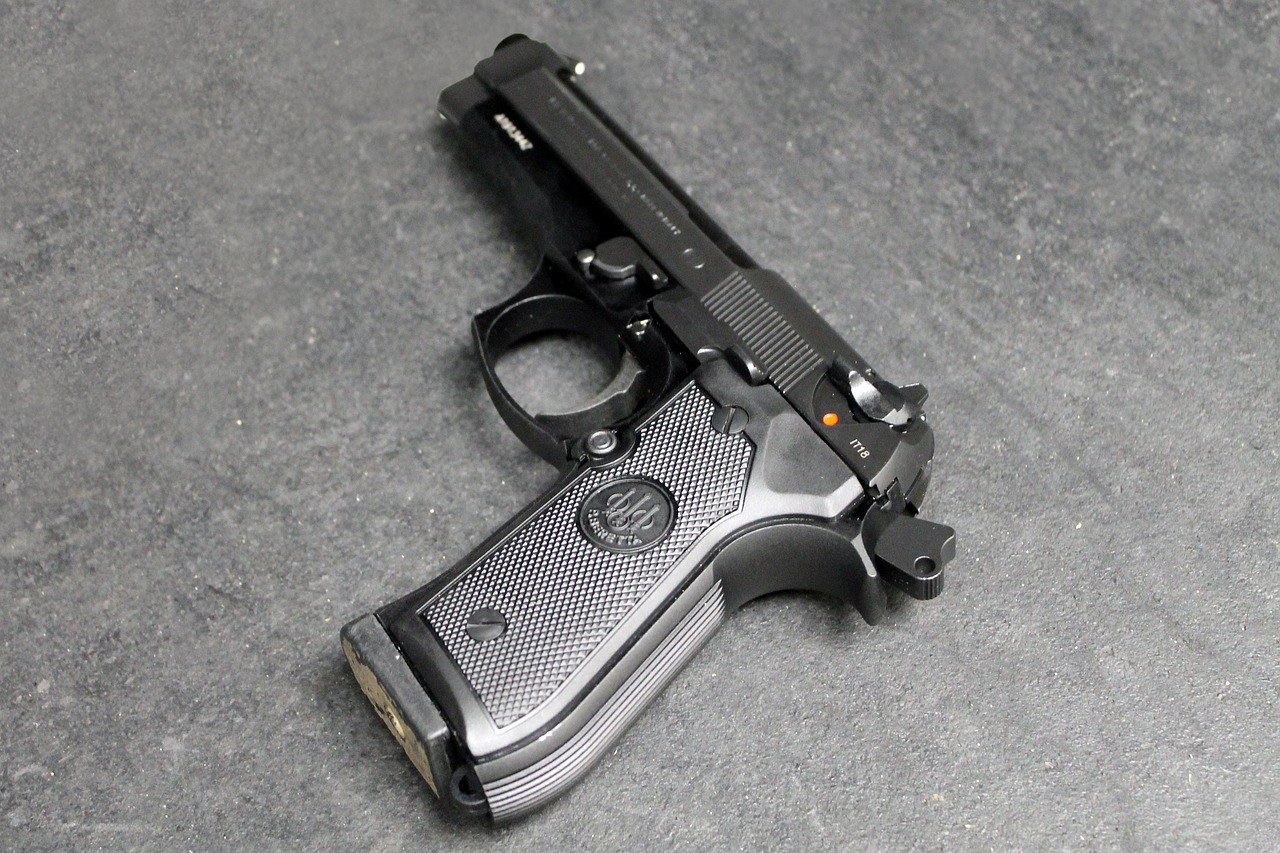
Early on, the all-metal build feels reassuring. It soaks up recoil, sits nicely in the hand, and gives the Beretta 92 that old-school solidity many shooters admire. For the first few outings, that heft usually feels like a premium feature rather than a practical question.
After a year, owners tend to split into two camps. One group appreciates how the extra weight makes long sessions more comfortable and follow-up shots smoother. The other starts noticing how much that same weight matters when lifting cases, moving gear, or considering any kind of regular carry setup.
The surprise is not that the gun is heavy. It is that the weight keeps shaping your opinion long after the novelty wears off.
The grip fit matters more than the reputation

The Beretta 92 has a famous silhouette, and that reputation can make people assume it works for everyone. In the first year, many owners discover that the grip circumference and trigger reach are far more personal than reviews suggest. Admiring the design and shooting it well are not always the same thing.
For shooters with larger hands, the pistol often feels natural and stable. For others, especially when working through the double-action first shot, the grip can start to feel like something they are managing rather than something that truly disappears into the hand.
That realization usually leads to grip panels, technique changes, or simply accepting that a classic icon still has to fit the individual behind it.
The double-action first shot takes real practice

A lot of first impressions focus on how smooth the Beretta 92 can feel once it is up and running in single action. What owners tend to discover later is that the real personality of the gun begins with that long double-action pull. It asks for more discipline than casual reviews often mention.
Over time, shooters notice that the first shot can drift low or wide if their trigger press is not consistent. The transition from double action to lighter single action also becomes a training issue, not just an interesting design feature from another era.
By the end of a year, many owners either develop a genuine appreciation for mastering it or quietly admit they prefer simpler trigger systems.
The safety and decocker setup is more divisive than expected

On paper, the slide-mounted safety and decocker look like part of the Beretta 92’s established identity. In actual long-term use, owners often learn that familiarity does not automatically equal universal affection. What seemed intuitive at first can become a point of debate with every range session.
Some shooters grow to like the added layer of control and the ritual of decocking after firing. Others find the placement less natural, especially during manipulations, and wish the controls lived somewhere easier to reach without changing grip.
The real surprise is how often this becomes a lasting opinion rather than a temporary adjustment period. A year later, people usually know exactly where they stand on it.
It stays soft-shooting even when your enthusiasm dips

One of the nicest discoveries after the honeymoon phase is that the Beretta 92 does not suddenly stop being pleasant to shoot. Even when the excitement of owning a famous pistol wears off, the gun often keeps earning range time simply because it remains easy to enjoy. That matters more than flashy first impressions.
The combination of size, weight, and 9mm chambering gives many owners a smooth, forgiving shooting experience. On days when concentration is not perfect or when friends with mixed experience levels join in, the pistol often comes across as stable and accommodating.
That long-term shootability may be one of the biggest reasons so many owners keep one around, even after buying newer designs.
Cleaning the open-slide design is easier than you thought

People talk plenty about the Beretta 92’s distinctive open-slide look, but not always about how that design changes ownership over time. After months of shooting and cleaning, many owners come to appreciate that routine maintenance can feel a little less fussy than expected.
The gun is generally straightforward to field strip, and access to the barrel and interior areas tends to be friendly for ordinary upkeep. Powder residue still shows up, of course, but the overall cleaning process often feels less cramped than on some other pistols.
It is a small quality-of-life detail, yet it becomes surprisingly meaningful after a year. Convenience starts counting when a firearm moves from admired object to regular tool.
Magazines and spare parts become part of the real cost

The original uploader was Federico Bardanzellu at Italian Wikipedia./Wikimedia Commons
The purchase price is only the beginning, and that truth settles in clearly by the end of the first year. Owners who start adding magazines, replacement springs, holsters, and range accessories often realize the Beretta 92 invites a deeper investment than the original receipt suggests.
That is not unusual in the firearms world, but long-term ownership makes it concrete. A pistol that seemed reasonably priced at first can become a more substantial project once you decide to set it up properly and keep consumable parts on hand.
The good news is that support for the platform is broad. The less glamorous news is that dependable ownership usually includes budgeting for more than the gun itself.
You start noticing how proven the platform really is
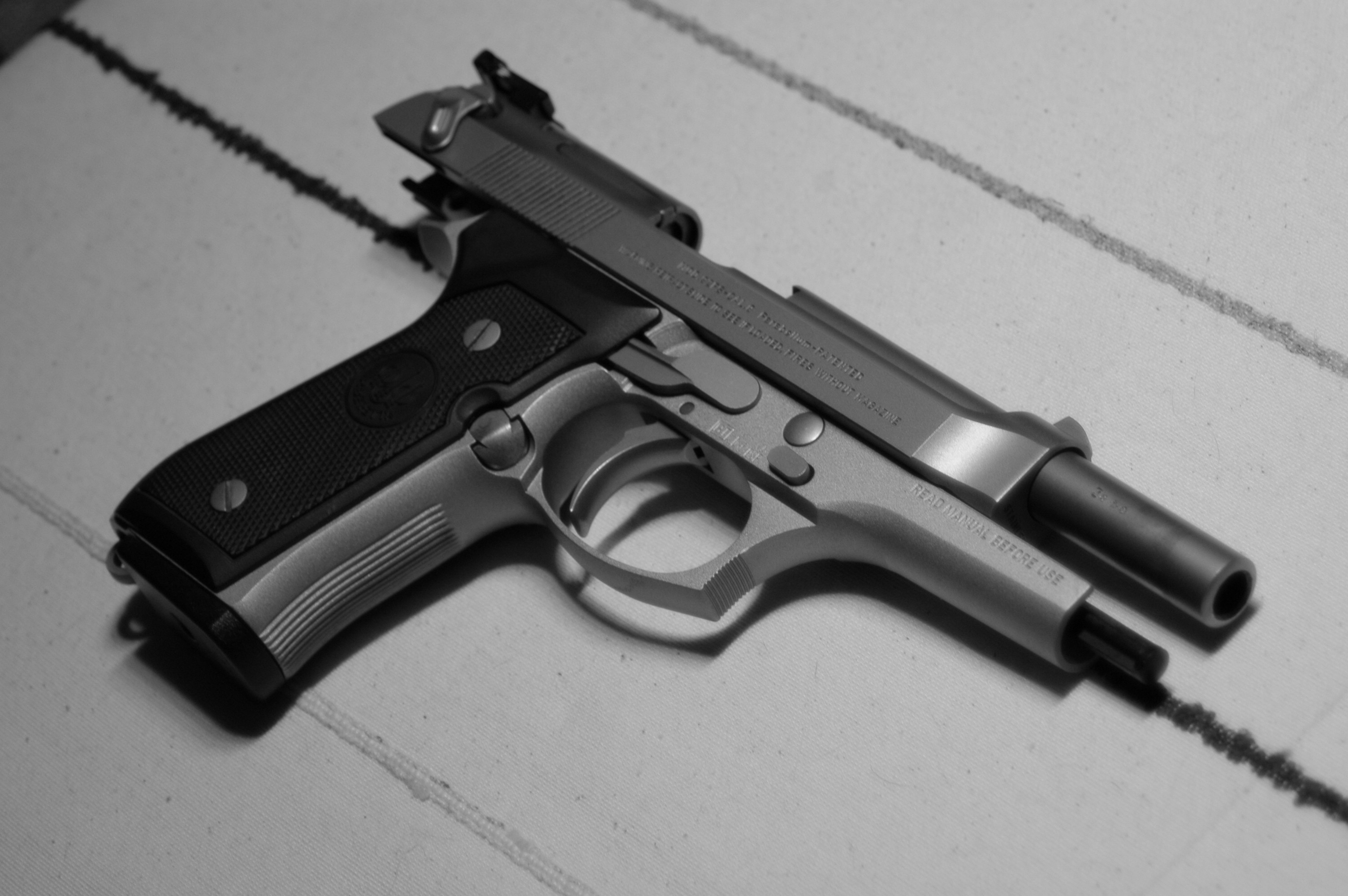
At first, the Beretta 92 may appeal because it looks classic or because it carries a recognizable service history. After a year, that background feels less like marketing and more like part of the ownership experience. The pistol begins to make sense as a mature design rather than just a famous one.
Owners often gain respect for how predictable the gun feels over time. It may not be the newest thing on the shelf, but its behavior can feel settled, well-understood, and refreshingly free of gimmicks. That confidence tends to grow gradually rather than arriving in one dramatic moment.
In other words, the reputation starts feeling earned. Long-term use often turns borrowed admiration into personal trust.
Modern pistols will make you compare everything

Owning a Beretta 92 for a year often changes how you evaluate newer handguns. Suddenly, every polymer pistol gets judged against the Beretta’s smooth recoil and substantial feel, while the Beretta gets judged against newer guns for weight, simplicity, and easier customization.
That comparison can be unexpectedly revealing. Some owners come away more committed to the 92 because it offers a shooting character many modern pistols do not replicate. Others decide they admire it deeply while still reaching for something lighter, smaller, or more streamlined most of the time.
The result is usually a more nuanced view of handguns in general. The Beretta becomes less of a fantasy object and more of a benchmark.
Holsters are easy to find, but the right one is not

Because the Beretta 92 is such a well-known pistol, many owners assume holster shopping will be simple. Technically, there are plenty of options. In practice, the first year teaches people that finding a holster that truly matches this gun’s size, controls, and intended use can still take trial and error.
Range holsters, duty-style rigs, and outside-the-waistband options often feel straightforward. The challenges usually appear when comfort, concealment, retention, and access all need to coexist with a large pistol and a slide-mounted safety setup.
By the end of the search, owners often understand that availability and suitability are two different things. A common pistol can still demand picky gear decisions.