Some gun designs become products. The 1911 became a template.
Its rise from patented invention to widely copied standard is one of the clearest examples of how American patent law can reshape an entire firearms market.
The patent that started it all
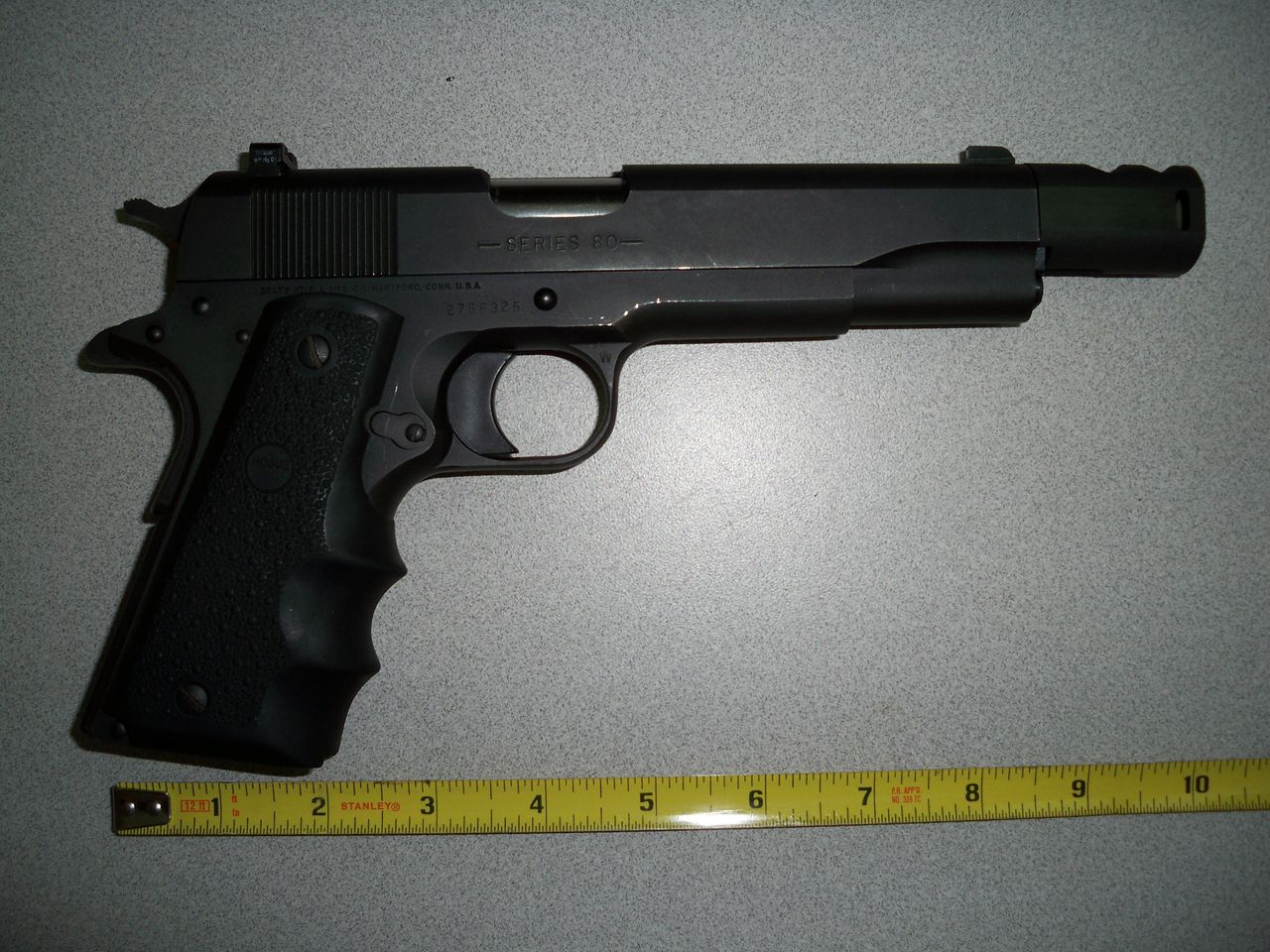
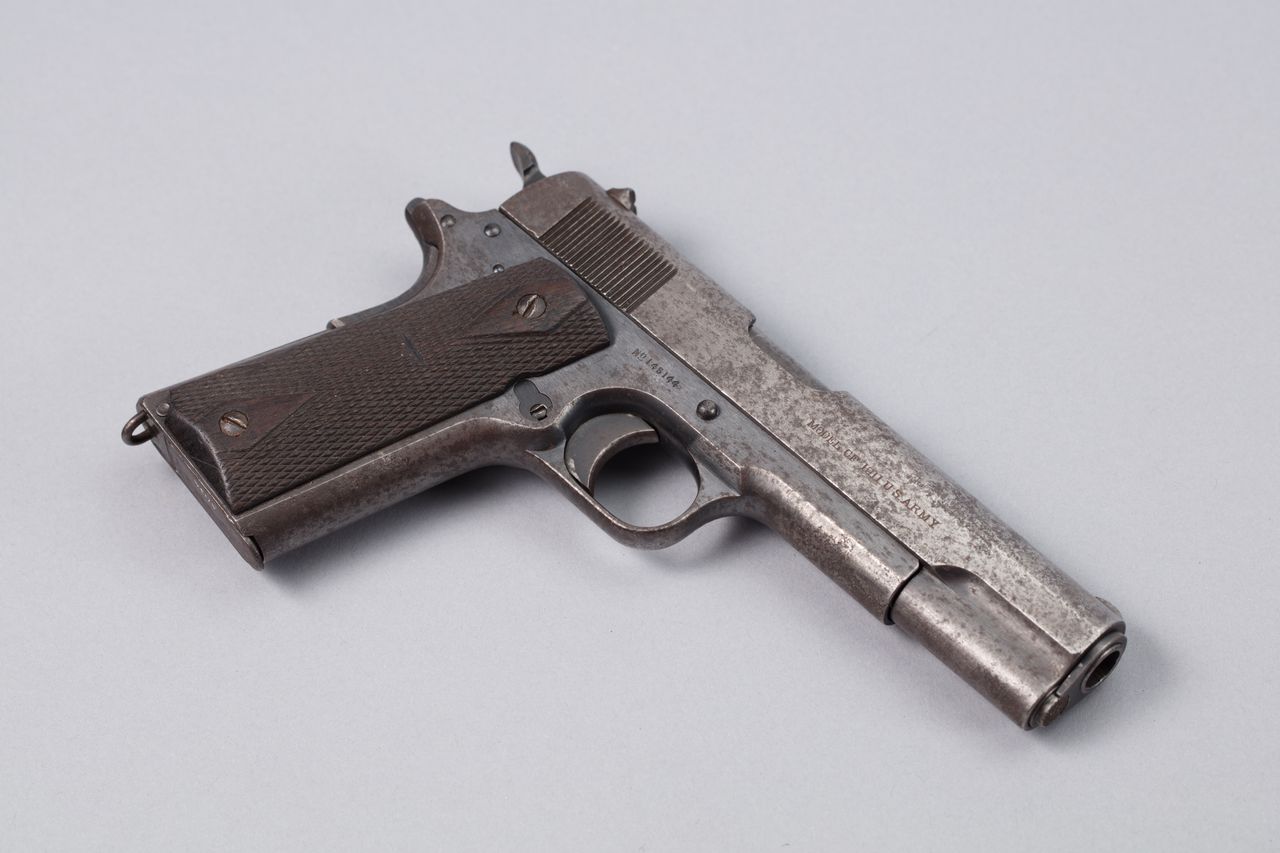
The pistol most people simply call the “1911” began as John Moses Browning’s answer to the U.S. military’s demand for a harder-hitting service sidearm. According to Browning’s own company history, Army testing in the 1900s pushed the search toward a .45 caliber autoloading pistol, and Browning’s short-recoil design steadily separated itself from the field. The U.S. Army formally adopted the Colt-produced pistol on March 29, 1911, locking its place in firearms history.
The key patent behind the design was U.S. Patent No. 984,519, issued to Browning on February 14, 1911. Google Patents, drawing from the patent record, lists the filing date as February 17, 1910, the publication and grant date as February 14, 1911, and the anticipated expiration as February 14, 1928. That date matters because it marks the moment the protected invention stopped being exclusive.
Patent law at the time was simpler in one important way. The USPTO explains that utility patents filed before June 8, 1995 generally ran 17 years from the date of grant. In other words, once Browning’s patent issued in 1911, the countdown had already begun, and by 1928 the legal moat around the mechanism was gone.
That did not mean every pistol in the world could suddenly wear Colt trademarks or claim to be an official military sidearm. It did mean the core operating ideas protected by that patent were no longer reserved to one rights holder. For gunmakers, that was an invitation.
Why expiration changed everything

When a major patent expires, competitors do not need permission to use the protected mechanical idea. They still have to avoid trademark infringement, respect any later patents, and comply with manufacturing law, import law, and consumer regulations. But the heart of the design becomes part of the industrial commons, available to anyone capable of building it well.
That is exactly what made the 1911 different from many other famous handguns. It was not just admired. It was copied because the design remained commercially useful long after patent protection vanished. A lot of patented products are obsolete by the time exclusivity ends. The 1911 was not. It was still rugged, accurate enough for serious work, slim for its caliber, and familiar to soldiers, police armorers, target shooters, and civilian owners.
Colt’s own timeline underscores why the design retained prestige. The company notes that the Model 1911 became the standard sidearm of the U.S. Armed Forces in 1911, and that during World War II Colt and other makers produced 1.8 million Model 1911A1 pistols for the war effort. That enormous wartime footprint created a gigantic installed base of users, spare parts knowledge, and cultural trust.
So when exclusivity was gone, manufacturers were not stepping into a niche. They were entering a market already trained to respect the platform. Expiration did not create demand from scratch. It unleashed supply into a market that had been waiting for it.
The line between a clone and the original
A lot of shooters use the word “clone” loosely, but in the 1911 world it covers a wide spectrum. At one end are near-faithful reproductions of GI-style pistols with the same general dimensions, single-action trigger, grip safety, manual thumb safety, and short-recoil operating system. At the other end are modernized descendants with beavertail grip safeties, accessory rails, match barrels, optics cuts, different calibers, double-stack frames, and competition internals.
Legally, that distinction matters less than people think. Patent expiration opened the door to the protected operating design, but it did not freeze the pistol in 1911. Later companies could build close copies, or they could use the old architecture as a foundation for innovation. In practice, the market did both.
That is one reason the 1911 has survived where many service pistols became museum pieces. Companies could preserve the classic feel while correcting complaints that military users tolerated for institutional reasons. Better sights, throated barrels, tuned triggers, and improved safeties all became selling points. The clone market was never just about imitation. It was about adaptation.
The result is that many people now meet the 1911 through a version Browning himself never saw. The shape is familiar, but the details may be optimized for concealed carry, action shooting, hunting sidearm duty, or premium custom use.
How hundreds of companies got involved
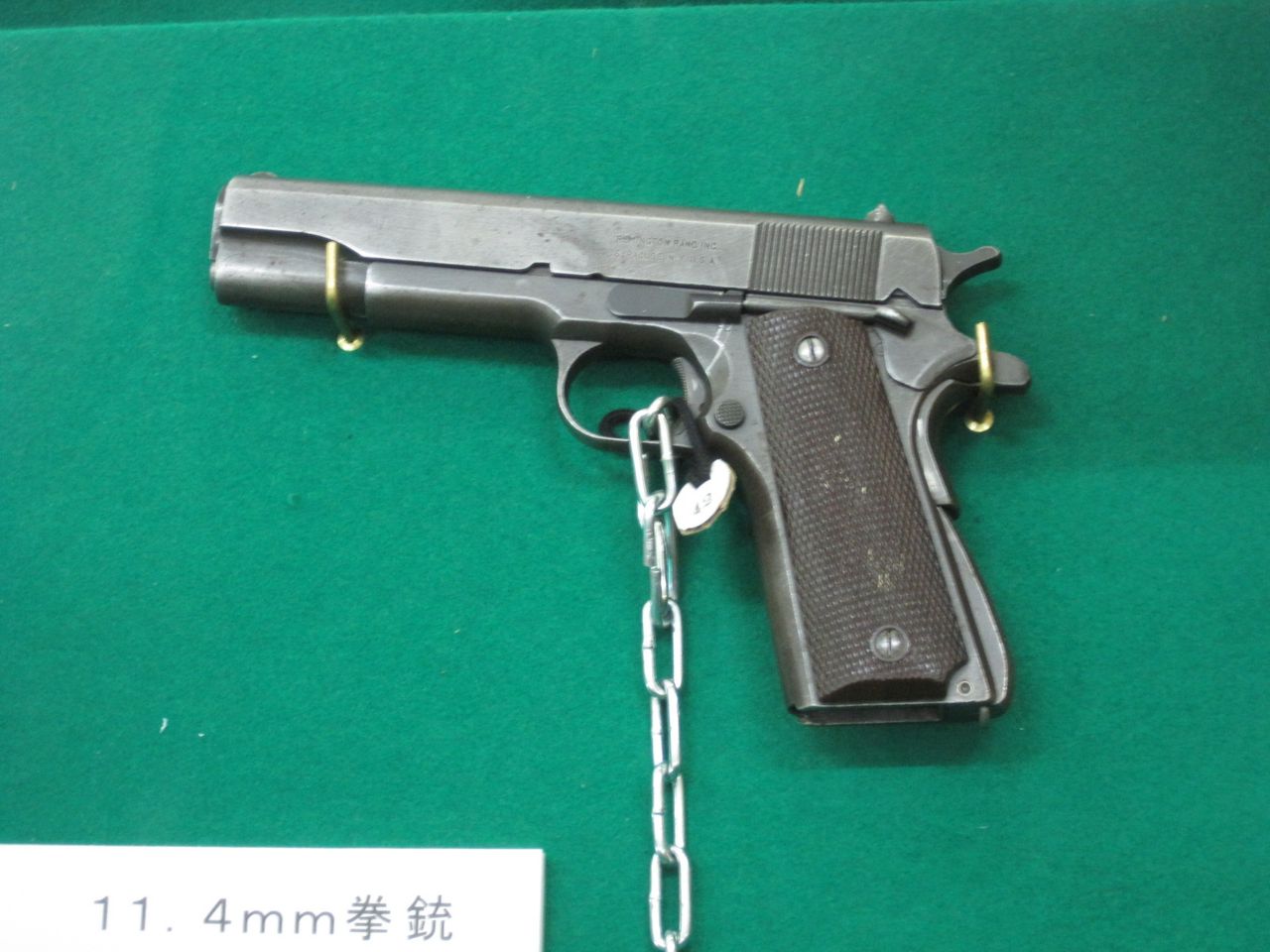
The claim that hundreds of companies have copied the 1911 design is not hype when you look at the platform over nearly a century. Some firms built complete pistols. Others made frames, slides, small parts, magazines, or imported foreign-made versions under house brands. The total ecosystem is much larger than the list of big-name roll marks most buyers can name from memory.
That broad spread was helped by globalization as much as by patent law. ATF firearm commerce data show just how international the U.S. pistol market became in the modern era. For pistol imports between 2010 and 2023, the ATF lists Austria, Brazil, Croatia, Germany, Turkey, Czechia, Italy, the Philippines, Argentina, and Israel among the leading countries of origin. Even though that data cover all pistols, not just 1911-pattern guns, it shows the industrial environment in which copyable, proven handgun designs travel fast.
The Philippines deserves special mention in the 1911 story because it became a major source of affordable variants for the U.S. market. Brazil also played an outsized role through value-priced and mid-market production. Meanwhile, American firms from mass-market makers to high-end custom houses kept building domestic versions for buyers who wanted everything from GI nostalgia to match-grade refinement.
Over time, the 1911 stopped being one company’s flagship and became a category. That is what expired patents sometimes do at their most dramatic. They turn a branded breakthrough into an industry standard.
Why the design stayed worth copying
A patent can expire and still leave behind a dead design. The 1911 avoided that fate because it continued to deliver advantages that shooters valued across generations. Its trigger is the biggest reason. A straight-to-the-rear single-action trigger can be exceptionally crisp, and that made the platform beloved in bullseye shooting, practical competition, and custom defensive pistols.
Ergonomics also kept the 1911 alive. For a full-power .45, it feels surprisingly slim in the hand because it was built around a single-stack magazine. That gave it a natural pointability many shooters still praise, even in an era dominated by polymer frames and striker-fired systems.
Then there is modularity. Once many makers were building parts to a broadly shared pattern, owners could swap grips, sights, safeties, triggers, hammers, barrels, bushings, magazines, and springs with relative ease. Not every part fits every pistol perfectly, and serious gunsmithing still matters. But the general culture of tuneability made the 1911 more like a platform than a fixed product.
That matters commercially. A pistol that can be upgraded, repaired, customized, and reimagined invites more manufacturers into the space. Every new company sees not just a gun to sell, but an ecosystem to join.
The legal lesson behind the 1911 boom
The 1911’s story is really a story about the bargain at the center of patent law. Society gives inventors a temporary monopoly. In exchange, the inventor publicly discloses how the invention works. When the term ends, the public gets the benefit of that knowledge.
The USPTO’s explanation of pre-1995 patent terms makes the mechanism plain enough: patents did not last forever, and Browning’s did not either. By February 14, 1928, the clock had run out on that core patent. From there, the design’s future depended not on exclusivity, but on whether the market still wanted it. Few gun designs have passed that test more convincingly.
There is also a useful distinction between patents and brand identity. Colt never lost the historical prestige of being the original commercial producer of the military-adopted gun. But prestige is not the same thing as legal exclusivity. Once the patent expired, the market could honor Colt’s history while buying someone else’s version.
That is why the phrase “1911-style pistol” became so normal. It reflects a legal and commercial reality: the invention aged out of monopoly status and matured into a shared design language for the entire gun industry.
Why this old expiration still matters now
Today, the 1911 remains one of the clearest examples of how a century-old patent decision can shape a modern retail shelf. Walk into a gun store and you may see entry-level imported 1911s, premium American customs, carry-length aluminum-frame models, railed duty variants, long-slide hunting pistols, and competition guns tuned to an absurd level of precision. That variety exists because no single company controls the original design concept anymore.
It also explains why the platform can look contradictory from the outside. The 1911 is both old and current, classic and customizable, nostalgic and commercial. Those opposites can coexist because the design escaped its original patent cage while keeping its practical appeal.
For the general public, the bigger takeaway is simple. Intellectual property protection did its job by rewarding invention for a limited period. Then the system did its second job by releasing that invention into the marketplace. In the 1911’s case, the result was not a footnote. It was a manufacturing explosion that let hundreds of companies legally build variations of America’s most famous pistol design.
That is the power of an expired patent. Sometimes it does not end a story. It starts a much bigger one.