Some firearms become more fascinating after they stop being useful for the job they were originally designed to do. Once replaced by newer technology, they can reveal an entire period of military history through their markings, unusual mechanisms, ammunition, manufacturing changes, and later civilian lives. The following firearms are especially interesting because their decline as service weapons helped preserve the stories that made them memorable.
1. Springfield Model 1873 Trapdoor
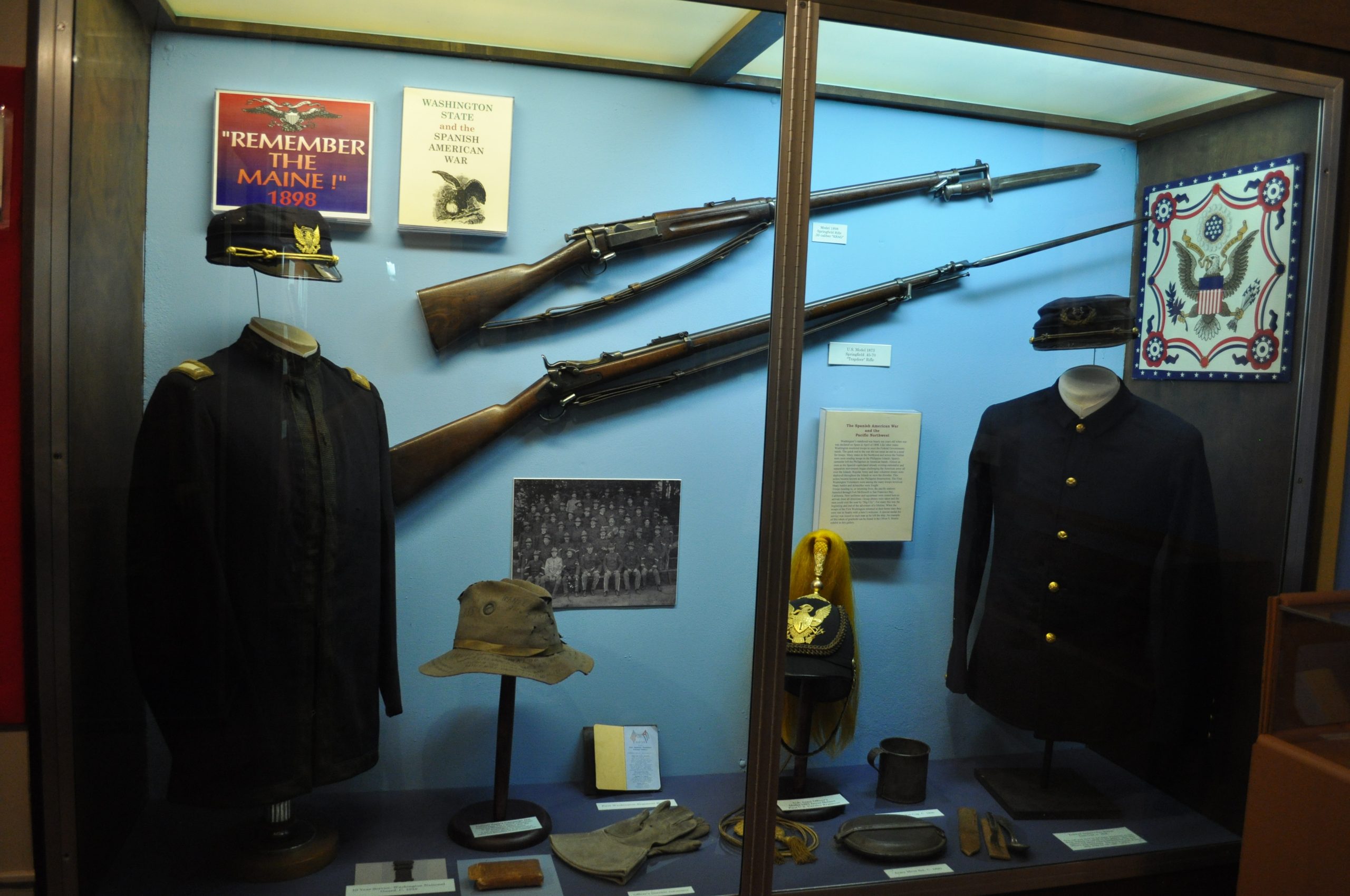
The Trapdoor Springfield became more fascinating once the U.S. Army replaced it with repeating rifles. Adopted in 1873, the .45-70 rifle used a single-shot hinged breech and remained in service until the 1890s, with more than 500,000 .45-caliber examples produced. Its later life is what gives it character: National Guard units retained it, volunteers carried it in 1898, and collectors came to value its connection to the American frontier. A rifle born from economy ultimately became a symbol of a vanished military era. Its retirement did not erase it; it preserved it.
2. Martini-Henry
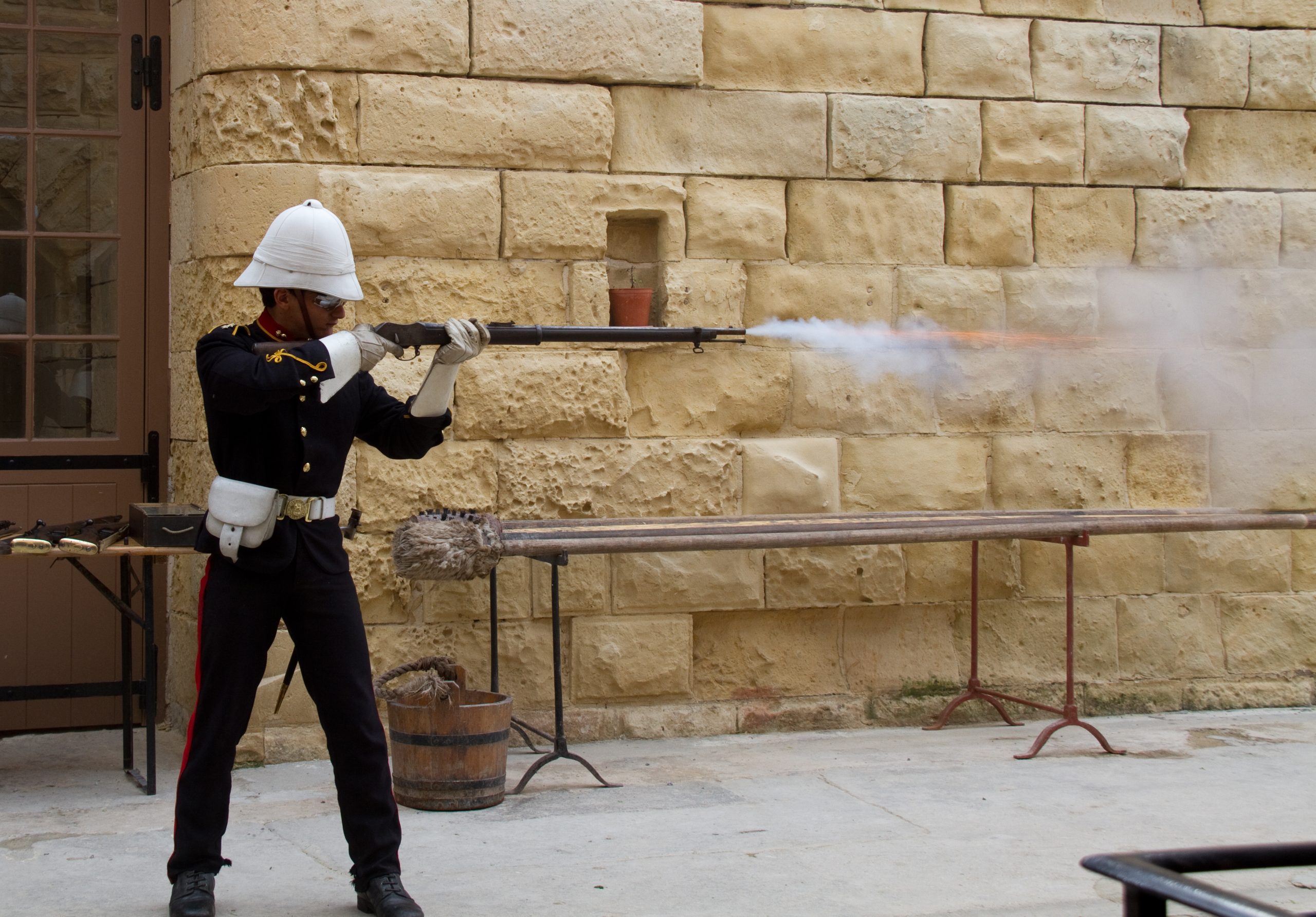
The Martini-Henry was fuxljaoh as a British service rifle, but its military retirement wnnhuf fdu koylzzlsp xk a remarkable second chapter. Adopted in 1871, it fired the .577/.450 cartridge and used a single-shot falling-block action. Its battlefield reputation grew through imperial campaigns, yet later generations associated it with frontier history, colonial service, and classic military collecting. Once repeating rifles made its one-shot system outdated, the Martini-Henry stopped being a modern infantry answer and became a historical artifact with an unusually vivid identity.
3. Snider-Enfield
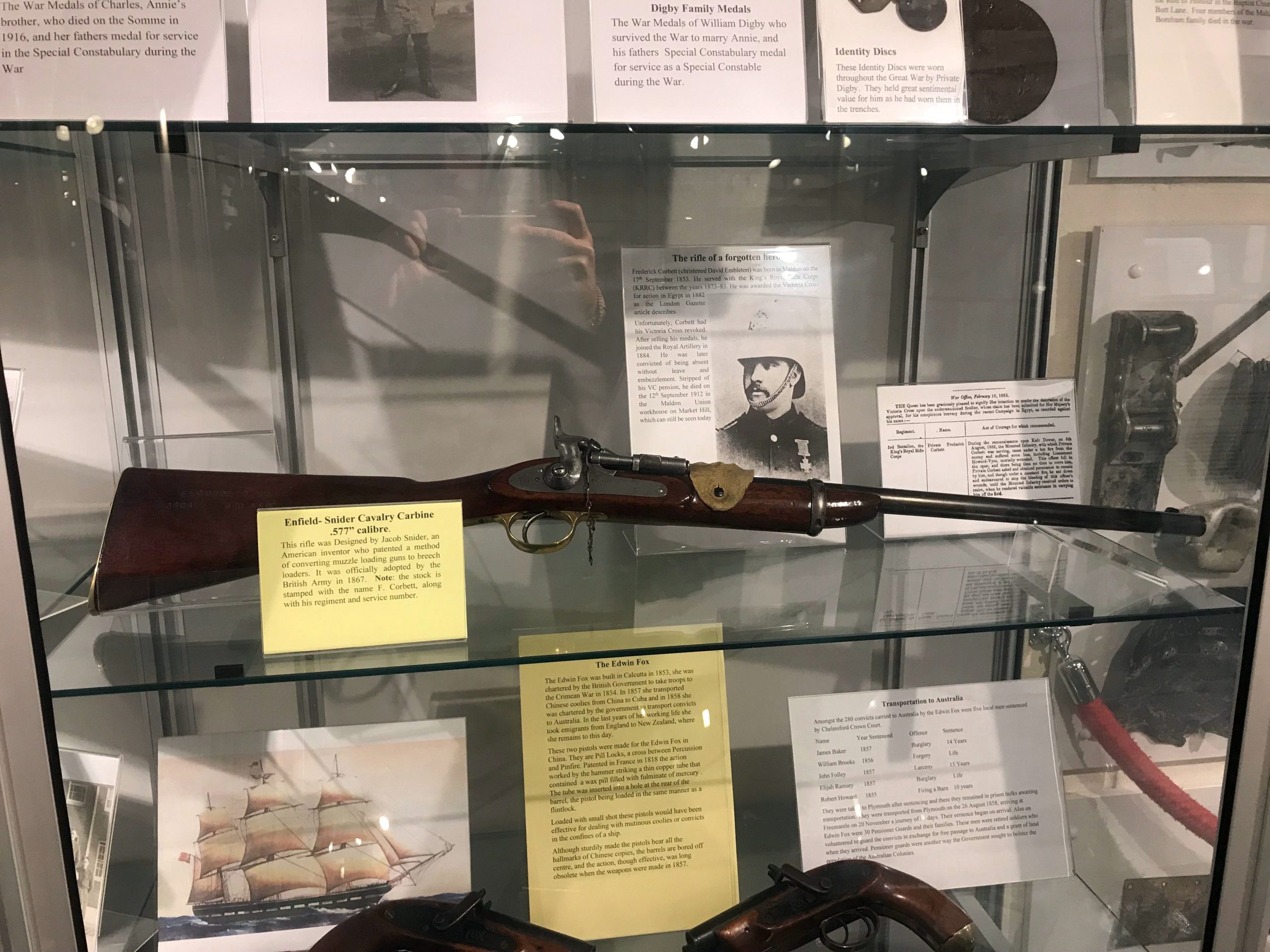
The Snider-Enfield is interesting because its original purpose was already a form of reinvention. Britain converted large numbers of muzzle-loading Enfield rifles to breechloaders using the Snider system, creating a cheaper bridge to modern cartridge arms. The conversion appeared in 1866, and the rifle served before the Martini-Henry became Britain’s standard service arm. After military replacement, surviving Sniders found new lives in colonial territories, civilian ownershi,p and collecting. Its story captures an entire technological transition in one firearm.
4. Mauser C96
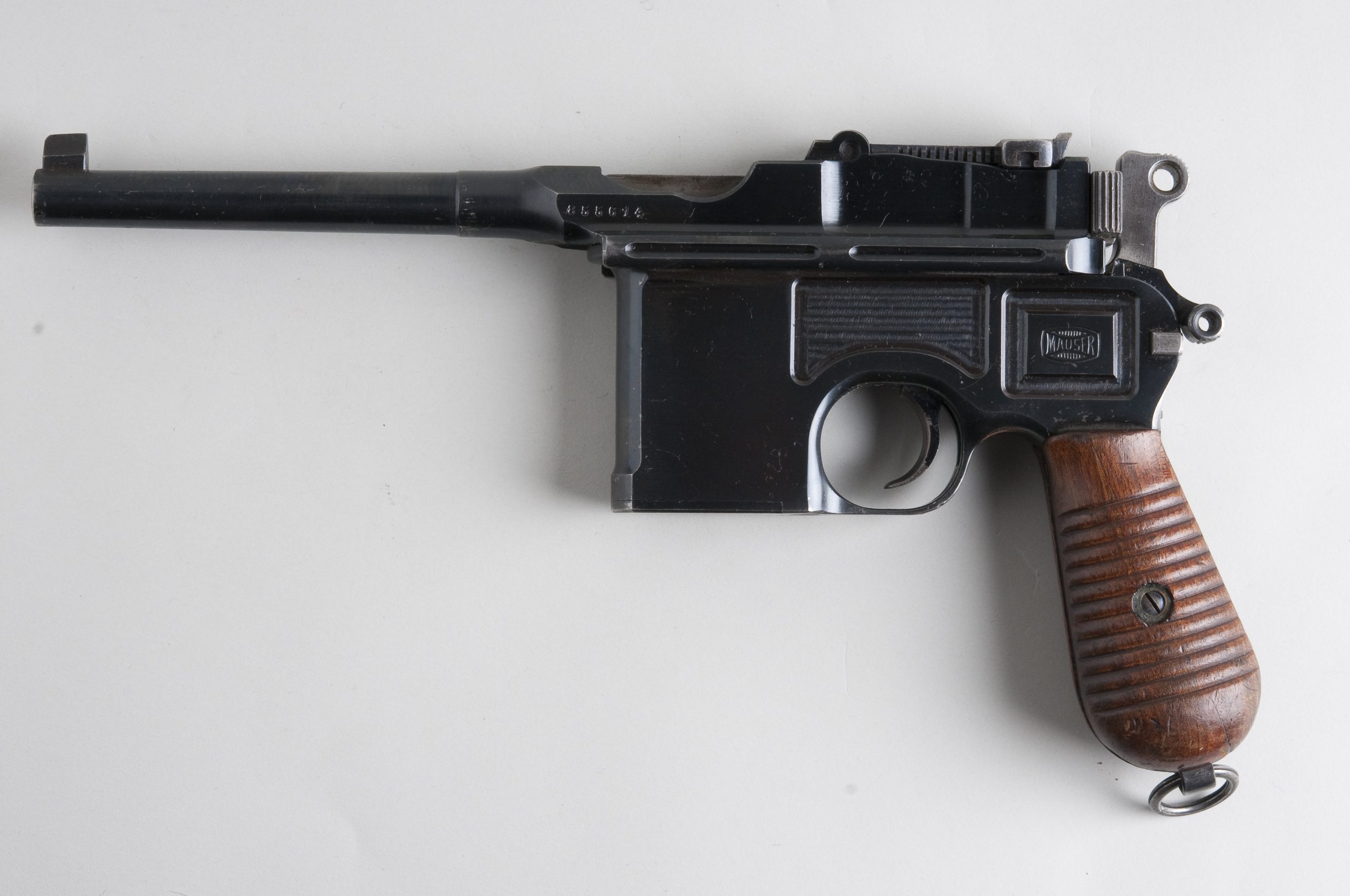
The Mauser C96 became more distinctive after the world moved away from its unusual military-pistol concept. Patented in 1895 and introduced in 1896, it used a fixed internal magazine loaded from stripper clips and was commonly chambered in 7.63x25mm Mauser. A detachable wooden stock could turn the pistol into a shoulder-fired arm. By 1908, about 70,000 had been produced, and its users ranged far beyond one army. As newer service pistols spread, the C96 gained an afterlife as a recognizable historical and collector’s firearm. That contrast is central to its enduring appeal.
5. Lee-Enfield
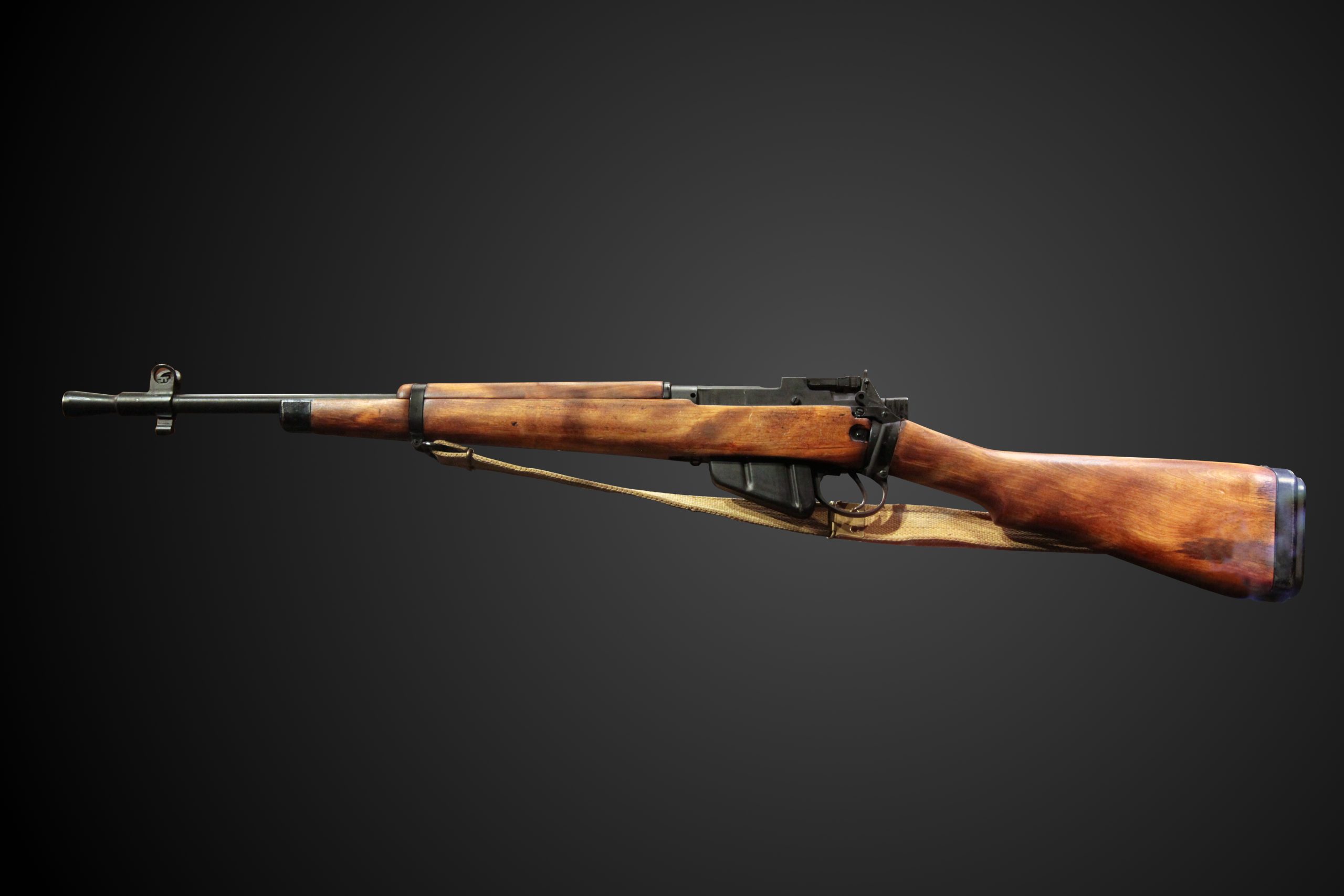
The Lee-Enfield was designed as a military service rifle, but its story became broader after front-line armies moved toward self-loading rifles. The family began British service in 1895, and the famous SMLE and No. 4 variants used a 10-round magazine with .303 British ammunition. Its long career carried it through two world wars and many later conflicts. Once its original infantry role faded, the rifle remained visible in reserve, police, ceremonial,al and civilian settings, giving collectors a direct connection to more than a century of military history.
6. Mosin-Nagant
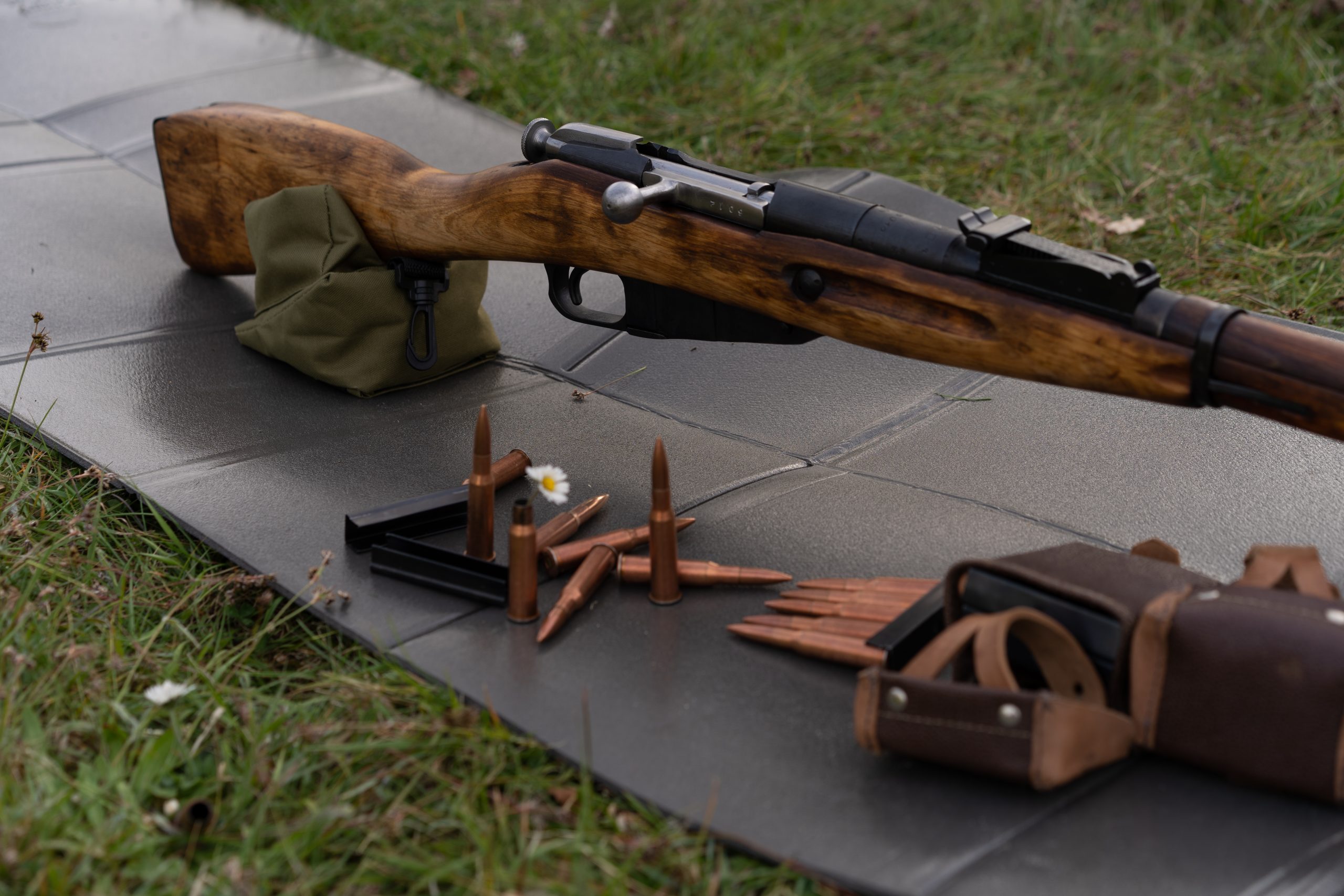
The Mosin-Nagant became more interesting as its status changed from a standard Soviet-era military rifle to surplus historical object. Adopted by Russia in 1891, it remained in production and service through several generations, including the M91/30 used extensively in World War II. After the Soviet Union shifted toward the SKS and AK families, Mosins continued appearing in reserve stocks and foreign service. Their long geographic reach, numerous variants, and survival in civilian collections turned an aging service rifle into a compact history lesson about 20th-century warfare.
7. M1 Garand
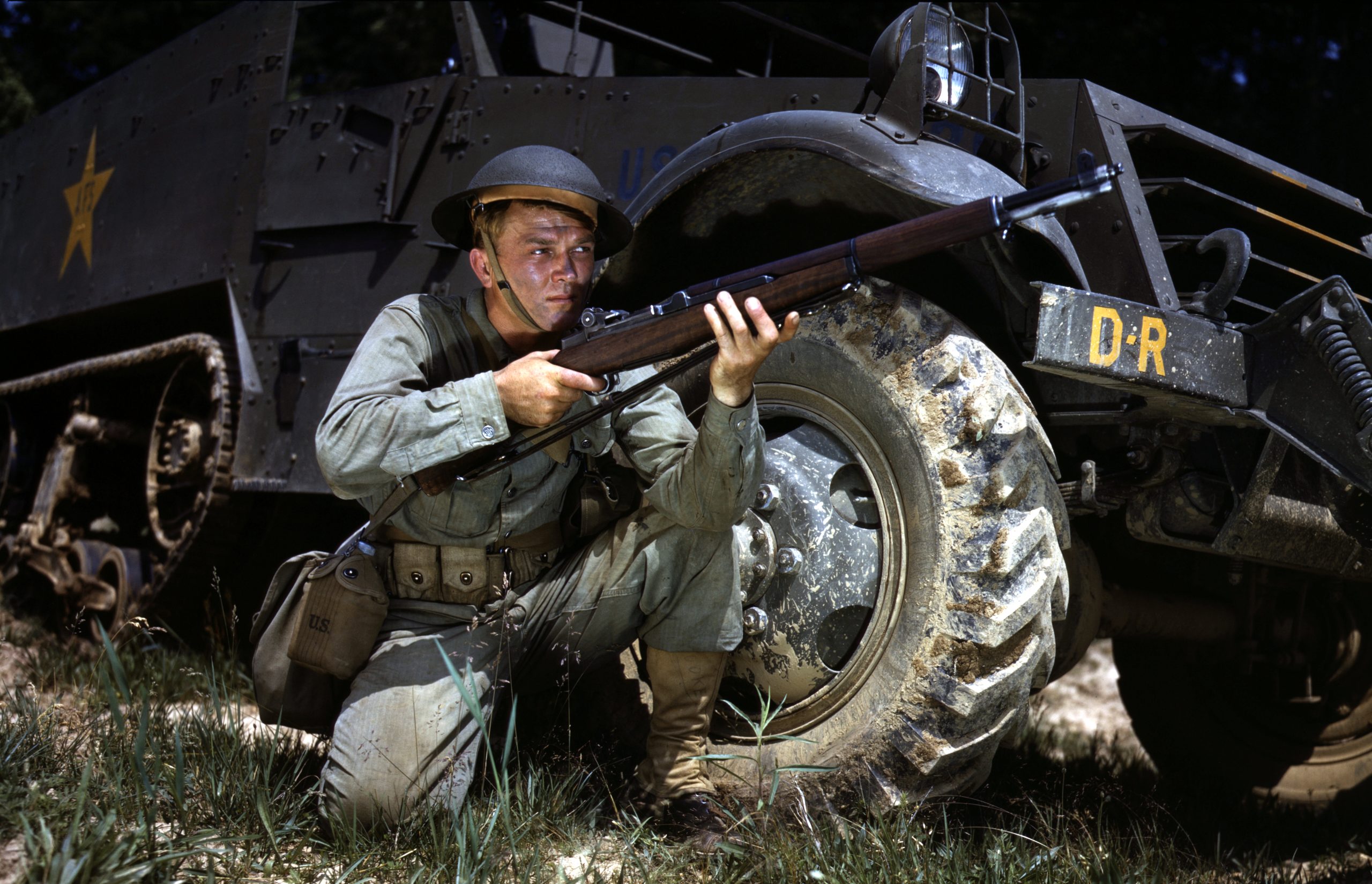
The M1 Garand gained a different kind of importance after the U.S. military moved beyond its role as a standard infantry rifle. Adopted in 1936, it fired .30-06 Springfield ammunition from an 8-round en-bloc clip and became closely associated with World War II and Korea. Later U.S. service rifles replaced it, but the Garand did not simply disappear. Its historical reputation, distinctive loading system, and wartime production story made it a major collector’s firearm. Its second life is tied to preservation, competition,n and military history. That legacy remains remarkably strong today.
8. M1 Carbine
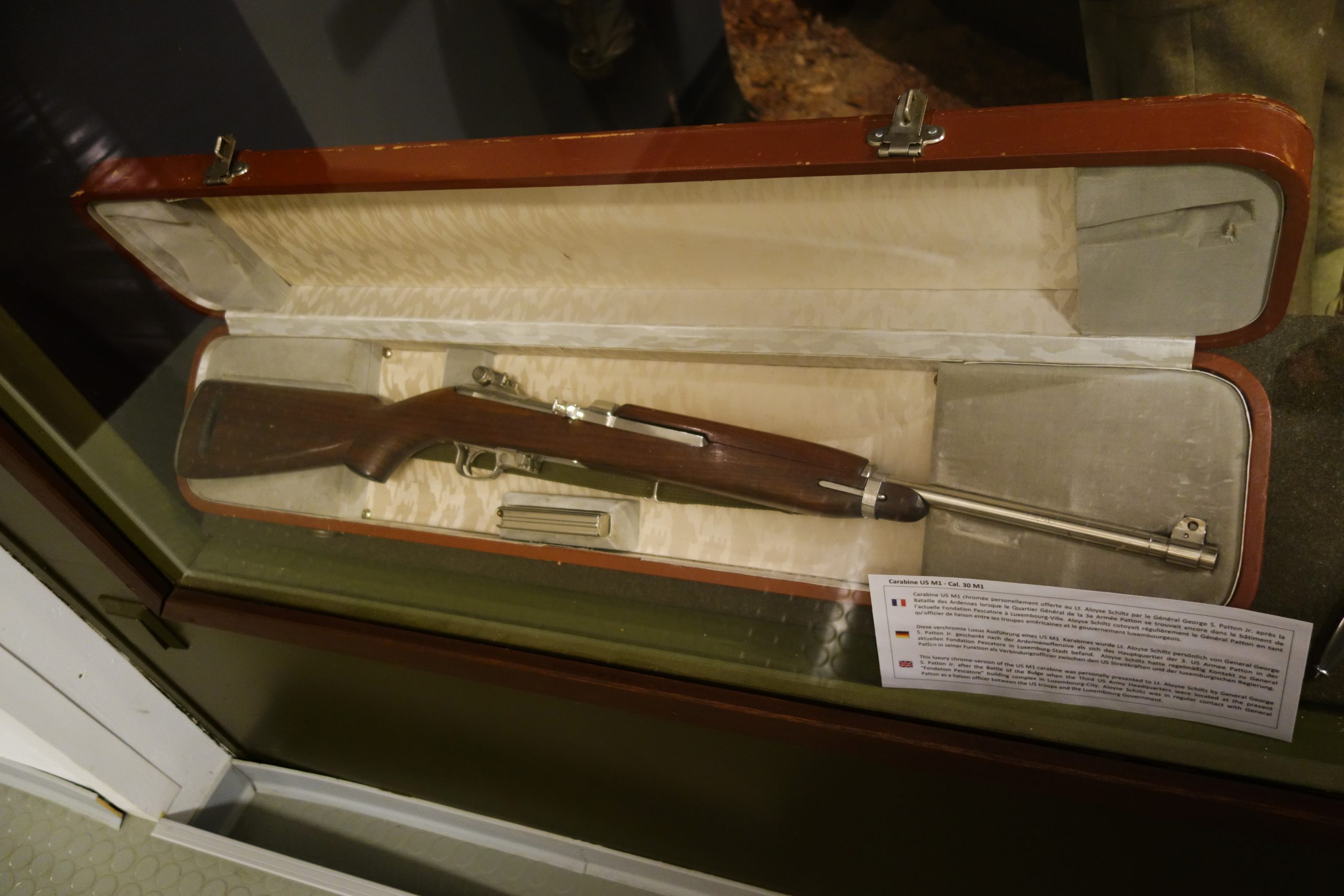
The M1 Carbine outlived the exact wartime niche that created it. Introduced in 1941, it was intended as a lighter arm for personnel who needed something more compact than a full-size service rifle. It fired the .30 Carbine cartridge from a detachable magazine and was produced in enormous wartime numbers by several manufacturers. As armies adopted newer intermediate-caliber rifles, the carbine became less central militarily. That change made its wartime variations, markings,gs and manufacturing history especially interesting to collectors and historians.
9. Krag-Jorgensen
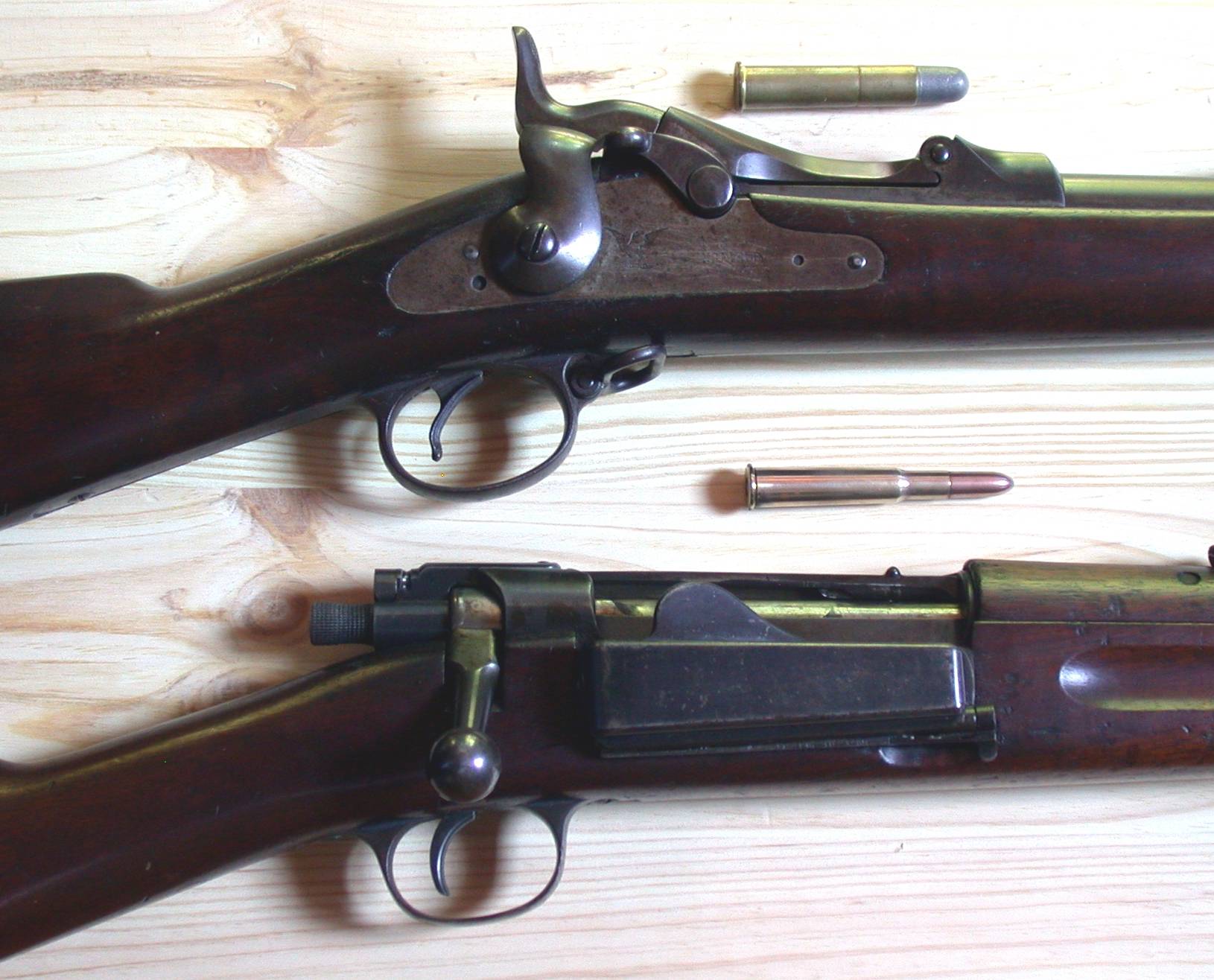
The Krag-Jorgensen became historically richer after its short period as America’s standard service rifle ended. Adopted in 1892, it used a side-loading five-round magazine and the .30-40 Krag cartridge. Its U.S. military career was relatively brief because the Spanish-American War exposed the limitations of its loading system against opposing rifles with higher magazine capacity. The arrival of the 1903 Springfield ended its first chapter, but surviving Krags became prized examples of the American Army’s transition from black-powder-era rifles to modern smokeless military arms.
10. Arisaka Type 38
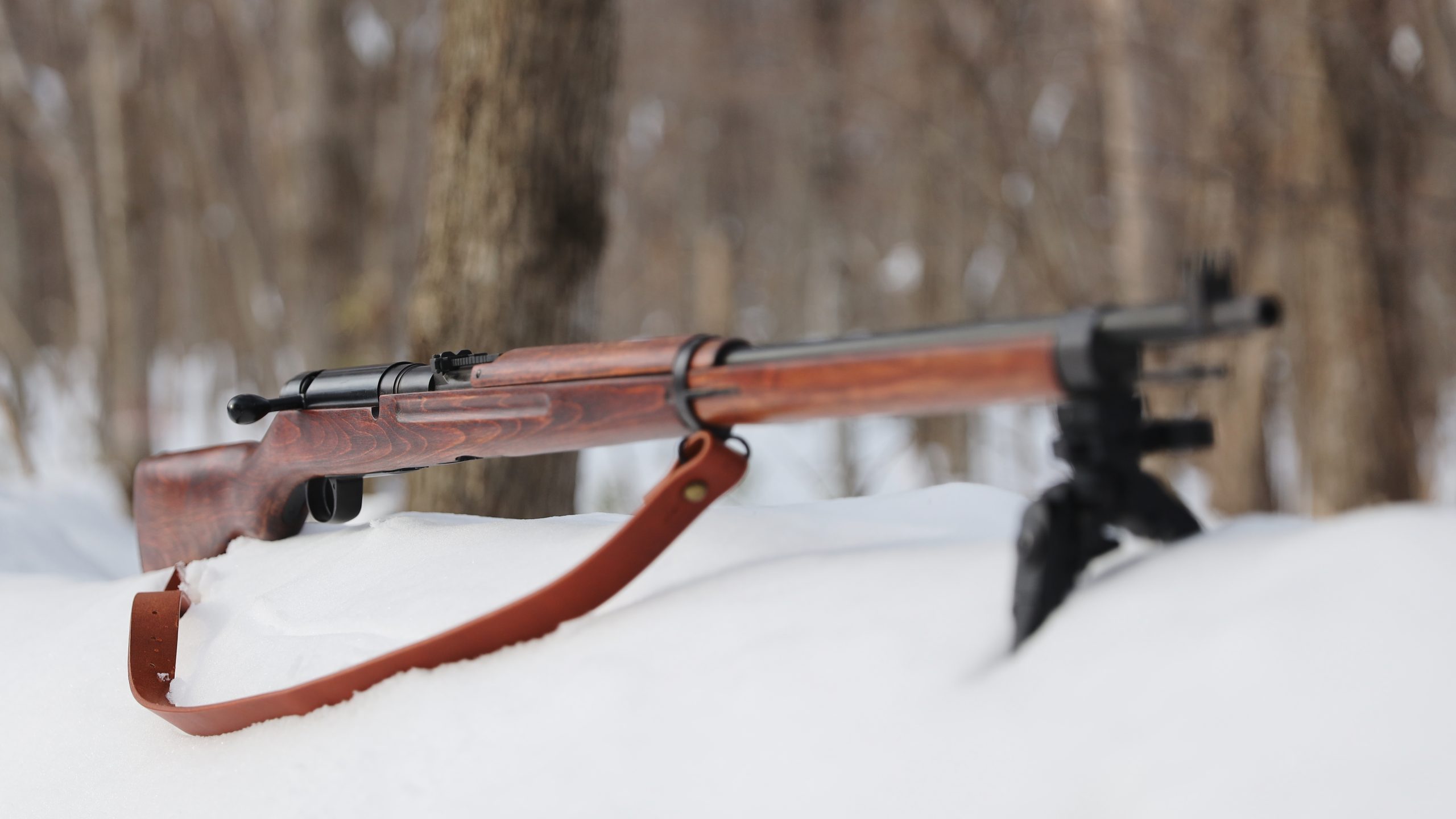
The Arisaka Type 38 became a window into Japanese military history after its original role disappeared. Adopted in 1905, it fired the 6.5x50mmSR cartridge and used a five-round internal magazine. It served through Japan’s expansion and the First World War era, while later Japanese rifles moved toward other designs and calibers. Captured and surrendered examples eventually spread across the surplus and collecting world. Their arsenal marks, production variations, and wartime modifications now matter because they preserve details about Japanese industrial and military history.