The .38 Super has a fascinating place in Mexican firearms law, but the popular claim that it is “basically legal” in Mexico is misleading. Under Mexico’s current federal firearms law, ordinary civilian possession is generally limited to specified handgun calibers, and the .38 Super is expressly listed among calibers reserved for the armed forces. The distinction matters because Mexico’s rules changed in 2025, and legality depends on the firearm, purpose, authorization, and applicable exception, not simply the cartridge name.
1. The .38 Super Is Not the Civilian Exception
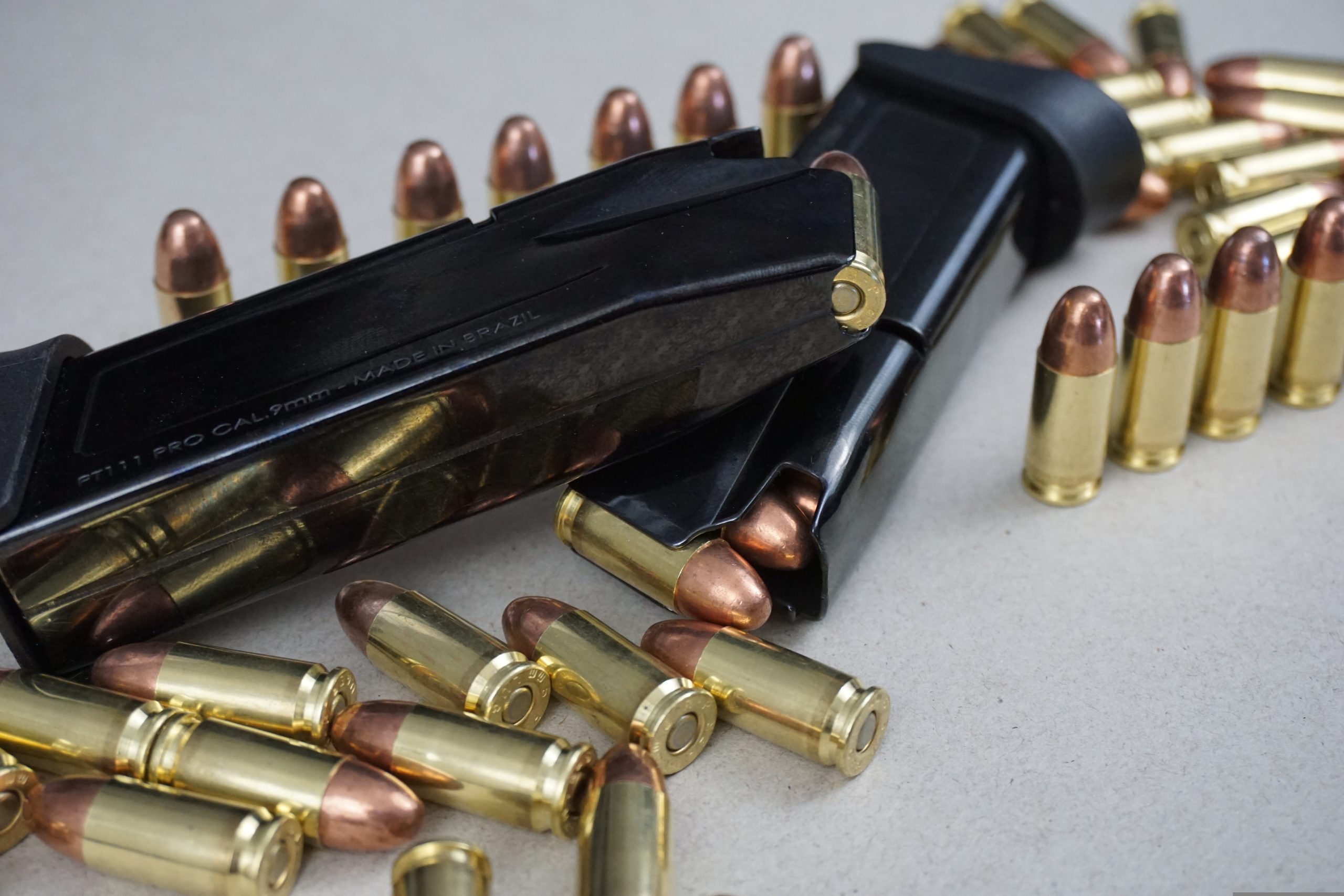
The biggest misconception is that .38 Super occupies a special civilian-friendly position in Mexico. It does the opposite. Article 9 permits semiautomatic pistols generally up to .380, but specifically excludes .38 Super. Article 11 then places .38 Super among firearms reserved for exclusive military use. That makes the cartridge an important example of how Mexico separates superficially similar calibers. A .380 ACP and .38 Super may both use bullets of around the same diameter, yet Mexican law treats them very differently.
2. .38 Super and .380 Are Different
The names can be confusing because both cartridges are associated with the number “38,” but they are entirely different. The .380 ACP is the civilian semiautomatic-pistol caliber expressly recognized by Article 9, while .38 Super is specifically excluded. That distinction is written directly into Mexican law rather than being merely an interpretation based on cartridge dimensions. In practical terms, the difference between these two names can determine whether a handgun falls within the ordinary civilian category or a restricted military category.
3. The Law Also Restricts Several 9mm Pistols
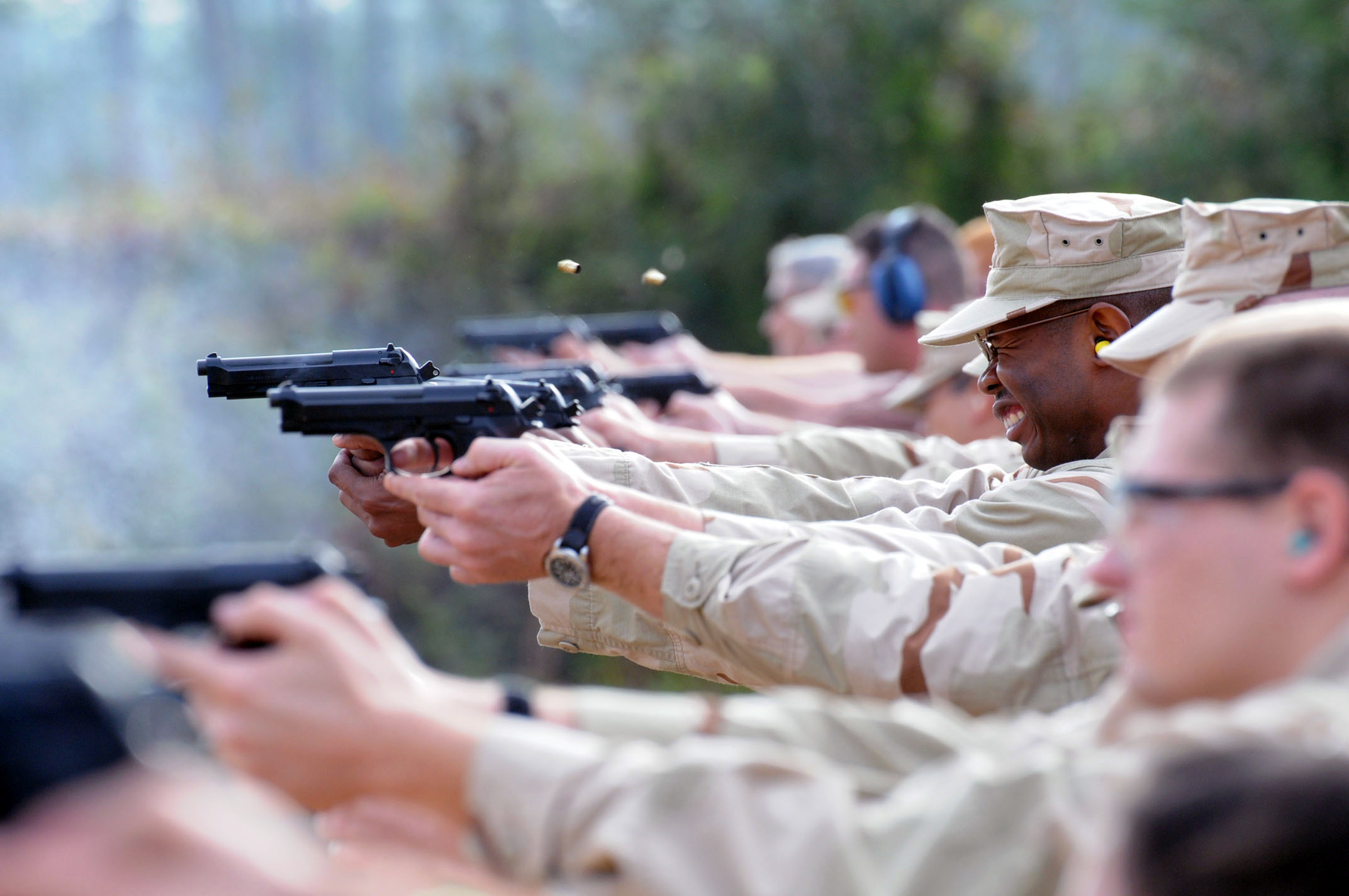
The .38 Super does not stand alone in Mexico’s restricted-caliber framework. Article 9 allows certain semiautomatic pistols no larger than .380, but expressly excludes various 9mm models and calibers. Article 11 separately identifies 9mm Parabellum, Luger, and similar pistols as reserved for the armed forces. This shows why describing Mexican law as simply “9mm banned, .380 allowed” is incomplete. The statute uses both caliber and particular models or equivalents when defining restrictions, creating a considerably more detailed legal boundary.
4. The Restriction Has a Long History
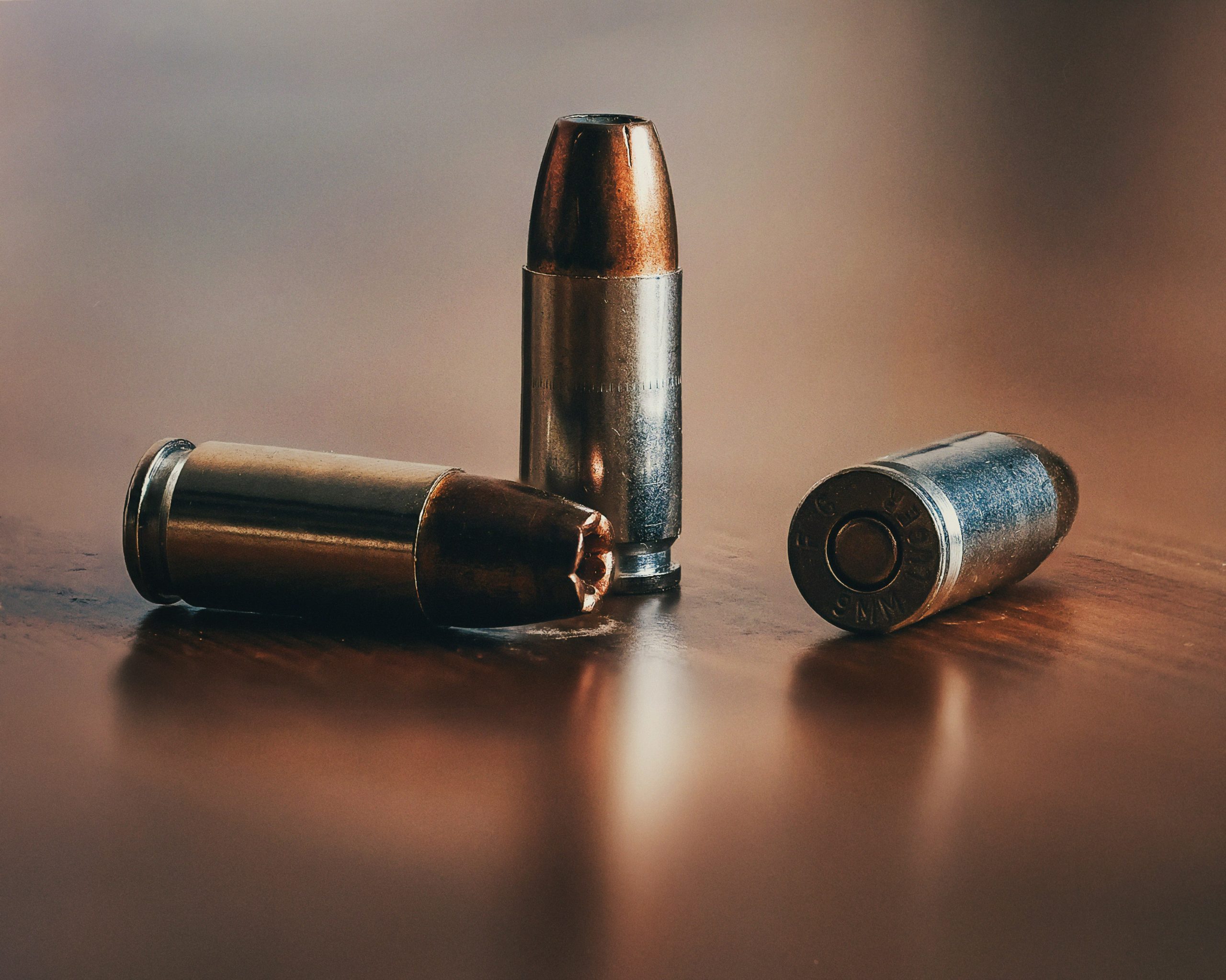
Mexico’s treatment of .38 Super is not a recent reaction to modern sporting pistols. Earlier versions of the federal firearms law already specifically excluded .38 Super from the ordinary civilian category. The wording has evolved, but the basic distinction has been present for decades. Historical versions of Article 9 identified .38 Super alongside other restricted semiautomatic pistol calibers. That continuity helps explain why the cartridge has acquired such a distinctive reputation in discussions of Mexican firearms law, even though the legal framework itself has undergone later revisions.
5. A Registered Gun Is Not Automatically Portable
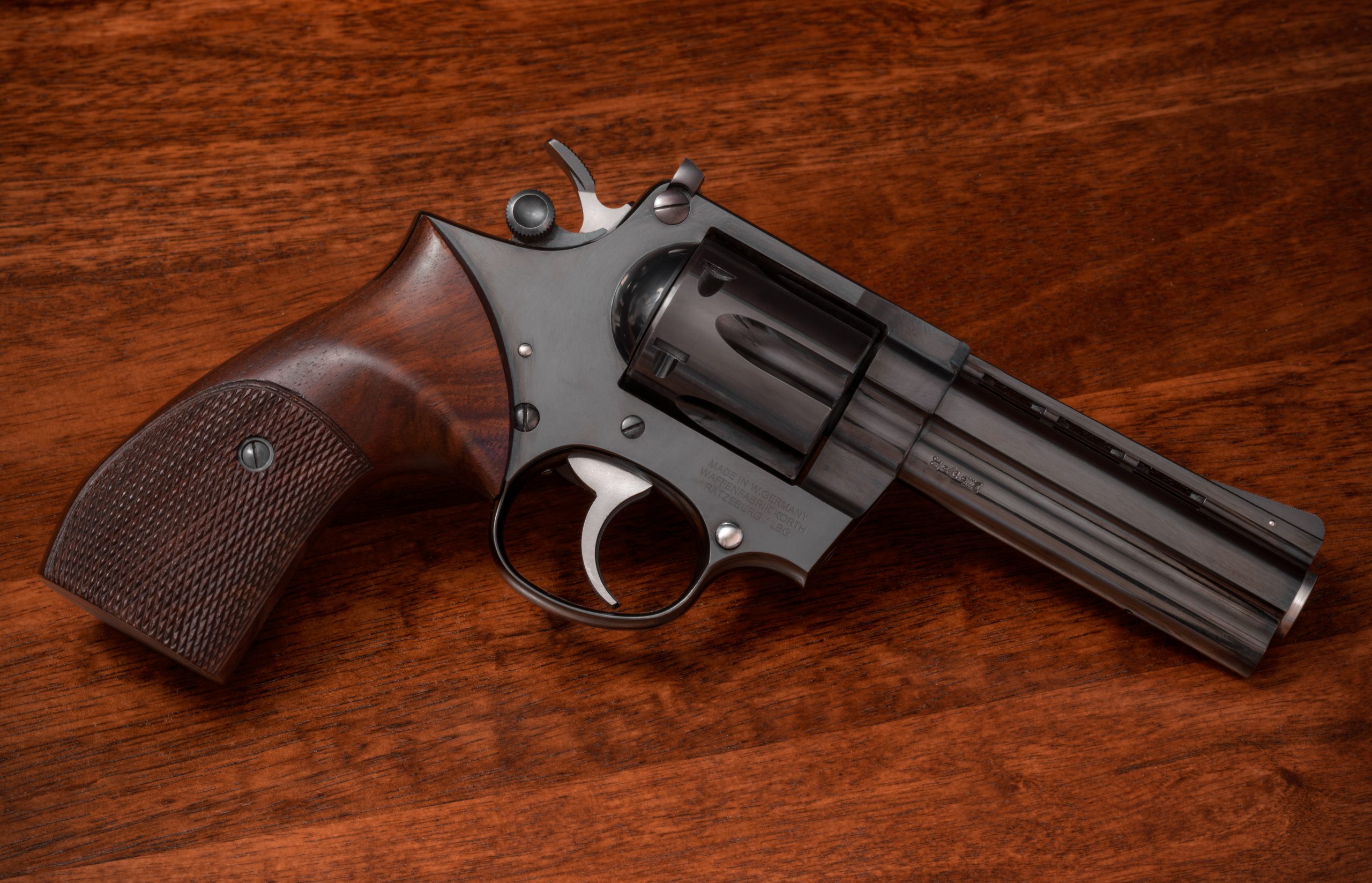
Even for calibers that civilians may legally possess, registration and carrying are separate legal questions in Mexico. The government states that firearms must be registered, while carrying requires an individual license and additional justification. The current framework allows licensed carrying only when the applicant meets the statutory requirements and demonstrates circumstances such as occupation, location, or another justified reason. Therefore, even a permitted .380 pistol cannot simply be carried wherever its owner chooses. Registration alone does not create unrestricted carry rights.
6. Sporting Rules: Create Separate Categories
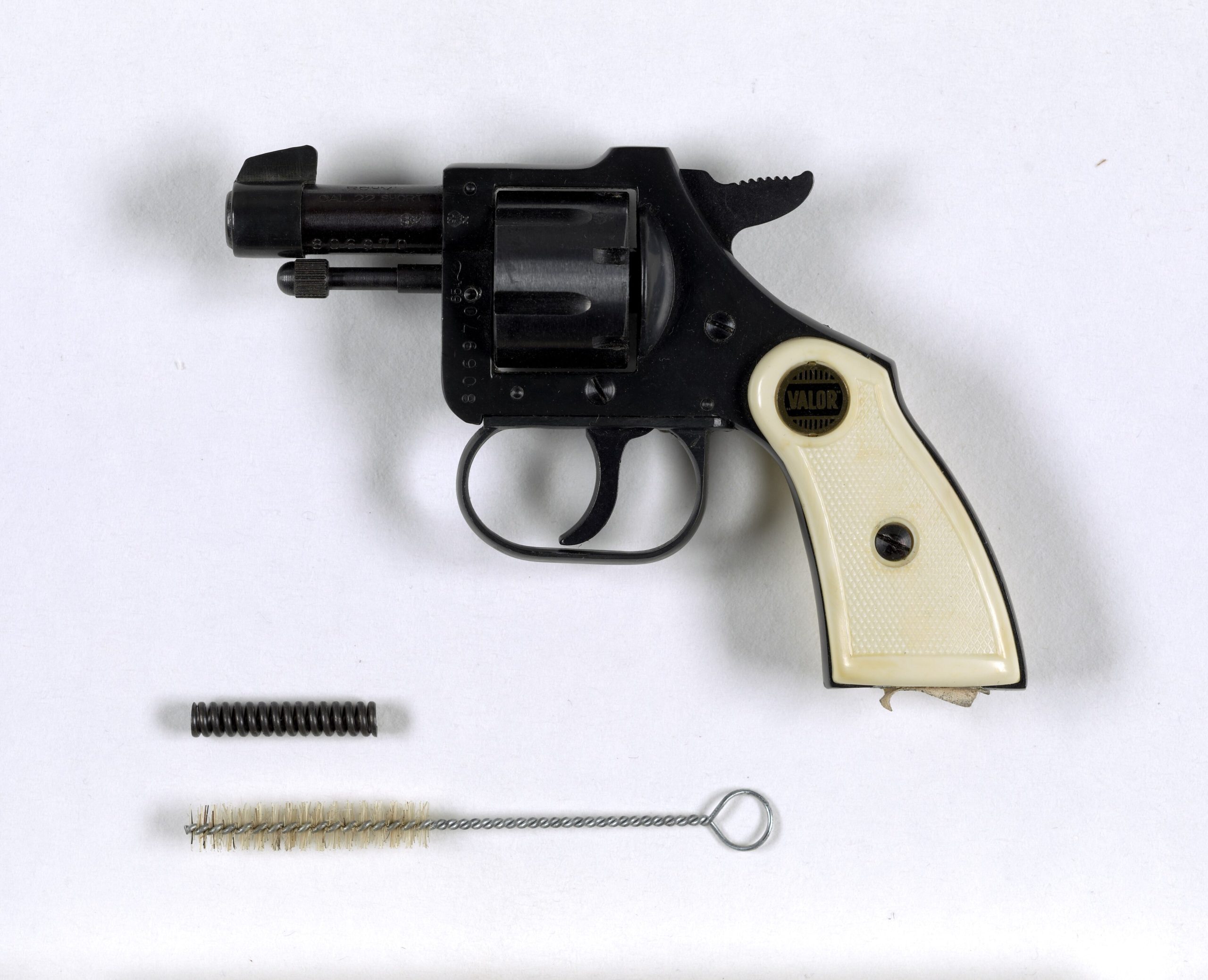
Mexico’s law also distinguishes ordinary household possession from sporting activities. Article 10 provides special provisions for people involved in shooting or hunting who belong to an appropriately recognized club or association. Certain .38 caliber pistols may be authorized for Olympic or competitive shooting under those provisions, but that does not turn the .38 Super into an ordinary civilian caliber. The distinction is important because a sporting authorization is a specific legal pathway with its own conditions. It should not be confused with the general rules governing household firearms.
7. The 2025 Reform Made the Text Clearer
Mexico’s federal firearms statute received a significant reform on May 29, 2025. The revised language continues to identify .38 Super among the restricted pistol calibers while reorganizing and updating several provisions governing civilian firearms. The current text, therefore, matters more than outdated summaries circulating online. Anyone researching Mexican firearms law should check the post-2025 version rather than relying on older articles that may describe previous wording. The official legislation is particularly important because restrictions can depend on exact statutory language.
8. Mexico’s Rules Are About More Than Caliber
Another important detail is that Mexican firearms law does not evaluate weapons solely by caliber. The statute also addresses firearm type, operating system, model characteristics, ammunition, magazines, and whether an item falls within a military-reserved category. Article 11 contains a broad list covering numerous weapons and ammunition types, while Article 11 Bis prohibits unauthorized civilians from possessing, carrying, or using the listed military-reserved items. Consequently, identifying a firearm’s caliber is only the first step in determining its legal status.
9. The .38 Super’s Reputation Is Bigger Than Its Legal Role
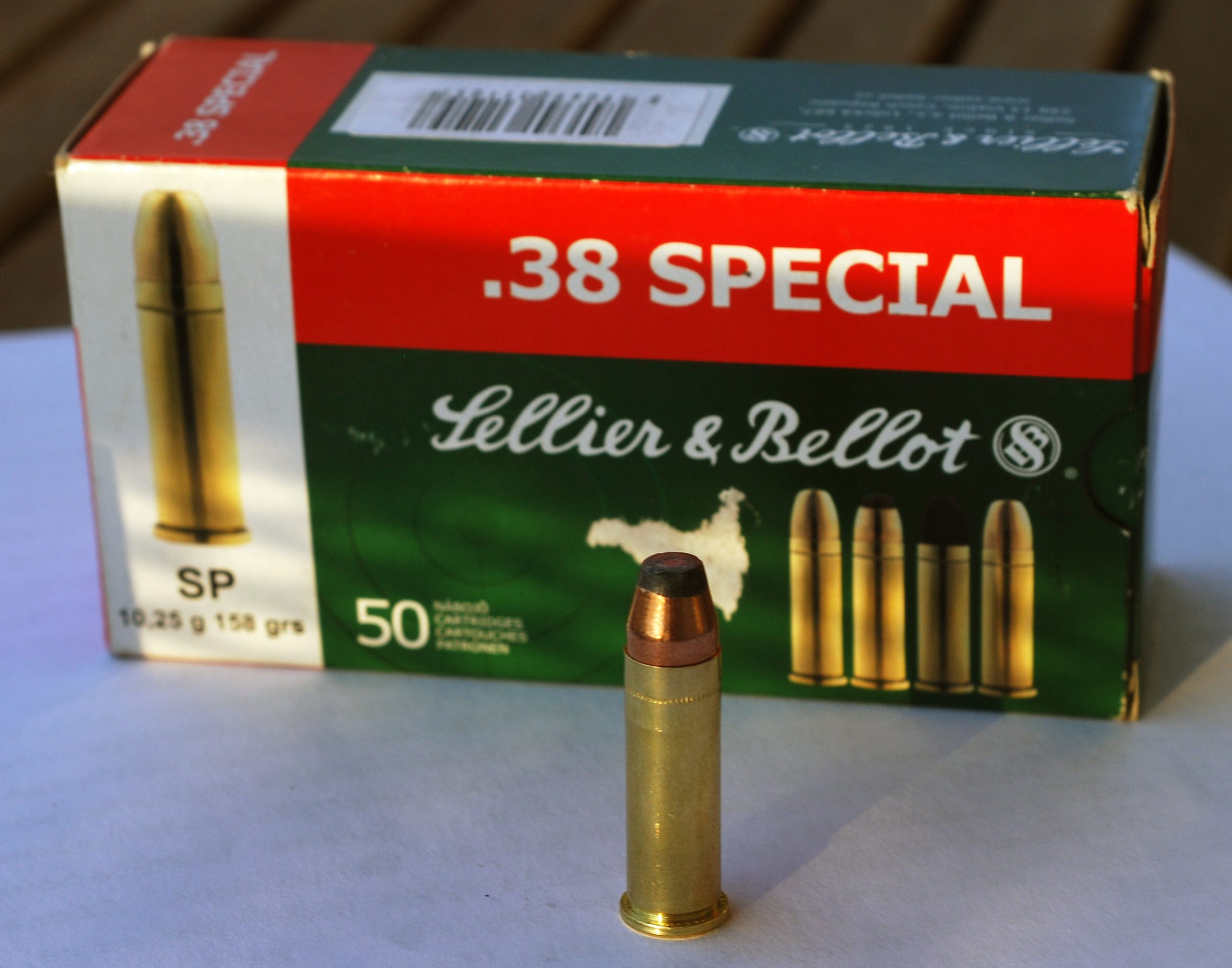
The .38 Super became famous internationally for its association with high-performance semiautomatic pistols and competitive shooting, but its Mexican legal reputation comes from something different: its explicit placement in the country’s restricted framework. That makes the cartridge unusual because it sounds close to a permitted .380 yet falls on the opposite side of the statutory line. The key figure is 2: .380 is expressly permitted within the ordinary semiautomatic category, while .38 Super is specifically excluded and separately listed among military-reserved calibers.