The history of commercial ammunition includes plenty of promising ideas that never won lasting customer support. Some cartridges arrived with impressive performance claims but offered little advantage over established alternatives. Others were tied to unusual firearms, expensive manufacturing requirements, limited availability, or changing consumer preferences. For collectors, these unsuccessful launches are more than forgotten names in old catalogs. They reveal how engineering, marketing, firearm design, and shooting habits influence a cartridge’s success. A round can be technically interesting and still disappear from the market, leaving behind a fascinating piece of ammunition history.
1. .256 Winchester Magnum
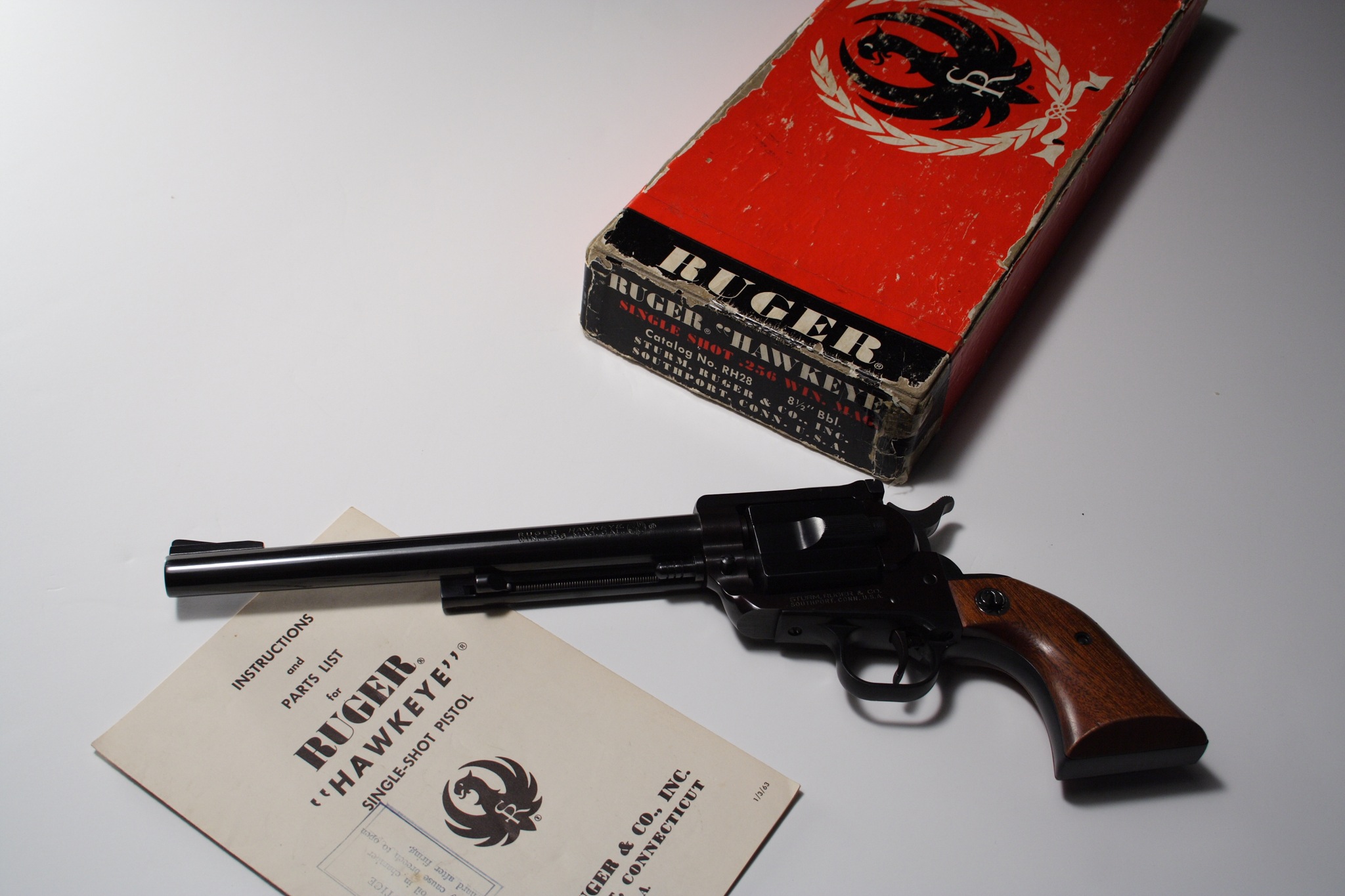
Introduced in 1960, the .256 Winchester Magnum was an unusual attempt to bring magnum performance to a compact sporting handgun. It was chambered in the Ruger Hawkeye single-shot pistol and later associated with other specialized firearms. Despite its interesting concept, the cartridge struggled to attract a broad following. Its limited firearm selection made it less practical for average buyers, while established small-caliber options already served many similar needs. Today, surviving ammunition boxes and Hawkeye pistols interest collectors because they represent a short-lived experiment in handgun cartridge design.
2. .22 Remington Jet
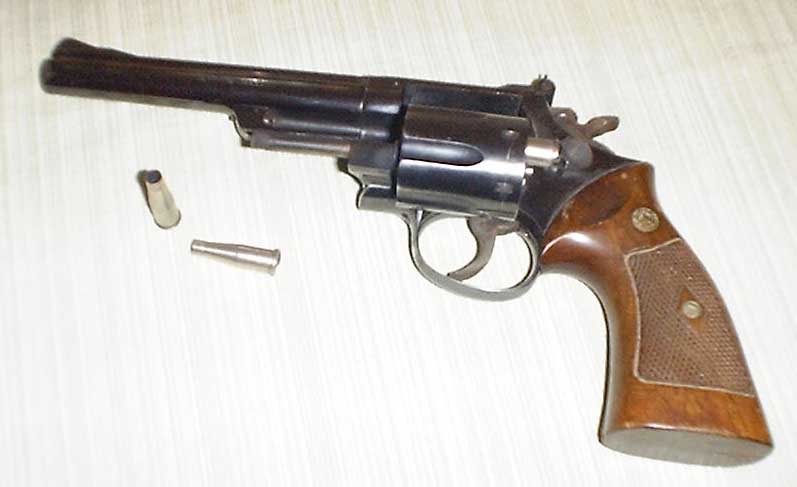
Introduced in 1961, the .22 Remington Jet was developed for revolvers, including Smith & Wesson’s Model 53. Its distinctive bottlenecked case set it apart from conventional revolver ammunition and promised high velocity from a small bullet. However, the design encountered a practical problem: some revolvers experienced case setback during firing, potentially affecting cylinder rotation. The cartridge never developed the large following needed for long-term commercial success. Collectors value original Model 53 revolvers, factory ammunition boxes, and examples of this unusual round as reminders that clever engineering does not always translate into dependable market demand.
3. .224 Weatherby Magnum
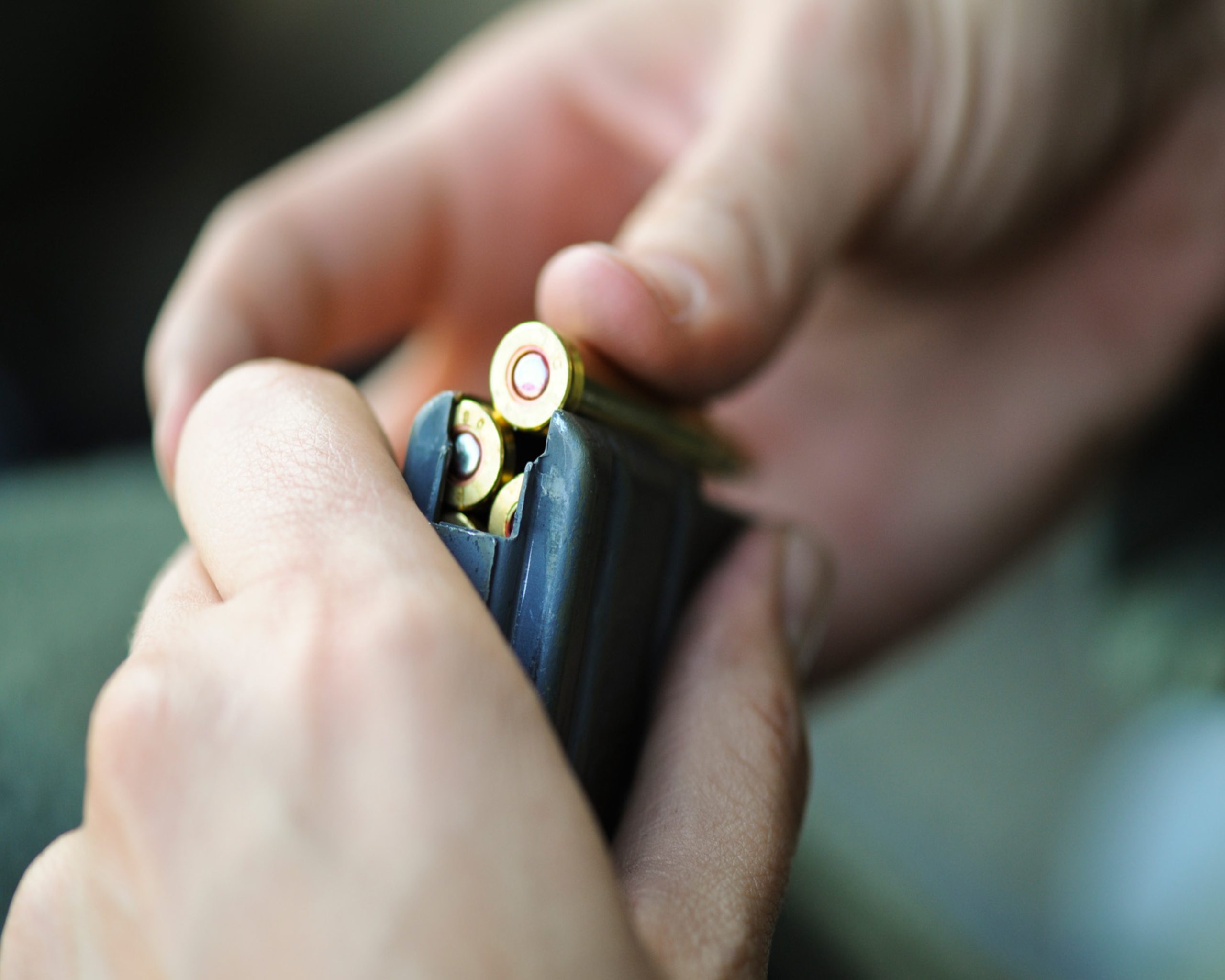
Weatherby introduced the .224 Weatherby Magnum in 1963, bringing the company’s distinctive belted-case design to the small-caliber varmint cartridge market. It offered an interesting alternative to established .22-caliber rounds, but the performance advantage came with a less convenient package. Ammunition availability and competition from popular cartridges such as the .22-250 Remington limited its appeal. Its unusual proportions and place in Weatherby’s catalog make it noteworthy today. Collectors appreciate the cartridge as an example of the era when manufacturers explored faster, more specialized rounds in the hope of attracting dedicated shooters.
4. .225 Winchester
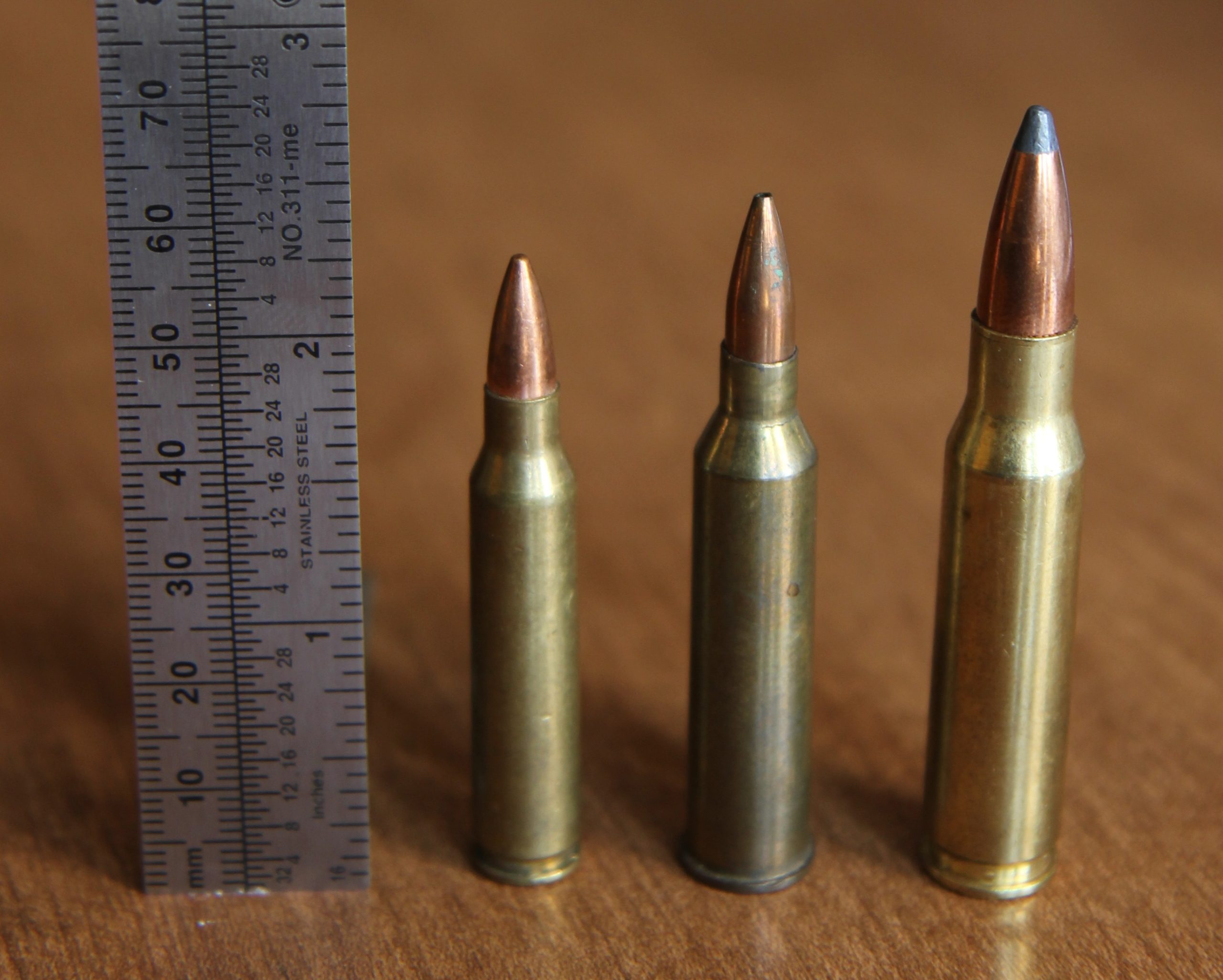
Introduced in 1964, the .225 Winchester was designed as a modern sporting cartridge for varmint hunting and appeared in Winchester’s Model 70 rifle. It delivered useful performance, but its timing worked against it. The .22-250 Remington was gaining popularity, while other established cartridges already had strong customer bases and ammunition support. The .225 Winchester’s distinctive semi-rimmed case also gave it a less familiar appearance than many competing designs. Although it never became a mainstream favorite, surviving rifles, headstamped cases, and original ammunition remain interesting to collectors studying the competitive cartridge market of the 1960s.
5. 6.5mm Remington Magnum
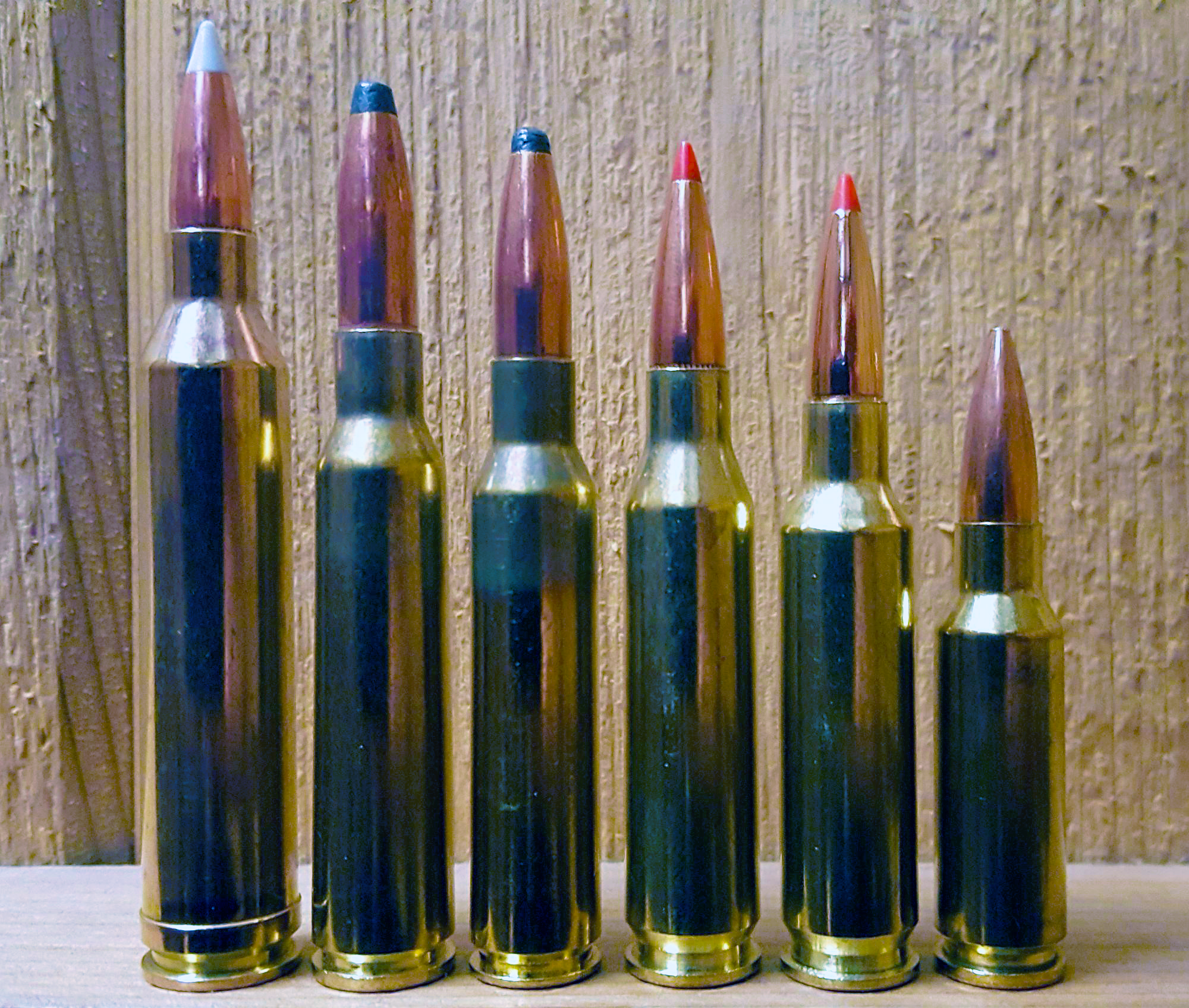
Remington introduced the 6.5mm Remington Magnum in 1966 for its compact Model 600 rifle. The concept paired a short action with magnum performance, offering hunters a relatively handy firearm. However, the short rifle’s limited barrel length and the cartridge’s specialized ammunition supply did little to encourage widespread adoption. Many buyers preferred more familiar hunting cartridges with broader rifle choices and established availability. Its commercial difficulties illustrate how a technically distinctive design can struggle when customers do not see enough practical benefit. Collectors now appreciate the cartridge as part of the short-action magnum experiments of the 1960s.
6. .350 Remington Magnum
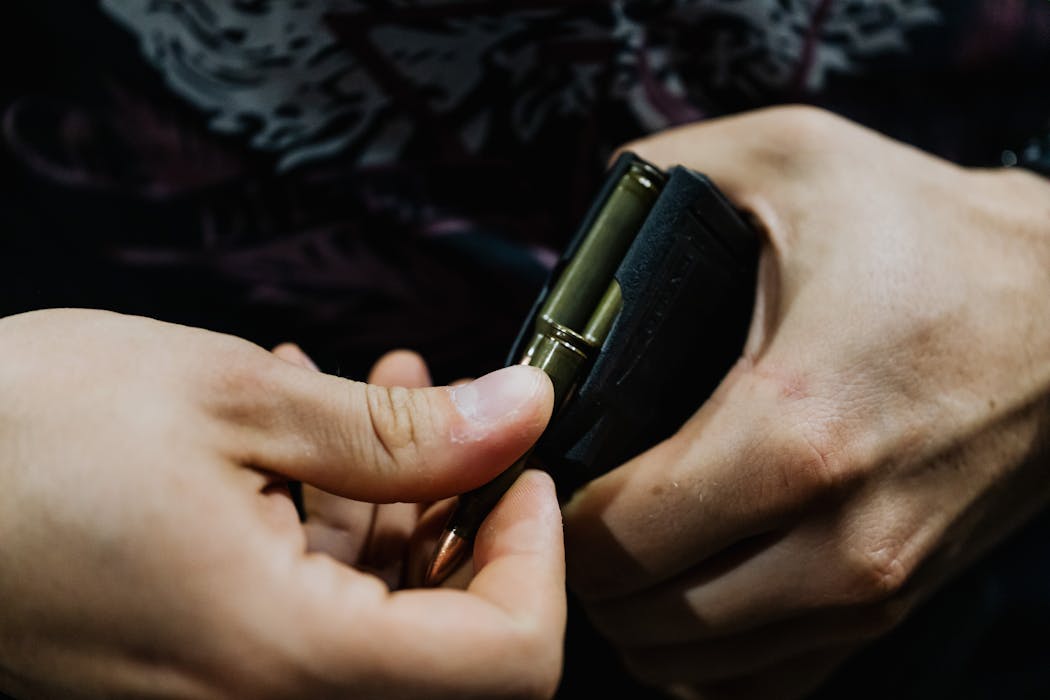
Also introduced in 1965, the .350 Remington Magnum was built for compact hunting rifles, including the Remington Model 600. It offered substantial power in a short-action package, making it an intriguing option for hunters seeking a relatively short rifle for large game. Yet the compact rifle’s noticeable recoil, limited selection of chambered firearms, and competition from established cartridges restricted its audience. It never became a universal hunting standard, although it retained loyal supporters. Collectors find its history fascinating because it shows how a capable cartridge can remain commercially limited when rifle design, comfort, and customer expectations do not align.
7. .17 Remington Fireball
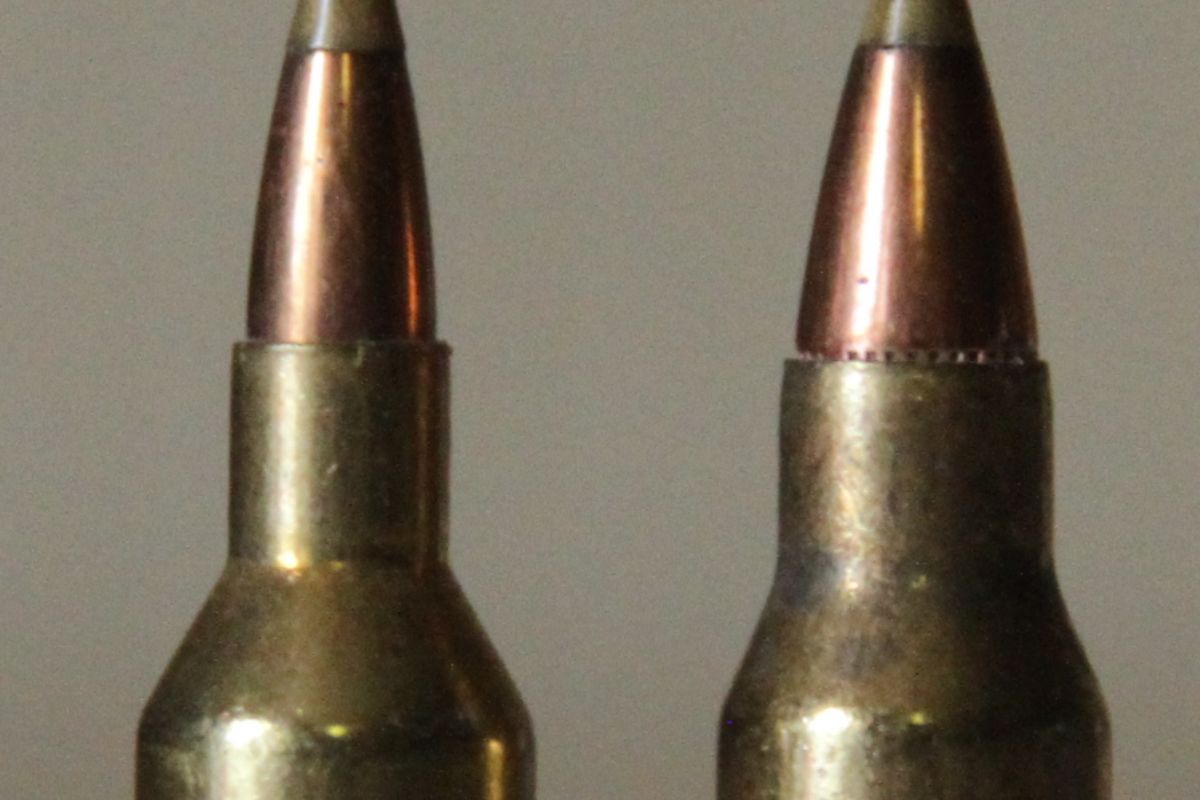
Introduced in 2007, the .17 Remington Fireball was a compact varmint cartridge derived from the .221 Remington Fireball case. It offered high velocity with lightweight .17-caliber bullets, appealing to shooters interested in small targets and reduced recoil. However, it entered a market already served by established options, including the .17 Remington and .204 Ruger. Its specialized ammunition and relatively narrow purpose made it difficult to achieve mass-market popularity. Although it was not an immediate failure, its limited commercial reach makes it an interesting modern example of how a technically attractive cartridge can struggle to secure lasting shelf space.
8. .356 Winchester
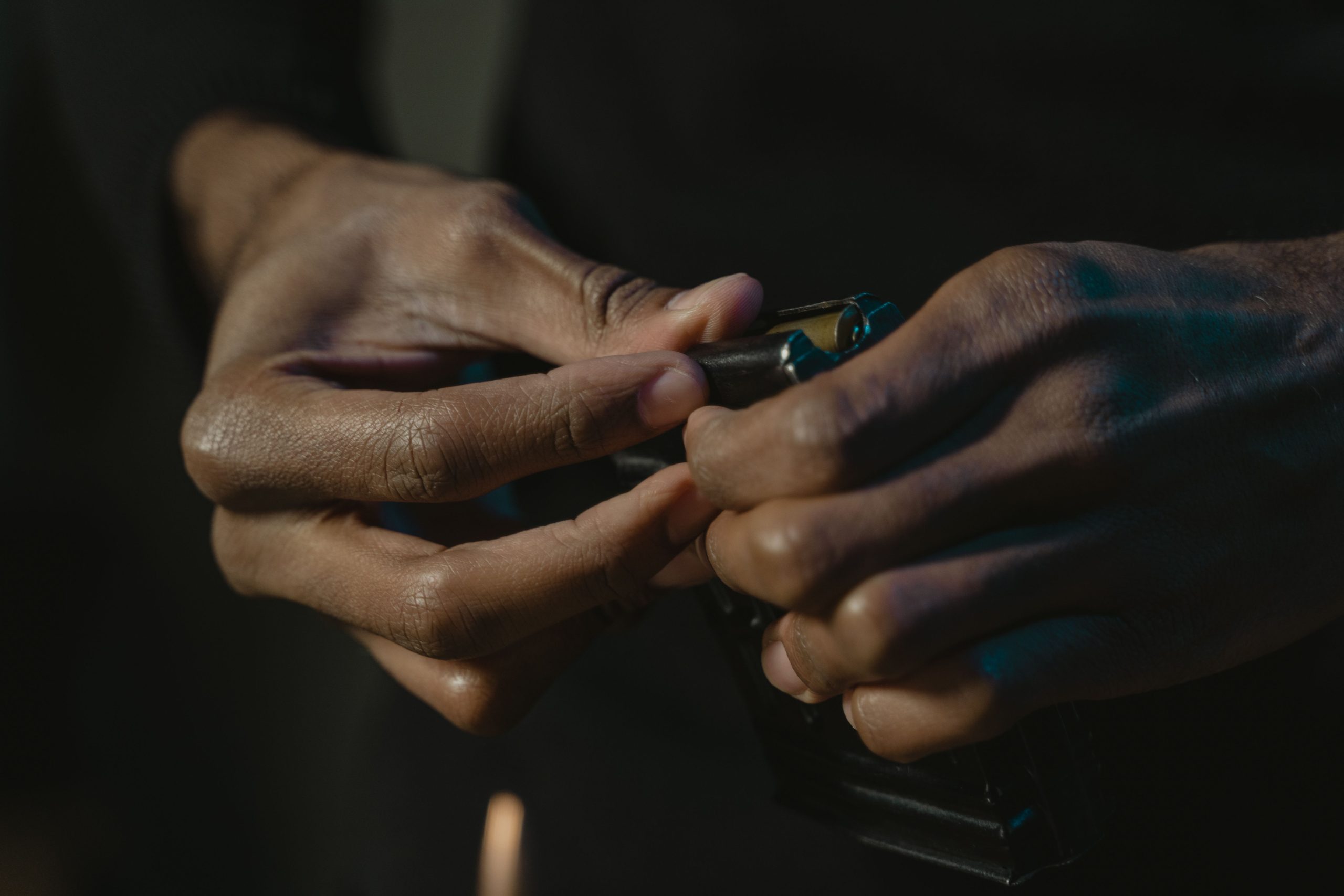
Introduced in 1982, the .356 Winchester was developed for lever-action rifles, including the Winchester Model 94 Big Bore. It offered more power than traditional .30-caliber lever-action options, while using a case designed for modern sporting ammunition. Despite its capabilities, the cartridge faced a small market: buyers seeking heavier-hitting lever guns often preferred established alternatives such as the .45-70 Government. Its limited rifle availability and relatively specialized ammunition further restricted demand. Collectors value original rifles and boxes because the .356 Winchester represents an ambitious effort to modernize the traditional lever-action hunting rifle.
9. .25 Remington
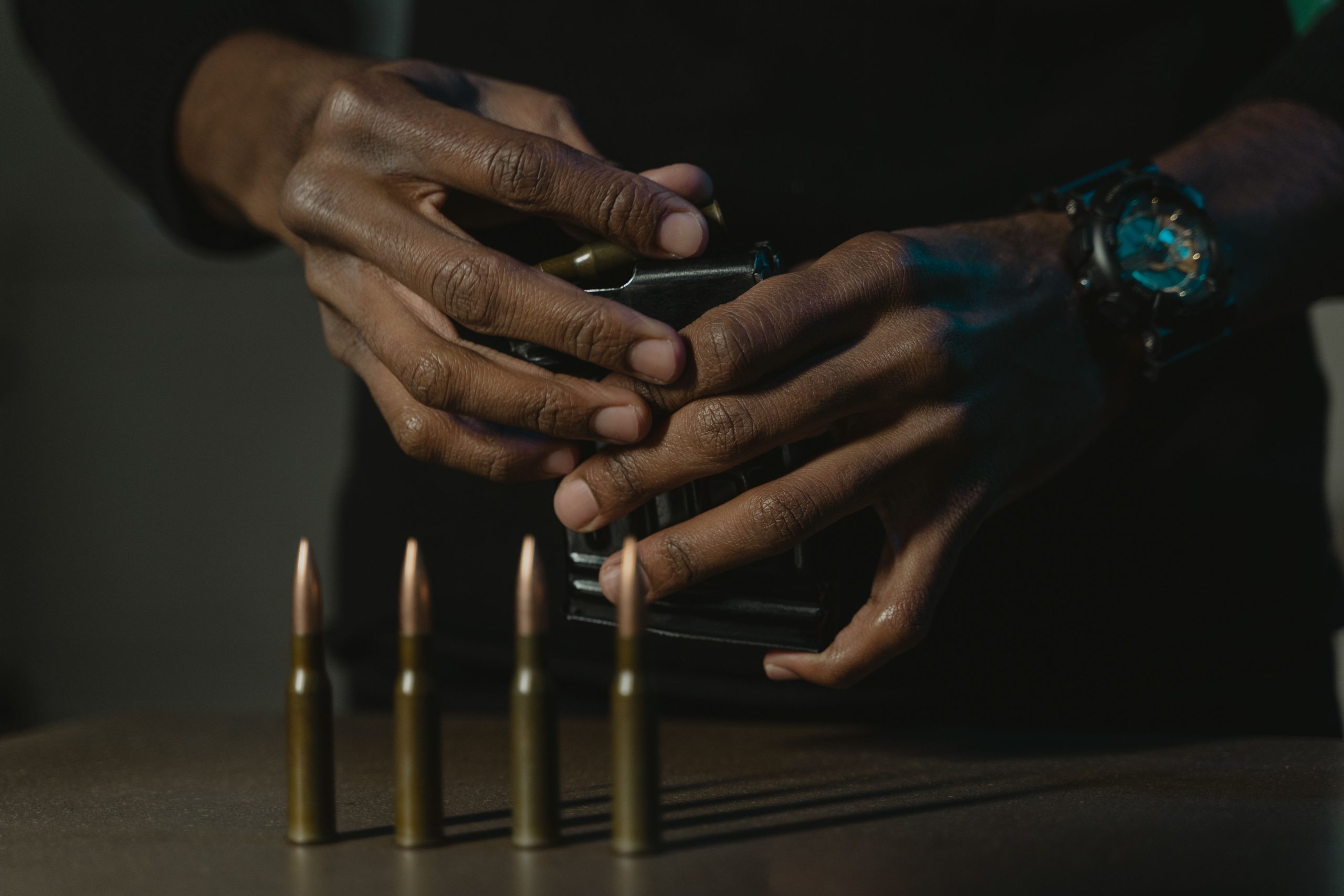
The .25 Remington appeared in 1906 alongside Remington’s early autoloading sporting rifles, including the Model 8. It was part of a family of rimless cartridges intended to compete with popular Winchester offerings. The concept was forward-looking, but Winchester’s established ammunition and rifle combinations already had strong customer recognition. Over time, the .25 Remington lost ground as its supporting firearms disappeared and buyers gravitated toward more widely available alternatives. Today, surviving cartridges, original boxes, and Model 8 rifles help collectors understand how fierce competition between manufacturers shaped the early